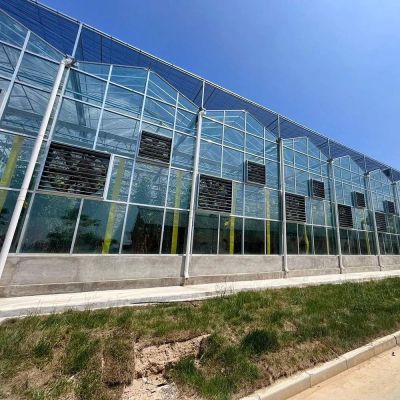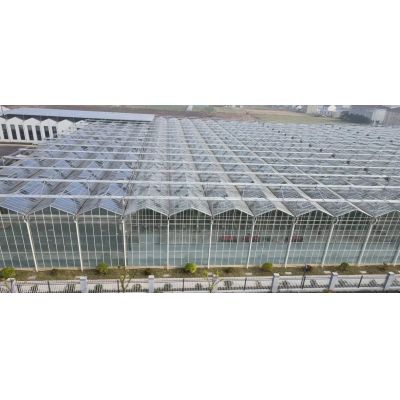
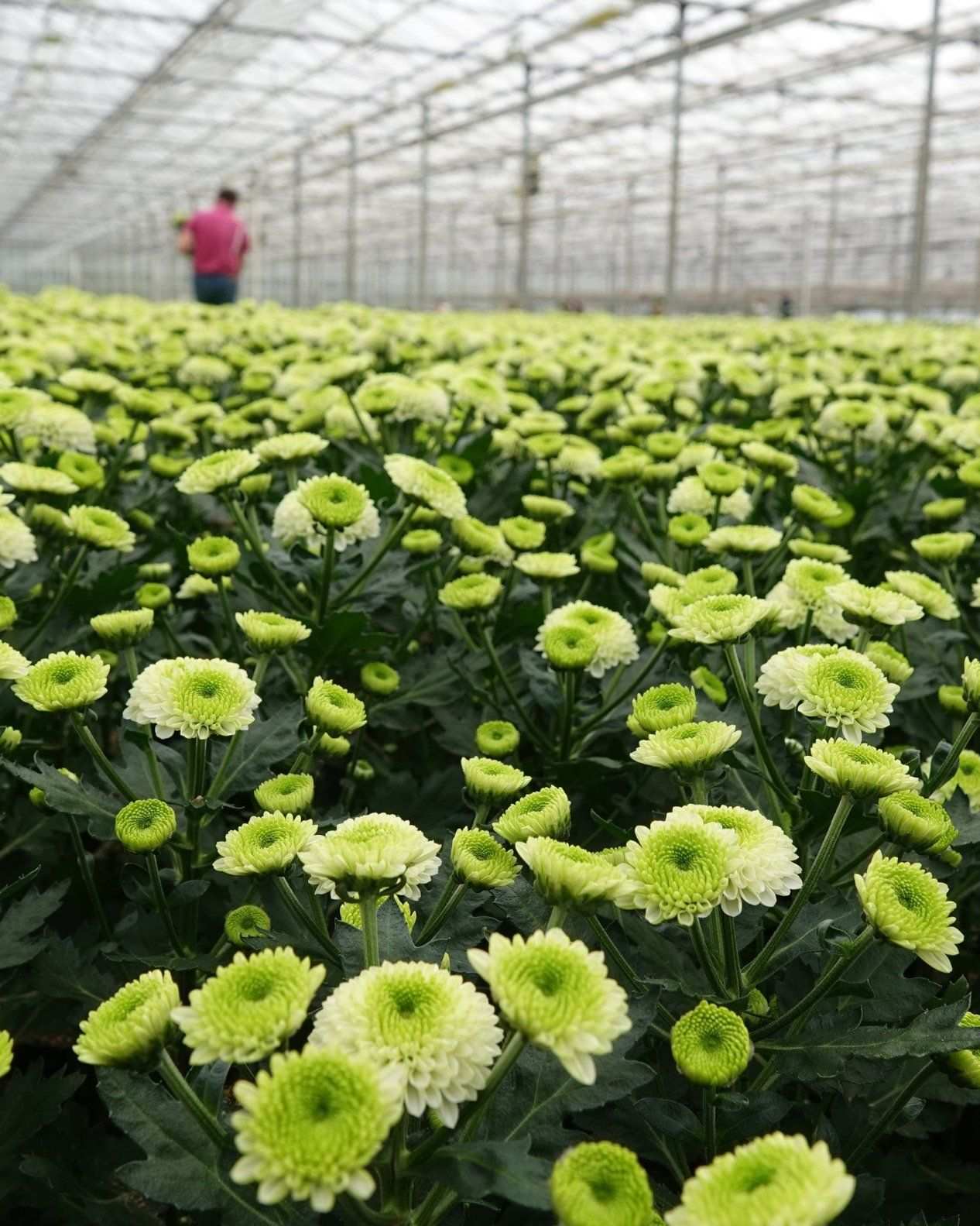
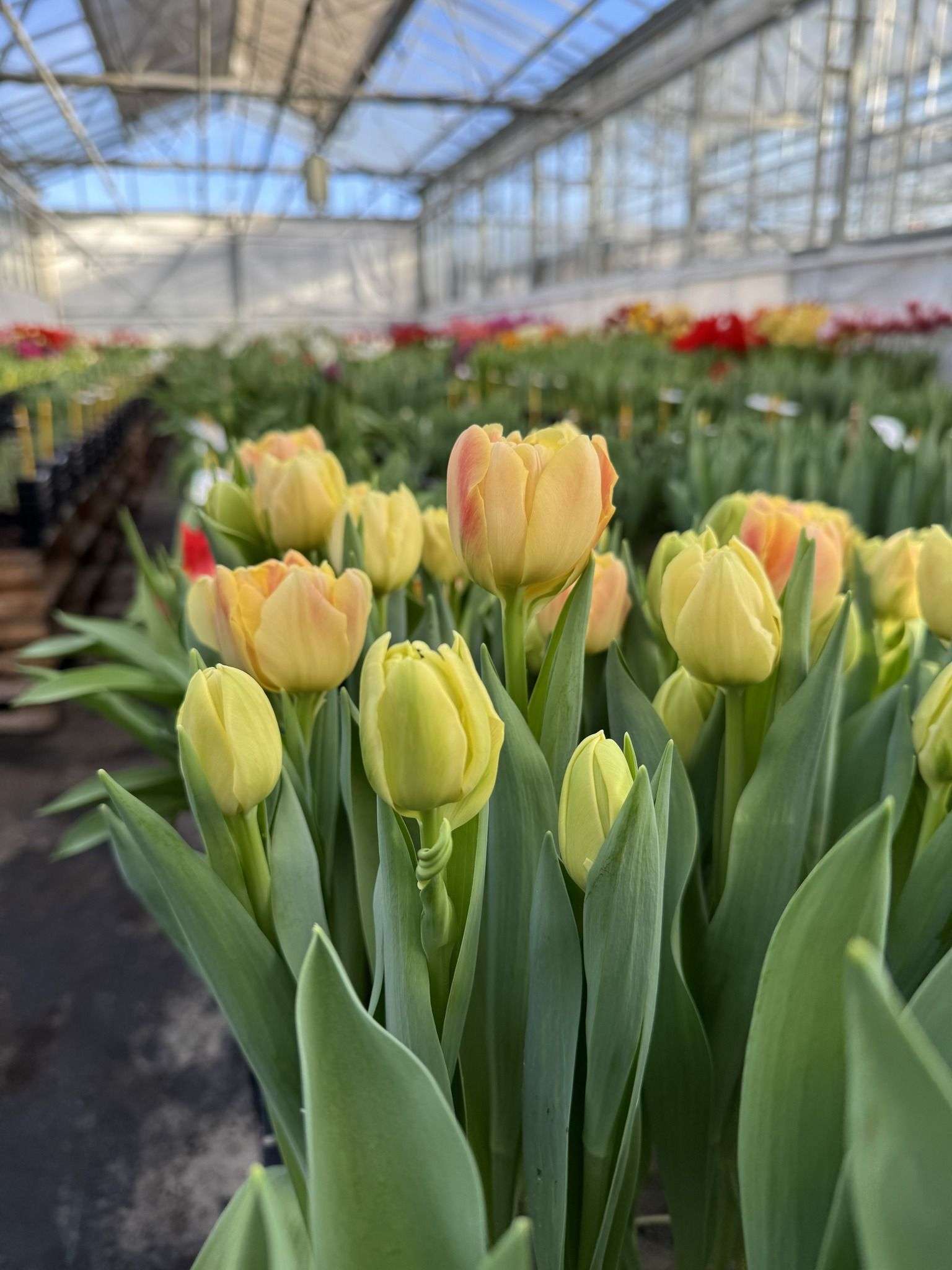
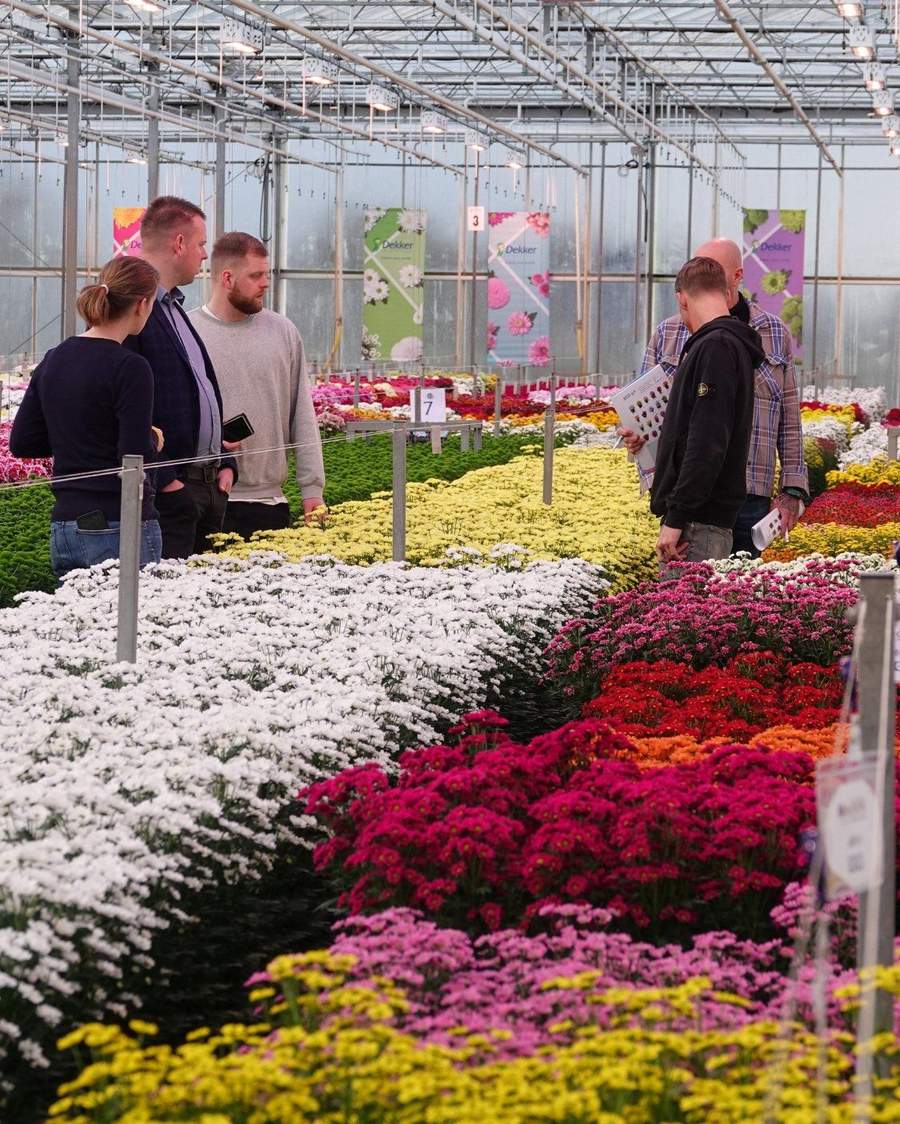
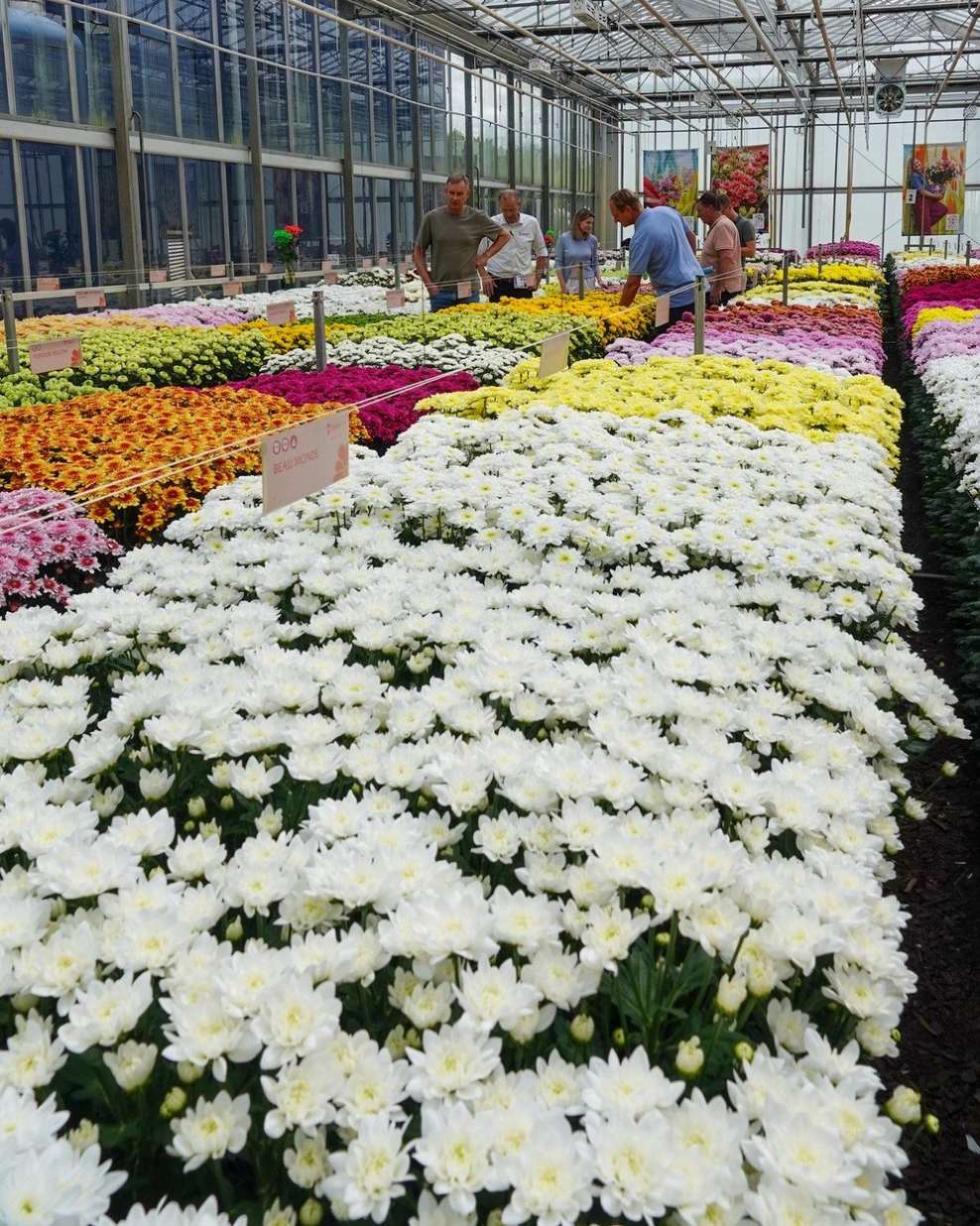
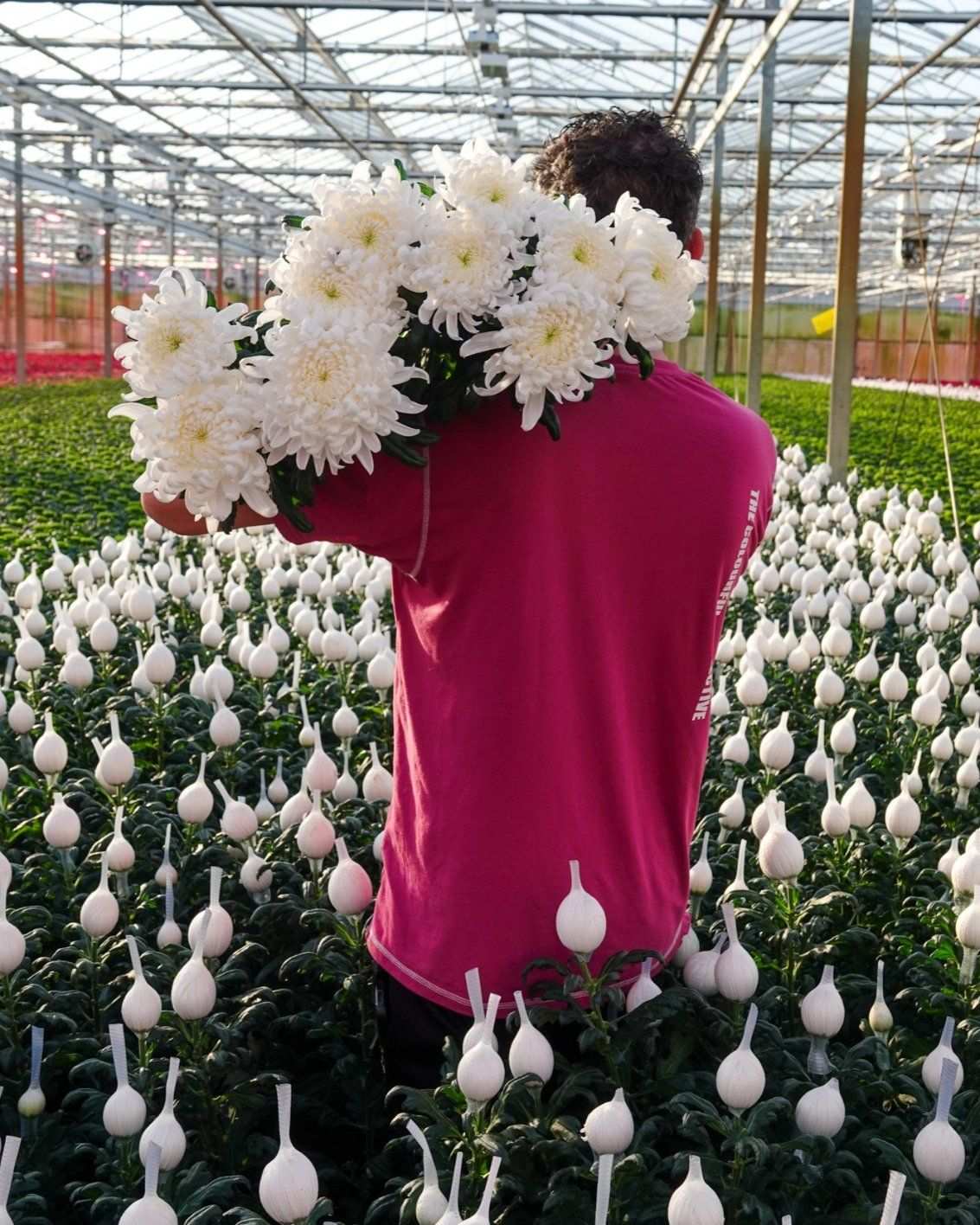
Flower crops are sold on timing and on colour, so the house has to deliver even light and a temperature the grower can repeat. This listing quotes a tempered glass house on an aluminium frame, with a grooved channel profile that holds the panes against wind, in spans from eight to twelve metres, lengths from ten to a hundred metres and heights from three to eight metres. Benches, irrigation and screening are quoted with the project, because a cut flower crop and a pot plant crop want different layouts.
Cut flowers and pot plants are sold into a date, not into a season, which is why flower houses are usually the most heavily glazed buildings on a nursery. This listing quotes a tempered glass house on an aluminium frame for commercial flower growing, part of the glass greenhouse range on this site.
A flower crop that is two weeks late is a different price, and a crop that is two weeks early is a better one. That is the argument for glass: the light level is predictable from year to year, the temperature can be driven, and the crop can be scheduled rather than hoped for.
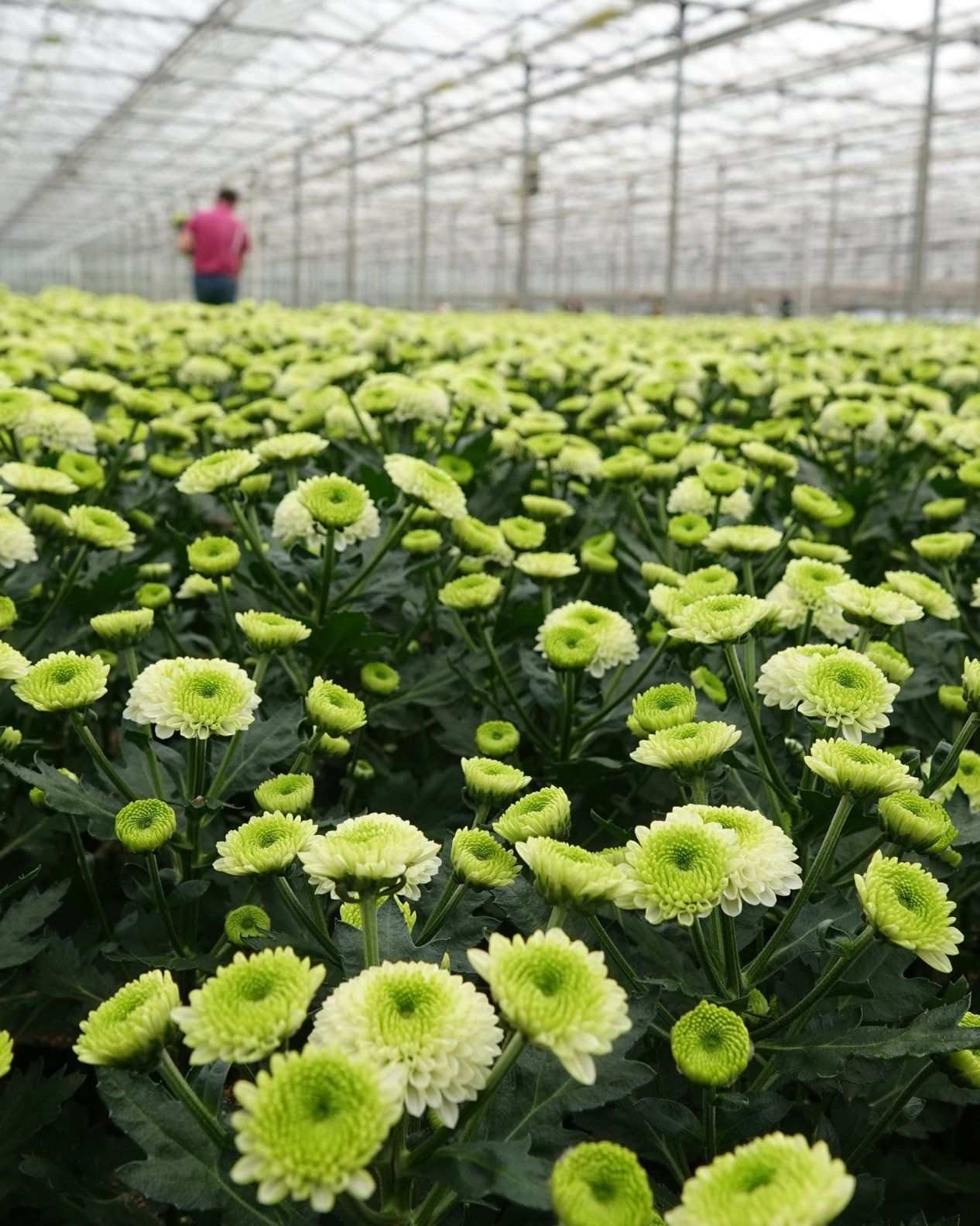
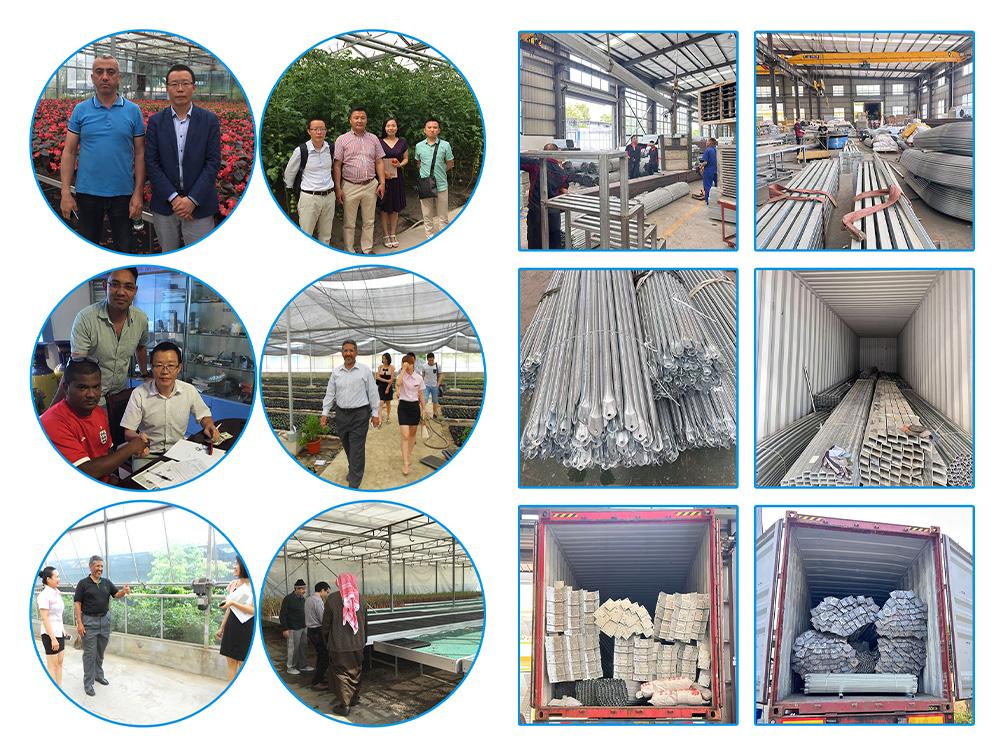
The frame is quoted as aluminium alloy with a grooved channel that holds the panes and stiffens the wall against wind. Aluminium does not need a galvanized coating and it weighs less than steel, which matters on a wide roof; the trade-off is a higher material cost and a section that is less stiff at the same depth.
The custom fields on this listing also name hot dip galvanizing, which is the usual steel option on the same drawing. Treat the frame material as a quotation choice: aluminium for weight and finish, galvanized steel for stiffness and cost.
| Structure | Multi span glass house, aluminium frame with grooved channel, or galvanized steel |
| Covering | Tempered glass |
| Span | 8 to 12 m, built to order |
| Length | 10 to 100 m, built to site |
| Height | 3 to 8 m |
| Crops | Cut flowers and pot plants, plus vegetables and fruit |
| Benches and irrigation | Quoted with the project |
| Screening | Quoted with the project |
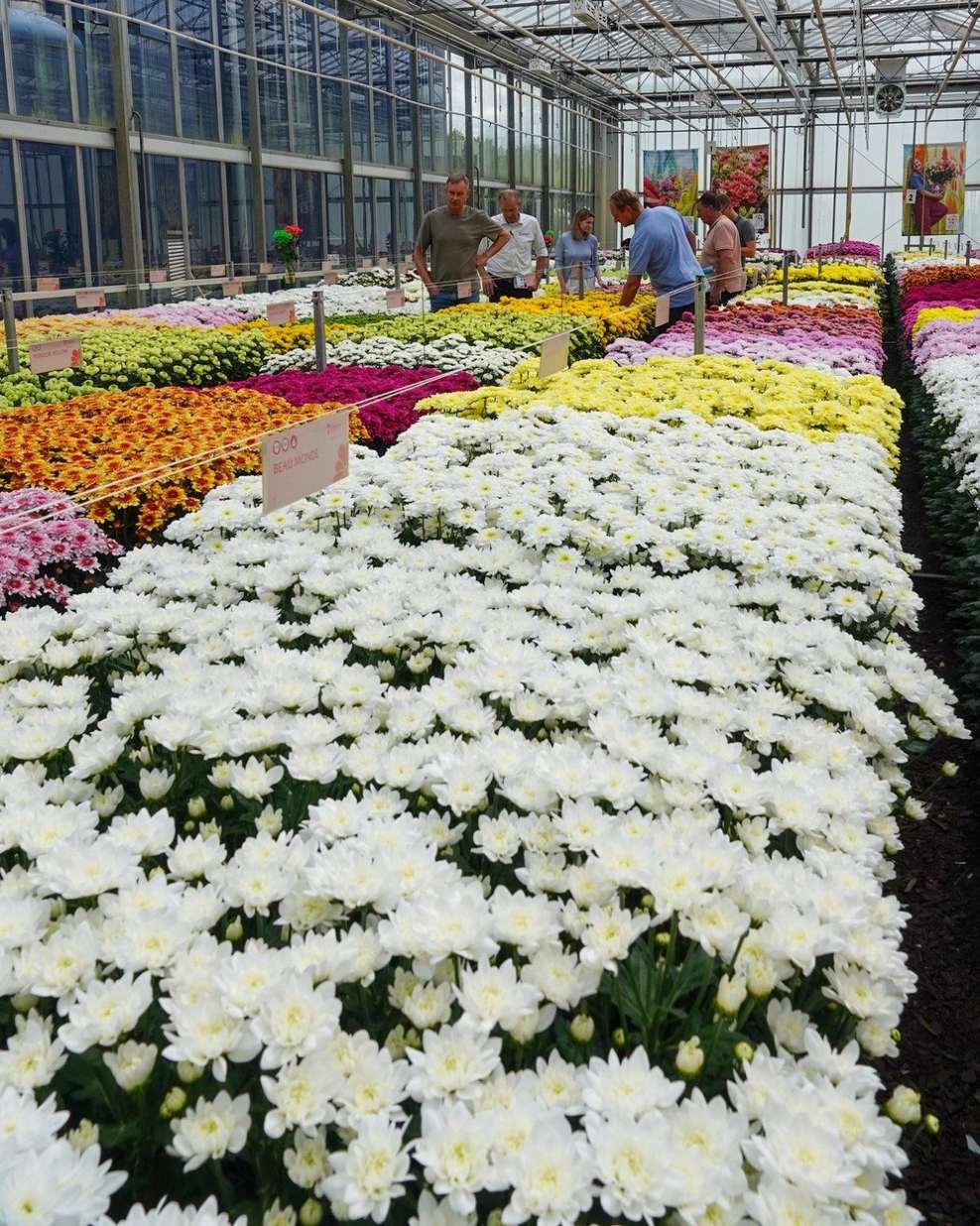
Flower crops are usually grouped by the temperature they want, and the grouping is a useful way to size a house. Cold houses run at roughly 2 to 5 degrees for foliage plants; cool houses 5 to 8 for primula and similar; temperate houses 8 to 15 for calceolaria and fuchsia; warm houses 15 to 25 for tropical subjects such as croton. These are the usual horticultural bands rather than this product's settings.
The band decides the specification. A warm house needs a heat source and an insulated envelope; a cool house can often be run on ventilation and screens alone. Getting the band right at quotation is costs less than adding heating to a house that was bought for the wrong crop.
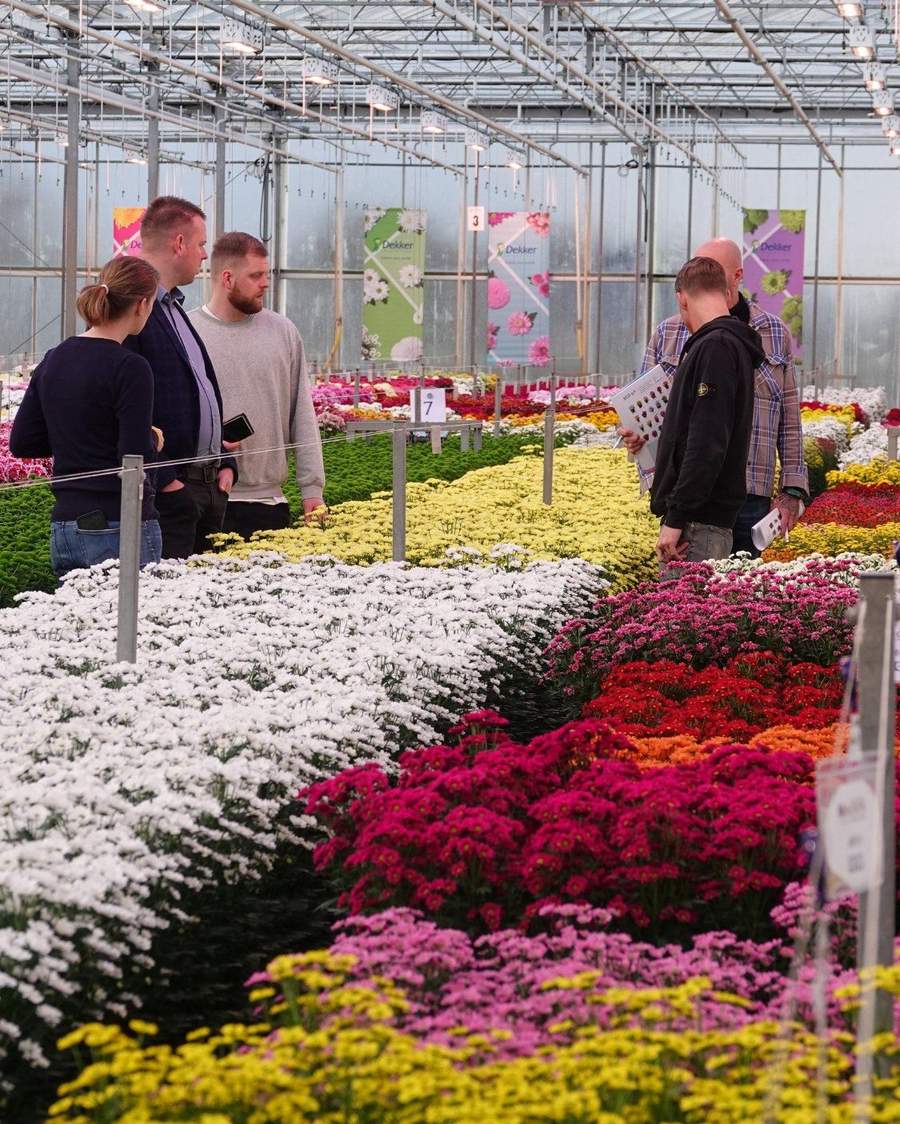
Tempered glass transmits light without the yellowing that film suffers, and it can be washed. For a crop sold on colour that is the whole point: reds and yellows are read by the buyer under the light they were grown in, and a dirty roof changes the colour as surely as a shade screen.
Screening is the other control. A shade screen is not only for summer heat; on a flower crop it is used to stretch or hold stems, and the percentage matters more than the colour of the cloth. That is why the screen is quoted per project rather than bundled.
A glass house for cut flowers with a milder frame is described on the custom cut flower glass house page, and a UV resistant flower range on the UV resistant flower glass house page.
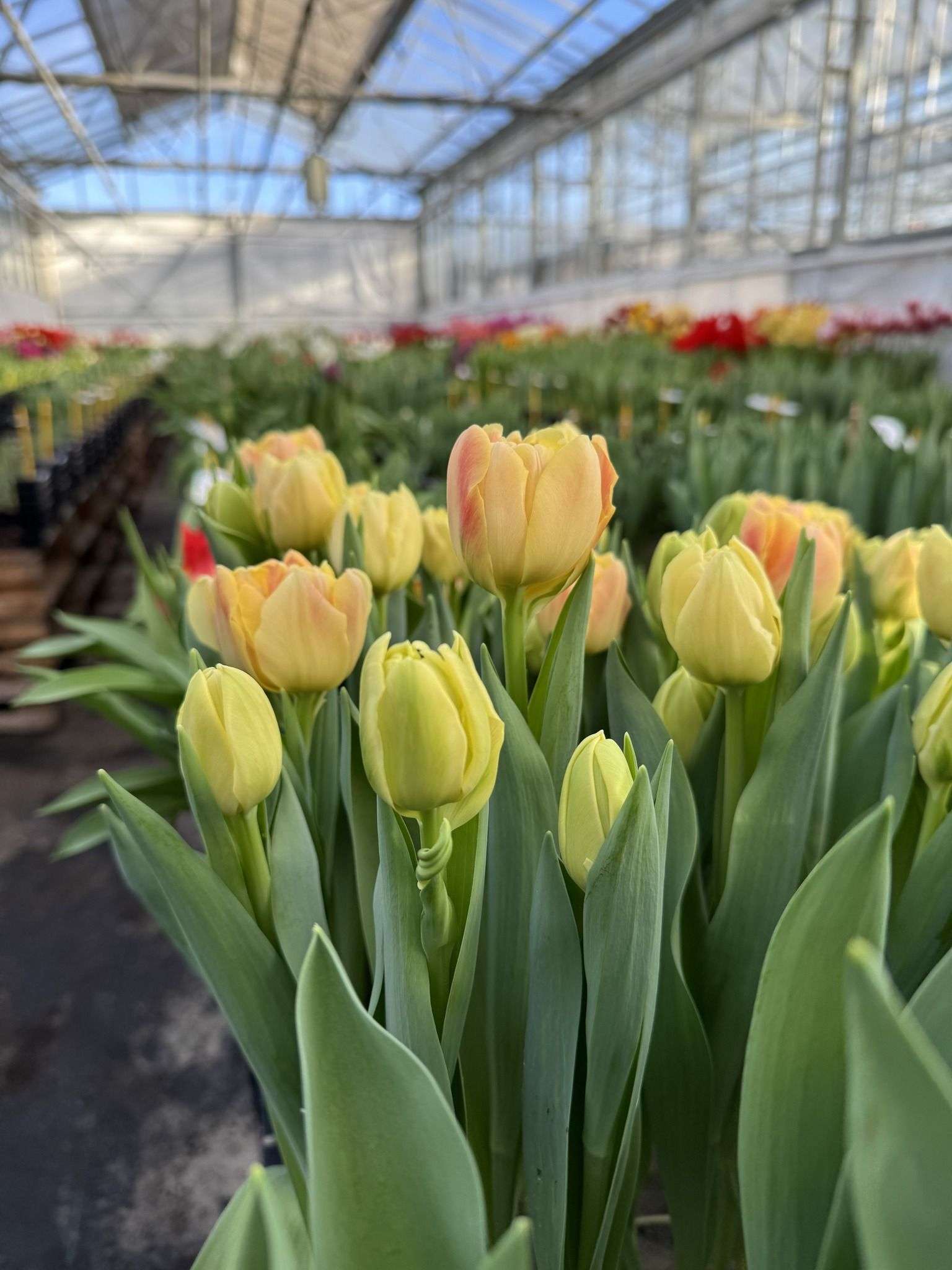
A flower house is mostly bench. The bench layout decides the aisle width, the aisle width decides the trolley, and the trolley decides whether the crop moves through the house on a schedule or on people's backs. Irrigation usually follows the bench: ebb and flow trays for pot plants, drip for cut flowers in beds.
Air movement matters more than temperature for disease. A glass house with the vents open moves a lot of air at the ridge and very little at bench height, so horizontal fans are common in flower houses even where the vents are generous.
Structural glass standards are published by DIN, and flower trade coverage by FloralDaily.
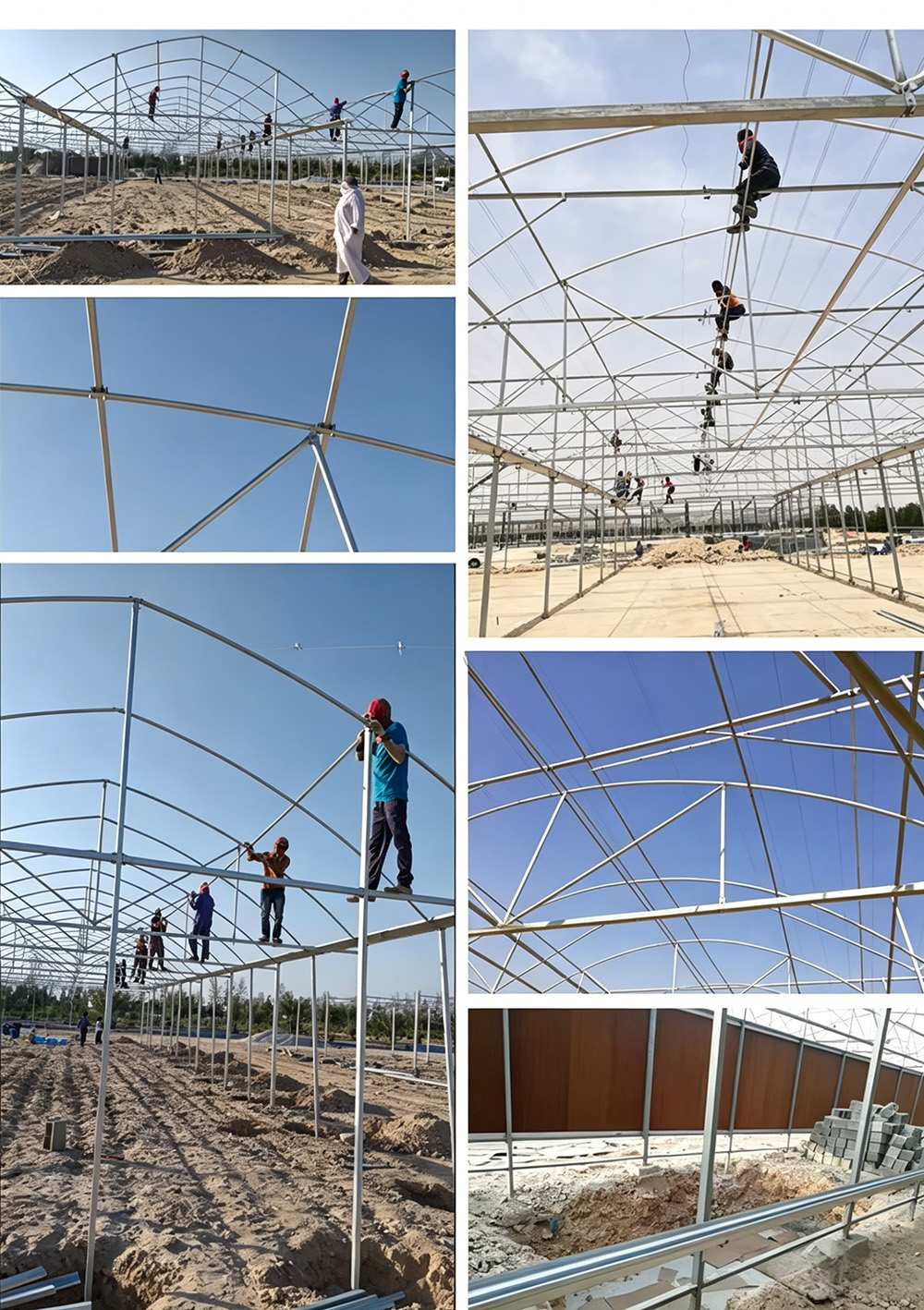
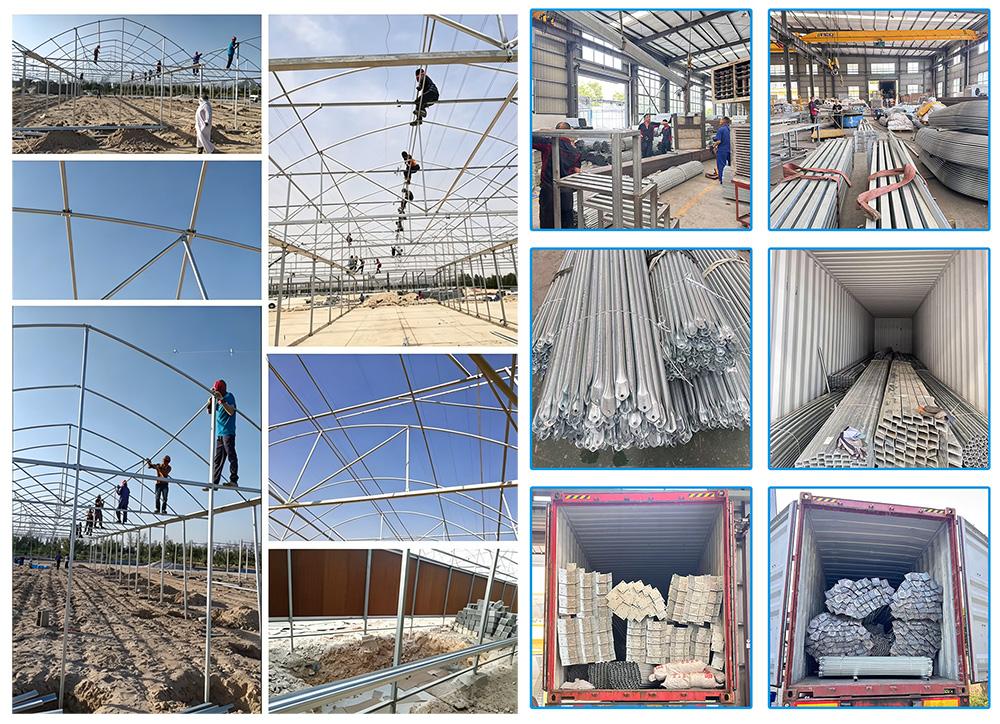

The hot-dip galvanized steel frame is designed for a 15-20 year service life in normal agricultural environments, with a double-sided zinc coating of 200-275 g/m². Film covers are replaced every 3-5 years, while glass and PC panels carry their own manufacturer warranties.
A standard multi-span greenhouse is typically erected in 2-4 weeks, depending on the span, the number of bays and site access. Foundation work and glazing are the two stages that set the pace, and both are scheduled before the frame arrives.
Yes. We customize span width, bay length, gutter height, covering material (film, PC sheet or glass) and ventilation configuration. Share your crop type, local climate and growing area, and our engineers will size the structure to match.
Film suits low-cost tunnels on 3-5 year replacement cycles. Glass delivers the highest light transmission and the longest lifespan, at the highest cost. PC sheet insulates better than film and suits cold or high-humidity climates. The right choice depends on climate, crop and budget.
Aluminium if weight and finish matter and the span is moderate; galvanized steel if the span is wide or snow load is high. Both are quoted for this drawing, and the section is chosen with the span rather than by preference, so send the widest span you need.
Yes, with internal partitions and separate heating circuits, but it costs less to design it in than to add later. Tell us the temperature bands you plan to run and the partition lines can be drawn into the frame layout from the start.