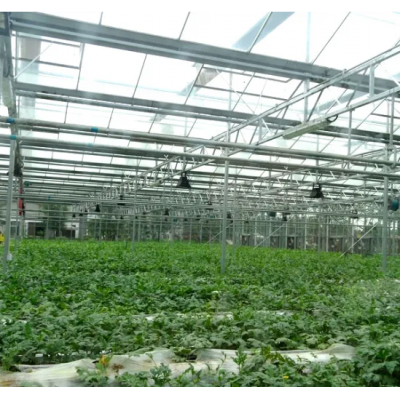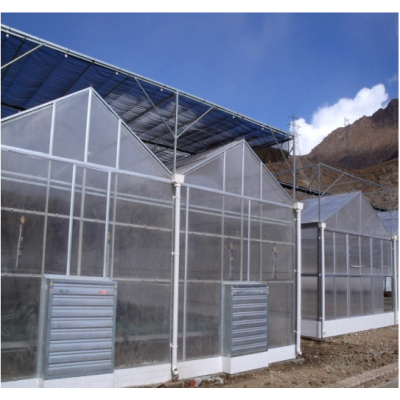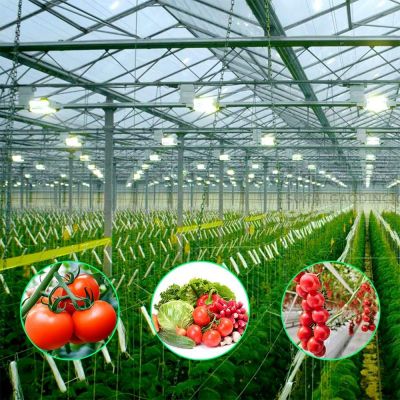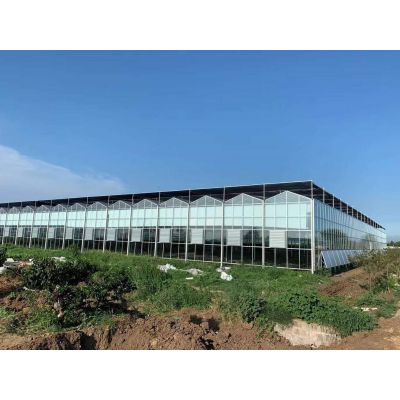
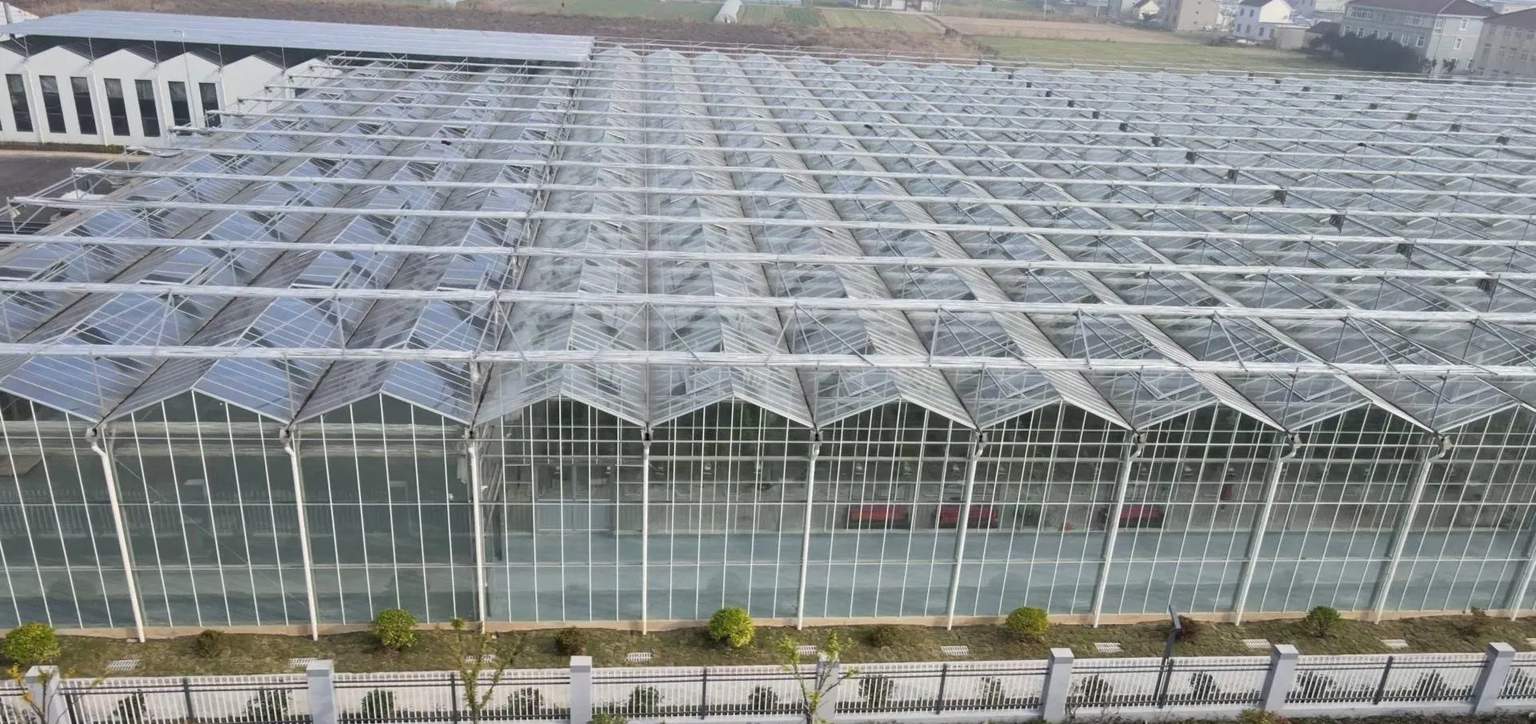
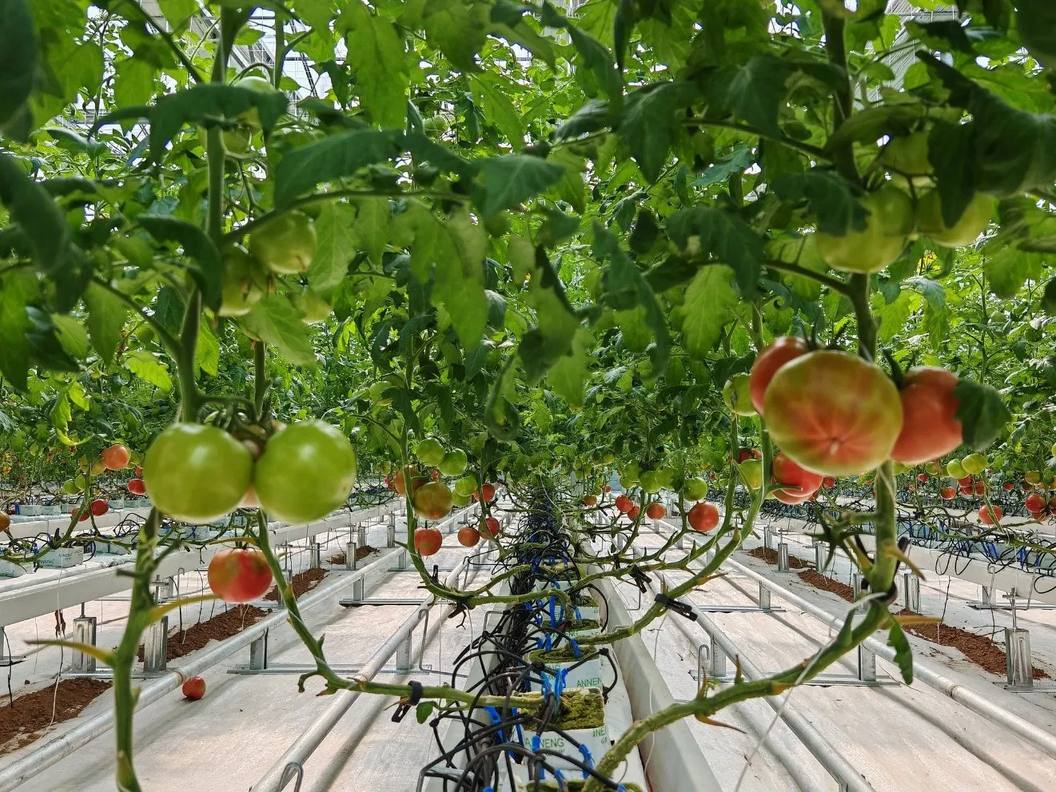
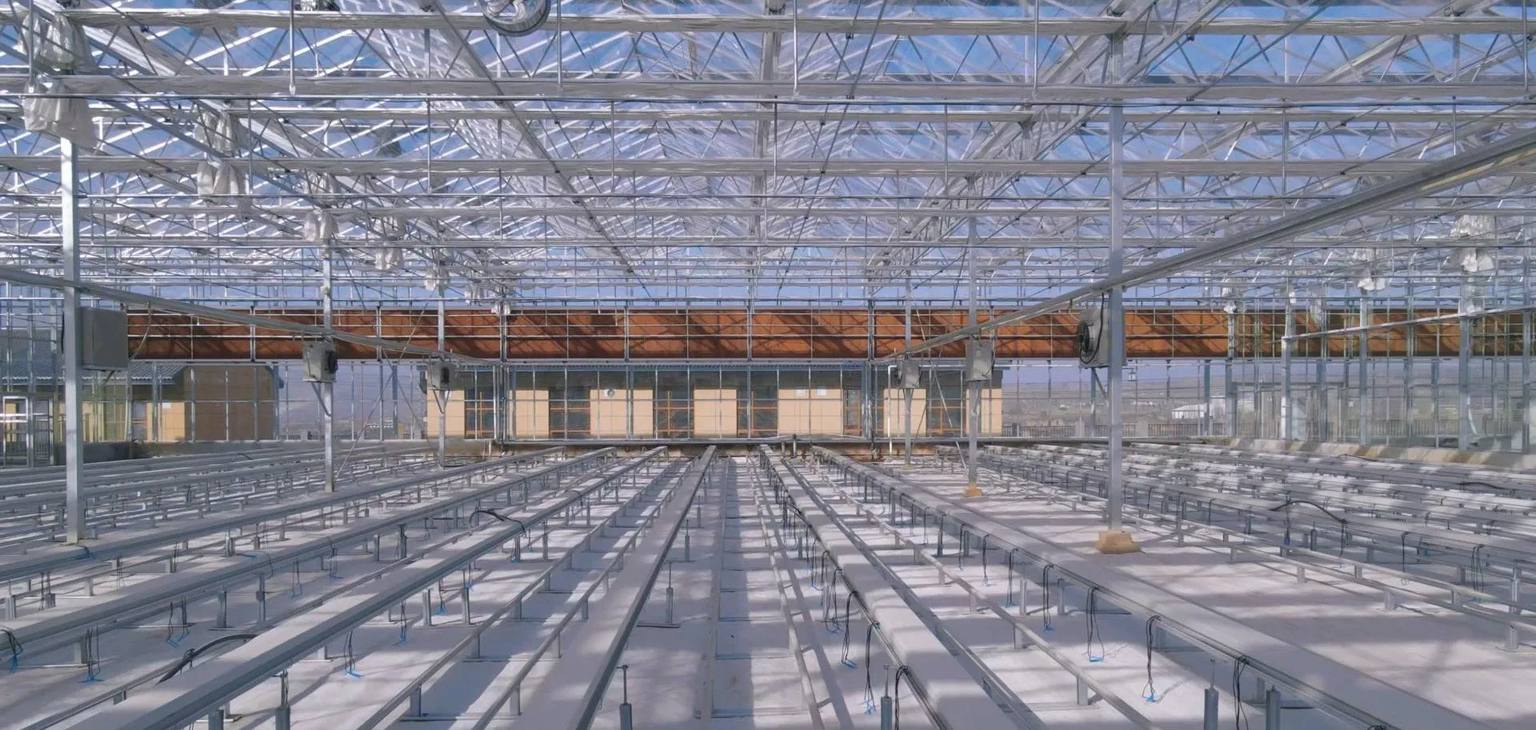
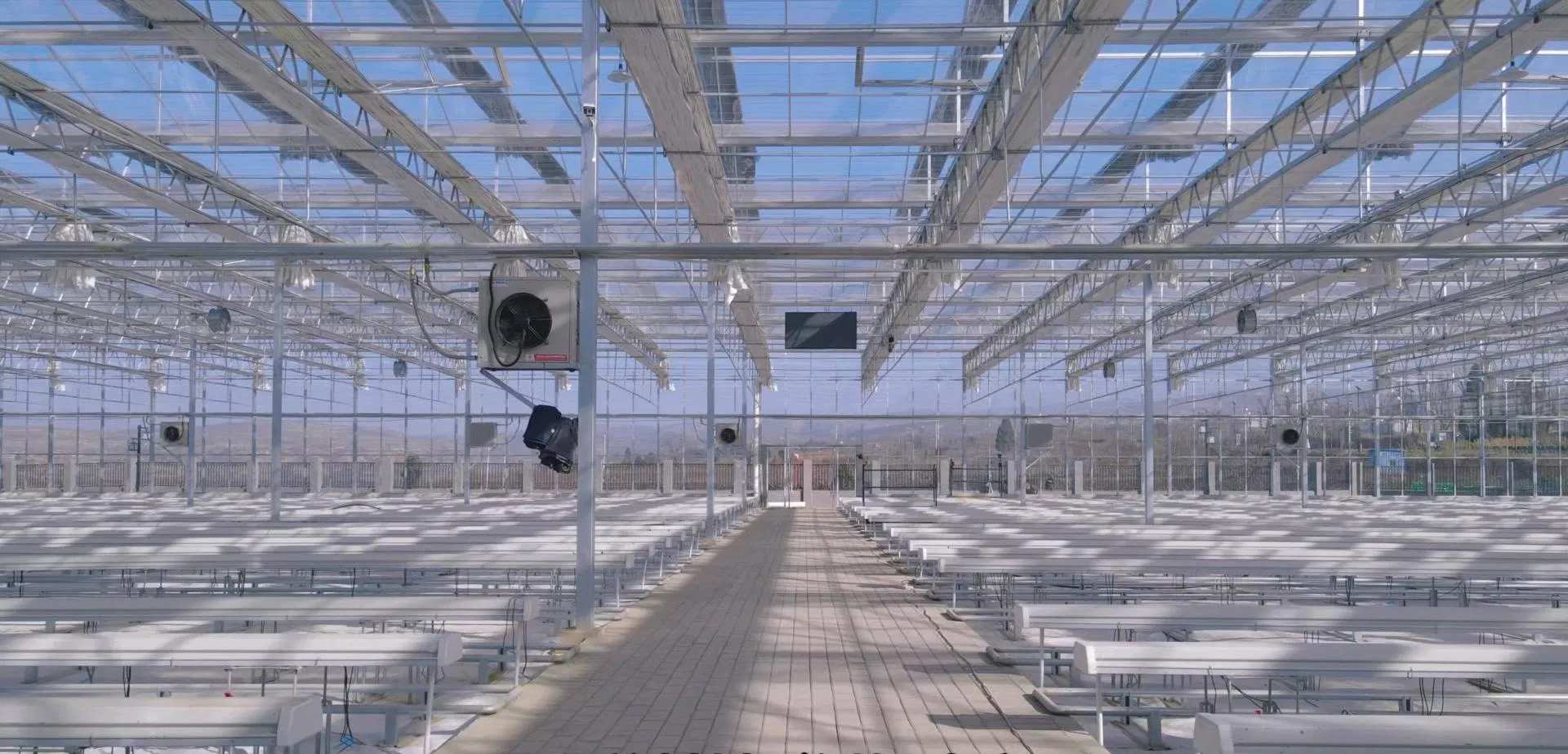
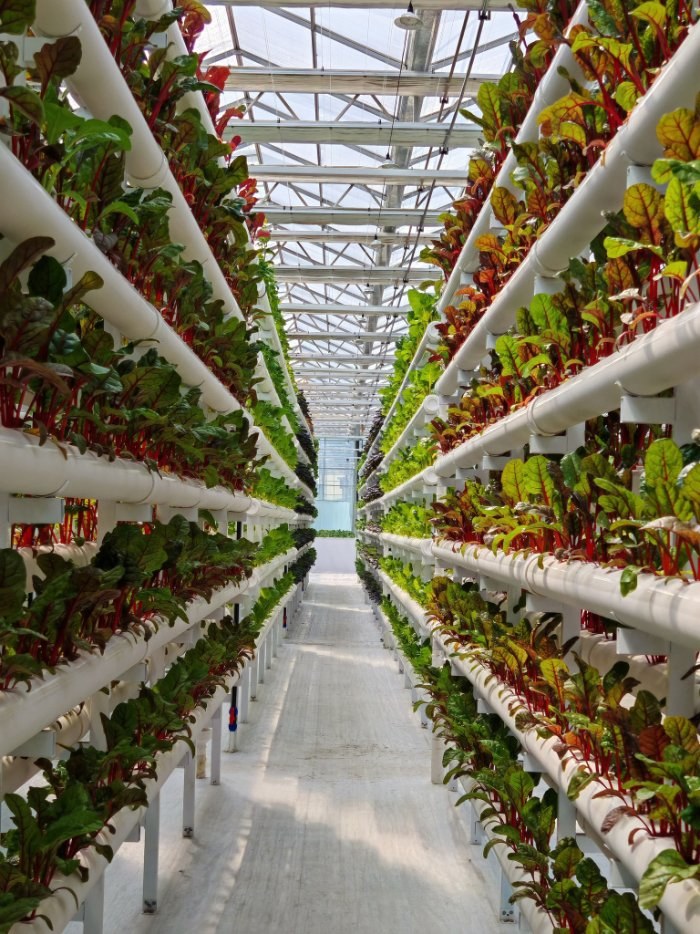
Automation on a glass house is not one machine; it is a set of drives and sensors sharing one controller, so that a temperature reading opens a vent, a humidity reading starts a fan and a timer runs the irrigation. This house is quoted as a tempered glass multi span range with that layer included, in bays of 8 to 12 metres and lengths to 100 metres. That is why the control scope is settled with the drawing rather than after it.
An automated greenhouse is not a greenhouse with a computer bolted on. It is a house whose vents, fans, screens and valves were chosen so that one controller can drive them together, which is a decision made at quotation stage. This one is a tempered glass multi span range quoted with that layer. It belongs to the glass greenhouse section of this site.
Four things, in order of how much they affect the crop: ventilation, heating, screening and irrigation. Ventilation is the roof and side vents; heating is the boiler or the pipe rail circuit; screening is the shade or thermal screen; irrigation is the valves and the pump. A controller that can see the temperature and humidity can sequence all four without anyone walking the house.
The order matters more than the hardware. Roof before sides, heating before screens, irrigation last thing in the morning rather than at midday. Those sequences are what a control system is really buying.
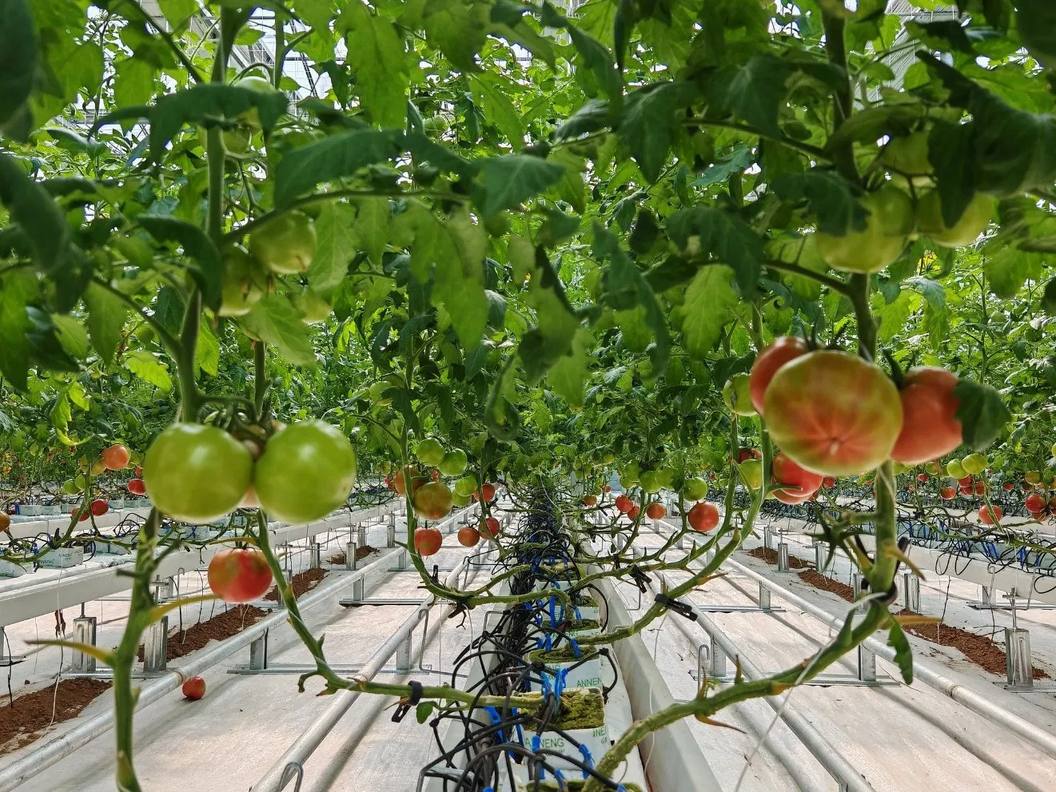
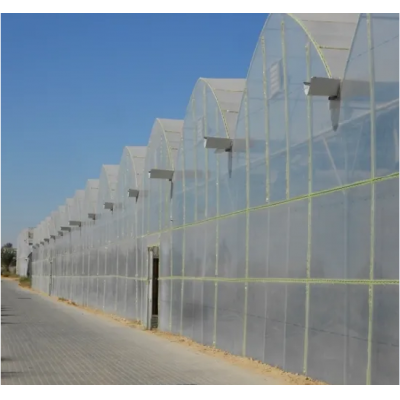
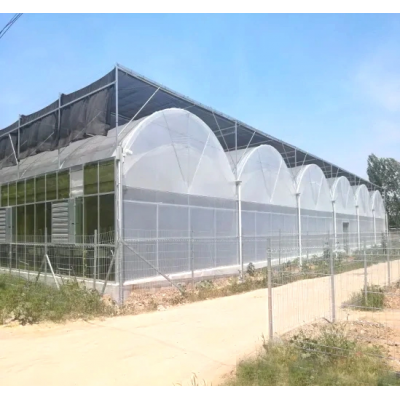
The structure is hot dip galvanized steel, with tempered glass glazing across roof and walls. Bays run from 8 to 12 metres, lengths 10 to 100 metres, and heights 3 to 8 metres, all quoted to the site. Automation adds actuators and cable runs to the frame, so the drawing shows the drive positions rather than leaving them to site.
| Type | Tempered glass agricultural greenhouse, multi span |
| Structure material | Hot dip galvanized steel |
| Glazing | Tempered glass |
| Span | 8 / 9 / 10 / 11 / 12 m per bay |
| Length | 10 m to 100 m or to order |
| Height | 3 m to 8 m |
| Control system | Automatic control for vents, heating, screens and irrigation |
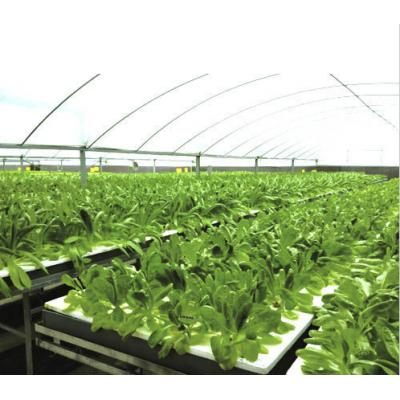
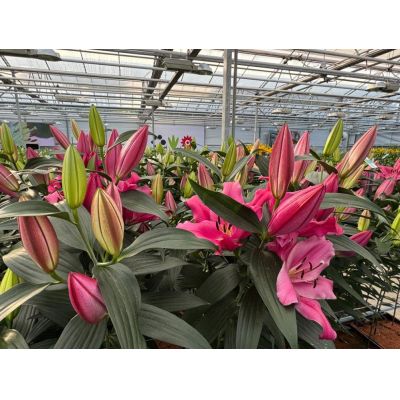
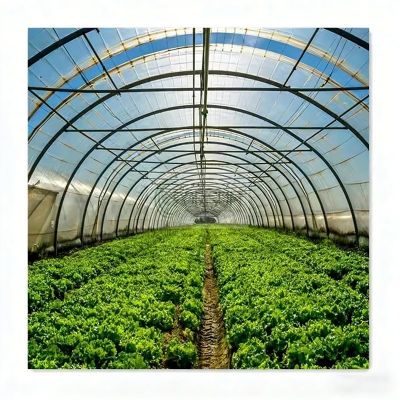
| Crops | Vegetables, fruit and flowers |
| Customisation | Dimensions and control scope to order |
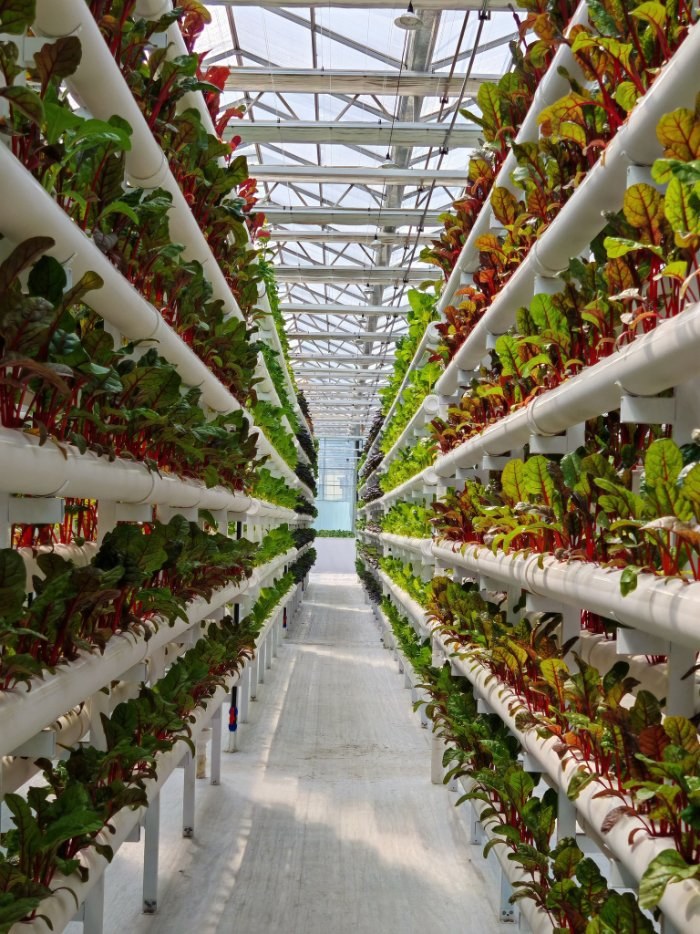
A control system is only as good as what it can see. Temperature and humidity are the minimum; light level, wind speed and rain are the three that stop a house from making a mistake. Wind matters because a vent opened on a gusty day can tear; rain matters because a house that opens on a shower loses the advantage it was built for.
Setpoints are a grower decision, not a supplier one. What a supplier can do is make sure the sensors are positioned where they measure the crop rather than the wall, and that the controller can hold a night and a day setpoint separately.
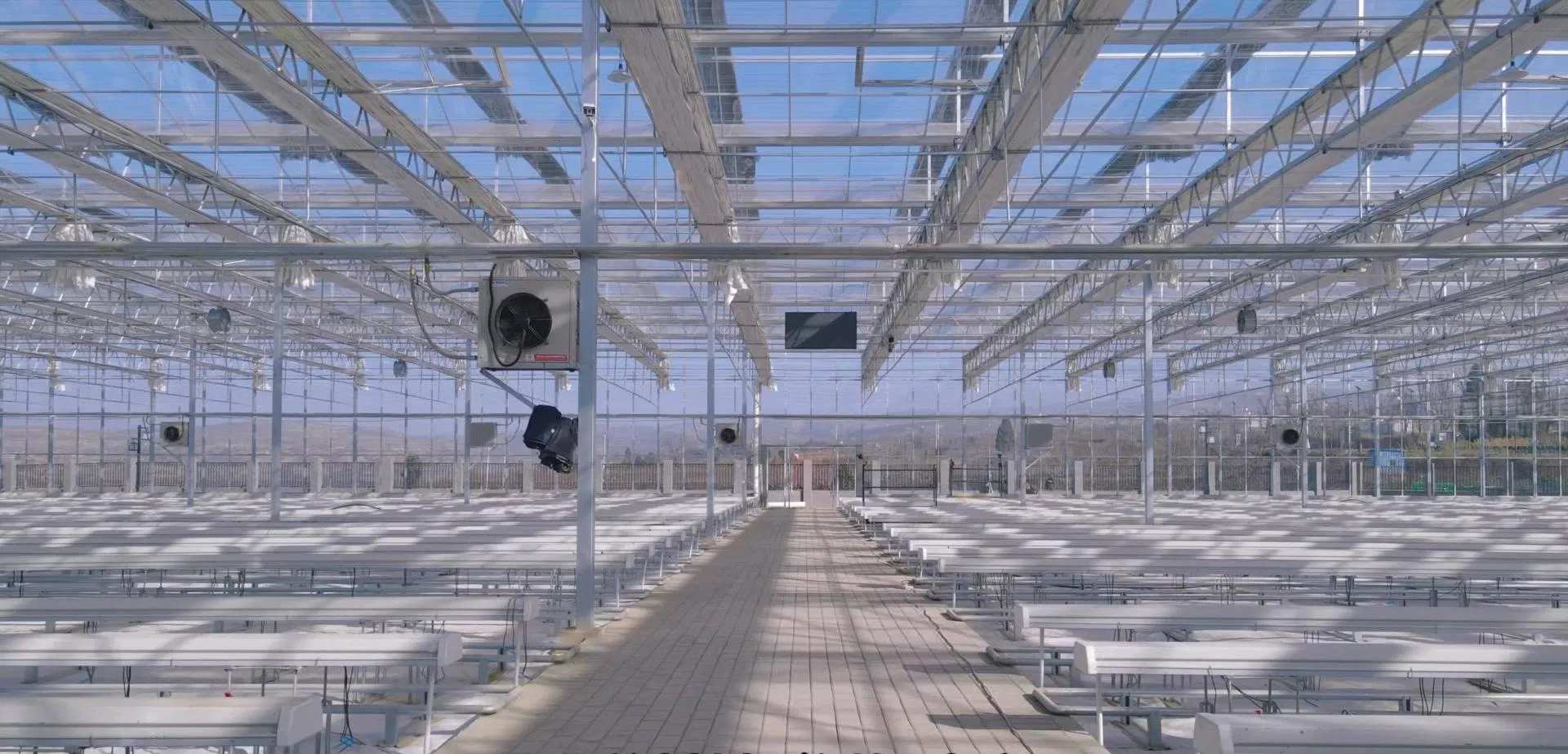
Every automated house needs three things beyond the controller: an alarm that reaches a person, a manual override that works when the power does not, and a maintenance interval for the actuators. A vent motor that seizes quietly in June is discovered in July, when the crop is already lost.
Manual override on the vents is usually a hand crank on the same shaft. It costs little at order stage and it is the difference between a bad afternoon and a lost crop.
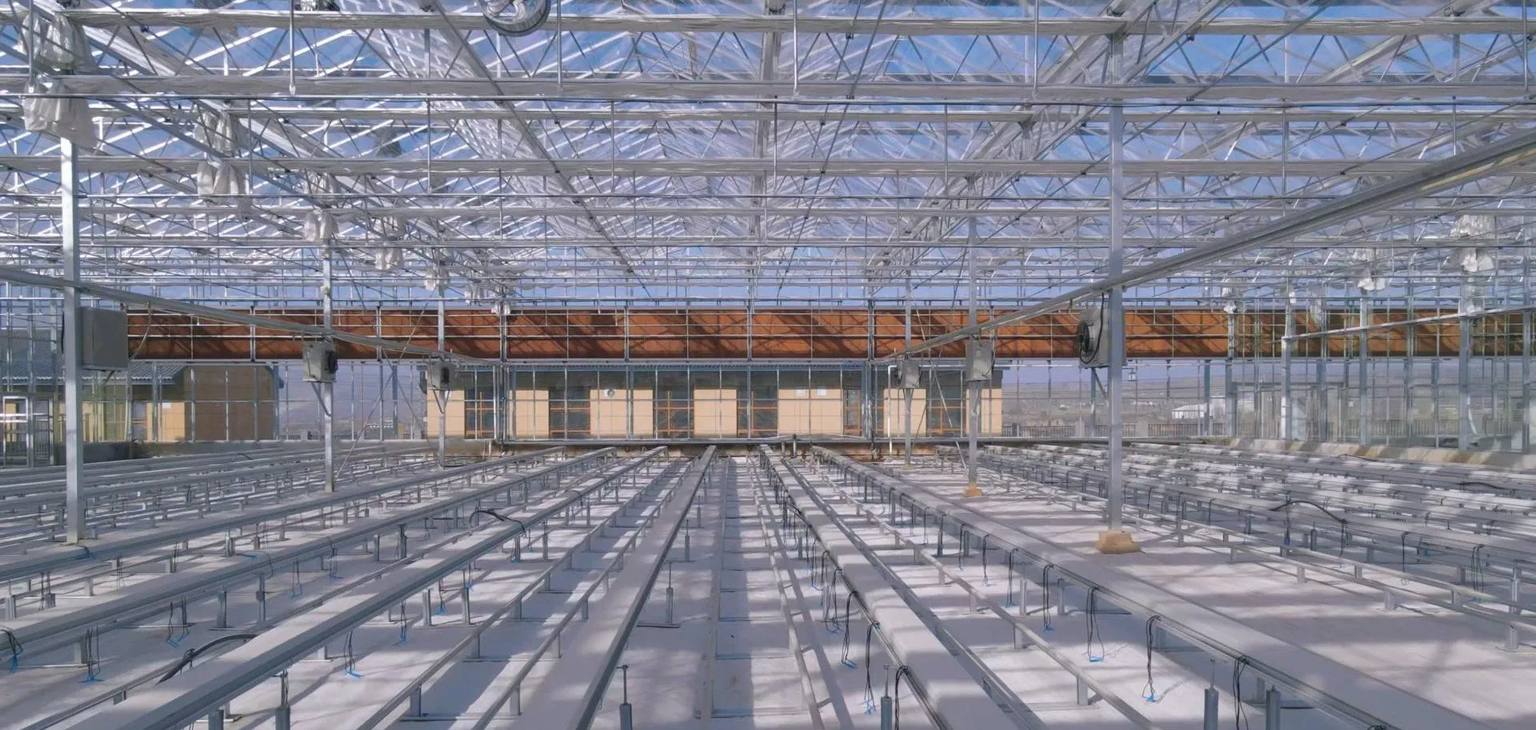
Automation scales by zone rather than by house. One controller and one set of sensors can run several bays if they share a climate, and separate zones are only worth the cost where the crop differs or the house faces a different way. On a large range that is the decision that keeps the control system from costing more than the structure.
A house glazed in 8 mm tempered glass is described on the 8 mm tempered glass range page, and one with hydroponic gutters on the Venlo hydroponic glass house page.
Controlled environment technology and horticultural engineering are covered by GreenTech Amsterdam, and agribusiness marketing reporting by AgriMarketing.
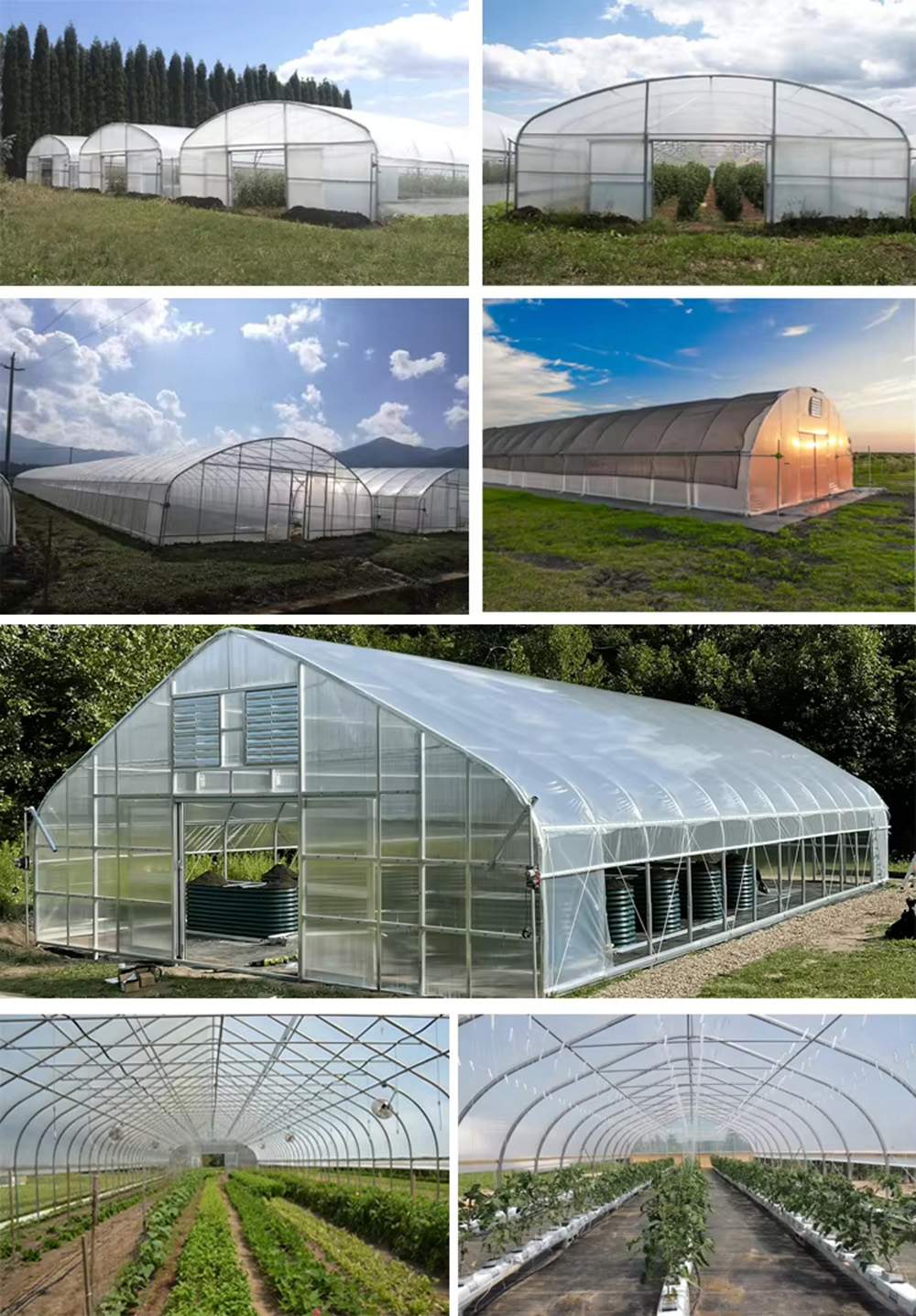
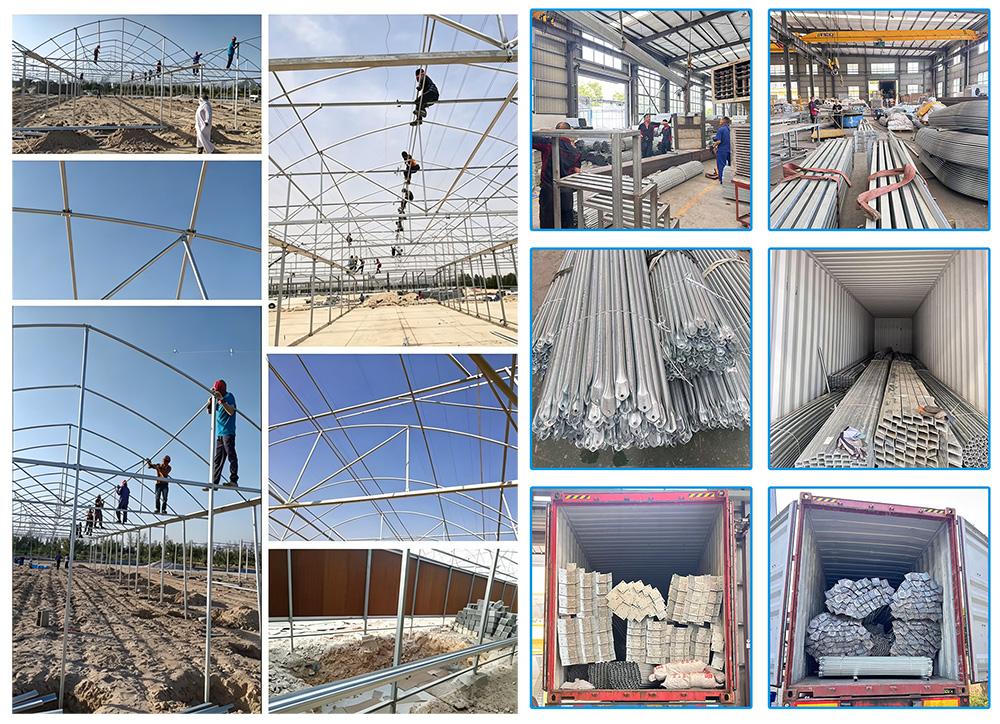
The hot-dip galvanized steel frame is designed for a 15-20 year service life in normal agricultural environments, with a double-sided zinc coating of 200-275 g/m². Film covers are replaced every 3-5 years, while glass and PC panels carry their own manufacturer warranties.
A standard multi-span greenhouse is typically erected in 2-4 weeks, depending on the span, the number of bays and site access. Foundation work and glazing are the two stages that set the pace, and both are scheduled before the frame arrives.
The hot-dip galvanized steel frame carries a 10-year structural warranty covering structural safety, plus a 5-year warranty against corrosion perforation. It is designed for a 15-20 year service life. Film covers carry a 3-5 year UV warranty depending on grade.
Yes. We customize span width, bay length, gutter height, covering material (film, PC sheet or glass) and ventilation configuration. Share your crop type, local climate and growing area, and our engineers will size the structure to match.
Ventilation, heating, screens and irrigation, driven from temperature and humidity sensors with wind and rain as safety inputs. The exact scope is quoted per project, because the crop and the climate decide which of the four matter most.
Manual override on the vents, usually a hand crank on the same shaft. It is worth specifying at order stage: a vent motor that cannot be opened by hand turns a bad afternoon into a lost crop.