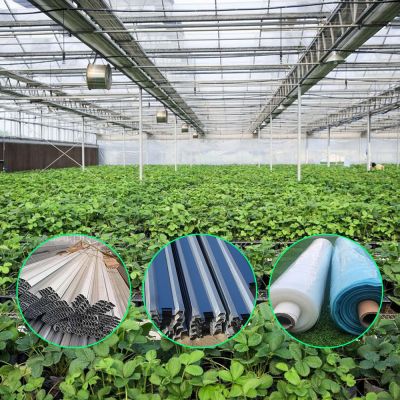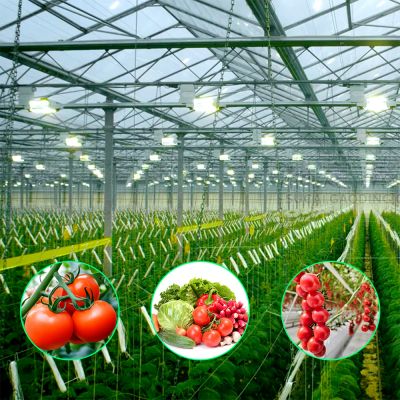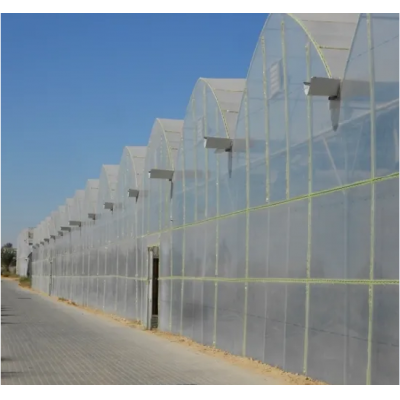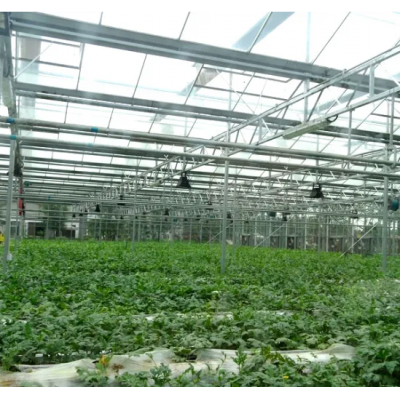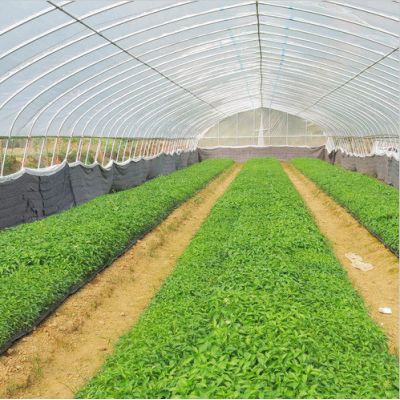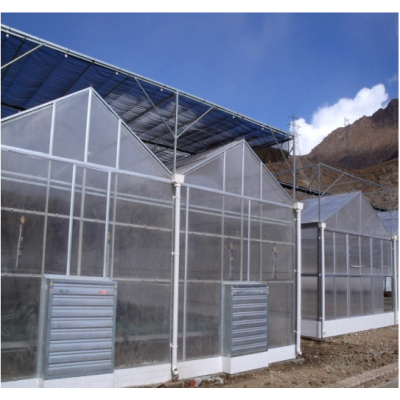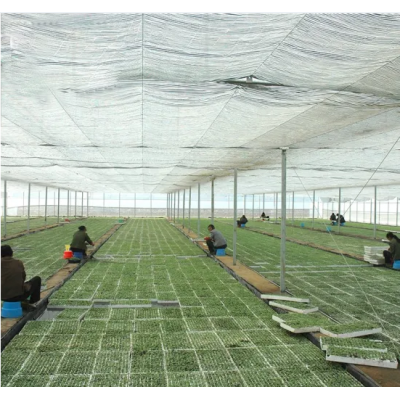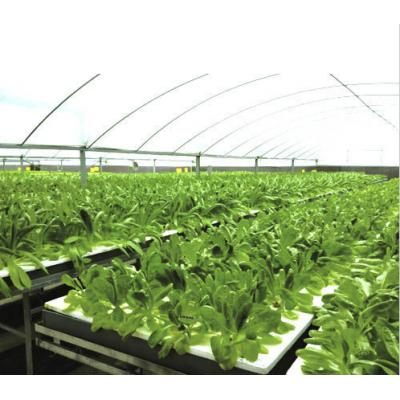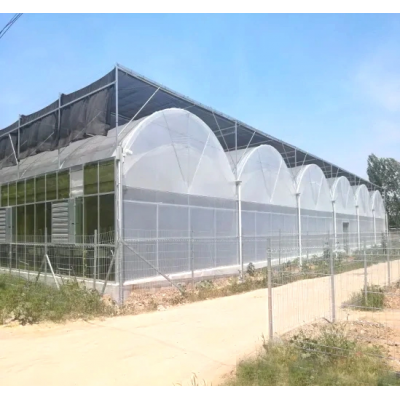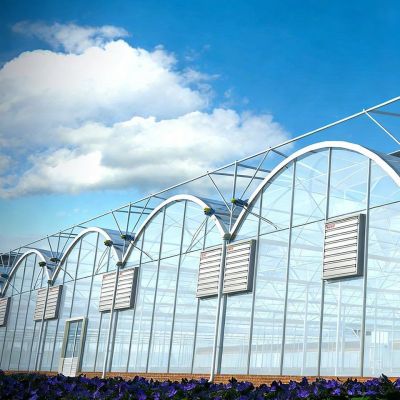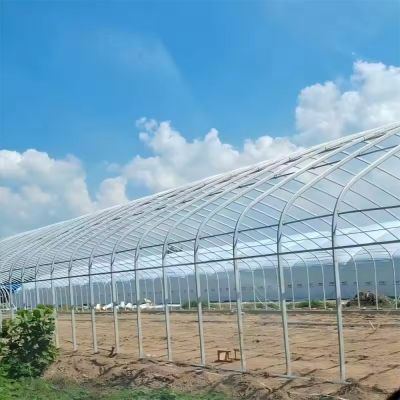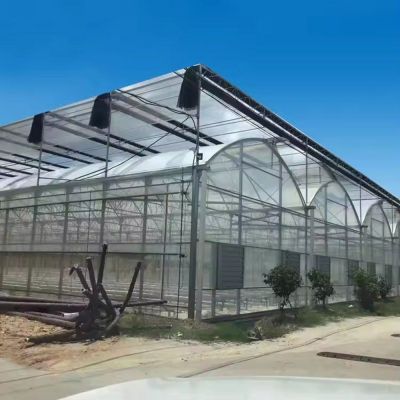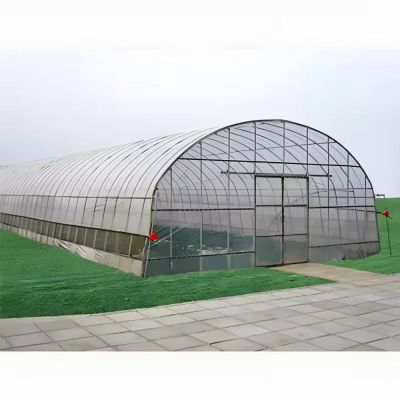


An agricultural plastic film greenhouse is the working building of a vegetable farm: a multi-span light steel frame covered with film. The frame uses hot-dip galvanized tube joined with accessories instead of welding, and a grooved channel along the bars holds the cover against wind and weather. Covers can be PO film, PEP film or HDPE woven plastic film, with insect net and shade cloth as alternatives on the side walls. Film houses reach more than 90% light transmission and hold a steadier microclimate than open ground, which is why they carry vegetables, flowers, fruit and seedlings. Spans run from 8 to 20 metres, and ventilation windows and drip irrigation can be fitted with the frame.
A film greenhouse does one job well: it holds a microclimate around a crop at a cost a farm can carry. This agricultural plastic film greenhouse is built as a multi-span house over a light steel frame, so the covered area grows in bays and the film can be renewed on its own cycle. It is used for vegetables, flowers, fruit and seedling production, from commercial farms to horticultural bases.
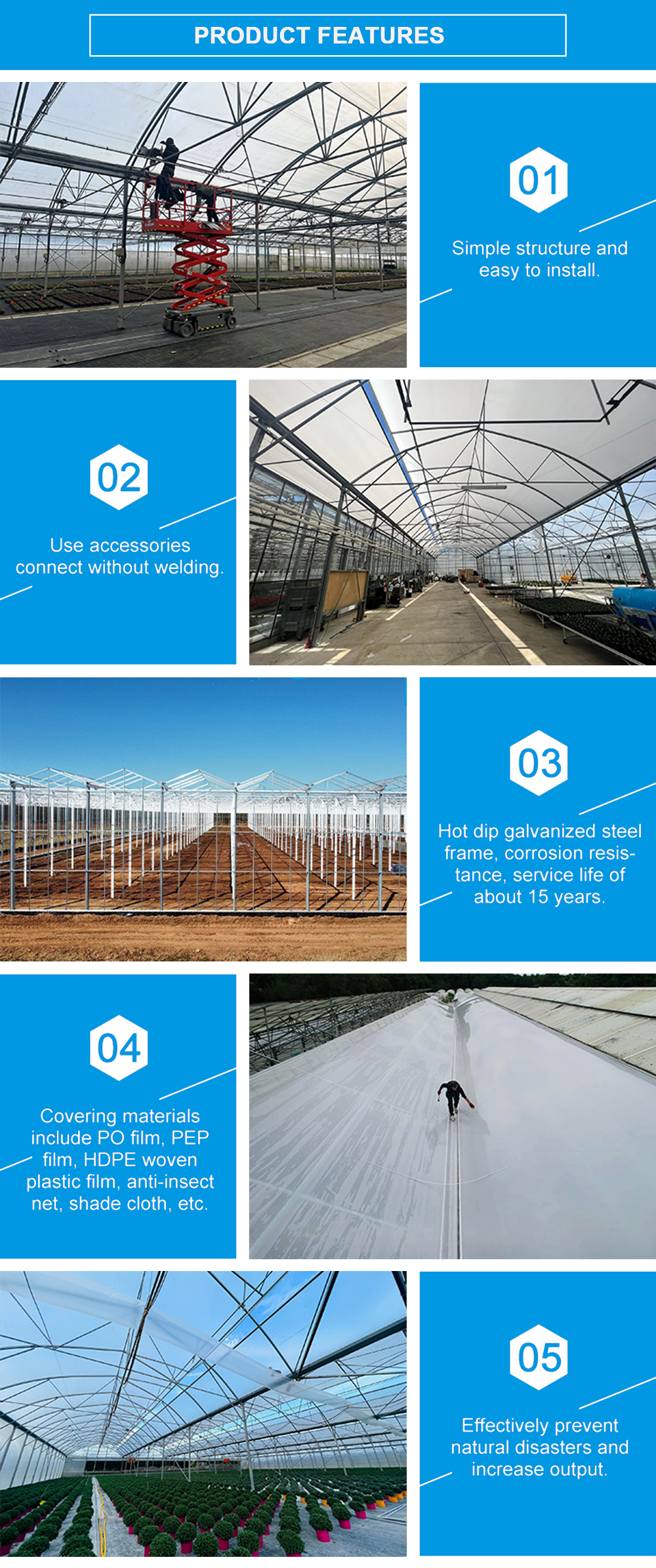
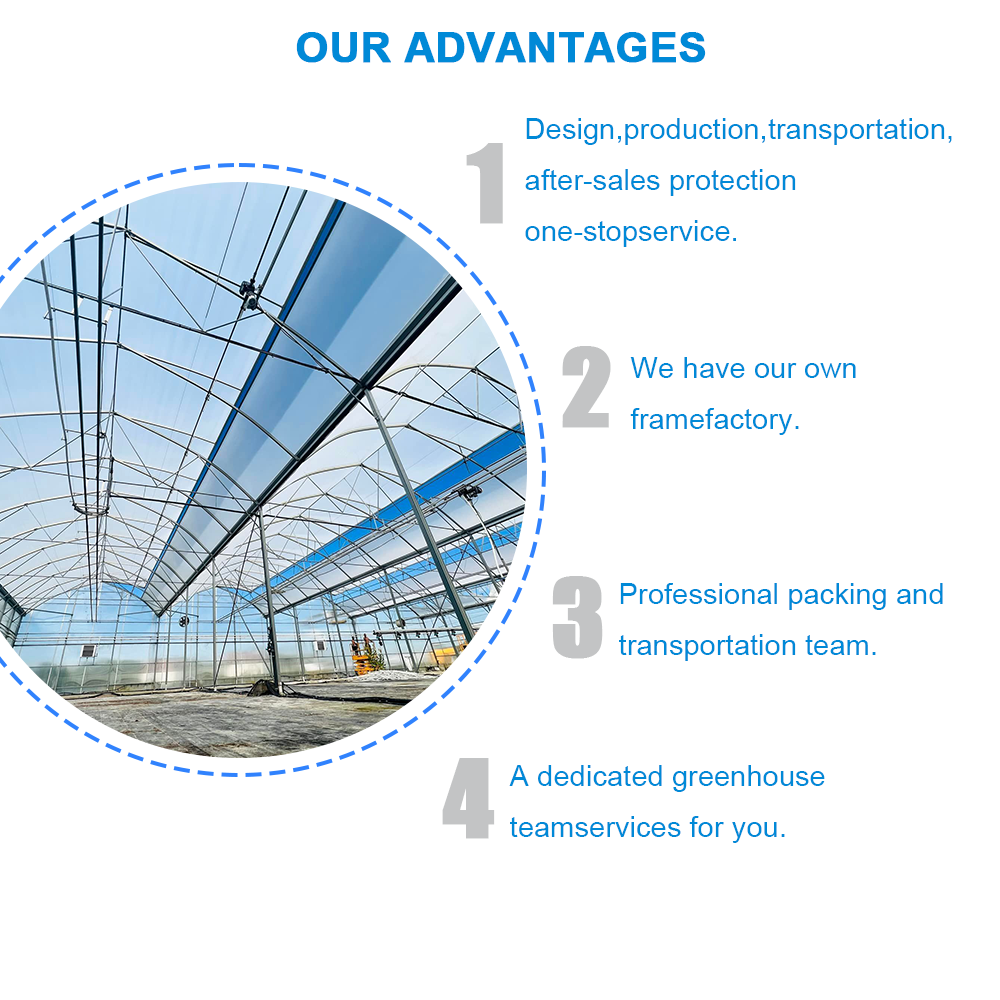
The frame is made from hot-dip galvanized steel tube and assembled with connecting accessories rather than welding, which keeps the zinc coating intact at every joint. A grooved channel runs along the bars so the covering is gripped instead of tied, and the panels stay put in wind and weather. Film houses of this type reach more than 90% light transmission and resist wind up to level 10, which keeps the crop working through exposed sites. Gable spans are made from 8 metres up to 20 metres.

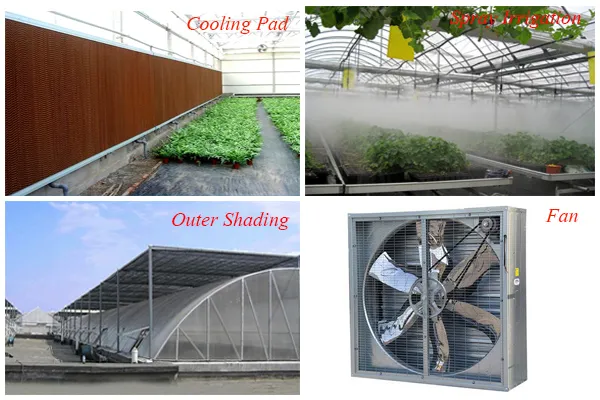
Covering is not limited to one film. PO film, PEP film and HDPE woven plastic film can all be used on the same frame, and where airflow matters more than heat retention, anti-insect net and shade cloth are fitted on the side walls instead. Cooling and heating, ventilation, fertigation, irrigation and shading are designed in at order stage, so ducts, curtain rails and pipe runs are positioned before the frame is fabricated rather than added later.
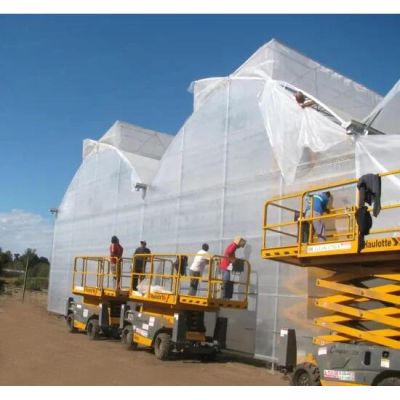
The structure is kept simple on purpose: fewer parts means it can be assembled by a farm crew with hand tools, and every joint is a bolted accessory. Because there is no site welding, the frame arrives fully protected and the assembly is reversible if the plot changes. The house is also designed to shed natural disasters rather than fight them, which shows up in the output at the end of the season.
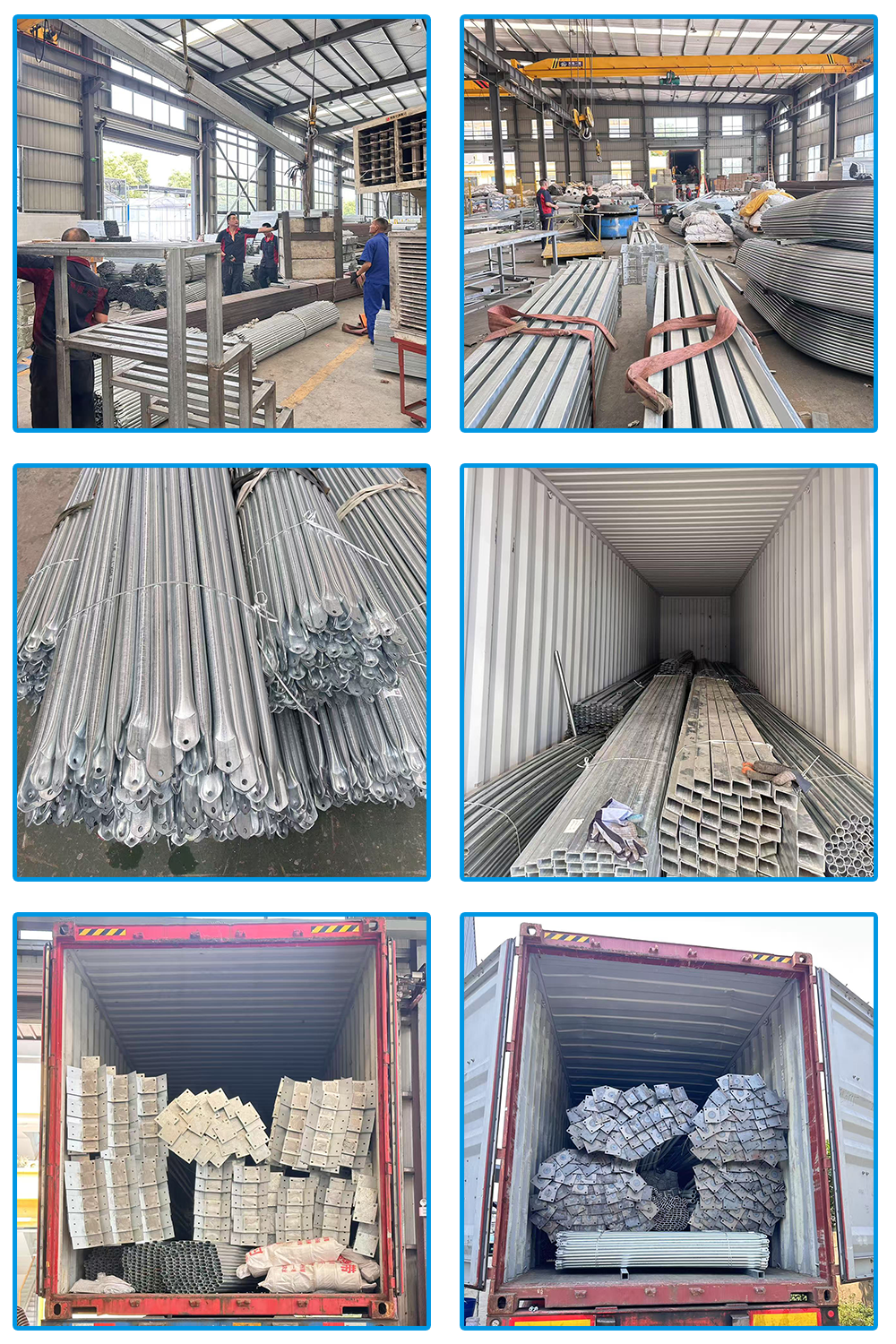
Tube is roll formed, drilled and hot-dip galvanized in our own works, then bundled with the accessories and crated to keep container volume low. Every year we ship above USD 8 million of greenhouse structures to buyers worldwide, and the packing list and loading date are confirmed in writing before dispatch. When a project needs it, our engineers can travel to the site to supervise assembly, and we stay reachable for guidance throughout the build.
Buyers comparing film houses usually need a wider span than a single tunnel gives them, so the multi-span greenhouse range is the natural starting point, and crop-specific layouts are covered by the vegetable greenhouse and polyethylene film greenhouse ranges. Layout design and installation drawings are supplied at no extra cost, and free samples of the components are available with freight paid by the buyer. Growing references come from AIPH, the international grower association, and commercial practice is covered by Produce Grower.
PO film, PEP film and HDPE woven plastic film all fit the same frame, and anti-insect net or shade cloth can be fitted on the side walls where airflow matters more than heat retention. Tell us your climate and crop and we will recommend the covering and the layer count.
Yes. Component samples are supplied free of charge, with freight paid by the buyer. Every order includes a layout drawing and a standard installation manual, and our engineers stay reachable during assembly. Where on-site supervision is needed, we can arrange for an engineer to travel to your country.
The hot-dip galvanized steel frame is designed for a 15-20 year service life in normal agricultural environments, with a double-sided zinc coating of 200-275 g/m². Film covers are replaced every 3-5 years, while glass and PC panels carry their own manufacturer warranties.
The hot-dip galvanized steel frame carries a 10-year structural warranty covering structural safety, plus a 5-year warranty against corrosion perforation. It is designed for a 15-20 year service life, and film covers carry a 3-5 year UV warranty depending on grade.
Tell us the quantity of houses you need, the crops you plan to grow, your location, the local temperature range and the average wind speed. With those details we can recommend the span, the covering and the supporting systems, and return a quotation with a structure drawing and a bill of materials.