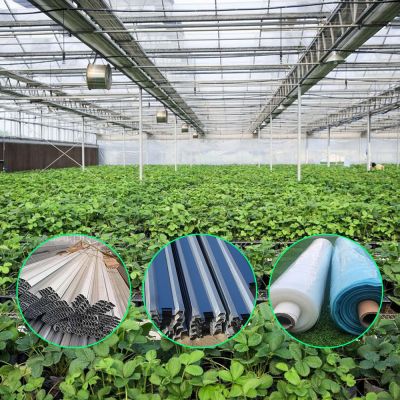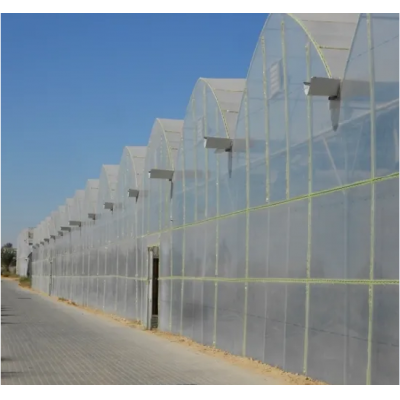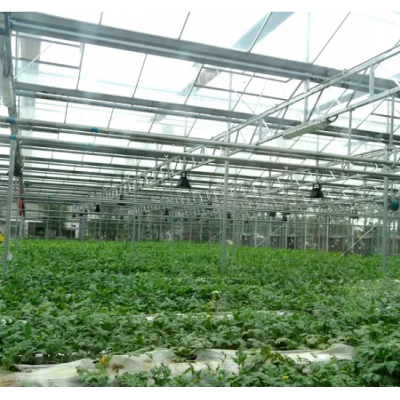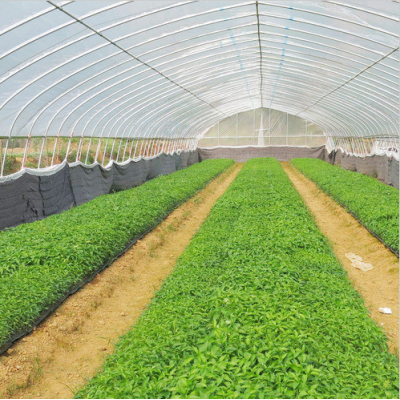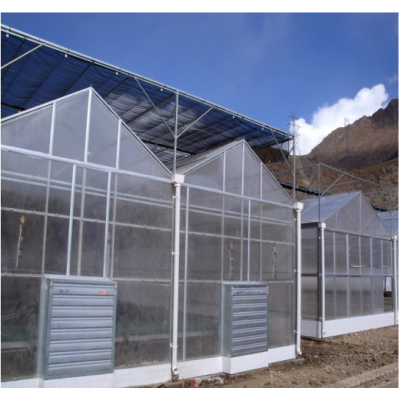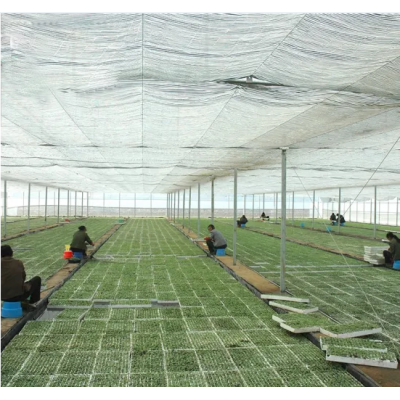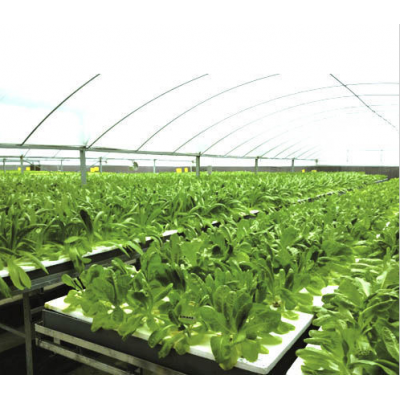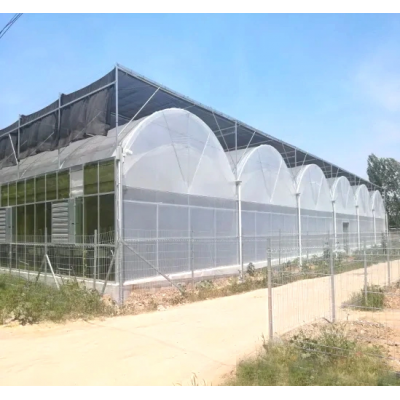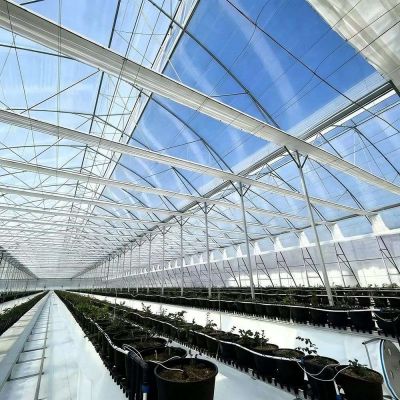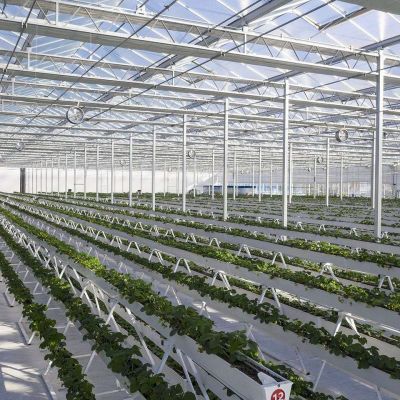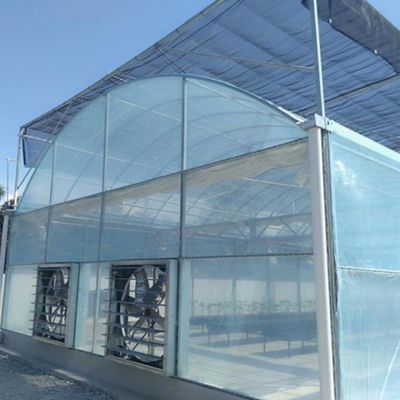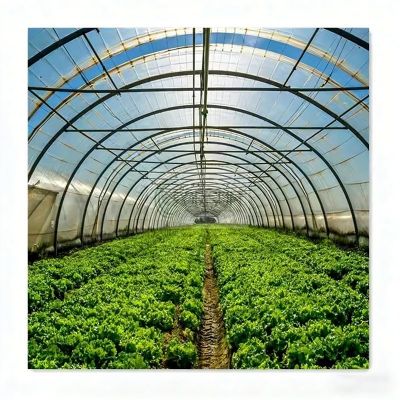
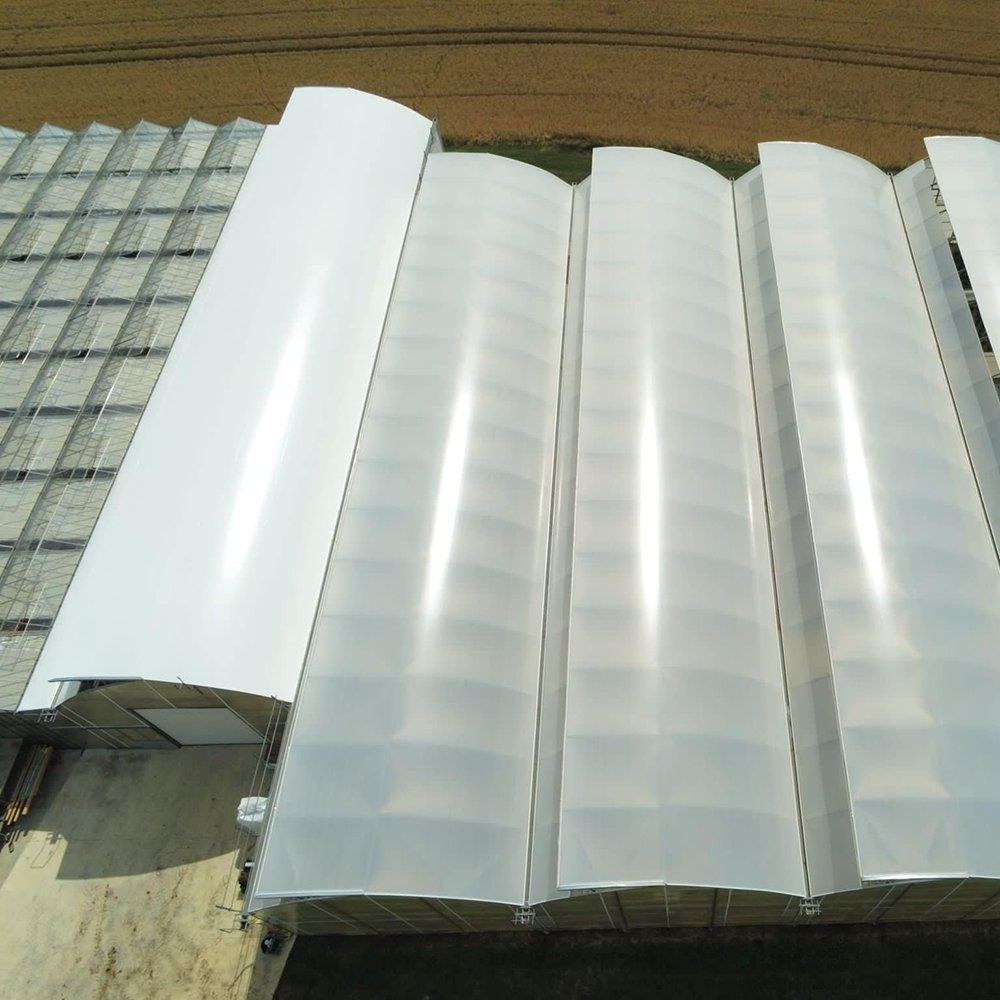
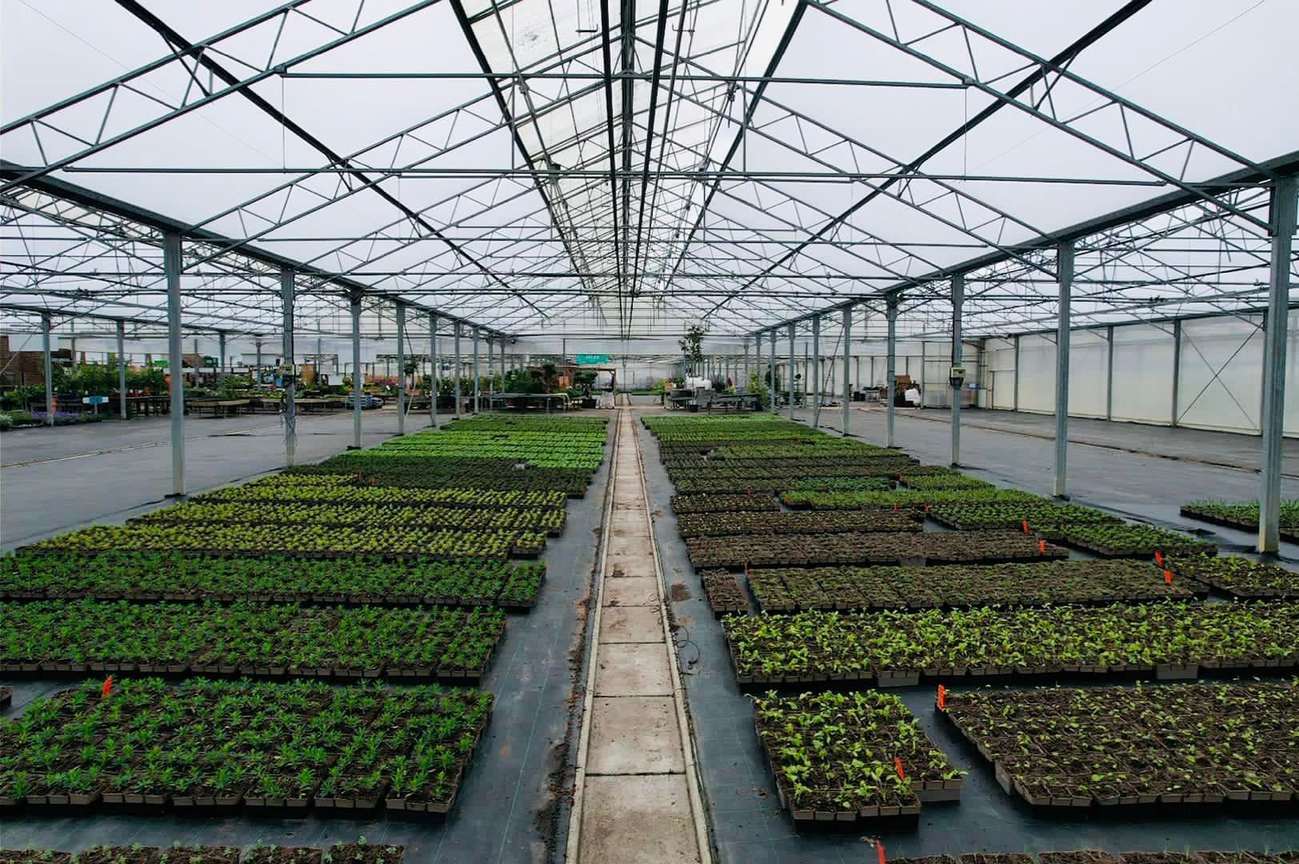
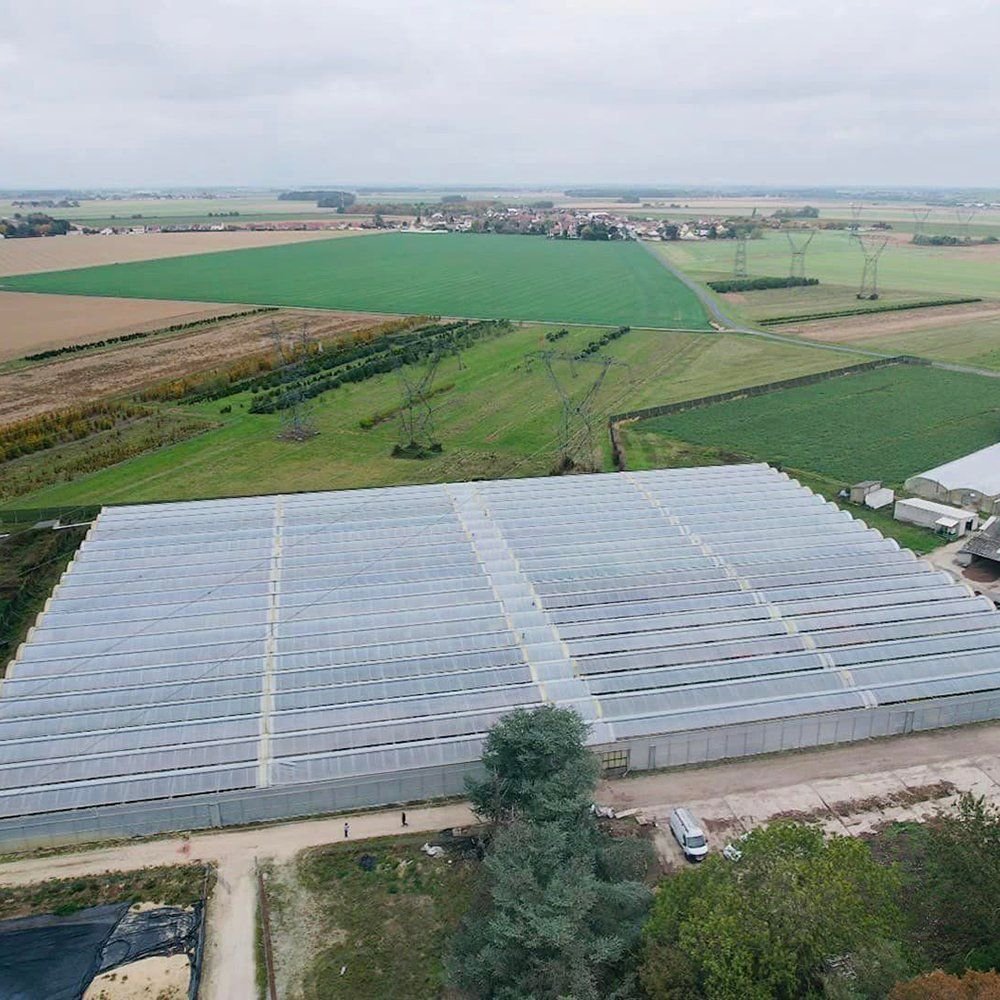
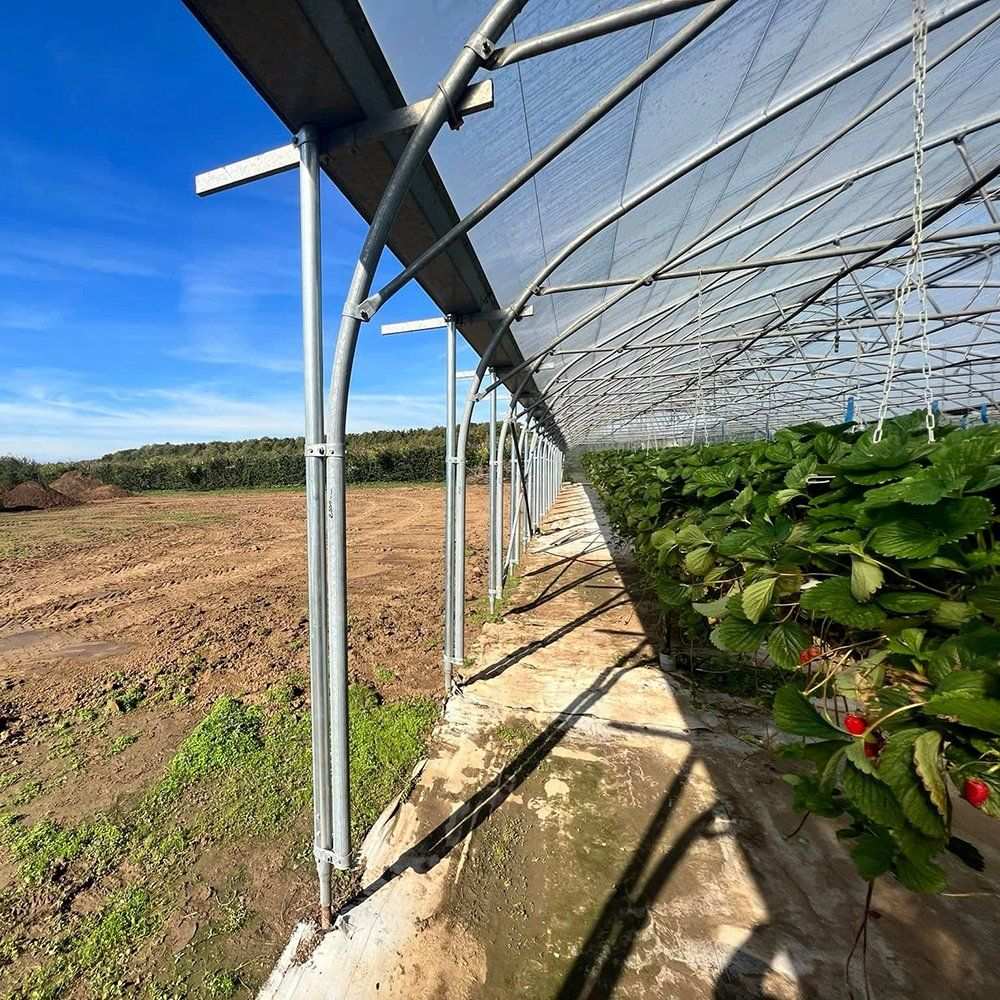
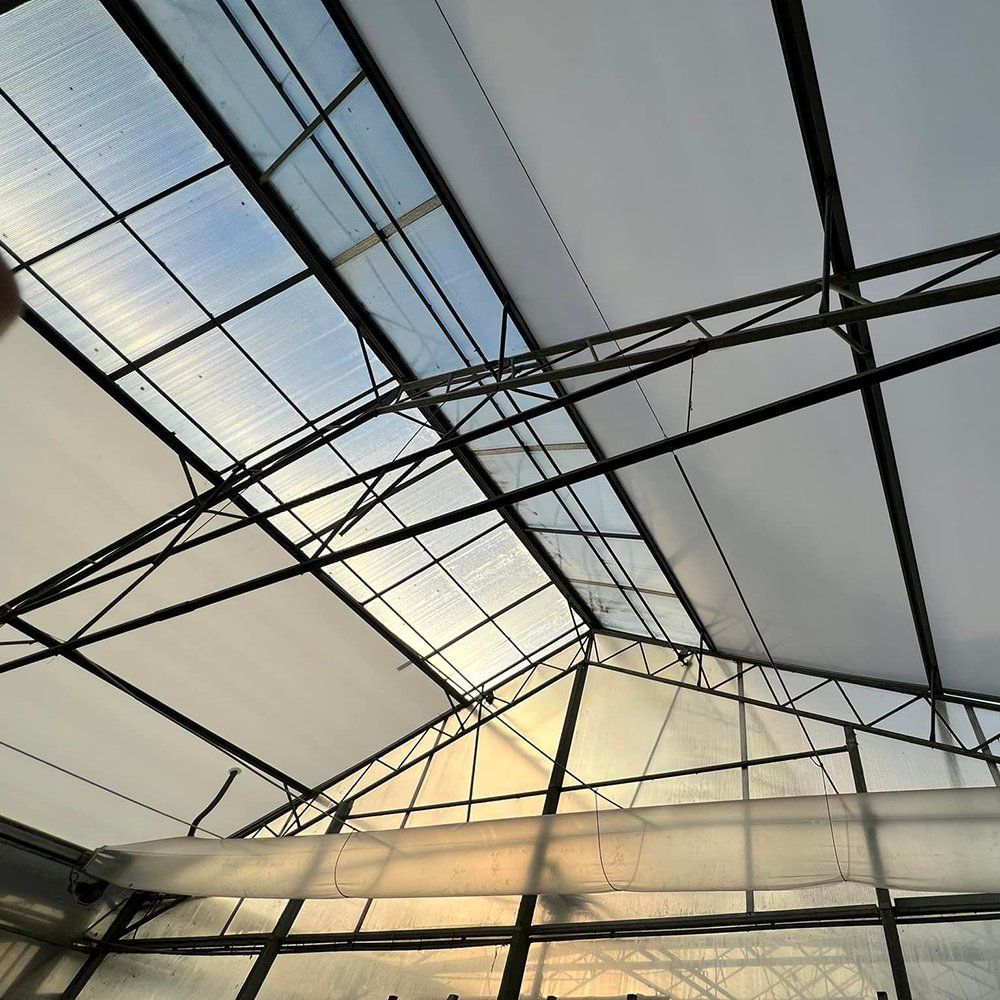
This sunlight film greenhouse captures and stores solar heat, so it keeps a working temperature through winter without heavy supplementary heating. The frame is galvanized steel or aluminium alloy, and the covering is PO or PEP plastic film carrying a UV resistant coating. Roof vents and side vents, or an automated ventilation system, release excess heat and humidity on bright days while keeping the house closed on cold ones. Light transmission runs 90 to 95 percent, and heating is optional for the coldest weeks.
In winter the constraint on a vegetable crop is usually heat, not light. A sunlight film greenhouse is designed to keep solar gain inside the house, so the crop stays productive through the cold months without paying for full artificial heating. This house combines a galvanized frame with a PO or PEP film covering and a ventilation set that can be opened and closed as the weather turns.
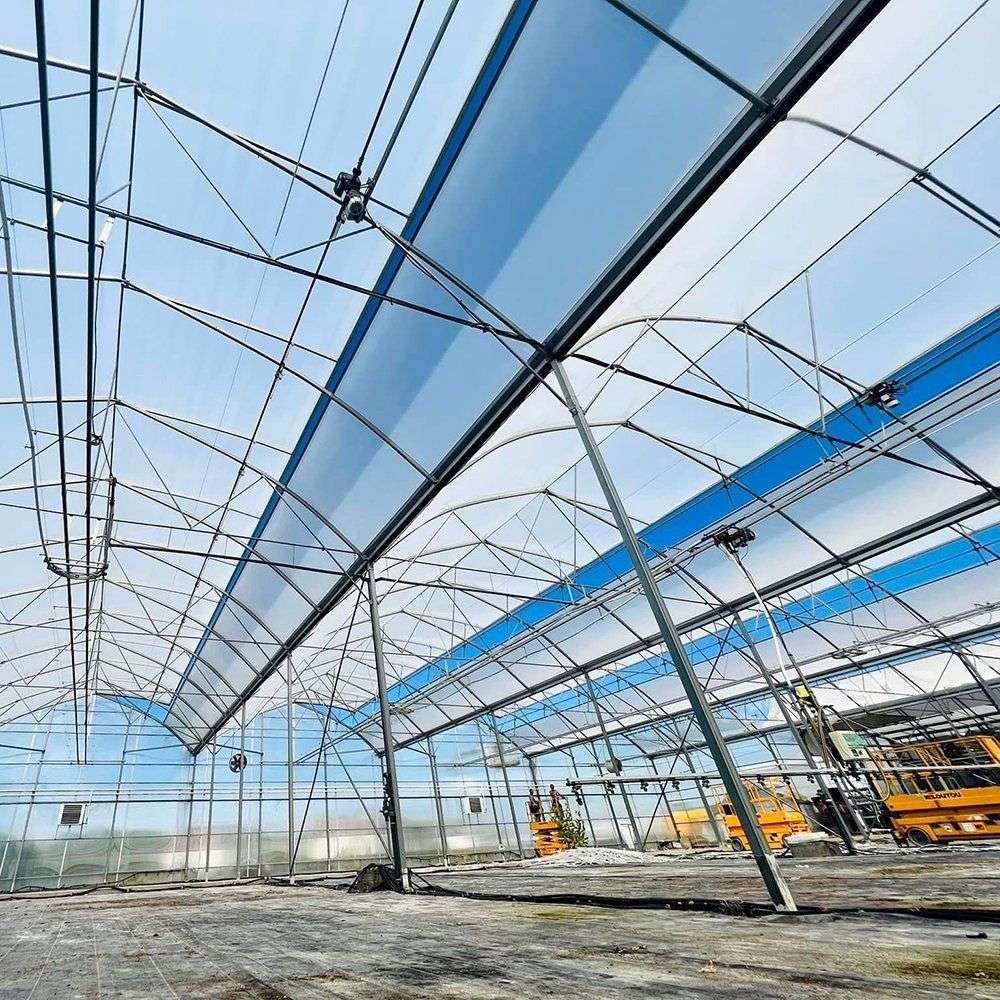
The film covering is light and economical to renew, and it transmits 90 to 95 percent of available light while carrying a UV resistant coating that slows degradation. Because the structure runs on solar gain rather than a boiler, the ventilation regime matters: on settled cold days the house stays closed to hold heat, and on bright days roof vents and side vents or an automated system open to release excess heat and humidity. That balance keeps the crop from overheating at midday and from chilling at night. Growers working on protected winter cropping often follow extension guidance such as that published by Michigan State University horticulture, and trade reporting on FreshPlaza.
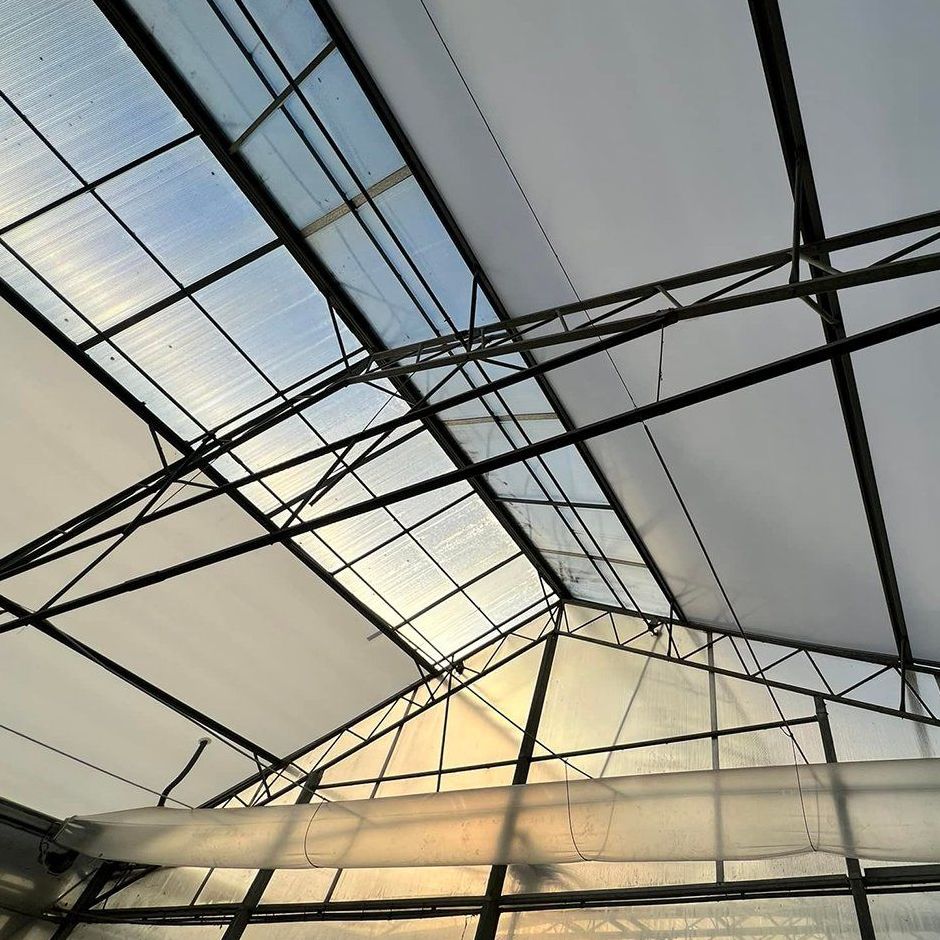
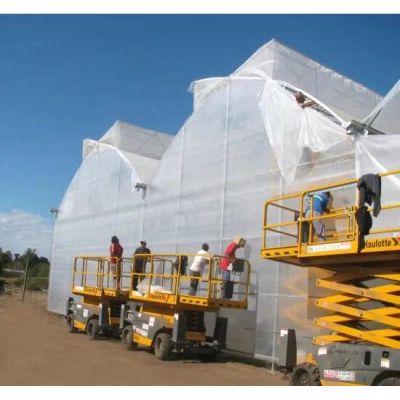
The frame arrives as pre drilled galvanized sections that bolt together on a prepared base, with no field welding required. Film is fitted over the arches once the frame is up. Because film is the consumable part rather than a permanent cover, planning for replacement is part of normal operation: the covering normally lasts around three years before transmission and strength drop and it should be renewed. Outside of that, maintenance is limited to checking vent mechanisms before winter, confirming the film stays tensioned and sealed at joints, and keeping gutters and drainage clear.
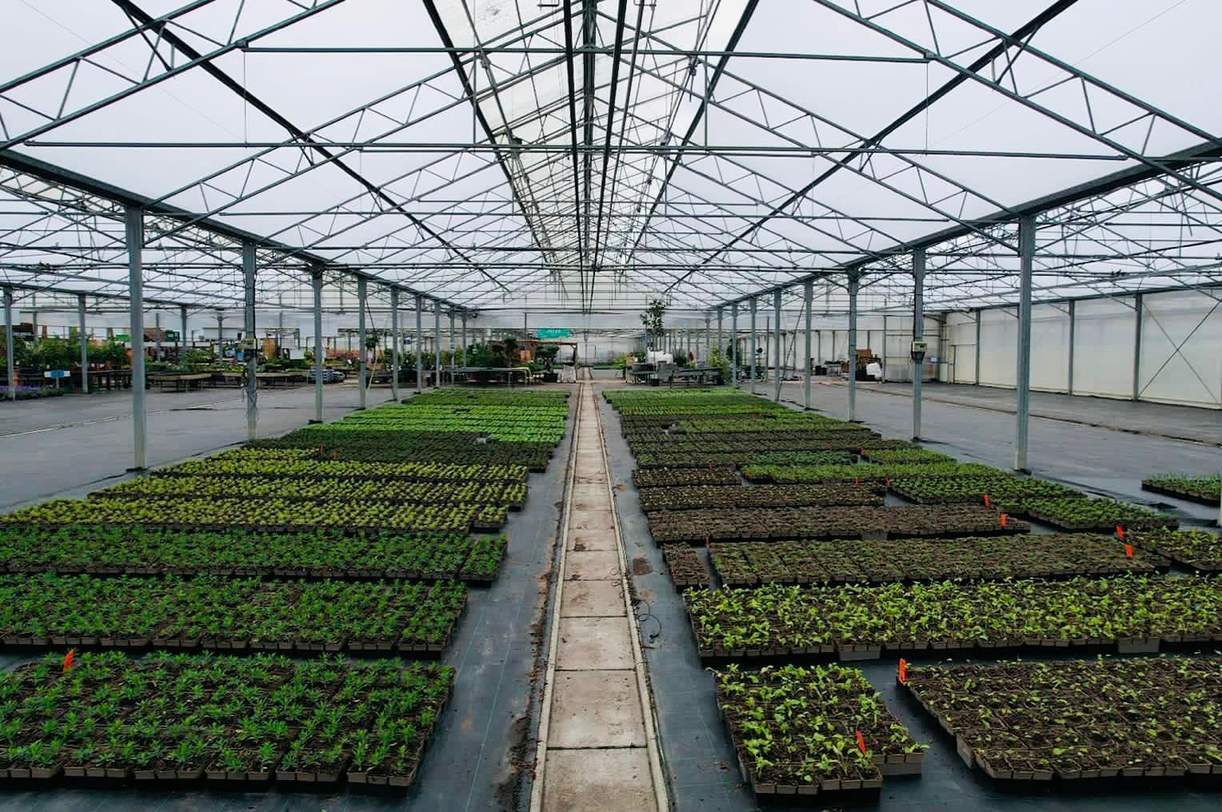
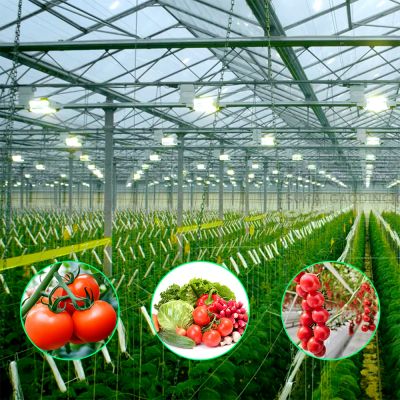
These houses suit winter vegetable production, cut flowers, seedling raising and small livestock shelter where solar gain and low running cost matter more than maximum structural rigidity. The ventilation set suits regions with large day to night temperature swings. Compare our film greenhouse range and the agricultural plastic film greenhouse, or review our greenhouse with plastic film options for a different covering layout.
With the house closed and a double layer film cover, it typically runs 5 to 10 degrees Celsius above outside temperature on solar gain alone. Adding a heating system extends the range further during the coldest weeks.
Around three years under normal use. Film with a UV resistant coating holds transmission and strength longer, and replacing the cover is a straightforward job when the frame stays in place.
Yes. Roof vents and side vents can be manual, or fitted with automatic openers that respond to temperature. Tell us your climate and crop and we will recommend a vent layout.
Not for most winter vegetable crops in mild regions, since the house relies on solar gain. Heating is optional and normally reserved for the coldest weeks or for crops that need a minimum night temperature.
Send your span, length, height and local wind and snow loads, plus your target crop and climate. We reply with a layout drawing and a full quotation covering frame, film, ventilation and fittings.