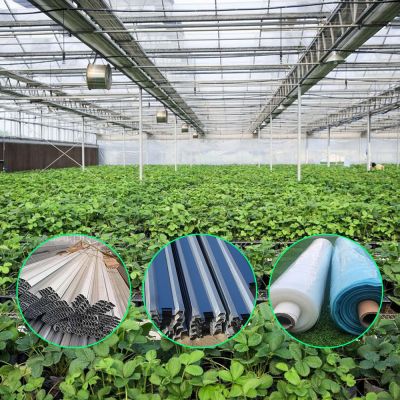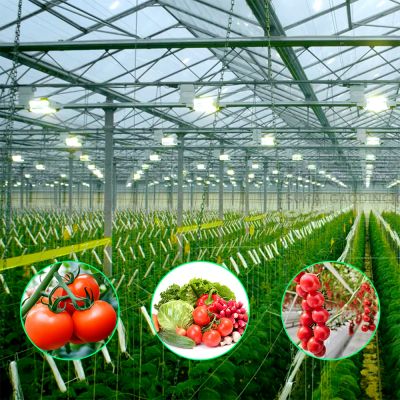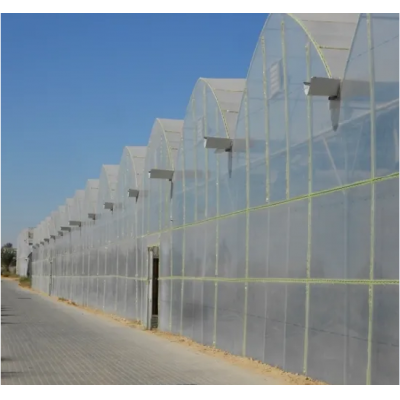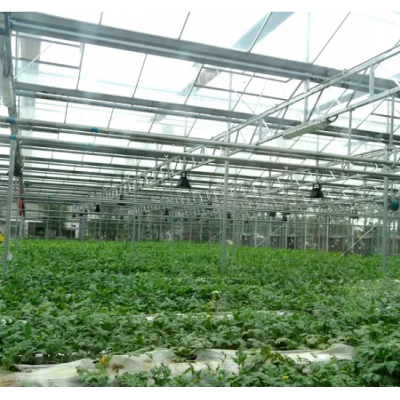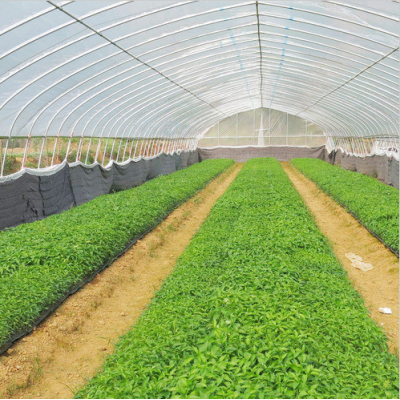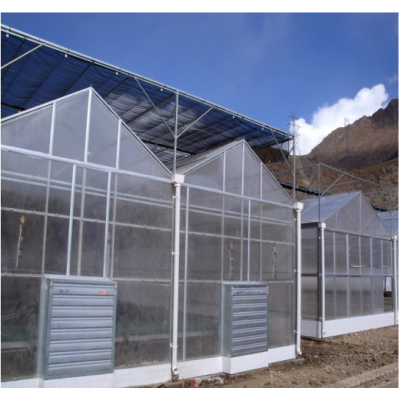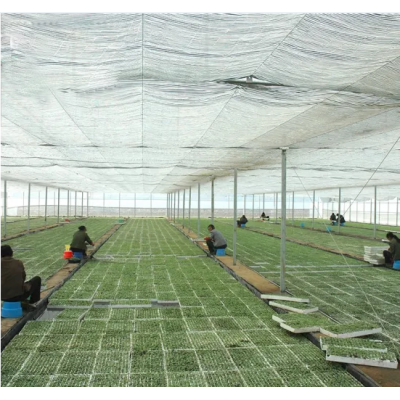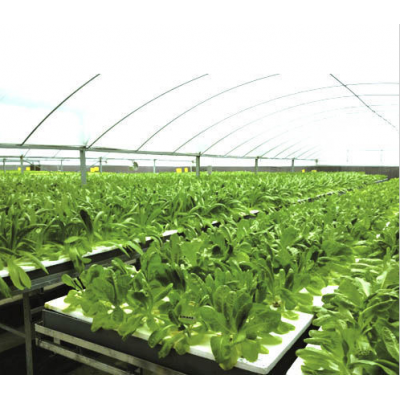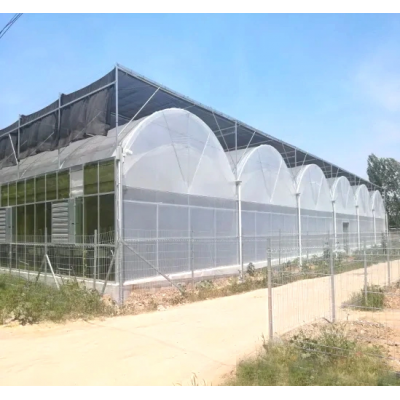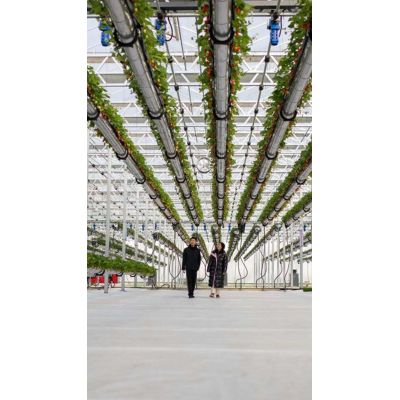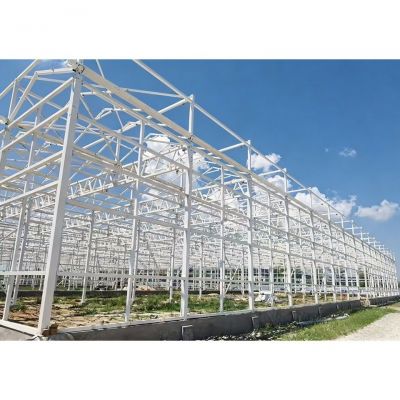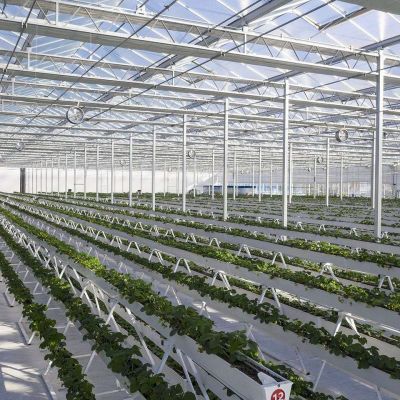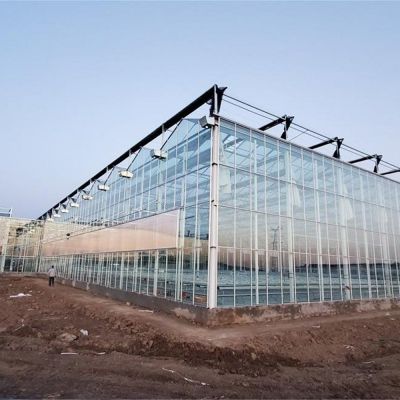
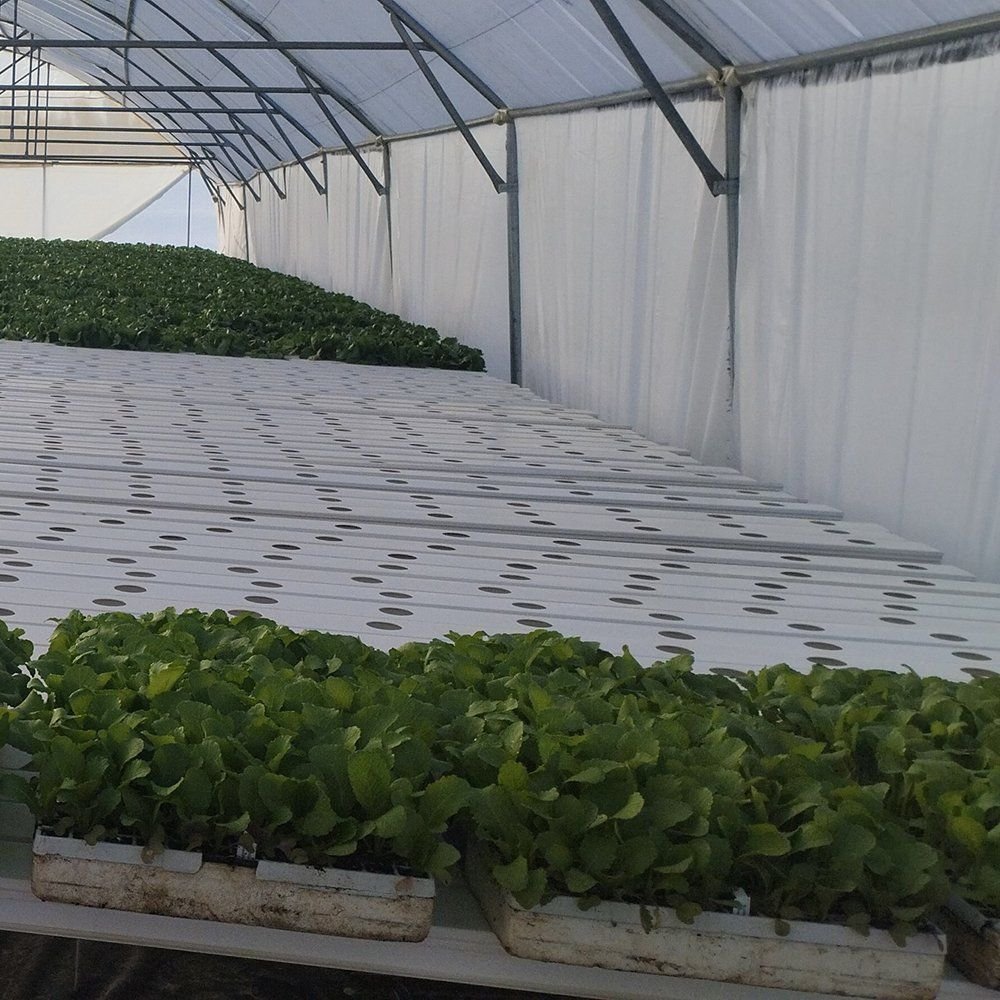
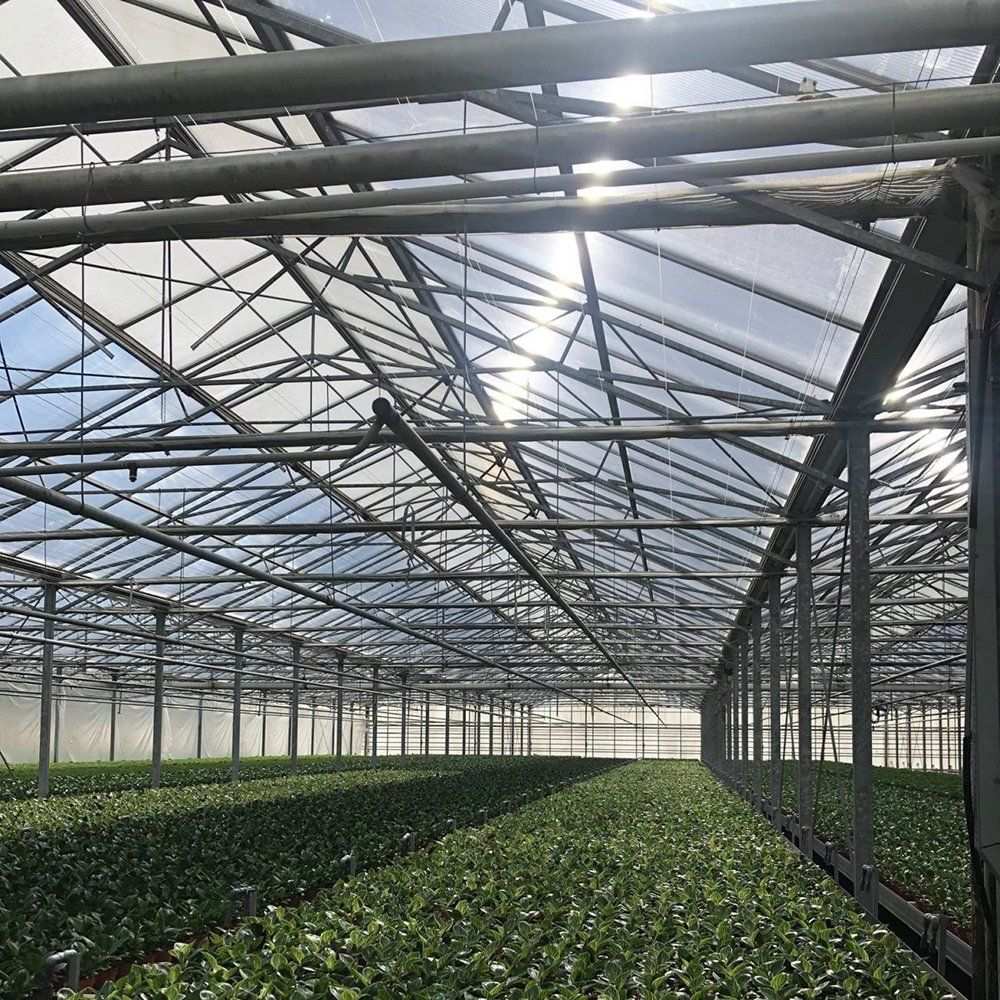
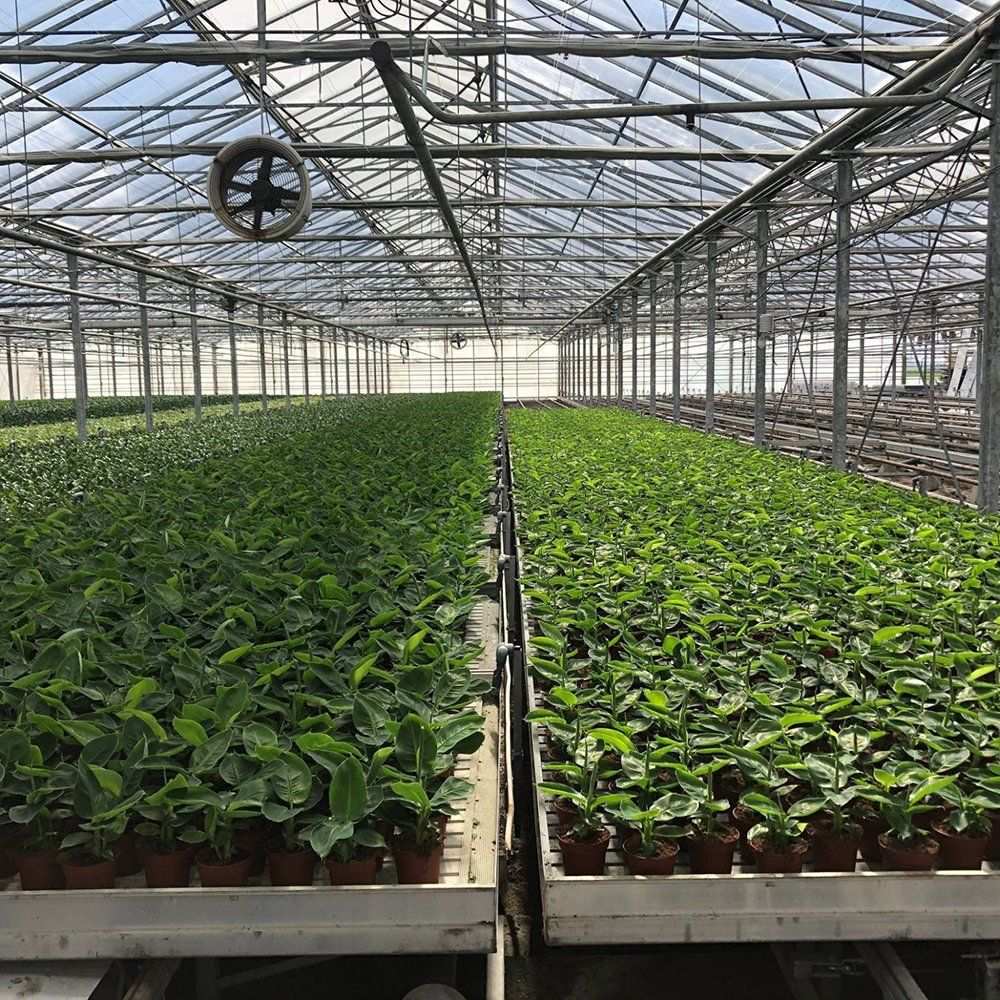
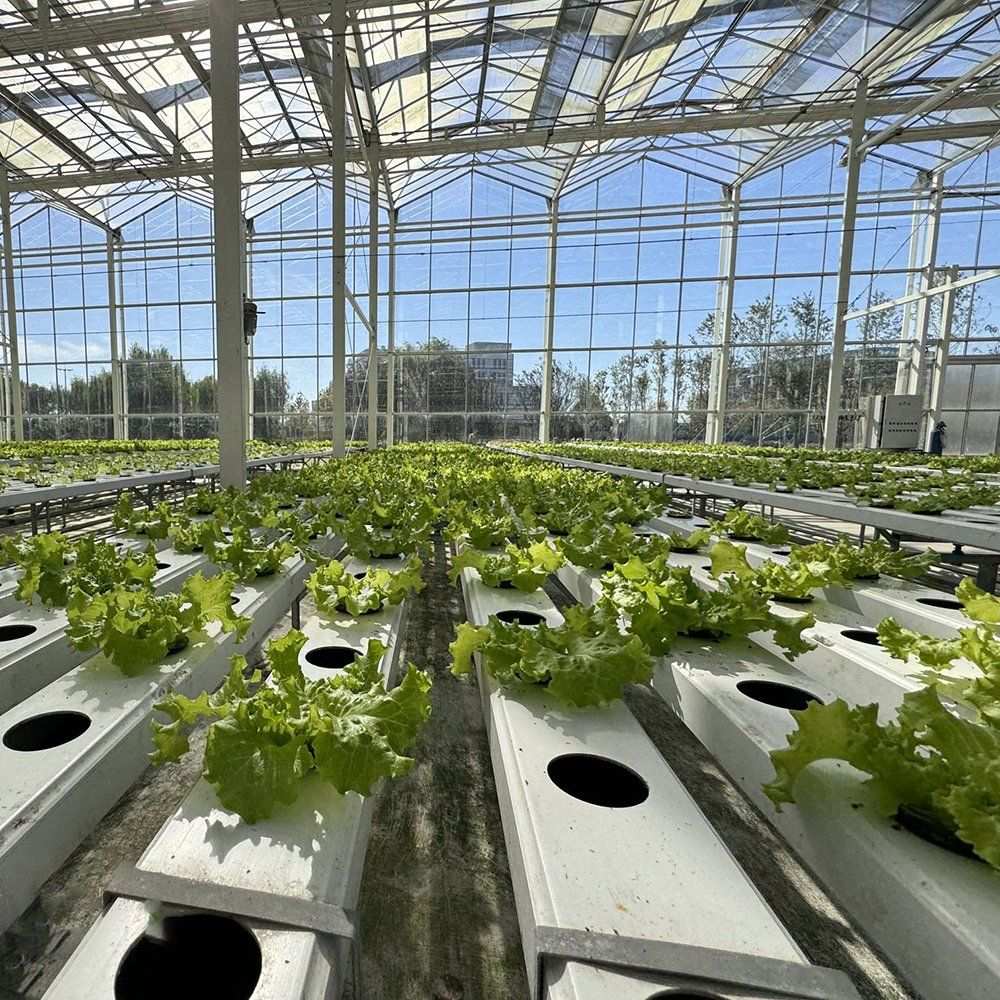
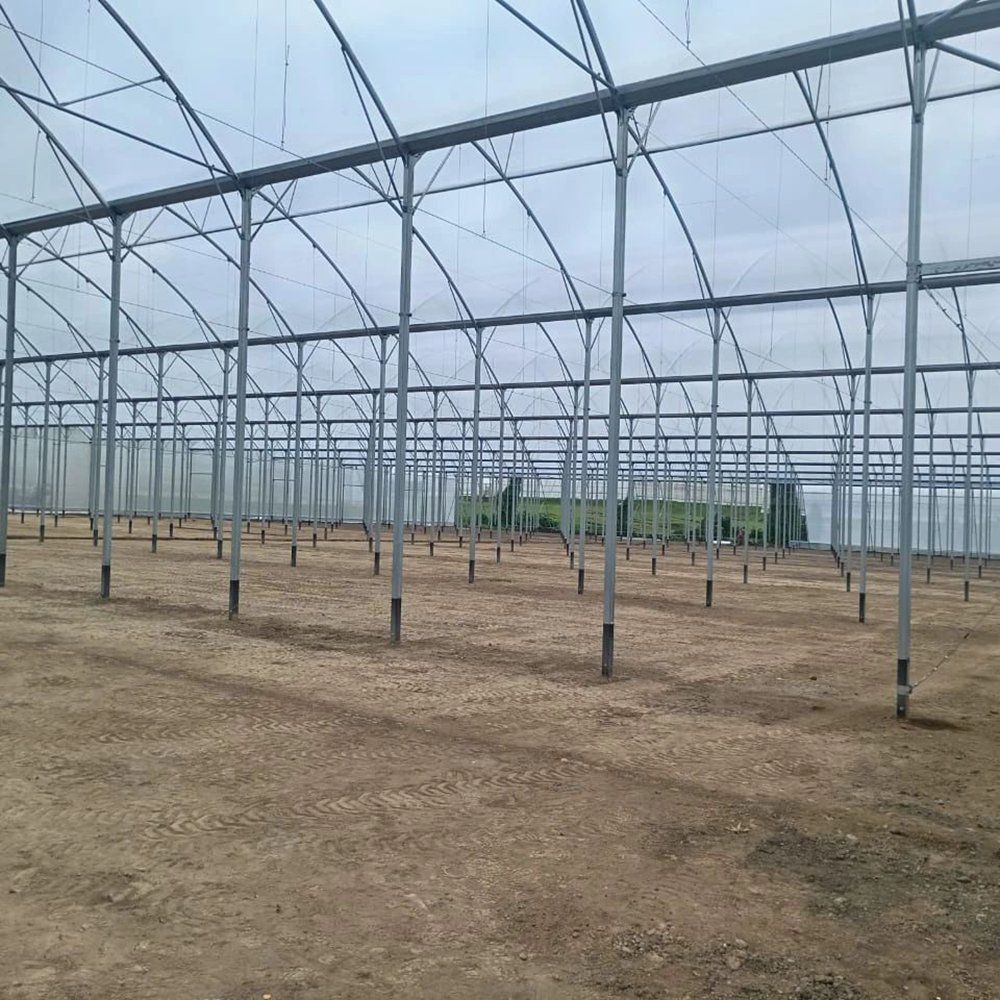
This flower greenhouse is built for cut flower production, where light and temperature control decide stem quality. The frame is aluminium alloy or galvanized steel, and the covering is high grade anti-PEP film that transmits up to 90 percent of light while blocking harmful UV. Single and double layer setups are both available. The double layer adds insulation, which steadies temperature for tropical species and for off season cultivation, and roof or side vents keep humidity in check. Film normally lasts about three years before it needs renewing.
Cut flowers are judged by stem length, colour and timing, and all three respond to how much light and heat the house delivers. This flower greenhouse is configured for that trade, pairing an aluminium or galvanized frame with anti-PEP film and offering both single and double layer covering arrangements.
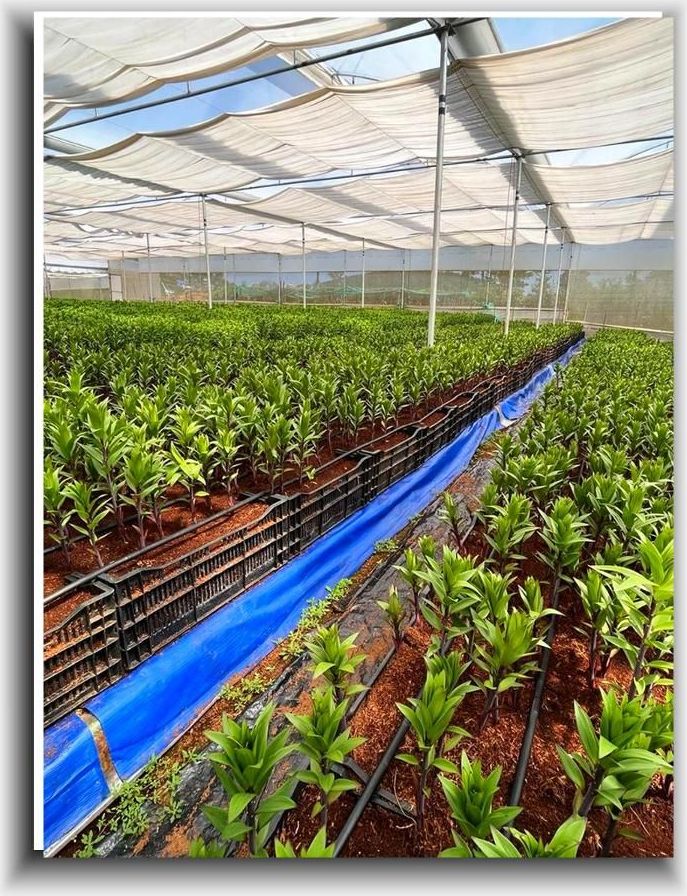
The film is high grade anti-PEP material that transmits up to 90 percent of available light to drive photosynthesis, while blocking the harmful UV fraction that scorches delicate blooms. Light matters most in the weeks before harvest, when shortfalls stretch stems and mute colour, so the covering is specified for high transmission rather than insulation alone. Adding a second layer changes the balance: the air gap between layers raises insulation and steadies temperature, which suits tropical species and off season production, at a small cost in light. Growers planning cut flower programmes often follow extension guidance such as that published by Michigan State University horticulture, and trade reporting on FreshPlaza.
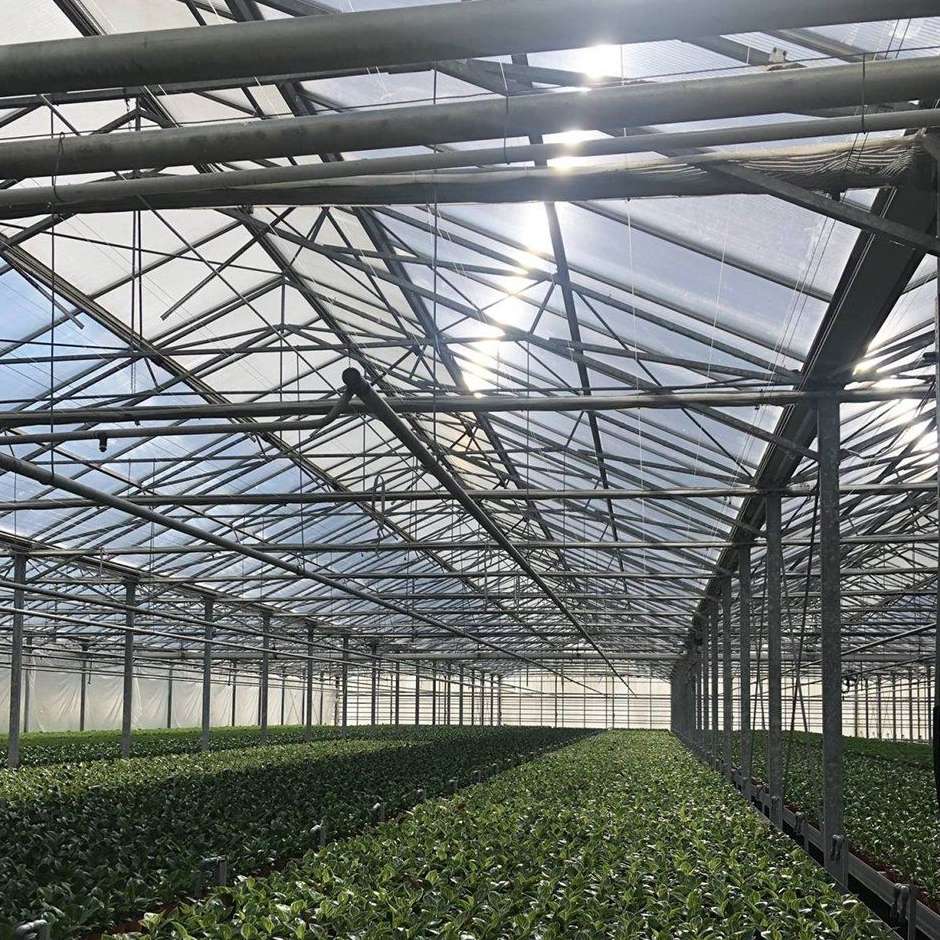
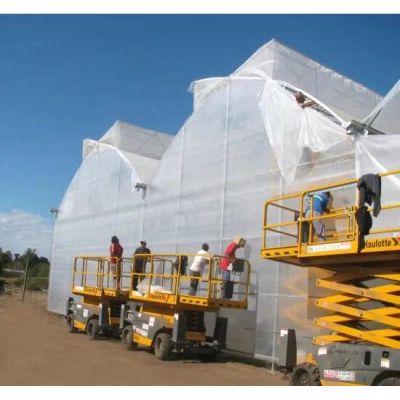
The frame arrives as pre drilled sections that bolt together on a prepared base, and film is fitted over the structure once the frame is complete. Double layer houses use an air inflation or spacer arrangement to keep the two sheets apart, and that gap should be checked when the cover is tensioned. Film is the consumable part of the house: the covering normally lasts around three years before transmission and strength drop, so replacement should be planned into the cropping calendar. Between covers, check vent mechanisms before each season, keep the film tensioned and sealed at joints, and clear gutters and drainage.
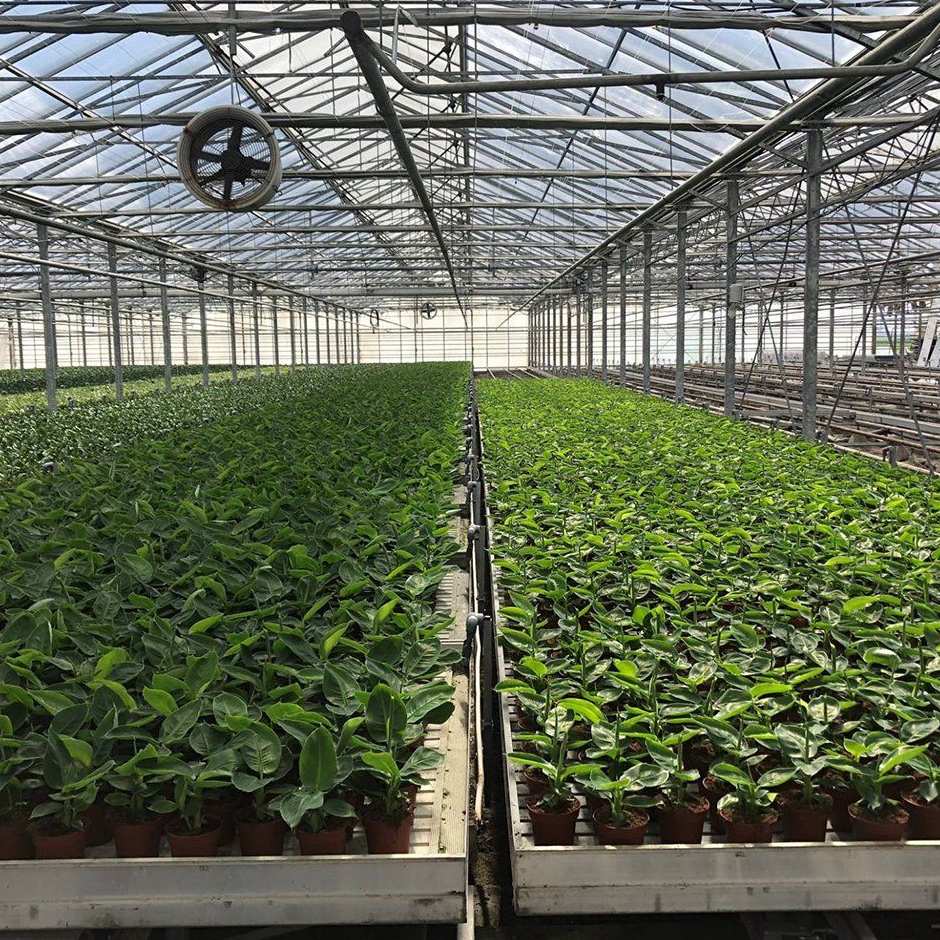
These houses suit cut flower farms, potted plant nurseries and seedling operations, and the single layer version also works for vegetable crops where maximum light is the priority. The double layer option extends the season for warmth loving species. Compare our film greenhouse range and the agricultural plastic film greenhouse, or review our flower film greenhouse for a dedicated flower layout.
Single layer gives the highest light transmission and suits cut flowers grown for stem length and colour. Double layer adds an insulating air gap, which steadies temperature for tropical species and off season cropping, at the cost of a small amount of light.
Up to 90 percent with the standard anti-PEP film, and 90 to 95 percent across the film range we supply. The coating also blocks the harmful UV fraction that damages blooms.
Yes. Heating is optional and normally takes the form of a boiler or radiant system. With a double layer cover, the insulation reduces the heat input needed to hold a target night temperature.
Around three years under normal use. UV resistant film holds transmission and strength longer, and the cover can be replaced without disturbing the frame.
Send your span, length, height, target crop and local climate, plus your local wind and snow loads. We reply with a layout drawing and a full quotation covering frame, film, ventilation and fittings.