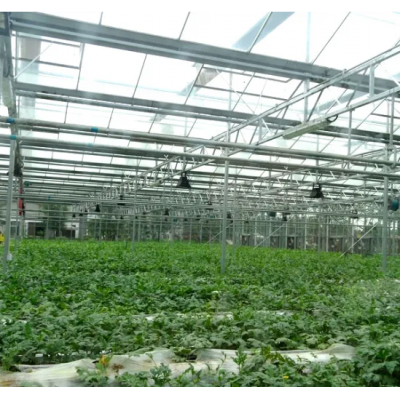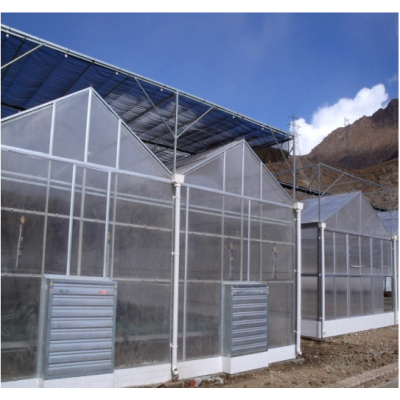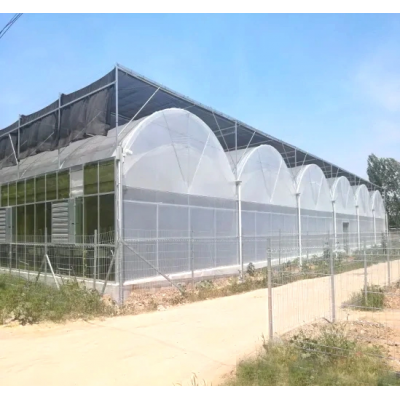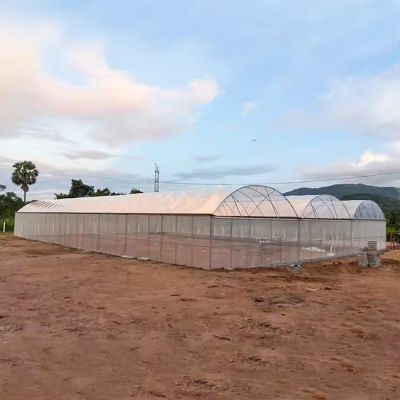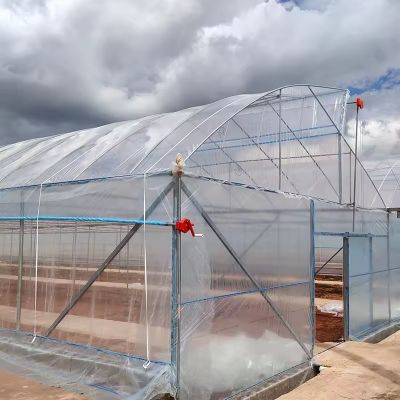
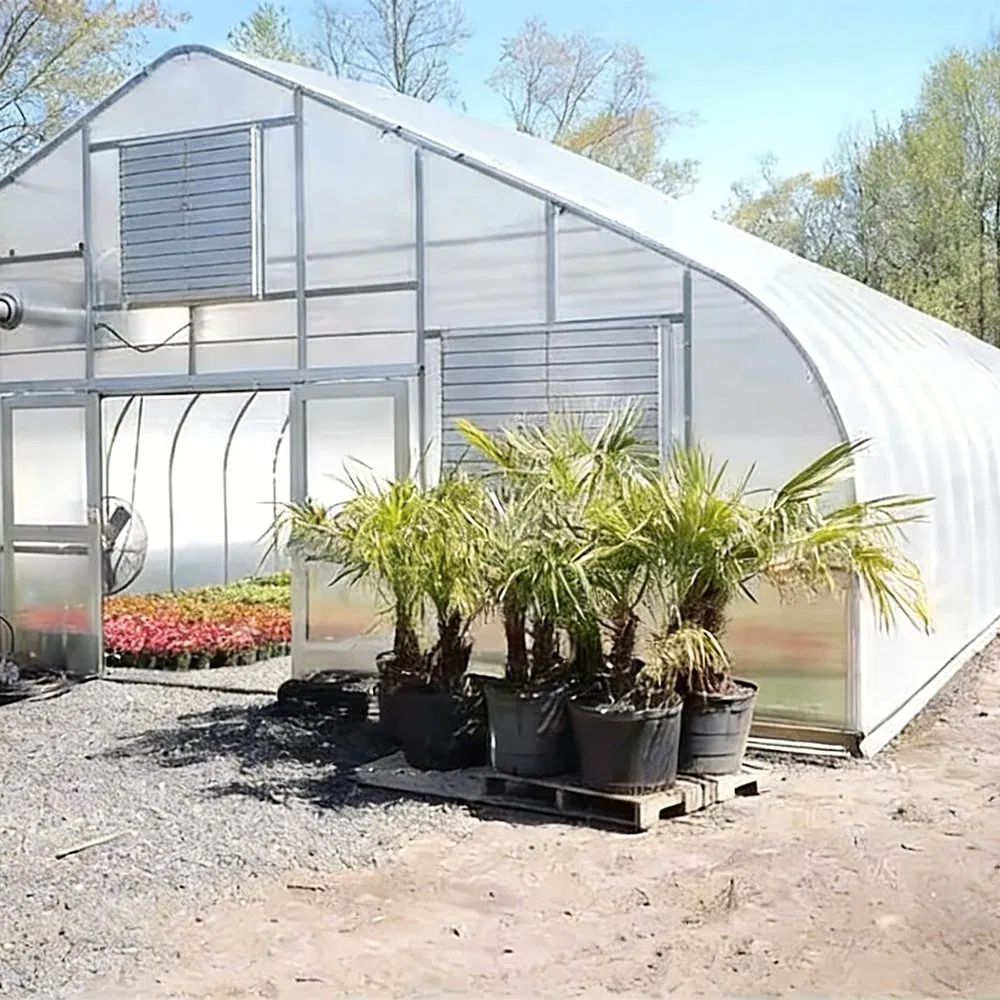
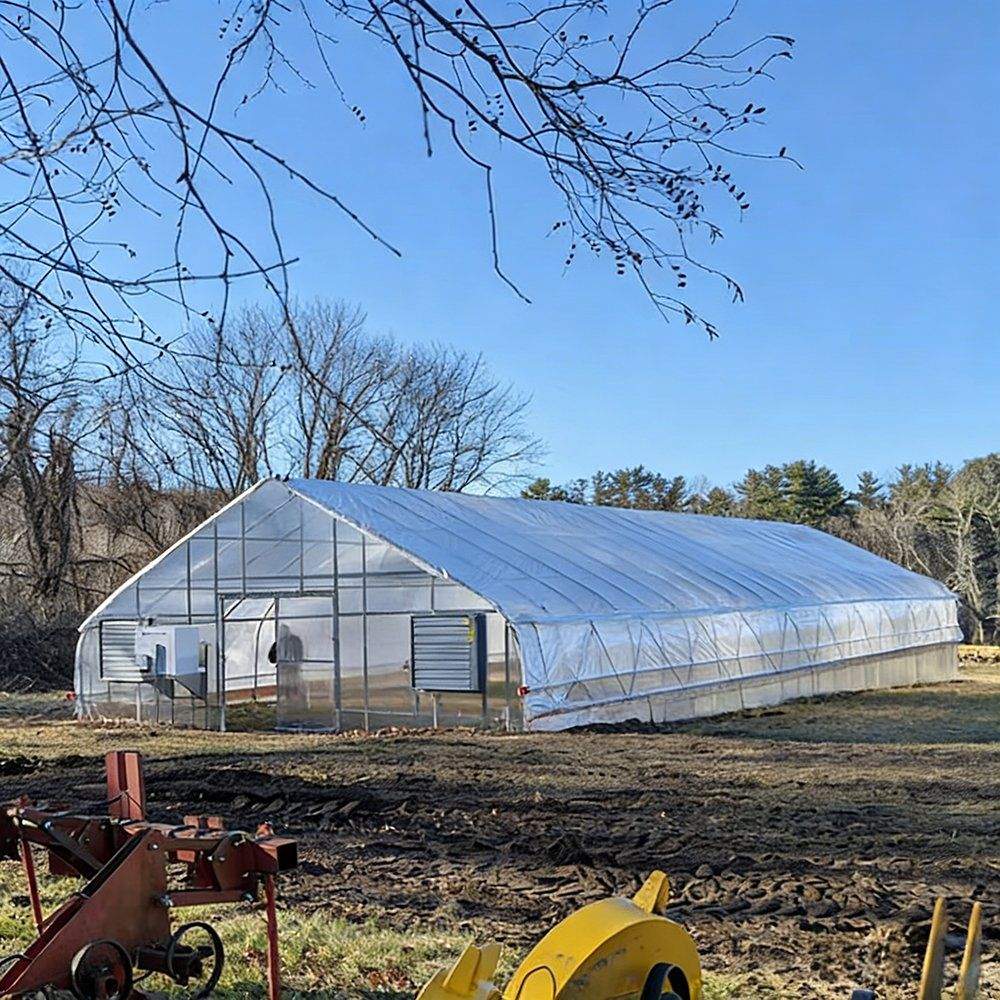
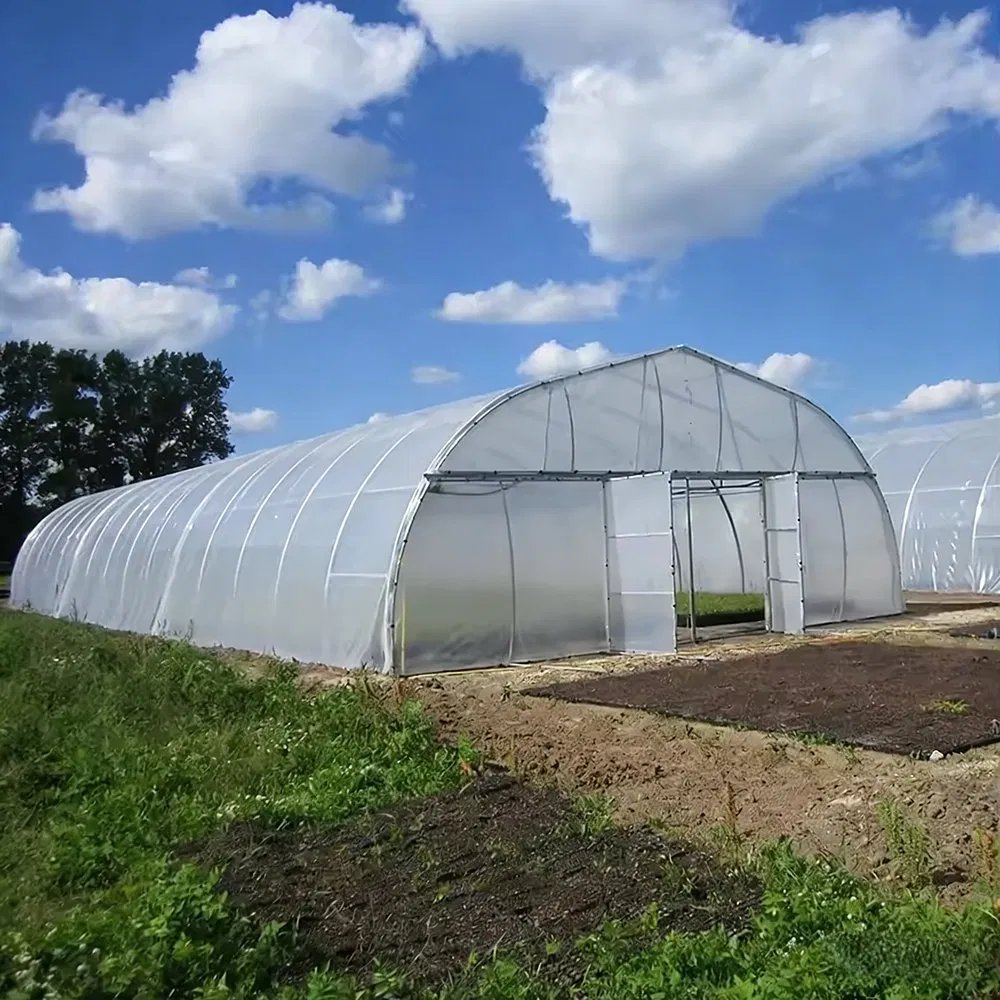
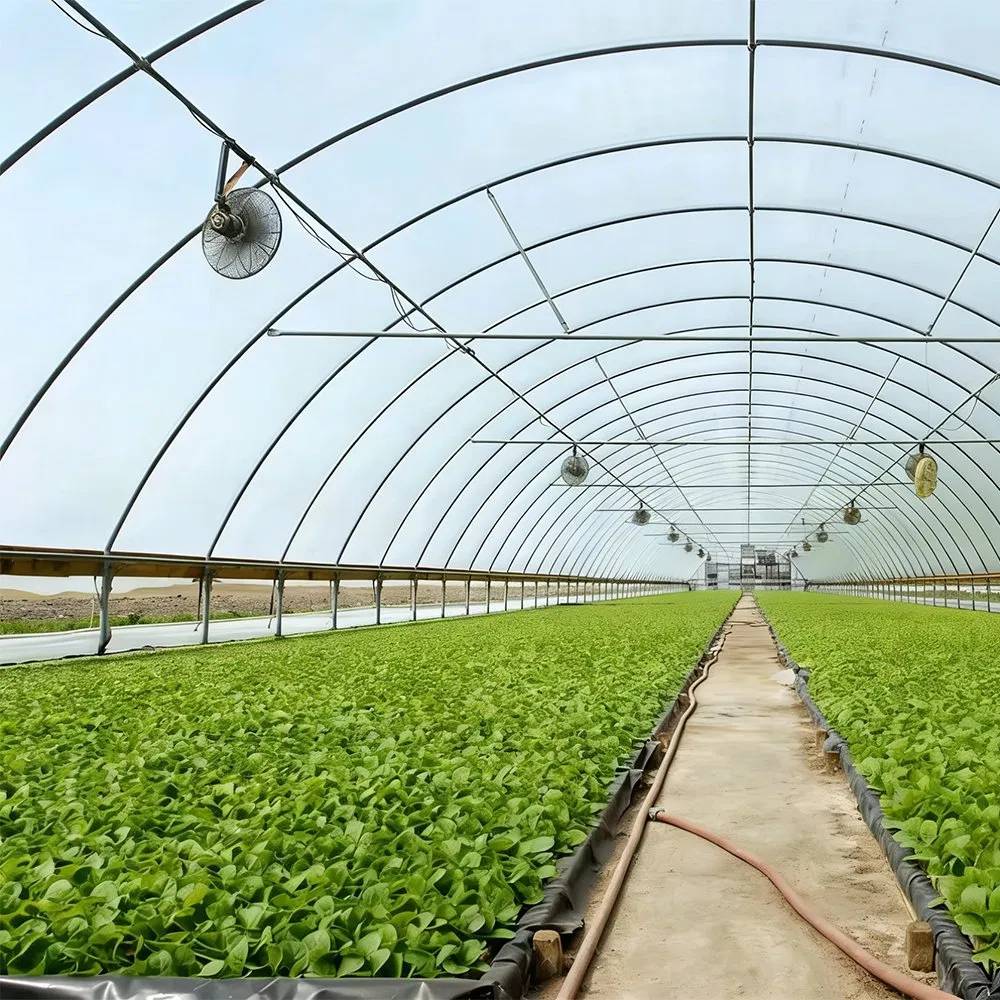
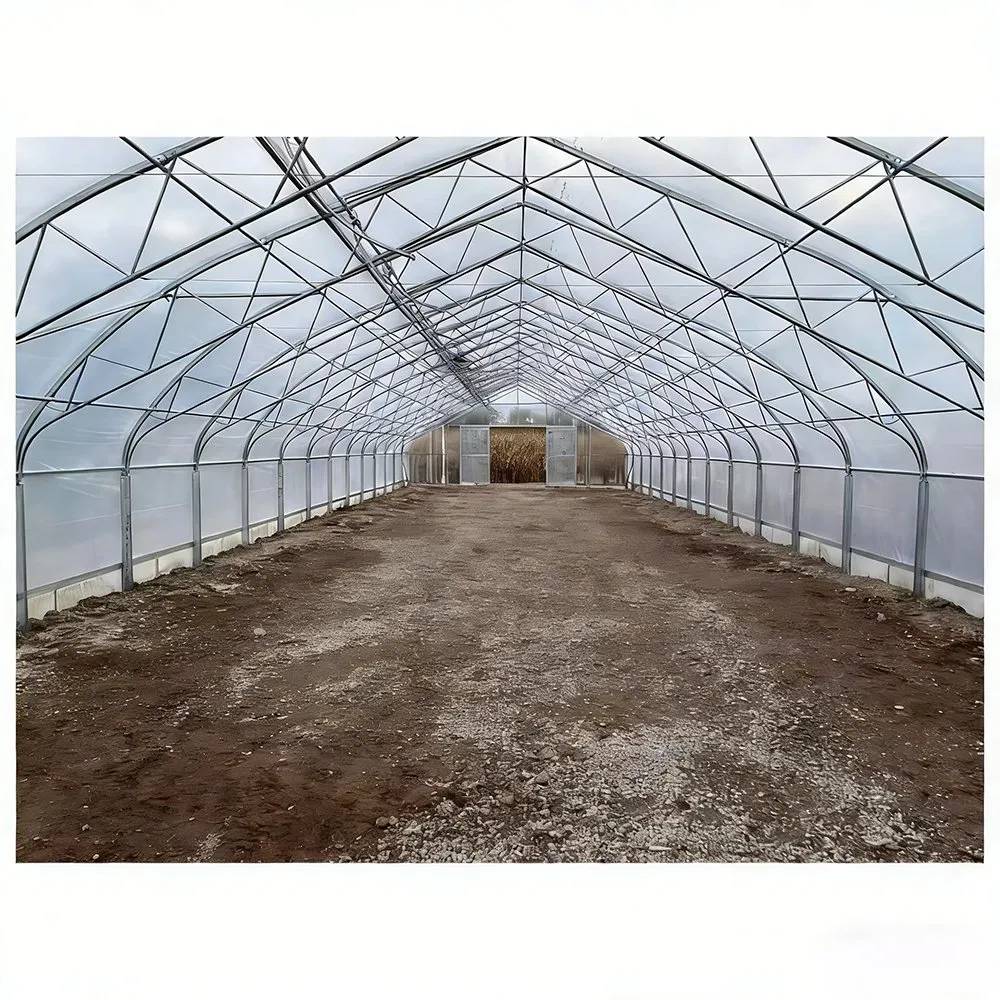
Some crops are sold on timing rather than volume, and timing is a question of how many hours of dark they get. This house is built around that: blackout screens that close the roof completely, LED bars for the short days, and pad and fan cooling so the closed house does not cook. Spans run from 6.4 to 16 metres on a steel frame, with top and side ventilation for the hours when the screens are open. It is a scheduling tool rather than a yield machine, and it is quoted that way.
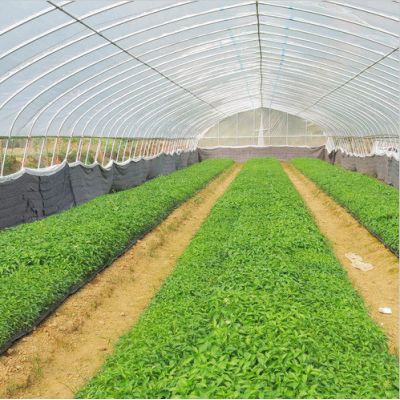
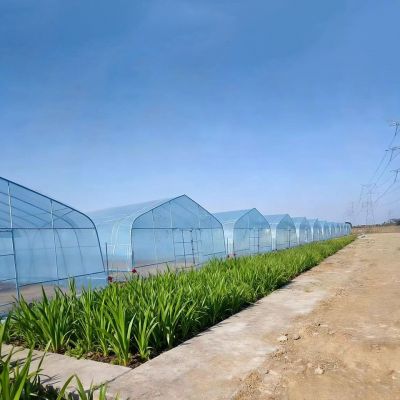
A film tunnel controls temperature and humidity. It does not, by itself, control day length, and on a crop that is sold on flowering date the day length is the whole game. This house adds a blackout screen and a lighting layer to the tunnel, which turns an inexpensive structure into a scheduling tool. It belongs to the tunnel greenhouse range on this site.
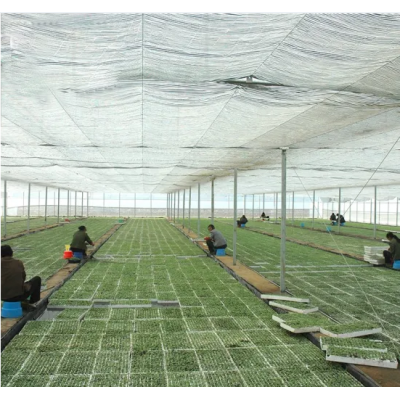
The screen closes the roof and, with the sides shut, the house becomes dark enough to hold a short-day cycle in the middle of summer. When the natural day is too short, LED bars carry the photoperiod instead. Running the two together is what allows a grower to hit a delivery window rather than take whatever the season gives.
Both systems only work if the house is genuinely sealed. A gap at the ridge or a torn side wall ruins a blackout cycle, which is why the frame details on this house are tighter than on an open vegetable tunnel.
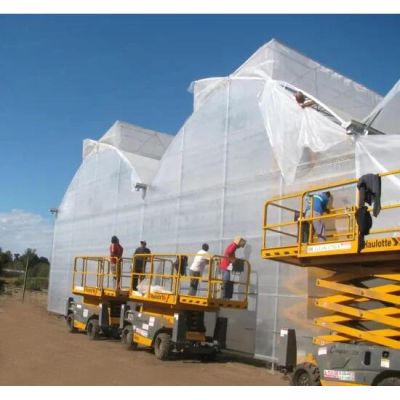
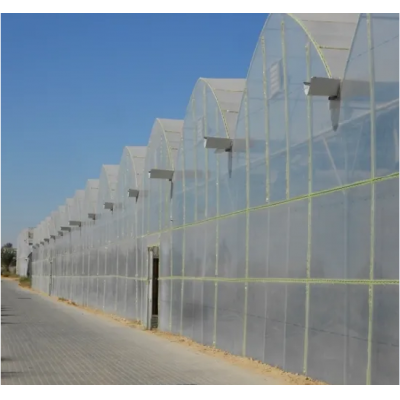
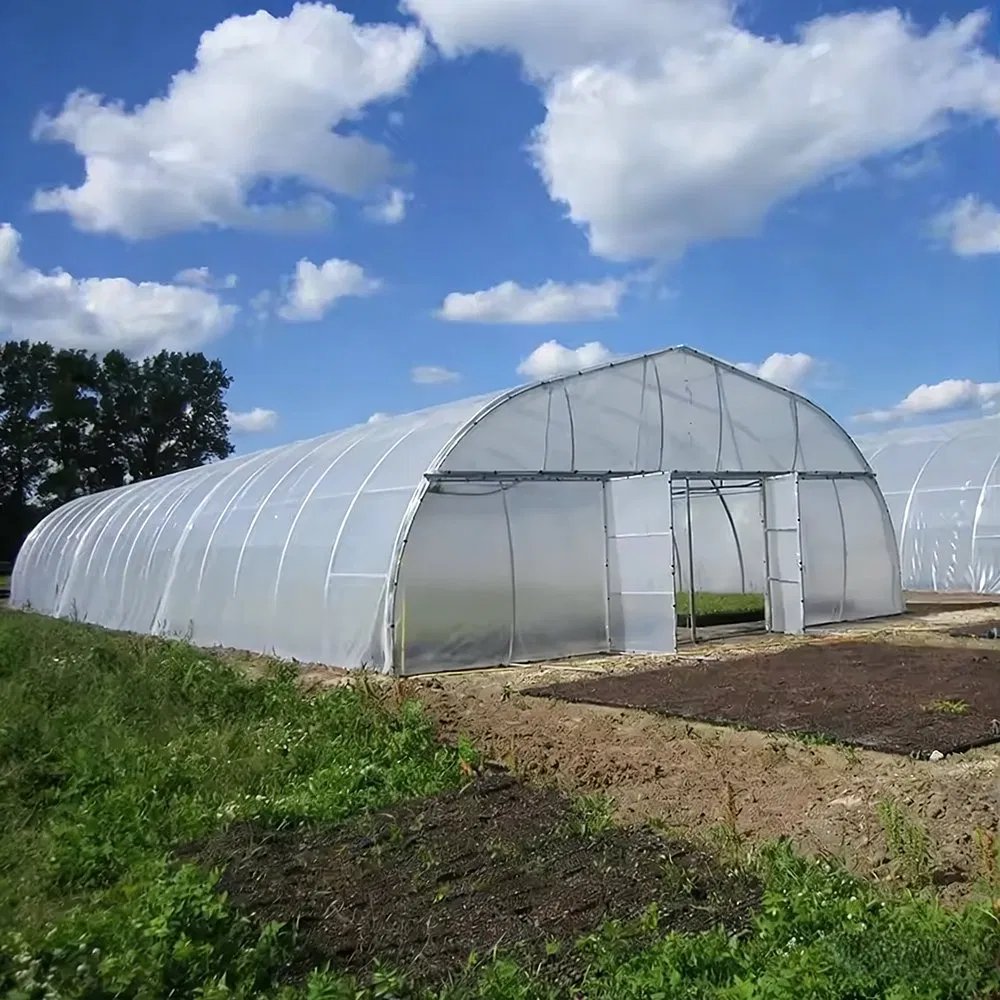
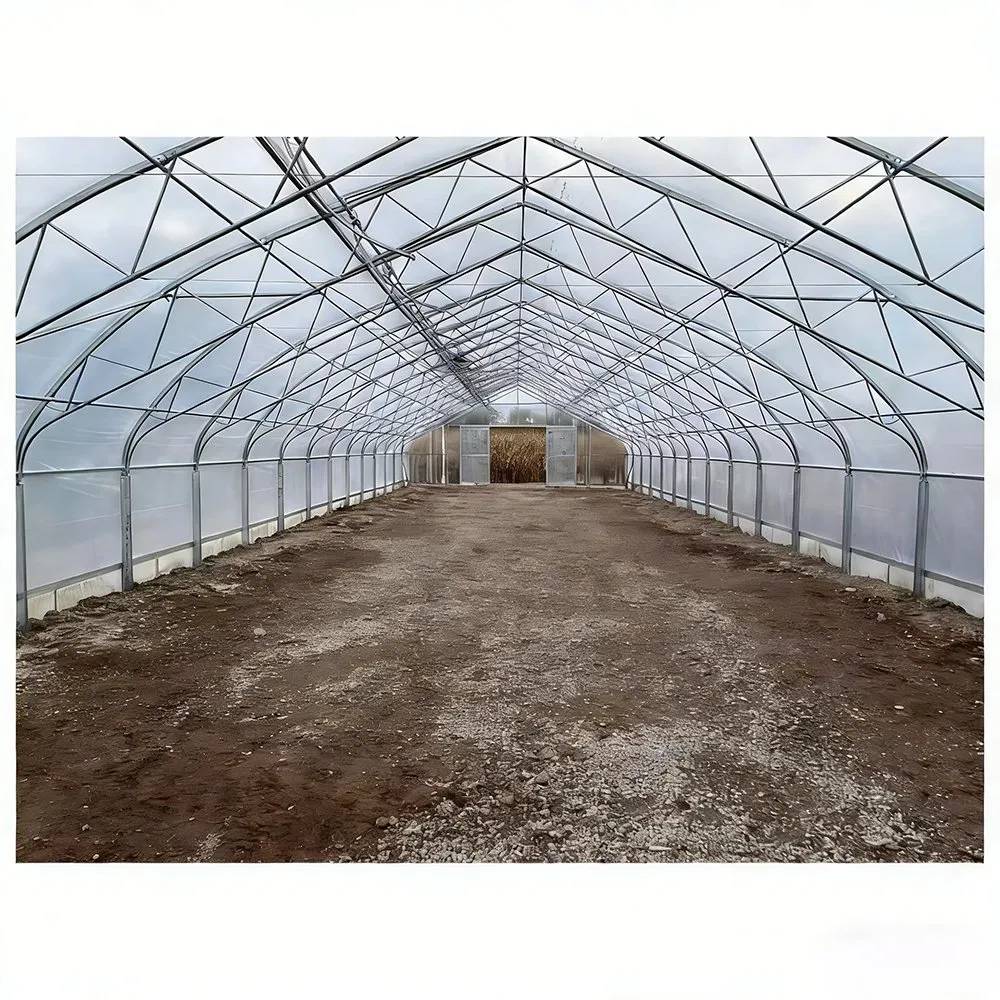
Spans run from 6.4 metres up to 16, and the reference house is thirty feet wide by a hundred long, which is roughly 9 by 30 metres. Cover is plastic film on a steel frame; the wider spans use heavier arches and more purlins, which is the part of the quotation that changes most with width.
Film choice matters more here than on a normal tunnel. A diffusing film spreads light evenly across the bench, which is what a flowering crop wants, while a clear film transmits more total light and is the better choice where the LED layer is doing most of the work. A house built for cut flowers under natural light is described on the commercial flower tunnel page.
| Structure | Single arch tunnel, steel frame construction |
| Cover material | Plastic film |
| Span | 6.4 / 8.0 / 9 / 9.6 / 10.8 / 12 / 16 m |
| Reference size | 30 ft by 100 ft, about 9.1 m by 30.5 m |
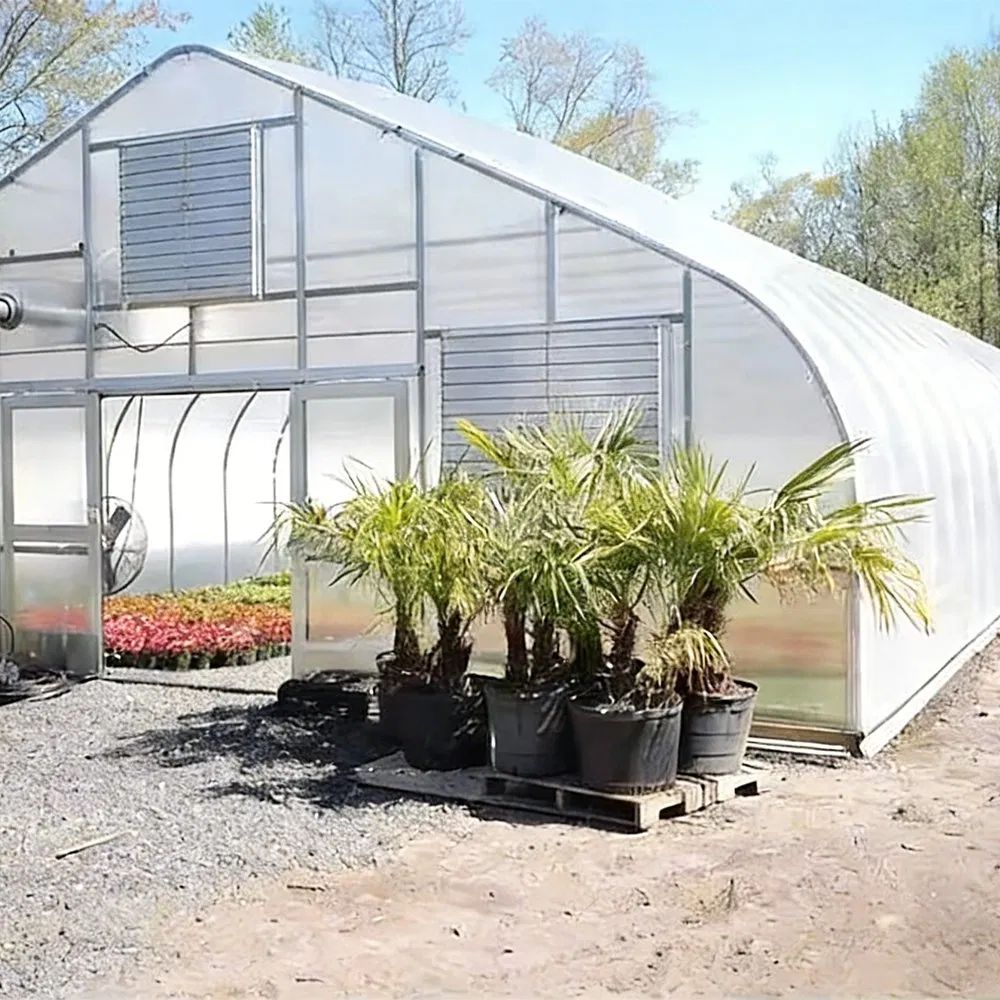
| Ventilation | Top ventilation and side ventilation |
| Cooling | Cooling pad and fan system |
| Light control | Automated blackout screen, LED grow lights |
| Heating | Optional system |
| Packing | Packed for container shipment |
A sealed house in July is an oven, so the cooling system is not optional. The usual arrangement is a pad and fan wall at one end, sized to the volume of the house and to the local water temperature. How close the house can be held to its target depends on that water: a cold source and a warm one give very different results from the same fan.
Top and side vents handle the shoulder seasons, when the pad is not running but the house still needs air. The order of operations on a light dep house is worth writing down and sticking to the door: screens closed during the dark period, vents opened only after the screens lift, and the pad brought in behind them.
The screens, lights, fans and vents can be run from one controller, which is the point of the automation: the crop gets the same cycle on a Sunday as on a Wednesday, whether or not anyone is on site. Research on protected cropping and controlled environments is published by CSIRO, and practical farm coverage by Farming UK.
It is bought for flowering crops that are scheduled rather than harvested continuously, and for vegetable growers who want to force an early cycle. The limits are the same as any film house: the cover is a service item, the blackout screen is a mechanism that needs a service visit, and the whole system depends on power. A house that ships as a complete set with ventilation fans is described on the single span polytunnel complete set page.
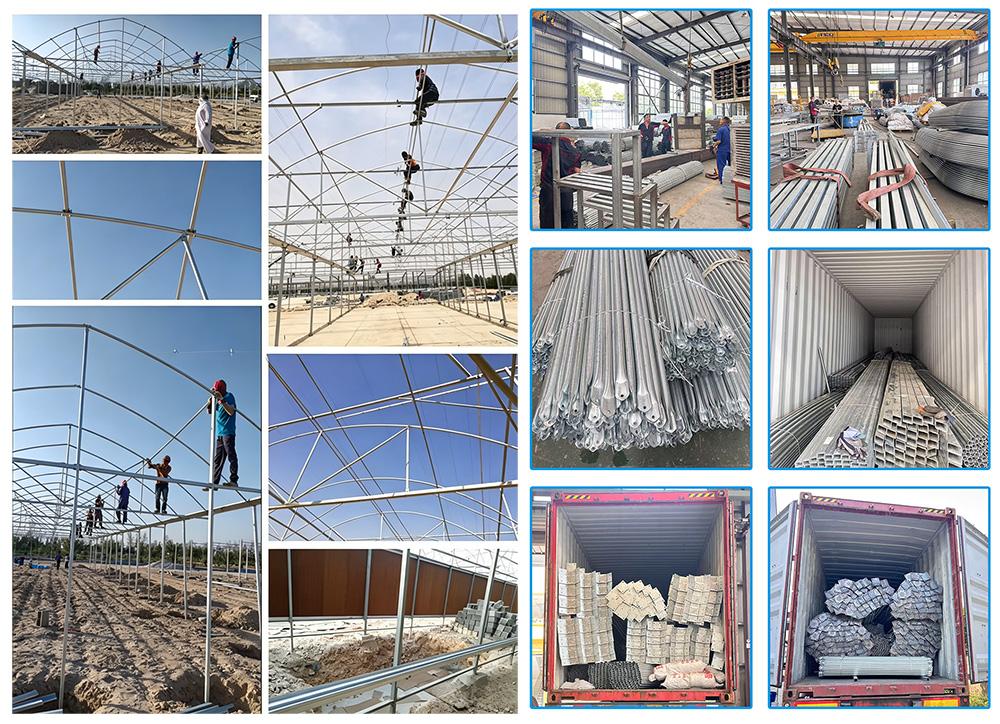
The hot-dip galvanized steel frame carries a 10-year structural warranty covering structural safety, plus a 5-year warranty against corrosion perforation. It is designed for a 15-20 year service life. Film covers carry a 3-5 year UV warranty depending on grade.
Film suits low-cost tunnels on 3-5 year replacement cycles. Glass delivers the highest light transmission and the longest lifespan, at the highest cost. PC sheet insulates better than film and suits cold or high-humidity climates. The right choice depends on climate, crop and budget.
Ziyang Bozong Greenhouse Industry Co., Ltd. is a manufacturer based in Ziyang, Sichuan, China. We produce the hot-dip galvanized steel frame in-house, cutting and drilling to drawing, and supply covering materials, ventilation, cooling and irrigation systems as one coordinated package.
Send your growing area, span and length, crop type and local climate. If you already have a layout drawing, that is enough to start. Our engineers then return a quotation with a structure drawing and a bill of materials.
An automated screen closes across the roof, and with the side walls shut the house holds a dark period through a long summer day. LED bars carry the photoperiod when the natural day is too short. The frame details are tighter than on an open tunnel, because a gap at the ridge defeats the whole cycle.
With a pad and fan wall at one end, sized to the volume of the house and to your water source. A cold water source holds the house much closer to target than a warm one, so the water temperature belongs in the enquiry. Top and side vents cover the periods when the screens are open.