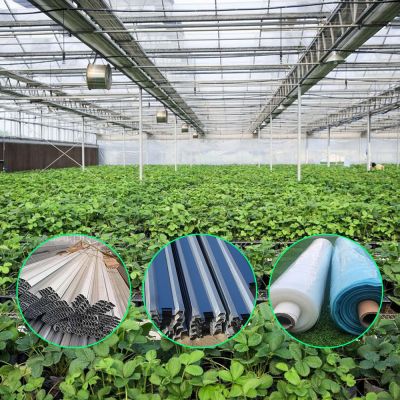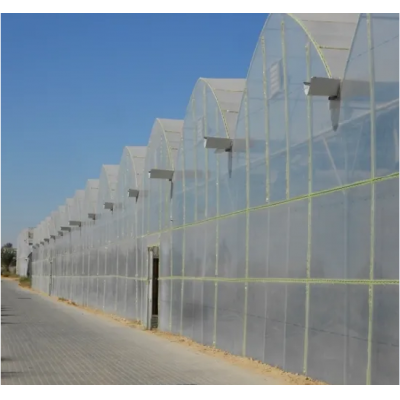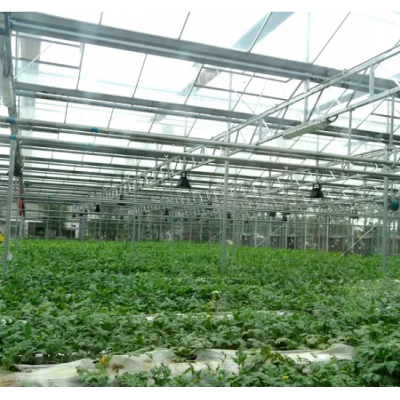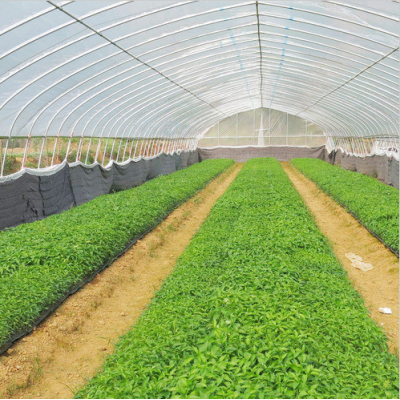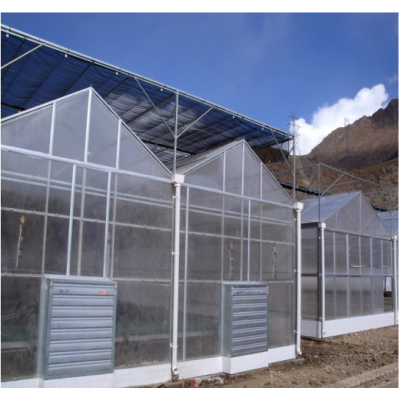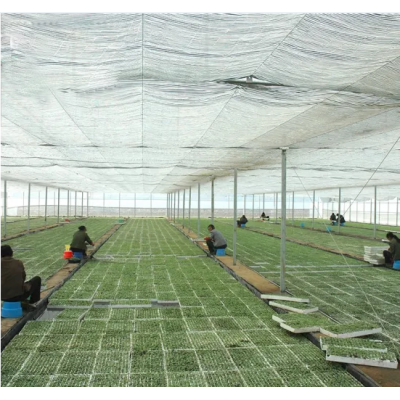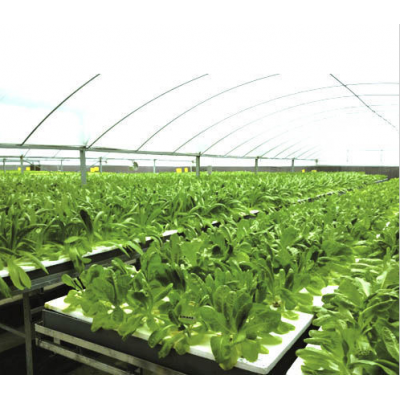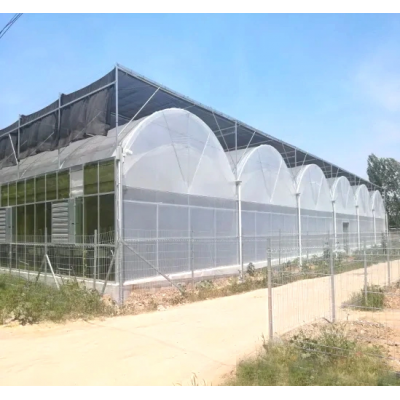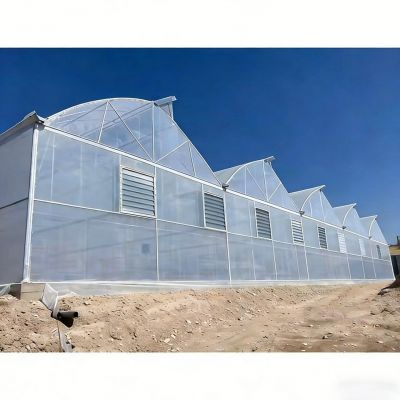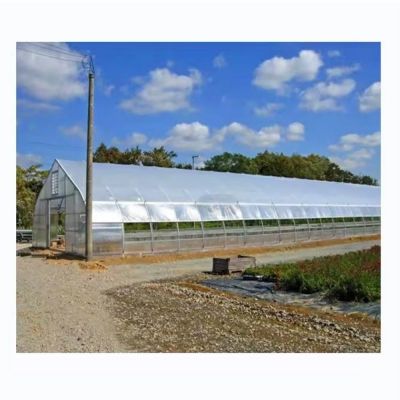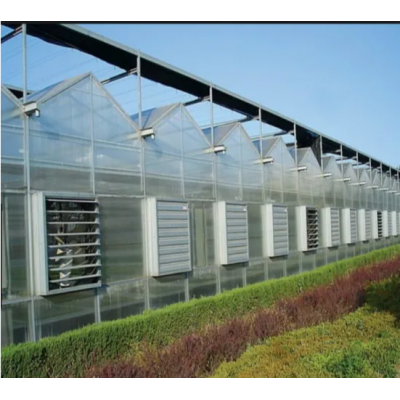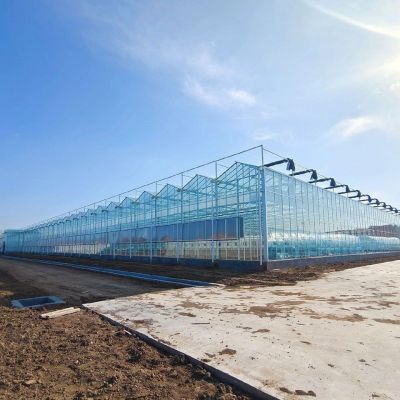
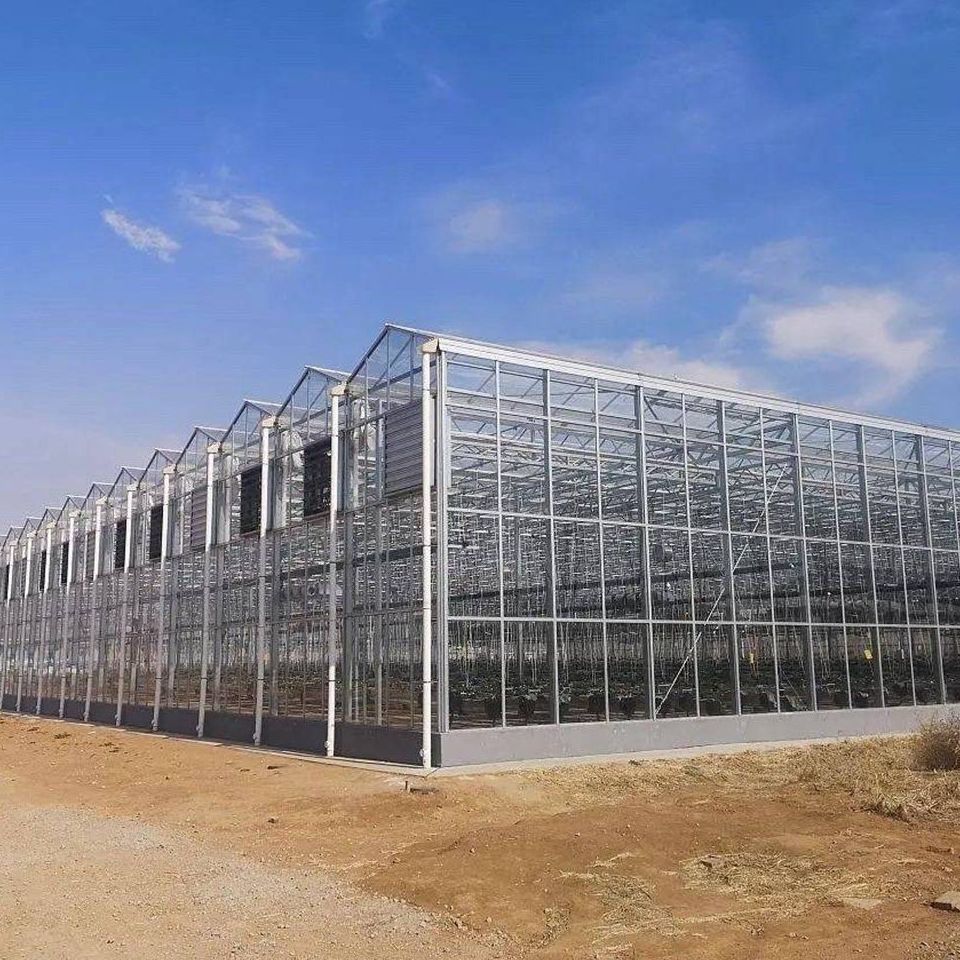
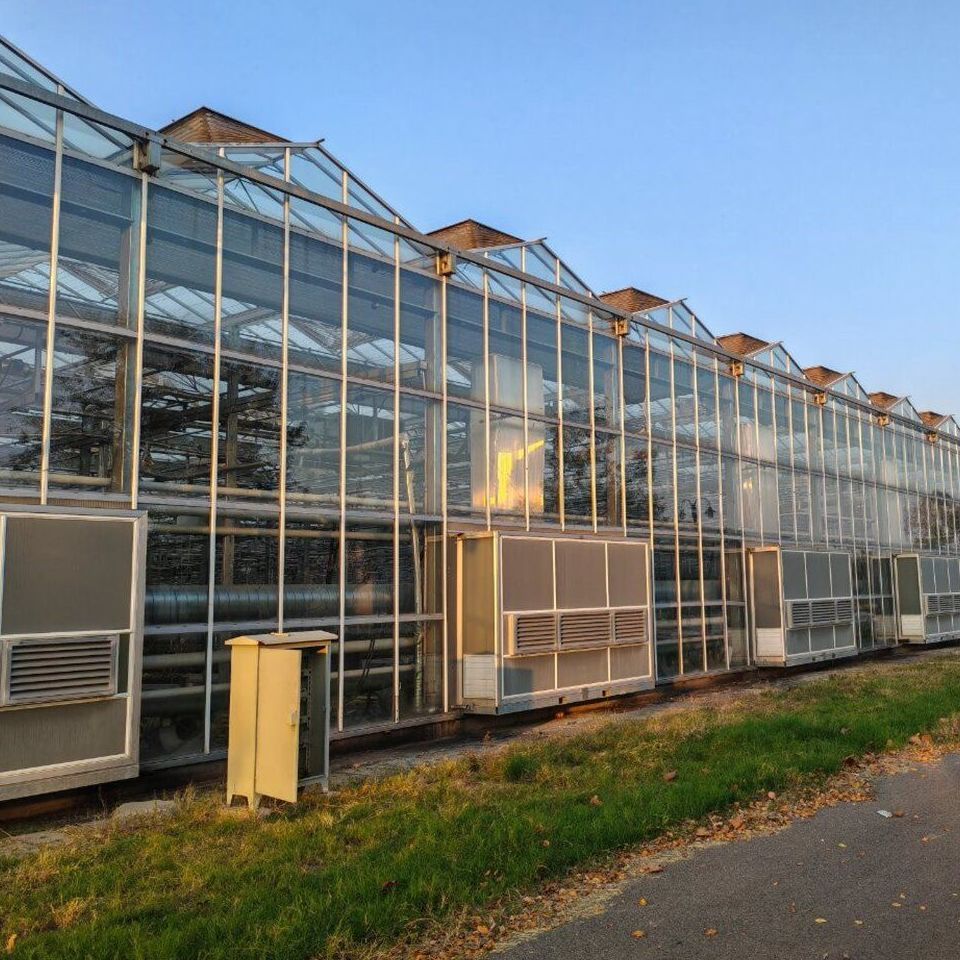
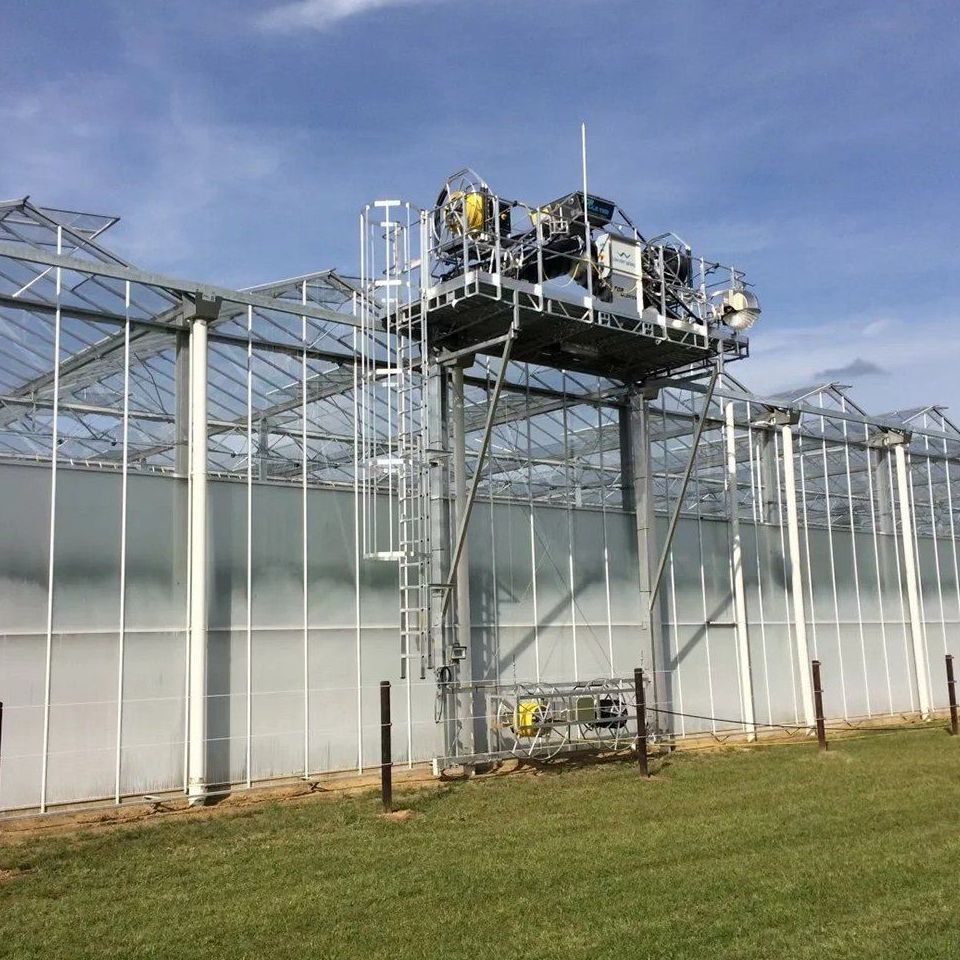
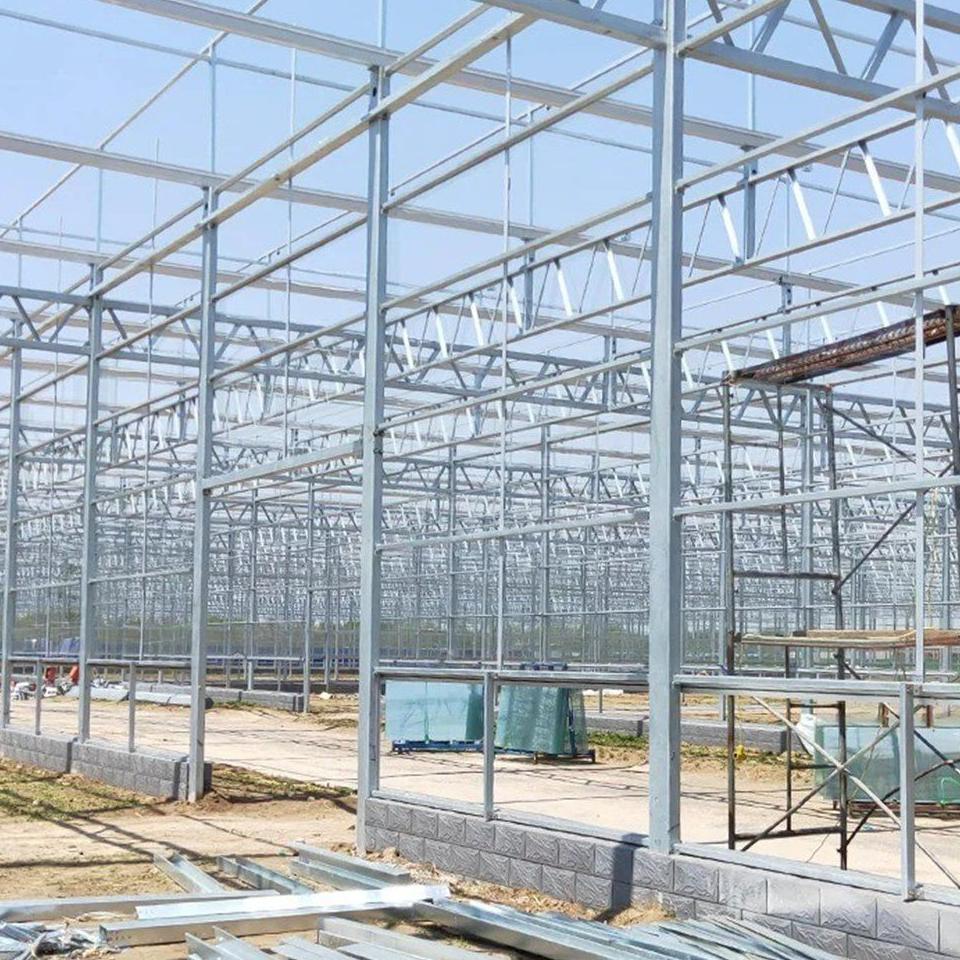
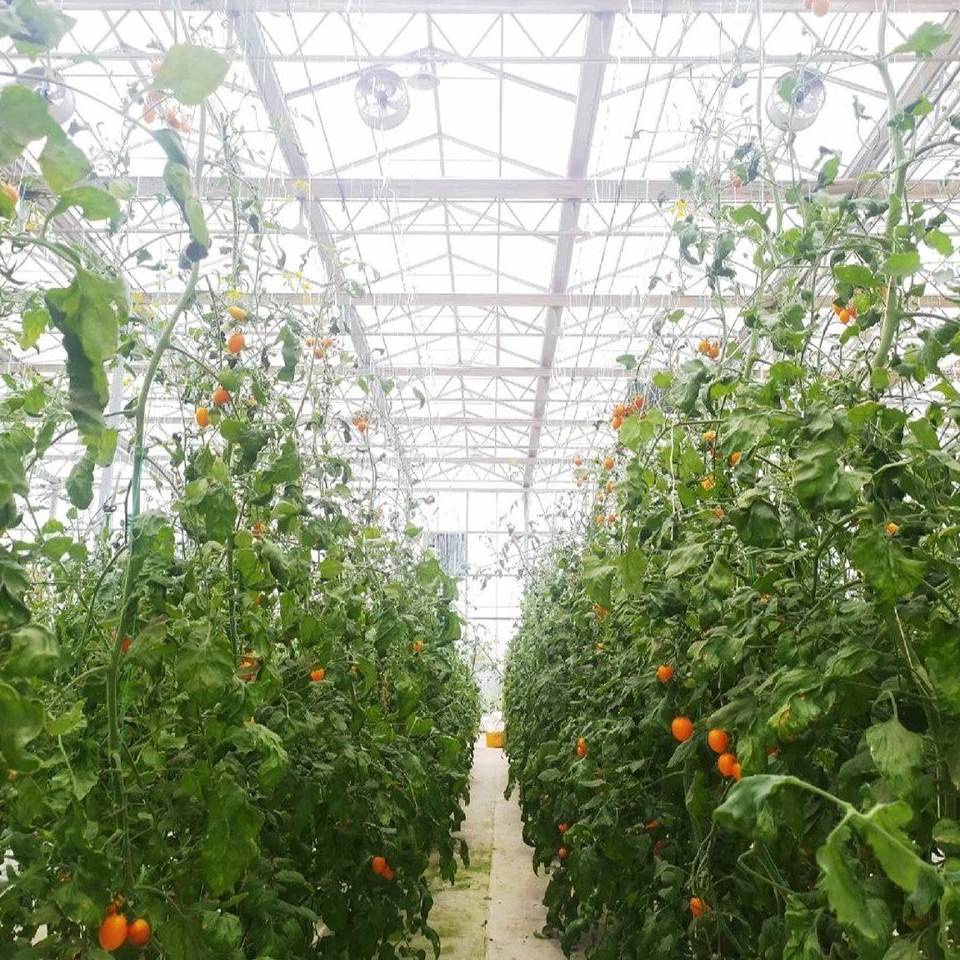
The covering is twin wall polycarbonate in 8 mm or 12 mm, two skins with a cellular core, so the sheet itself is the insulating layer and the house holds its night temperature more steadily than a single skin cover. The frame is aluminium extrusion with a grooved channel that grips the sheet along every edge, which is what stops a panel lifting in wind and keeps the joint watertight. The sheet is rigid, so nothing flaps and there is no re-tensioning cycle, and daylight is diffused across the floor rather than concentrated under the ridge. Spans run from 8 m to 12 m and the ridge reaches 3 m to 8 m.
Once a house has to run through a cold season rather than only extend the end of one, the cover stops being a sheet of plastic and becomes the building envelope. Insulation, condensation and light diffusion all sit in that one decision, and a panel house is the point at which a grower trades a low cover cost for a covering that is expected to last a decade and hold a temperature overnight.
A single skin house loses heat through the cover at a rate that sets how much fuel the season costs, and it also drops condensation onto the crop whenever the inside surface falls below the dew point. A twin wall sheet answers both because the air trapped in the core of the panel is the insulating layer: less heat passes through for the same indoor temperature, and the inner surface stays warmer, so water forms less readily above the canopy.
That is what makes a panel house worth its cost on crops with a long season and on work where the night temperature decides the result. The rest of the polycarbonate range is listed on the polycarbonate greenhouse range page on this site.
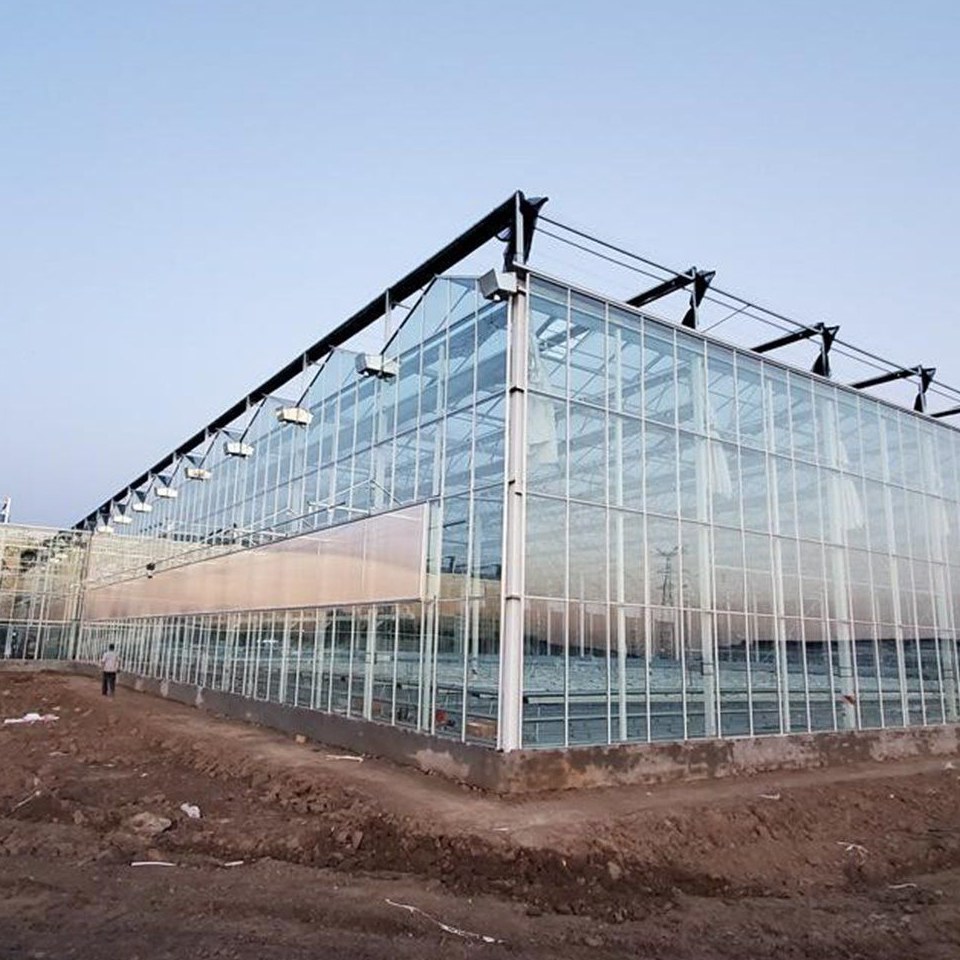
The covering is polycarbonate hollow sheet at 8 mm or 12 mm, and the thicker sheet is used where the site is colder or the crop needs a tighter band. Both carry a UV resistant coating, which is what keeps the sheet from yellowing and holds light transmission at 90 percent to 95 percent over its working life. The panel is rigid and it diffuses daylight rather than passing it as a beam, so beds across the full bay receive comparable light instead of a bright strip under the ridge.
Polycarbonate also takes impact far better than glass, and it does not shatter into edges above the crop. Where a site wants a heavier frame and larger panels, the larger format house is described in the large polycarbonate panel greenhouse.
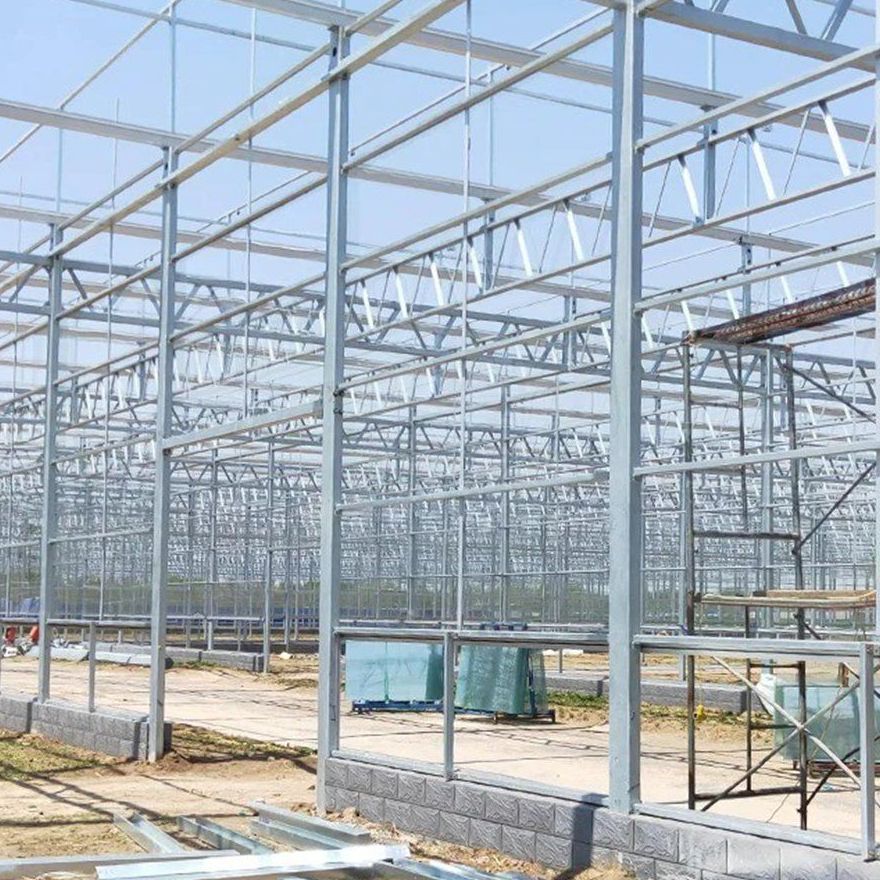
The frame is aluminium extrusion with a grooved channel that holds the sheet along each edge, and the steel members are hot dip galvanized steel pipe so the zinc reaches the inside of the tube and the cut ends. Panels are held on a gasket rather than directly on metal, which lets the sheet move as it warms and cools without cracking at the fixing point and keeps the joint watertight through a season of condensation running down the inside face.
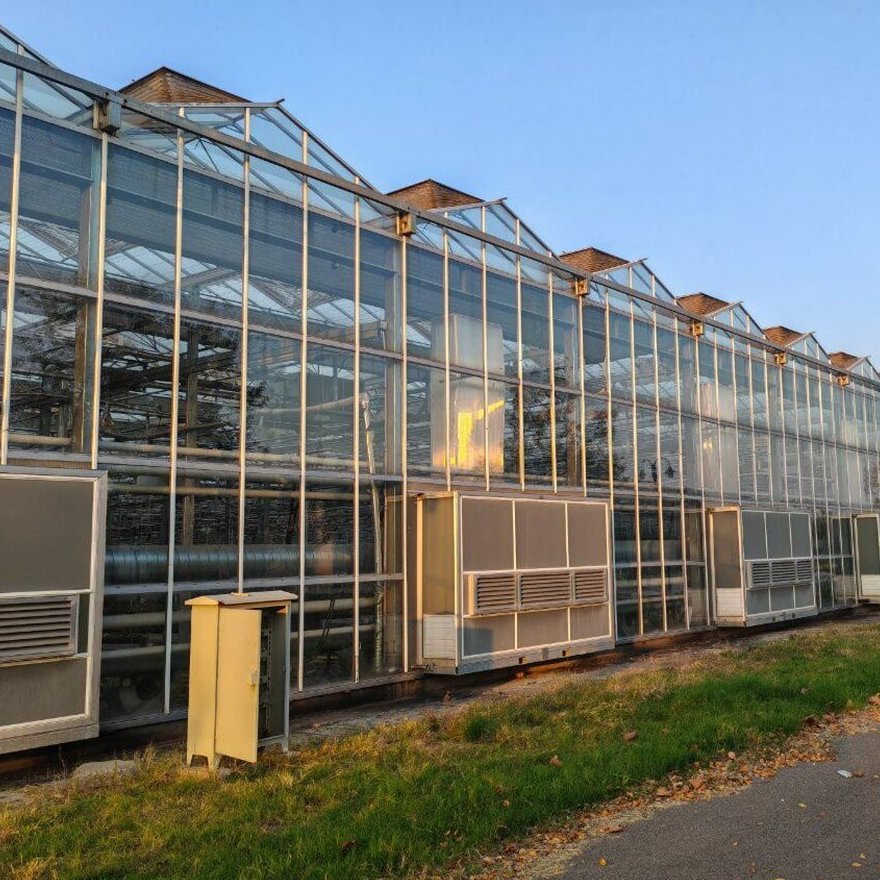
Ventilation is split between roof vents, which release the air that collects under the ridge, and side vents, which bring cooler air in at crop level. Automated vent gear is available where the house has to hold a set point overnight rather than being opened and closed by hand. Heating from a boiler or from radiant pipe is optional, and the choice is normally set by the crop rather than by the building. A panel house aimed specifically at flower crops is described in the insulated panel house for flower crop growing.
The table below is the standard build. Span, length, height, sheet thickness and ventilation are set to the site and to the crop.
| Greenhouse span | 8 m / 9 m / 10 m / 11 m / 12 m |
| Greenhouse length | 10 m to 100 m, or built to client demand |
| Greenhouse height | 3 m to 8 m |
| Structure material | Aluminium extrusion frame, hot dip galvanized steel pipe members |
| Cover material | Twin wall polycarbonate sheet, 8 mm or 12 mm, UV resistant coating |
| Light transmission | 90 percent to 95 percent |
| Ventilation | Roof vents and side vents, manual or automated |
| Heating | Optional, boiler or radiant pipe |
| Glazing fixings | Grooved channel extrusion with gasket, panel replaced individually |
| Applications | Research, seedling nursery, flowers, experimental bases, vegetables |
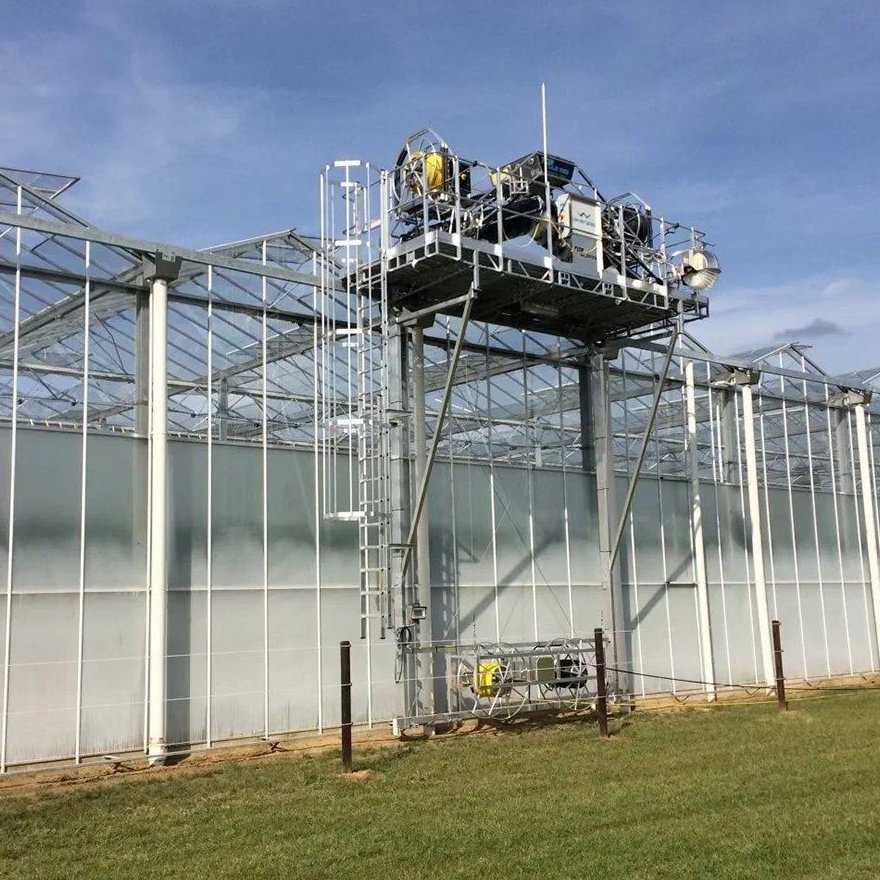
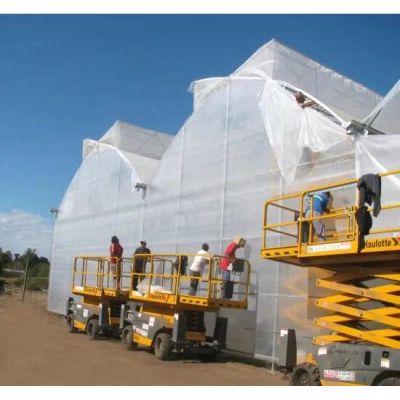
Assembly starts with the base, because a panel house shows any error in the foundation along its length. Base plates or ground posts are set to the drawing first, the frame is erected and squared bay by bay, and the panels go on last, held in the grooved channel with the gasket. Because the panels are rigid, the covering stage is quicker than tensioning a film cover, and no welding is done on site. A house of this size is normally standing in two to four weeks on a prepared site.
Maintenance is lighter than on a film house because the cover is not on a replacement cycle. The routine jobs are checking panel fixings and gaskets after the first season, washing the sheets once a year because dust cuts light transmission more than growers expect, and keeping gutters and downpipes clear. Panel end closures are worth checking as well, since an open flue lets dust and insects into the core of the sheet and reduces the insulation the panel was bought for.
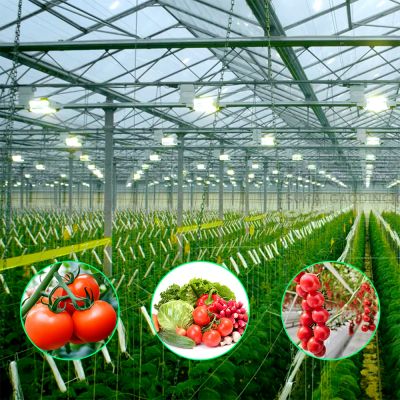
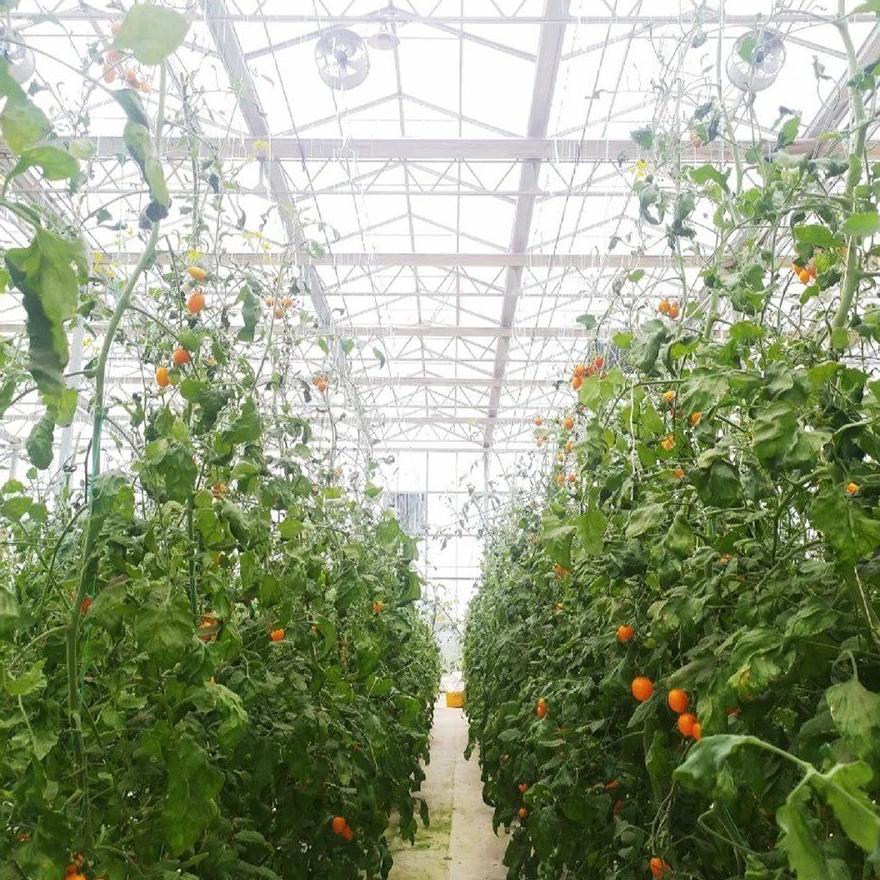
Panel houses of this type are used for research and experimental bases where conditions have to be repeatable, for seedling and nursery work, for cut flowers and pot plants, and for vegetables grown on a long season. They suit growers who want a permanent covering rather than a renewable one, and operations where a steady night temperature matters more than the highest possible peak light.
Research on protected crop environments, including work on growing media and on crop quality under cover, is published by NC State University through its department of horticultural science. Commodity and market reporting for agricultural produce, which is what growers check before committing to a new house, is published by Agriwatch. The question that decides the specification is normally the crop the house will be running in ten years, not only at handover.
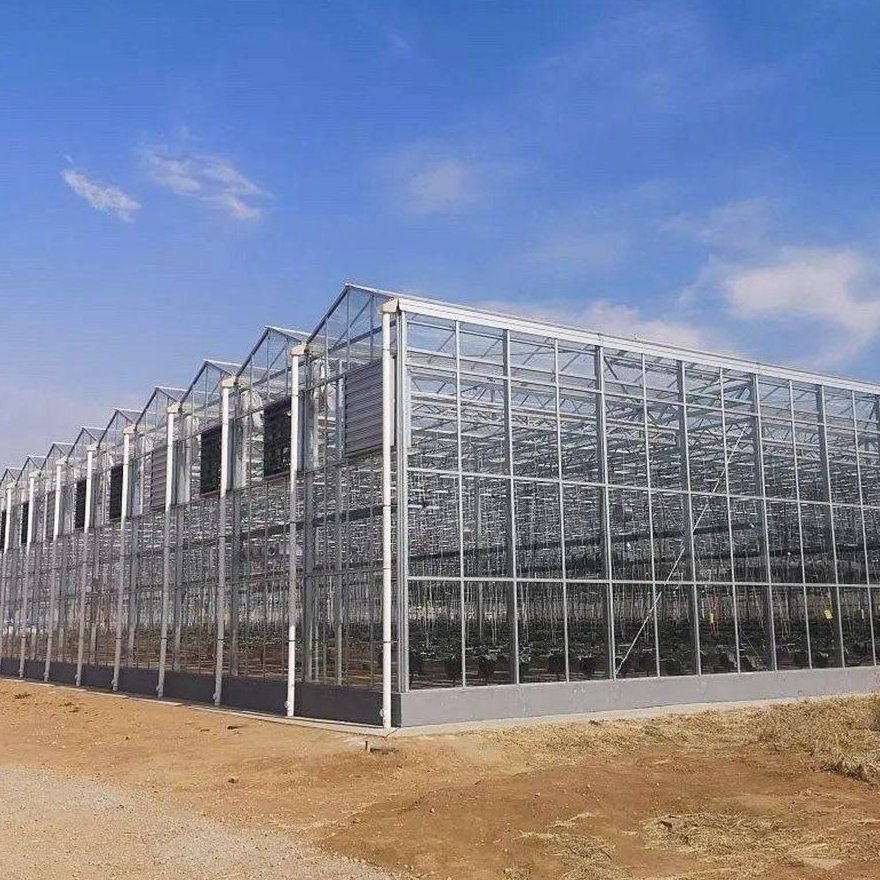
The sheet is two skins with a cellular core, and the air held in that core is the insulating layer. Less heat passes through the cover, the inner face stays above the dew point for longer, and the house holds its night temperature with less heating than a single skin of the same area.
Panels are held individually in the grooved channel on a gasket, so a cracked or soiled sheet is released and a new one slid into the same channel. There is no need to strip the cover, and the rest of the house stays closed while the work is done.
The frame is rated for 15 to 20 years under normal growing conditions. Polycarbonate panels keep their light transmission for 20 years or more when they are cleaned and left undamaged.
We provide a 10 year structural warranty and a 5 year anti-corrosion warranty on the galvanized frame. Details are set out in the contract for each project.
Send your site dimensions, the crops you plan to grow and your local wind and snow loads. We reply with a layout drawing and a full quotation.