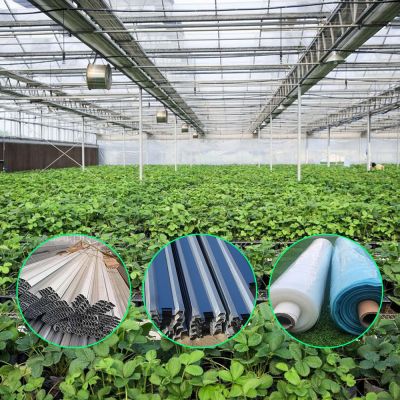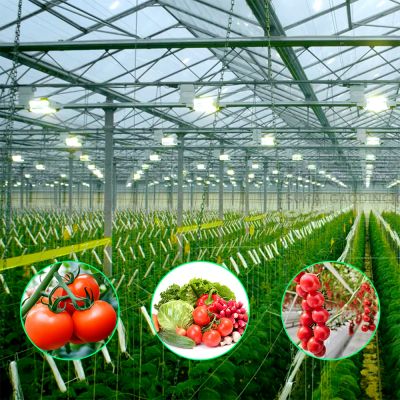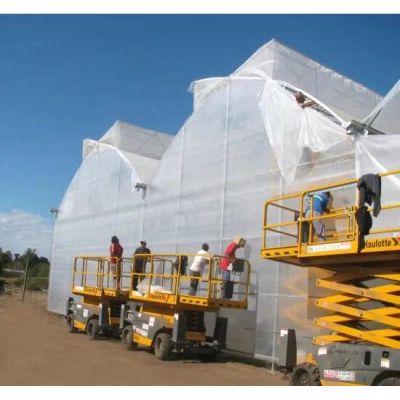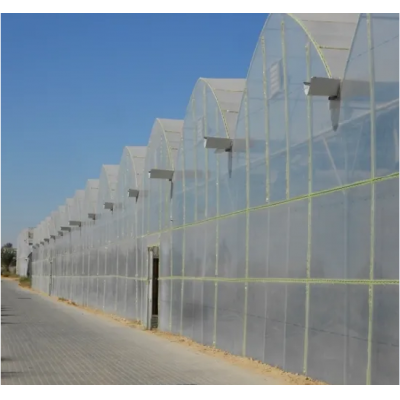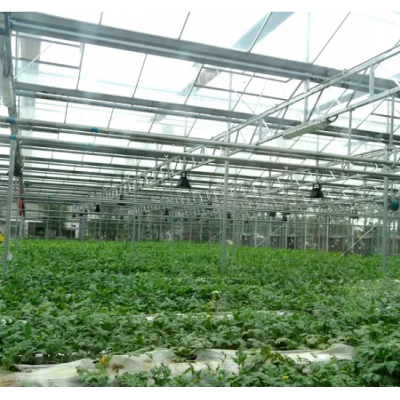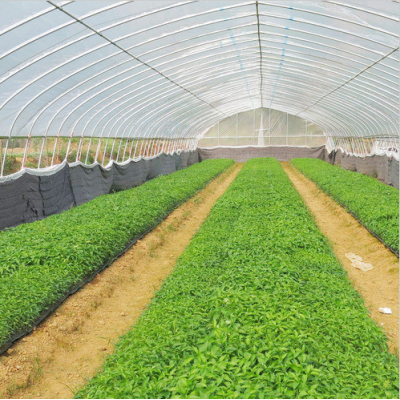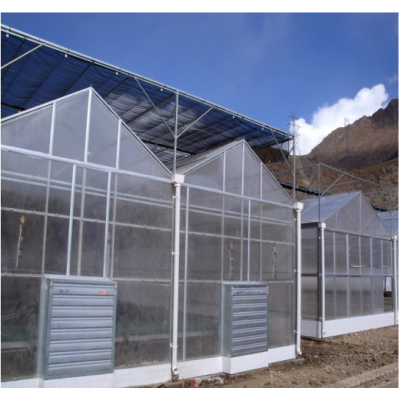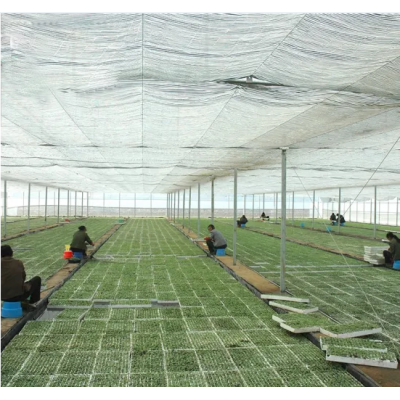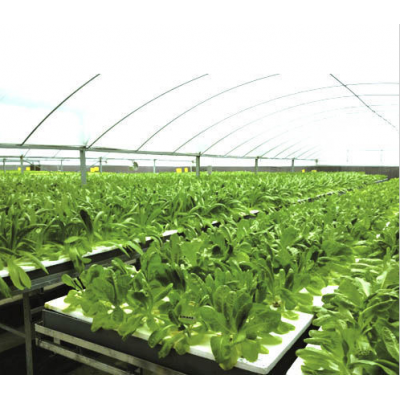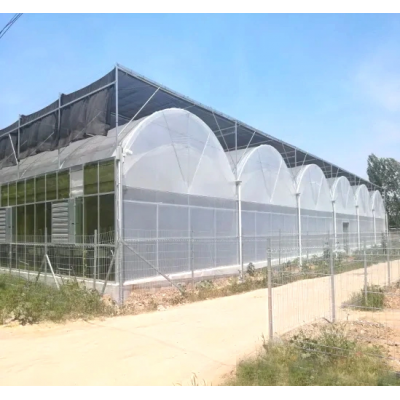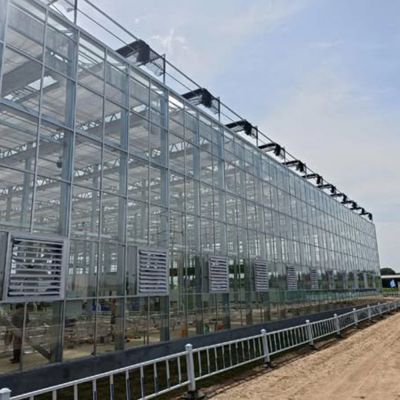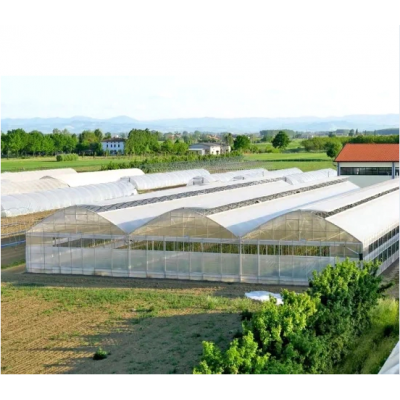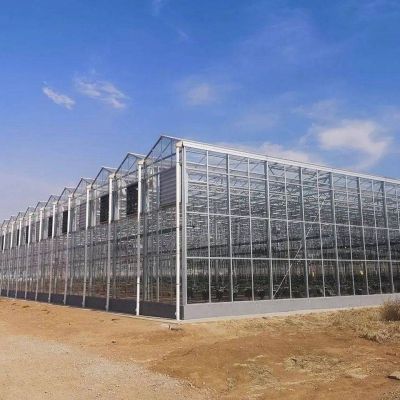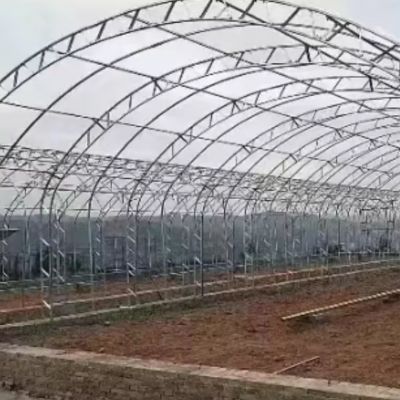
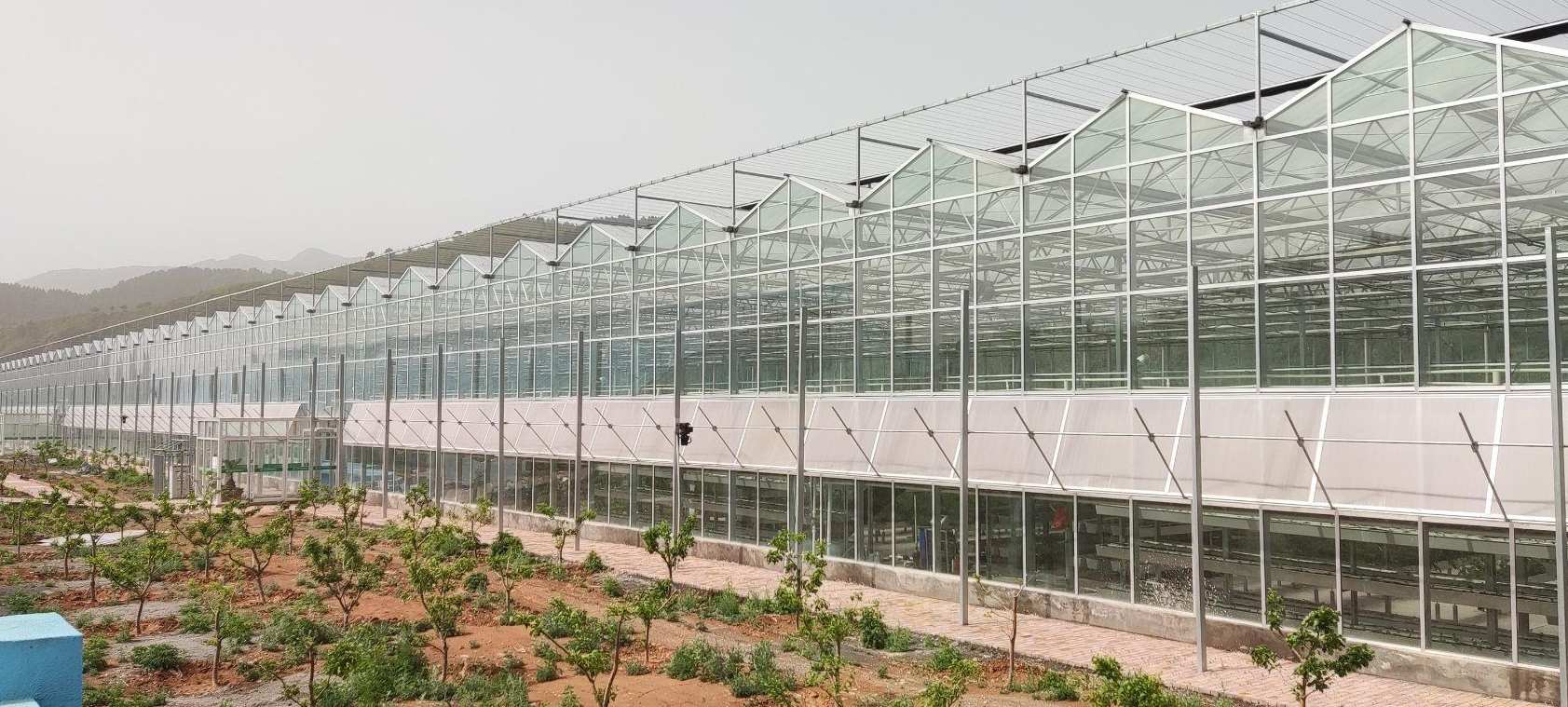
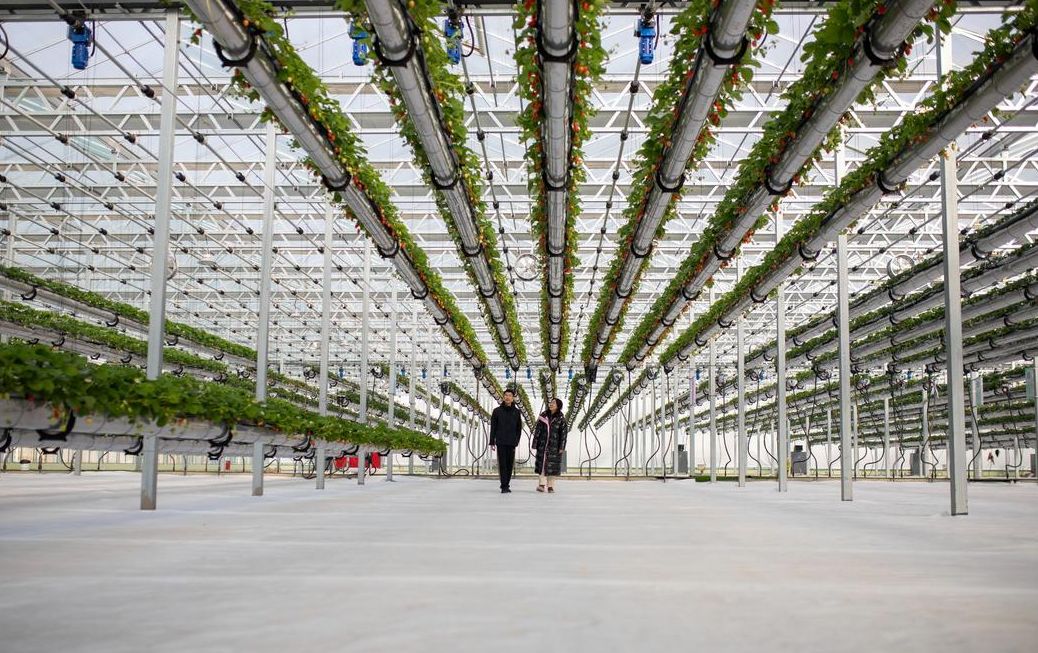
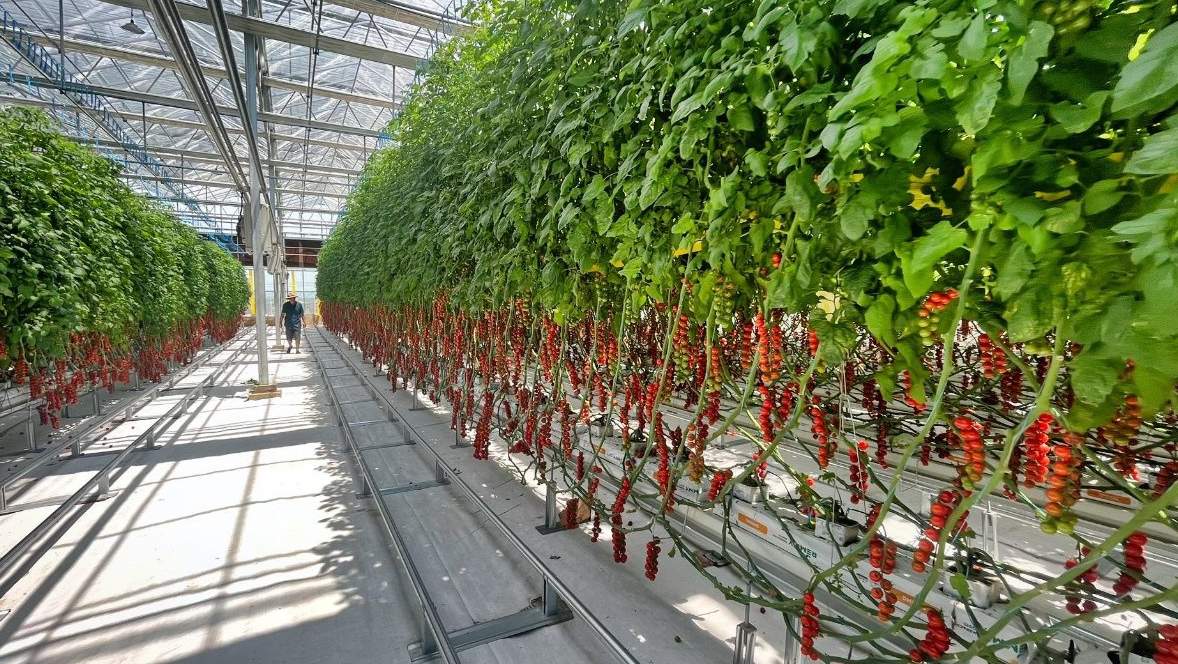
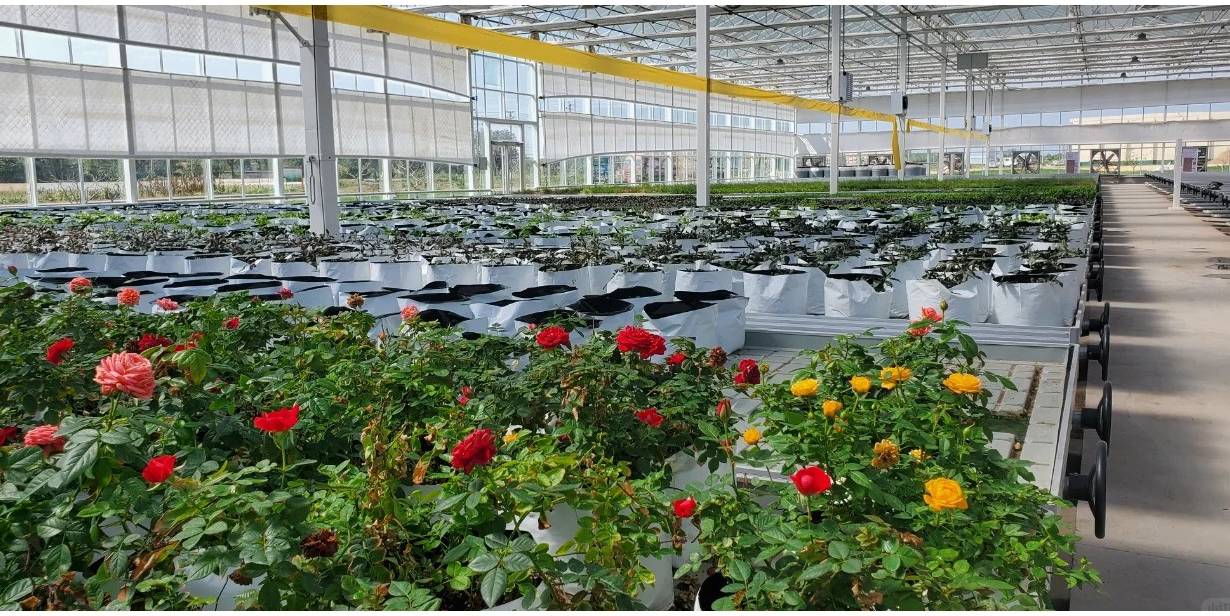
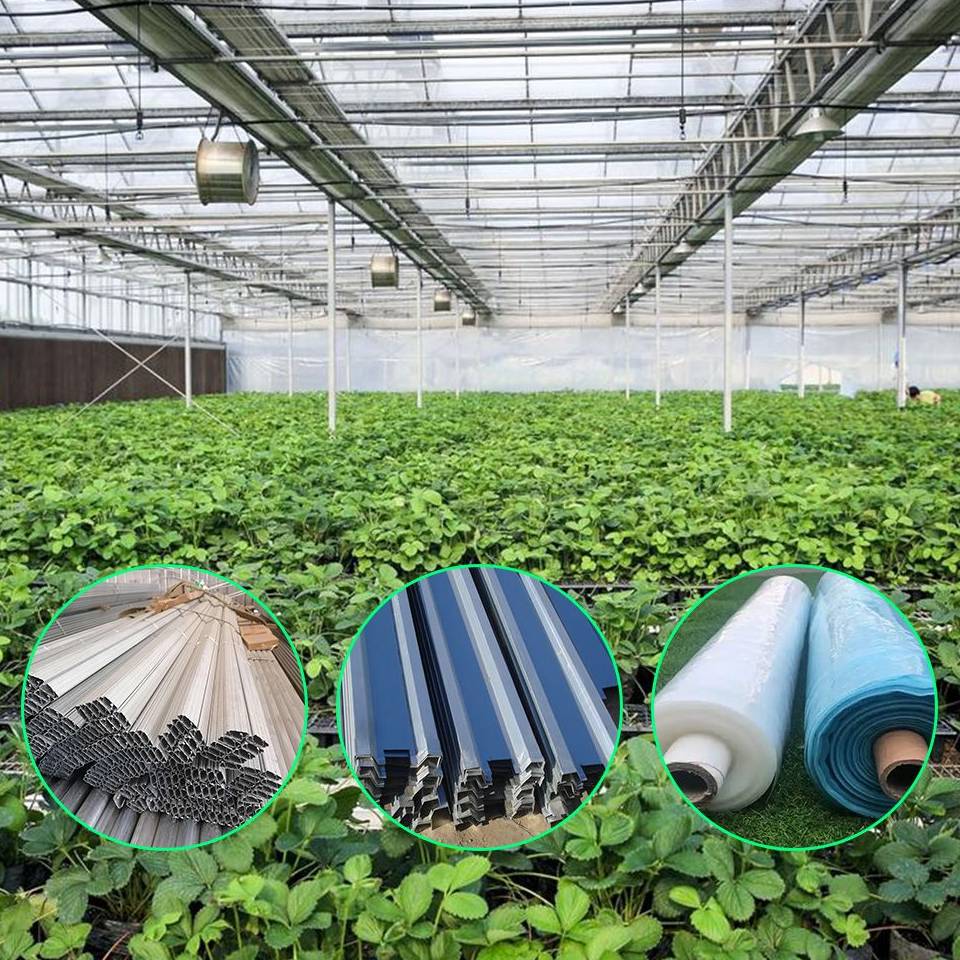
This plexiglass acrylic greenhouse uses high grade acrylic panels with UV inhibitors as the cover, which gives high light transmittance together with better thermal insulation than glass or film. Acrylic does not yellow or go brittle in the way thin film does, and unlike glass it does not shatter under hail, so the cover holds its performance through winter frost and summer heat alike. Panels are carried on a galvanized frame, with ventilation and shading fitted to the crop. It suits commercial nursery production, young plants and cut flowers.
A nursery that has to deliver on a date cannot afford a cover that fails in the middle of a crop cycle. Glass shatters under hail and film thins out and degrades within a few seasons, and both failures land on the plants inside. This plexiglass acrylic greenhouse is built around a cover that holds its behaviour: acrylic panels, UV inhibitors, high transparency and better insulation than either glass or film.
Acrylic is a rigid thermoplastic sheet, and it behaves differently from the two covers it replaces. Where glass cracks and shatters, acrylic absorbs impact and stays in one piece, which matters in hail country and on a site where people work under the roof. Where film goes brittle and yellows under UV, acrylic is manufactured with UV inhibitors in the sheet itself, so it keeps its transparency far longer instead of degrading season by season. The high transparency keeps light levels up, and the panel structure holds more heat than a single pane, which steadies the crop climate through winter frost and summer heat alike.
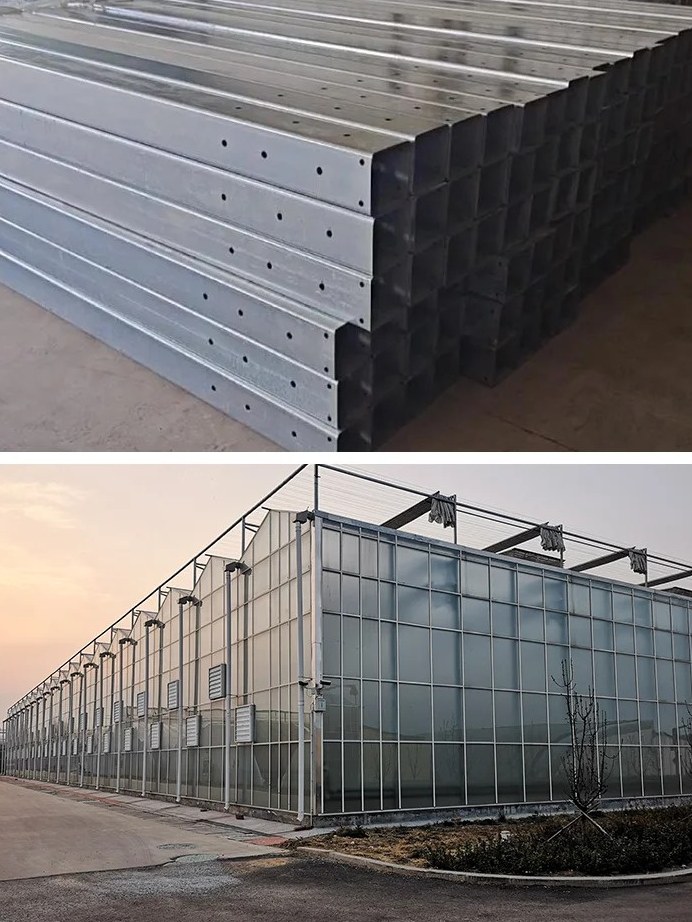
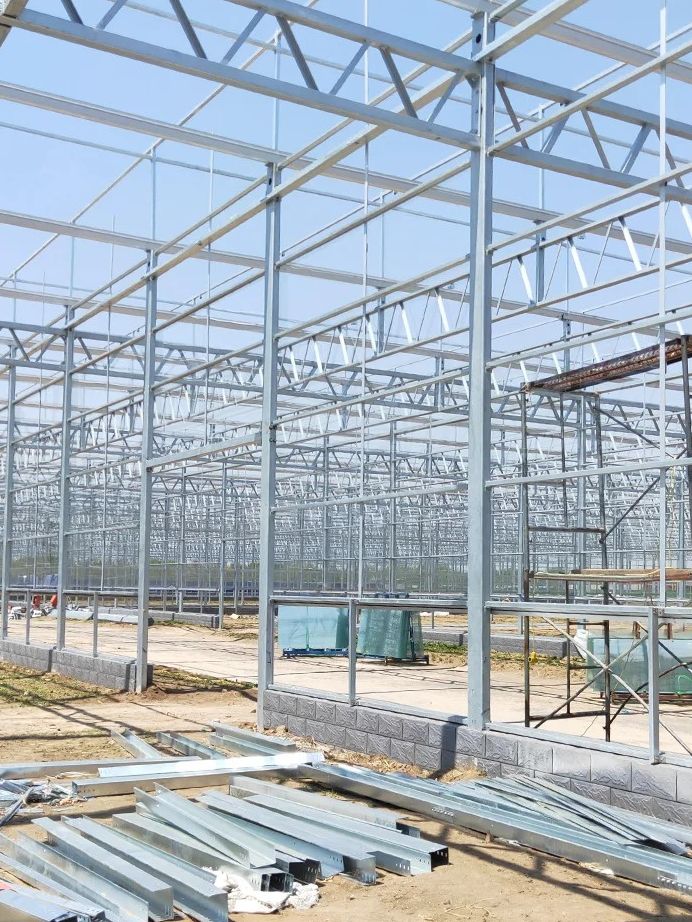
Panels are carried on a galvanized steel frame in multi span bays, with glazing bars sized to the panel rather than to a glass pane. Galvanizing before fabrication is what keeps the structure sound through the humid air of a working house, and it is why the frame is rated for a 15 to 20 year service life. Because the cover is rigid, the frame does not have to be re-tensioned the way a film house does, and a damaged panel is replaced on its own without disturbing the crop or the structure around it.
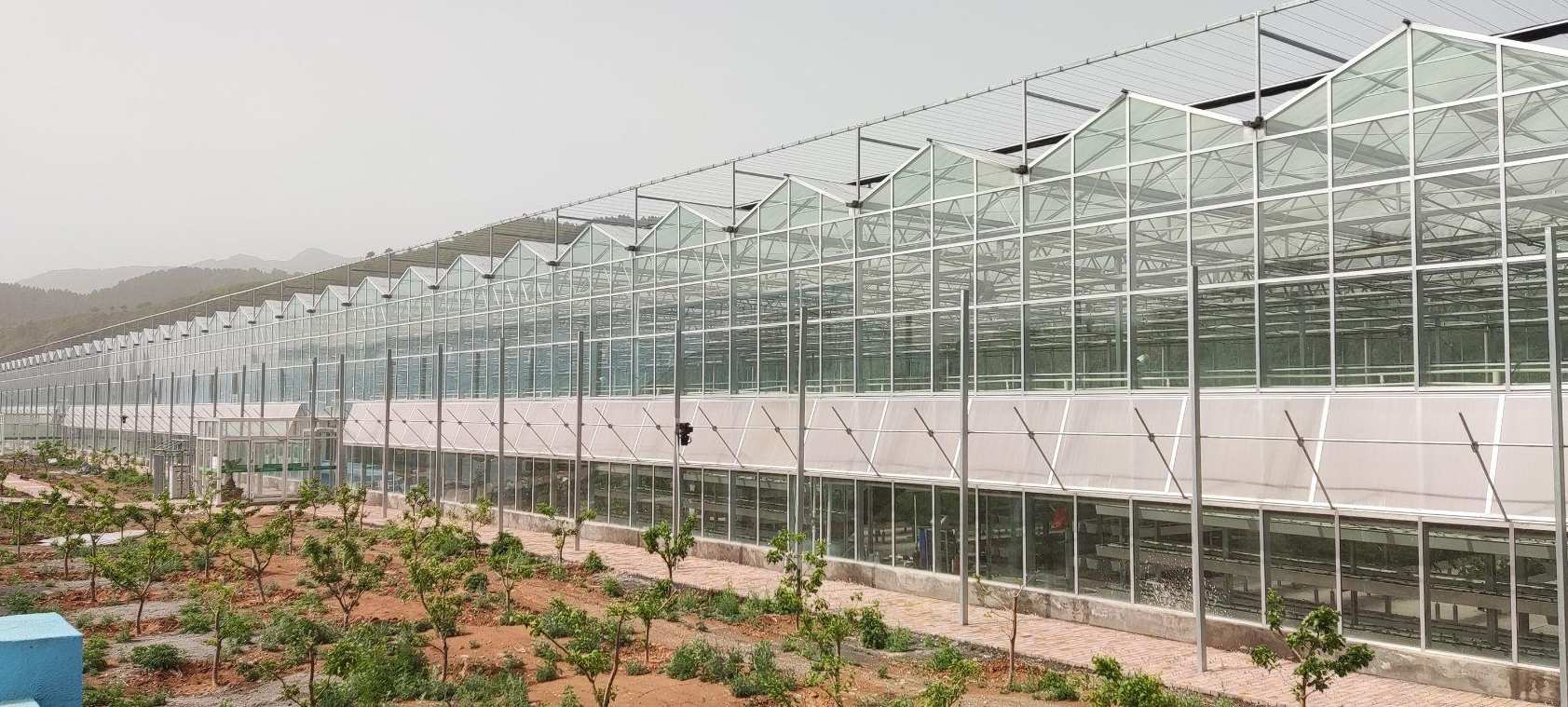
| Covering material | High grade acrylic panel with UV inhibitors |
| Structure material | Galvanized steel frame |
| Roof shape | Arch roof, multi span |
| Light transmission | High transparency panel, holds transmission over time |
| Thermal insulation | Better than single glass or film cover |
| Impact | Panel absorbs impact rather than shattering |
| Ventilation | Roof and side vents, shading optional |
| Service life | 15 to 20 years for the frame under normal growing conditions |
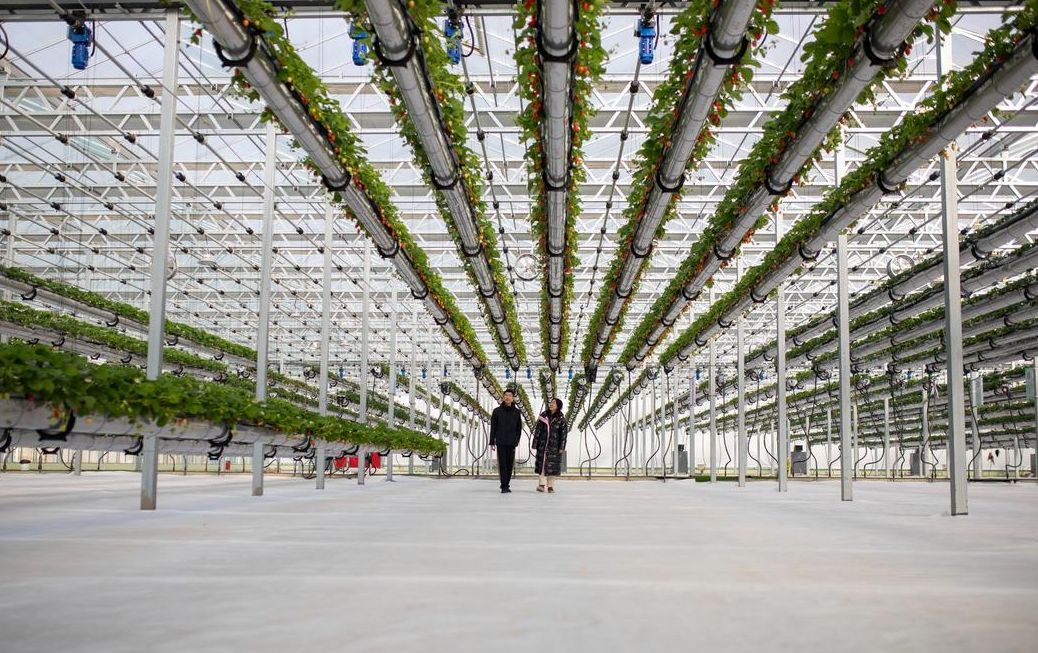
Two properties decide how a cover performs for the crop. Transmission decides how much of the day is usable, and insulation decides how much of it has to be paid for. Acrylic scores well on both: it passes light at a high rate and it holds heat better than a single layer of glass or film, which shortens the hours a heating system has to run. Research from Cornell University covers greenhouse covering performance and crop response in protected cultivation.
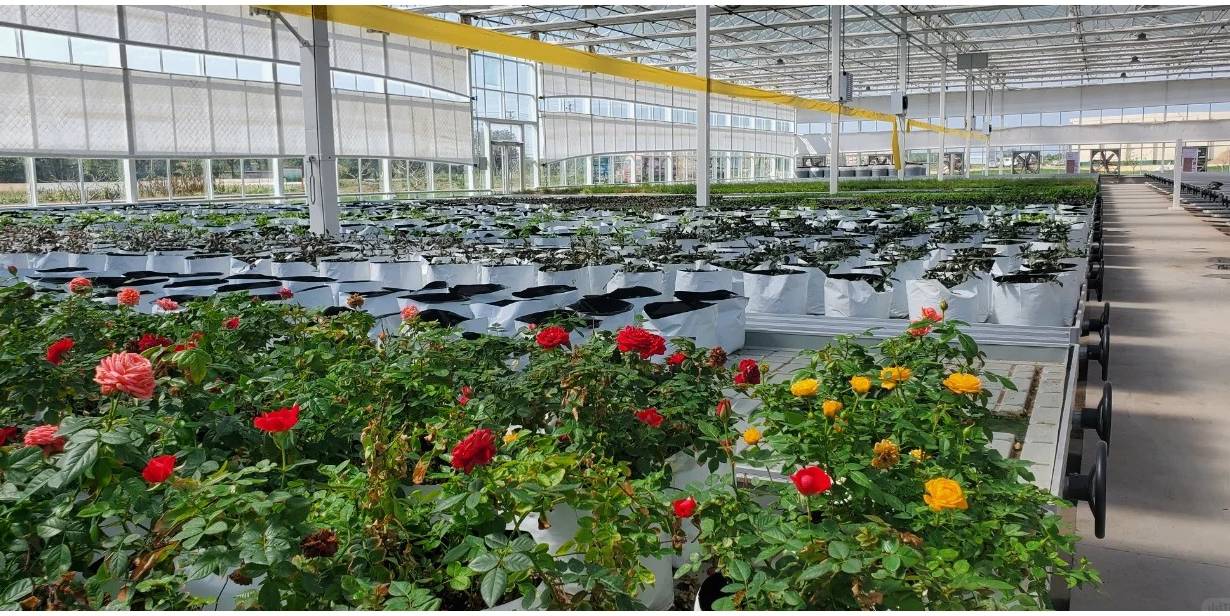
The house ships as a kit of galvanized members, glazing bars and panels, with foundation drawings issued against the site survey. Installation runs in a fixed order: foundation, columns and gutters, roof, then panels and ventilation. Our engineers can travel to site to guide installation when required.
Upkeep is limited. Wash the panels before the light season so transmission is not lost to dust, check glazing clips and seals after storm season, service vent motors and screen drives, and clear gutter outlets. Acrylic is not a consumable in the way film is, and a damaged panel is replaced on its own.
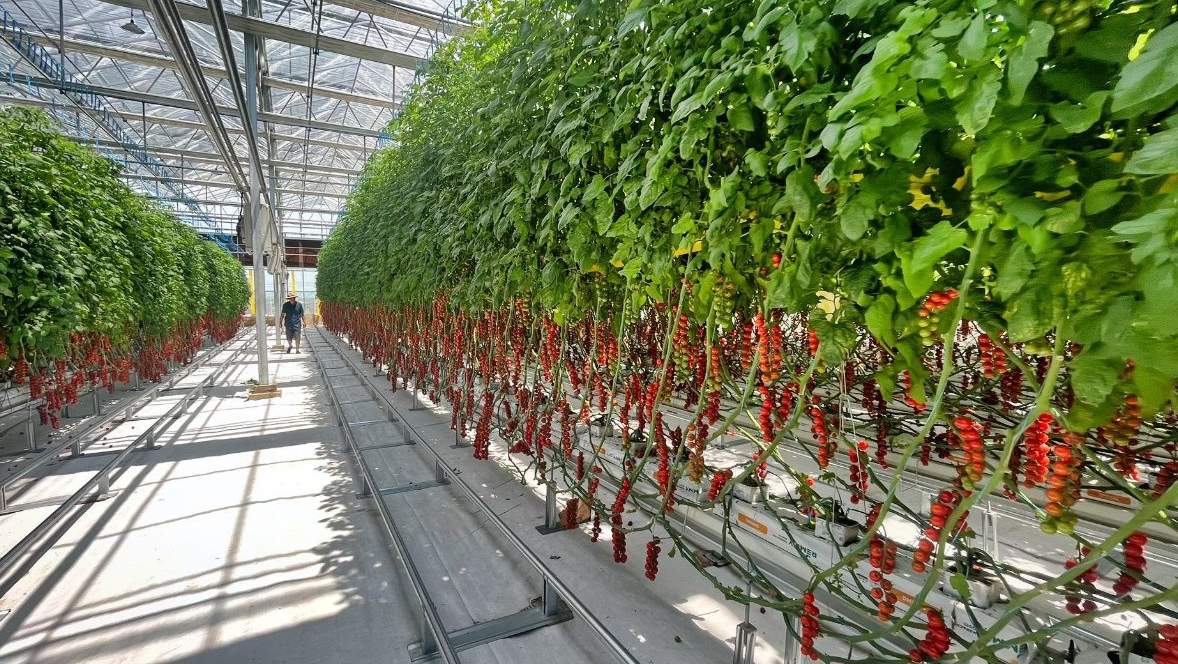
The house suits commercial nursery production, young plant raising, cut flowers and pot plants, and the insulated cover is at its most useful where the heating season is long. Controlled environment reporting on VerticalFarmDaily follows how commercial protected production is planned. Compare the PC greenhouse range, or look at the large PC greenhouse and the polycarbonate greenhouse for other rigid cover options in the same family.
Acrylic absorbs impact instead of shattering, which matters in hail and where people work under the roof. It also insulates better than a single pane of glass.
Film is lighter and lower in cost but degrades over a few seasons. Acrylic carries UV inhibitors in the sheet itself, so it keeps its transparency far longer and is not re-tensioned or replaced on a short cycle.
The galvanized steel frame is rated for 15 to 20 years under normal growing conditions. Panels are replaced individually if they are damaged.
We provide a 10 year structural warranty and a 5 year anti-corrosion warranty on the galvanized frame. Details are set out in the contract for each project.
Send your site dimensions, the crops you plan to grow, the ventilation and shading you need and your local wind and snow loads. We reply with a layout drawing and a full quotation.