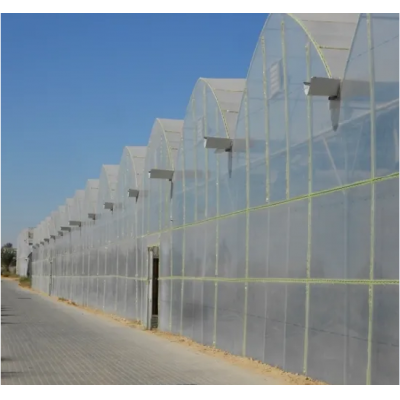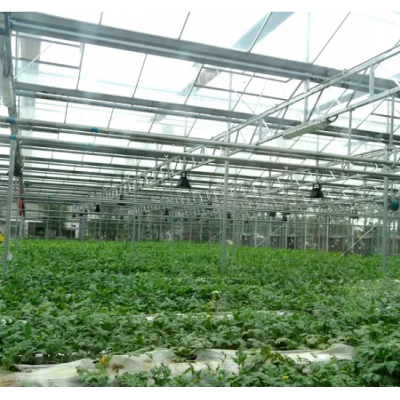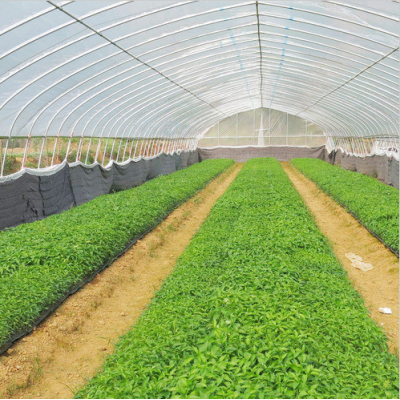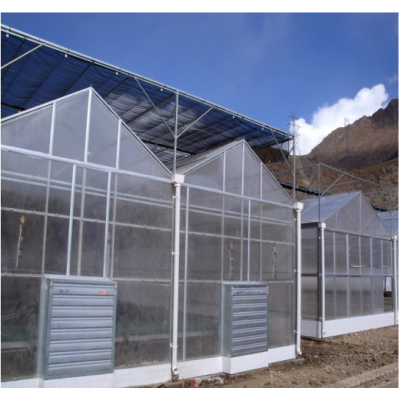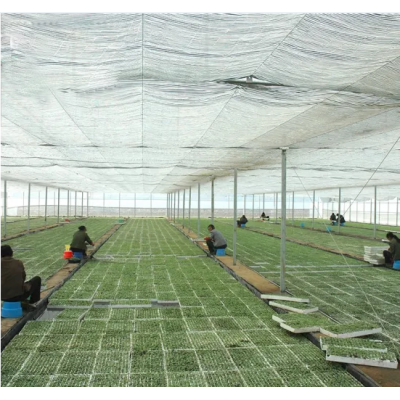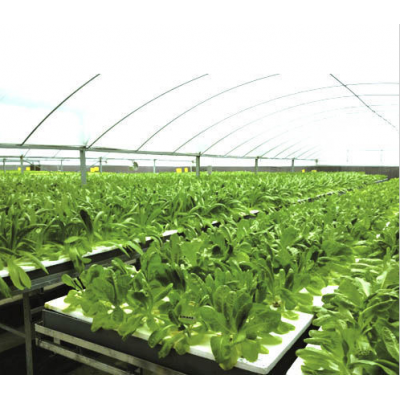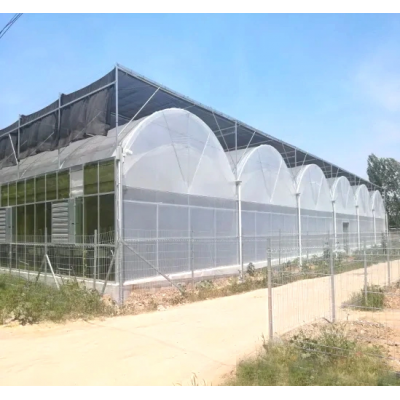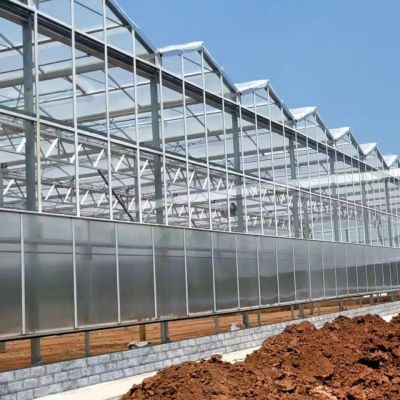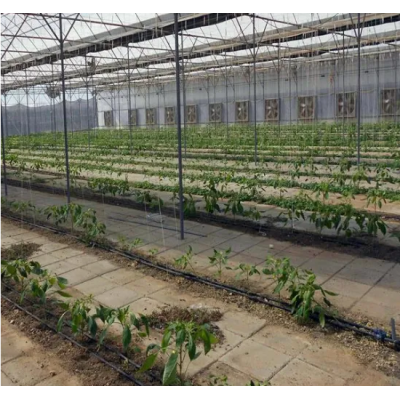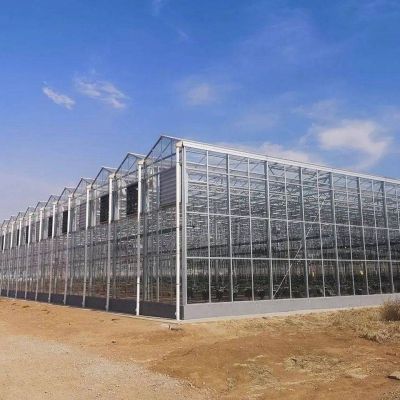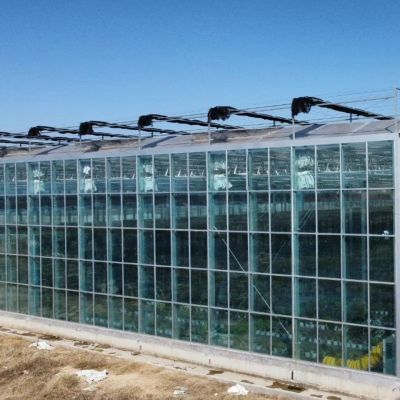
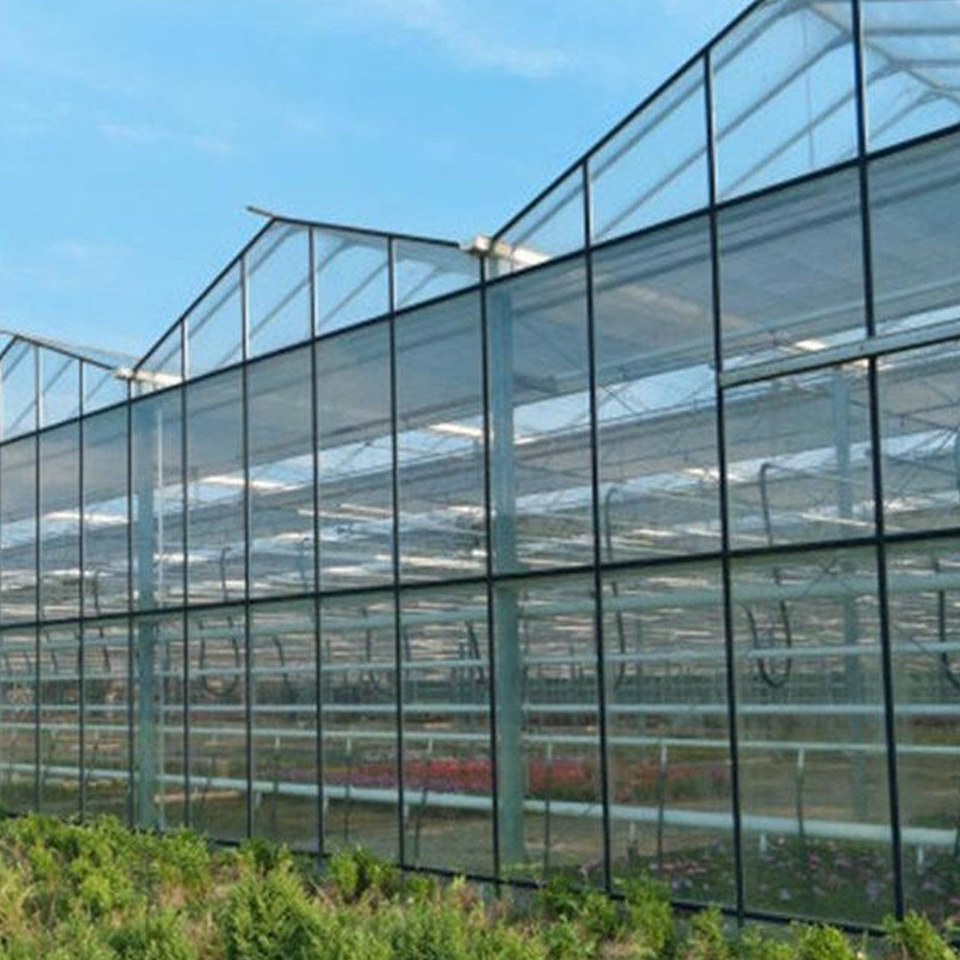
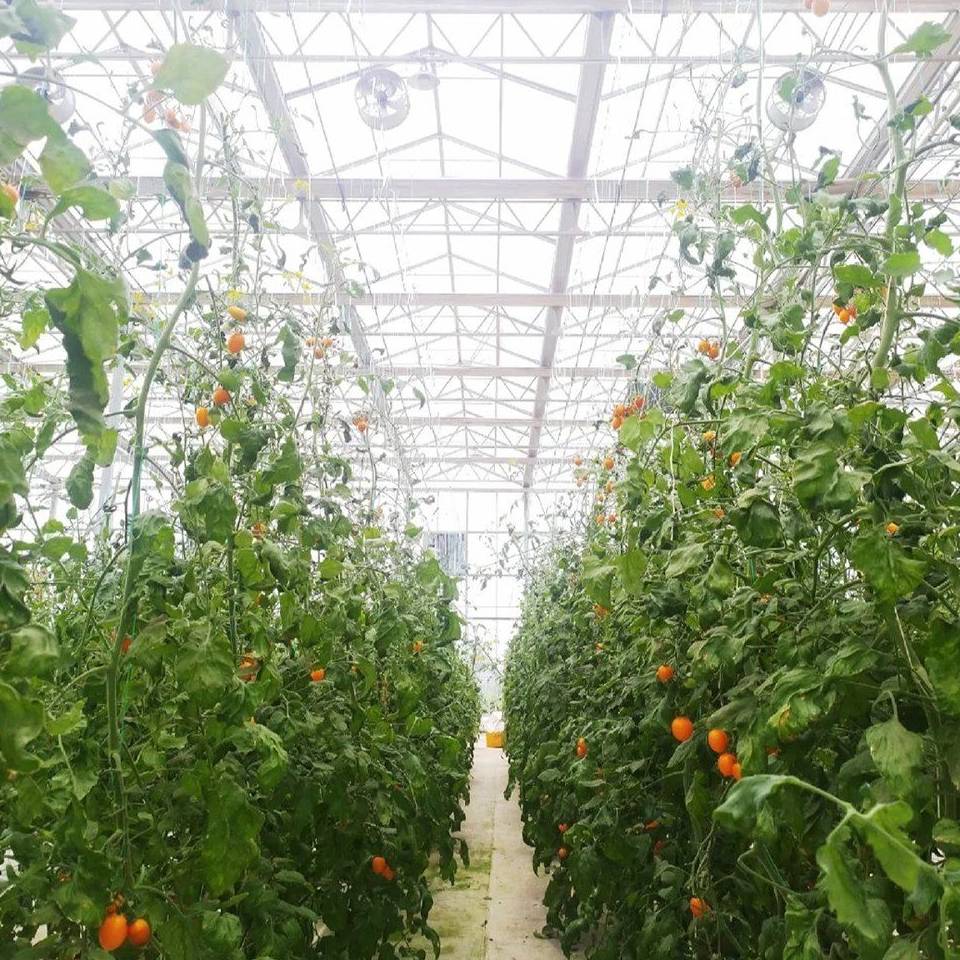
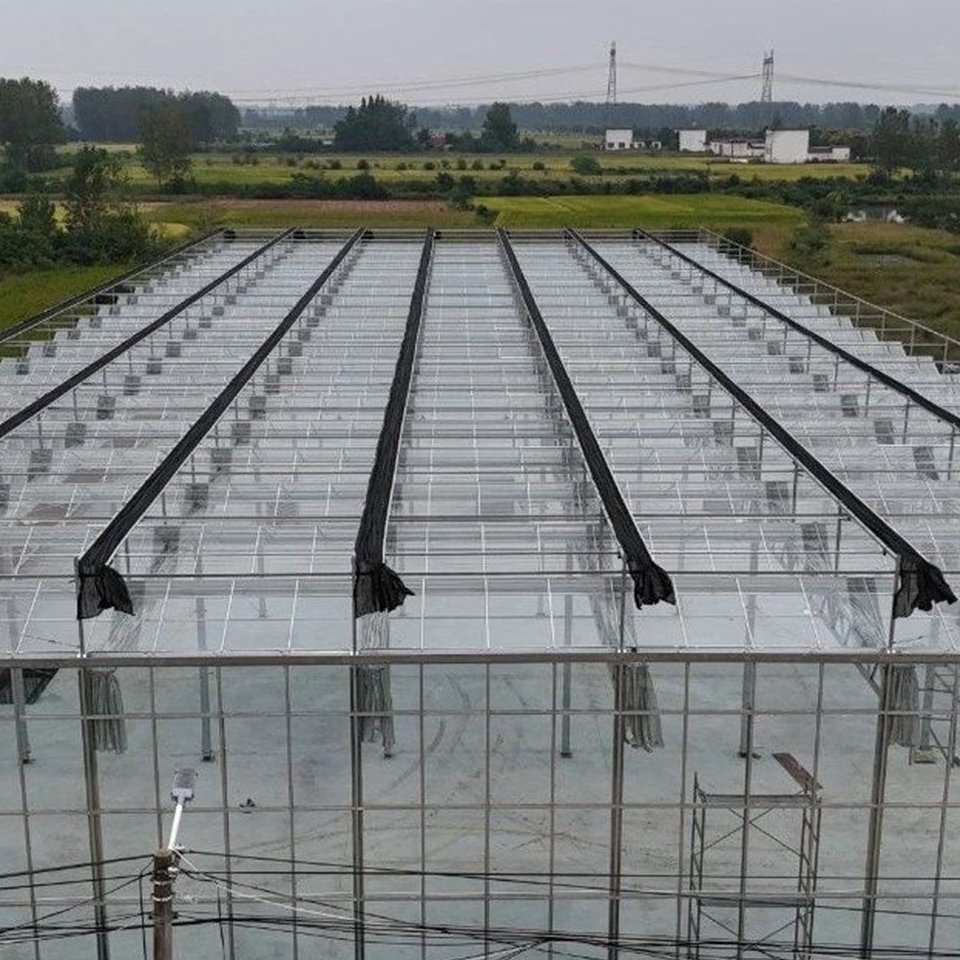
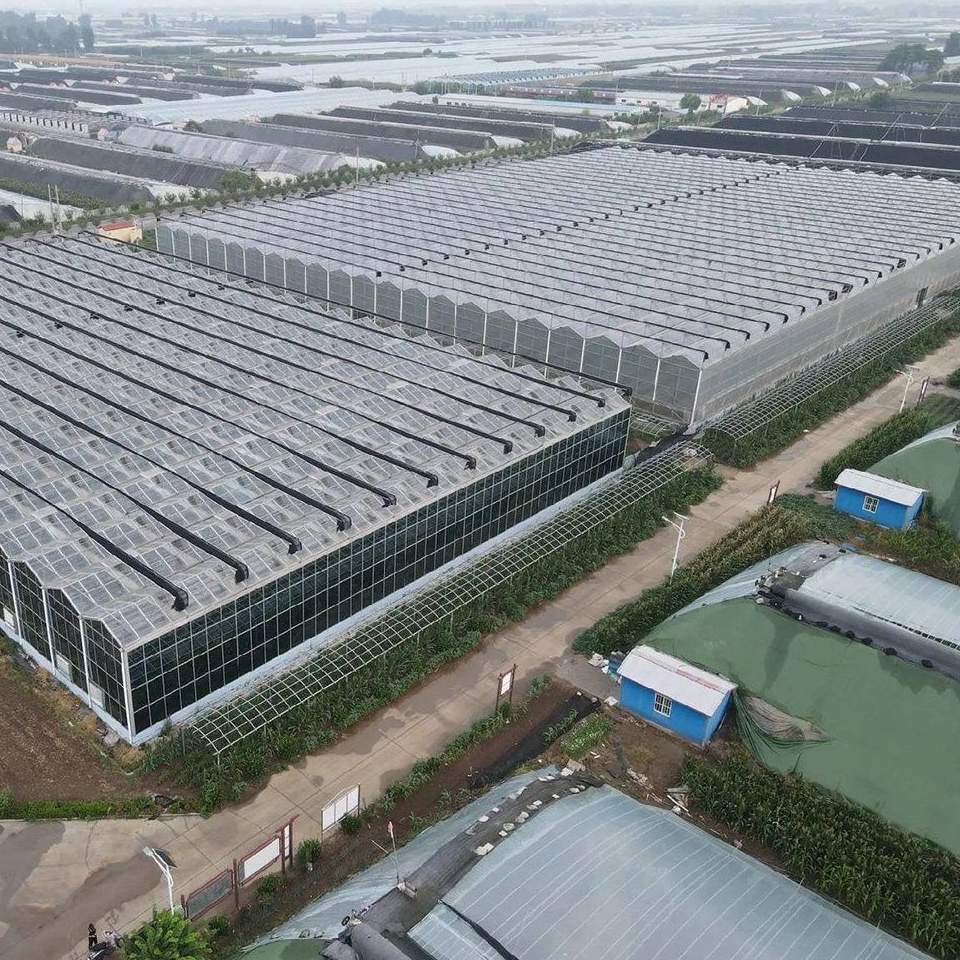
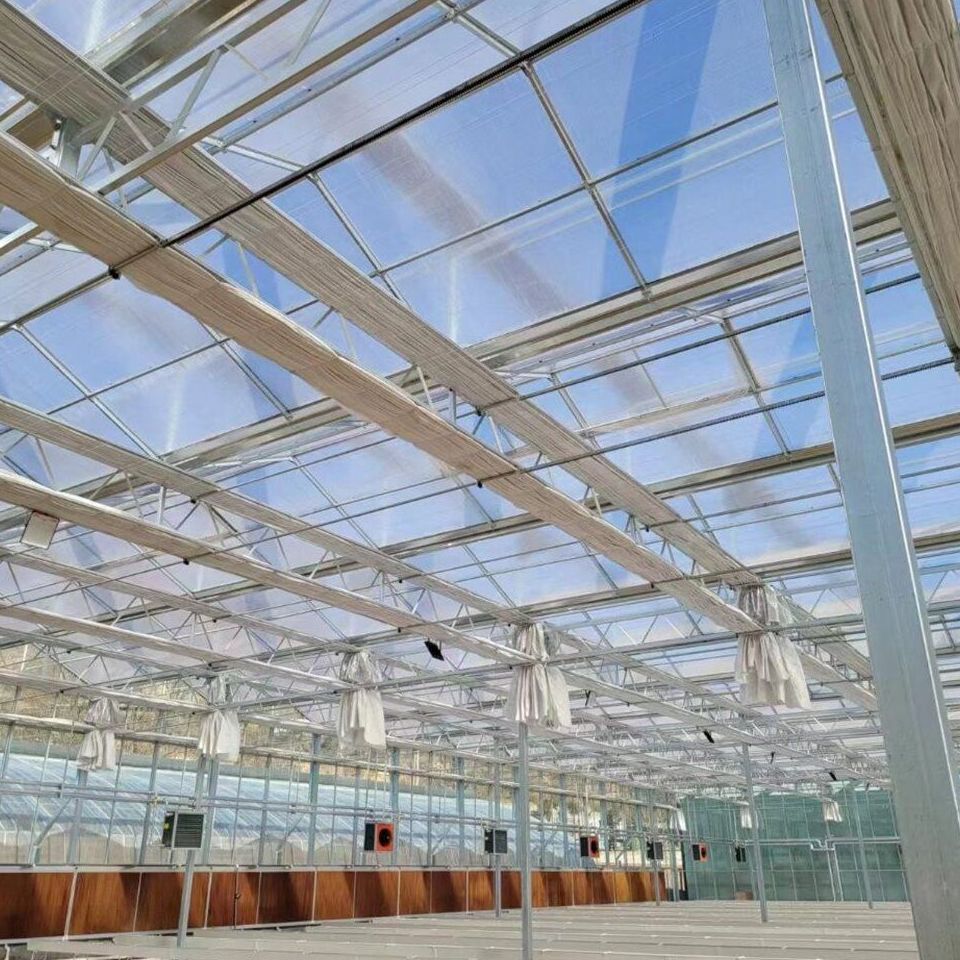
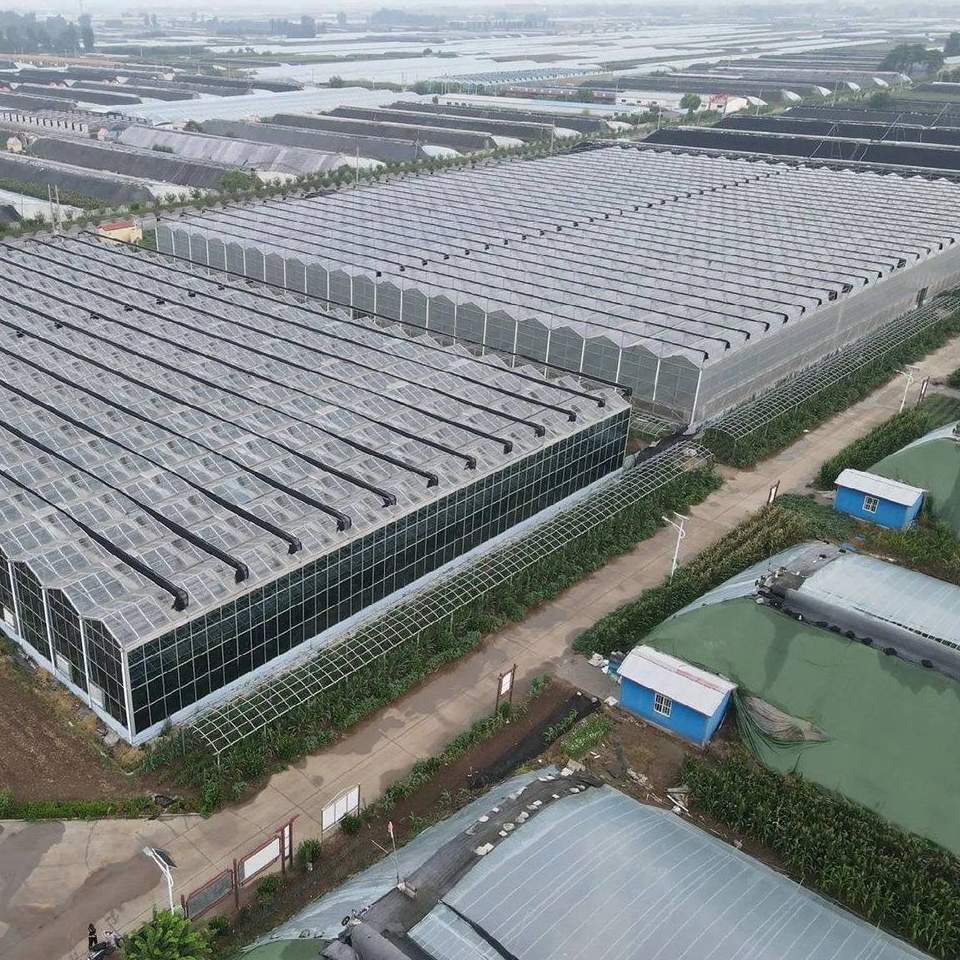
This insulated polycarbonate panel greenhouse uses twin wall sheets over a hot dip galvanized steel frame, so the air held inside each panel slows heat loss through the roof and walls while daylight still reaches the crop. That combination suits flowers and hydroponic benches, where the environment has to be held steady through the night rather than only kept above freezing. Spans run 8 m to 12 m, gutter height 3 m to 4.5 m and the house is built 10 m to 100 m long. It suits cut flower growers, pot plant nurseries and hydroponic producers.
The running cost of a flower house is mostly decided by what it loses overnight, and the covering decides that. A single sheet, whether film or glass, lets heat out faster than a panel with air trapped inside it, and on a crop sold on petal quality and timing the difference shows up in grading rather than in the fuel bill alone. This insulated polycarbonate panel greenhouse is built around that, with twin wall sheets over a galvanized frame.
Twin wall polycarbonate is two skins with a cellular core, so the air between them acts as the insulating layer. Because the core is inside the sheet rather than added to it, the panel stays rigid and light, and the house holds its night temperature more steadily than a film structure of the same size. On a flower crop that steadiness is the point: a canopy held dry and warm through the night comes to the bench with clean petals, and a canopy that swings loses quality before it is cut.
The panels also diffuse the daylight rather than passing it straight, which spreads light across the beds instead of concentrating it under the ridge. Panels are replaced one at a time rather than as a whole cover, so damage does not take the house out of production. The rest of the panel family is listed on the polycarbonate greenhouse range page on this site.
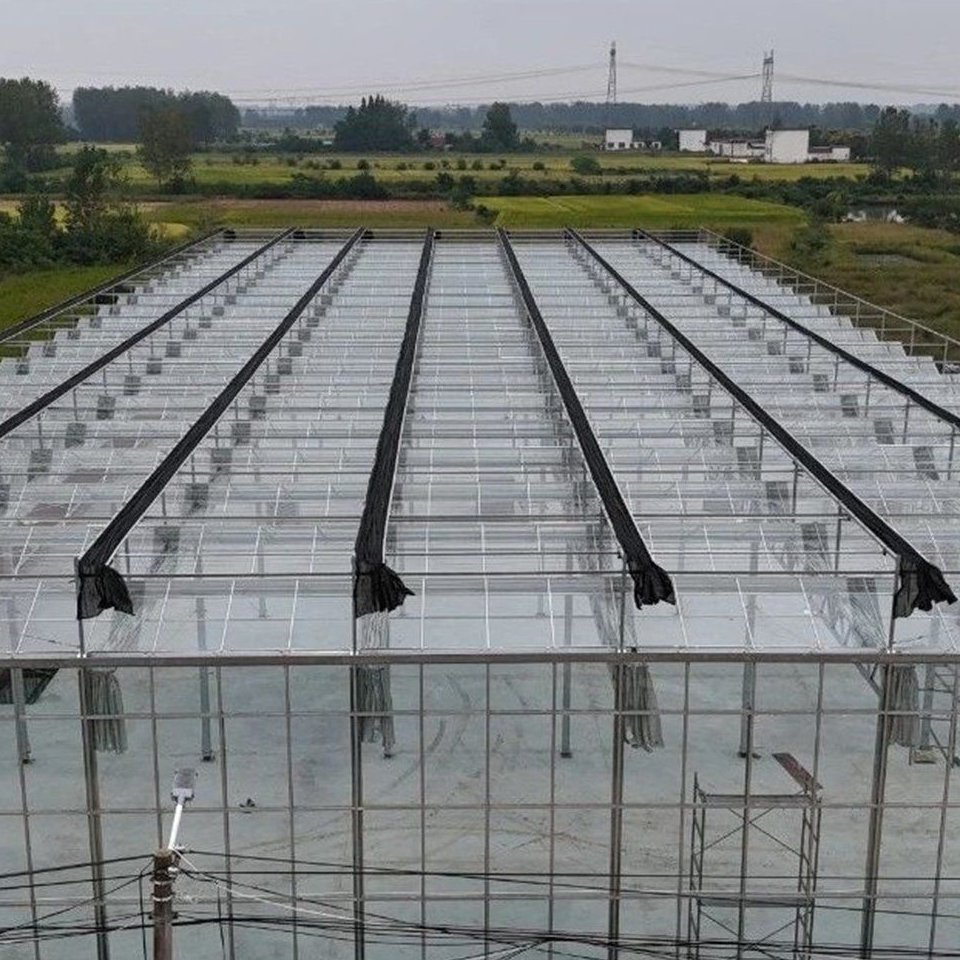
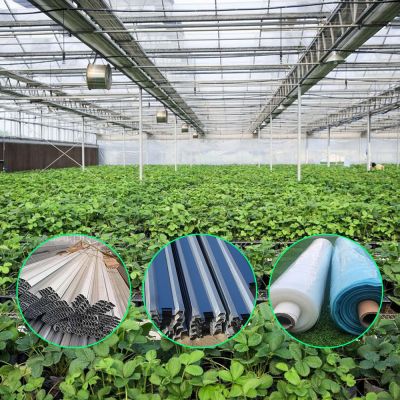
The frame is hot dip galvanized steel tube, formed into trusses and tied with purlins, with aluminium glazing bars carrying the sheets. Galvanizing is applied by hot dipping, so the zinc layer is bonded to the steel at cut ends and bolt holes as well as on the tube faces, which is what keeps the structure standing through years of condensation running down the frame. Spans run from 8 m to 12 m with a gutter height of 3 m to 4.5 m, and the ridge reaches between 3 m and 8 m depending on the span.
Panel fixing is a system rather than a detail: the bars, gaskets and clips come from the same section, so each sheet is held evenly along its length rather than pinched at intervals, and the panel is not loaded at the corners. Length is set from 10 m to 100 m by adding bays, so a range can be extended without changing the section. A single layer sheet over the same frame is described in the polycarbonate greenhouse for insulated growing.
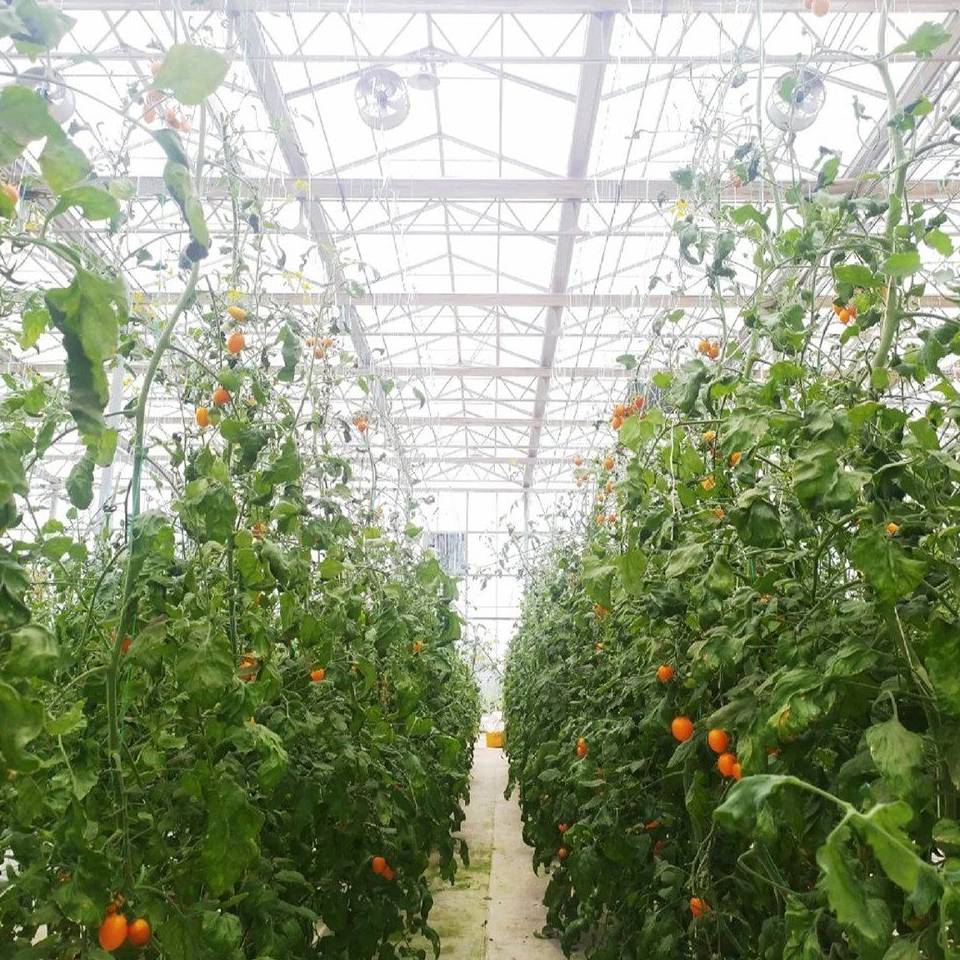
An insulated house gives the controller more room to work. Because the structure loses heat more slowly, a modest amount of heating goes further, and the vents can be opened for humidity without dropping the temperature so far that the crop is checked. On a flower house the sequence that matters runs from dawn, when the house is at its dampest, through the morning, when the temperature climbs quickly; a controller that reads both temperature and humidity handles that change in the right order.
The same panel cover also shelters the crop from the swings that come with a bright still afternoon, when a house under single sheet can overheat while the air outside is still cool. Growers running benches or hydroponic gullies under this kind of cover generally find the working light even across the floor rather than only in the middle of the house. Extension work on greenhouse climate and on protected flower production is published by Michigan State University, and trade coverage of the floriculture side of the business is carried by HortiDaily.
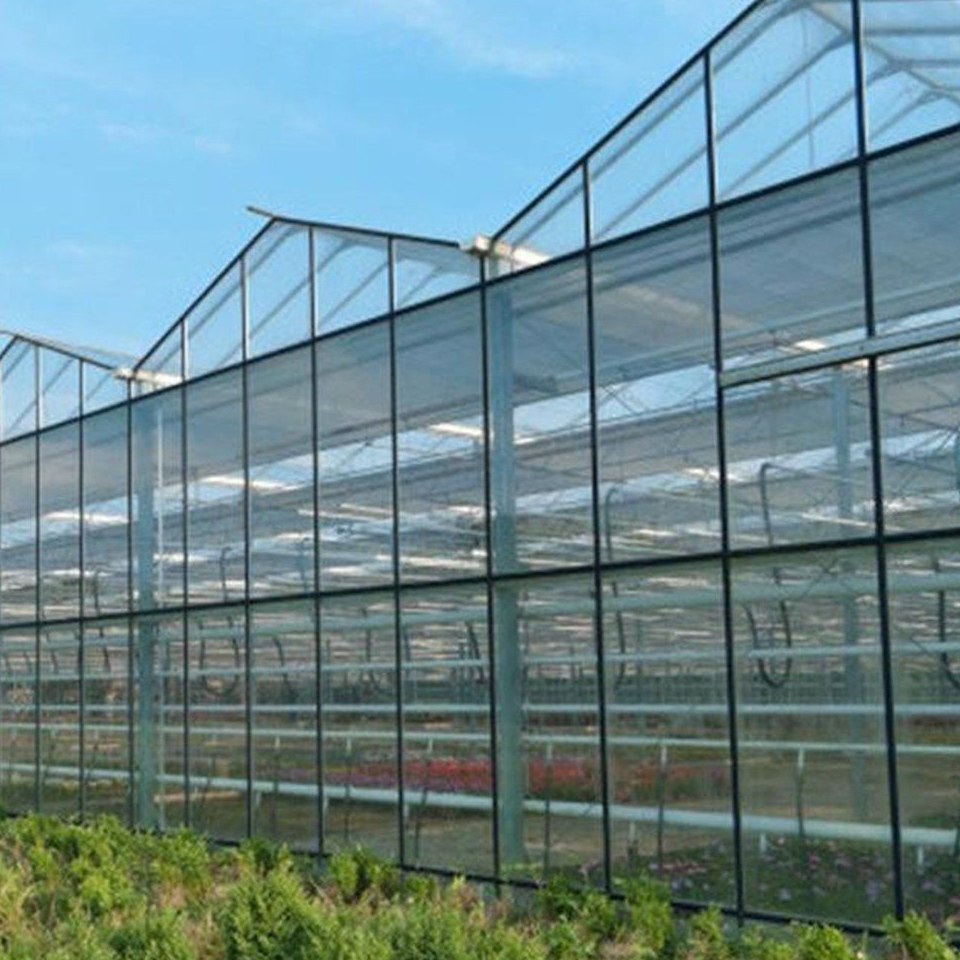
The table below lists the standard build. Span, length, panel and controls are set to the site and to the crop.
| Greenhouse span | 8 m / 9 m / 10 m / 11 m / 12 m |
| Greenhouse length | 10 m to 100 m, or built to client demand |
| Gutter height | 3 m to 4.5 m |
| Ridge height | 3 m to 8 m |
| Structure | Hot dip galvanized steel tube, aluminium glazing bars |
| Cover | Twin wall polycarbonate panels |
| Ventilation | Roof vents and side openings, manual or automated |
| Crops | Cut flowers, pot plants, vegetables and herbs |
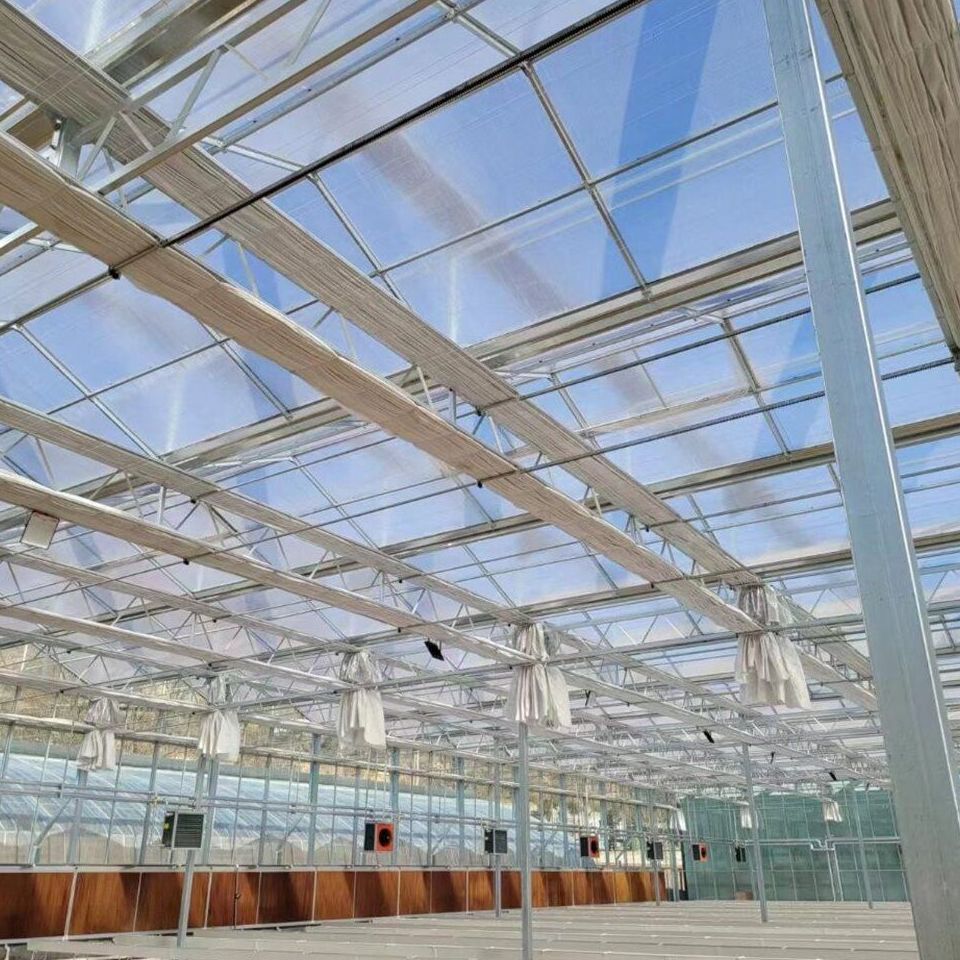
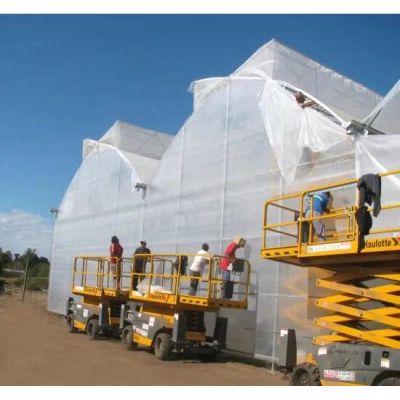
The house arrives as a bolted kit with frame, glazing bars and panels cut to the drawing. Work starts on a level pad, because the frame follows its foundation and a panel house shows any twist along its length. The frame goes up and is tied with purlins, then the panels, and the openings are set last against a finished structure. A house of this size is normally standing in three to five weeks on a prepared site.
Maintenance is lighter than on a film house because panels do not need replacing on a cycle. The routine jobs are checking panel fixings and gaskets after the first season, washing the panels once a year because dust and algae cut light transmission more than growers expect, and keeping the gutters and downpipes clear. The other item worth attention is the panel end closure, since an open flue lets dust and insects into the core of the sheet. The sheet system itself is described alongside its fixing details in the polycarbonate sheet greenhouse covering.
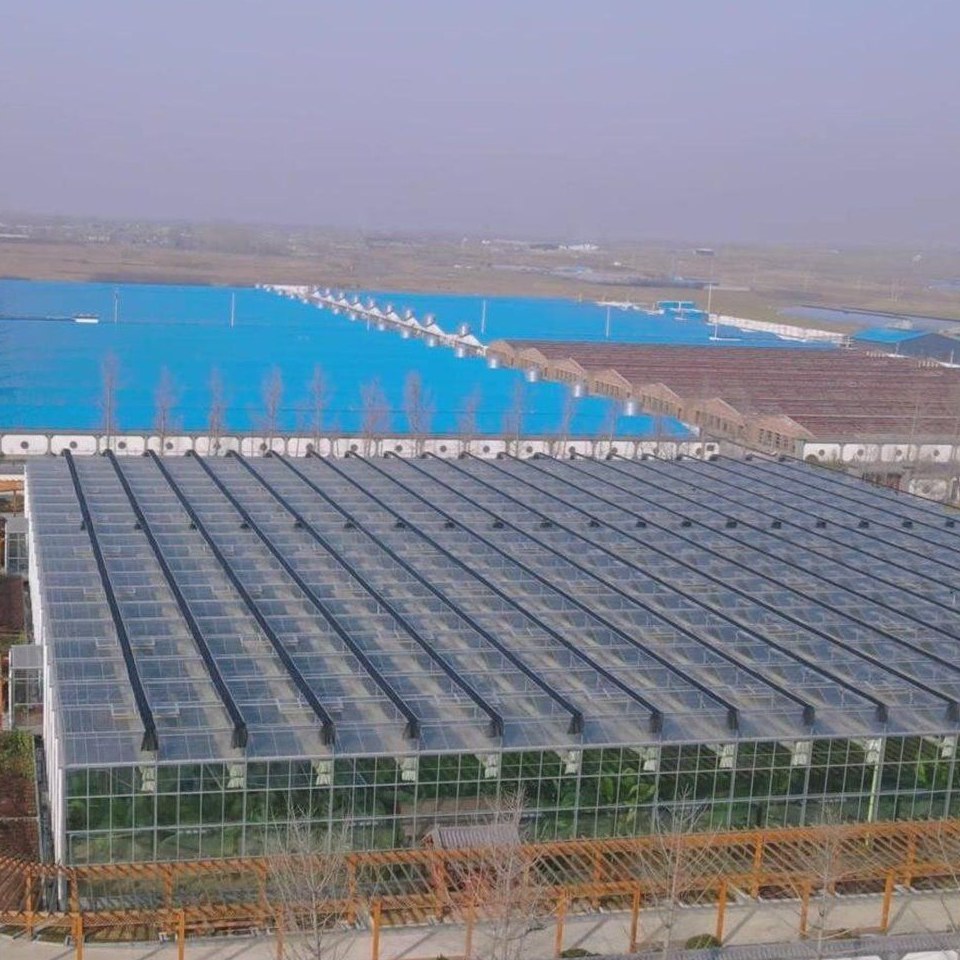
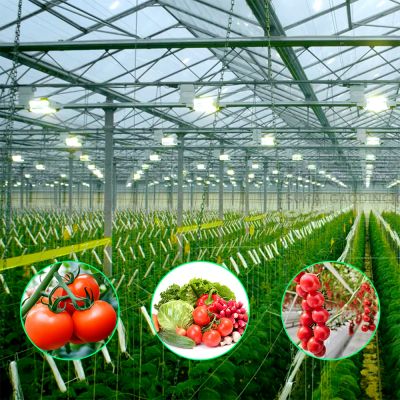
Houses of this type are used for cut flowers grown to a calendar, for pot plants finished on benches, for vegetables held through a longer season, and for hydroponic lettuce and herb production where the night temperature matters as much as the light. The common factor is a crop that is sold on quality and timing, which is where an insulated cover earns its place.
Growers comparing covers for this kind of crop usually weigh the panel against the crop plan rather than on unit cost, because the cover sets both the light the crop sees and the rate at which the house loses what it has. A film structure over the larger working area is often used alongside a panel house, with the panel house carrying the crop that has to be held steady.
It traps air between two skins inside the sheet itself, so the panel acts as the insulating layer while staying rigid and light. That lets the house hold its night temperature more steadily than a single sheet cover of the same size.
Yes. The insulated cover keeps the crop from swinging in temperature overnight, which protects petal and leaf quality, and the house can be run drier than a film tunnel of the same size, which reduces mould. The diffuse light through a panel also spreads evenly over beds and gullies rather than only under the ridge.
The galvanized steel frame is rated for 15 to 20 years under normal growing conditions. Polycarbonate panels keep their light transmission for 20 years or more when they are cleaned and left undamaged.
We provide a 10 year structural warranty and a 5 year anti-corrosion warranty on the galvanized frame. Details are set out in the contract for each project.
Send your site dimensions, the crops and bench layout you plan to use and your local wind and snow loads. We reply with a layout drawing and a full quotation.