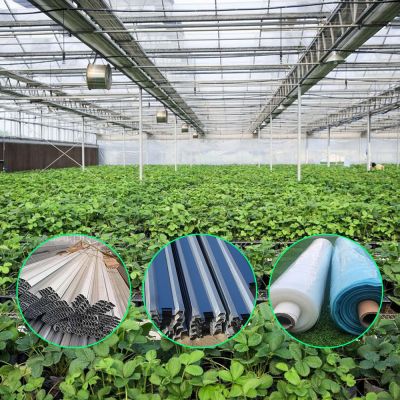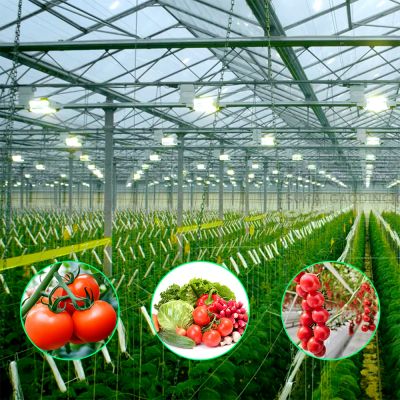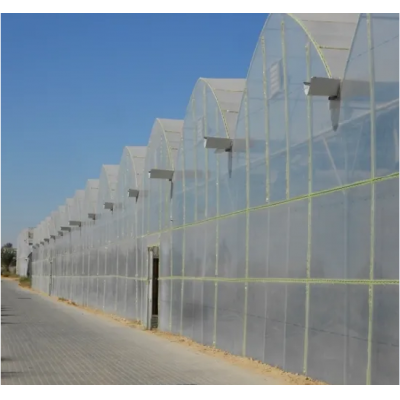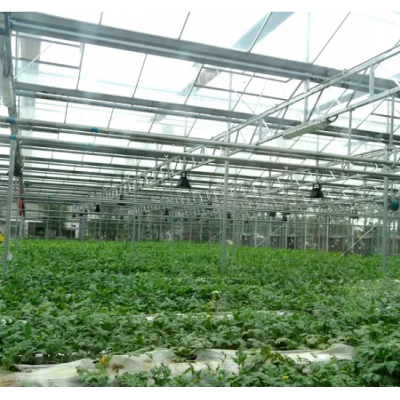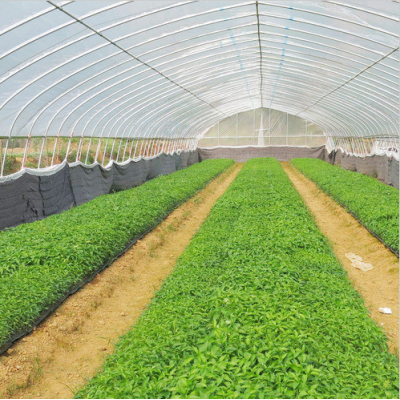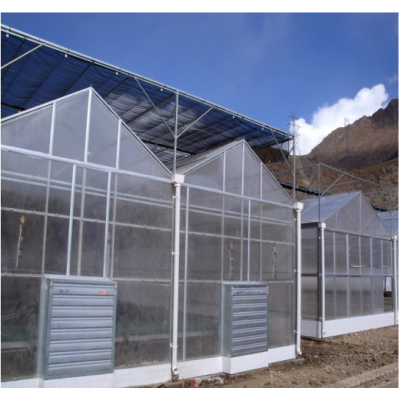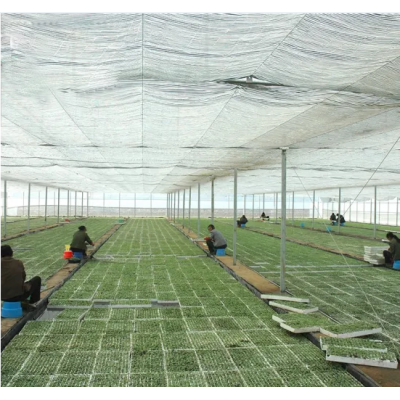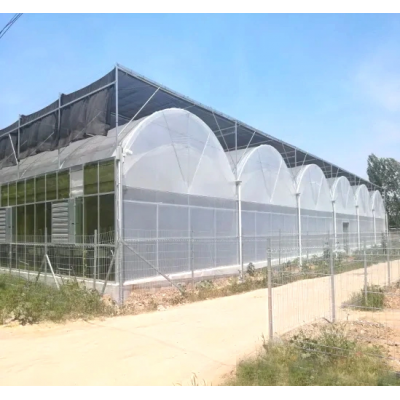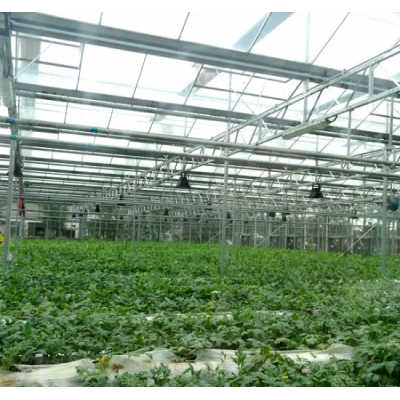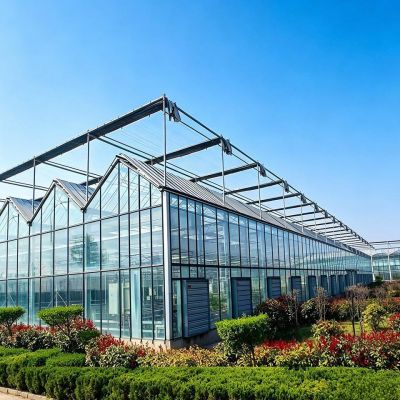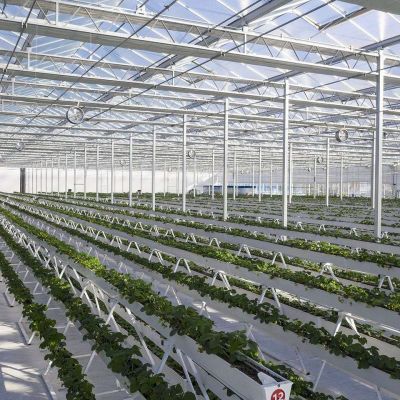
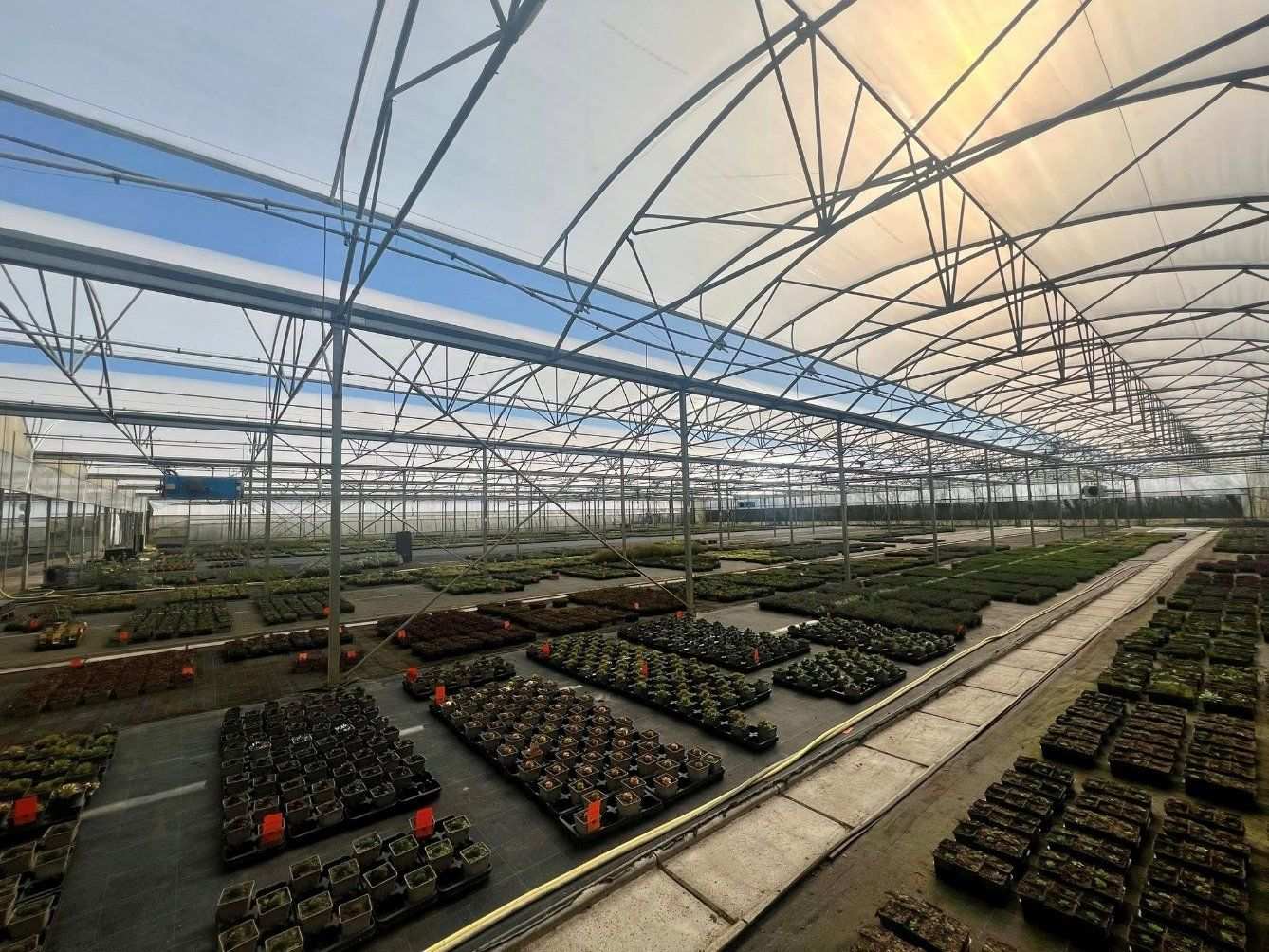
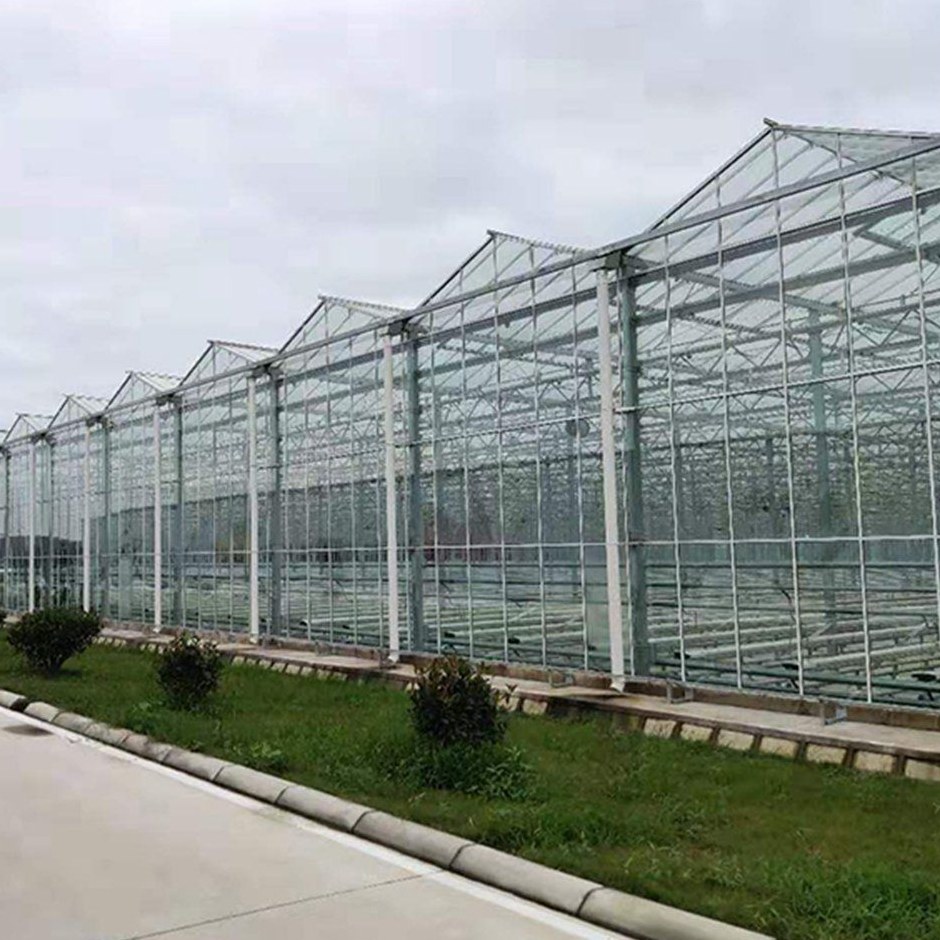
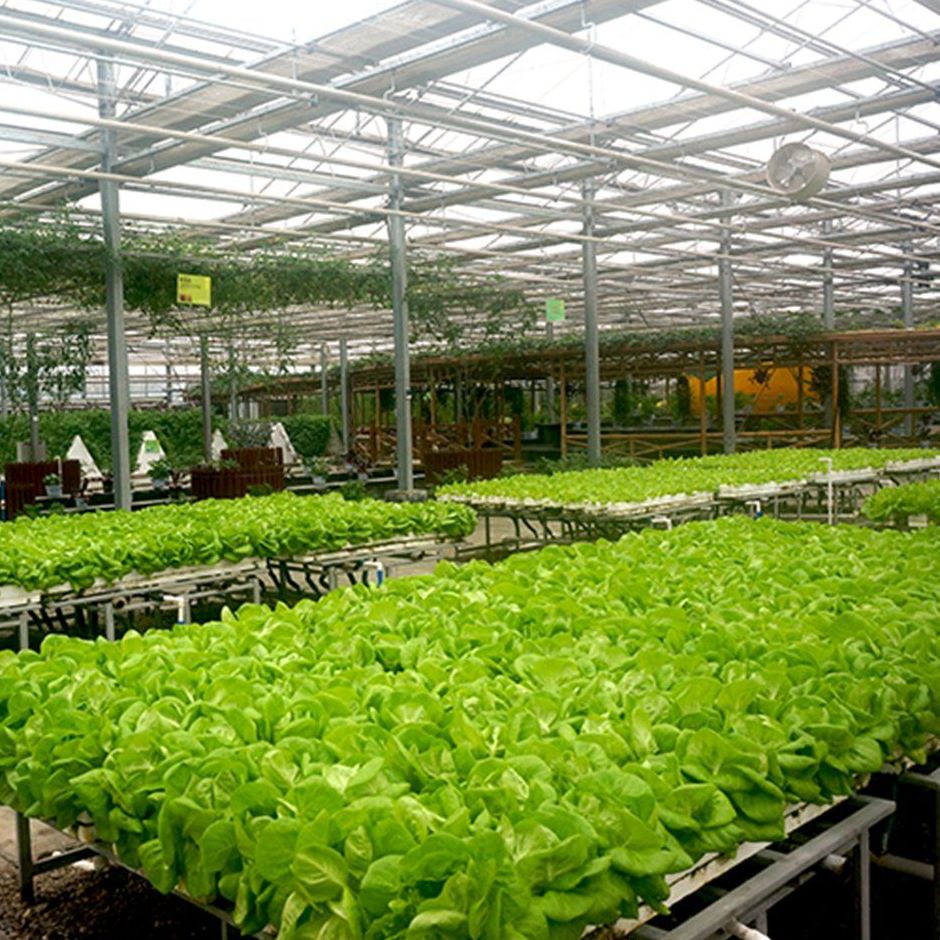
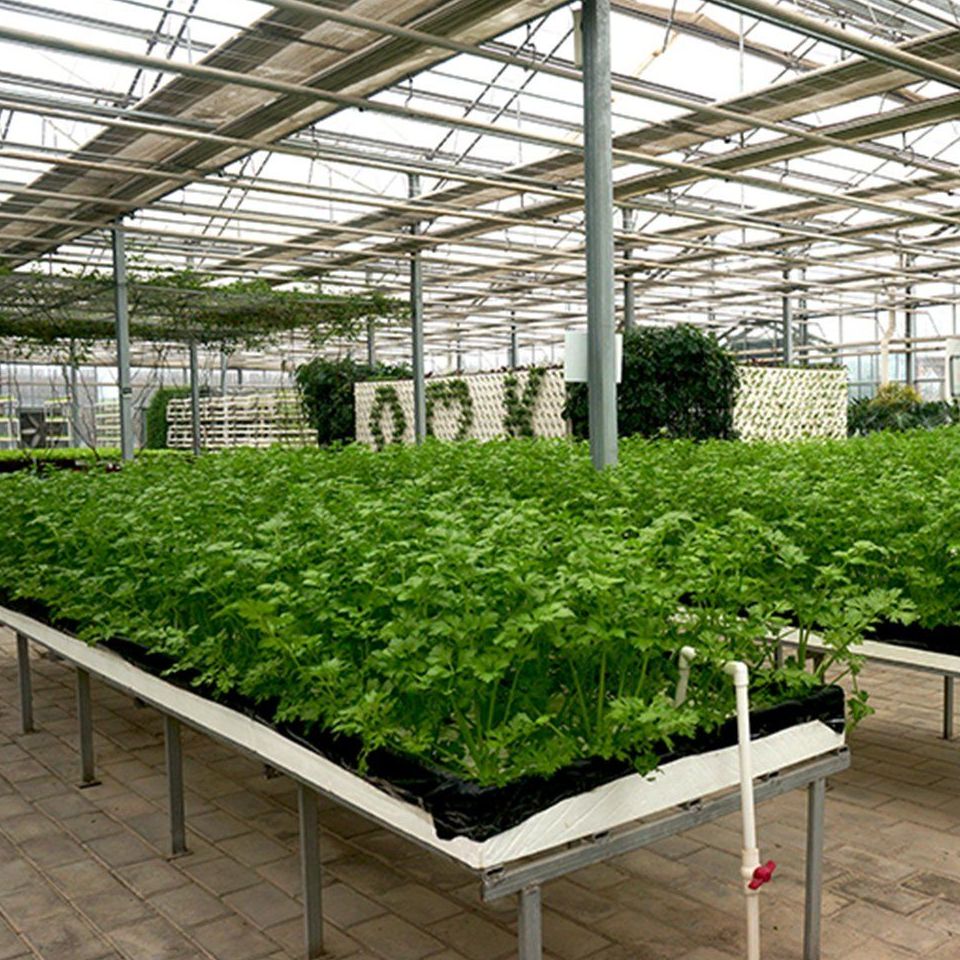
This cloud connected glass greenhouse links the house to a controller that can be reached from anywhere. Wireless sensors report temperature, humidity and soil moisture, and the controller opens vents, runs shade curtains and starts pump cycles on its own. The cover is 4 mm tempered safety glass with a light transmission of 92 per cent, held in sealed aluminium gutters on a hot dip galvanized steel frame. Span runs 8 m to 12 m, height 3 m to 8 m and length 10 m to 100 m or to client demand, and the house is supplied flat packed for container shipment.
On a farm with houses in more than one place, the hardest part of climate control is not the equipment but being there when it matters. A vent that should have opened at nine in the morning is worth very little if nobody notices until the afternoon. This cloud connected glass greenhouse answers that by putting the readings and the controls on a network, so the house can be watched and adjusted from a phone or an office desk as easily as from the end of the bay.
Wireless sensors inside the house report temperature, humidity and soil moisture to a central controller. The controller is connected to the internet, so the same readings that drive the vents, the shade curtain and the pump cycles are also available on a dashboard away from the site. Set points, daily curves and alarm thresholds are changed from that dashboard rather than from a panel on the wall, and a reading that crosses a threshold raises a message instead of waiting for someone to walk past the dial.
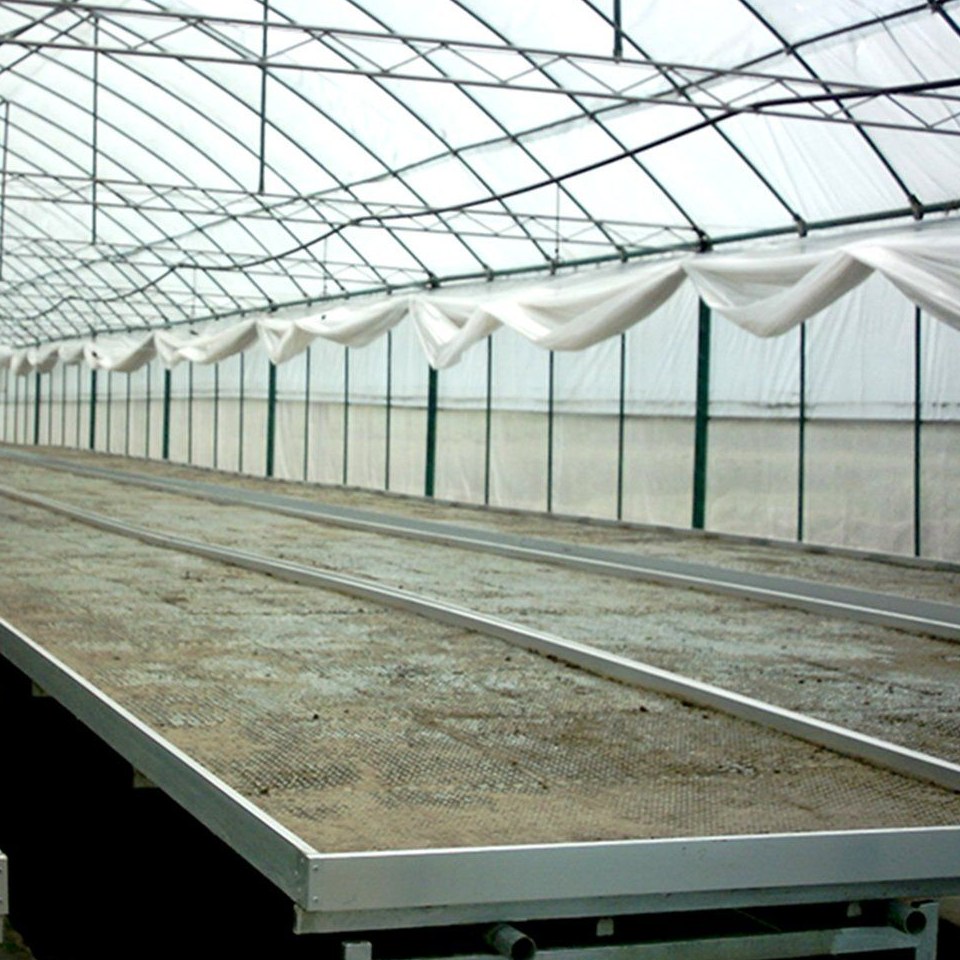
The cover is 4 mm tempered safety glass, set into sealed aluminium gutters and glazing bars on a hot dip galvanized steel frame. Tempered glass is used for safety as much as for light: if a pane is broken it breaks into small blunt pieces rather than long shards over a crop. Light transmission is 92 per cent, which matters over a whole season because every point of light lost at the roof is yield the crop never gets back. Sealed gutters keep roof water in one place and out of the bay, and the glass itself does not yellow or sag the way a film cover can.
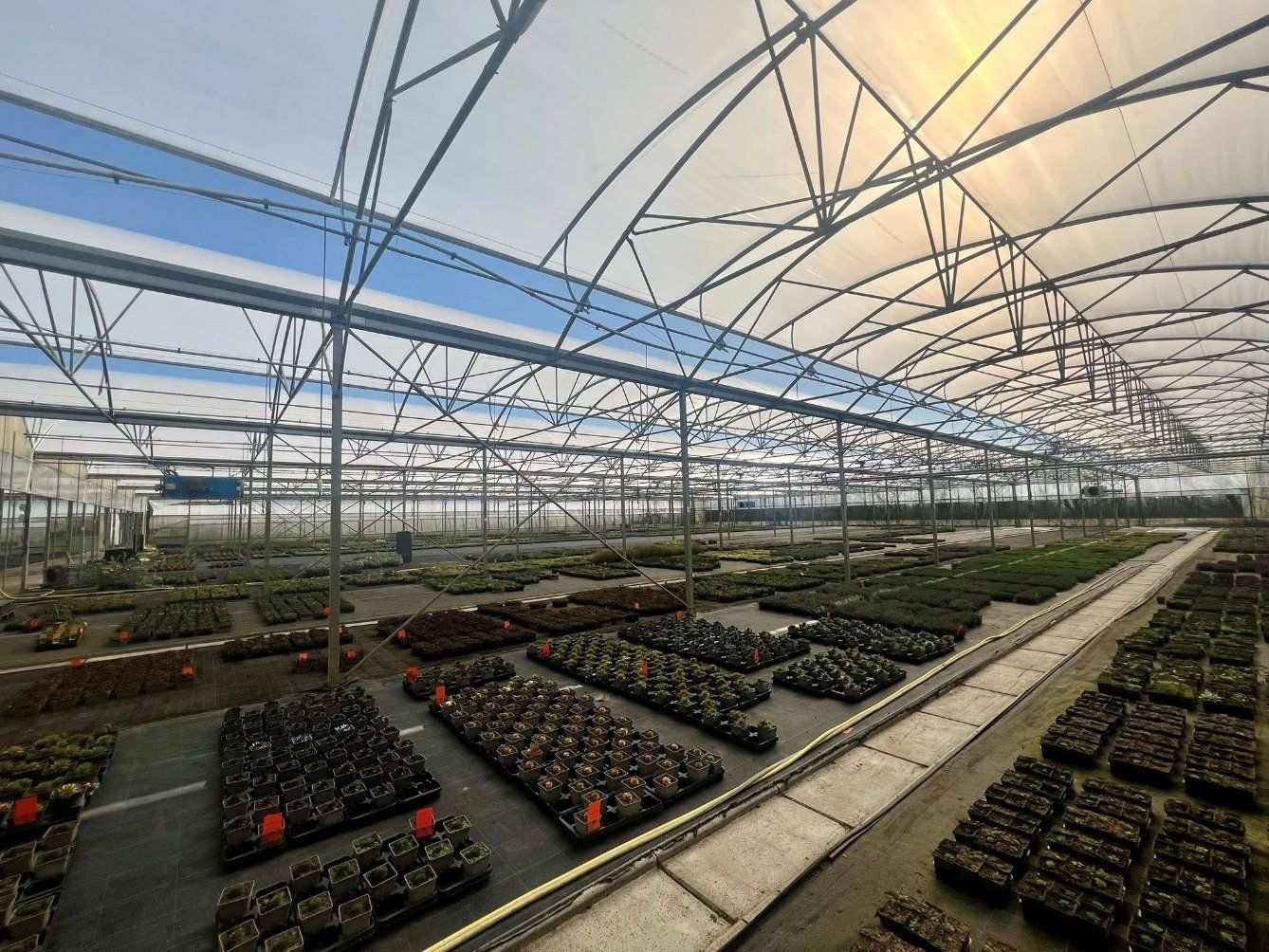
| Structure material | Hot dip galvanized steel pipe |
| Covering material | 4 mm tempered safety glass in aluminium glazing bars |
| Roof shape | Gable roof, multi-span on sealed gutters |
| Light transmission | 92% |
| Span | 8m / 9m / 10m / 11m / 12m |
| Length | 10m to 100m, or to client demand |
| Total height | 3m to 8m |
| Wind load | 0.35 kN per sq m |
| Snow load | 0.35 kN per sq m |
| Control | Wireless sensors and central controller, remote dashboard and alarms |
| Service life | 15 to 20 years for the frame under normal growing conditions |
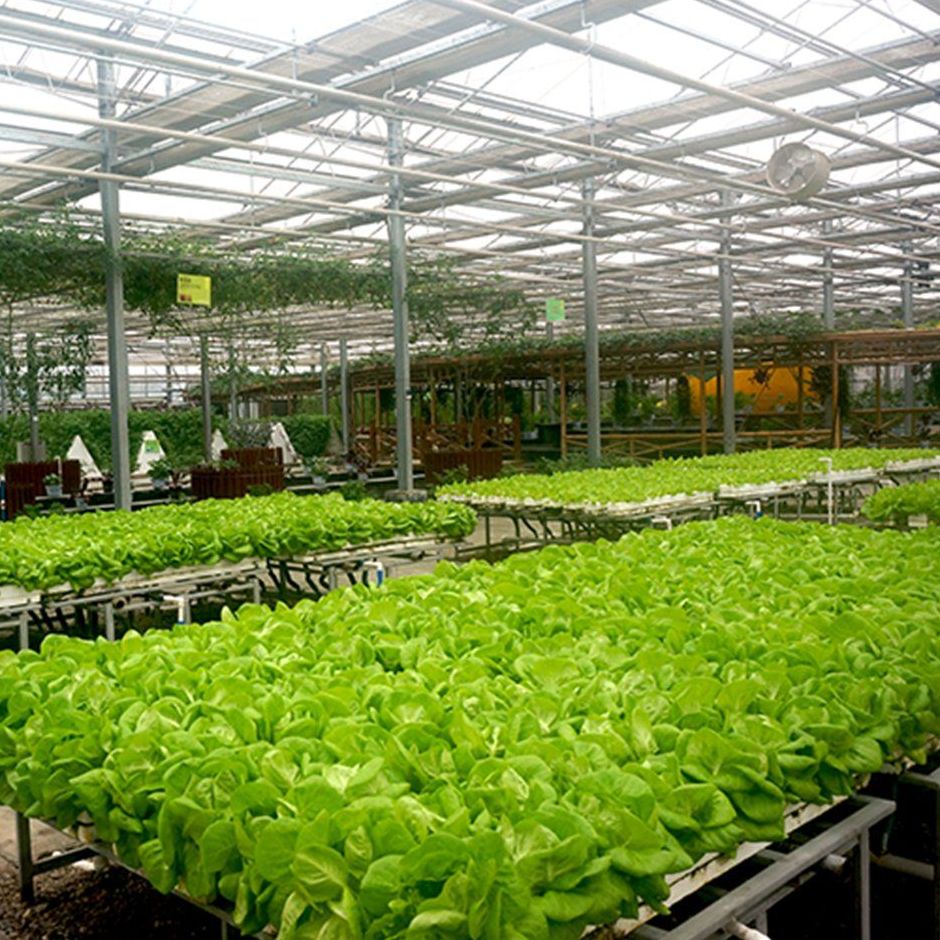
Temperature, humidity and soil moisture are read continuously rather than sampled by hand, and the history is kept. That record is what turns a control system into a management tool: it shows how the house behaved through a heat wave, which bay drifted first, and whether a change to the vent curve actually helped. Alarms are set per zone, so a fault at night reaches a phone instead of being found the next morning. Guidance from USDA on controlled environment agriculture covers why measured climate records matter when protected cropping is run at commercial scale.
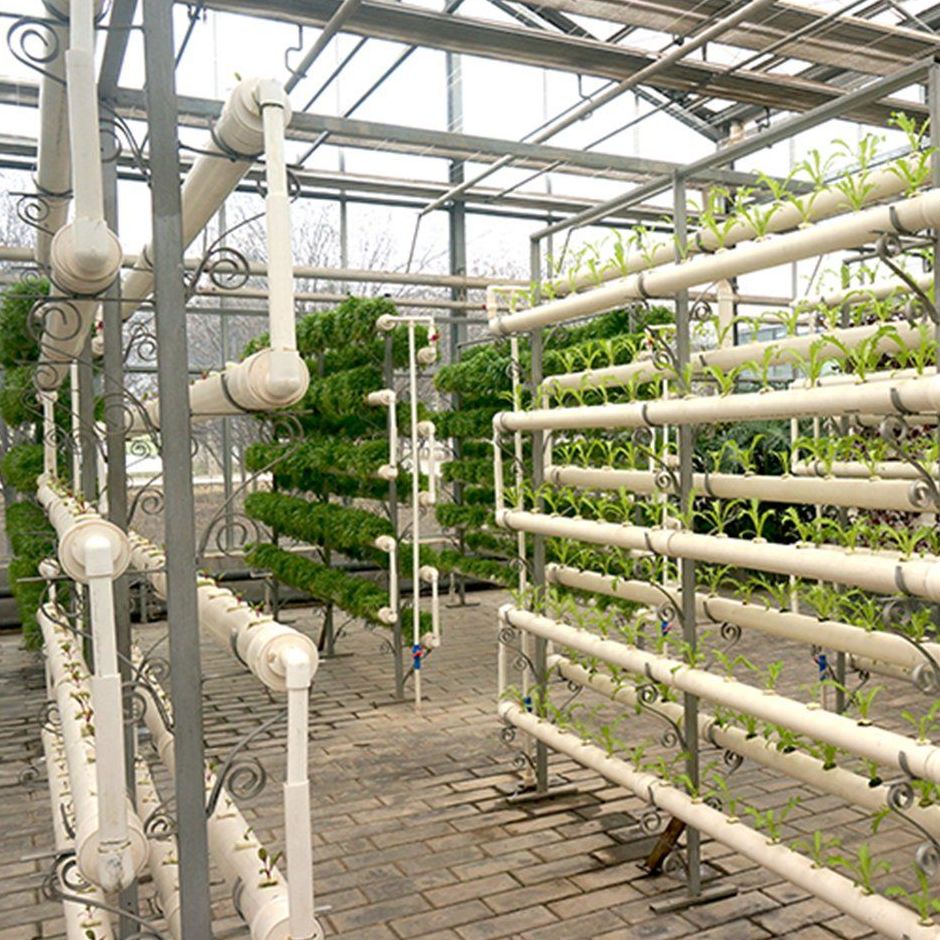
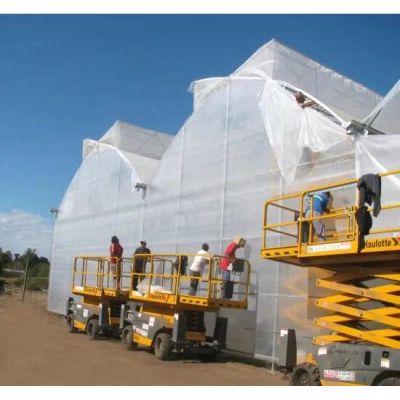
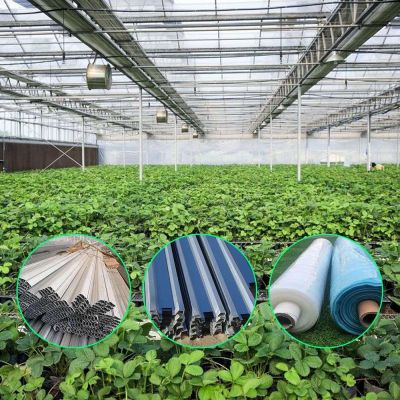
The house is supplied flat packed: galvanized frame sections, glazing bars, gutters, glass and control boxes, which keeps the shipping volume down per container. Installation follows a fixed order of foundation, frame, gutters and roof, glazing, then sensors and control. Our engineers can travel to site to guide installation when required.
Upkeep is mostly housekeeping. Wash the glass before the light season, check glazing clips and seals after storms, service vent motors and clean irrigation filters. Sensors need calibration at the intervals set in the manual, since a controller is only as good as the readings it is given.
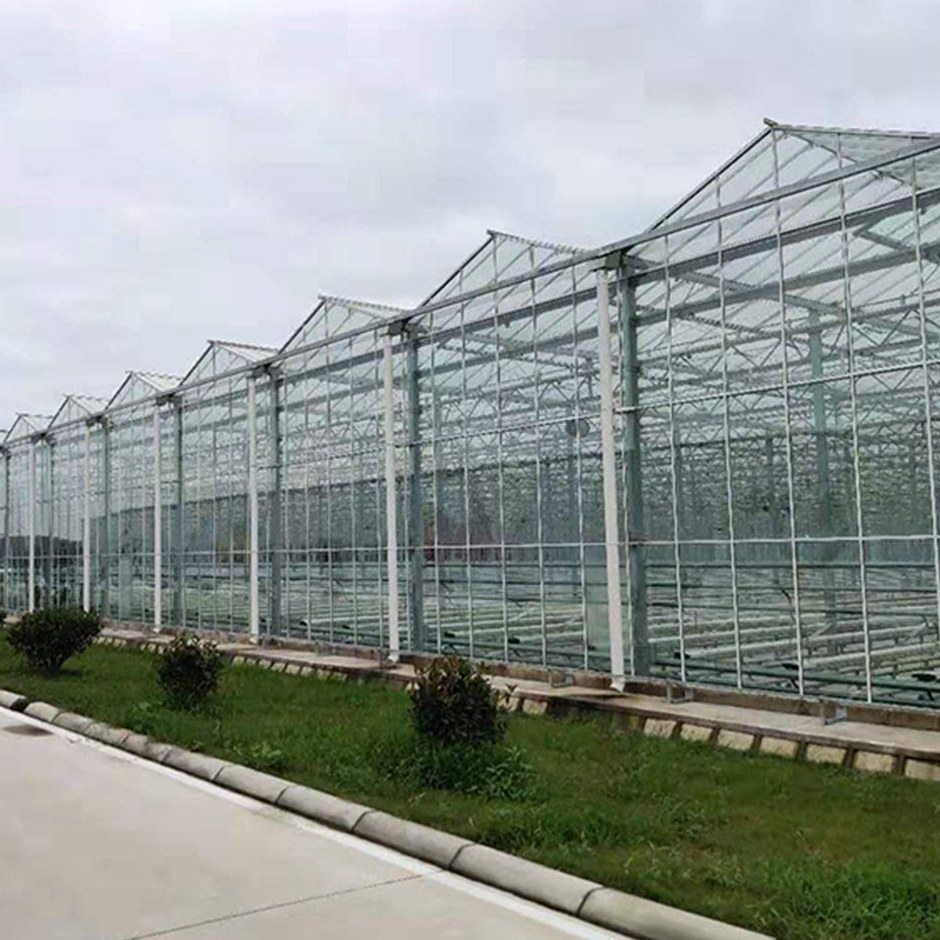
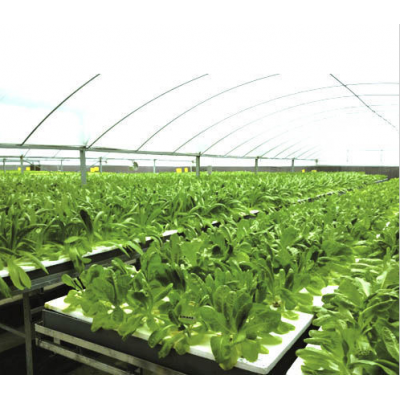
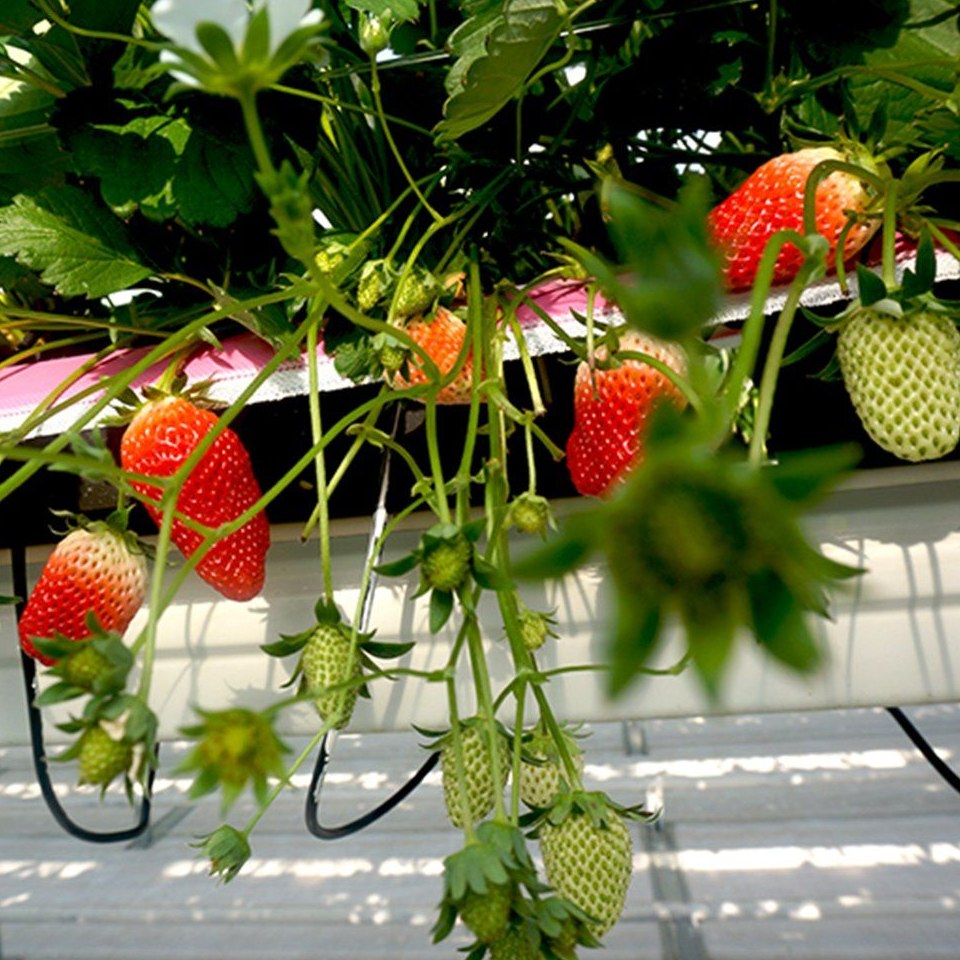
The house suits leafy greens, strawberry, cut flowers and young plants, and it is at its most useful where several crops or several sites are managed by one team. The same structure covers contract growing and research blocks, where recorded climate data is part of the deliverable. Market reporting on Farmer's Weekly South Africa follows how commercial growers plan this kind of protected production. Compare the multi-span greenhouse range, or look at the temperature controlled glass greenhouse and the glass greenhouse range for other layouts in the same family.
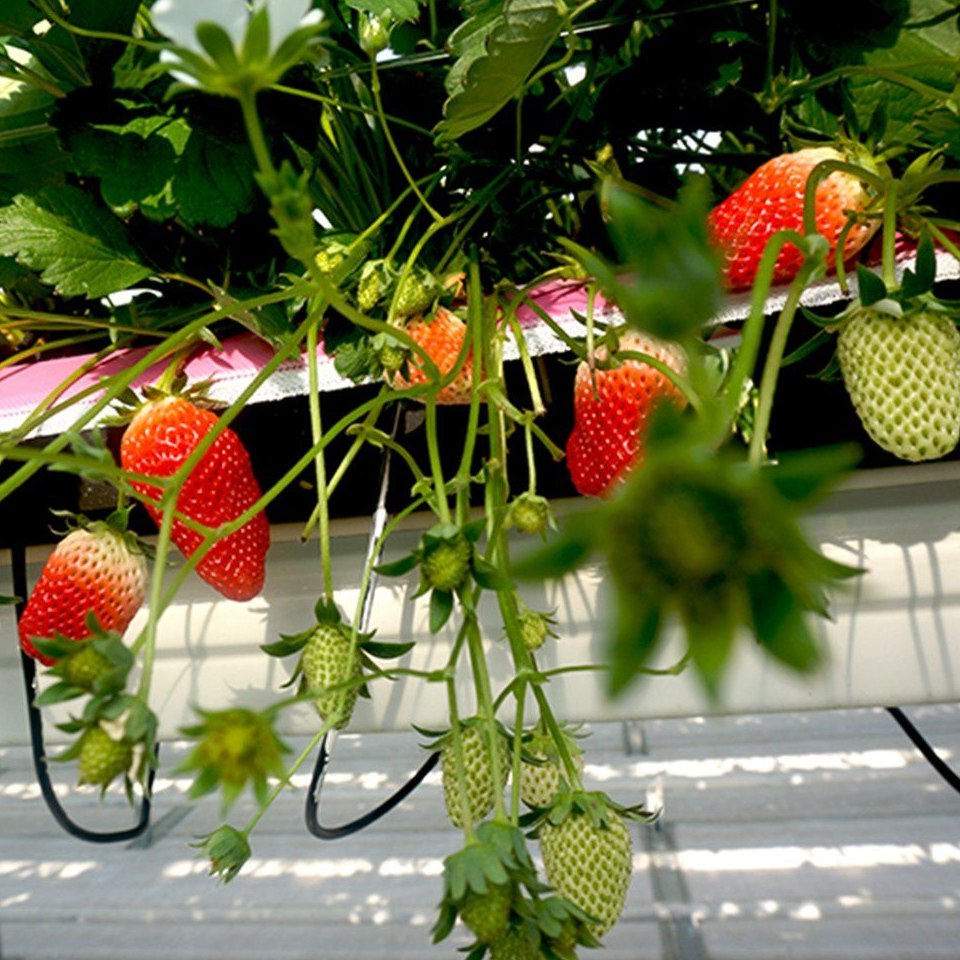
Wireless sensors report temperature, humidity and soil moisture continuously. Those readings drive vent opening, shade curtain deployment and pump cycles, and they are also available on a remote dashboard with alarms.
It is the share of incoming light that reaches the crop through the glazing. Over a full season the small losses add up, which is why glass is chosen where light is the limiting factor. The cover is 4 mm tempered safety glass.
The hot dip galvanized steel frame is rated for 15 to 20 years under normal growing conditions. The glass and the aluminium glazing bars are not consumables and hold their condition for many years.
We provide a 10 year structural warranty and a 5 year anti-corrosion warranty on the galvanized frame. Details are set out in the contract for each project.
Send your site dimensions, the crops you plan to grow, the number of control zones and your local wind and snow loads. We reply with a layout drawing and a full quotation covering frame, glass, vents, screens, irrigation and control.