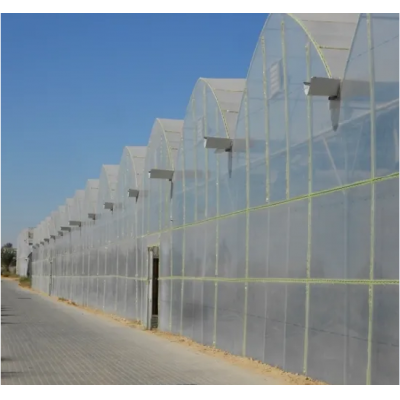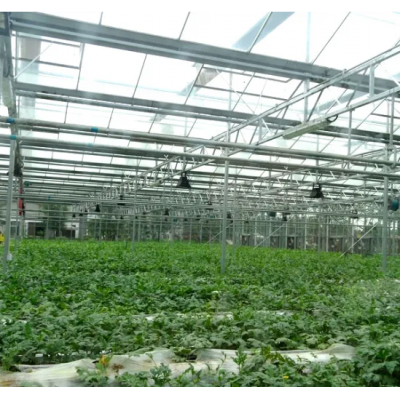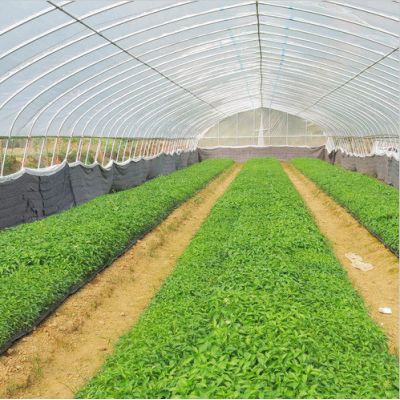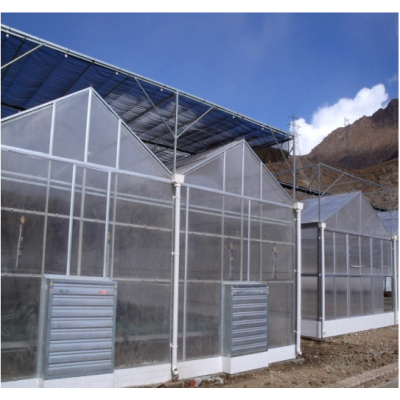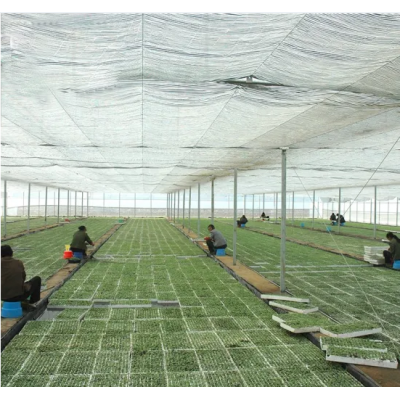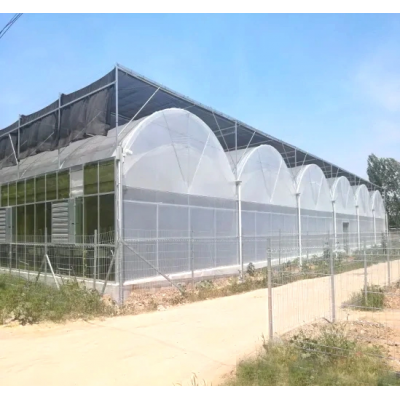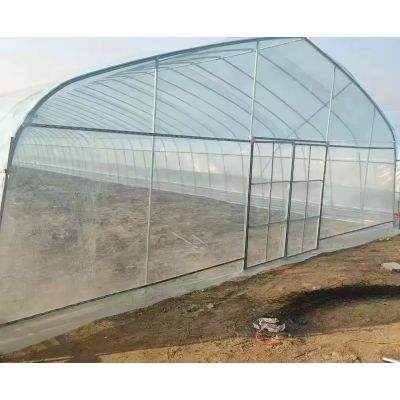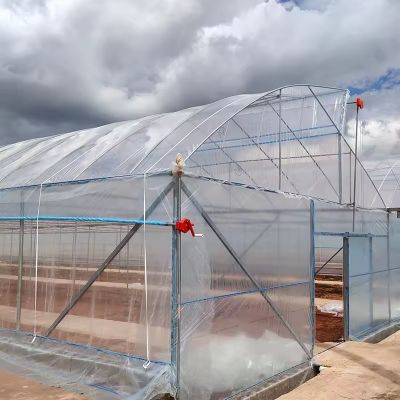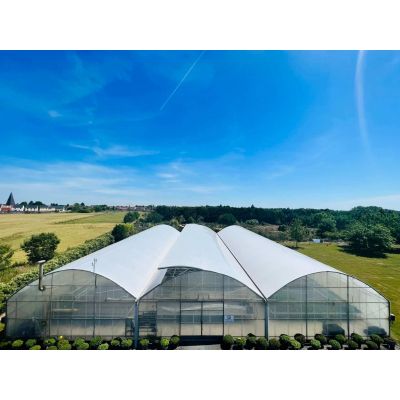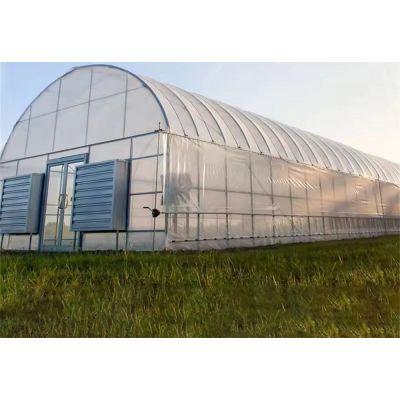
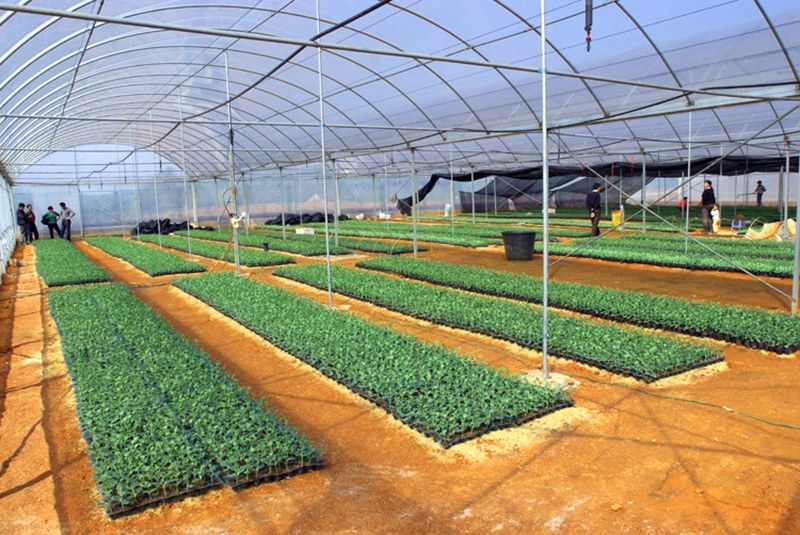
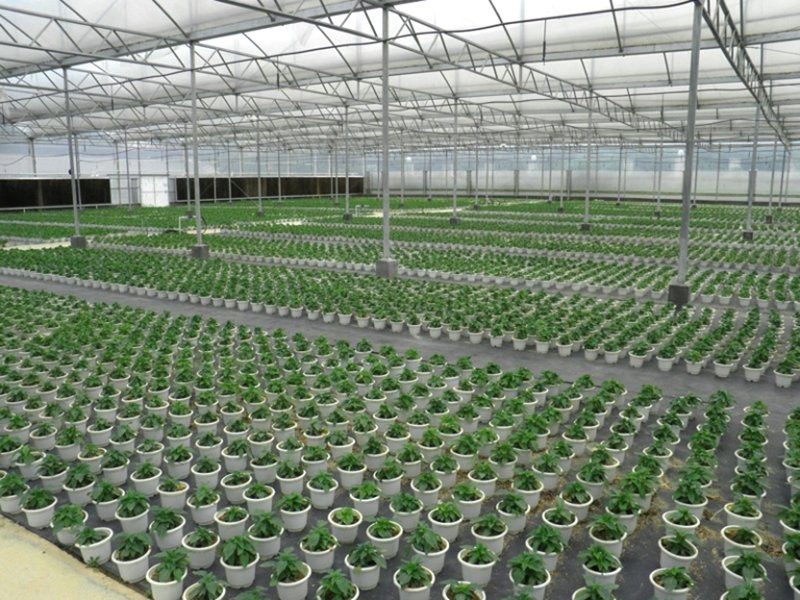
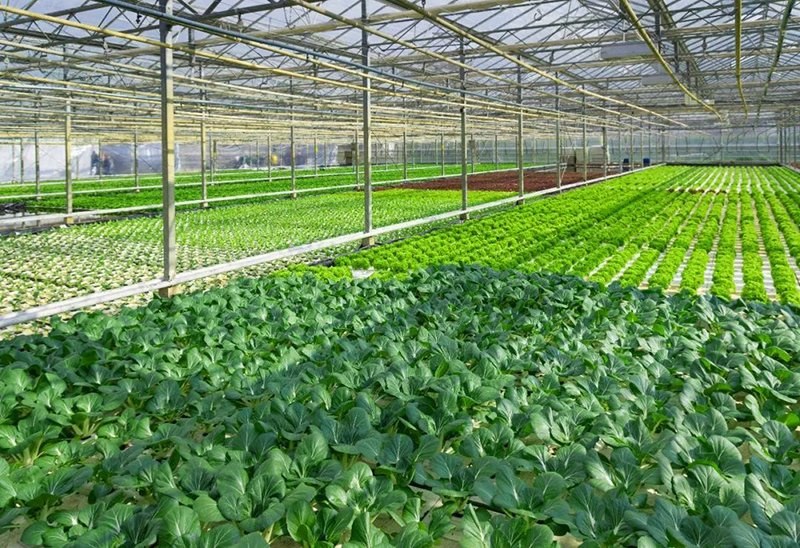
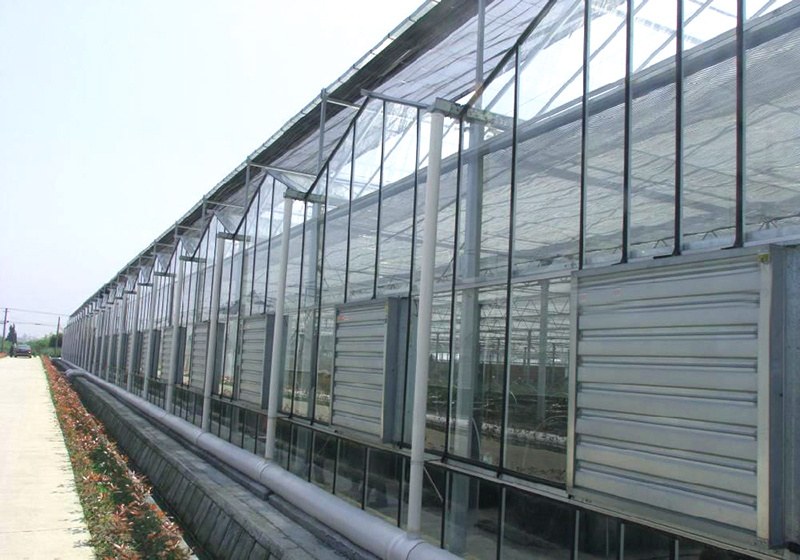
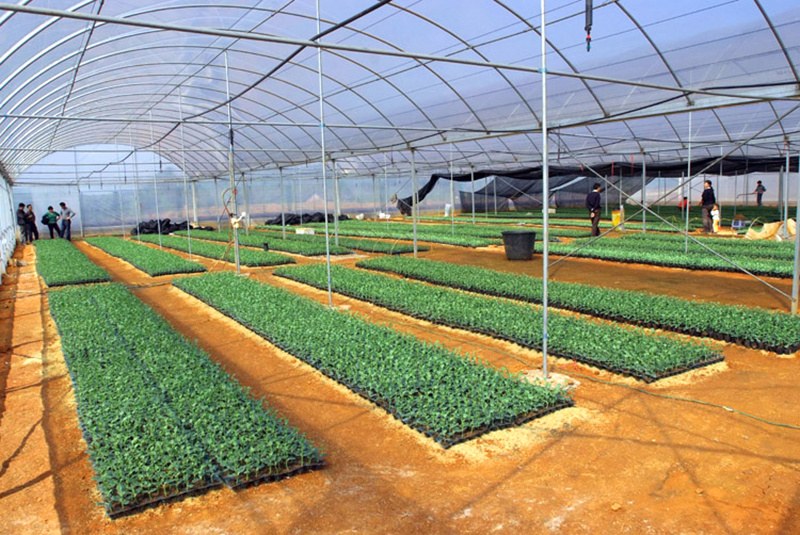
Berry crops gain more from rain exclusion and from bird protection than from heat, and that is what a tunnel does well. This listing quotes a greenhouse tunnel with a corrosion proof hot dip galvanized steel frame, in spans from eight to twelve metres, lengths from ten to a hundred metres and heights from three to eight metres, with film covering quoted with the project. The frame is the durable part and the cover is the part that gets replaced on a cycle, which is how most berry growers budget for a tunnel over ten years.
A blueberry crop does not need a heated house. It needs the rain off the fruit in the last three weeks before harvest, and it needs birds to stay out. Both are structural problems with structural answers. This page covers the tunnel in this listing, part of the tunnel greenhouse range on this site.
Ripe blueberries split after rain, and a split berry is a rejected berry. A tunnel keeps the direct rain off the canopy, which changes the harvest window from weather-dependent to scheduled. The same cover keeps birds off, and netting over the doors and vents keeps them out of the openings.
The second gain is earliness. A tunnel warms the air a few degrees in spring, and for a crop sold into a fresh market window that matters as much as the yield.
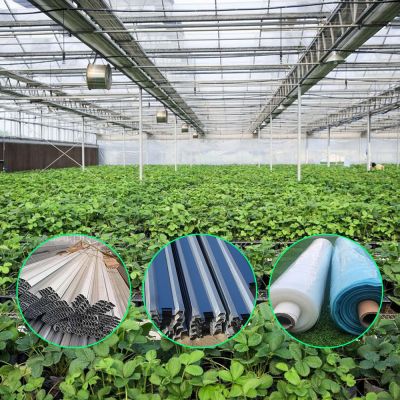
The frame is hot dip galvanized steel, described in the listing as corrosion proof, which is the right specification for a berry site: these crops want acid soil and often irrigation water with minerals in it, and both are hard on a bare steel frame.
The cover is film, quoted with the project. For berries the useful grades are the ones with anti-drip and UV stabilisers, because a dripping cover on a ripening crop is a disease route, and a cover that degrades early costs a harvest window.
| Structure | Tunnel / multi span arch, hot dip galvanized steel frame |
| Covering | Plastic film, quoted with the project |
| Span | 8 to 12 m, built to order |
| Length | 10 to 100 m, built to site |
| Height | 3 to 8 m |
| Crops listed | Blueberry, blackberry, plus vegetables, fruit and flowers |
| Frame finish | Hot dip galvanized, corrosion proof |
| Customization | Span, length, height and fittings made to order |
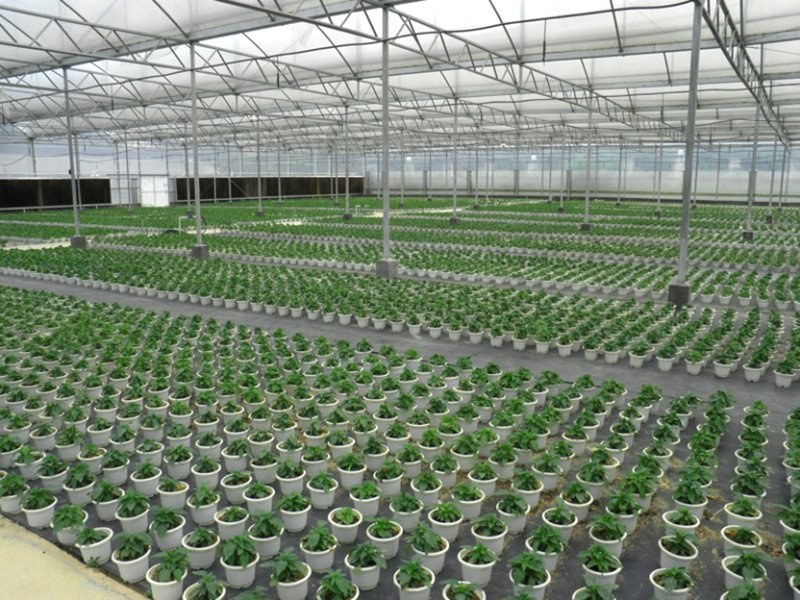
Rain exclusion is the main return. A tunnel that keeps the canopy dry through ripening cuts splitting and botrytis at the same time, and it lets a grower leave fruit on the bush until it is properly coloured rather than picking early to beat a forecast.
Birds are the second. Netting on the side openings and doors costs little; netting the whole house is not, and it is the reason some growers accept bird loss and others do not. If birds are the main problem on the site, plan the netting at the same time as the frame, not after.
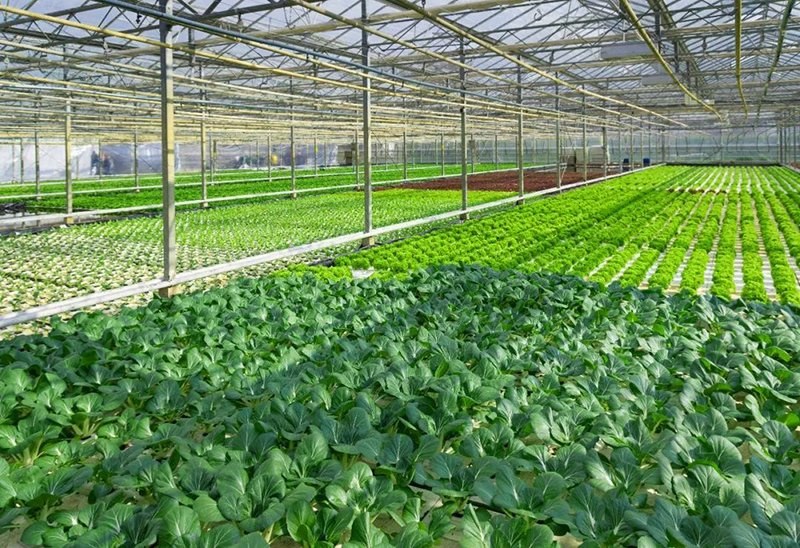
Blueberry and blackberry both set better with insect pollination, and a closed tunnel has fewer insects. Bumblebee hives are the usual answer, and they work within a narrower temperature band than the crop: too hot at midday and the hive stops working just when flowers are open.
That makes ventilation a pollination decision, not only a temperature one. Vents at crop height, opened early, keep the house in the range where both the crop and the bees are active.
A prefab multi span tunnel of the same type is described on the prefab multi span high tunnel page, and a compact single span house on the compact single span hydroponic tunnel page.
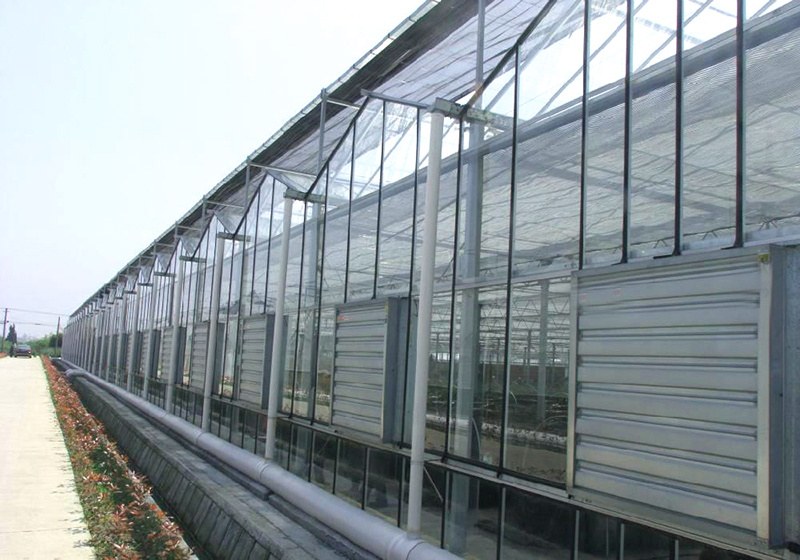
Blueberry is an acid-loving crop and does not tolerate limestone. Under cover that is easier to manage than in the field, because rain no longer leaches the beds and irrigation water can be acidified to a set point. It also means the water source has to be tested before the house is designed, since high bicarbonate water is a problem that no amount of fertilizer fixes.
Blackberry is more tolerant but wants free drainage. Raised beds or grow bags under a tunnel are common for that reason, and they change the layout: row spacing follows the trellis, not the soil.
Extension guidance on berry production is published by Purdue University, and produce trade coverage by Perishable News.
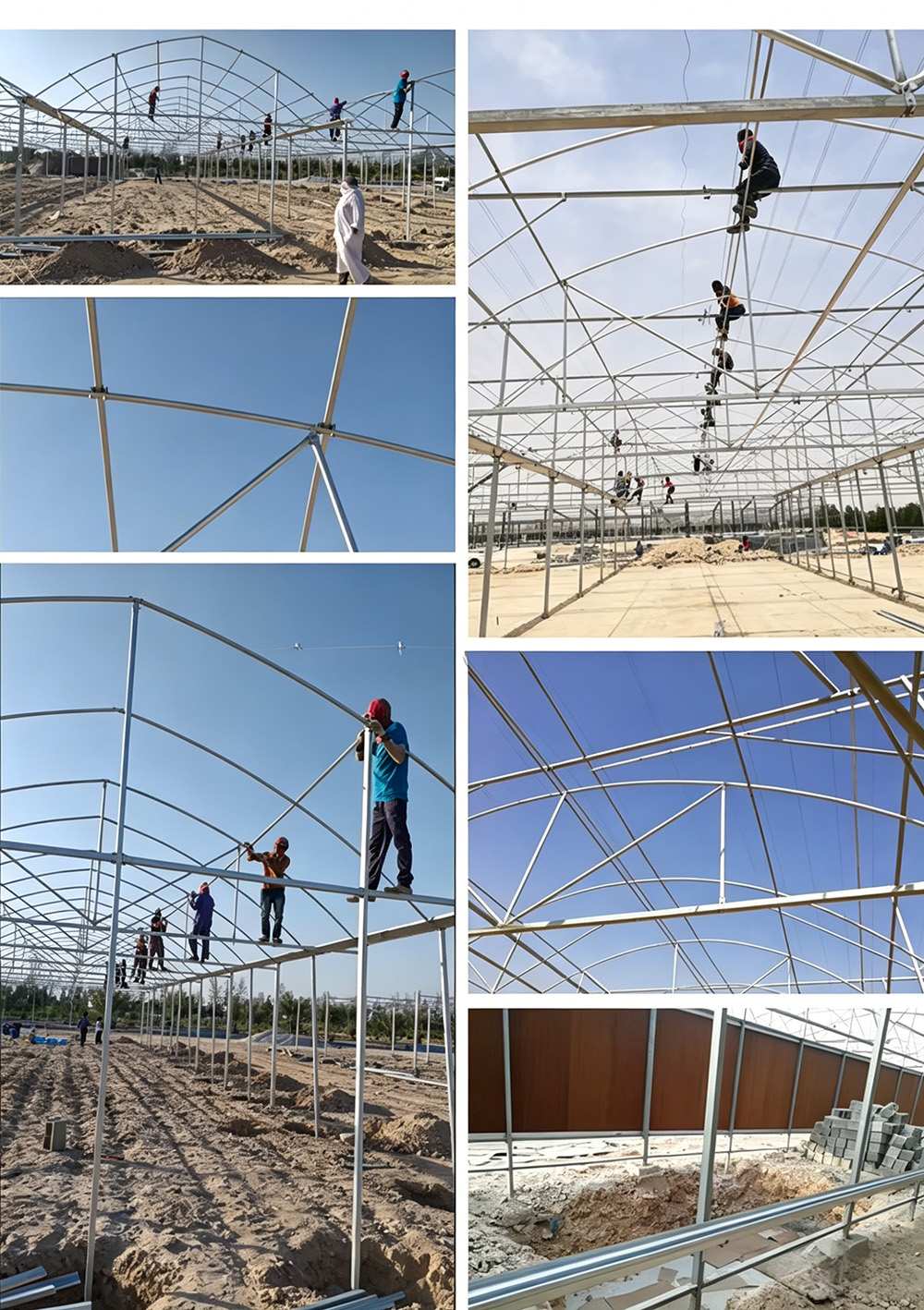
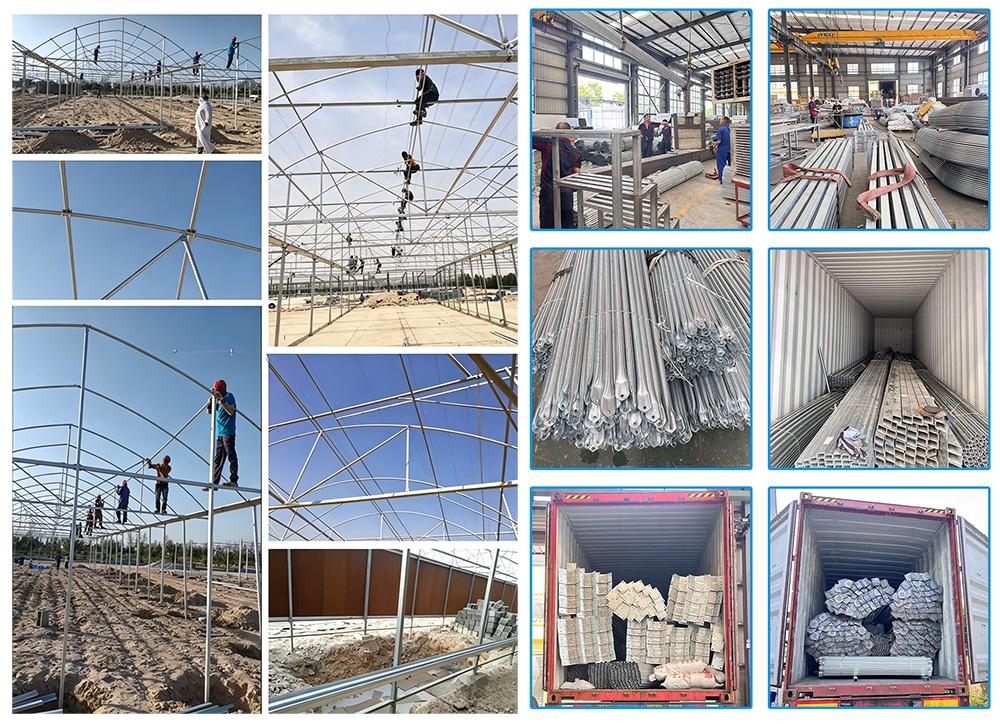
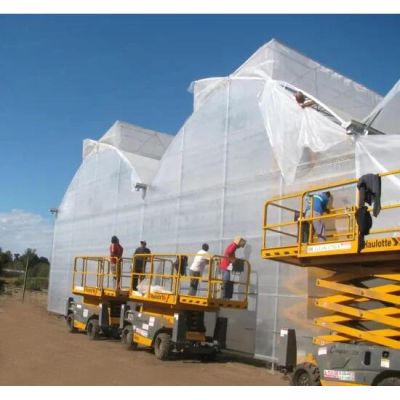
A standard multi-span greenhouse is typically erected in 2-4 weeks, depending on the span, the number of bays and site access. Foundation work and glazing are the two stages that set the pace, and both are scheduled before the frame arrives.
Yes. We customize span width, bay length, gutter height, covering material (film, PC sheet or glass) and ventilation configuration. Share your crop type, local climate and growing area, and our engineers will size the structure to match.
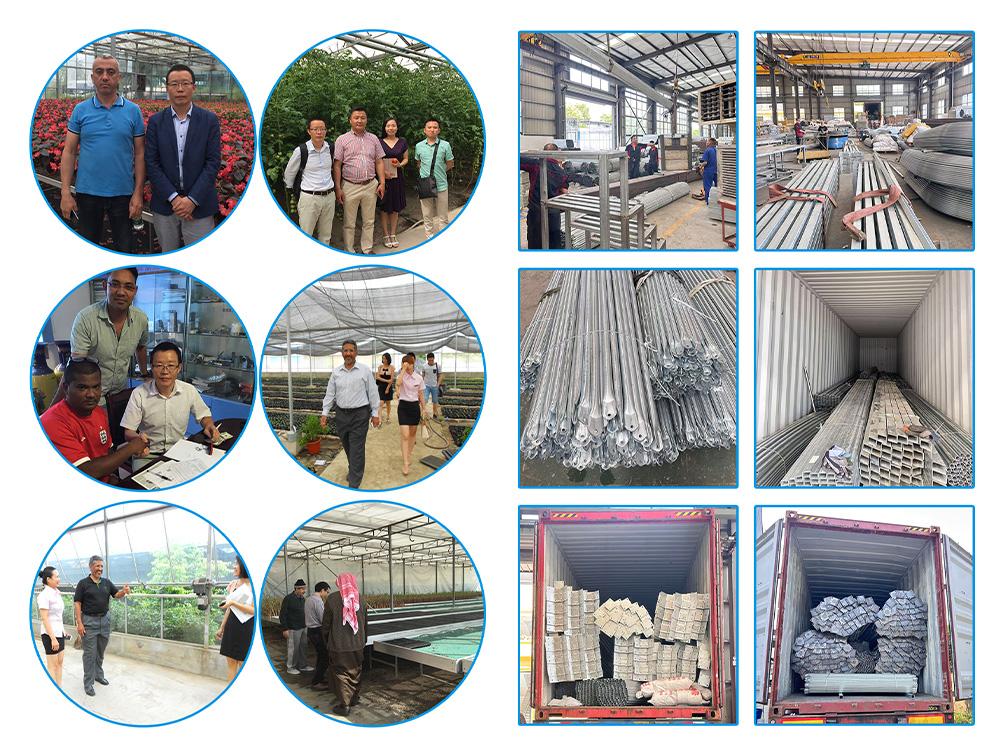
Ziyang Bozong Greenhouse Industry Co., Ltd. is a manufacturer based in Ziyang, Sichuan, China. We produce the hot-dip galvanized steel frame in-house, cutting and drilling to drawing, and supply covering materials, ventilation, cooling and irrigation systems as one coordinated package.
Send your growing area, span and length, crop type and local climate. If you already have a layout drawing, that is enough to start. Our engineers then return a quotation with a structure drawing and a bill of materials.
Not on its own. The cover keeps birds off the roof, but the side openings and doors are where they get in. Netting the openings is inexpensive and worth planning with the frame; netting the whole structure is a different budget and rarely done.
Usually yes, by a matter of days rather than weeks, because the house warms earlier in spring. The larger gain is usually fruit quality from rain exclusion, not earliness, so do not buy the house for the calendar alone.