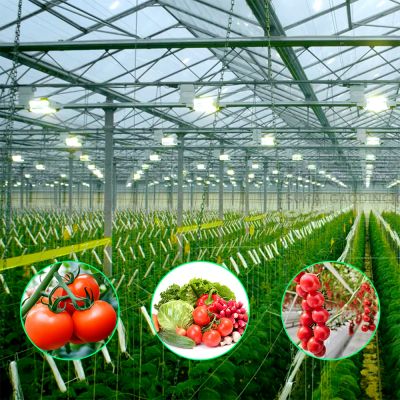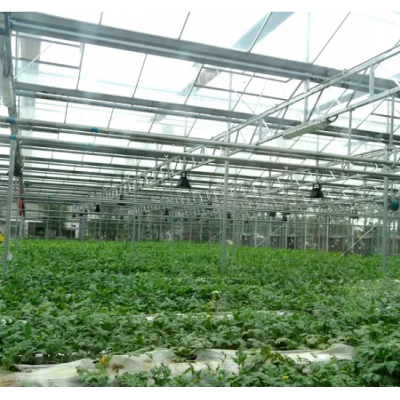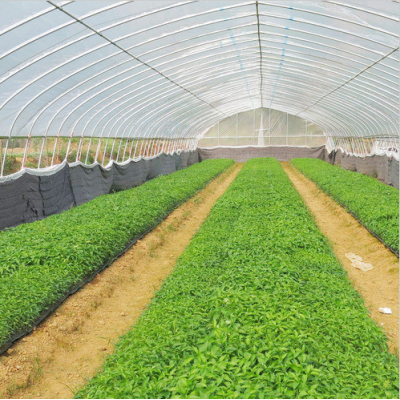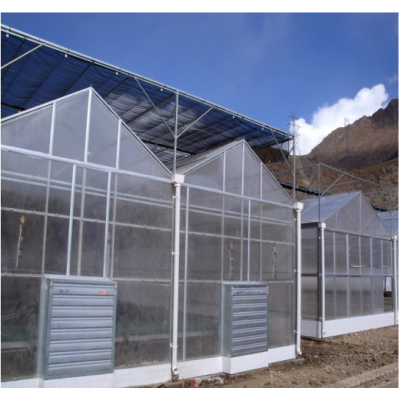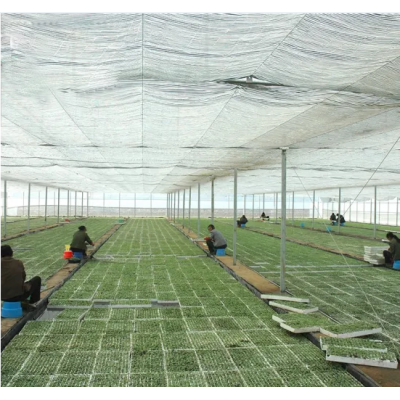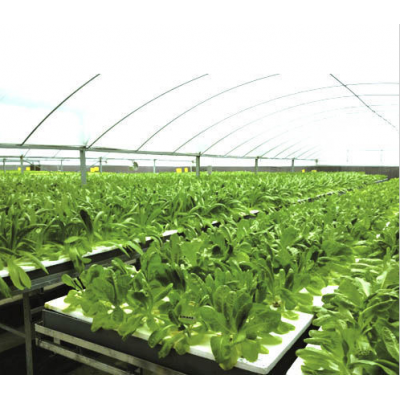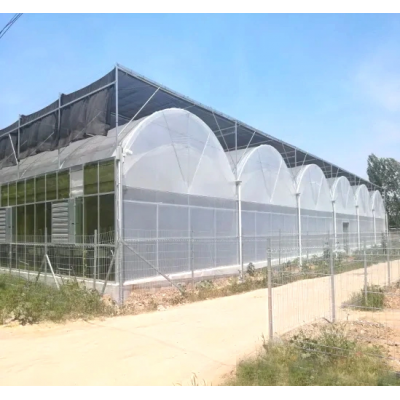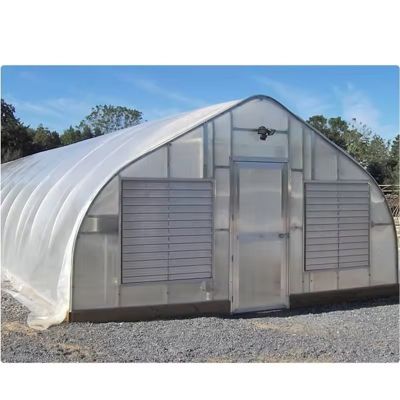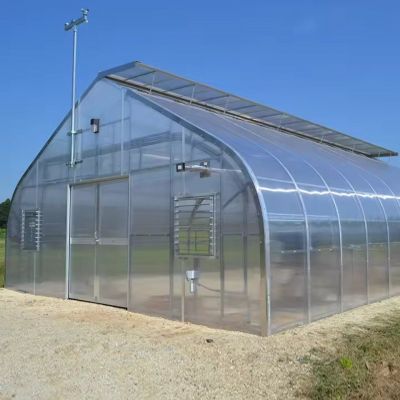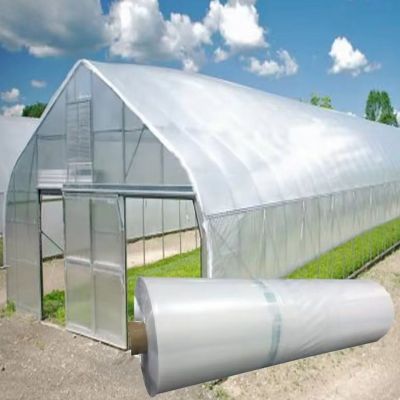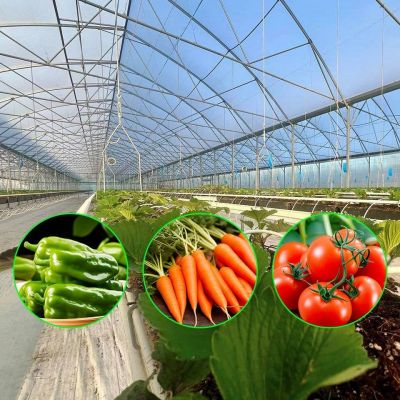
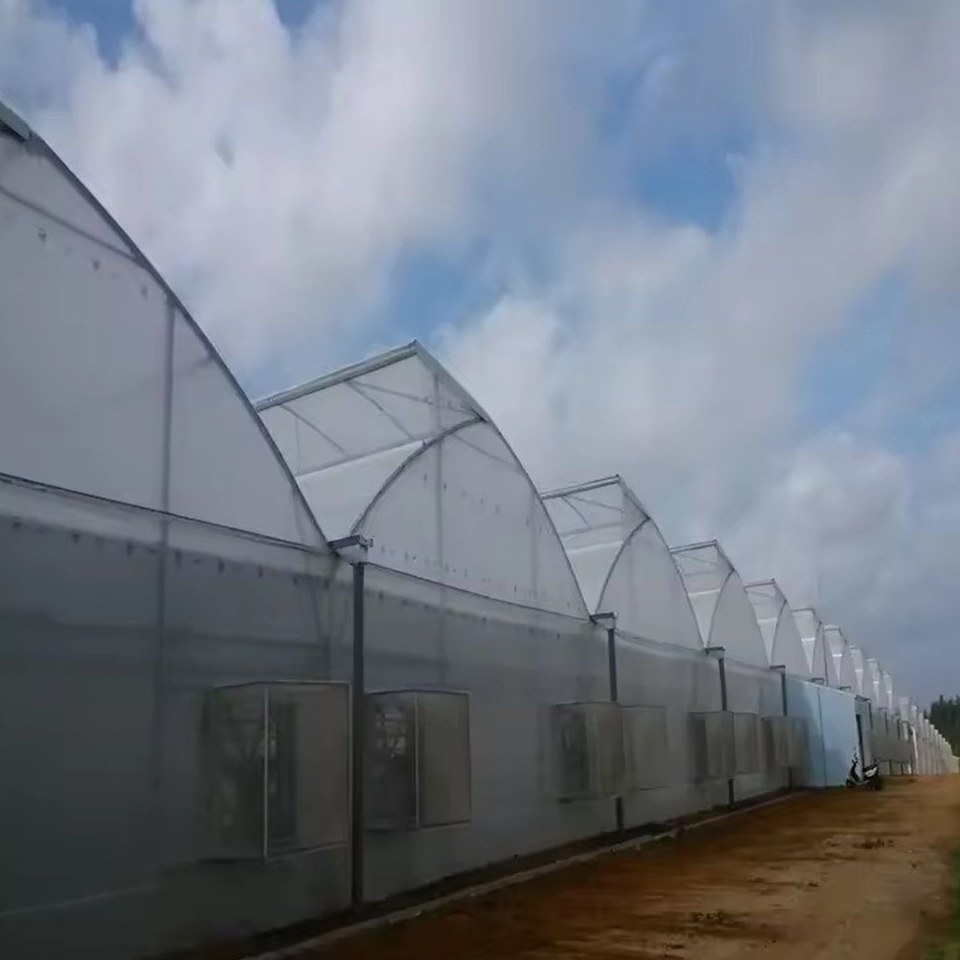
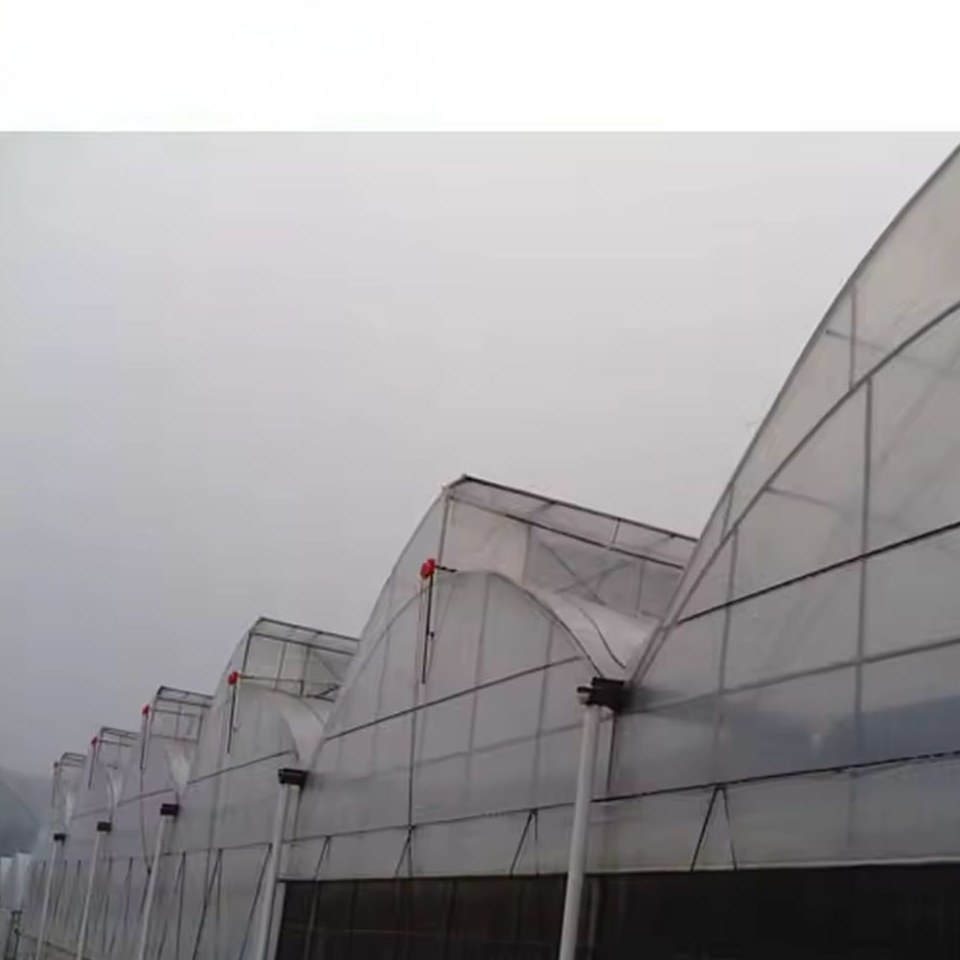
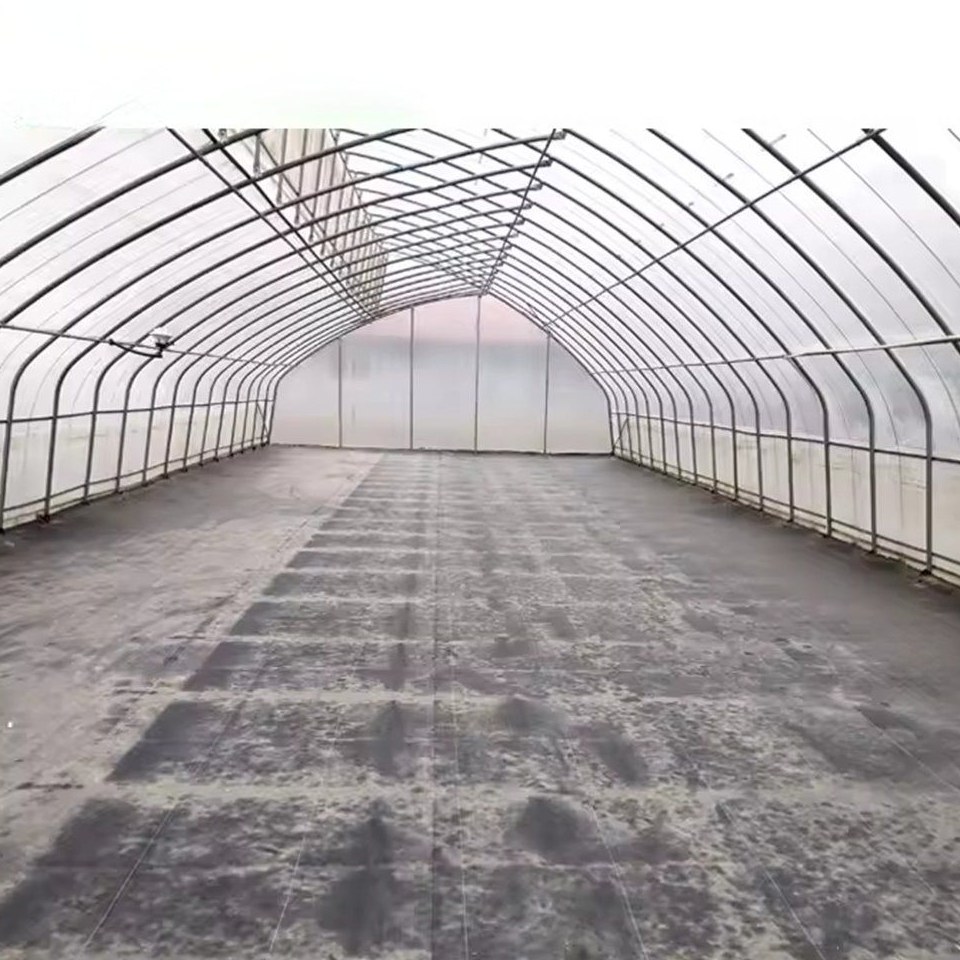
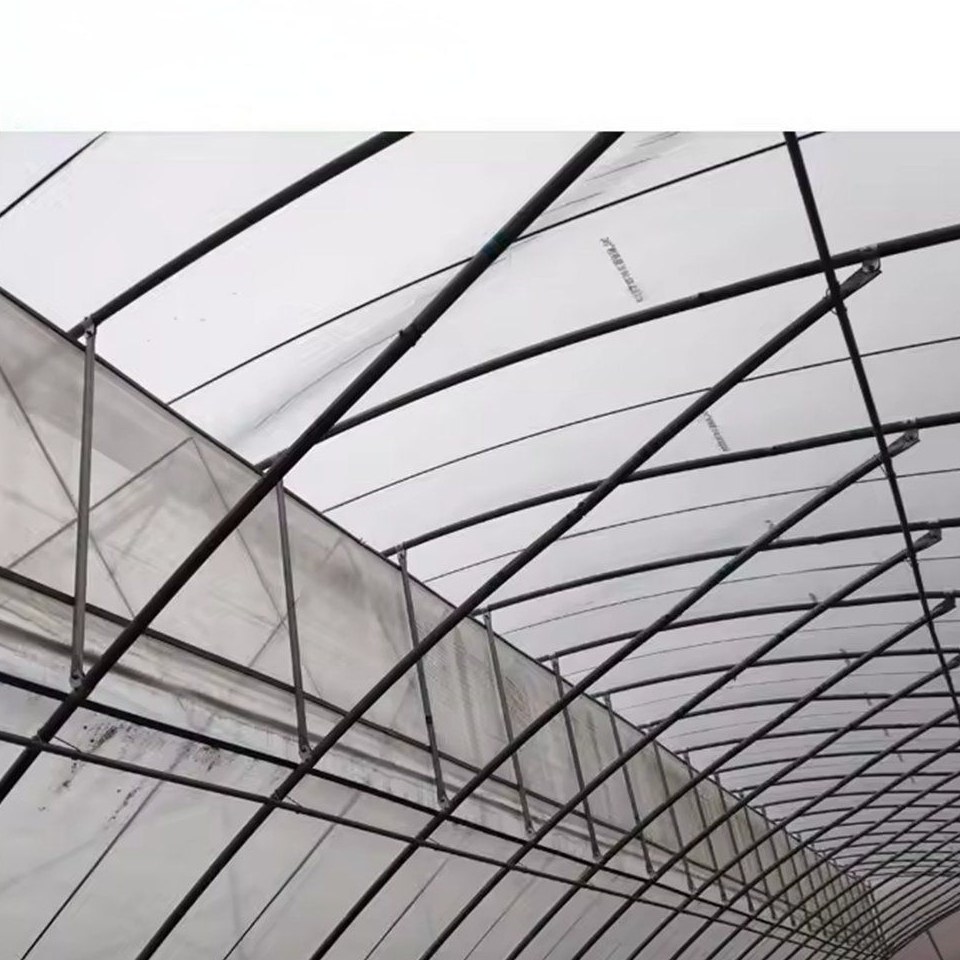
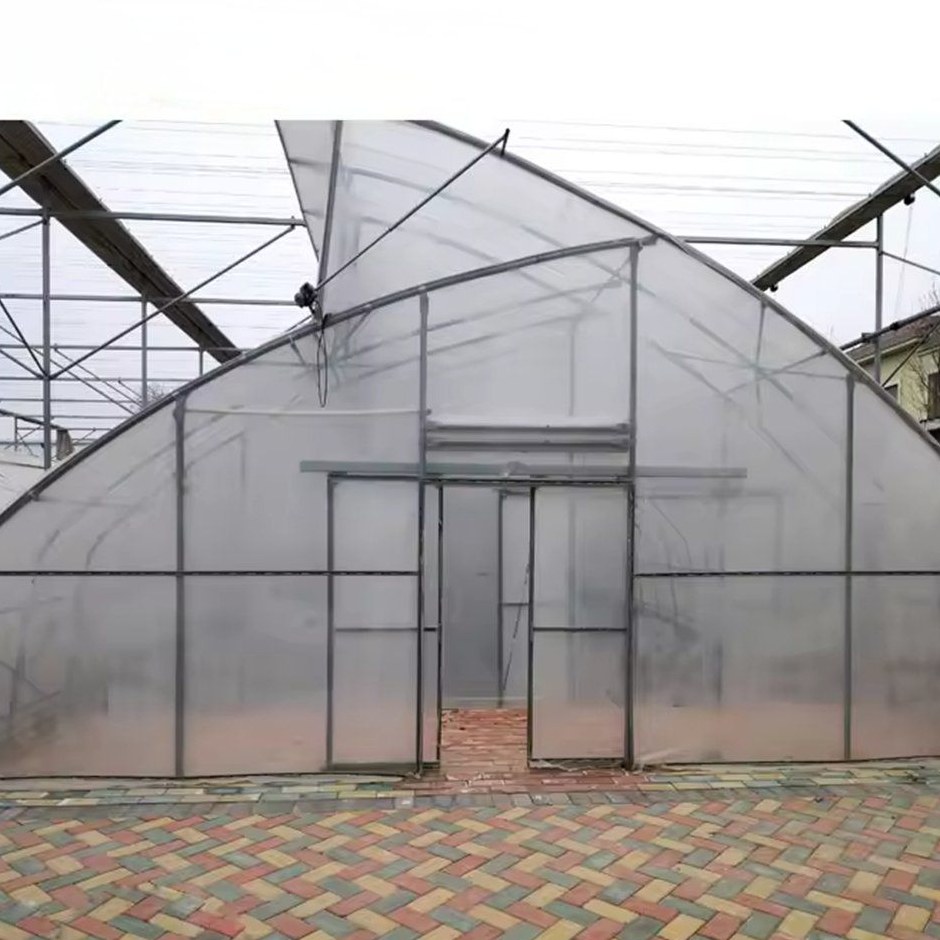
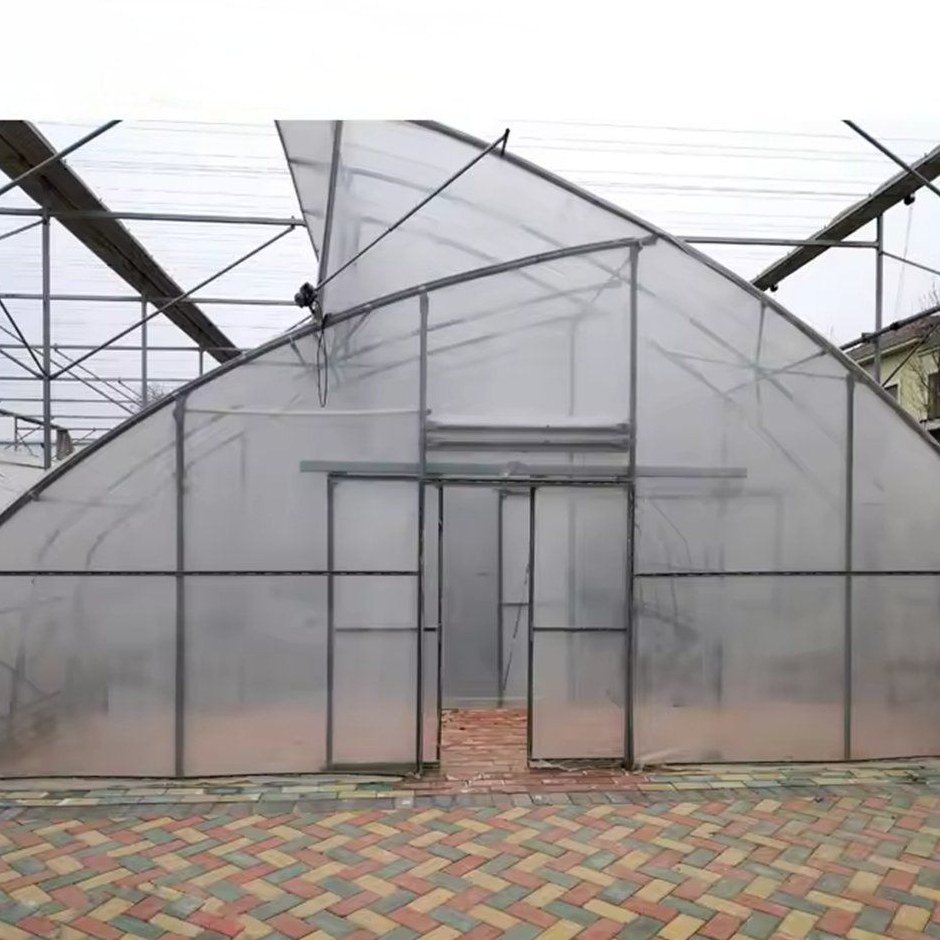
This multi span PE film greenhouse is built for tomato production in warm, humid climates, where the hard part is moving air rather than holding heat. A hot dip galvanized steel frame carries a PE film cover, with side openings and ridge vents working together to keep the crop dry. Spans run 8 m to 12 m, gutter height 3 m to 4.5 m and the house is built 10 m to 100 m long to suit the site. It suits commercial tomato growers running soil beds or hydroponic gutters, and the floor is clear between the gutters for trolleys and crop work.
Tomatoes grown under cover in a warm climate fail for different reasons than tomatoes grown under cover in a cold one. Cold houses are built to keep heat in; warm houses have to get humidity out without letting the crop dry so hard that blossom drops. This multi span PE film greenhouse is arranged around that second problem, with the frame, the vents and the film all set up to move air through a block of spans rather than across a single house.
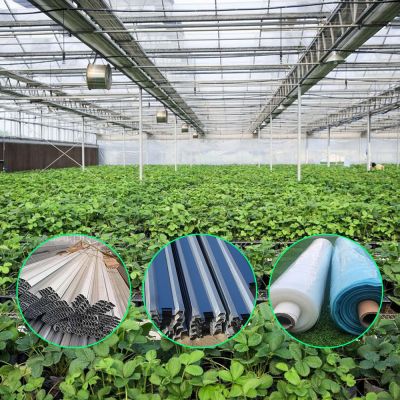
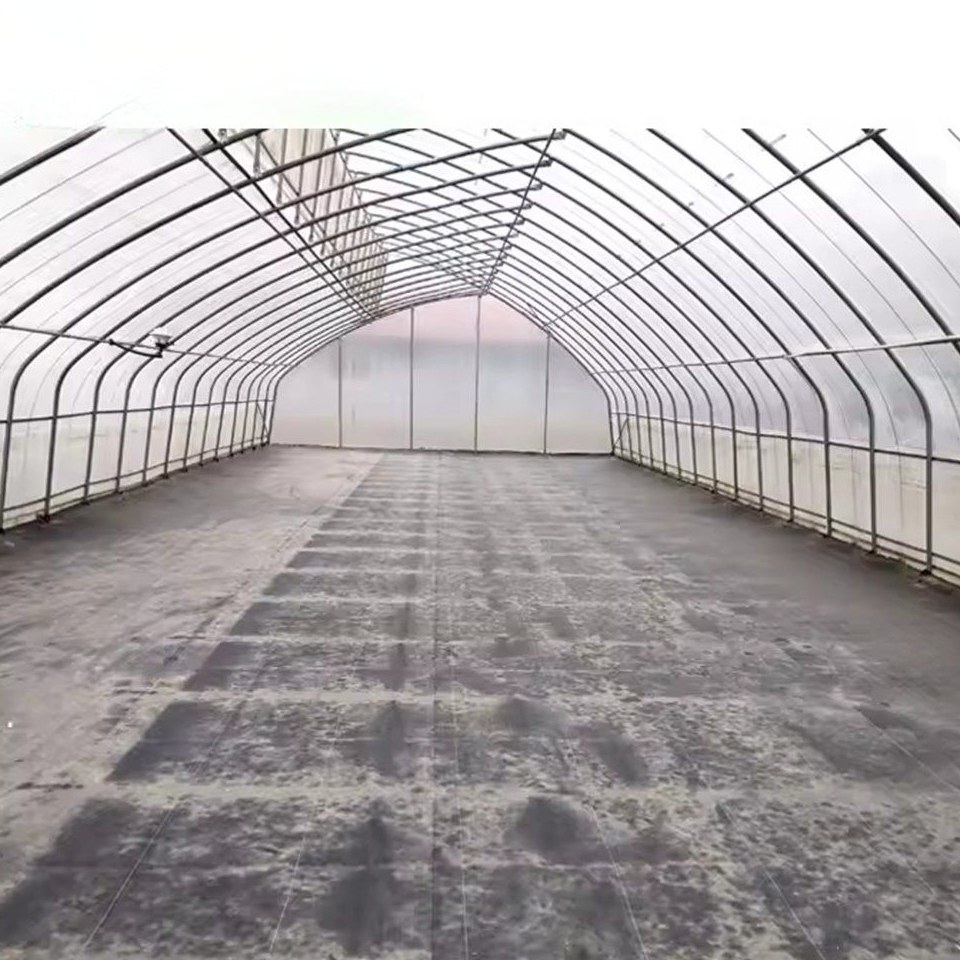
The frame is hot dip galvanized steel tube, formed into arched trusses and tied into a multi span block on shared gutters. Running several bays off one gutter is what keeps the floor open, which matters in tomato work because pickers and trolleys move down fixed rows for months at a time. Galvanizing is applied by hot dipping, so the zinc covers cut ends and bolt holes as well as the tube faces, and the frame resists the humidity of a working tropical house without depending on repainting.
Spans are built from 8 m to 12 m, gutter height from 3 m to 4.5 m, and the ridge sits 3 m to 8 m above ground depending on the span. Length is set from 10 m to 100 m by adding bays, so a grower can build to the block and extend later. The same frame system appears across the film greenhouse range on this site in single and multi span form.
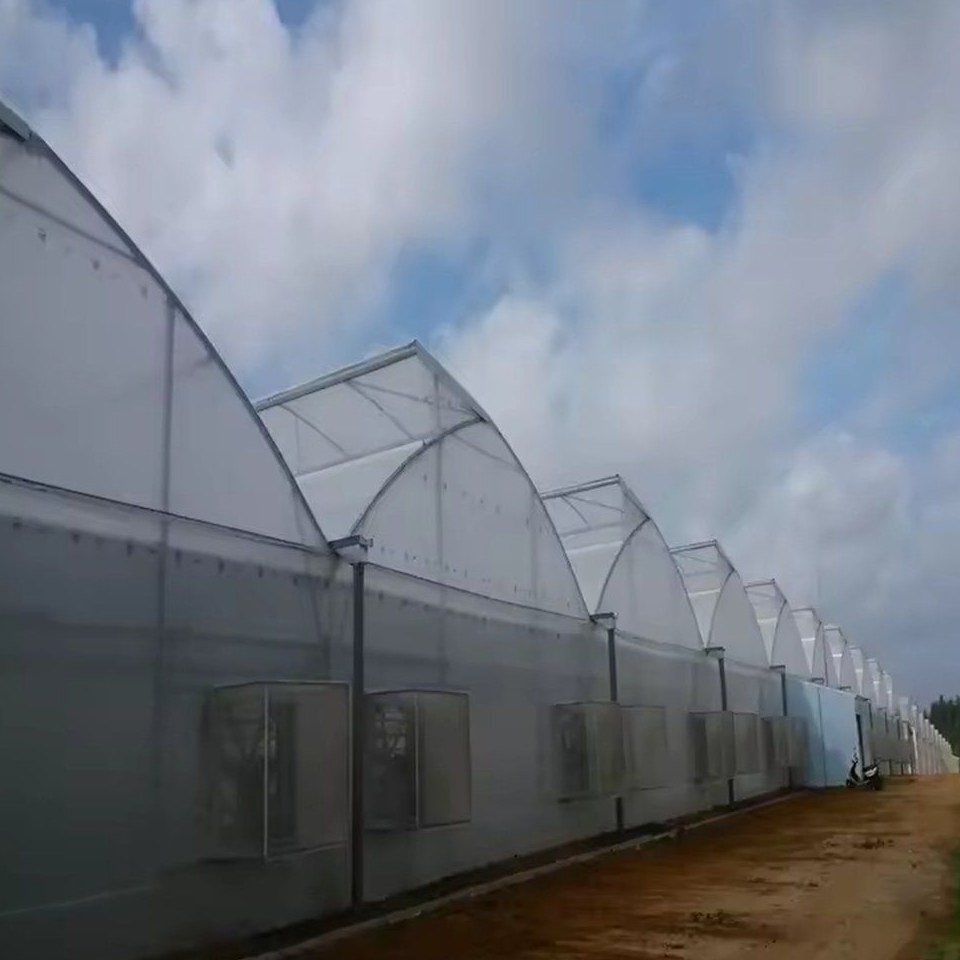
The cover is a PE film with UV resistant coating. In a tropical house the film has two jobs beyond keeping rain off. It has to pass enough light for fruit set and colouring, and it has to shed condensation onto the walls rather than drip onto the foliage, because a wet tomato canopy is where leaf mould spreads. An anti-drip film keeps droplets on the surface where they run down, which reduces the number of infection points on the lower leaves.
Tomatoes want steady light rather than peak light, and film cover holds that reasonably well through a long season. High night humidity also makes fruit set harder, which is why ventilation in this type of house is treated as a production tool rather than a comfort feature. A grower who wants a longer picking window can combine the film house with a turnkey hydroponic tomato greenhouse for part of the crop.
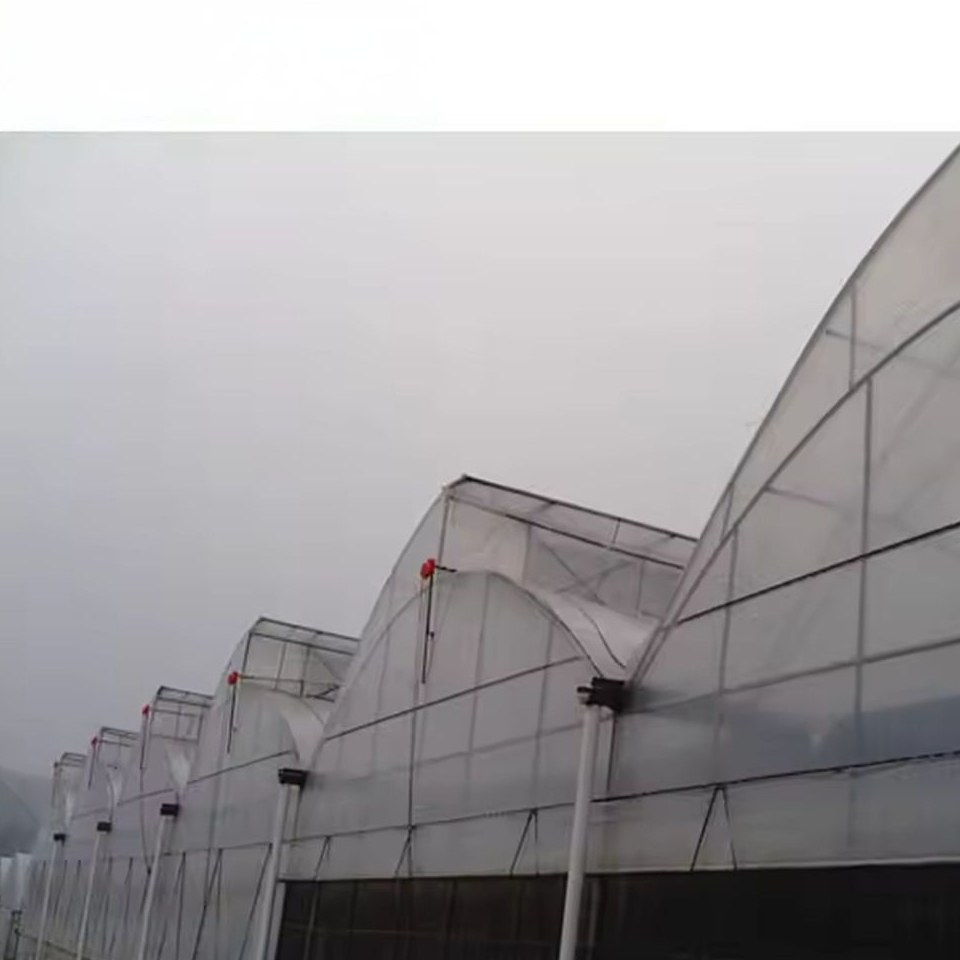
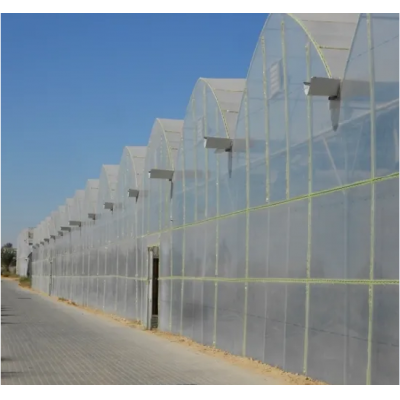
Ventilation does the heavy lifting in a warm, humid house. Side openings run along both walls and roll up from the bottom, so fresh air arrives at truss height, and ridge vents let the warm damp layer leave at the top. Run together they give a through-flow rather than a stack effect, which is what keeps the canopy dry overnight in a climate where the air outside is already saturated. The openings can be operated by hand or by a motorised unit, and in a multi span block the vents are usually grouped so one person can set the whole range.
Where the air outside is consistently warm, some growers also run a fan and pad or extraction system on the side walls to force more air changes than natural opening alone will give. The frame carries the load for those units without extra bracing. A simpler frame and film tunnel for a shorter crop cycle is described in the single span hydroponic greenhouse with film cover if the site does not need the full block.
The table below lists the standard build. Span, length, ventilation and cooling are set to the site and to the crop plan.
| Greenhouse span | 8 m / 9 m / 10 m / 11 m / 12 m |
| Greenhouse length | 10 m to 100 m, or built to client demand |
| Gutter height | 3 m to 4.5 m |
| Ridge height | 3 m to 8 m |
| Structure | Hot dip galvanized steel tube, arch roof |
| Cover | PE film with UV resistant coating |
| Ventilation | Side openings and ridge vents, manual or motorised |
| Crops | Tomato, cucumber and other warm season vegetables |
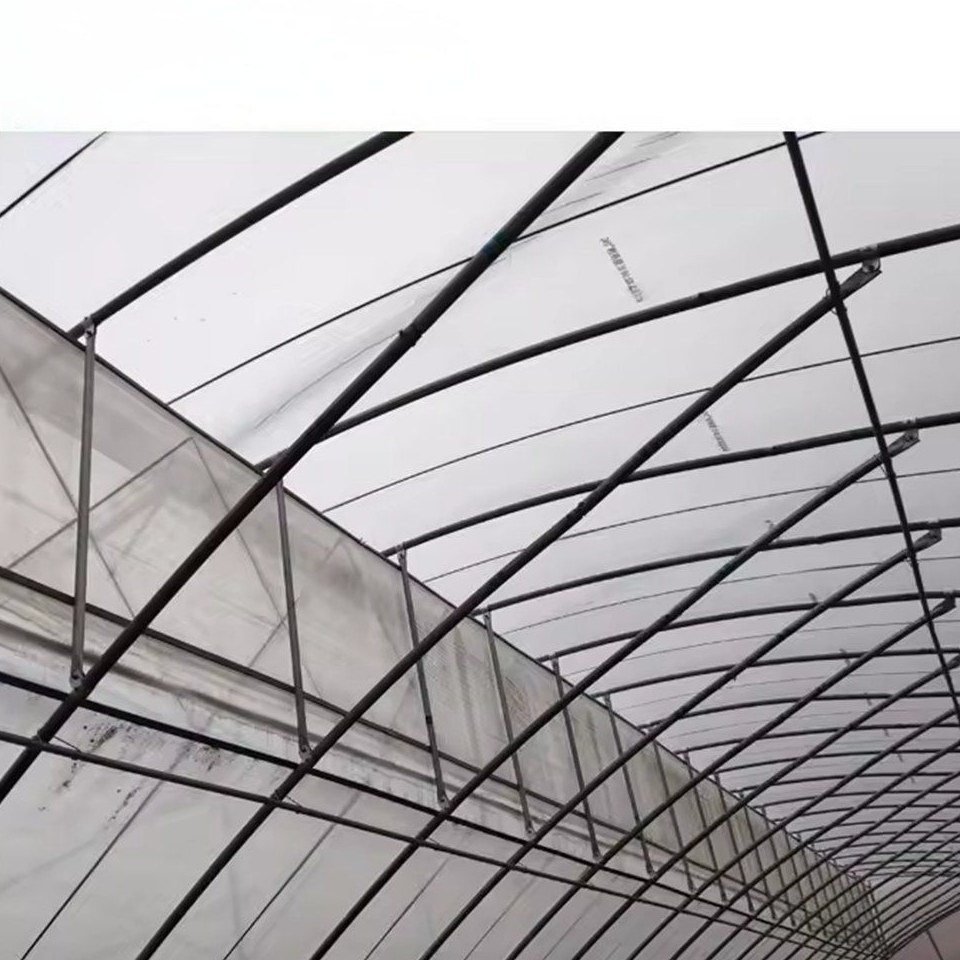
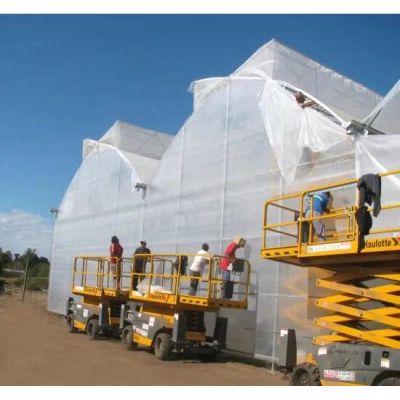
The house arrives as a bolted kit with arches, gutters, purlins, film and vent gear cut to the drawing. Work starts on a level pad, because a multi span block is squared as a whole and a twist in the first bay follows the house down its length. Ground posts or base plates go in first, then arches and purlins, and the film last so the frame is not loaded unevenly while it is being lined up. A block of this size is normally standing in two to four weeks on a prepared site.
In a warm climate the film is the part that ages fastest, because UV exposure runs all year rather than for a season, and cover life sits in the three to five year band. Walking the roof at the end of each season to catch chafing over the purlins is the least costly maintenance there is. Vent rollers, fan belts and the frame fixings at the first bay are the other items to check, and all three are simpler to keep moving than to rebuild.
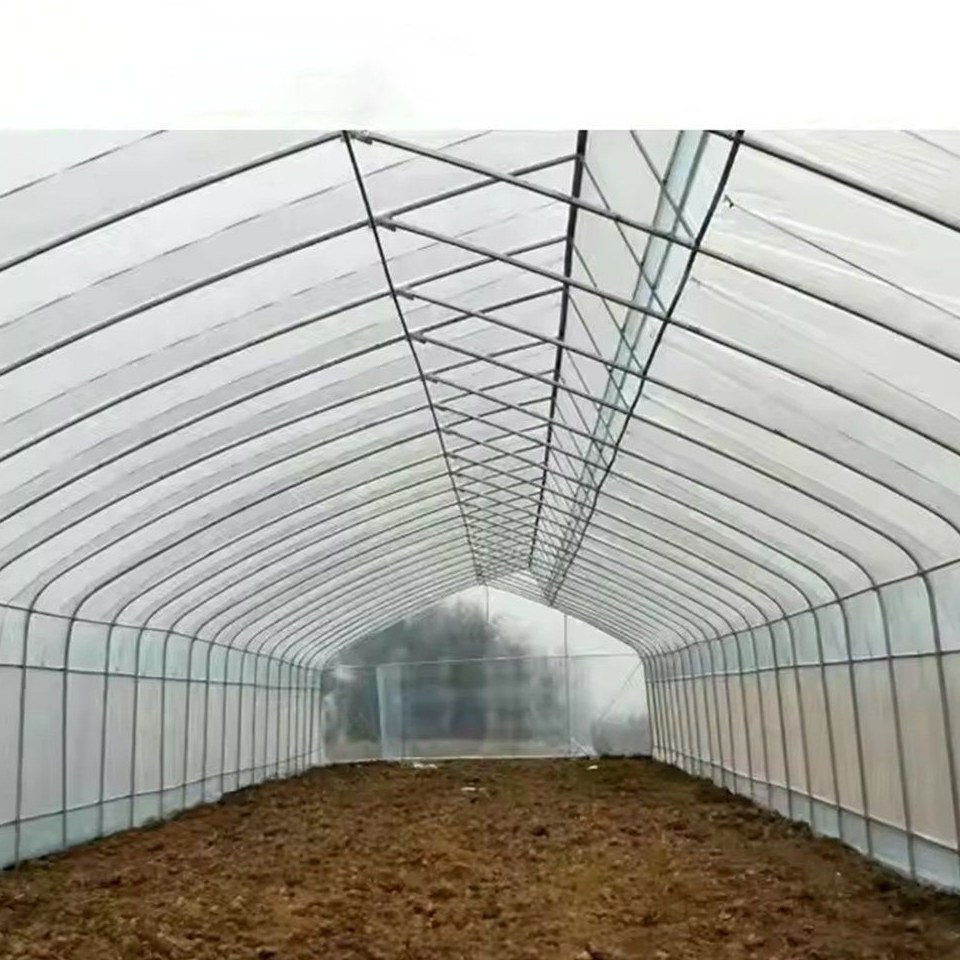
Houses of this type are used for tomato and cucumber production in warm and humid regions, for pepper and other warm season vegetables, and for seedling raising where the crop moves to the field or to another house later. The multi span block also suits a grower who wants one climate to manage across the whole range rather than a separate regime for each house.
Growers planning a crop calendar watch both the local market and the wider vegetable trade, and regional reporting on commodity prices and crop conditions, including through services such as Agriwatch, feeds into those planting decisions. Standards for structural and material testing used across horticultural buildings are published by ASTM International, which growers can refer to when specifying a frame or a covering.
Because the air outside is already humid, so a house that does not exchange air keeps a wet canopy through the night, which is where leaf mould and fruit rots start. Side openings working with ridge vents give a through-flow rather than letting the house sit still.
Yes. The floor between the gutters is kept clear by the multi span layout, so soil beds and gutter rows can be run in separate bays or in separate seasons without changing the structure. The ventilation and irrigation are set to whichever system is in use.
The galvanized steel pipe frame is rated for 15 to 20 years under normal growing conditions. The film cover is replaced on a three to five year cycle.
We provide a 10 year structural warranty and a 5 year anti-corrosion warranty on the galvanized frame. Details are set out in the contract for each project.
Send your site dimensions, the crops and bench layout you plan to use and your local wind and snow loads. We reply with a layout drawing and a full quotation.