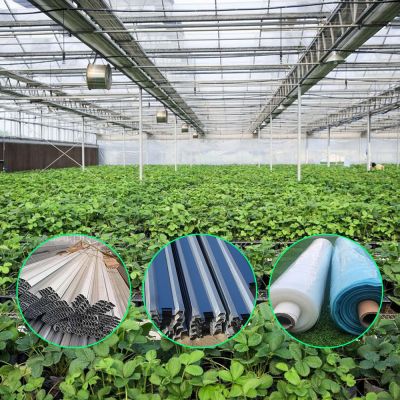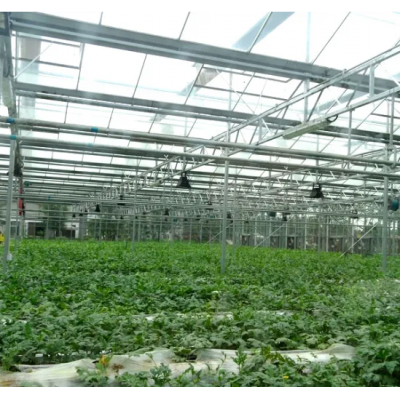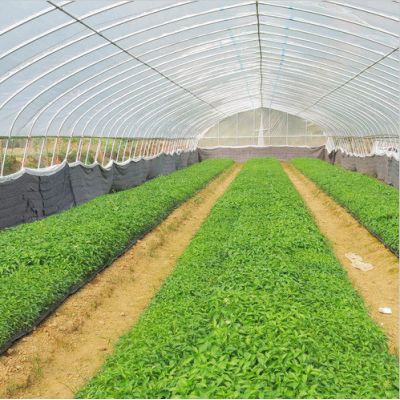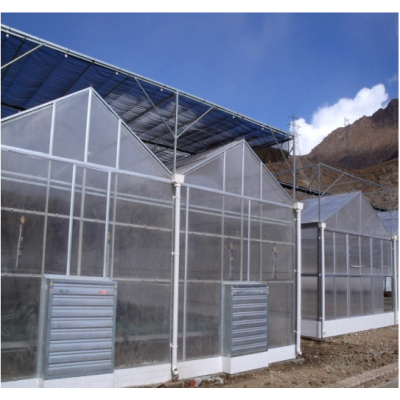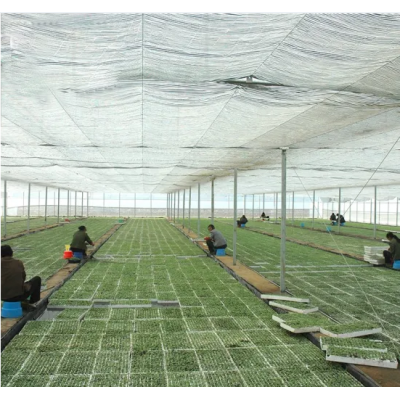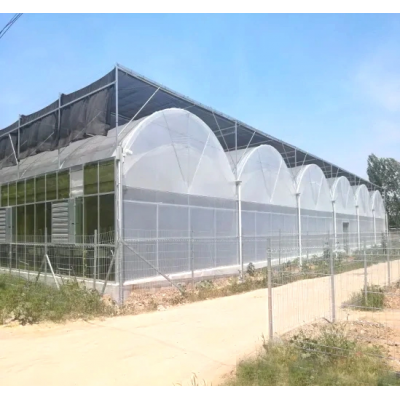
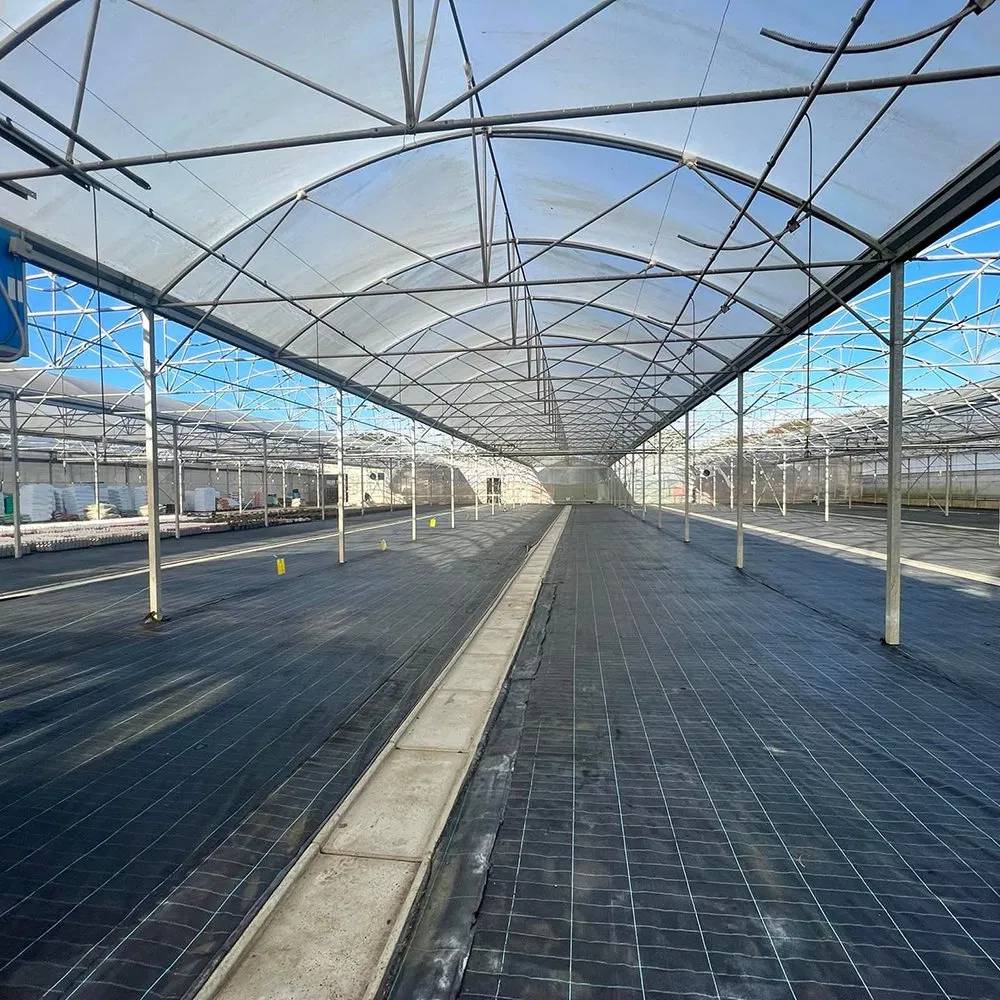
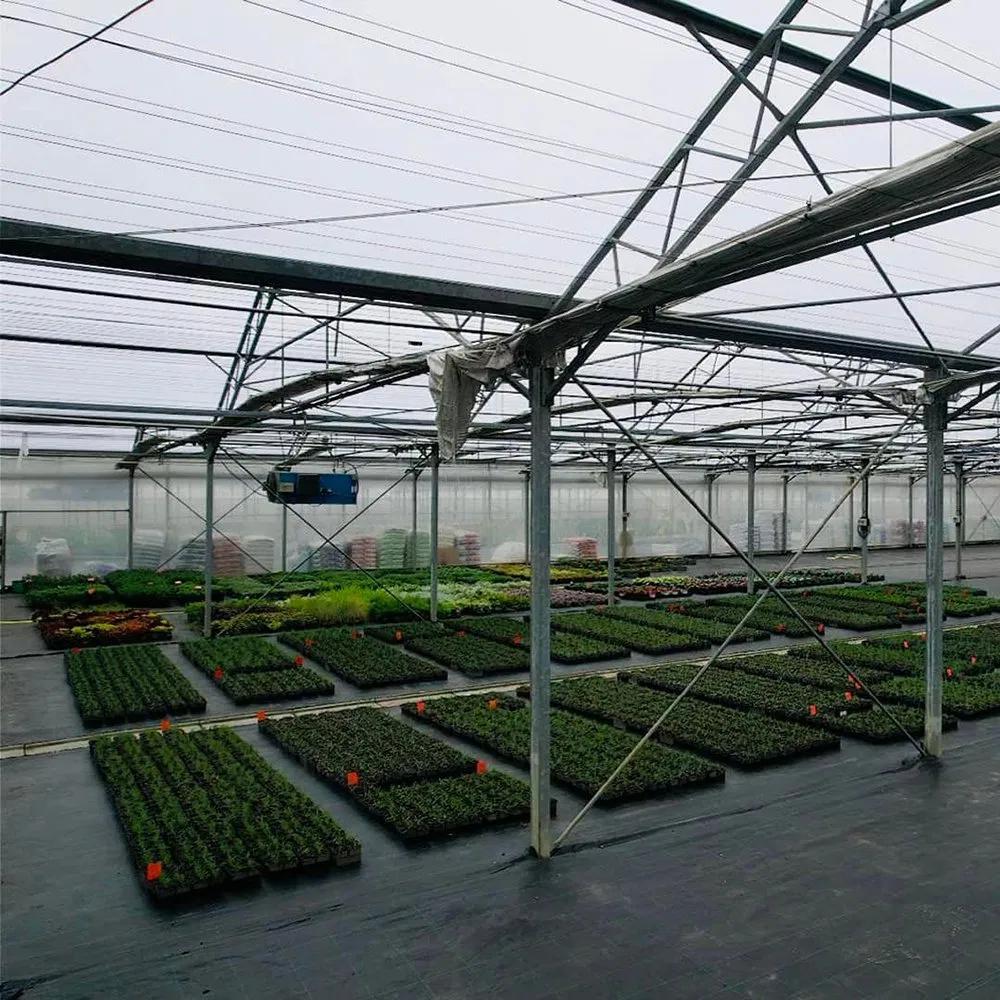
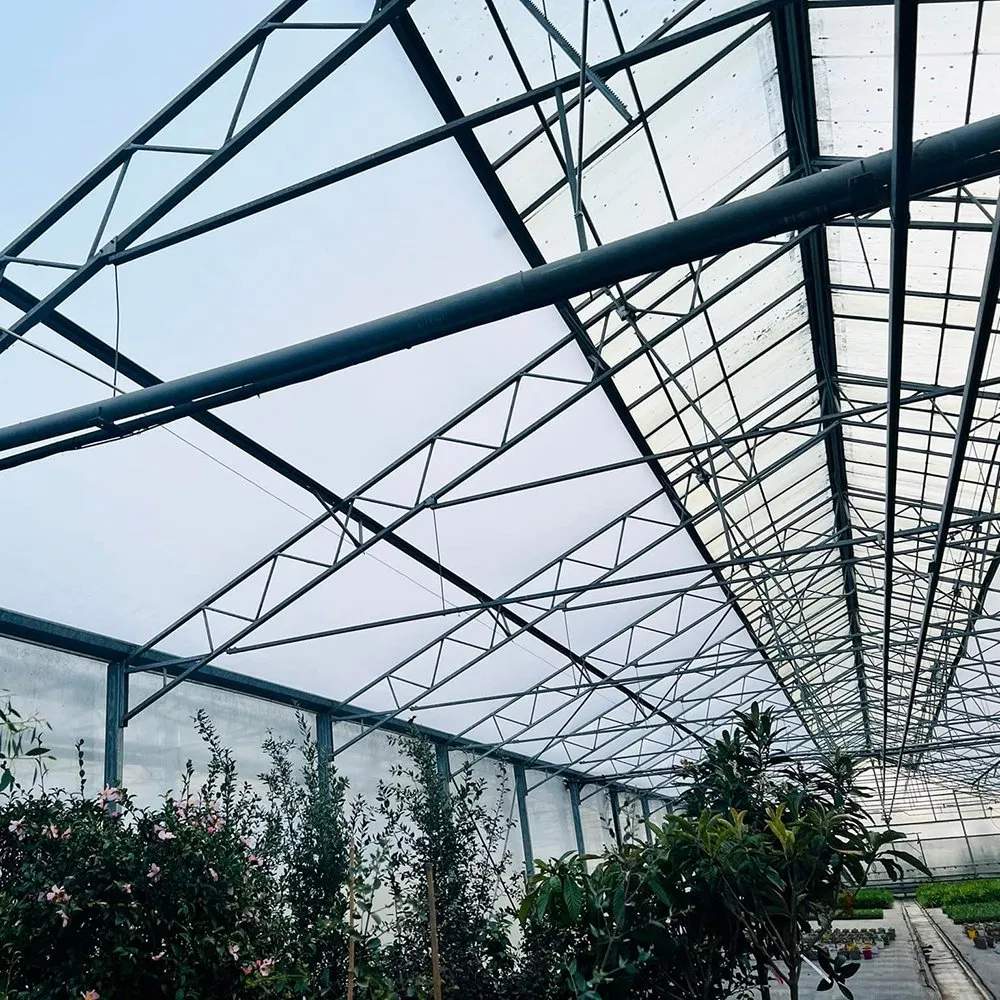
Light is the input a greenhouse cannot buy twice. This listing quotes a sunlight greenhouse on a galvanized steel or aluminium alloy frame with a PO or PEP film cover listed at ninety to ninety five percent transmission, a UV resistant coating and about three years of film life, in spans from eight to twelve metres and lengths from ten to a hundred metres. The frame choice is the other half of the decision: steel where snow load governs, aluminium where weight does.
A film house lives or dies on light. Everything inside it, from the crop to the benches, is a deduction from what comes through the cover. This page looks at the transmission numbers in this listing and at what erodes them over a season. It is part of the film greenhouse range on this site.
The listing quotes ninety to ninety five percent light transmission for a new PO or PEP cover with a UV resistant coating. That is the starting figure. It falls with dust, with condensation on the inside, with the yellowing that follows UV exposure, and with the shading of the frame itself. A house that quotes ninety five and reaches year three is closer to eighty five in practice.
The practical consequence is that cleaning and replacing the cover are yield decisions, not maintenance chores. Growers who treat the cover as a three year consumable plan for it; growers who treat it as permanent spend the third year wondering why the crop is slow.
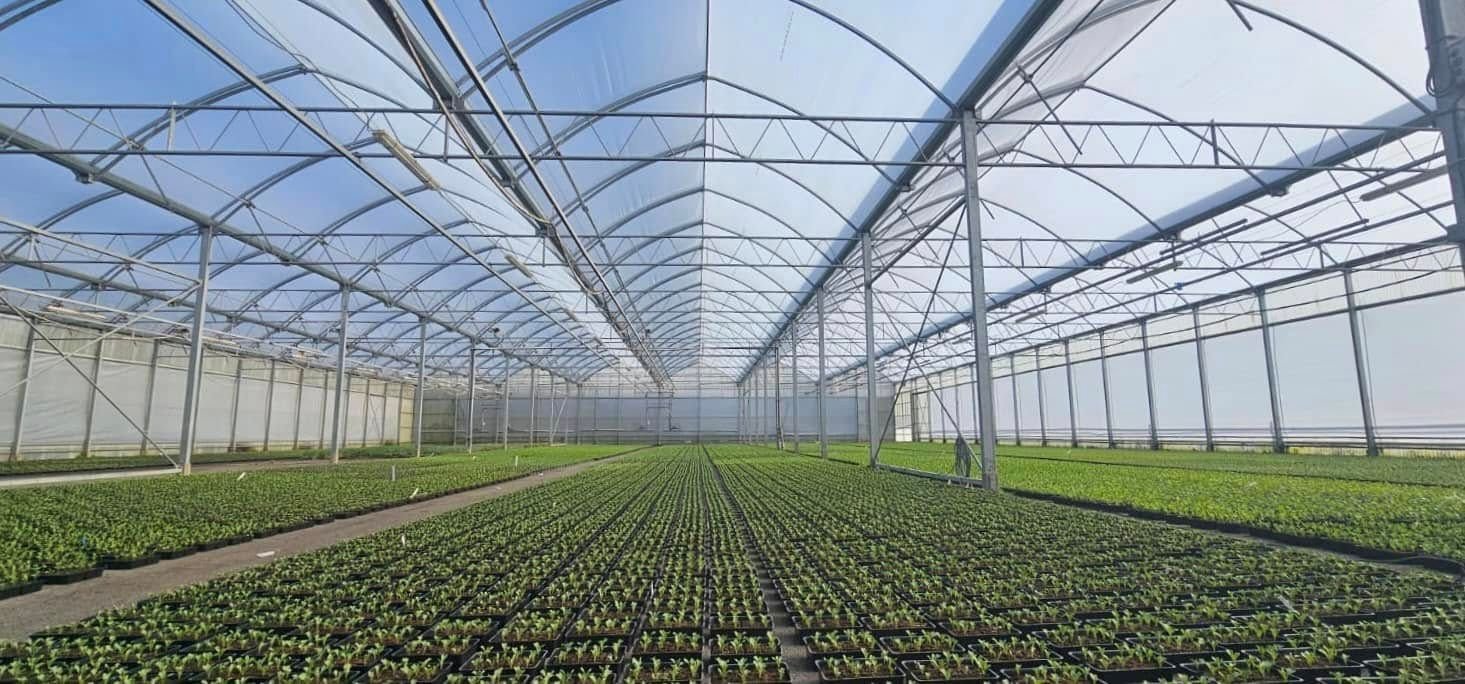
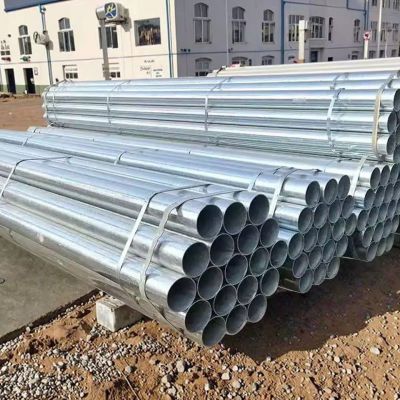
Both are quoted for this range. Galvanized steel is heavier and stronger, which matters where snow load or a wide span is involved; aluminium alloy resists corrosion without a coating and weighs less, which matters on a roof that has to be carried by the frame itself. On a small house the difference is marginal; on a twelve metre span it is structural.
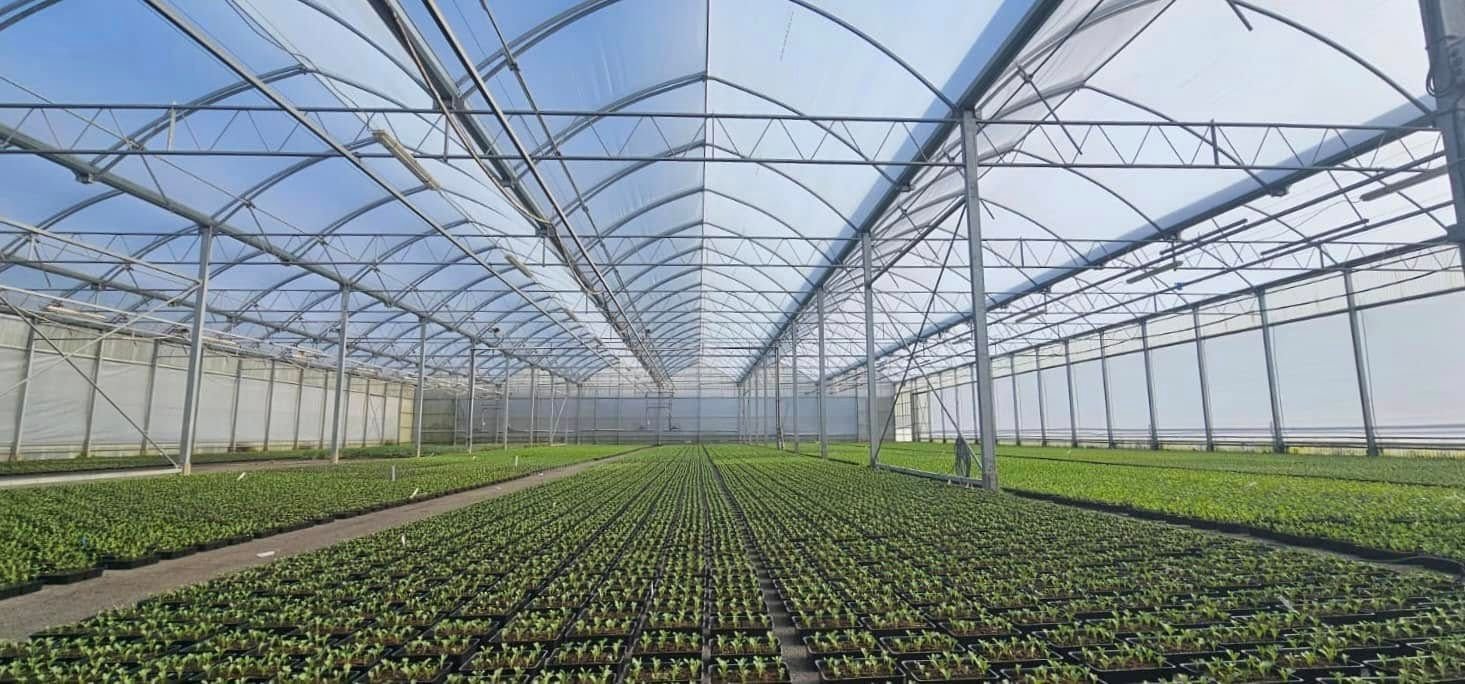
The third factor is the frame shadow. Every member casts a line of shade, and a heavier section casts a wider one. That is a small effect at the ridge and a bigger one along the gutters, where the cover sits closest to the crop.
| Structure material | Galvanized steel or aluminium alloy |
| Covering material | PO or PEP plastic film |
| Light transmission | 90 to 95 percent, new cover |
| UV protection | UV resistant coating |
| Film life | About 3 years |
| Insulation | Moderate, improved with a double layer |
| Ventilation | Roof vents and side vents, manual or automated |
| Heating | Optional, boiler or radiant heating |
| Span | 8 to 12 m, built to order |
| Length and height | 10 to 100 m long, 3 to 8 m high |
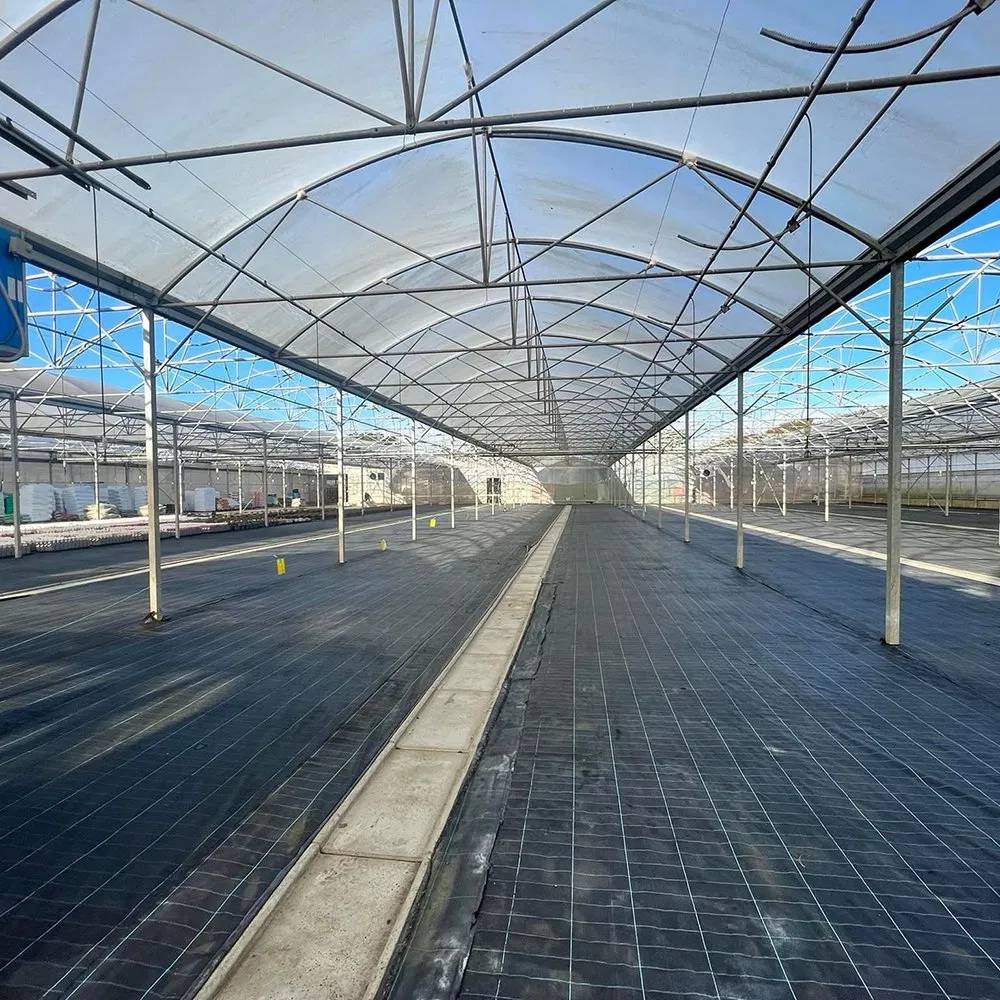
Four things take light away once the cover is on. Dust and algae on the outside are the first, and the least costly to fix. Condensation on the inside is the second; an anti-drip film moves the water to the frame instead of hanging it in the light path. The frame itself is the third. The fourth is anything hung inside: thermal screens left closed, shading that was meant for two weeks in July, lights that are off but still in the way.
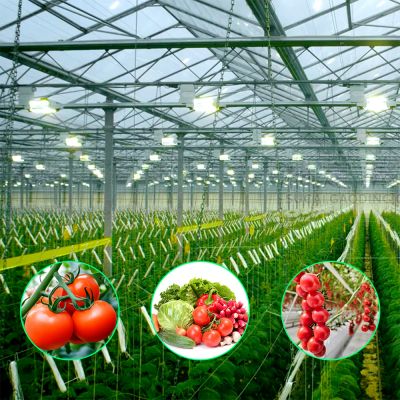
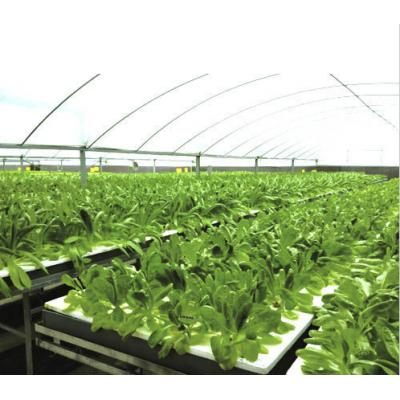
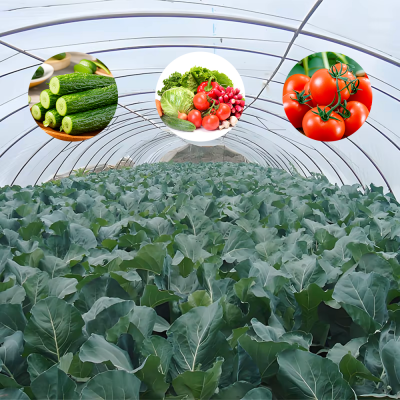
On a vegetable crop the losses compound, because a shaded leaf produces less and a slower crop shades its neighbour. That is why transmission is worth measuring with a meter once a season rather than judging by eye.
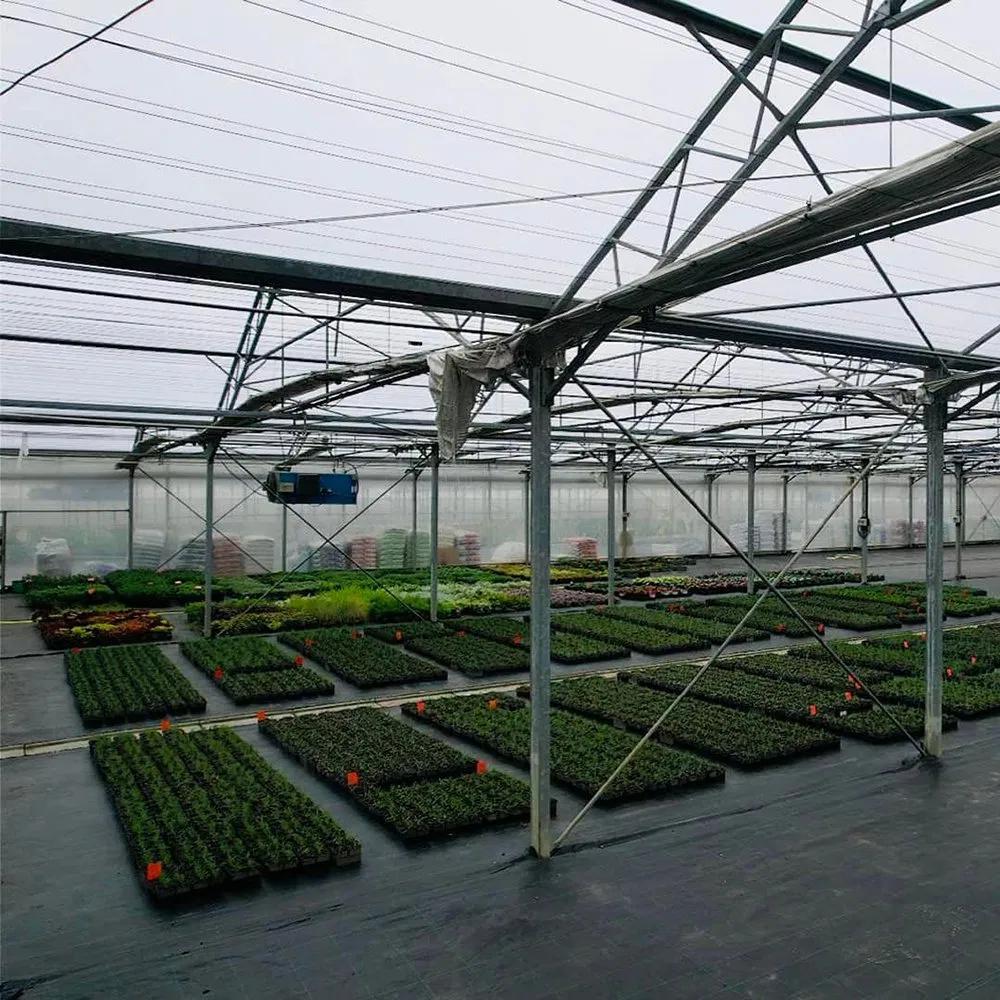
The listing names PO or PEP film with a UV coating and about three years of life. Three years is the planning number, not a guarantee for every climate: a high altitude site with strong UV will shorten it, and a coastal site with salt will shorten it further.
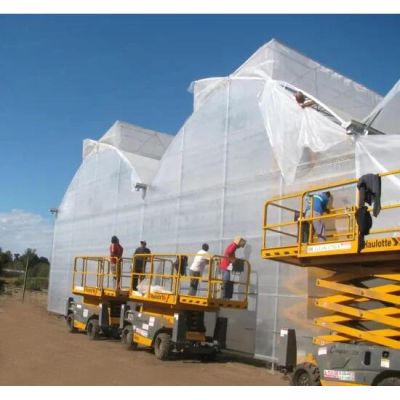
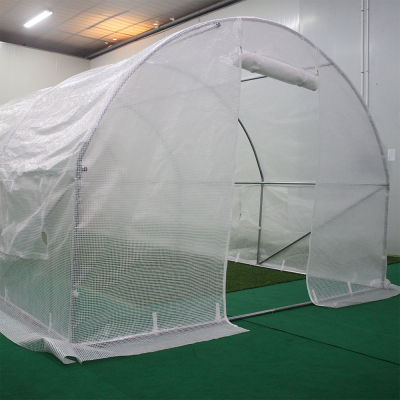
Replacement is easier if the frame was designed for it. A cover held with clamps and a channel can be recovered bay by bay on a still morning; a cover fixed with battens and staples takes a crew a full day and needs calm weather.
A glass house with the same span logic is described on the Venlo glass vertical house page, and a low cost arch film house on the low cost arch film house page.
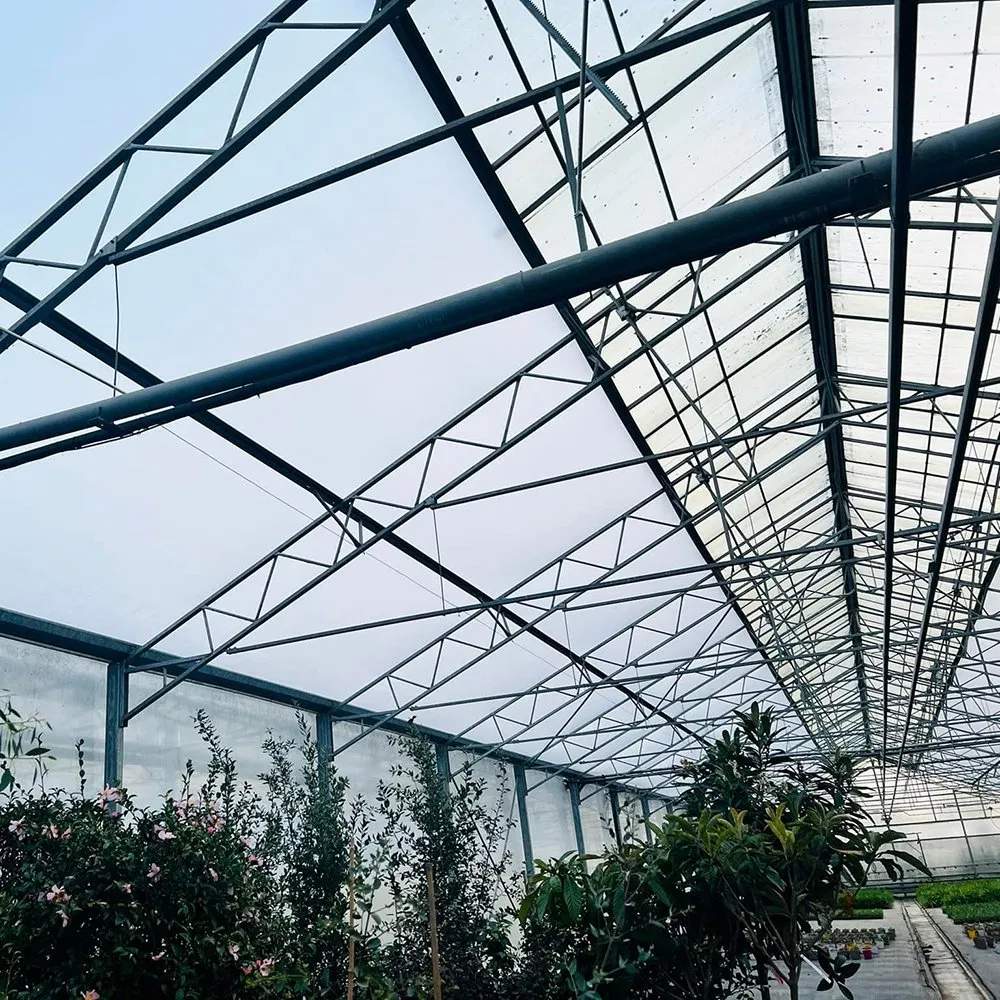
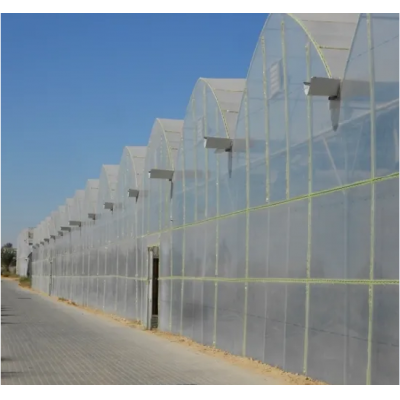
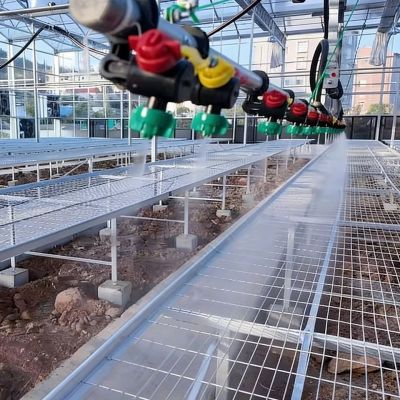
Roof and side vents can be manual or automated, and the listing offers both. On a vegetable crop the automated version pays for itself in consistency: the house opens at the same temperature every morning rather than when someone arrives.
Humidity is the number to watch, not temperature. A film house holds moisture well, and a leaf that stays wet through the night is a leaf that gets disease. Ventilation designed to exchange air at crop level, rather than only at the ridge, is the structural answer; the operational answer is opening early.
Extension guidance on greenhouse production is published by NC State Extension, and produce trade coverage by Perishable News.
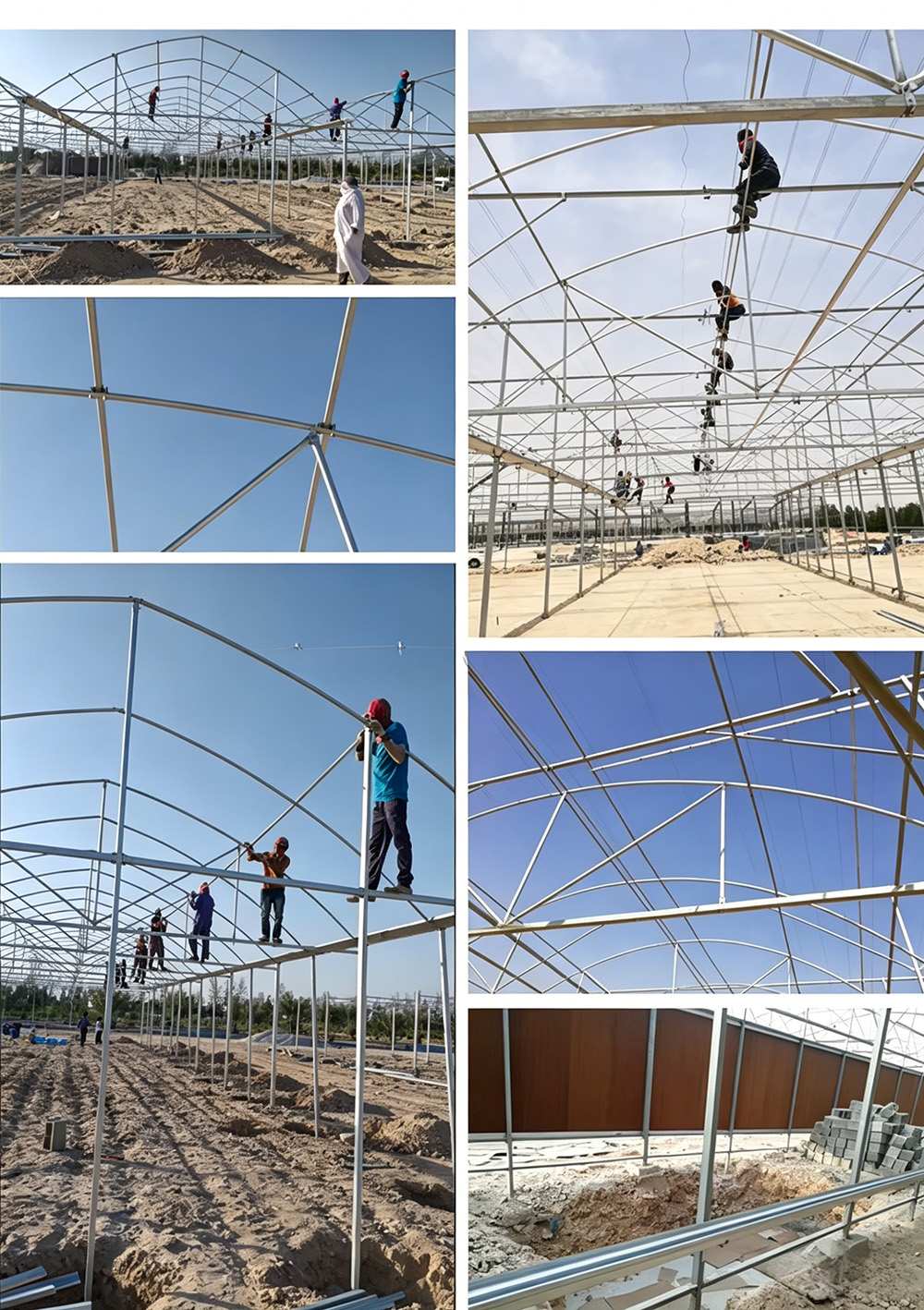
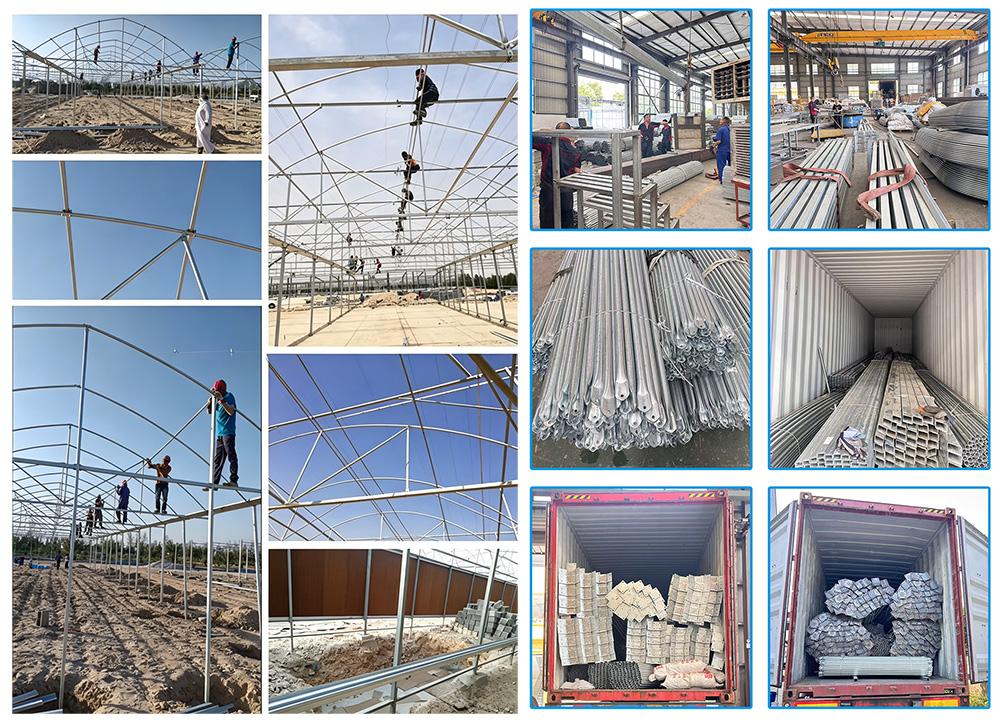
A standard multi-span greenhouse is typically erected in 2-4 weeks, depending on the span, the number of bays and site access. Foundation work and glazing are the two stages that set the pace, and both are scheduled before the frame arrives.
The hot-dip galvanized steel frame carries a 10-year structural warranty covering structural safety, plus a 5-year warranty against corrosion perforation. It is designed for a 15-20 year service life. Film covers carry a 3-5 year UV warranty depending on grade.
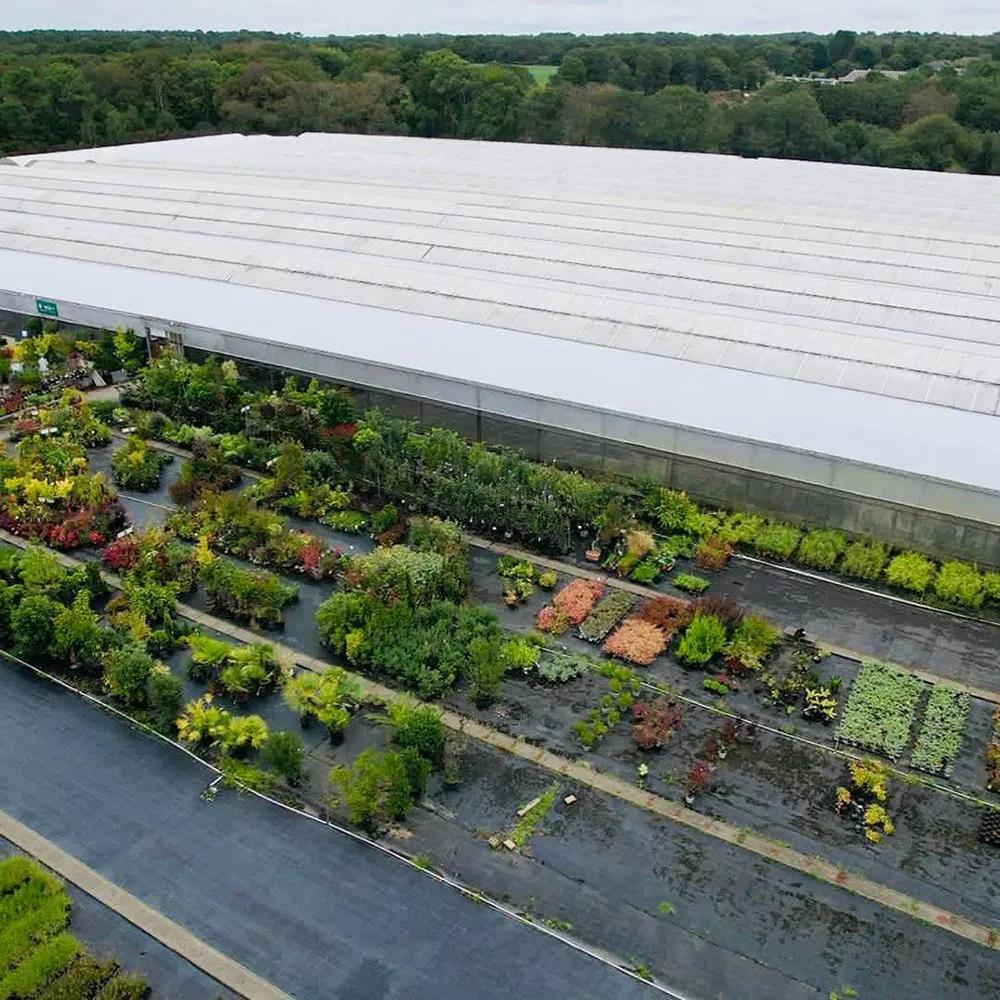
Film suits low-cost tunnels on 3-5 year replacement cycles. Glass delivers the highest light transmission and the longest lifespan, at the highest cost. PC sheet insulates better than film and suits cold or high-humidity climates. The right choice depends on climate, crop and budget.
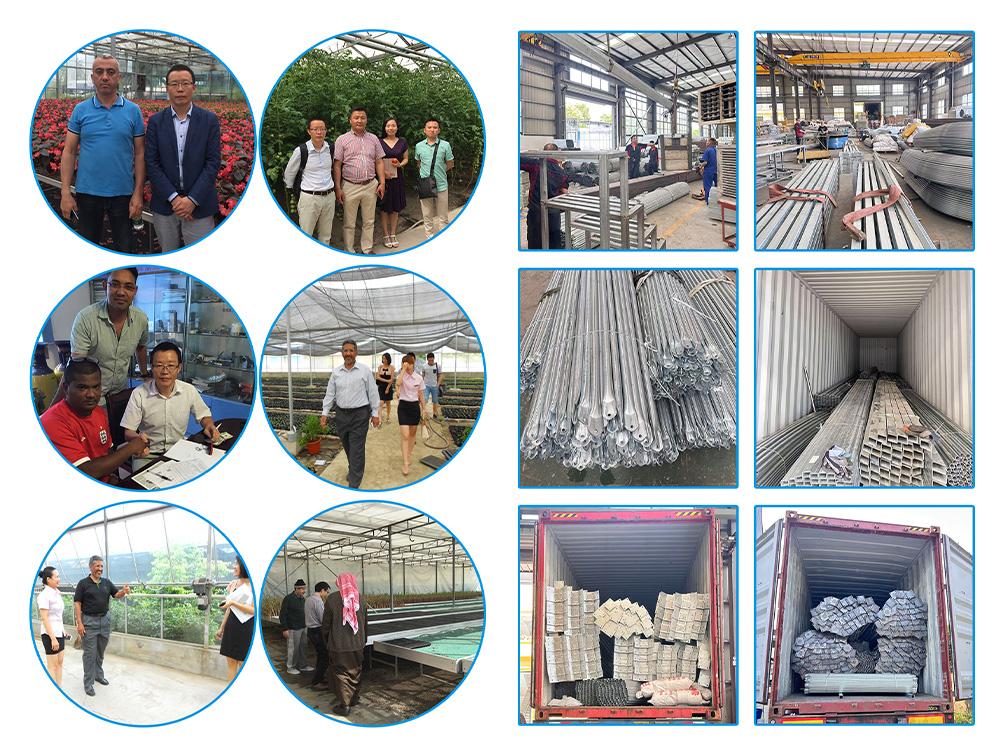
Ziyang Bozong Greenhouse Industry Co., Ltd. is a manufacturer based in Ziyang, Sichuan, China. We produce the hot-dip galvanized steel frame in-house, cutting and drilling to drawing, and supply covering materials, ventilation, cooling and irrigation systems as one coordinated package.
Take galvanized steel where snow load or a wide span governs, and aluminium alloy where weight and corrosion resistance matter more than stiffness. Tell us the local snow load and the widest span you plan, and the section can be quoted for that combination rather than for a default.
The listing quotes ninety to ninety five percent for the new cover with a three year life, and it does not give a degradation curve. In practice the loss is gradual and shows up as slower growth rather than as a visible failure, which is why a light meter reading once a season is more useful than a calendar.