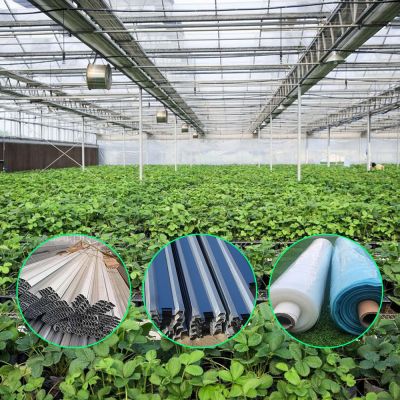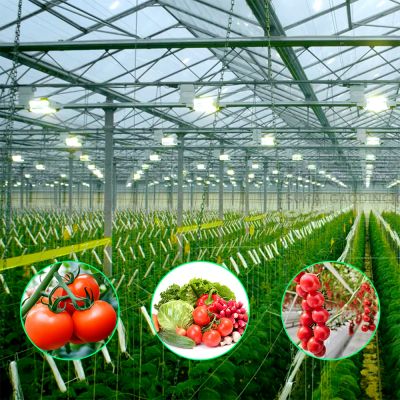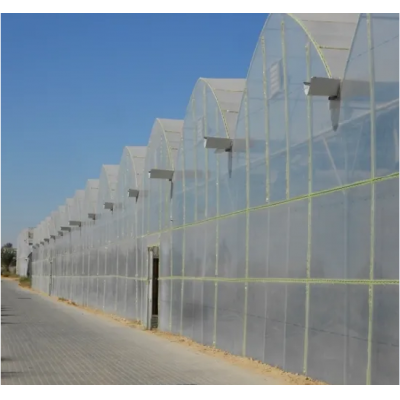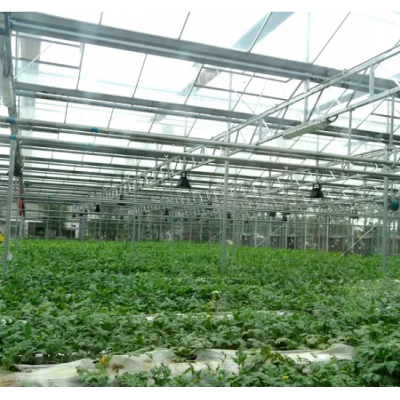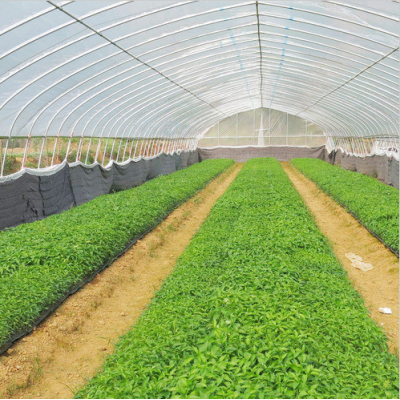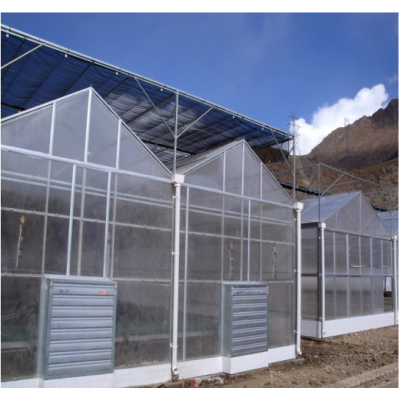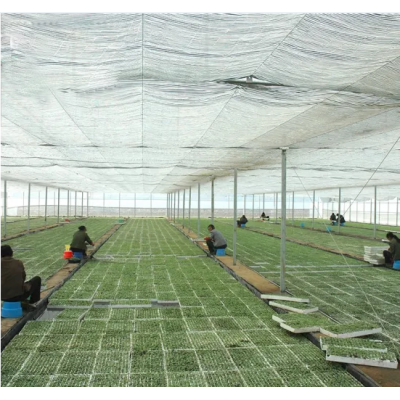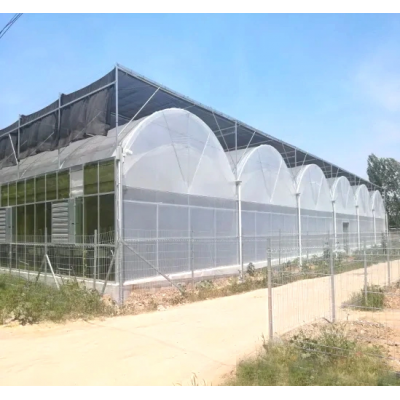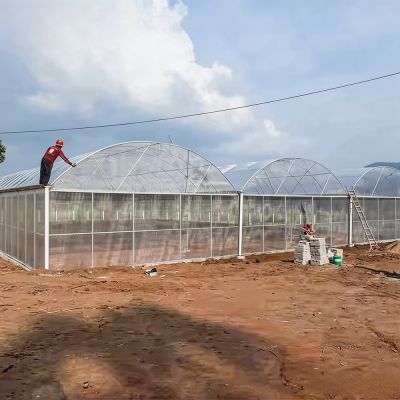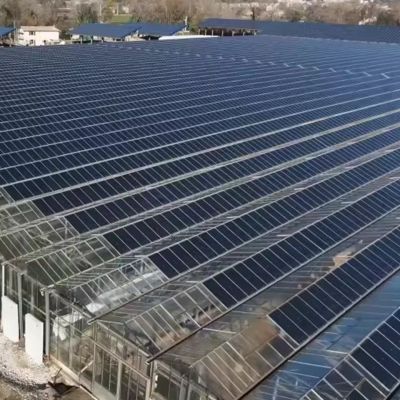
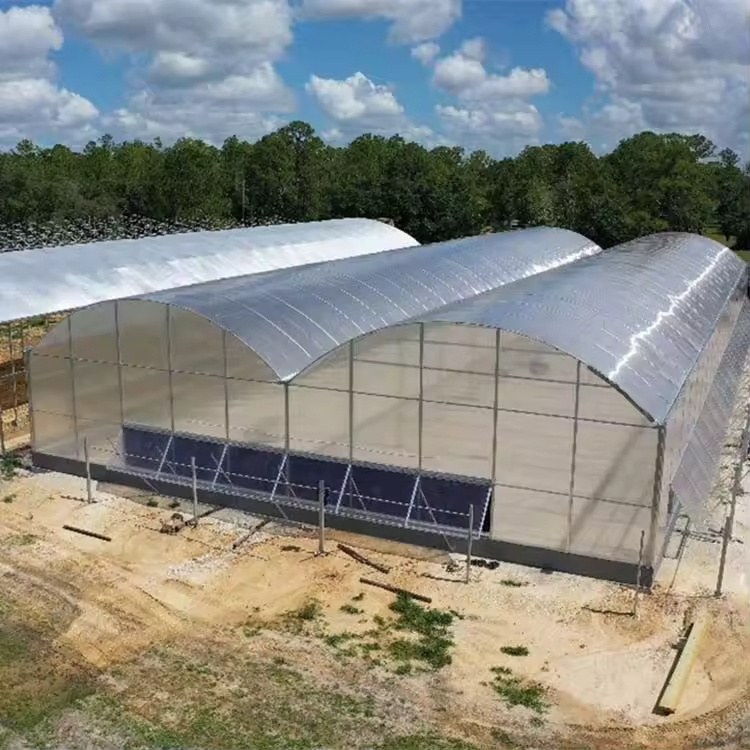
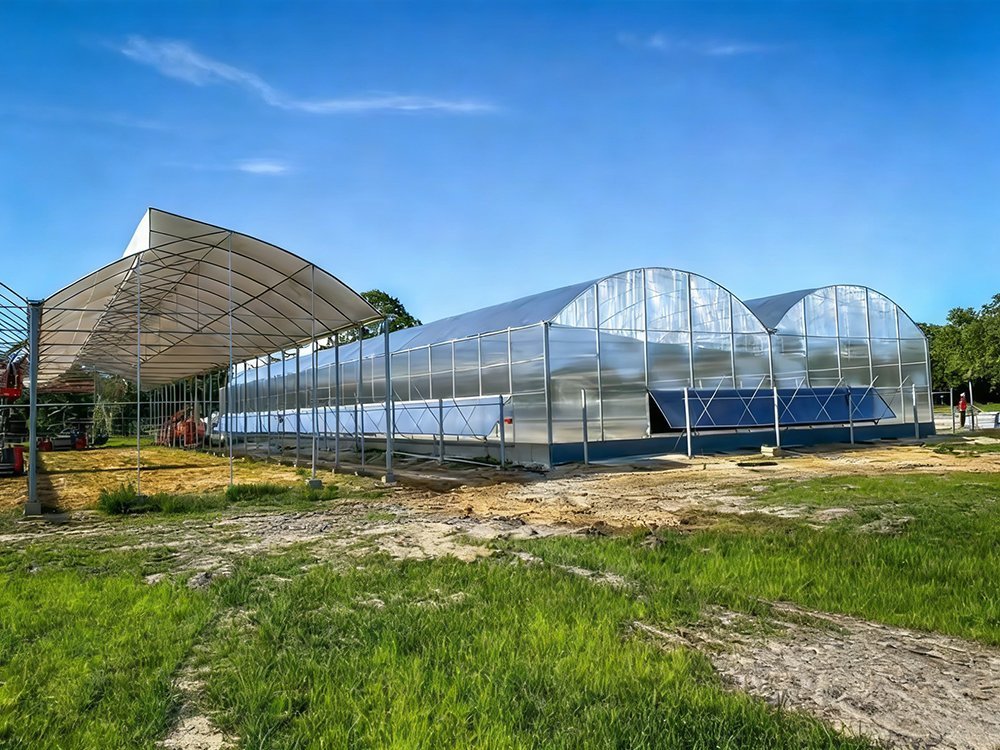
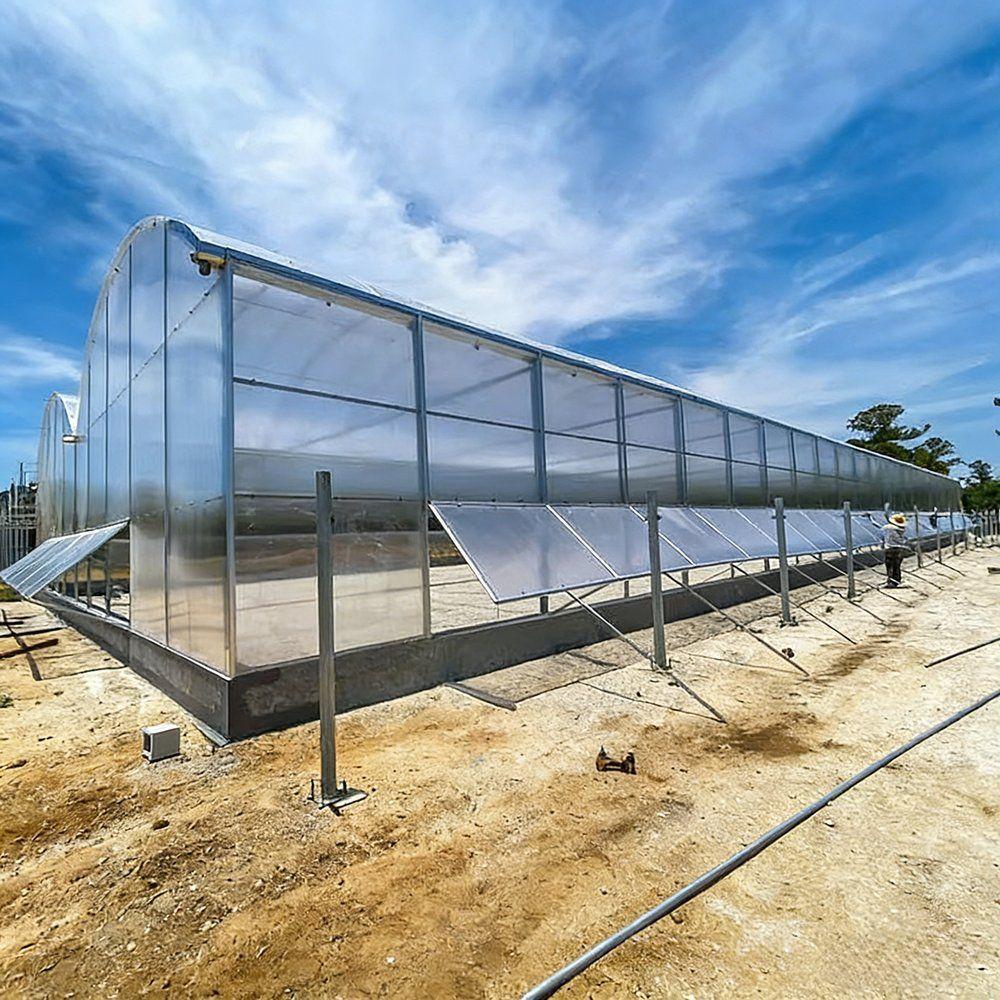
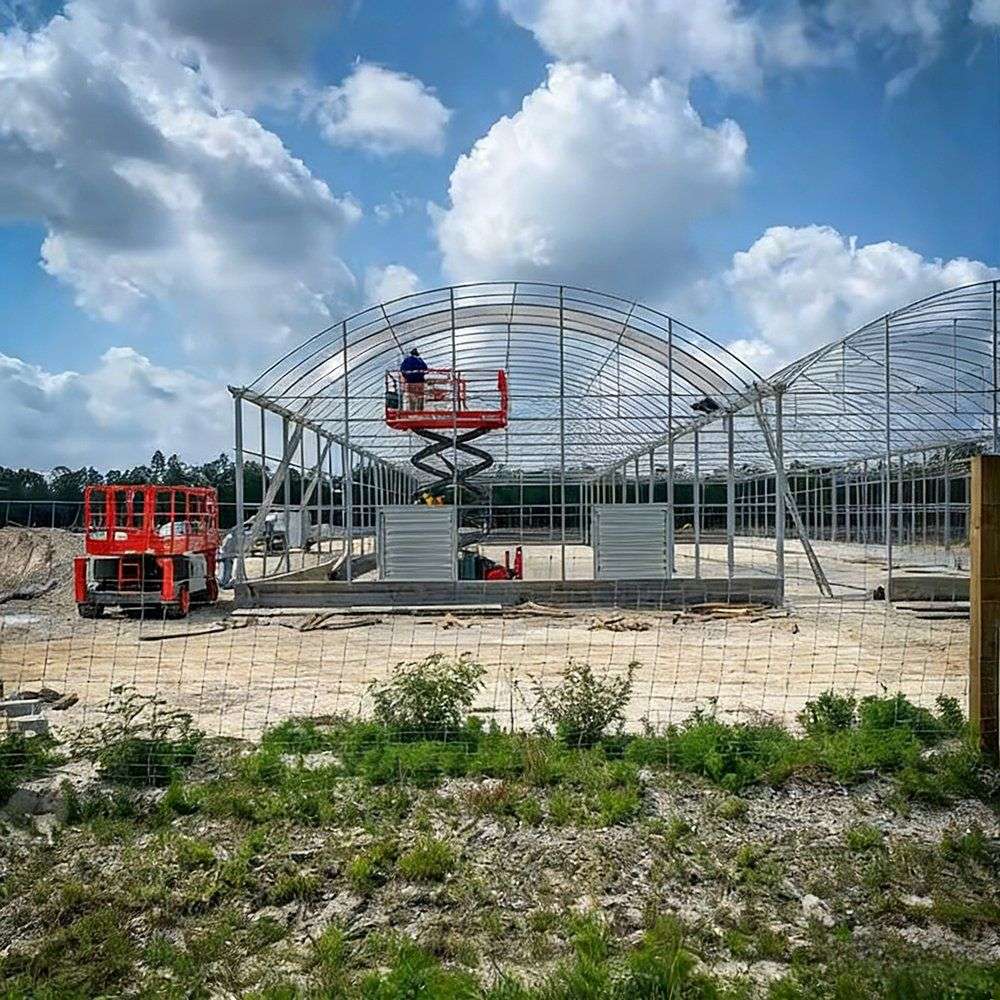
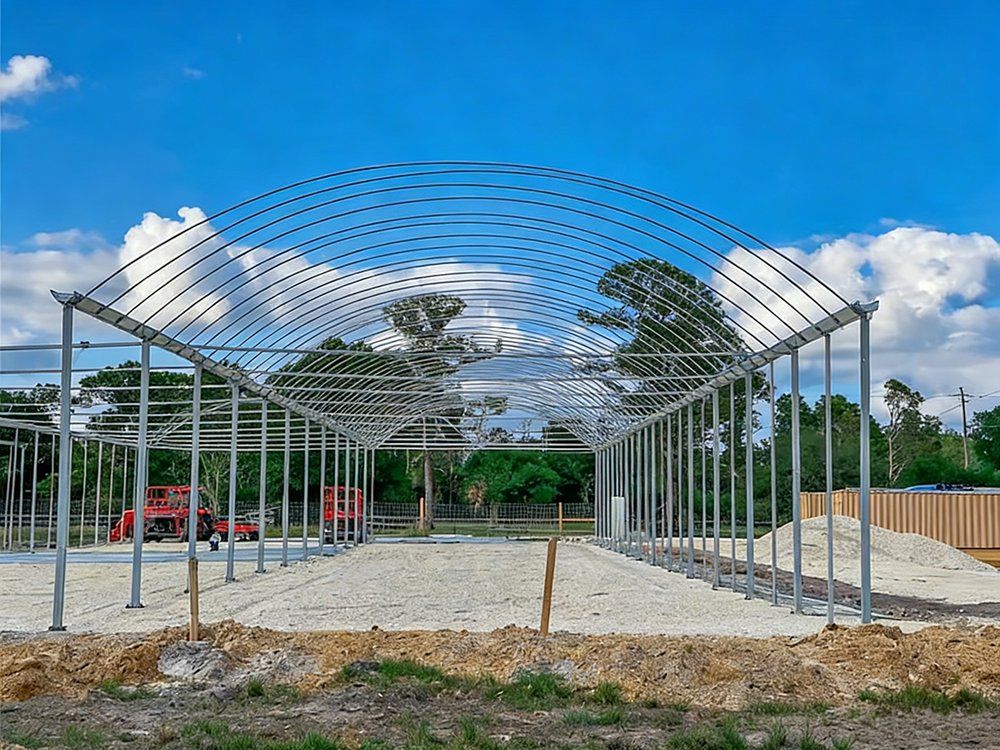
This turnkey hydroponic tomato greenhouse arrives as a complete package, so the buyer deals with one supplier from frame through to cropping setup. The structure is a galvanized steel frame carrying polycarbonate sheet instead of film, which holds heat and diffuses light onto the canopy. Single span widths run 9.6 m, 10.8 m and 12 m with a single bay width of 4 m, and heights go from 4.5 m to 8 m, which suits tomato rows trained high. Wind resistance is rated to 120 km per square metre and snow resistance to 30 to 55 kg per square metre.
Buying a greenhouse as separate packages, structure from one supplier and covering from another, tends to push the problems onto the grower when something does not line up. This turnkey hydroponic tomato greenhouse is supplied as a single package, from the galvanized frame through to the PC sheet covering, sized for commercial tomato production.
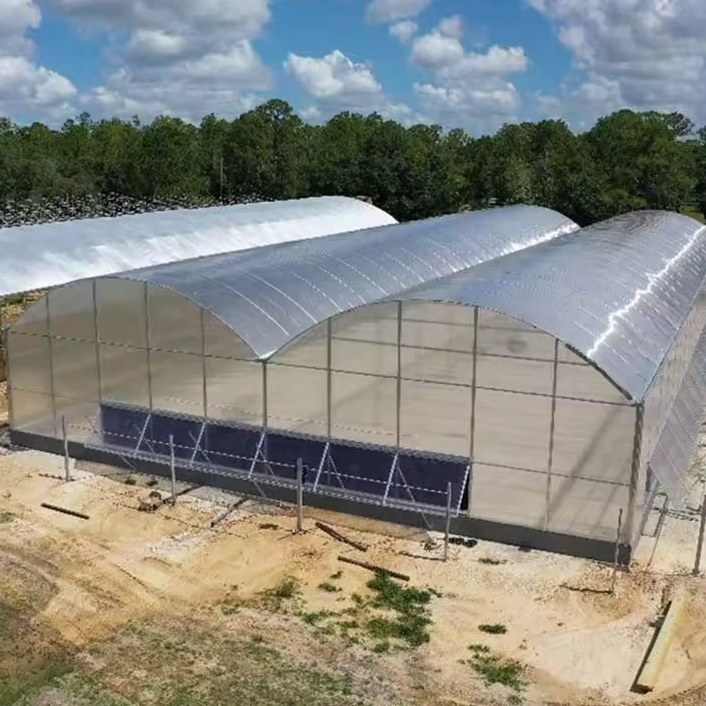
The frame is galvanized steel, and the covering is polycarbonate sheet rather than film. That choice matters for tomatoes, because PC diffuses light across the canopy instead of concentrating it, which reduces leaf scorch on the upper trusses, and the sheet holds heat better overnight than single skin film, so the crop is not knocked back on cold nights. Single span widths run 9.6 m, 10.8 m and 12 m with a 4 m bay, and total heights of 4.5 m to 8 m give the vertical room that high wire tomato training and hydroponic gutters need. Wind resistance is rated to 120 km per square metre, snow resistance to 30 to 55 kg per square metre, maximum rain handling to 140 mm per hour, and crop loading to 15 to 30 kg per square metre. Growers planning protected tomato cropping often follow extension guidance such as that published by Michigan State University horticulture, and trade reporting on FreshPlaza.
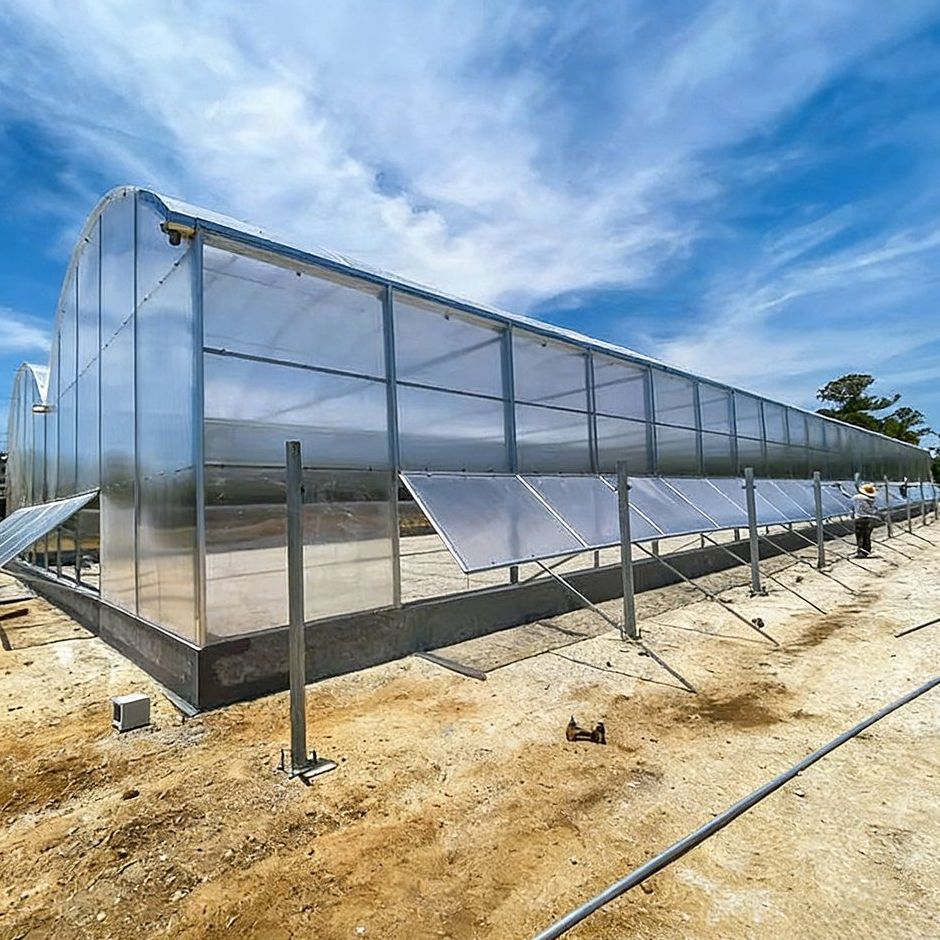
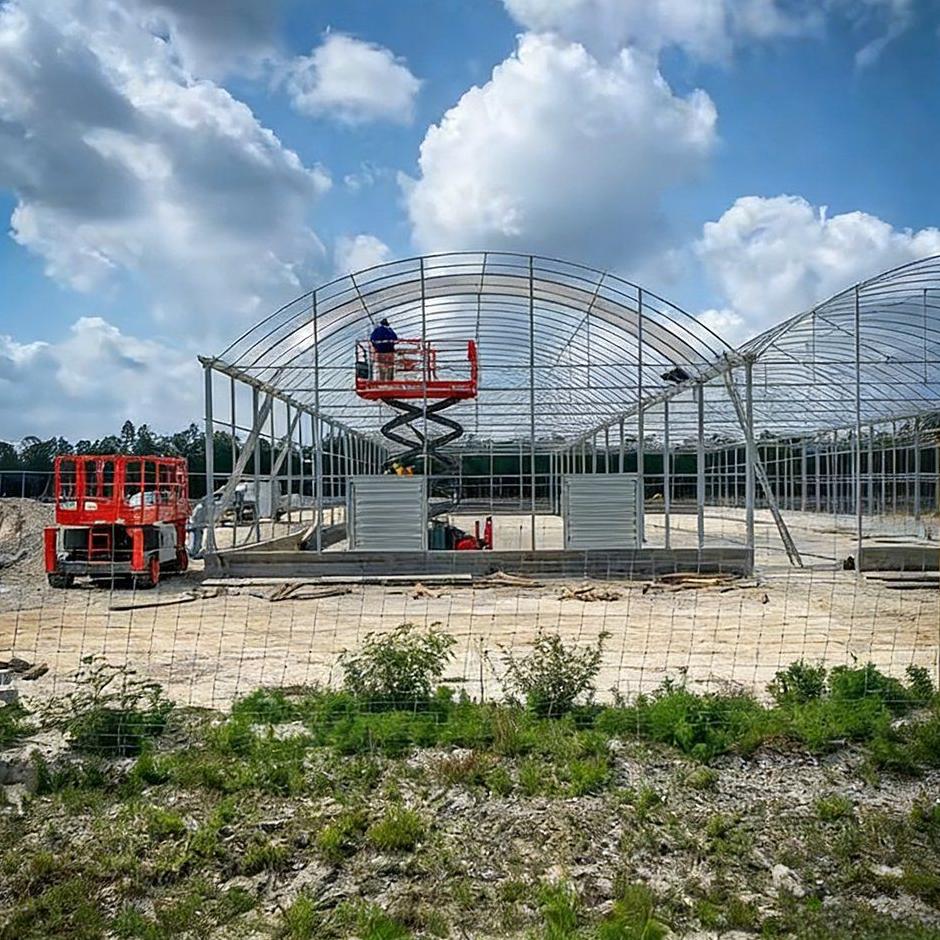
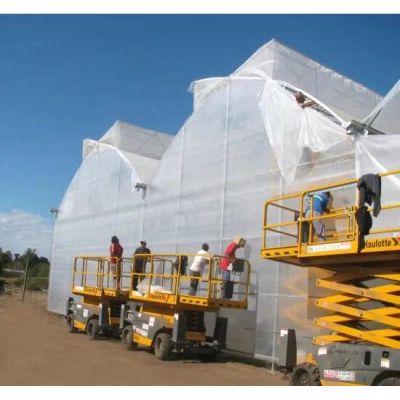
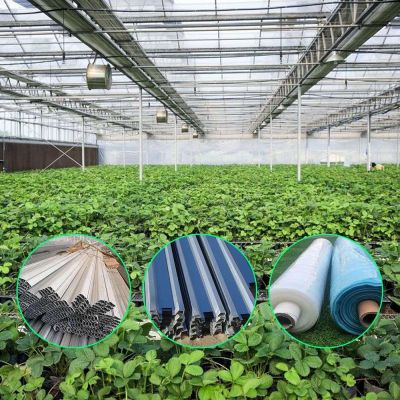
Because the house is supplied turnkey, the frame, covering, fixings and layout all come from one source, which removes the coordination work of matching parts from different suppliers. The frame arrives as pre drilled galvanized sections that bolt together on a prepared base, and PC sheets are fitted to the frame once it is up. Maintenance is lighter than for a film house. PC sheet is cleaned rather than replaced on a short cycle, so the routine is washing the cover to hold light transmission, checking seals and fixings before each season, and keeping gutters and drainage clear.
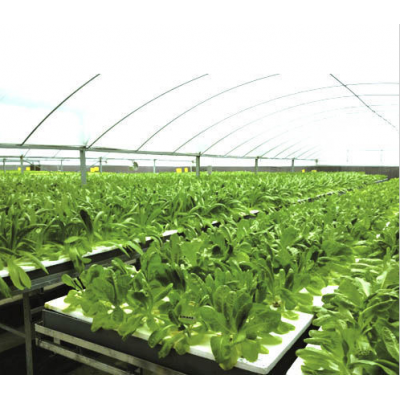
These houses suit commercial hydroponic tomato production, and the same structure carries other high wire crops such as cucumber and pepper, as well as leafy production where steady temperature matters. The higher spans suit gutters and internal transport equipment. Compare our PC greenhouse range and the greenhouse hydroponics system, or review our polycarbonate sheet glass greenhouse for a different covering build up.
It means the frame, PC sheet covering, fixings and layout come from a single supplier as one package, so parts are designed to fit together and the buyer is not left coordinating between suppliers if something does not match.
PC sheet diffuses light across the canopy, which reduces scorch on the upper trusses, and it holds heat better overnight than single skin film. It also lasts far longer before it needs attention, so replacement cost is lower over the life of the house.
Heights run 4.5 m to 8 m. For high wire tomato training and hydroponic gutters, the taller end of that range gives more room for the crop canopy and for internal equipment.
Wind resistance is rated to 120 km per square metre and snow resistance to 30 to 55 kg per square metre, with maximum rain handling of 140 mm per hour. Send your local design loads and we will confirm the specification.
Send your span, length and height, your crop, and your local wind, snow and rain loads. We reply with a layout drawing and a full turnkey quotation covering frame, PC sheet, ventilation and fittings.