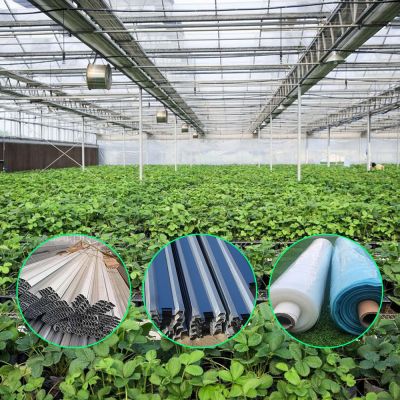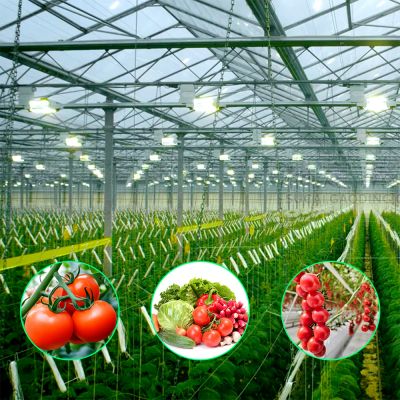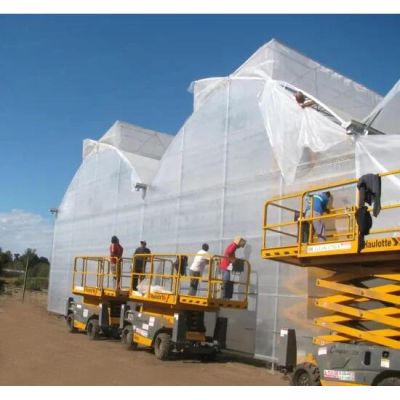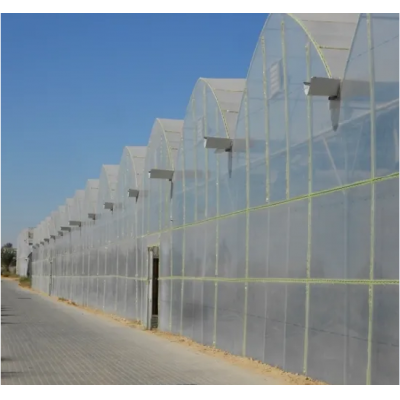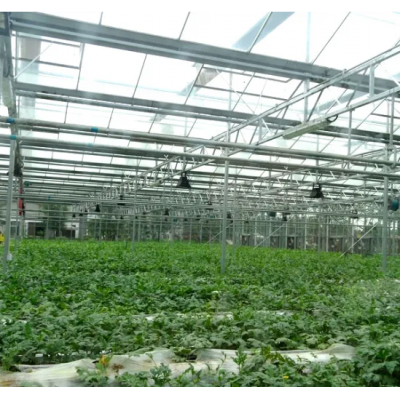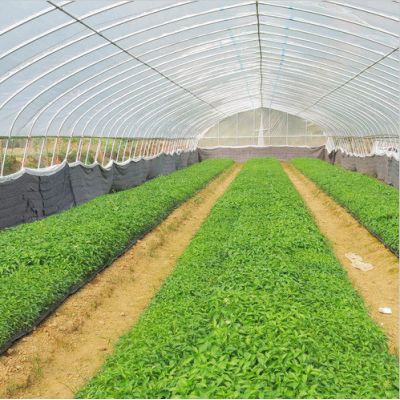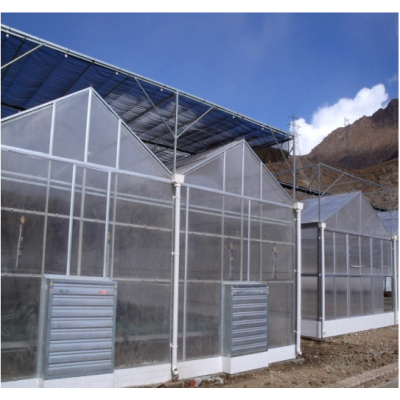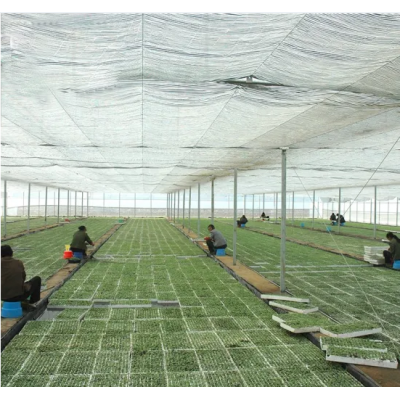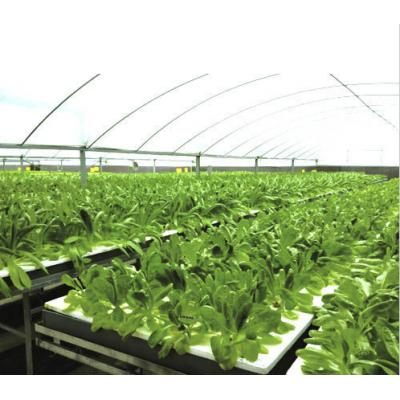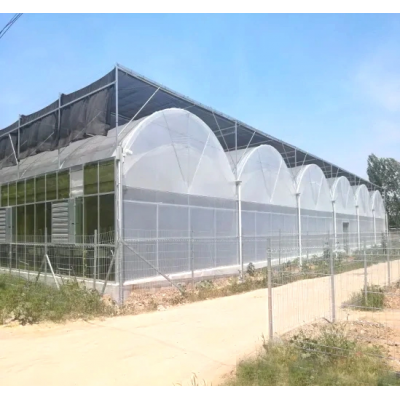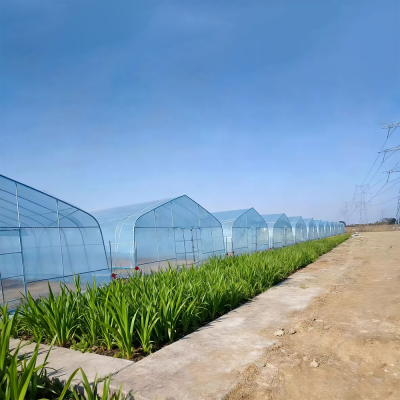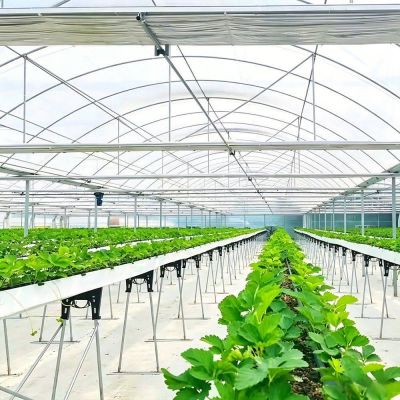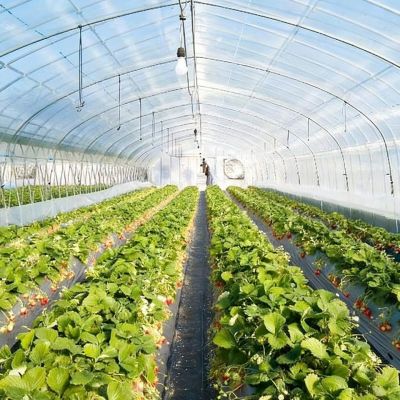
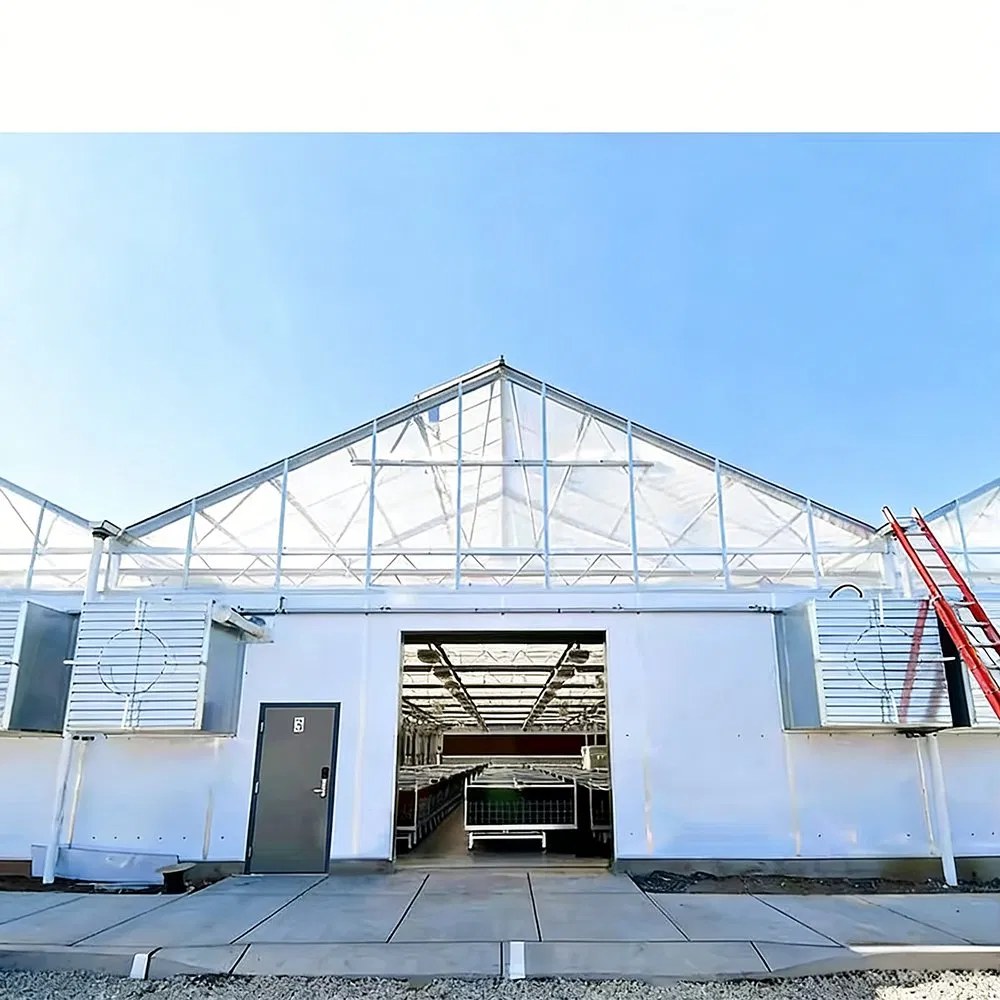
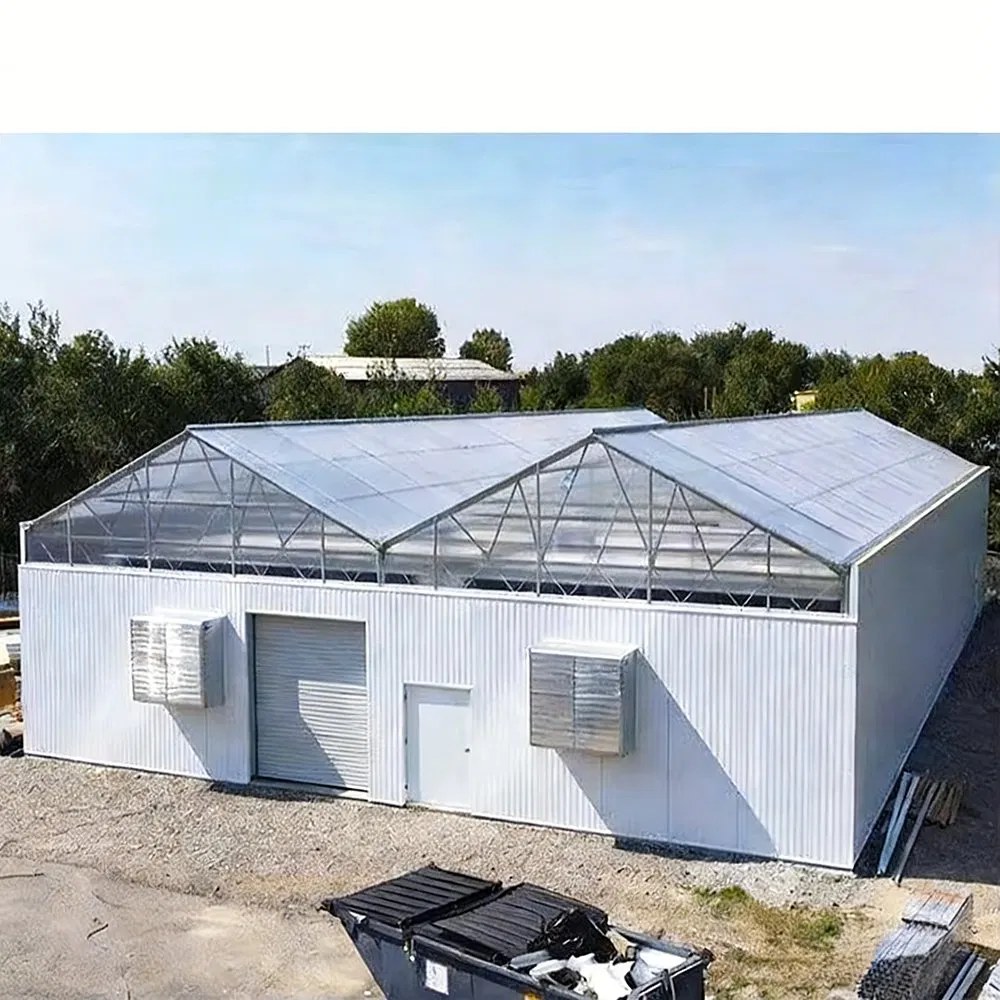
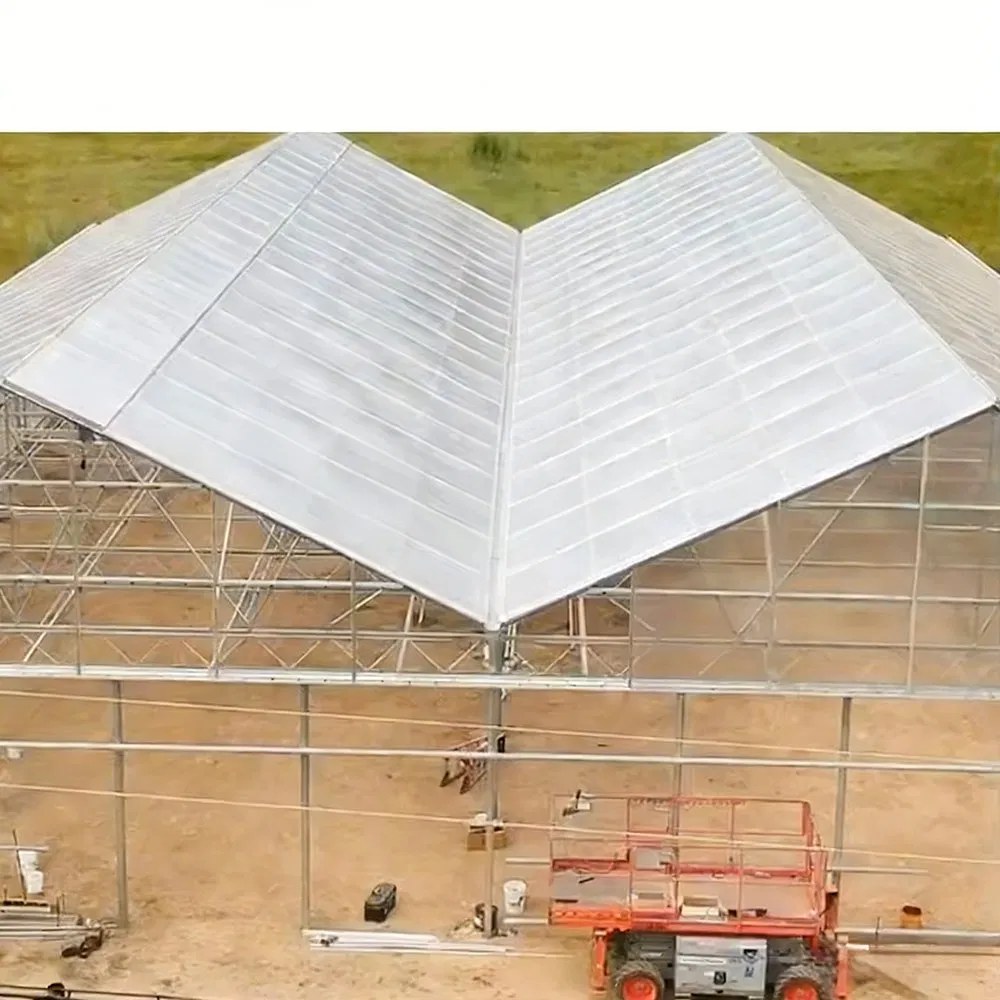
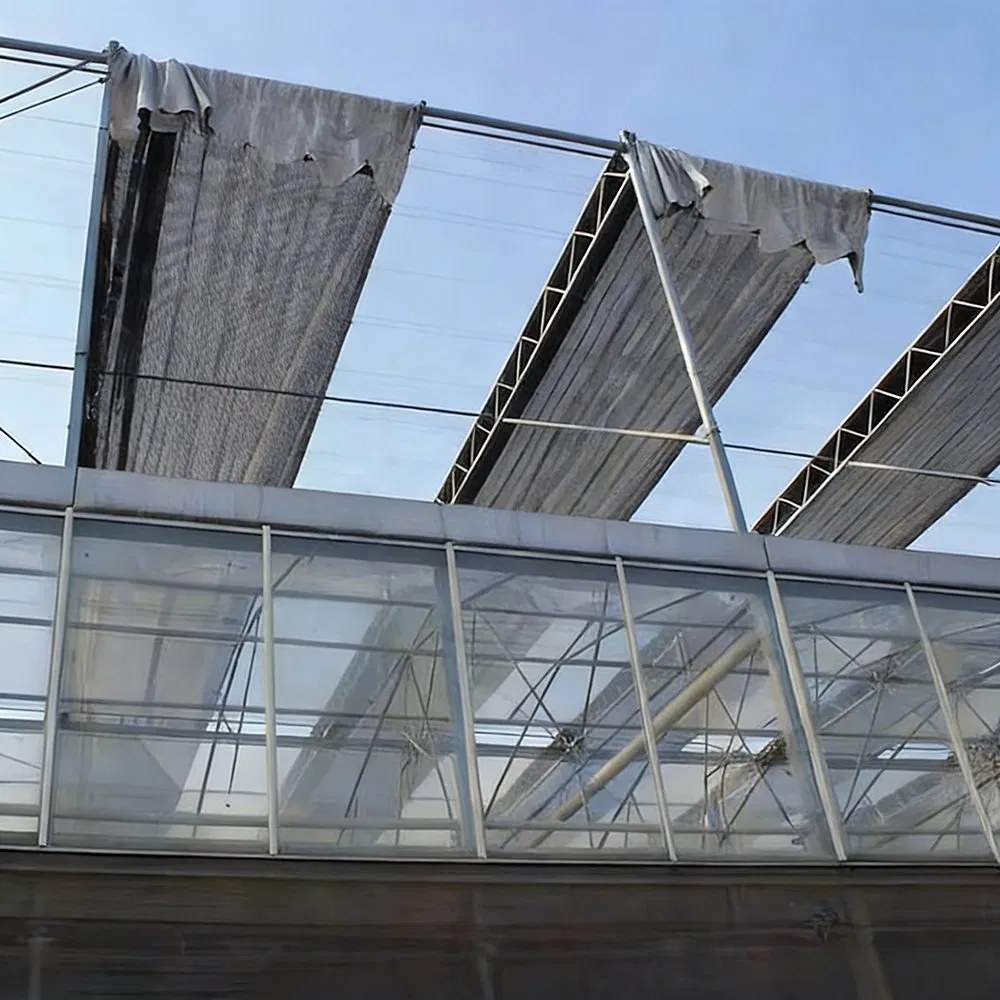
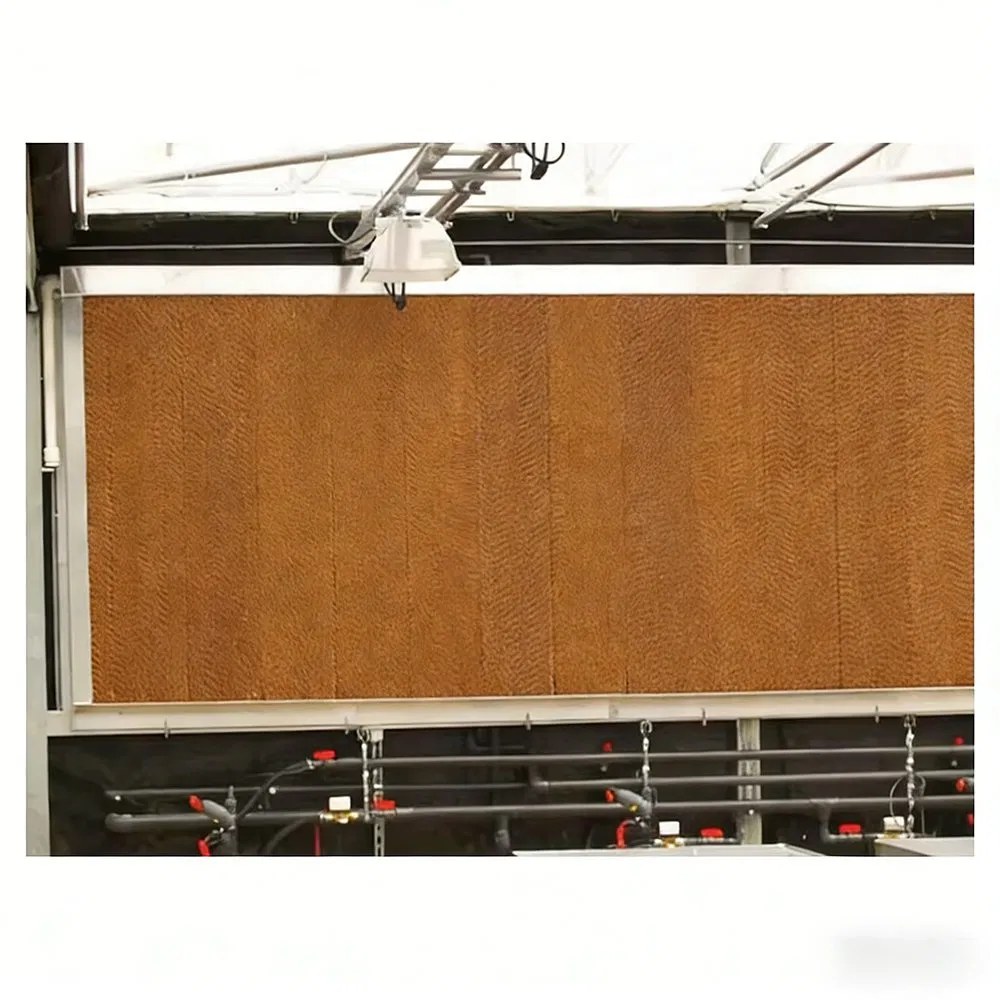
A light deprivation house is a darkroom with a growing system inside it. The crop is forced into flower by controlling the hours of light, which means the cover, the screens and the seals all have to work together, and the house has to be ventilated while it is closed. This listing quotes a multi span house in PC sheet, spans of nine or twelve metres, four metre gutters, wind rated to one hundred and forty kilometres an hour, with a blackout system on intelligent controls.
Light deprivation is a scheduling tool. By shortening the day, a grower moves a flowering crop onto a calendar instead of a season, and sells into a window that the field crop cannot reach. The house that does it has to be dark on demand and still ventilated, which is a harder combination than it looks. This page covers the PC sheet house in this listing, part of the film and panel greenhouse range on this site.
Closing a greenhouse for twelve hours traps heat and moisture as well as light. A crop that is forced into flower is still transpiring, and the water has to go somewhere. That is why a light deprivation house is specified with cooling, dehumidification and air circulation rather than just a blackout curtain.
The practical test of a house like this is not how dark it gets at midnight; it is whether it stays dark at the edges, at the doors and along the gutter. Light leaks of a few minutes at dawn are enough to disturb a photoperiod response in a sensitive crop.
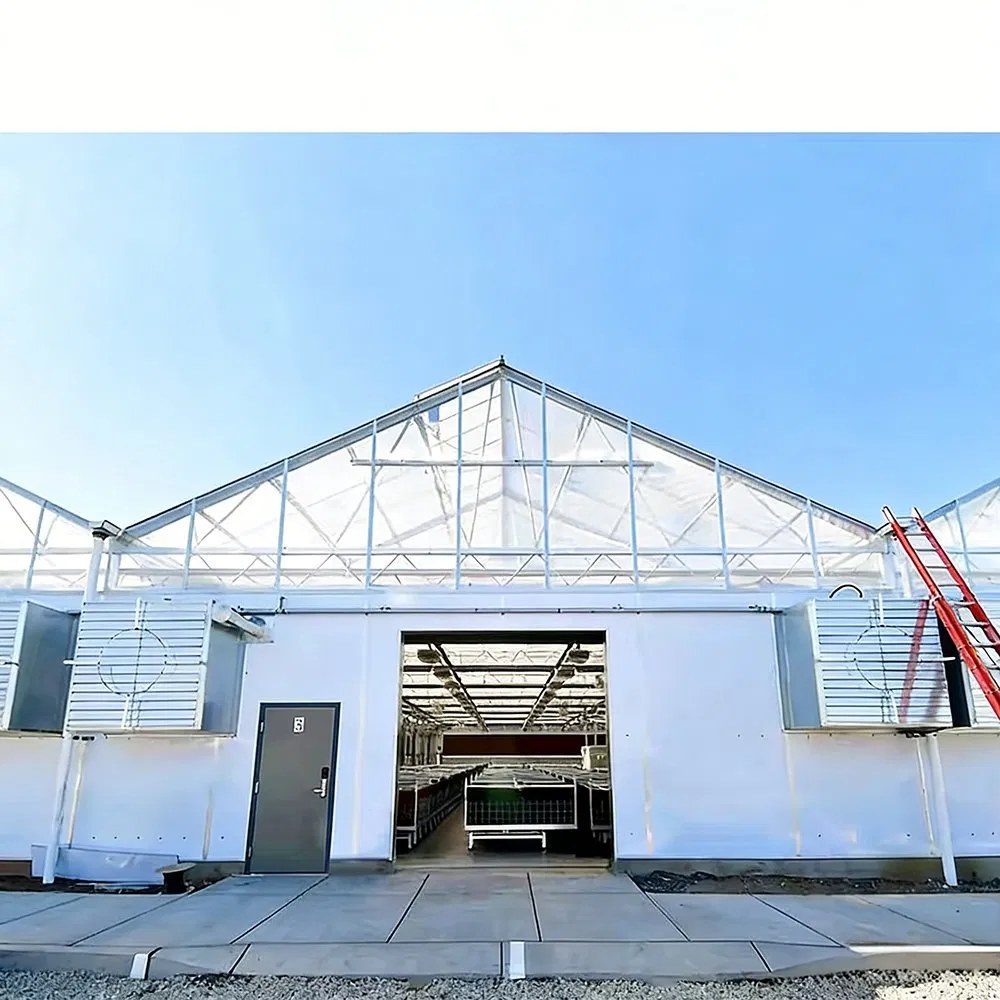
The listing describes a semi-gable roof with vertical sidewalls, which is a layout that gains usable height at the eaves compared with an arch. That matters in a blackout house because the screen has to run flat across the house and then down at the walls without fouling the crop or the benches.
PC sheet is the usual cover for this application. It insulates, it diffuses light, and it does not flap in wind the way film does, which matters when the blackout system depends on the envelope staying airtight at the joints.
| Structure | Multi span, semi-gable roof, vertical sidewalls, pre-punched galvanized steel |
| Covering | PC sheet |
| Span width | 9 m or 12 m (30 or 40 ft) |
| Length | 32, 36, 40 or 44 m (105, 120, 131 or 144 ft) |
| Gutter height | 4 m (13 ft), customized |
| Wind load | Up to 140 km/h (90 mph) |
| Snow load | Up to 27 lbs |
| Hanging load | 3 lb/sq ft |
| Control supply | 220 to 240 V or 380 V, single or three phase, 50 or 60 Hz |
| Blackout | Blackout system on intelligent controls |
| Options | Side and top vents, fan and pad cooling, light proof hoods, heating fans, dehumidifier, irrigation, lighting, CO2, sensors, timers, rolling tables |
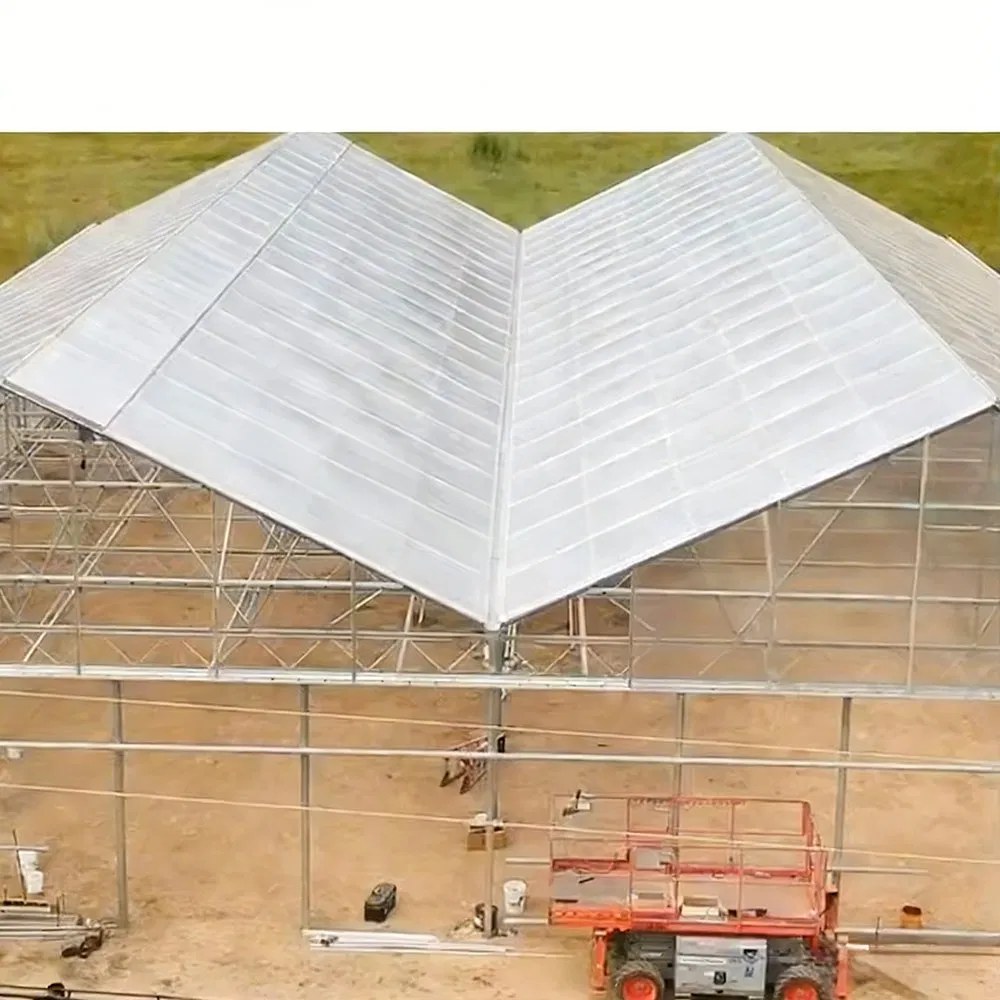
A blackout system is a screen that closes, usually in two layers, plus the detailing at the edges where it meets the wall, the gutter and the door. The screens are the visible part; the seals are what decide whether the system meets its number.
Two screens rather than one are common because a single layer leaks at the seams and glows at the overlaps. The second layer covers the gaps in the first, and both need tension maintained, because a slack screen sags and opens a light path at the wall.
PC sheet houses with different spans and purposes are described on the twin wall PC house page and the commercial PC panel house page.
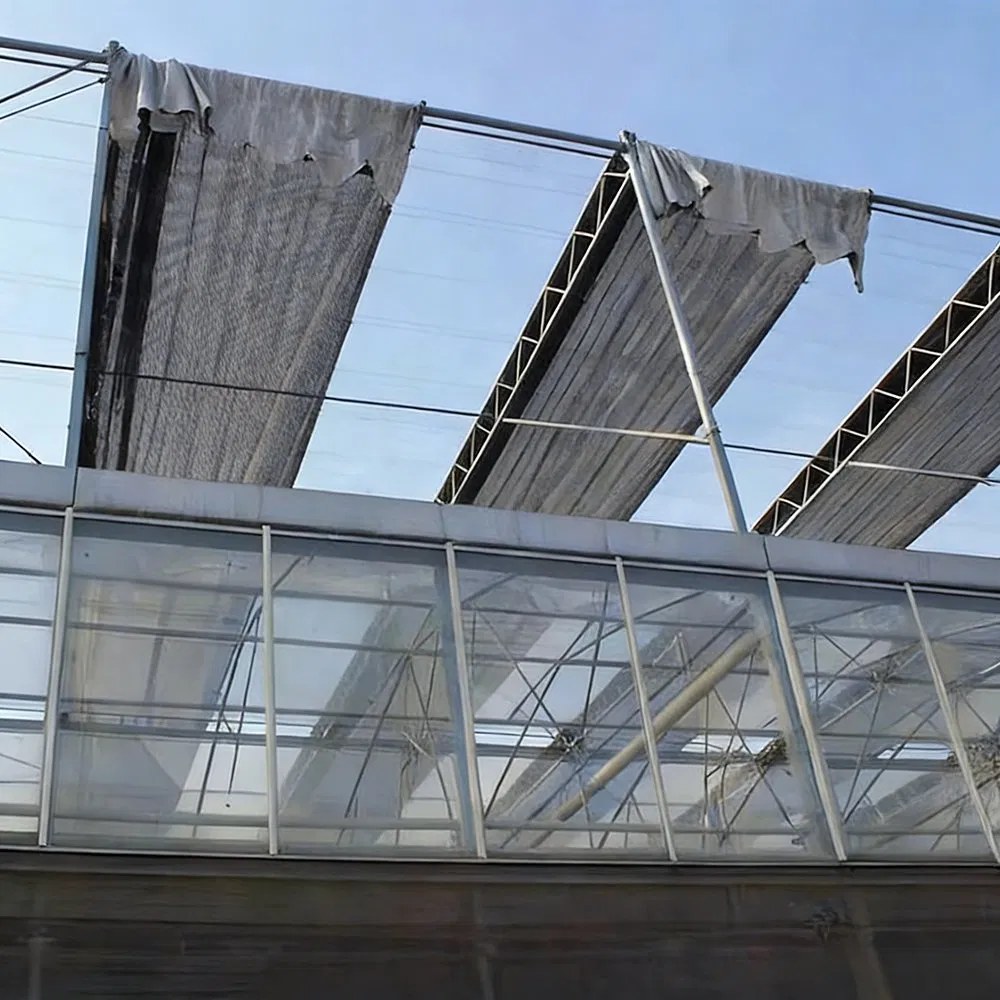
With the screen closed and the vents shut, the house is a sealed box in daylight. PC sheet insulates better than film, which helps at night and hurts at midday. The cooling in a blackout house therefore has to work against the screen rather than with the vents, and that usually means fan and pad running during the closed period, with the air recirculated rather than exchanged.
The listing offers cooling fans, pad, dehumidifiers and air circulation as options, which is the right list. Of those, the dehumidifier is the one most often left out and most often needed in a coastal or humid climate, because a sealed house at night climbs towards saturation.
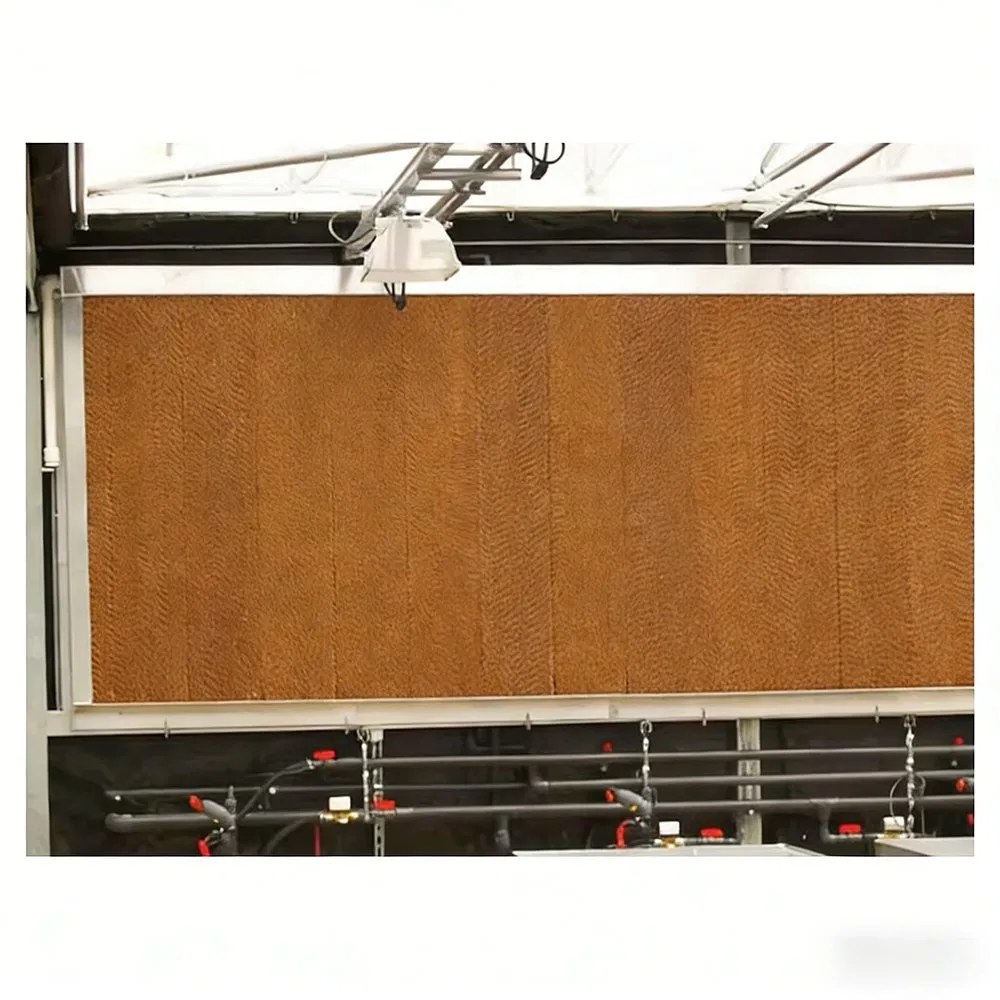
The frame is pre-punched and bolts together, and the PC sheet is fixed after the frame is plumb. The blackout screens go in last, because they need the envelope closed and the gutters finished before they can be tensioned.
The control supply is quoted as 220 to 240 volts or 380 volts, single or three phase, 50 or 60 Hz, which covers most markets. Confirm the local supply at order: a three phase house with a single phase supply on site is a problem that surfaces at commissioning.
Protected cropping guidance is published by AHDB, and international horticultural trade coverage by HortiBiz.
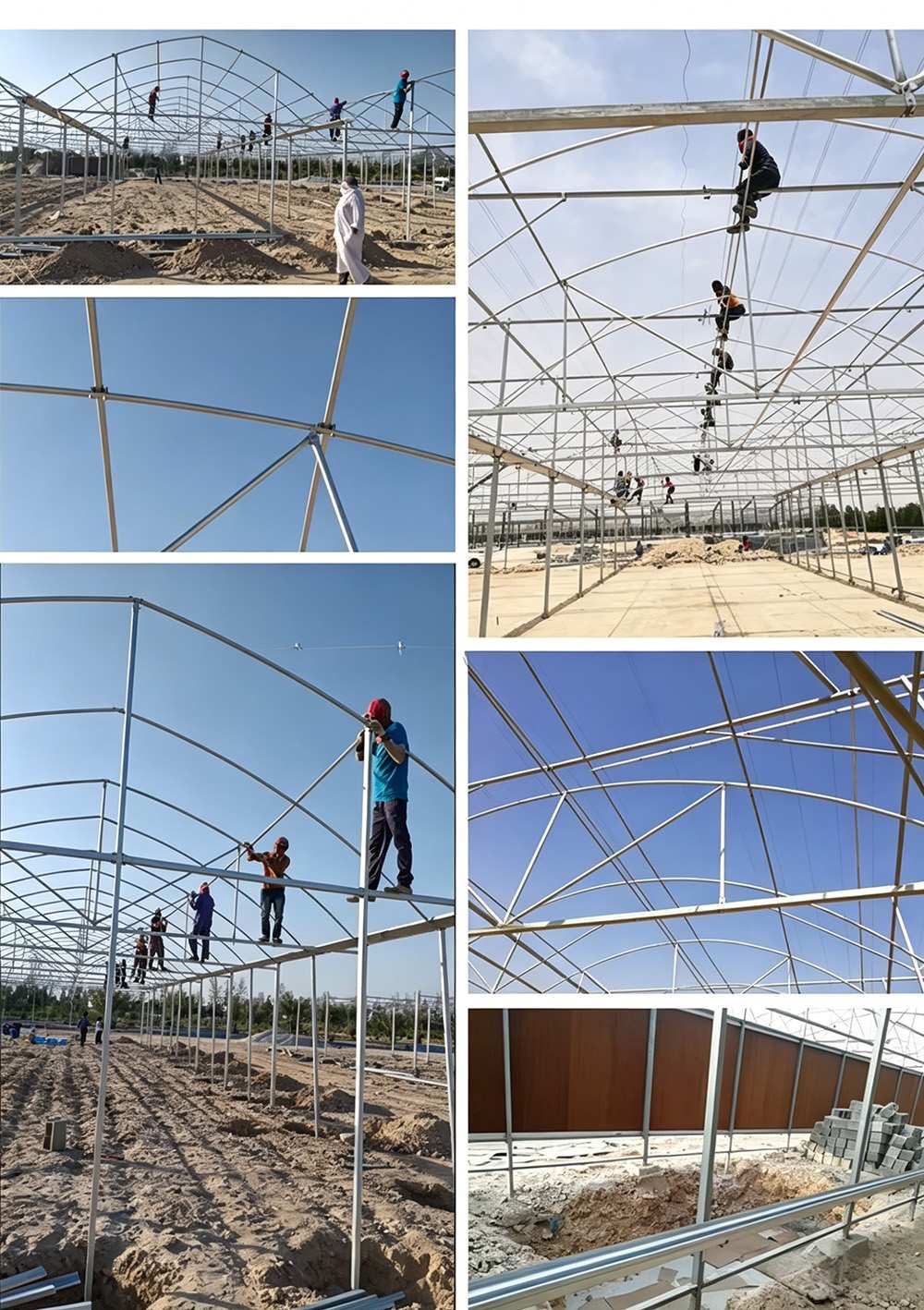
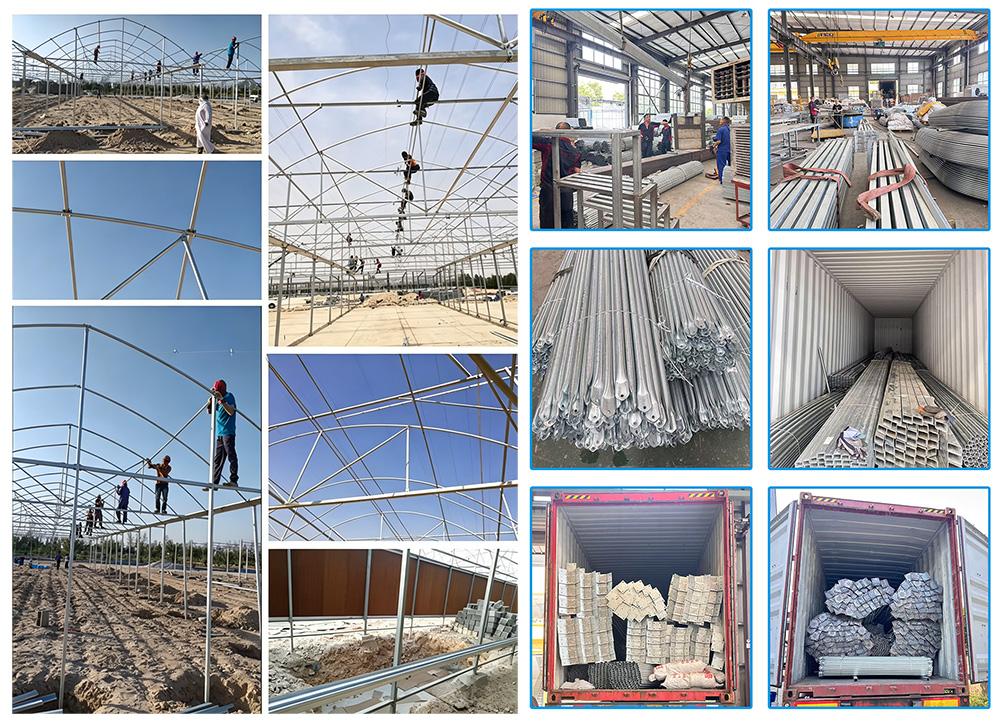

A standard multi-span greenhouse is typically erected in 2-4 weeks, depending on the span, the number of bays and site access. Foundation work and glazing are the two stages that set the pace, and both are scheduled before the frame arrives.
Yes. We customize span width, bay length, gutter height, covering material (film, PC sheet or glass) and ventilation configuration. Share your crop type, local climate and growing area, and our engineers will size the structure to match.
Film suits low-cost tunnels on 3-5 year replacement cycles. Glass delivers the highest light transmission and the longest lifespan, at the highest cost. PC sheet insulates better than film and suits cold or high-humidity climates. The right choice depends on climate, crop and budget.
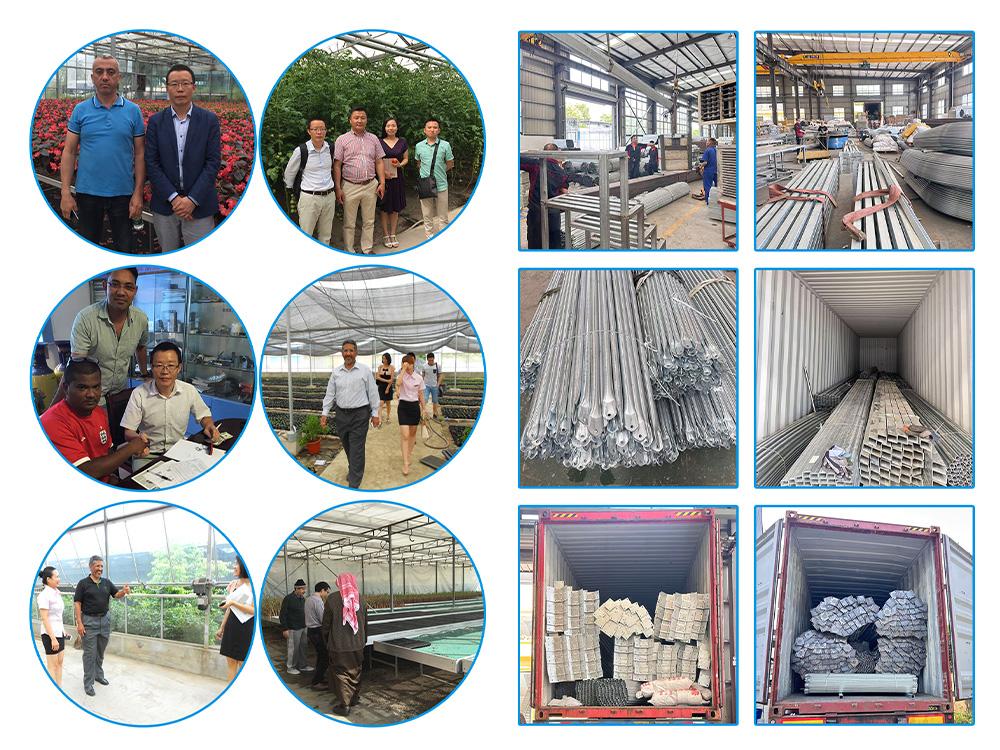
Ziyang Bozong Greenhouse Industry Co., Ltd. is a manufacturer based in Ziyang, Sichuan, China. We produce the hot-dip galvanized steel frame in-house, cutting and drilling to drawing, and supply covering materials, ventilation, cooling and irrigation systems as one coordinated package.
The listing specifies a blackout system rather than a light reduction figure, so the honest answer is that it depends on the seals and on how the screens are detailed at the walls and doors. Ask for the screen layers and the edge detail, and plan a light meter test at dusk before the first crop goes in.
Yes, timers and intelligent controls are both listed as options. Set the schedule conservatively at first: a screen that closes late for a week is recoverable, while a screen that jams closed on a hot afternoon is not. A manual override on every circuit is worth insisting on.