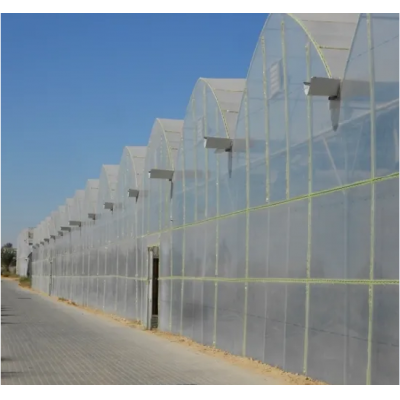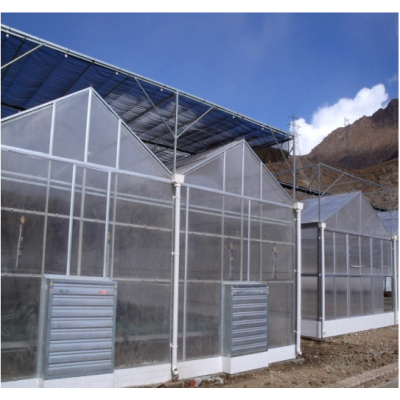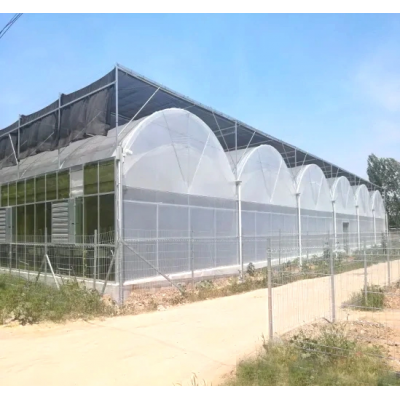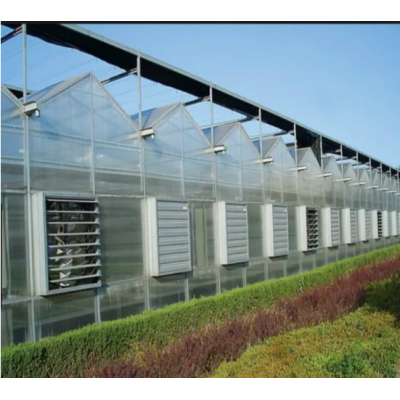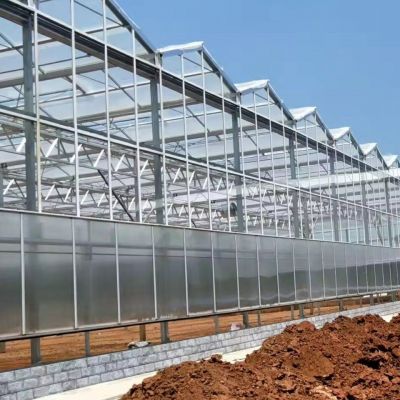
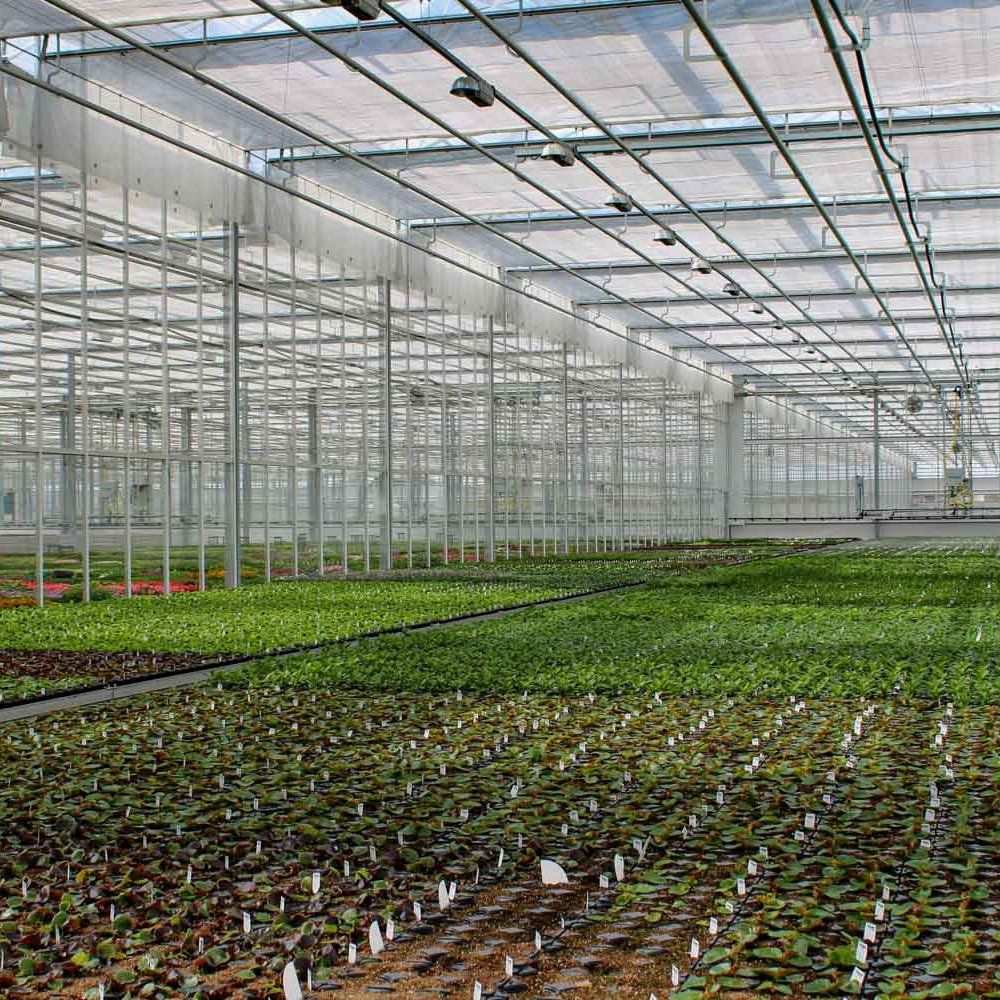
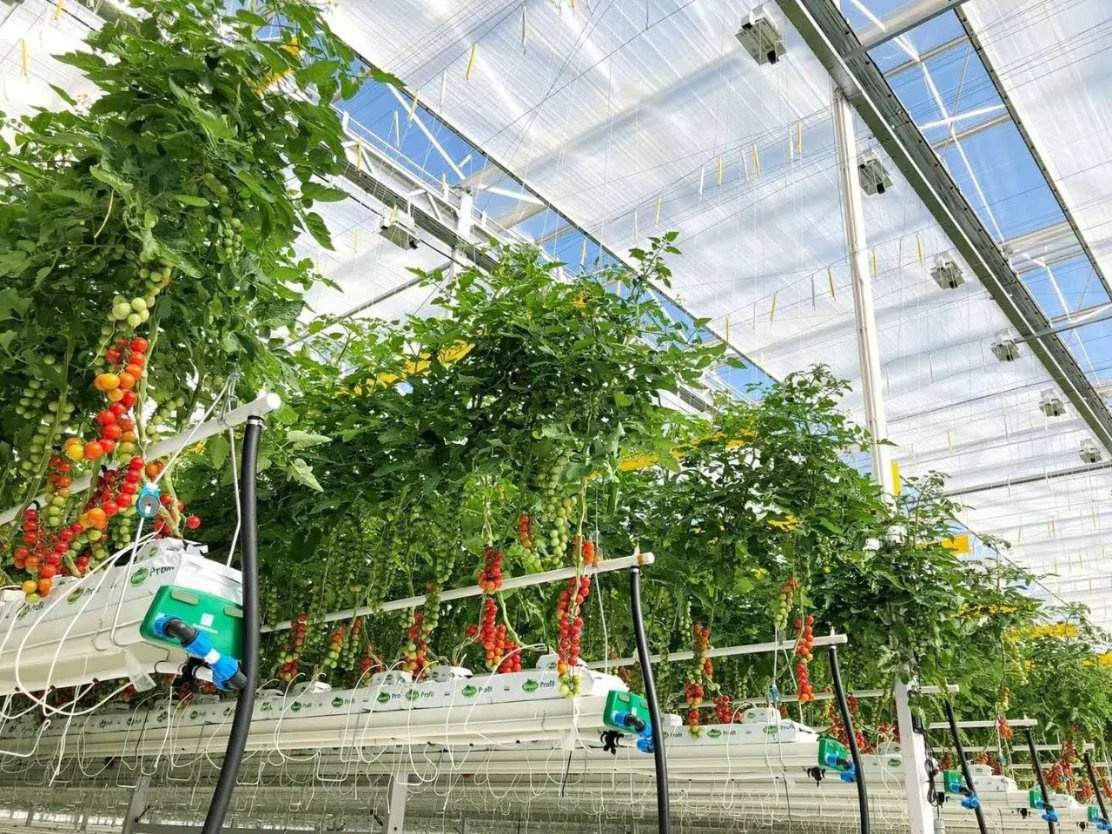
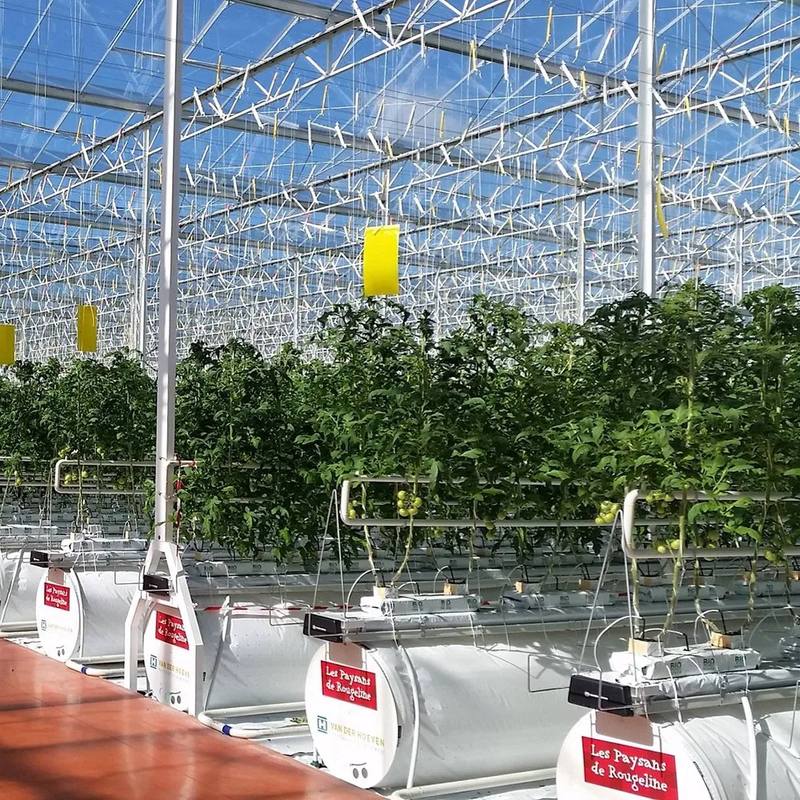
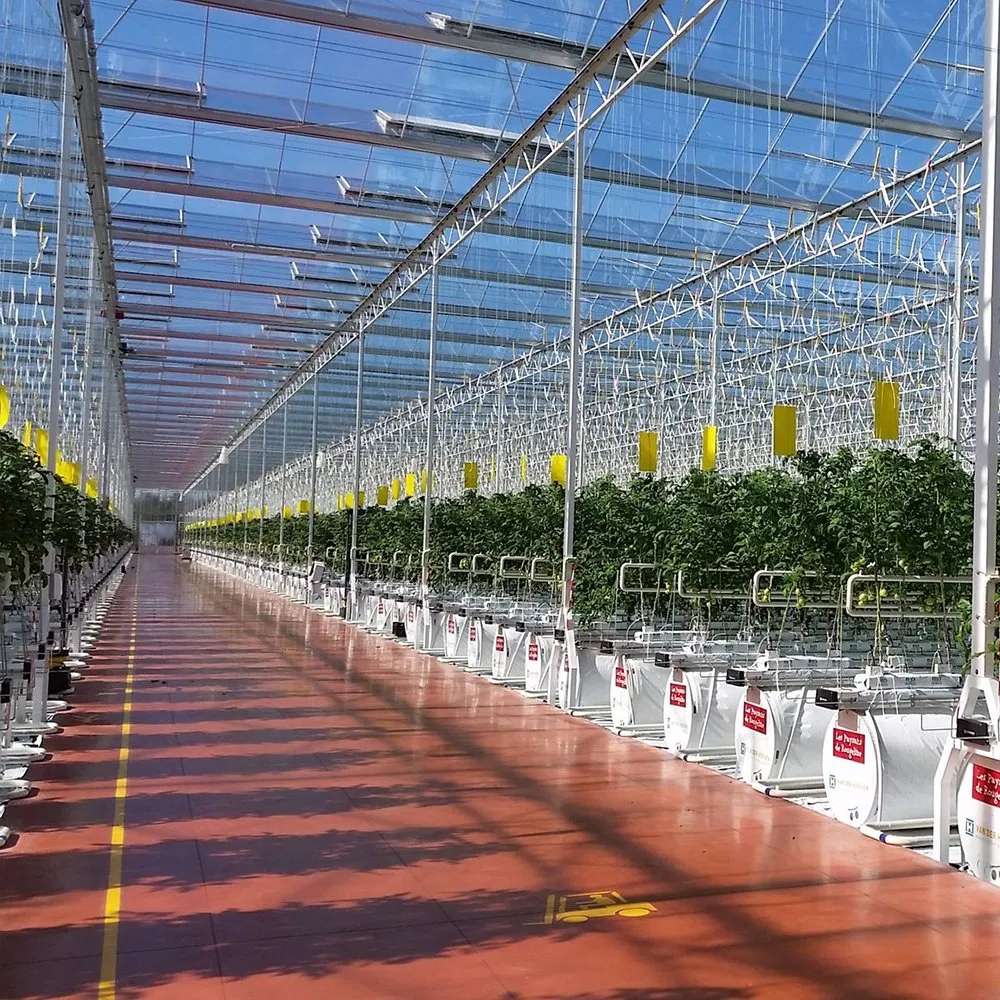
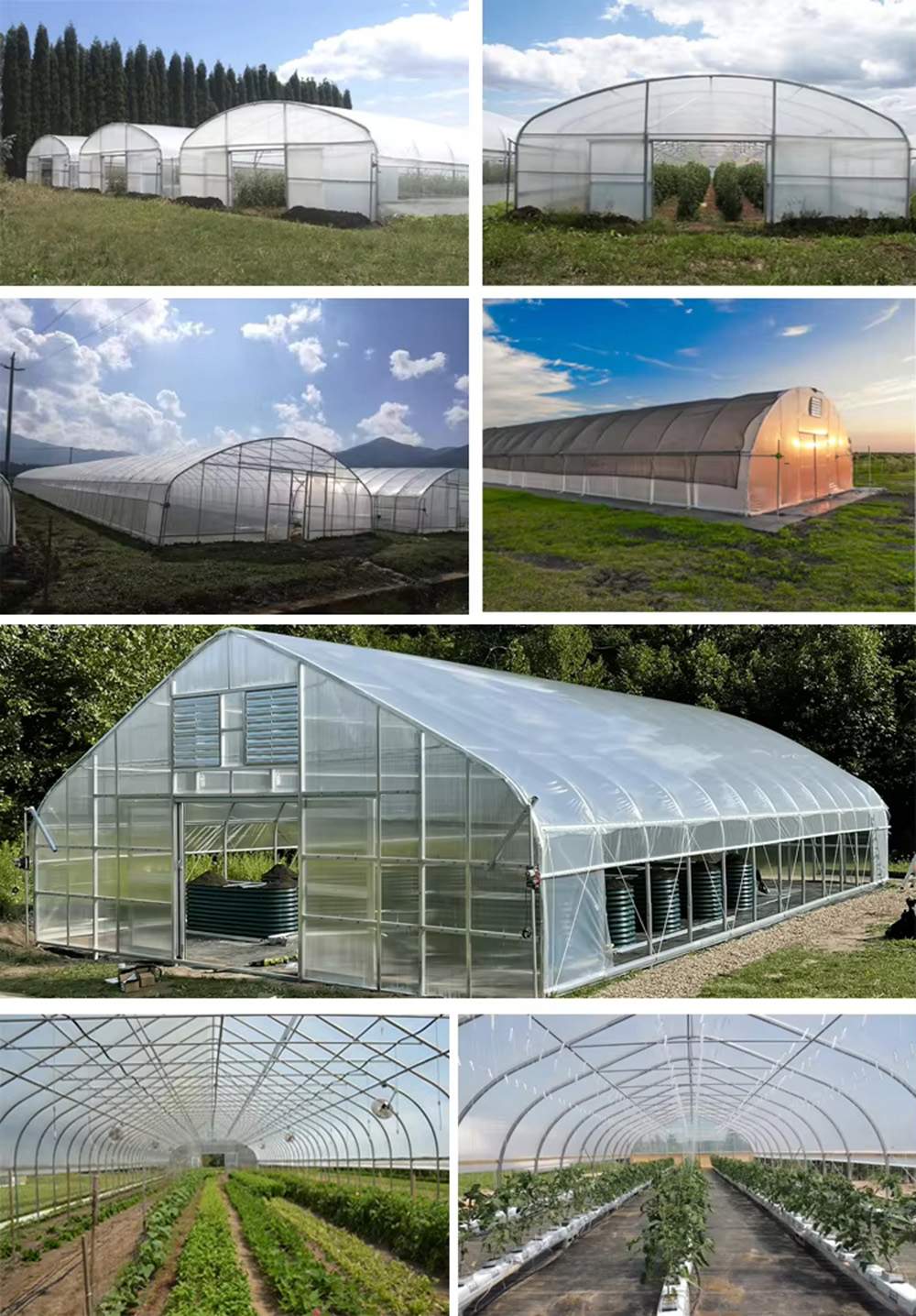
Small farms buy a PC house for one reason: it holds heat without a boiler and it survives hail. This range uses twin wall sheet at 8 or 12 mm on a galvanized frame, in bays of 6.4 to 10 metres, 4 to 7.5 metres tall, and the air cells in the sheet are what do the insulating rather than a heater. It is the cheapest way to hold a night temperature without a boiler, and the sheet is also what takes a hail hit.
The difference between a single wall and a twin wall panel is the layer of air trapped between them, and that layer is the least expensive insulation a grower can buy. On a small farm it is usually the difference between a house that holds an overnight temperature and one that follows the outside air. This range is twin wall throughout. It belongs to the polycarbonate greenhouse section of this site.
The cells stop air from circulating, so heat that would rise off the crop stays in the house for longer. The sheet also scatters direct light instead of passing it in a beam, which removes the hot spots you get under clean film on a bright afternoon.
What it costs is transmission. A twin wall sheet passes less light than single glazing, and the figures quoted for it assume a clean surface. Washing it once a year is part of keeping the number.
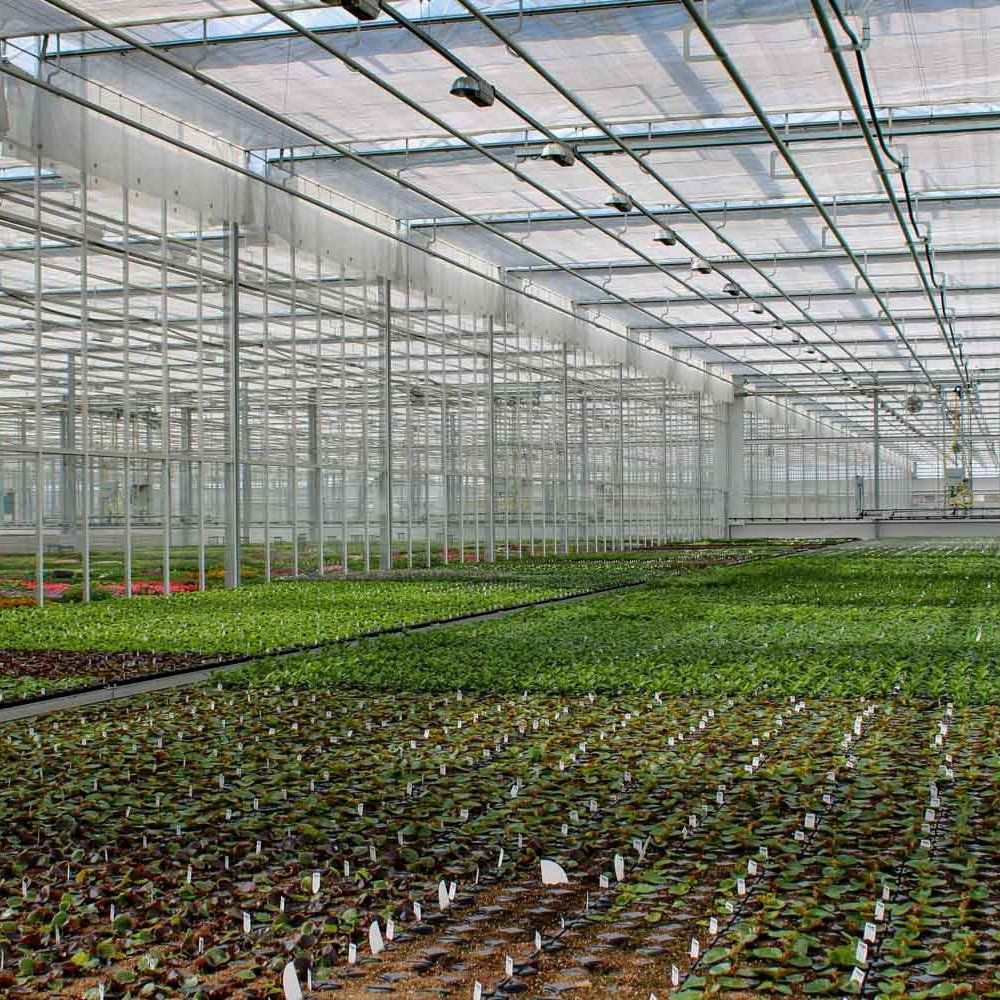
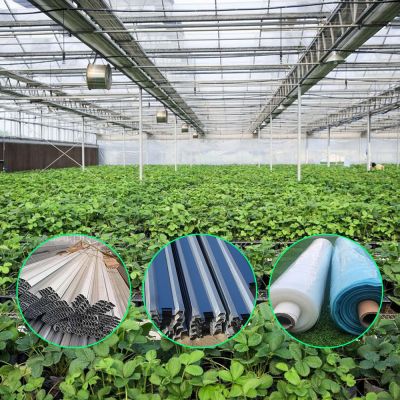
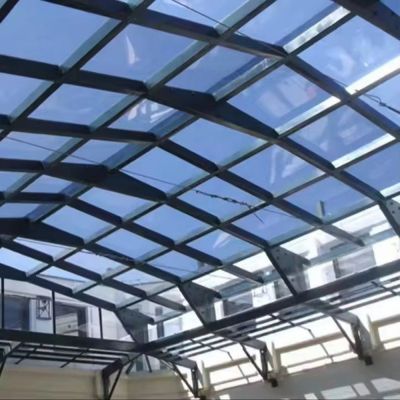
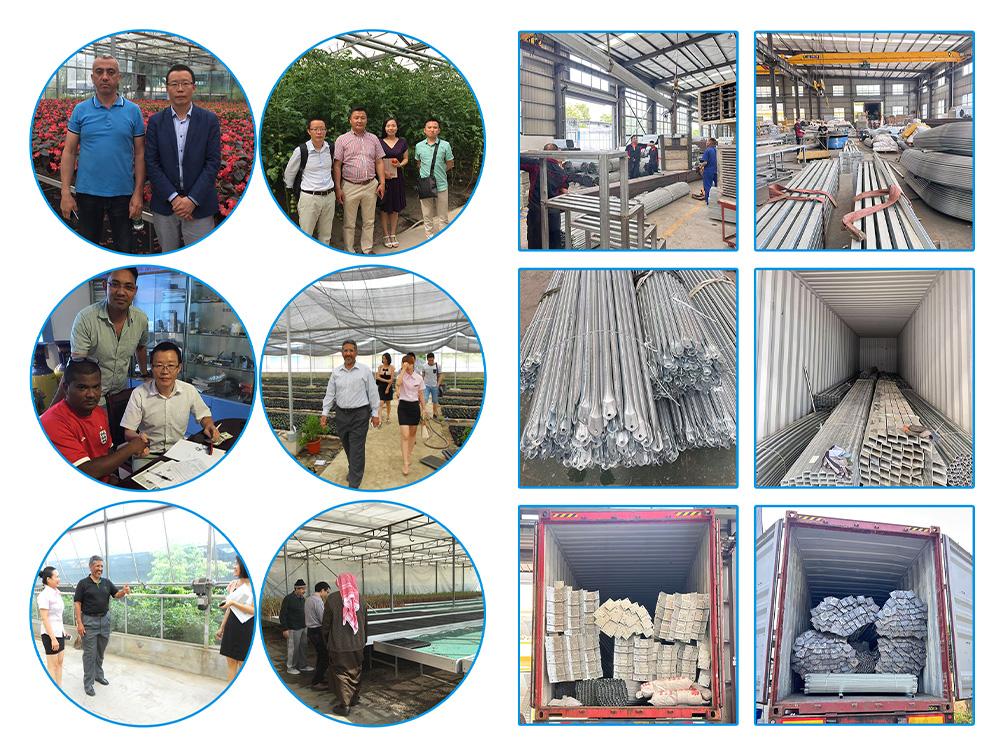
The frame is hot dip galvanized steel pipe, cut and drilled to the drawing and bolted on site. Panels are held in aluminium profiles at the edges and fixed with the screws and caps supplied with them, working from one gable so the frame does not rack. Total height runs 4 to 7.5 metres, which is enough for a trellised crop.
| Type | Multi span PC panel greenhouse, twin wall |
| Covering | Twin wall polycarbonate, 8 mm or 12 mm |
| Structure | Hot dip galvanized steel pipe |
| Span | 6.4 / 8 / 9.6 / 10 m |
| Length | 10 m to 100 m or to order |
| Total height | 4 m to 7.5 m |
| Wind rating | Up to 120 km/h, per the manufacturer |
| Light transmission | 90 to 95 percent |
| Sheet life | 10 to 15 years |
| Ventilation | Roof vents, side vents, automated options |
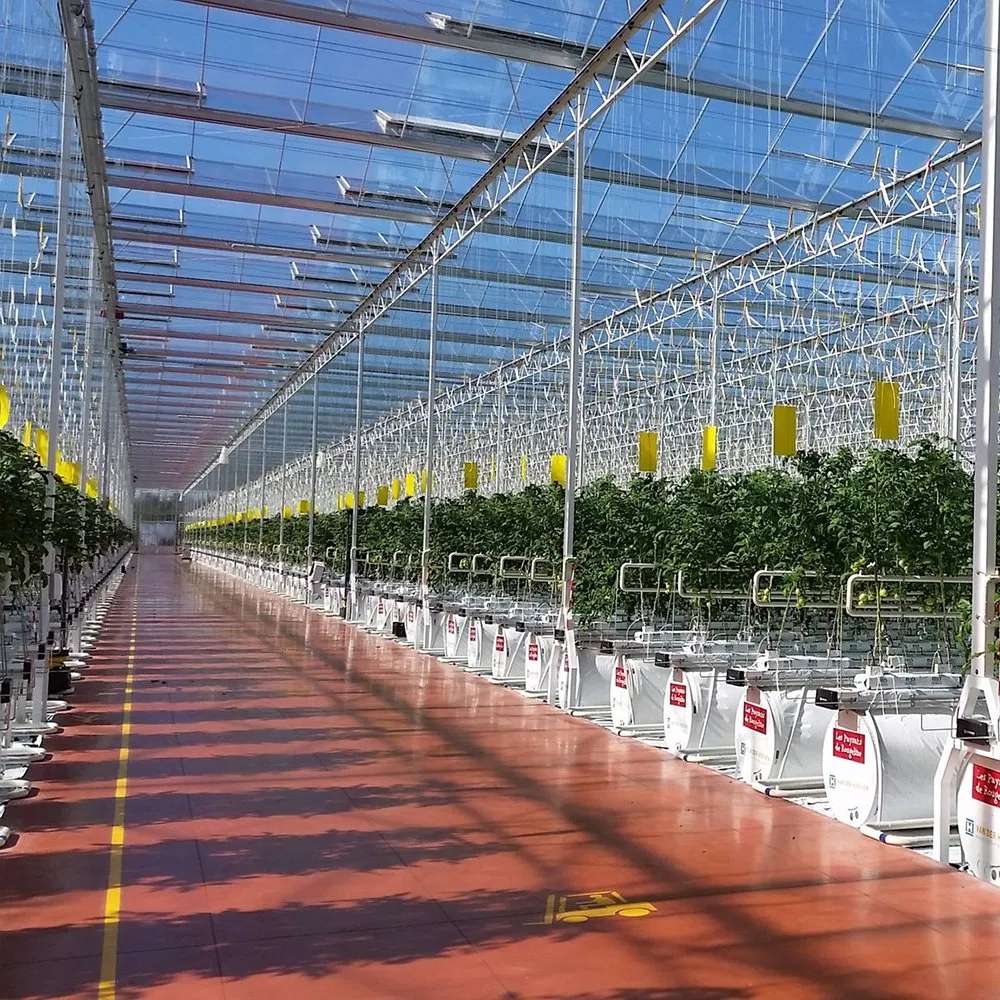
The usual entry is one bay: six to eight metres wide and thirty long, which is a manageable area to fill and to ventilate by hand. The house can be extended along the gutter later without touching what is already standing, which is why the bay module is worth fixing correctly at the start.
Ten metres wide is possible on the same details, but it carries more glass and more steel per bay, and on a small farm the money is usually better spent on length than on width.
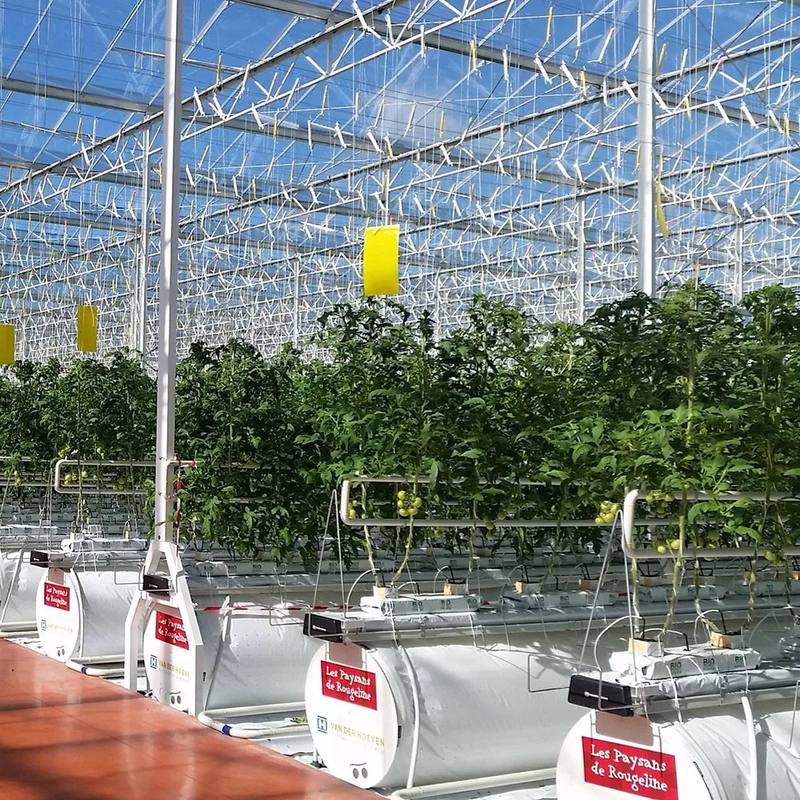
Polycarbonate is quoted at roughly two hundred times the impact resistance of glass, which is what makes it the obvious choice on a hail belt. The wind rating on this house is quoted up to 120 kilometres per hour, and that figure only holds with the base and anchors specified for it — a panel house is light, and uplift is the load that finds a weak base.
Winter performance depends on the sheet: 12 mm holds a night temperature better than 8 mm, and the difference is worth the extra cost on a house that runs through the cold months.
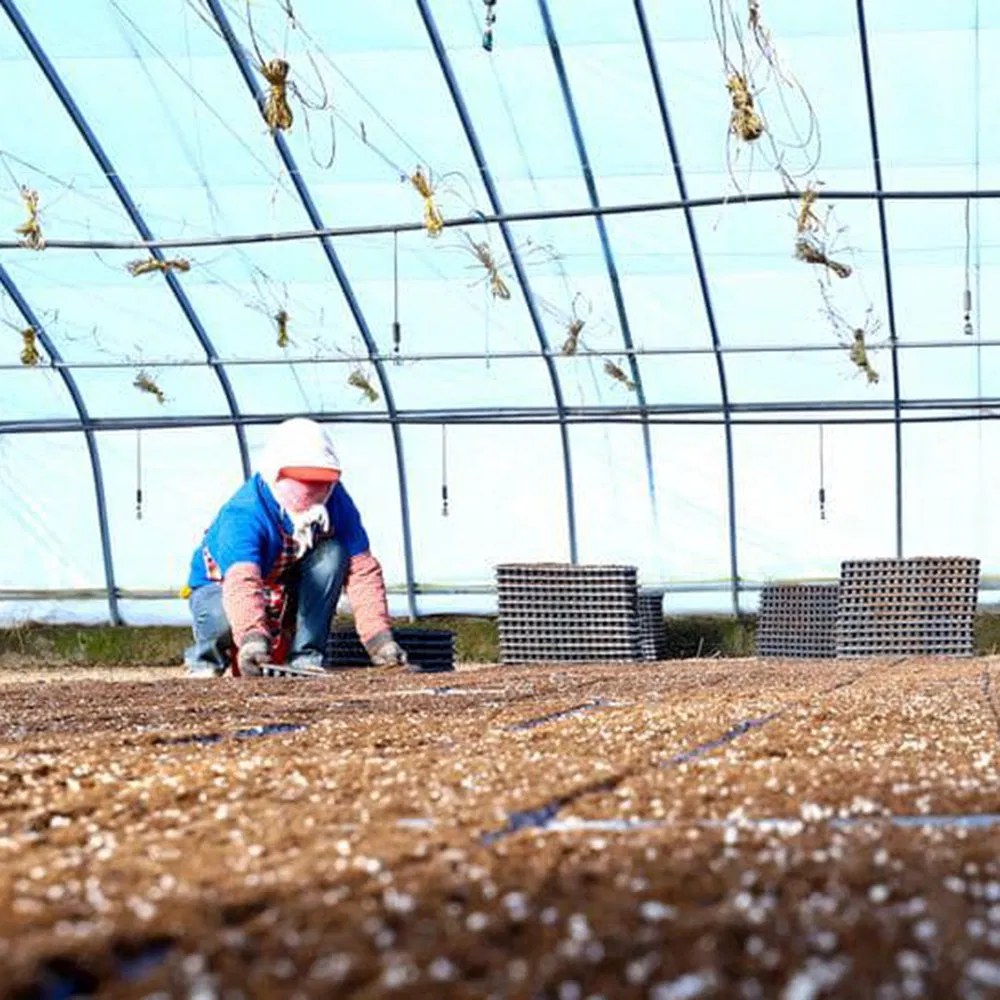
A heavier duty version of the same range is described on the heavy duty PC panel greenhouse page, and a walk-in tunnel for nursery use on the walk in PC tunnel page.
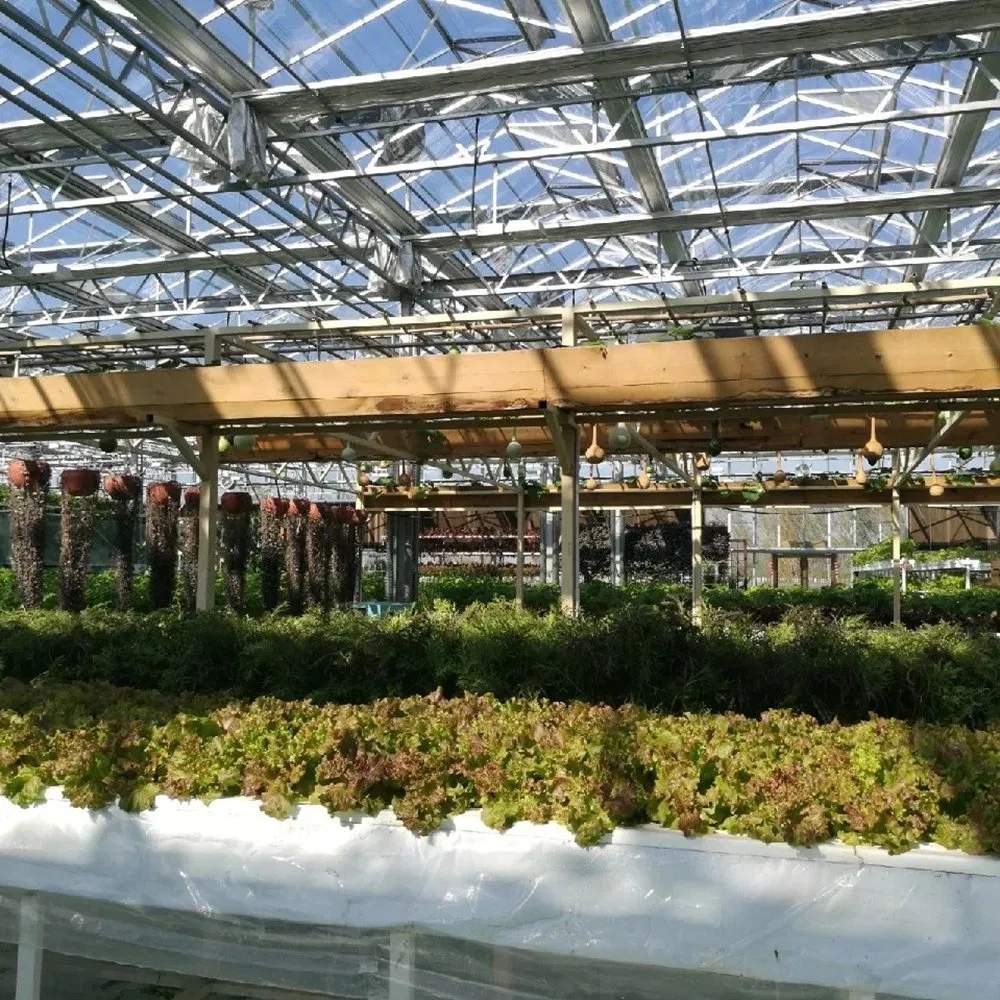
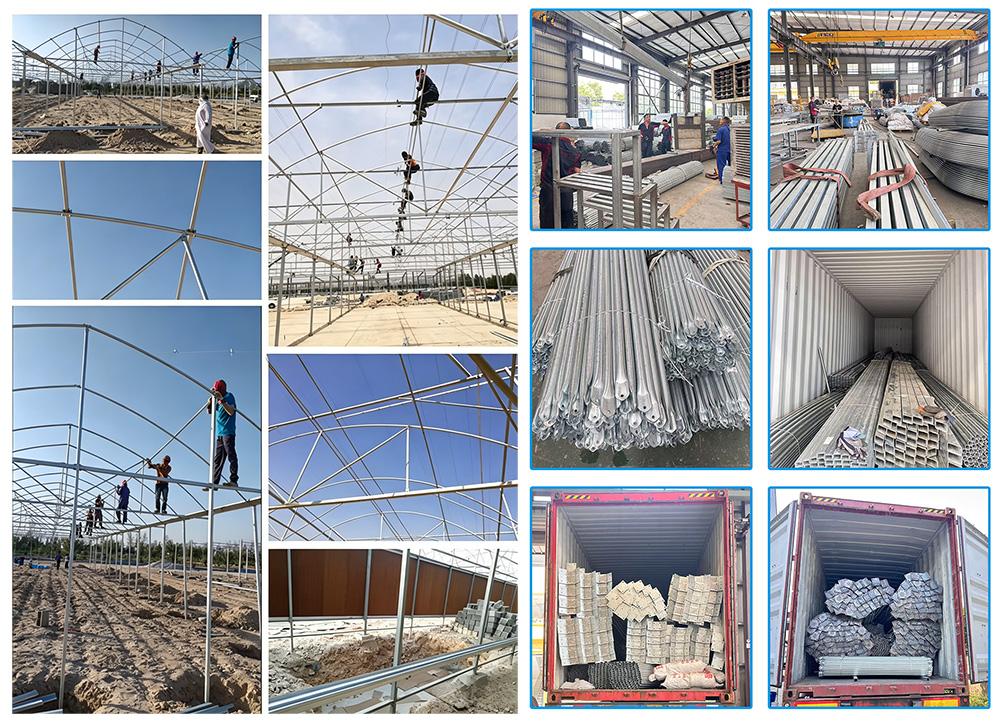
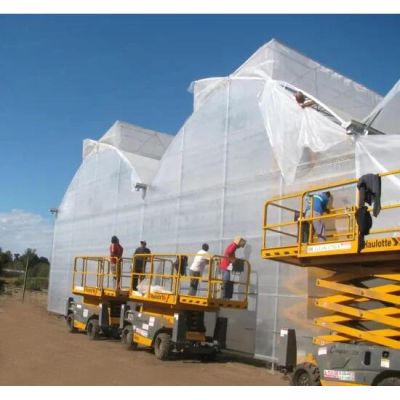
These houses are bolted, numbered and shipped with a drawing, so a farm crew can erect one without a specialist contractor. What the crew does need is a level base line, a calm day for the panels, and one person who reads the drawing rather than guessing.
Protected cropping research and extension guidance is published by North Carolina State University, and practical farm coverage by Farming UK.

Yes. We customize span width, bay length, gutter height, covering material (film, PC sheet or glass) and ventilation configuration. Share your crop type, local climate and growing area, and our engineers will size the structure to match.
Film suits low-cost tunnels on 3-5 year replacement cycles. Glass delivers the highest light transmission and the longest lifespan, at the highest cost. PC sheet insulates better than film and suits cold or high-humidity climates. The right choice depends on climate, crop and budget.
The hot-dip galvanized steel frame is designed for a 15-20 year service life in normal agricultural environments, with a double-sided zinc coating of 200-275 g/m². Film covers are replaced every 3-5 years, while glass and PC panels carry their own manufacturer warranties.
A standard multi-span greenhouse is typically erected in 2-4 weeks, depending on the span, the number of bays and site access. Foundation work and glazing are the two stages that set the pace, and both are scheduled before the frame arrives.
Eight where the house is mostly a rain and hail shelter in a mild climate; twelve where it has to hold a night temperature through winter. Both fit the same profiles, so the choice is made at order stage.
Yes, with a level base line, a calm day for panels and one person who follows the drawing. The frame is bolted and numbered, and the panel profiles come with the screws and caps they need.