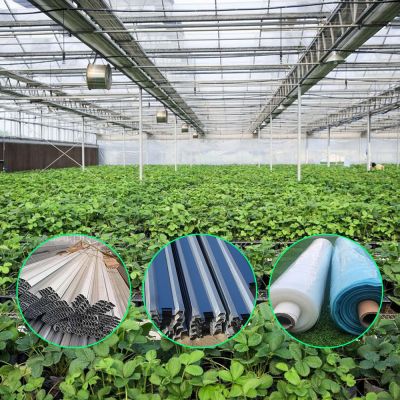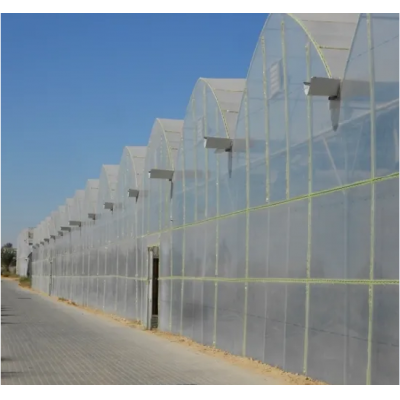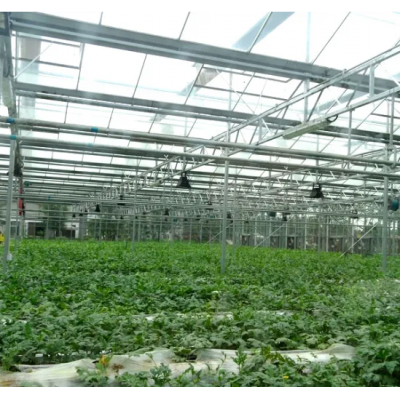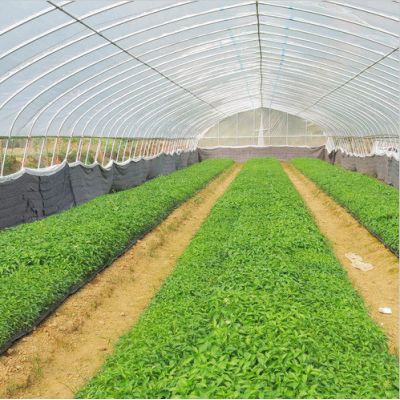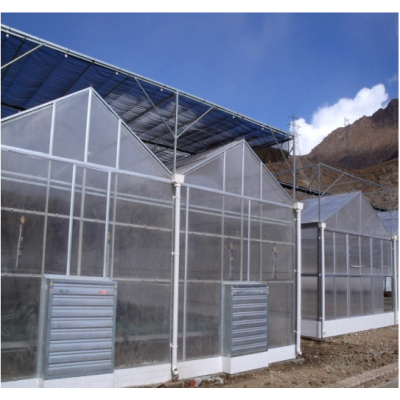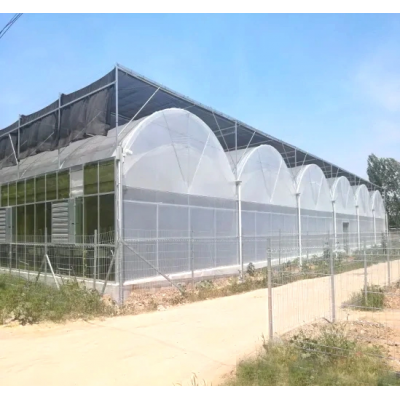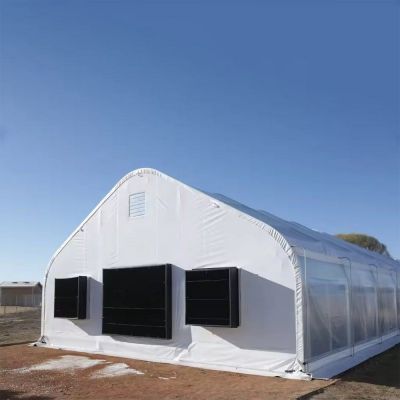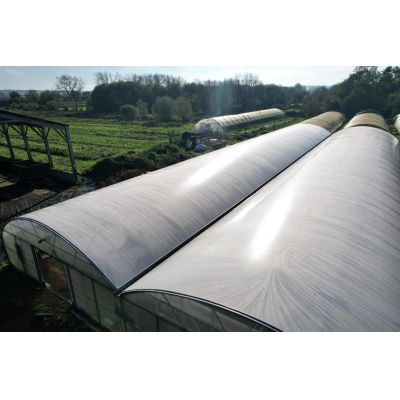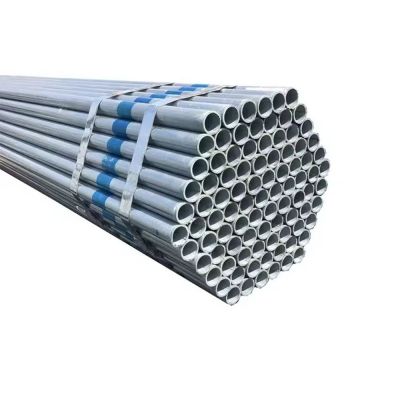


The agricultural single span hoop greenhouse is a film-covered growing structure built for commercial vegetable and fruit production. The frame is hot-dip galvanized steel tube with a 200-275 g/m² double-sided zinc coating, covered by a 150-micron UV-resistant anti-drip polyethylene film. The arched hoop spreads wind and snow load evenly across the span, and modular bolted connections allow erection without on-site welding and extension section by section as the operation grows. Standard spans run from 6 to 12 meters with lengths from 10 to 100 meters. It suits tomato, pepper, strawberry, leafy green and seedling production on farms wanting tunnel-house performance at a lower investment than glass or polycarbonate.
The agricultural single span hoop greenhouse is a film-covered growing structure for commercial vegetable and fruit production. Its arched steel frame and single-layer polyethylene cover make it a practical middle ground between a low tunnel and a full multi-span house: capital cost stays low, the structure still carries a proper snow and wind load, and the whole house can be put up without welding and extended section by section as the farm grows.
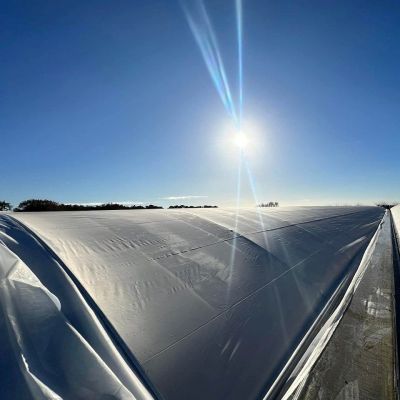
The frame is fabricated from hot-dip galvanized steel tube with a double-sided zinc coating of 200-275 g/m², a spec chosen for the humid, condensation-heavy conditions inside a working greenhouse. The cover is a 150-micron UV-resistant anti-drip polyethylene film. Anti-drip treatment stops condensation from beading on the underside and dropping onto the crop, which matters most for tomato and pepper, where leaf wetness drives fungal pressure.
Standard spans run from 6 to 12 meters and lengths from 10 to 100 meters. Because the arch carries load in compression rather than bending, the hoop profile handles snow evenly across the whole span instead of concentrating it at the ridge. Gable end walls, side ventilation and door frames are all made to the same modular system, so a house can be configured for a specific crop and farm layout rather than bought as a fixed package.

Hot-dip galvanized steel frame – Steel tube with a 200-275 g/m² double-sided zinc coating, formed into arched hoops and bolted to ground-anchored posts. The coating is applied after fabrication so the cut ends and bolt holes are protected as well as the tube body.
UV-resistant anti-drip PE film – The 150-micron cover carries both UV stabilisation and anti-drip additive. Light transmission for single-layer film is typically in the 85-87% range, which keeps photosynthesis active through winter without scorching the crop in summer.
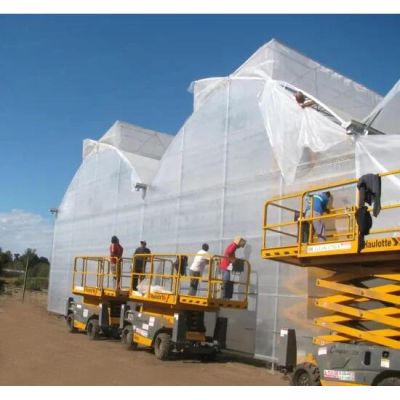
Tool-free modular assembly – Pre-cut, pre-drilled components with bolted connections remove the need for on-site welding. A crew can raise the frame, stretch the film and fit the end walls using hand tools, which keeps installation labour predictable on overseas projects.
Structural weather resistance – The hoop profile and diagonal bracing are engineered for wind speeds up to 120 km/h and snow loads up to 25 kg/m². Where local codes demand more, additional purlins and heavier ground anchors can be specified.
Flexible sizing – Span widths of 6 to 12 meters and lengths of 10 to 100 meters, with a range of side-wall heights and ventilation options.

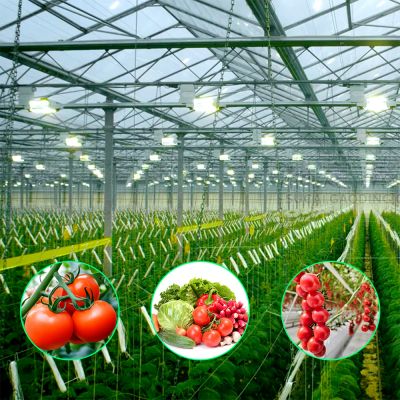
Tomato production – The house holds a warm, stable microclimate and the anti-drip film keeps the canopy dry, reducing the leaf-disease pressure that costs yield in open tomato growing.
Pepper and strawberry cultivation – Both are high-value crops where a single weather event can wipe out a season. The covered structure keeps rain, hail and wind off the fruit while still allowing good light.
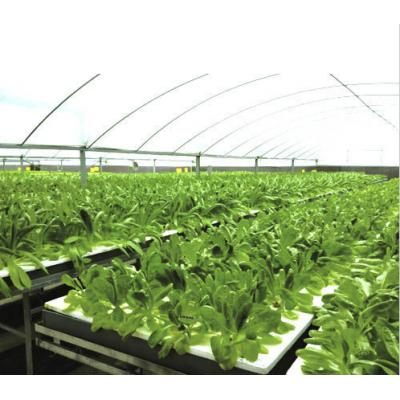
Leafy greens and herbs – Lettuce, spinach and basil can be grown year-round, with the growing season extended at both ends in temperate and tropical regions alike.
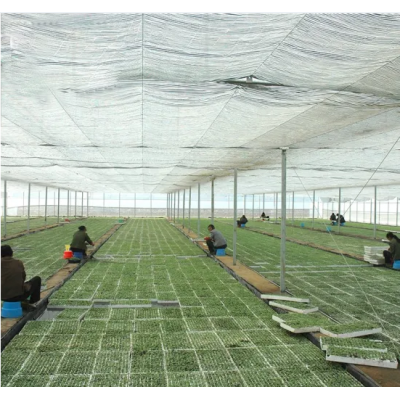
Seedling and nursery operations – Consistent germination temperature and protection from heavy rain give more uniform transplants. For tray-based propagation, the house is often paired with a tunnel greenhouse layout and raised growing benches.
Flower and ornamental nurseries – Diffused light under film reduces stress on young ornamentals compared with direct sun.
Ziyang Bozong manufactures greenhouse frames and covering systems for export, with the steel structure and the film specified together rather than sourced separately. Compared with a glass or polycarbonate house, the PE film solution carries a substantially lower initial investment while still delivering a controlled growing environment, and covers remain a low-cost item to replace on a rolling cycle.
Houses can be supplied as a frame only, or as a complete package with film, end walls, doors and ventilation. Buyers who need to compare the hoop profile against a taller arched structure can review our high tunnel greenhouse, and where a heavier frame is required for a high-wind site we also build a heavy duty polytunnel greenhouse. Growers running a nursery rotation alongside field crops often pair this house with a single span tunnel greenhouse for propagation work.
Delivery runs 20-30 working days depending on specification. Each shipment includes an installation manual, and optional on-site engineering support is available for larger projects. Growers comparing covering materials for vegetable production can find current guidance through the AIPH and practical crop-production reporting via Produce Grower.
Both use an arched frame and a single-layer film cover, but a high tunnel is normally taller and wider so that a person can work standing up and small equipment can be driven inside. A hoop greenhouse is the lower, narrower form – typically 6-12 meters span – and is suited to vegetable, strawberry and seedling production where the crop stays below working height. The frame and covering specification is otherwise the same, so we can build either from the same component set.
Yes. The structure is modular in length: additional hoop bays bolt onto the existing frame, so a house can be extended from 10 meters up to around 100 meters without replacing what is already standing. Span width is fixed once the hoops are formed, so if there is any chance the operation will need a wider house later, that is worth deciding at the quotation stage rather than afterwards.
The hot-dip galvanized steel frame is designed for a 15-20 year service life in normal agricultural environments, with a double-sided zinc coating of 200-275 g/m². Film covers are replaced every 3-5 years, while glass and PC panels carry their own manufacturer warranties.
The hot-dip galvanized steel frame carries a 10-year structural warranty covering structural safety, plus a 5-year warranty against corrosion perforation. It is designed for a 15-20 year service life. Film covers carry their own UV warranty depending on the grade selected, and we supply replacement covers and spare components throughout the life of the structure.
Please send the span width and length you have in mind, the crop you intend to grow, the local wind and snow load requirements, and whether you need a frame only or a complete package with film, end walls and ventilation. We will confirm the frame specification and covering grade against your site conditions. Tell us the destination port as well, so we can quote the shipping arrangement alongside the greenhouse.