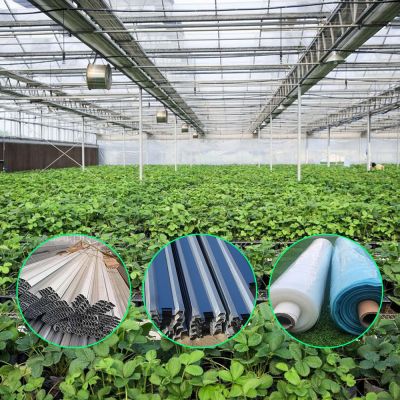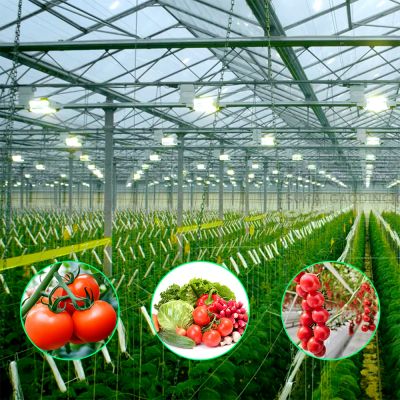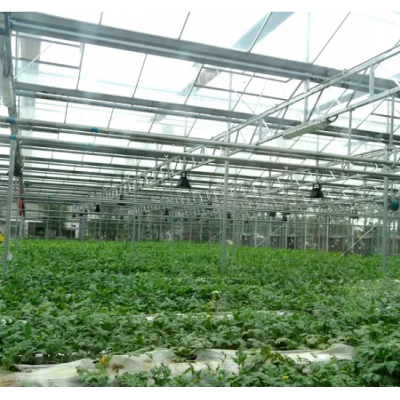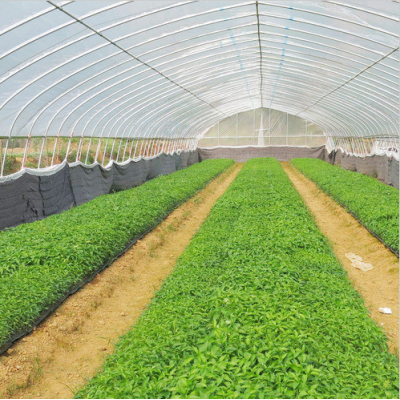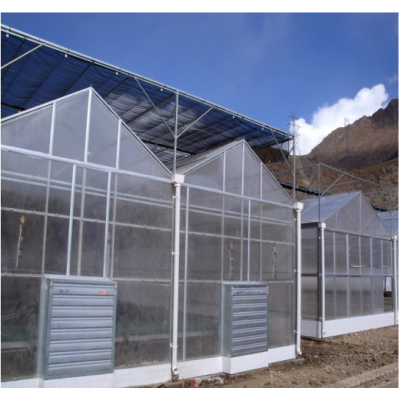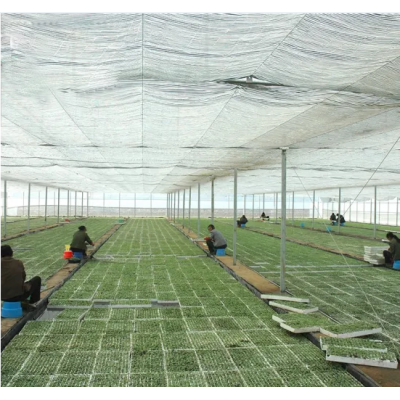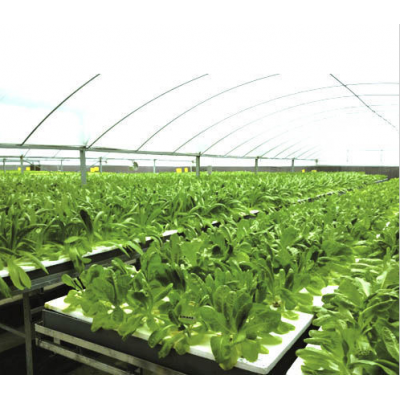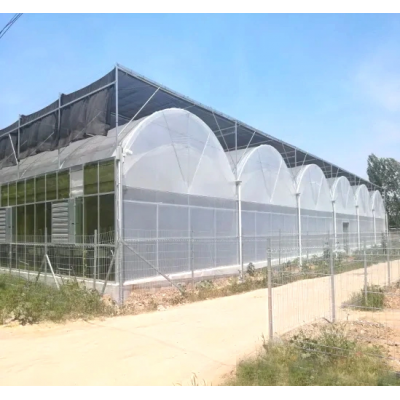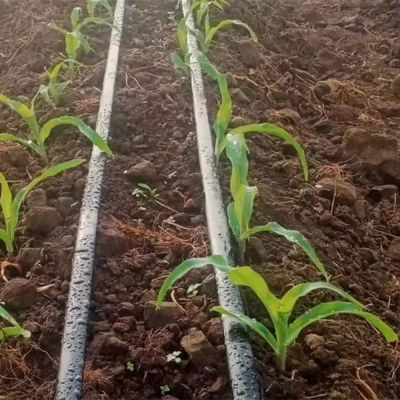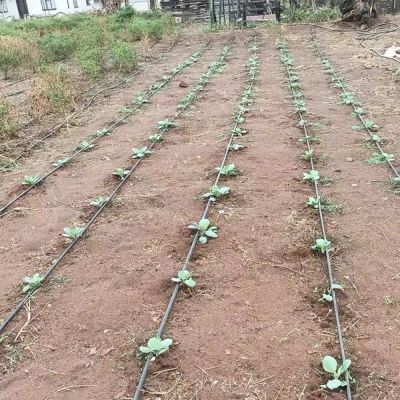
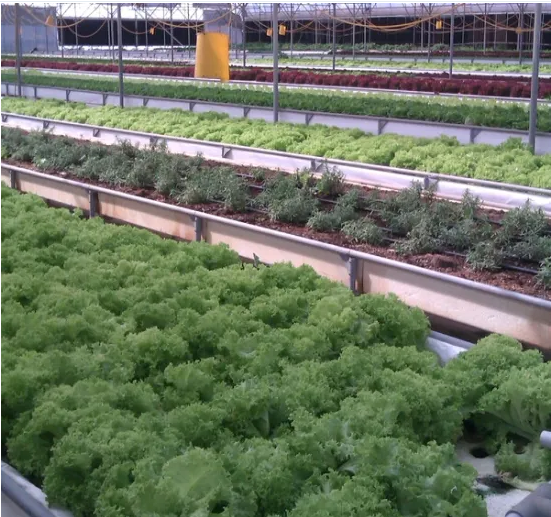
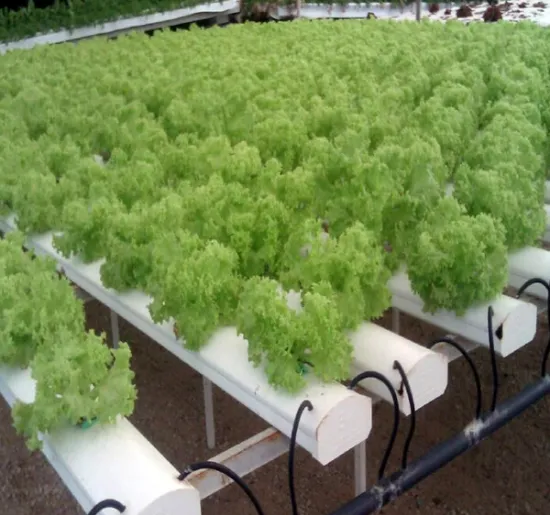
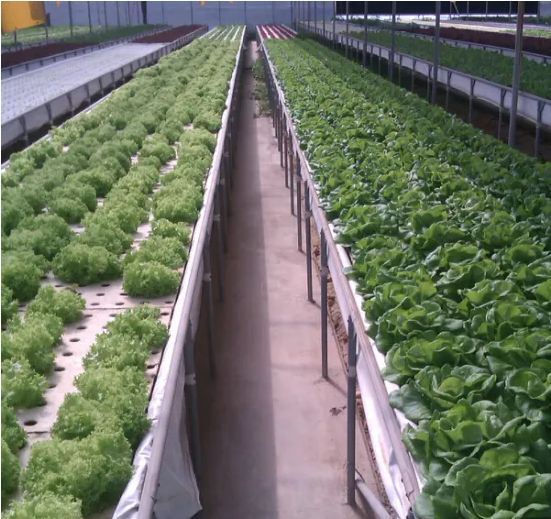
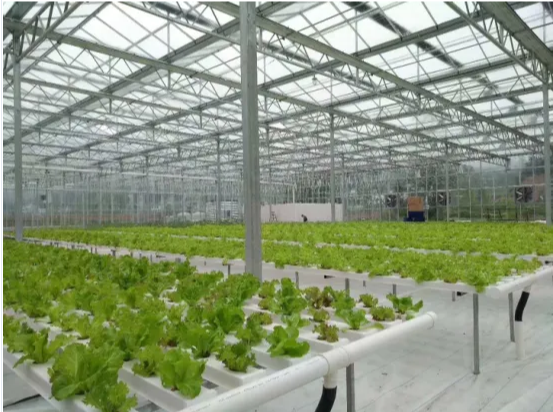
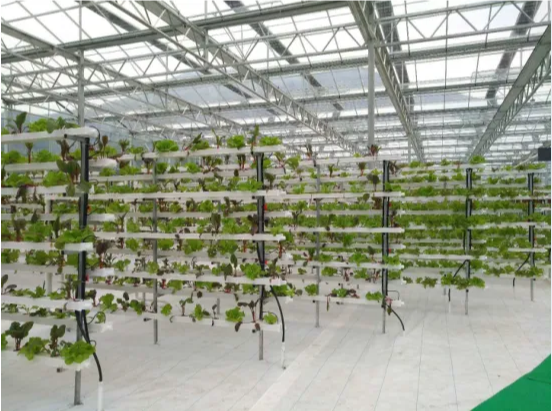
This hydroponic system grows lettuce without soil, either in NFT channels or in substrate beds, inside a greenhouse or other covered structure. In the NFT version the roots sit in shallow channels and a thin film of nutrient solution is pumped past them on a timer; in the substrate version the solution is delivered through drip emitters that flush the growing medium with fresh nutrient, water and oxygen. Both routes give the grower direct control over water, nutrient strength and root-zone oxygen, which is what makes repeatable lettuce batches possible. Systems are laid out to the greenhouse footprint, with channels or beds, pump and reservoir, filtration and timed dosing supplied as a working package for commercial greenhouse lettuce production.
Lettuce is unforgiving about consistency. A crop that dries out for half a day bolts or tips, and a batch that gets uneven nutrient strength grades out as two different products. Soil growing makes that consistency hard to hold, because you cannot see or steer what the roots are sitting in. A hydroponic system for lettuce replaces guesswork with a pump, a reservoir and a timer, so the root zone gets the same conditions from the first plant to the last.
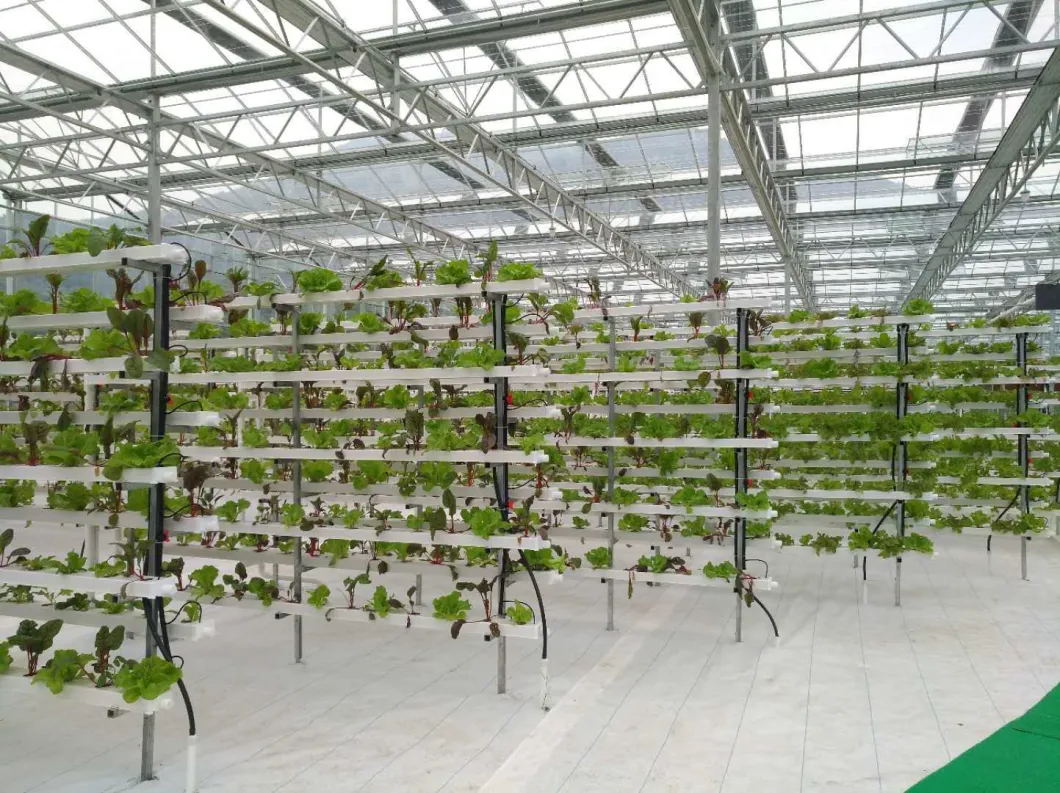
In an NFT system the plants sit in channels and a shallow film of nutrient solution is pumped continuously past the roots. The roots stay moist and oxygenated without being submerged, which suits short-cycle crops such as lettuce, leafy greens and culinary herbs. In a substrate system the nutrient solution is delivered through drip emitters on a timed schedule, and each cycle flushes the growing medium so the roots receive fresh nutrient, water and oxygen. Substrate beds hold more water and buffer better against a pump failure, so they are often chosen where the crop cycle is longer or the power supply is less predictable. Many greenhouse lettuce projects run both side by side and shift the mix as they learn what their market grades for.
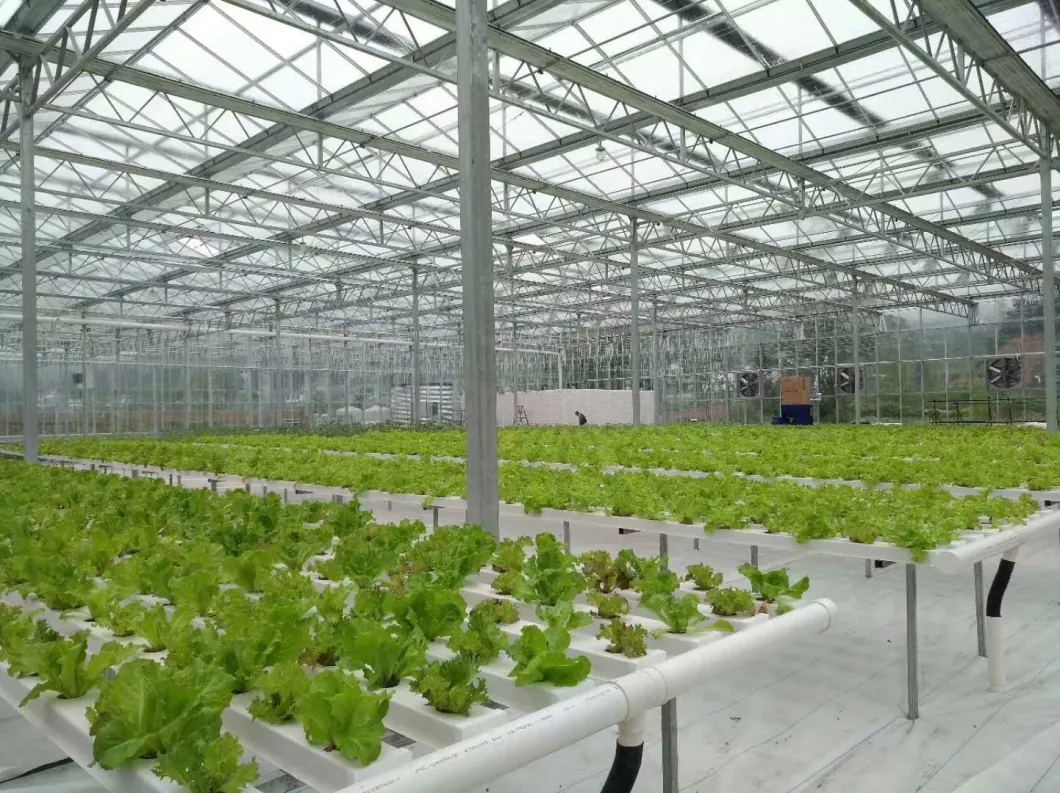
A working system is not just channels. It includes the growing channels or beds, a reservoir sized to the plant count, a pump and main lines, filtration ahead of the emitters, and a timed dosing set for nutrient strength. Channel spacing and bench height are set to your greenhouse and to how you intend to harvest - a low-level float bed lets workers pick standing, while stacked vertical racks multiply the plant count per square metre but need more light and more careful airflow. We lay the system out to your structure rather than selling a fixed module, so aisles, doors and existing greenhouse irrigation mains stay usable.
Recirculating systems use a fraction of the water that soil growing does, because solution that is not taken up by the crop returns to the reservoir rather than draining away. Nutrient strength is set from an EC meter reading, and dosing is adjusted as the crop grows and as the season changes. Filtration ahead of the emitters is what keeps a system reliable: a blocked emitter starves one plant while the rest of the bed looks fine, which is exactly the kind of uneven batch the system is meant to prevent. For a fuller picture of how the water side is built, see our greenhouse hydroponics system overview.
Lettuce performs well with moderate temperatures, high humidity and steady light, which is why a covered structure does most of the work even before the hydro system is considered. Roof or side ventilation keeps leaf temperature down in summer, shading reduces tip burn during heat peaks, and supplementary lighting extends production into short winter days. In hot climates the house is usually combined with wet curtain cooling to hold a temperature range lettuce will stay crisp in. Guidance on protected horticulture from FAO and market reporting from Produce Grower are useful references when planning production volume against demand.
NFT suits short-cycle leaf crops and gives the fastest turnaround with the least growing-medium cost, but it has little buffer if circulation stops. Substrate beds cost more to fill and clean but hold water and nutrients through a power interruption, which matters where the supply is unreliable. For lettuce most growers start with NFT or float beds and add substrate where a longer or heavier crop is planned.
There is no fixed minimum, but the system is usually laid out around a reservoir and pump position that has room for service access. Practical sizing starts from the number of plants you intend to harvest per week rather than from floor area, so tell us your target throughput and we will work back to channel count, bench layout and reservoir volume.
The hot-dip galvanized steel frame is designed for a 15-20 year service life in normal agricultural environments, with a double-sided zinc coating of 200-275 g/m2. Film covers are replaced every 3-5 years, while glass and PC panels carry their own manufacturer warranties.
The hot-dip galvanized steel frame carries a 10-year structural warranty covering structural safety, plus a 5-year warranty against corrosion perforation. It is designed for a 15-20 year service life.
Send the greenhouse dimensions, the crop and the harvest target per week, whether you prefer NFT, substrate or a mix, and the water source and power supply on site. If you already have a reservoir or main line in place, tell us the sizes so the new system connects to what exists instead of replacing it.