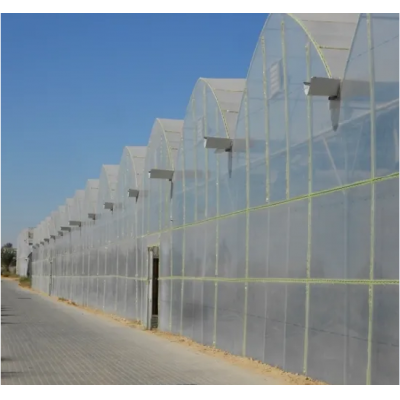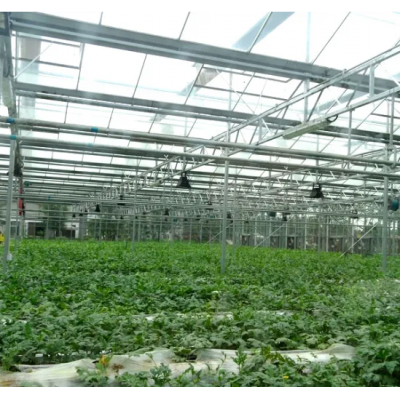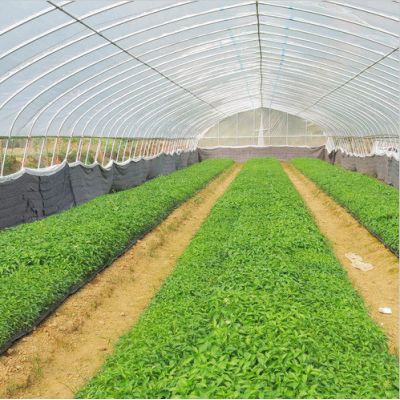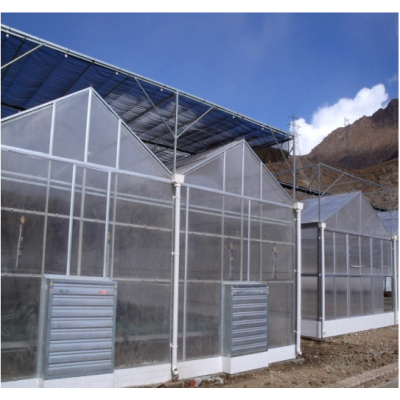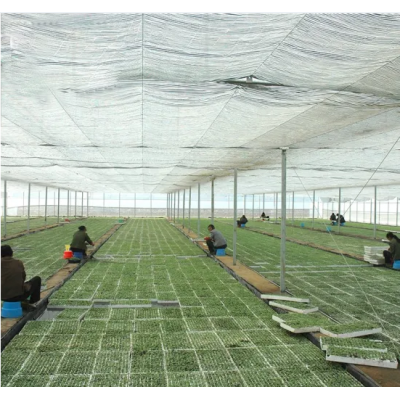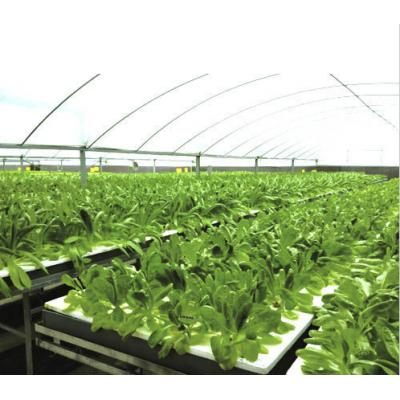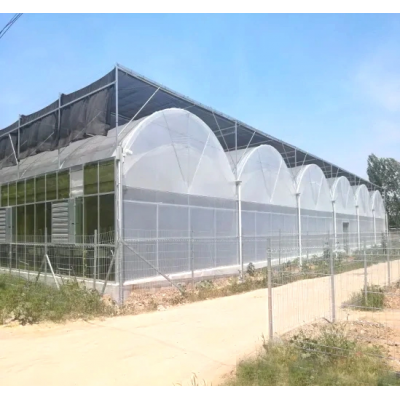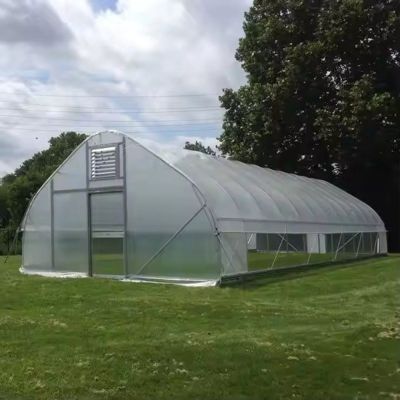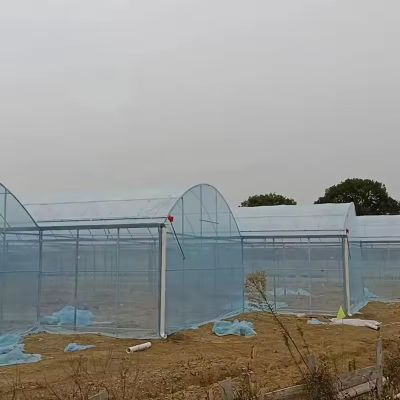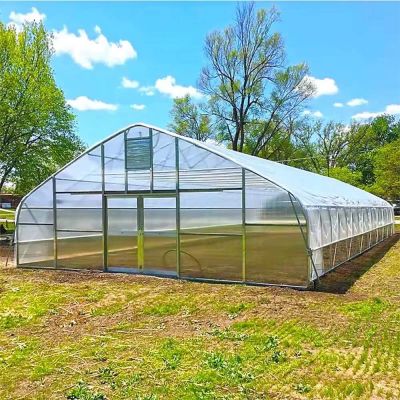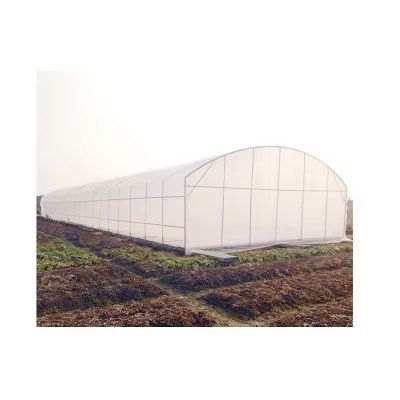
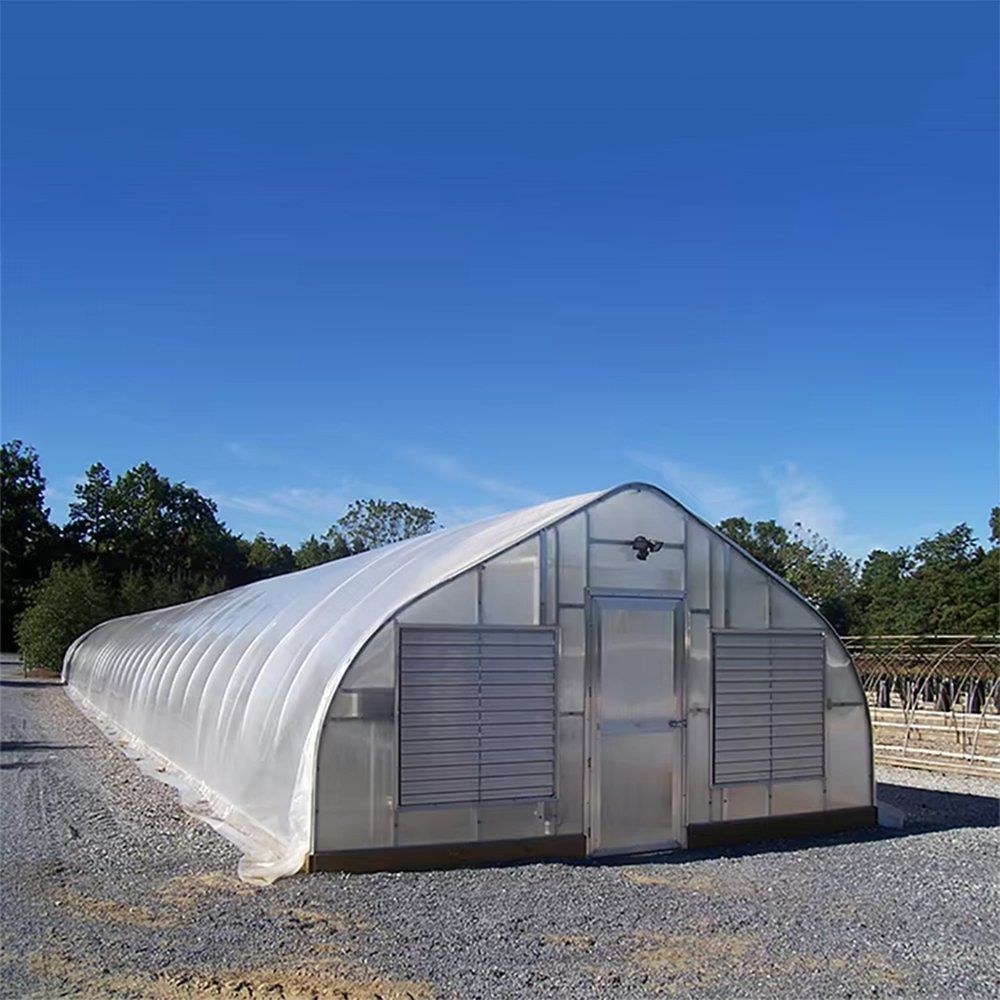
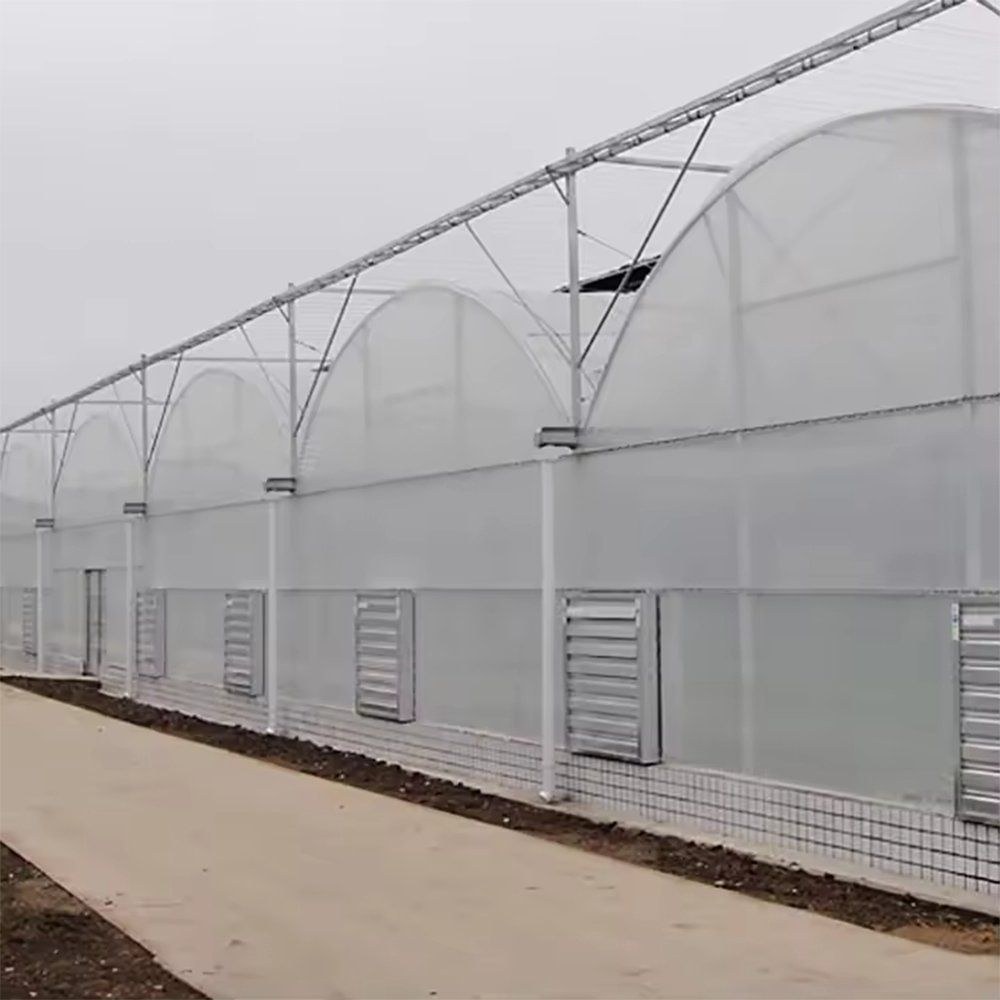
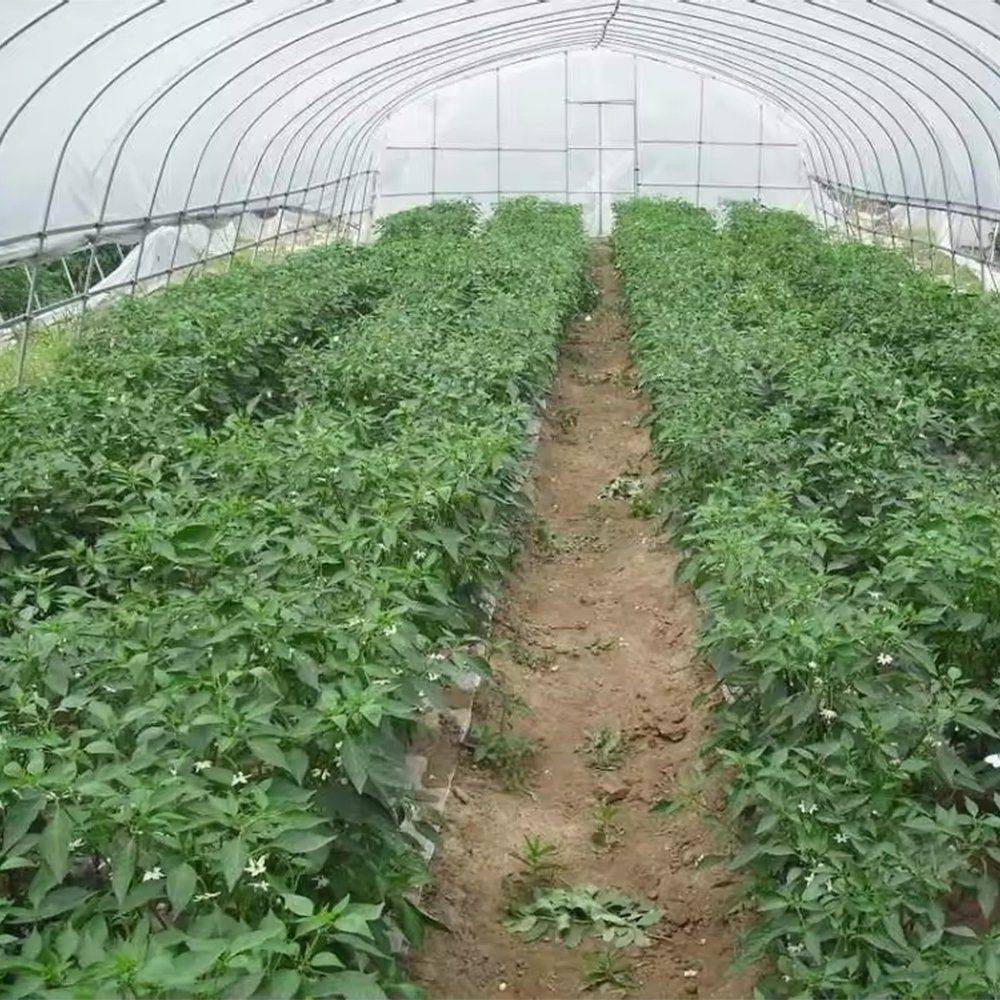
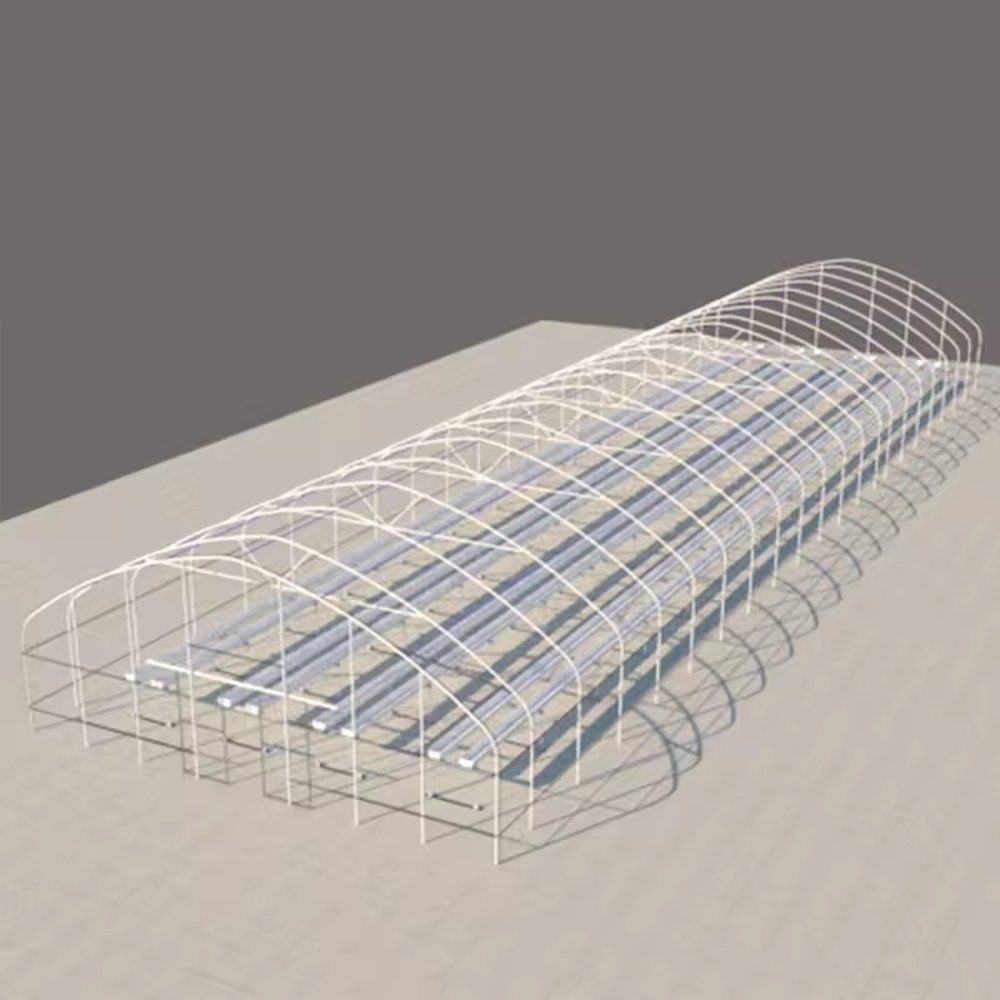
This is the tunnel a grower buys when the budget is fixed and the job is still serious. The frame is hot dip galvanized tube with bolted joints and no site welding, the span runs from 6 to 12 metres, and the cover can be film, polycarbonate or glass depending on what the crop and the climate ask for. Shading, irrigation and ventilation are added as options rather than built in, so the money goes where it is needed. Options are added rather than built in.
An economic tunnel is not a lesser version of a commercial house; it is a house with the options left off until the grower decides they are needed. The structure is the same galvanized tube and the same bolted connections, and what changes is which systems are included at the start.
For a grower putting covered area onto land for the first time, the decision that matters is how much area can be covered per unit of capital. A tunnel that carries a cover and a frame, with ventilation and irrigation added later, puts more square metres under protection than a fully equipped house of the same budget.
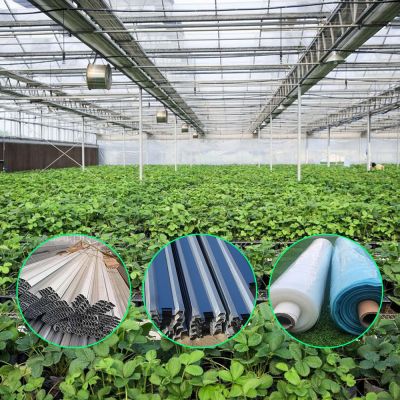
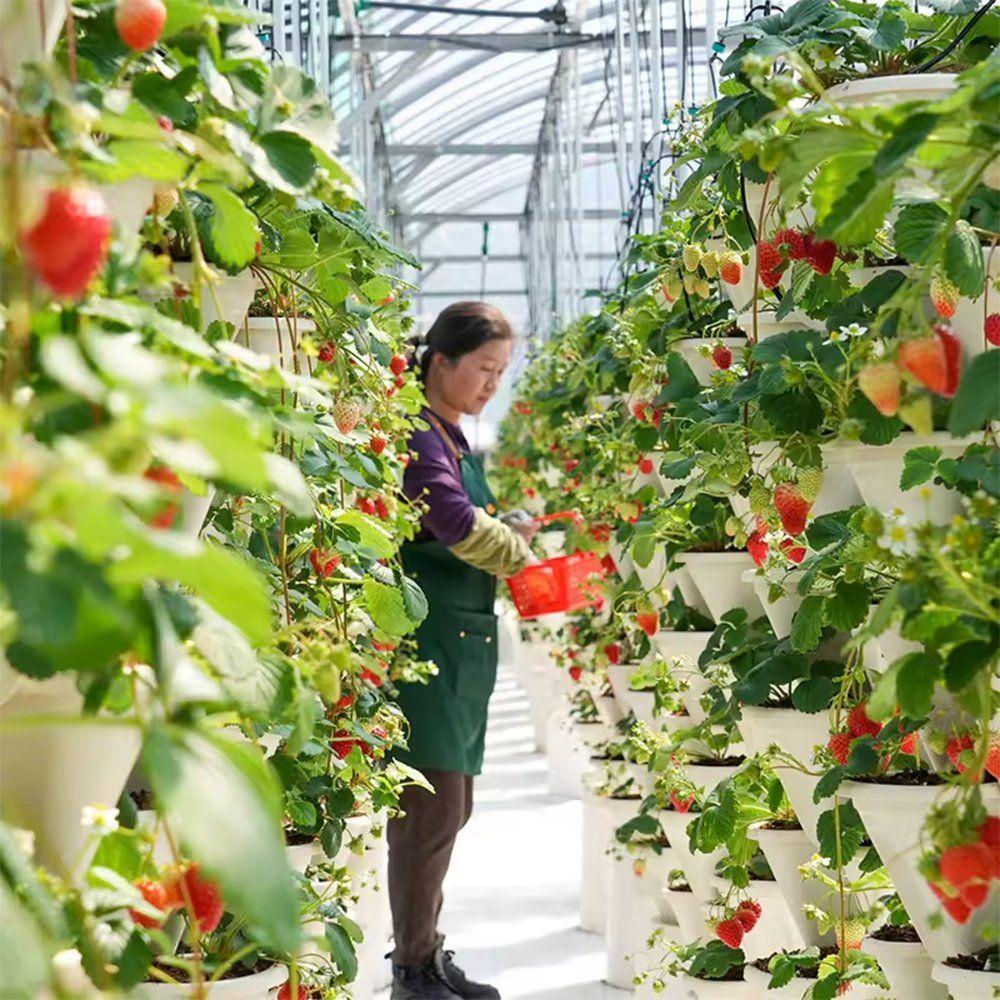
It also suits a crop that does not need a controlled climate. Strawberry under a tunnel is the clearest case: what the crop needs is rain off the fruit and a longer picking window, not precise temperature control. Houses of this shape are grouped on the tunnel greenhouse range on this site.
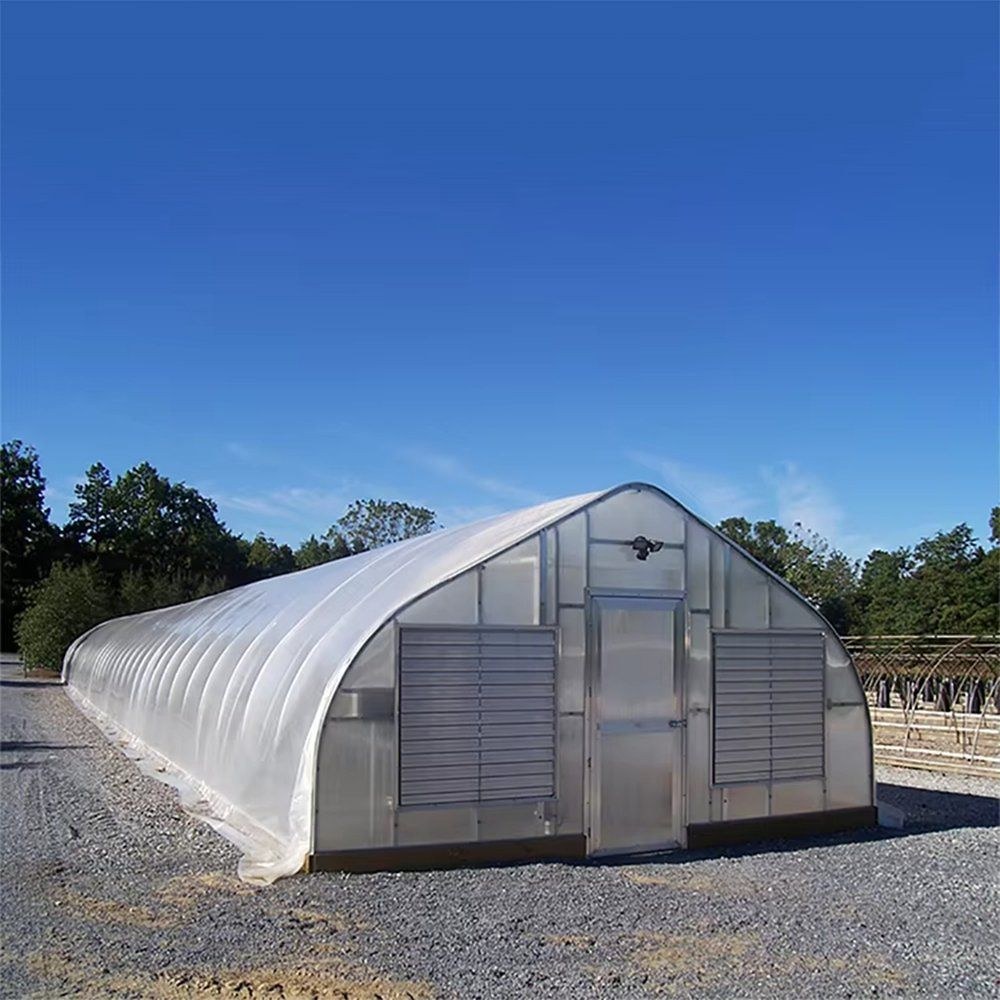
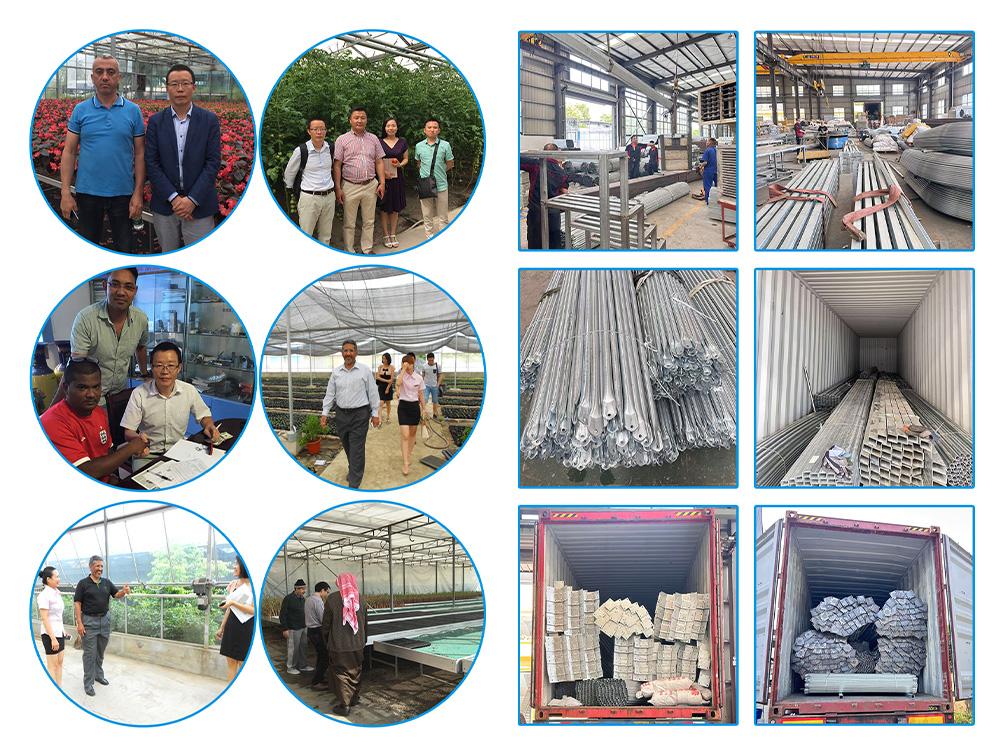
The frame is hot dip galvanized steel tube. Every joint is bolted through pre-drilled parts and there is no welding on site, which is the detail that decides how the frame ages: welding burns the zinc away at the joint, and that is where corrosion begins on a tunnel that sees condensation every night.
The standard cover is film, in PE, PO or PEP depending on the grade ordered, and the film is treated for dust, fog and dripping so condensation runs down the sheet rather than landing on the fruit. Polycarbonate sheet and glass are also available on the same frame where a crop or a climate calls for them. A heated version of the same single span house is described on the hydronic heated plastic greenhouse page.
| Structure | Single span tunnel, hot dip galvanized steel tube, bolted assembly |
| Span width | 6.0 m to 12.0 m, or to order |
| Pillar spacing | 4.0 / 4.5 / 6.0 / 8.0 m |
| Gutter height | 3.0 m to 5.0 m |
| Cover options | PE / PO / PEP film, polycarbonate sheet, glass |
| Wind load | 0.5 kN/m2 |
| Snow load | 0.3 kN/m2 |
| Constant load | 15 kg/m2 |
| Drainage capacity | 140 mm/h |
| Frame service life | More than 10 years under normal conditions |
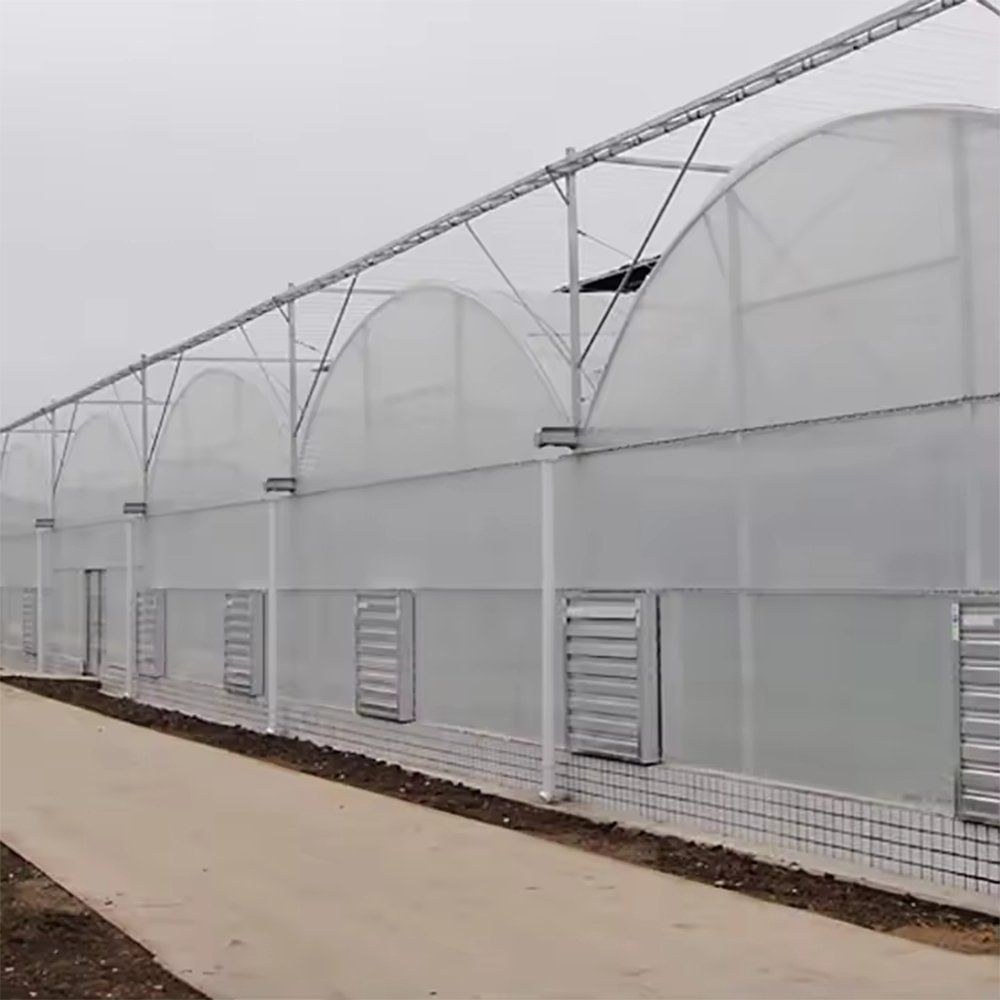
The options list is long, and not all of it belongs on an economic house at the start. Ventilation and irrigation are the two that change how the tunnel performs day to day, and both can be fitted at the beginning or added to a house already standing.
Beyond those, shading and cooling come into play where summer heat is the limiting factor, and heating where the season starts late. Benching and hydroponic systems change what can be grown inside rather than how the house performs. Lighting and automatic control are the last things added, once the crop and the labour pattern are known. A single span house fitted with a cooling system is described on the single span greenhouse with cooling system page.
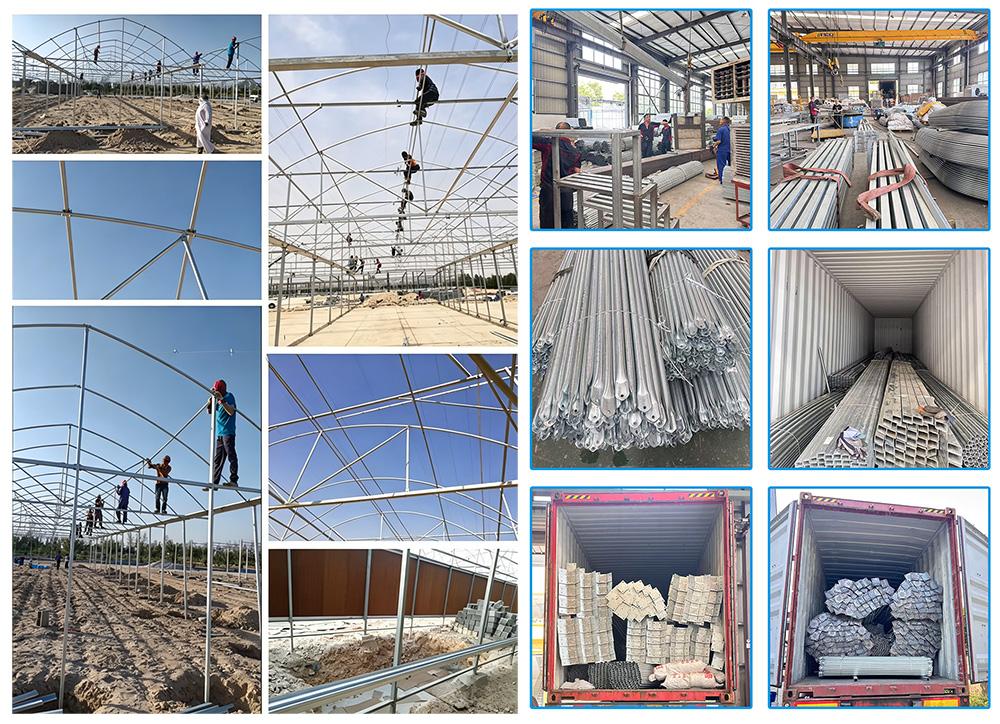
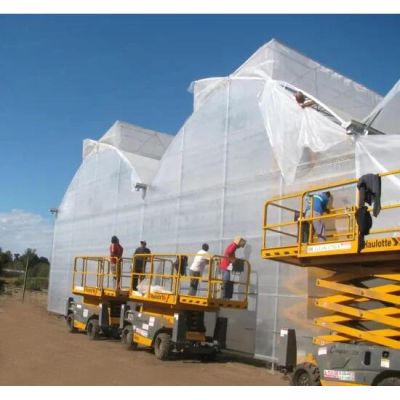
The structure is prefabricated and standardised, so the site work is assembly rather than fabrication. Arches are stood on the base, purlins and bracing follow, and the film goes on last, in calm weather. No welding is involved at any stage, which keeps the coating intact and removes the need for a hot work permit on site.
Maintenance is mostly the cover. Film is a service item replaced on a cycle, and the fixings and the base rail are where it fails first. The galvanized frame needs an occasional look where tools have caught the coating; beyond that the structure is expected to outlast several covers.
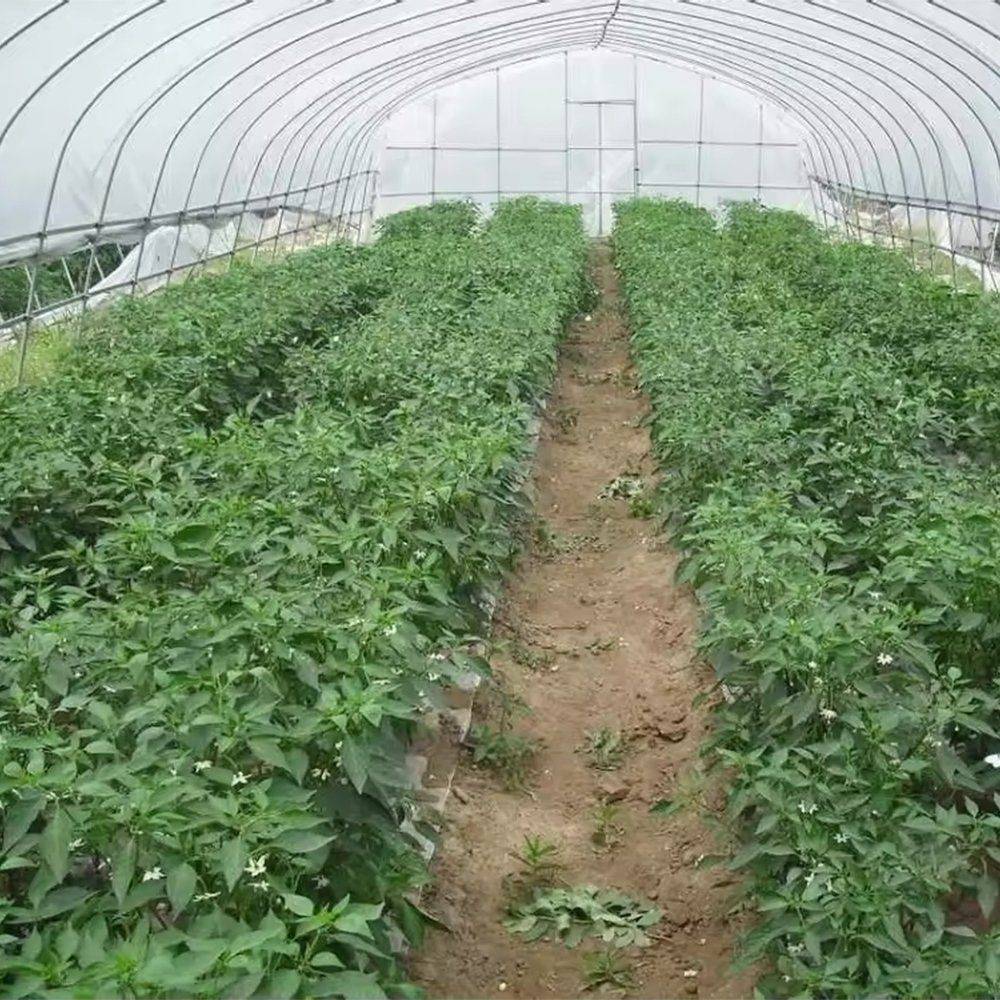
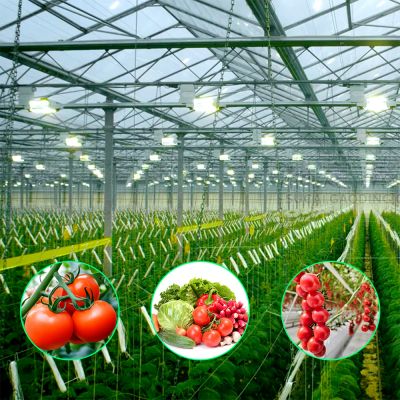
These tunnels are used for strawberry and soft fruit, for vegetables and salad, for cut flowers, and for nursery stock where rain cover is the main requirement. They suit a grower adding covered area on a fixed budget, an operation that wants several smaller houses rather than one large one, and buyers in hot or variable climates who need the span and the cover set to their conditions rather than taken from a catalogue.
Standards for structural steelwork and protective coatings are published by the British Standards Institution. Protected cropping and greenhouse production reporting is published by Greenhouse Grower.
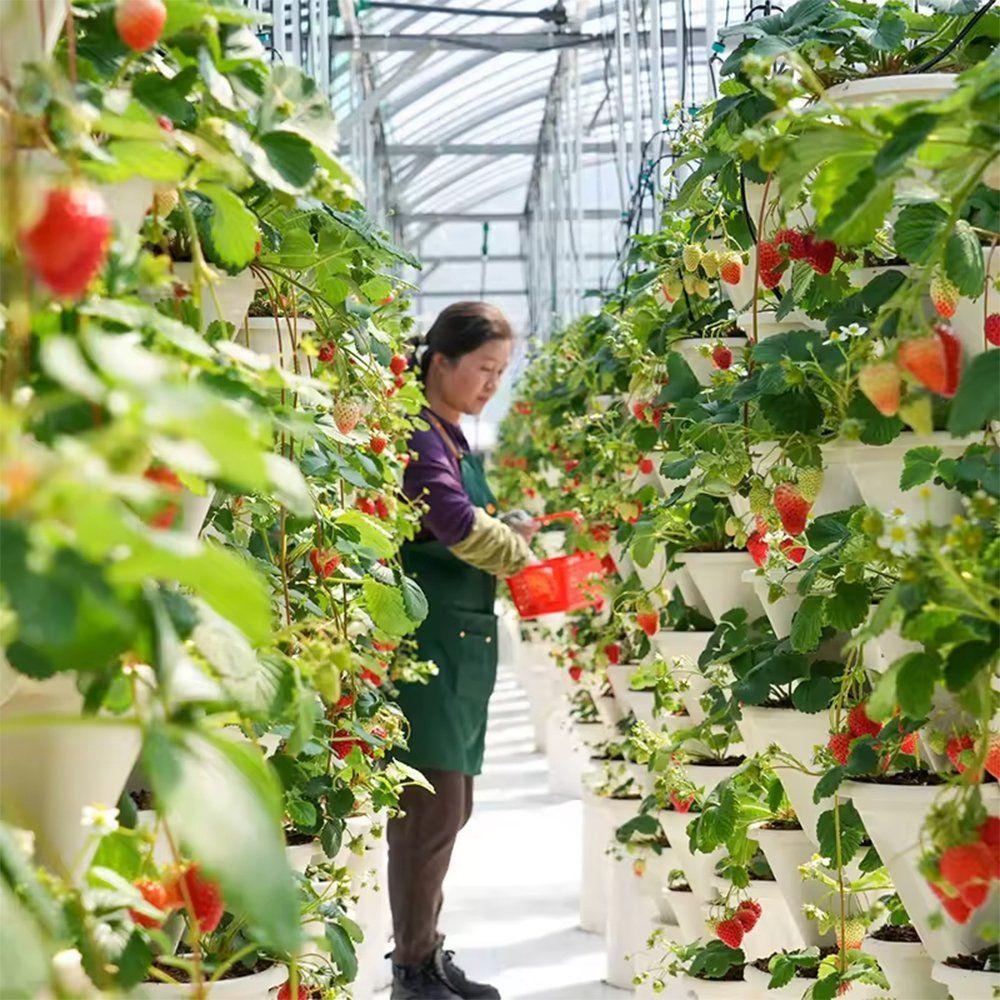
Yes. Strawberry under cover mainly needs rain off the fruit and a longer picking window, and the house can be ordered with shading and side ventilation for high temperature sites.
PE, PO or PEP film as standard, with polycarbonate sheet and glass available on the same frame if the crop or the climate calls for a different covering.
Film suits low-cost tunnels on 3-5 year replacement cycles. Glass delivers the highest light transmission and the longest lifespan, at the highest cost. PC sheet insulates better than film and suits cold or high-humidity climates. The right choice depends on climate, crop and budget.
Ziyang Bozong Greenhouse Industry Co., Ltd. is a manufacturer based in Ziyang, Sichuan, China. We produce the hot-dip galvanized steel frame in-house, cutting and drilling to drawing, and supply covering materials, ventilation, cooling and irrigation systems as one coordinated package.
Send your growing area, span and length, crop type and local climate. If you already have a layout drawing, that is enough to start. Our engineers then return a quotation with a structure drawing and a bill of materials.
The hot-dip galvanized steel frame is designed for a 15-20 year service life in normal agricultural environments, with a double-sided zinc coating of 200-275 g/m². Film covers are replaced every 3-5 years, while glass and PC panels carry their own manufacturer warranties.