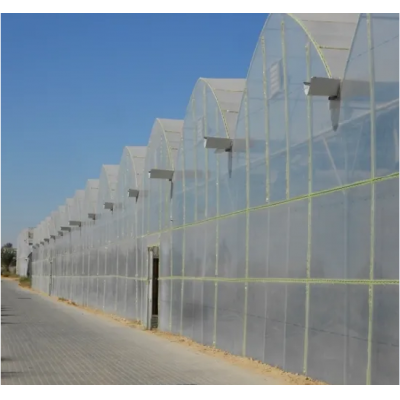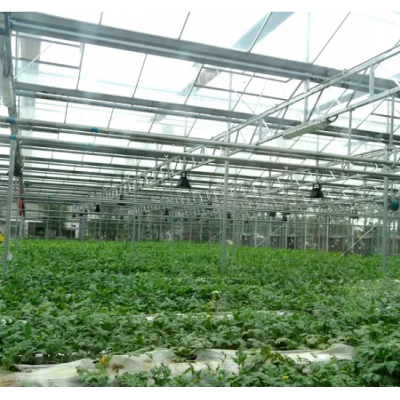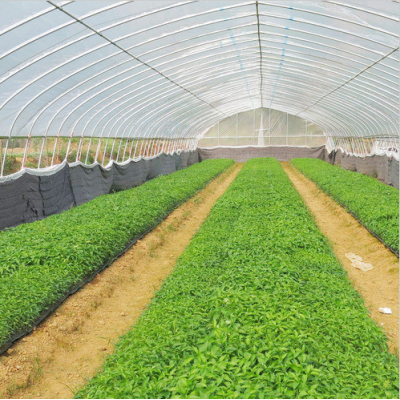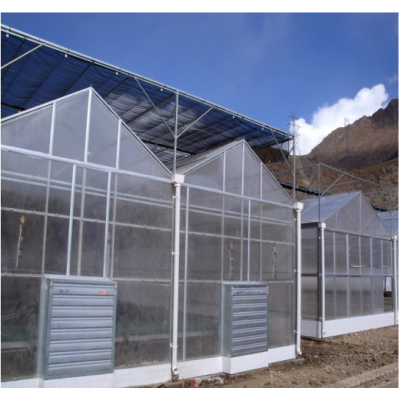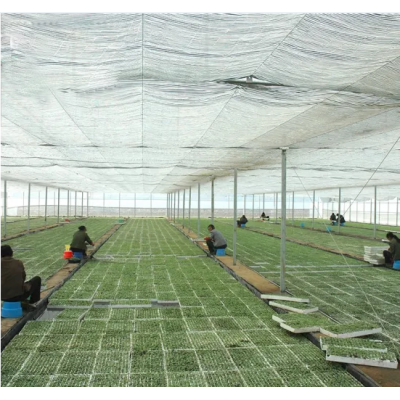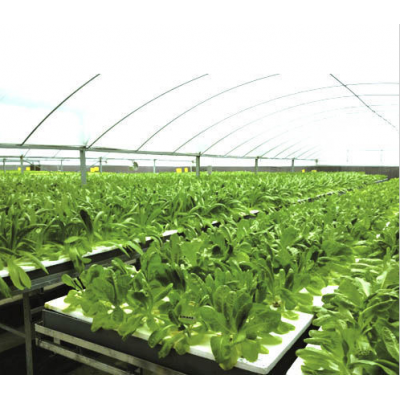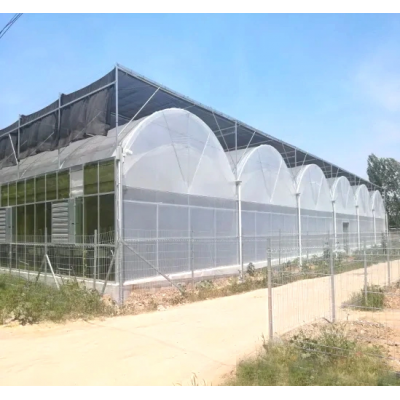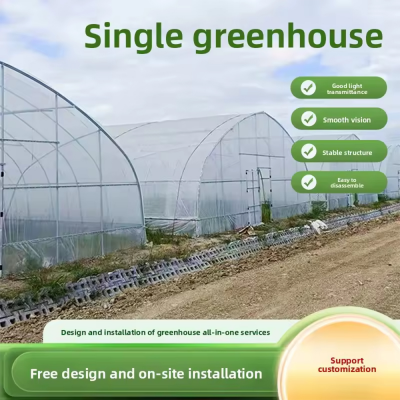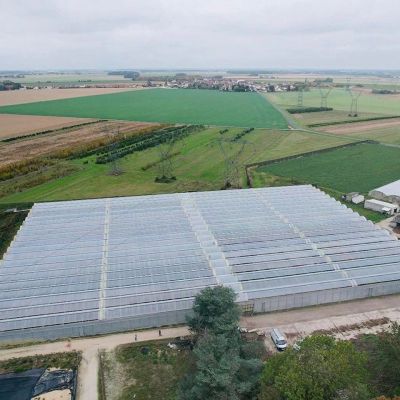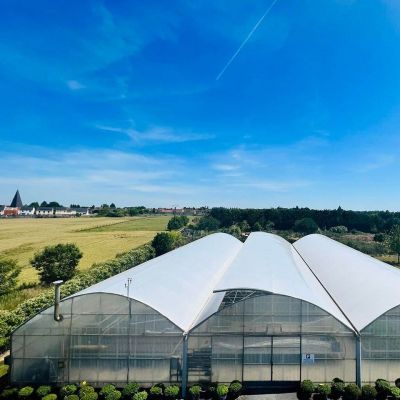
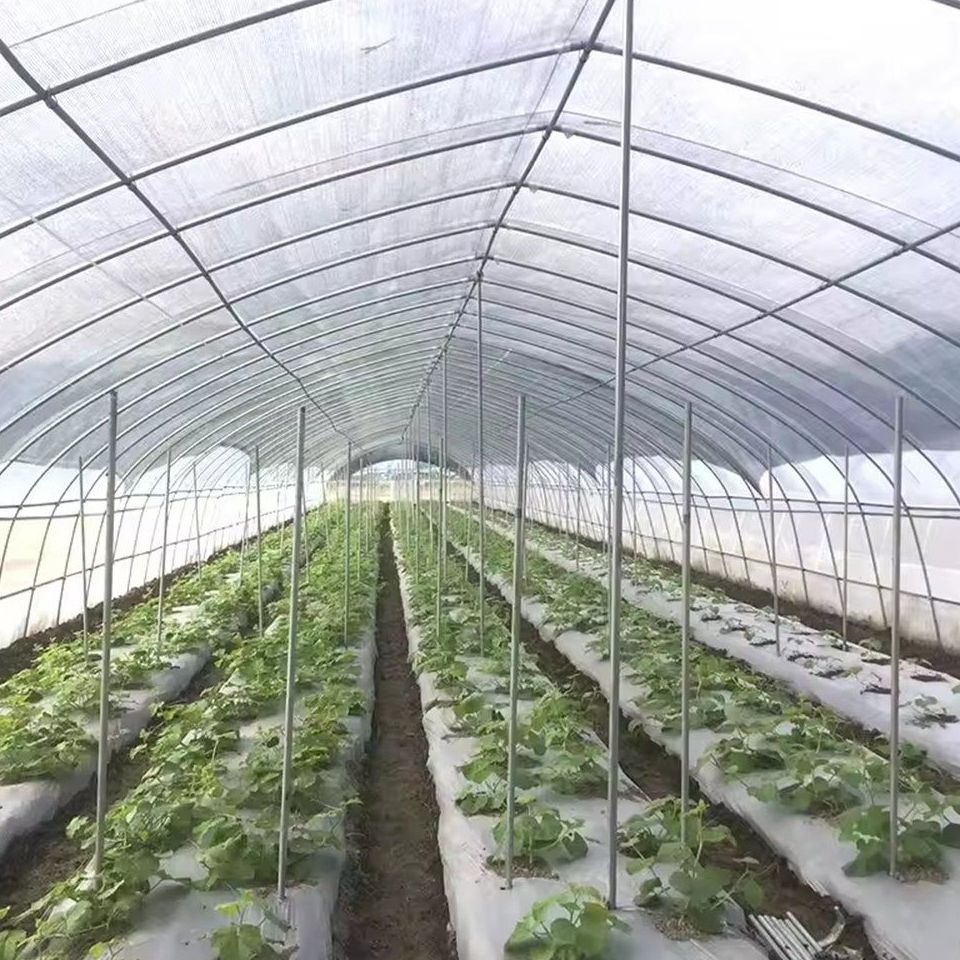
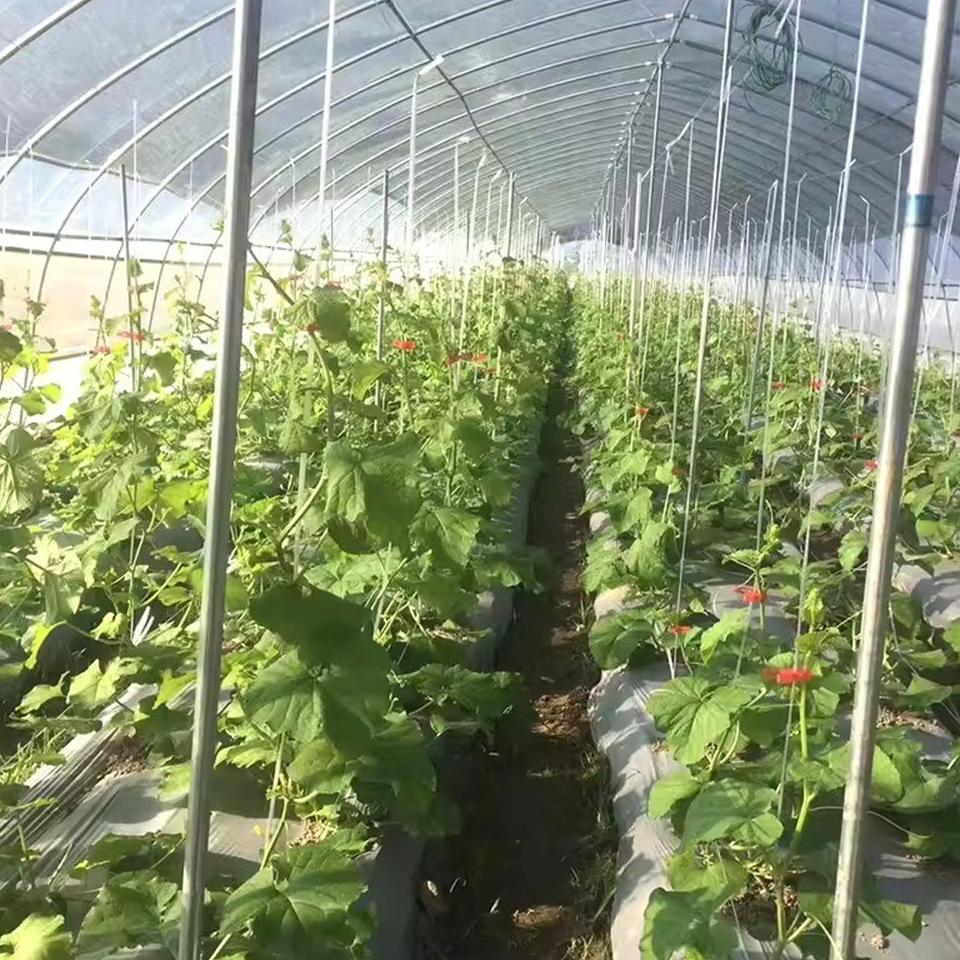
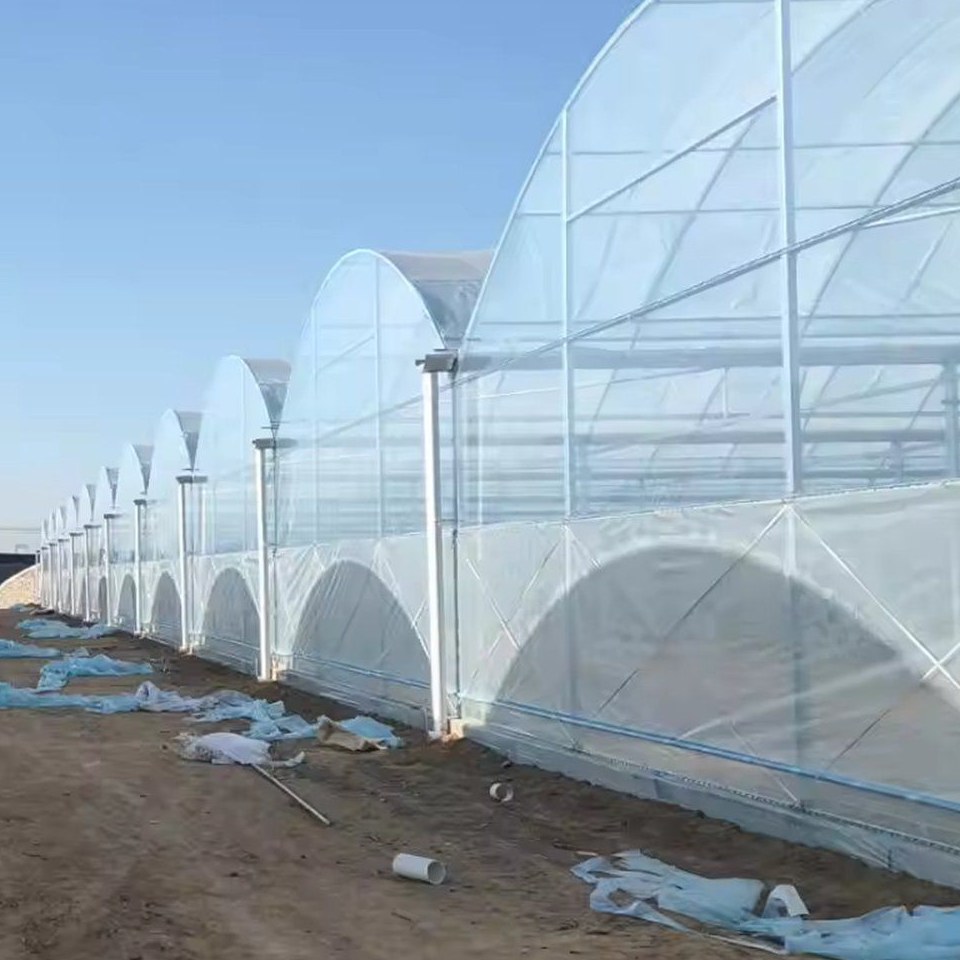
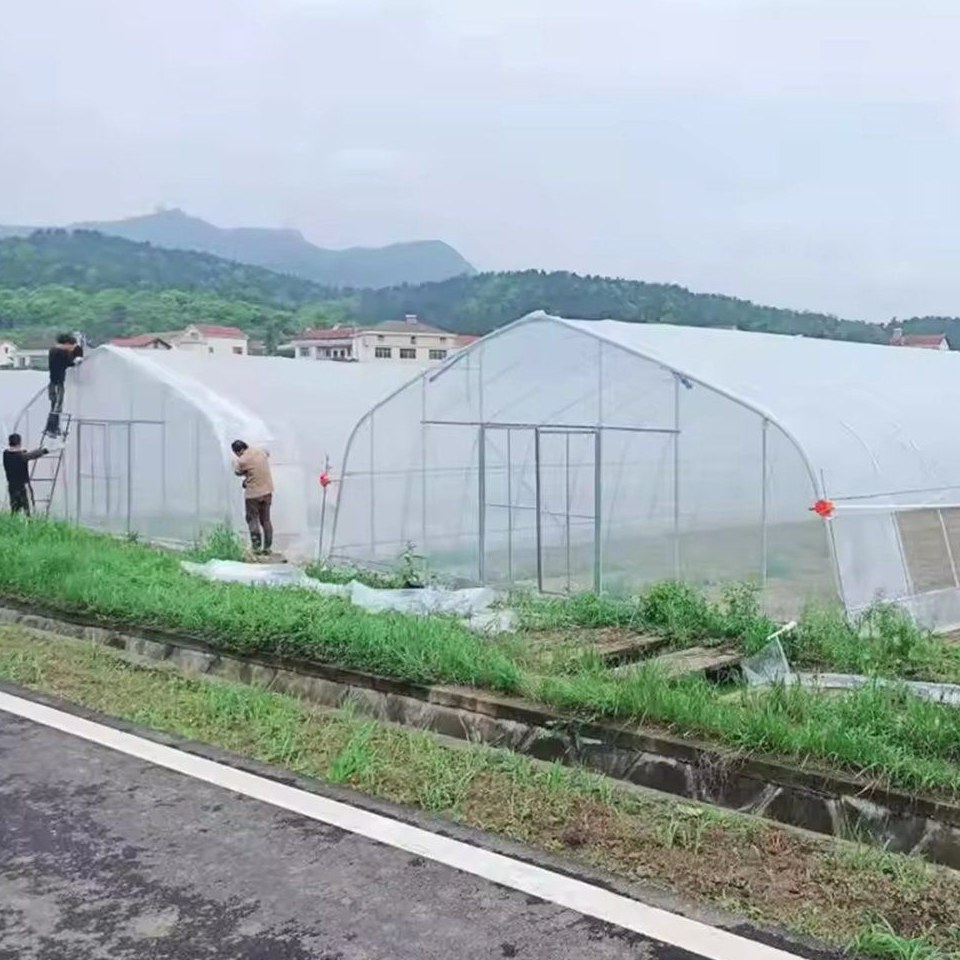
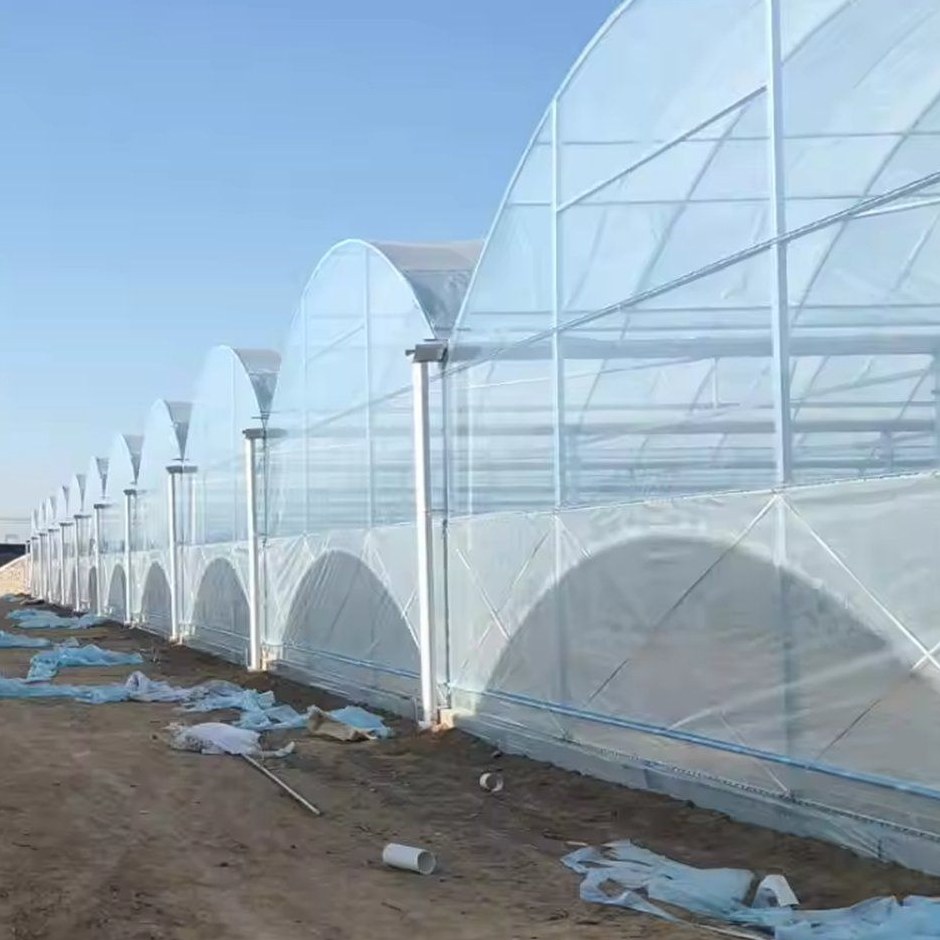
This hydronic heated plastic greenhouse warms the crop from the pipe up rather than the air down. Hot water runs through pipes laid under the beds, so the root zone is held steady while the film cover holds the heat in, which is what winter crops actually respond to. The frame is reinforced galvanized steel and the cover is plastic film, and the system is engineered to the site and the crop rather than supplied as a fixed package. It suits winter vegetable, herb and ornamental production where cold soil is the limiting factor.
Heating a greenhouse by warming the air is the expensive way to do it. Air leaks, it stratifies under the ridge, and it leaves the soil below cold all winter even when the house feels warm. This hydronic heated plastic greenhouse takes the other route: hot water pipes under the beds, so the heat starts where the roots are and the cover only has to hold it in.
A hydronic system circulates heated water through pipes laid below the growing area, and the heat reaches the crop by contact and radiation rather than by convection through cold air. That gives two benefits at once. The root zone stays consistent, which is what keeps a winter crop growing instead of merely surviving; and because the heat is delivered where it is used, far less of it is lost through the roof. Water also holds a large amount of heat, so the system keeps giving after the boiler cycles off, which flattens the temperature curve through the night.
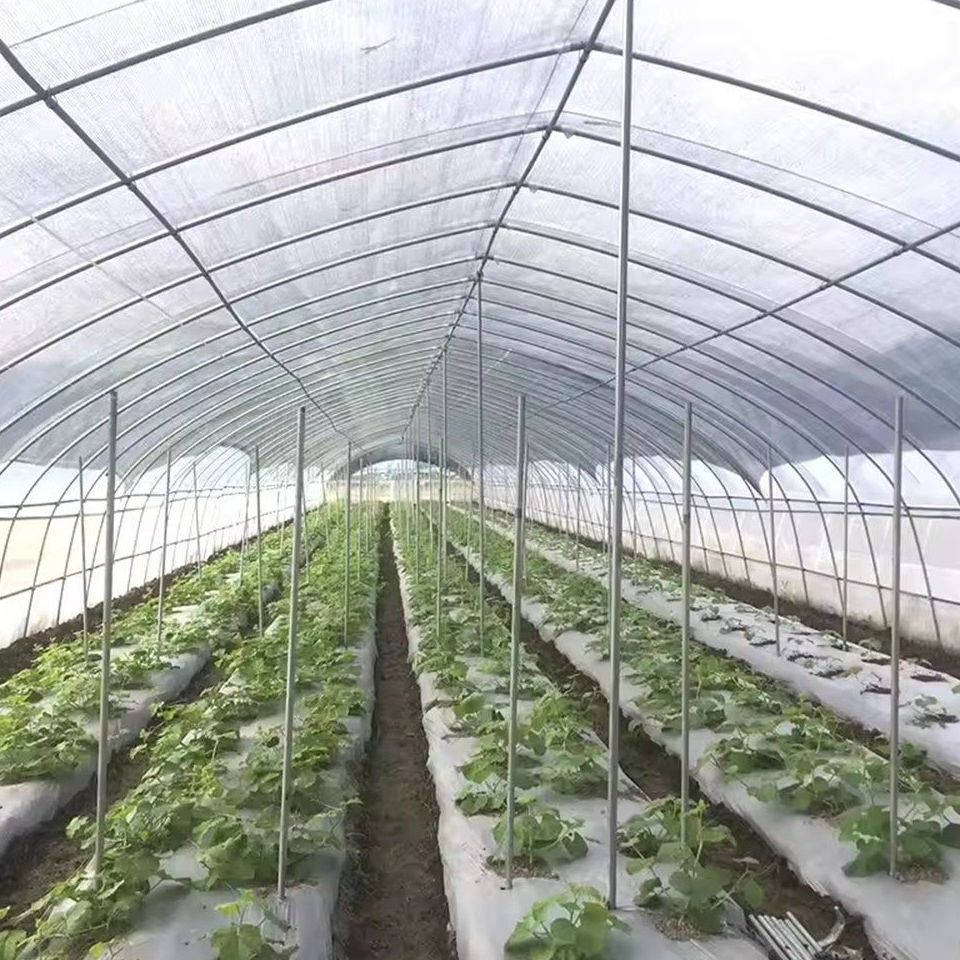
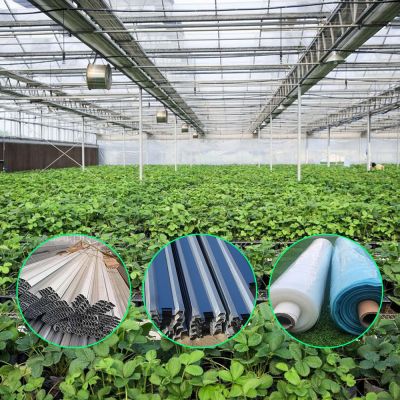
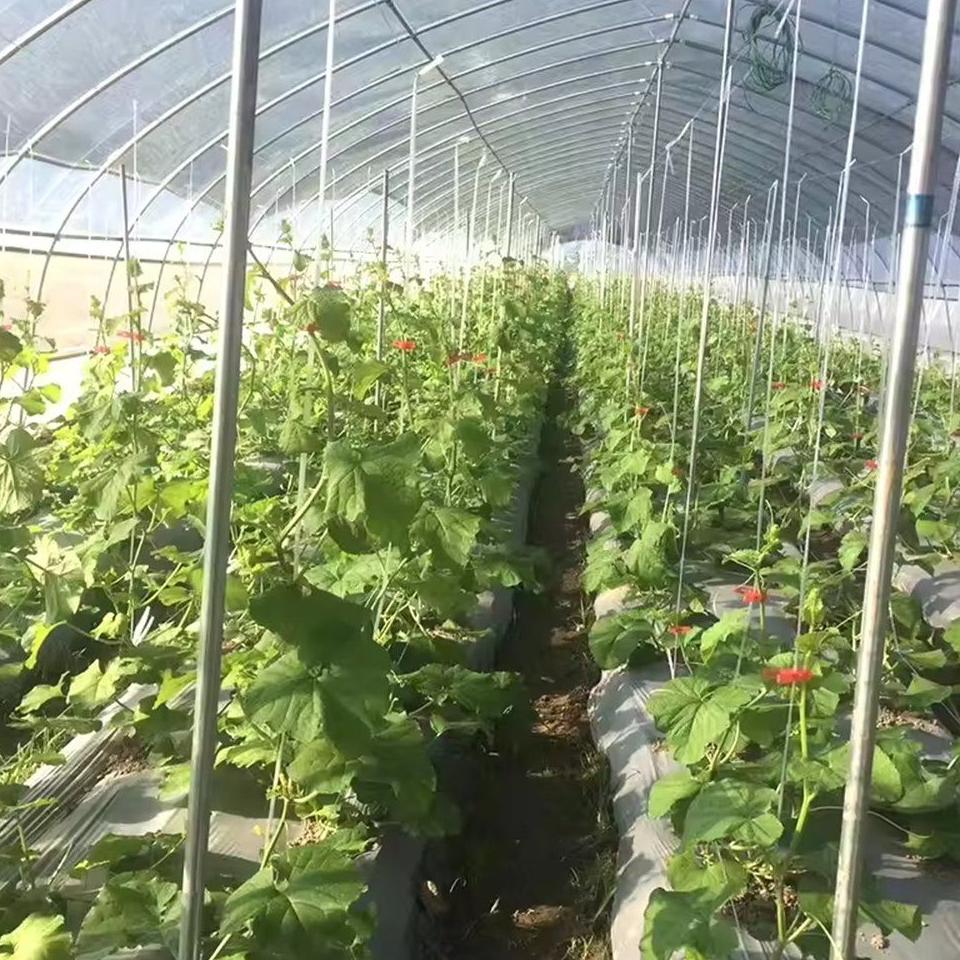
The frame is reinforced galvanized steel, sized to carry the film cover and the crop load together, with pipework runs planned into the layout rather than retrofitted around the beds. Galvanizing is what keeps the structure sound in the humid air of a heated house, where condensation is constant through the winter. The cover is plastic film, which holds heat well and lets the pipe system do its job without fighting a leaking structure. The system is engineered to the site, the crop and the local design temperature.
| Structure material | Reinforced galvanized steel frame |
| Covering material | Plastic film |
| Heating | Hydronic, hot water pipes laid under the beds |
| Heat distribution | Even across the bed, no cold spots between rows |
| Roof shape | Arch roof, tunnel |
| Dimensions | Engineered to the site and the crop |
| Use | Winter vegetable, herb and ornamental production |
| Service life | 15 to 20 years for the frame under normal growing conditions |
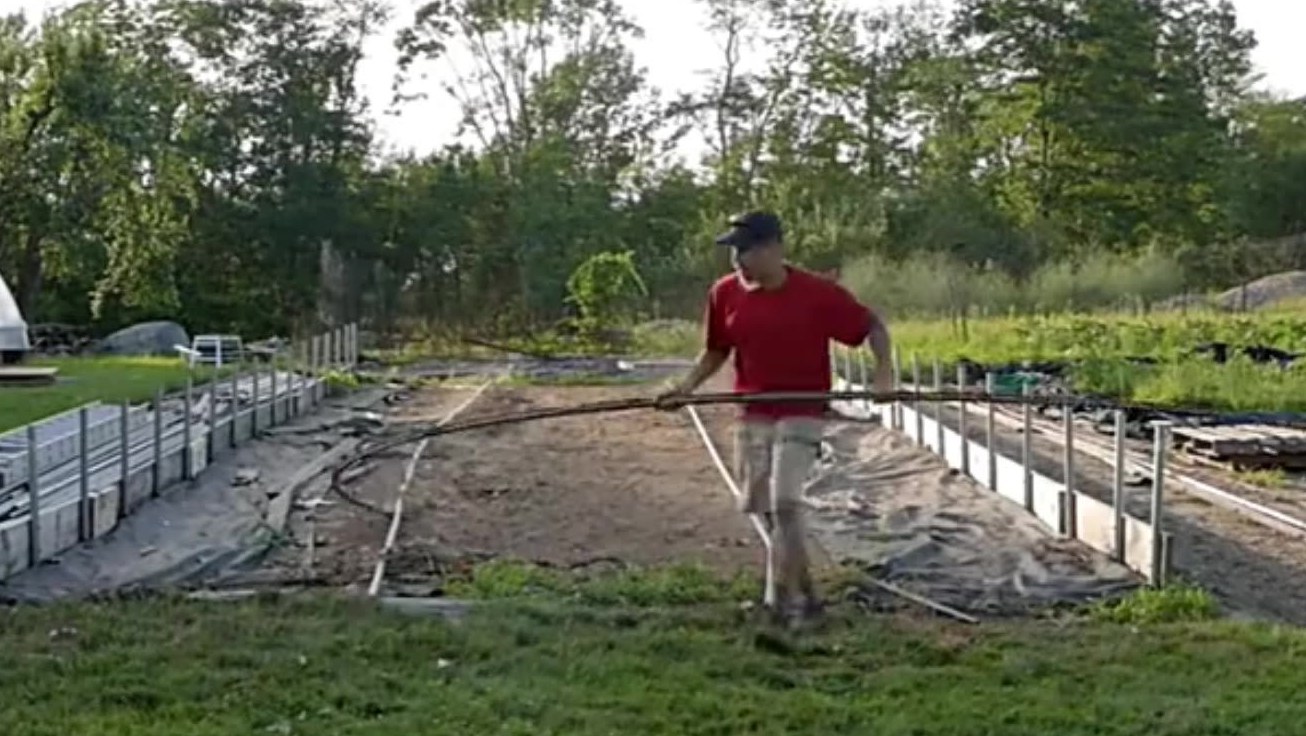
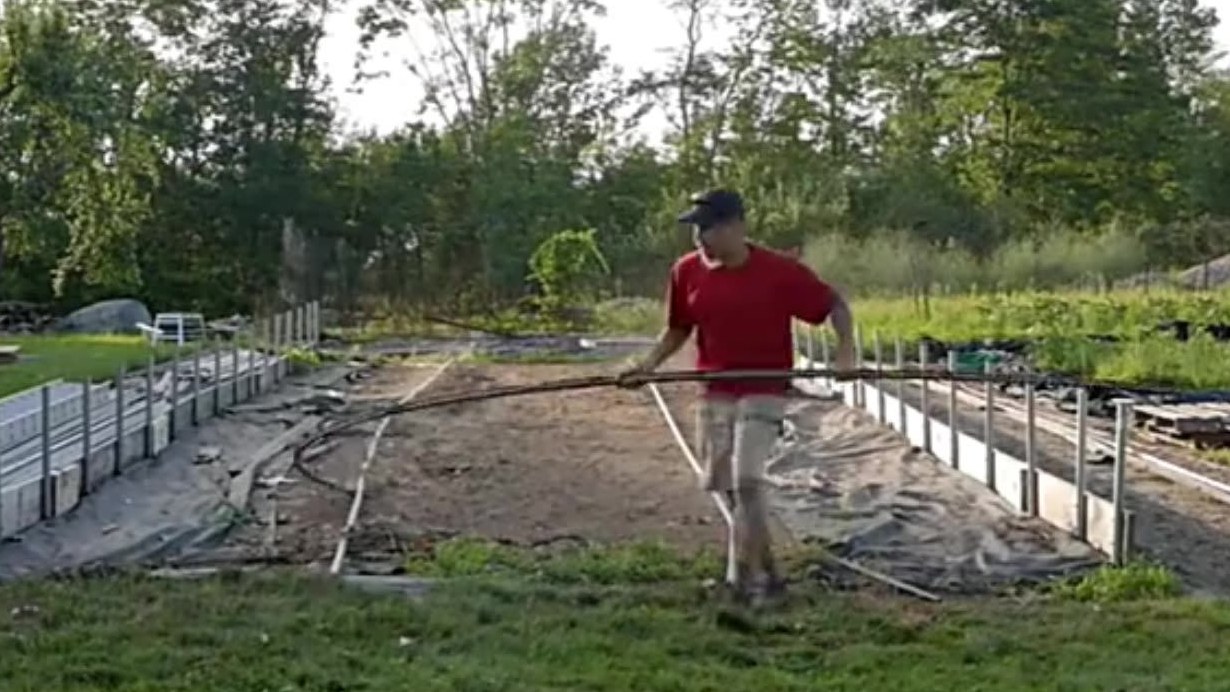
The pipes are laid in the bed or just below the surface, spaced so that the heat from each run reaches the row either side of it. Water temperature and flow are set against the crop band, and a manifold at the gable end lets individual beds be isolated for cleaning or replanting. Because the pipe is under the crop, cultivation work above it is unaffected, and the loop doubles as a way of warming irrigation water before it reaches the root zone. Guidance from USDA on controlled environment agriculture covers why root zone temperature is managed separately from air temperature at commercial scale.
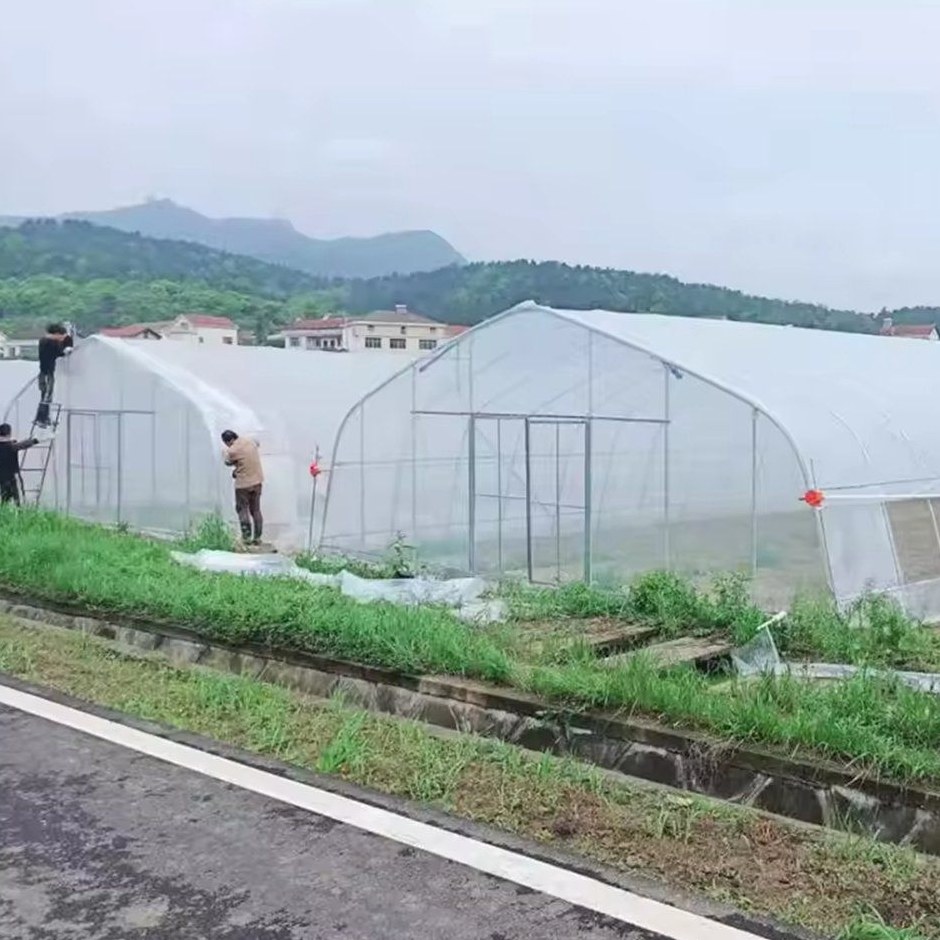
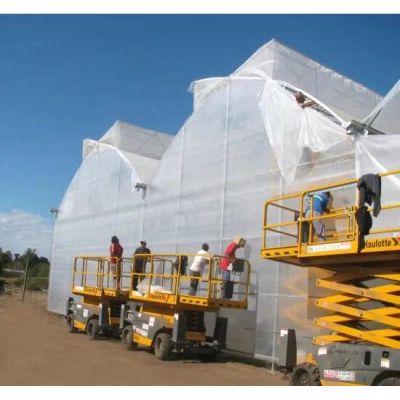
The house and the heating system are planned together: bed layout, pipe spacing, manifold position and boiler sizing are agreed before the frame goes up, because retrofitting a loop under established beds is far more work than laying it first. Installation runs foundation, frame and film, then the pipe loop and controls, then the crop. Our engineers can travel to site to guide installation when required.
Routine work is limited. Check film tension at the start of the season, flush and inspect the pipe loop before the heating season begins, service the circulation pump and controls, and check joints after the first cold spell. Film is the consumable part of the house and is replaced on a three to five year cycle.
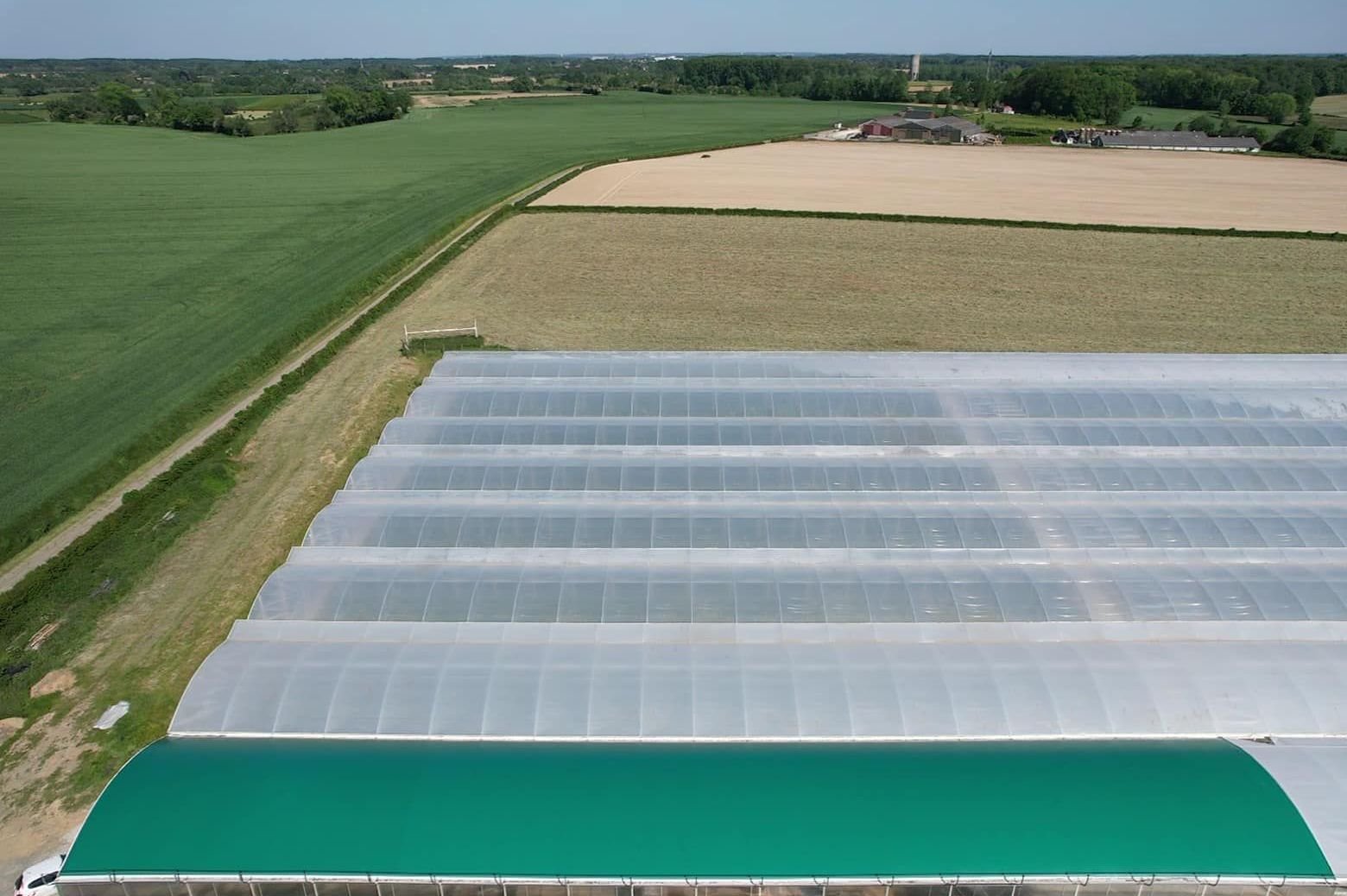
The house suits winter vegetable, herb and ornamental production, and it is at its most useful where cold soil rather than cold air is what stops the crop. Market reporting on Farmer's Weekly South Africa follows how growers plan protected production through the winter months. Compare the heating system range, or look at the greenhouse with vent system and the tunnel greenhouse for other options in the same family.
Warm air leaks and stratifies, and it leaves the root zone cold. Hot water pipes under the beds put the heat where the crop takes it up, so less is lost and the root zone stays consistent.
A boiler heats the water, which is circulated through a pipe loop under the beds. Water holds heat well, so the system keeps giving after the boiler cycles off and the night curve stays flatter.
The reinforced galvanized steel frame is rated for 15 to 20 years under normal growing conditions. The film cover is replaced on a three to five year cycle.
We provide a 10 year structural warranty and a 5 year anti-corrosion warranty on the galvanized frame. Details are set out in the contract for each project.
Send your site dimensions, the crop and bed layout you plan to use, your local design temperature and the fuel available on site. We reply with a layout drawing and a full quotation covering frame, film, heating loop and controls.