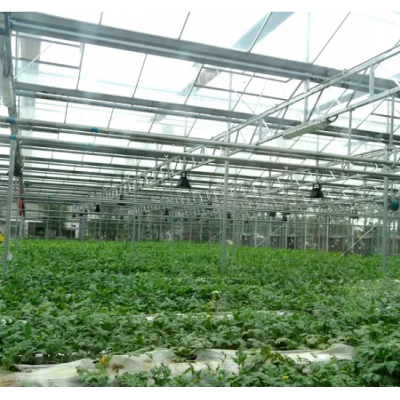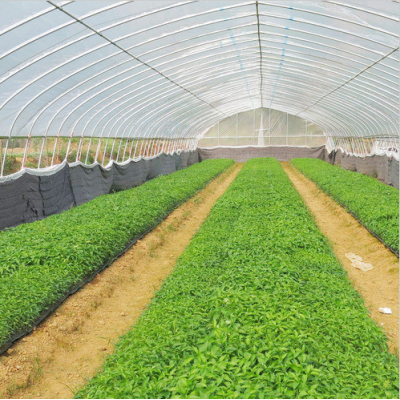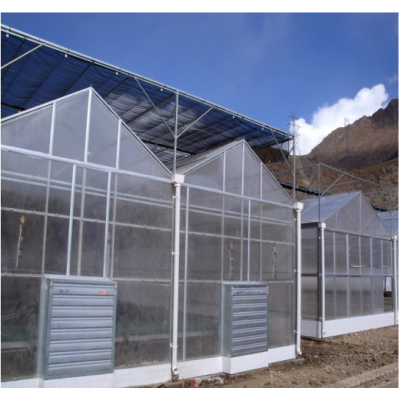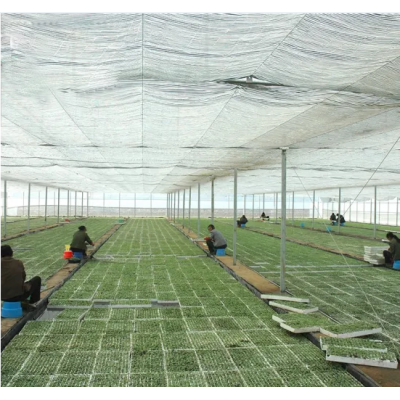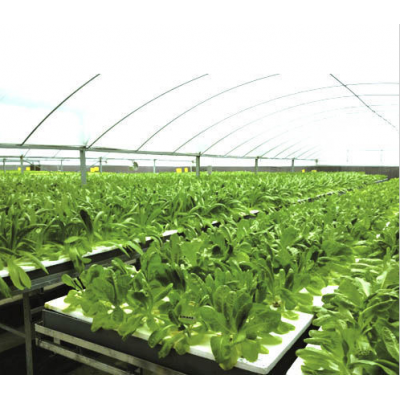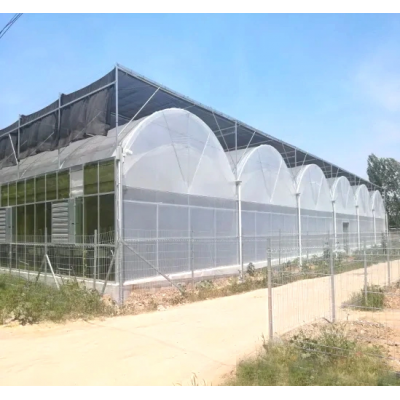


On a commercial hydroponic block the routine work is not growing, it is checking. Reading the tank, adjusting the mix, walking the house and looking for the thing that has drifted. This system moves that work onto sensors and dosing pumps: pH and EC are read in the loop, the mix is corrected against the reading, and the irrigation and lighting cycles run from the same controller. The readings are reported, so a decision can be made on the trend rather than on the walk round.
A hydroponic house is a system that has to be held at a set of figures. The crop does not fail suddenly; it drifts, because the solution the plants are sitting in changes as they take water and nutrients at different rates. Automation is what keeps that drift from becoming a crop problem.
The controller holds the set points and acts on them. Nutrient strength and acidity are read continuously, the dosing pumps correct the mix when a reading moves, and the irrigation cycle is called by the same logic rather than by a fixed timetable. The lighting cycle sits on the controller as well, so the crop is run to a day length rather than to the season.
The second half of the job is reporting. The system runs unmanned between visits and reports what it is doing, which changes the nature of the labour: instead of a person walking the house with a meter, the person is called when a reading crosses a threshold. Houses of this arrangement are grouped on the hydroponics system range on this site.

The sensors are the input, the dosing pumps are the output, and the set points sit between them. pH and EC are the two figures that matter on a recirculating system, because both change as the crop takes up water and nutrients, and a mix that was right at the start of the week is not necessarily right at the end of it.
Calibration is the part that decides whether any of it can be trusted. A sensor that has drifted will be acted on by the controller exactly as if it were correct, so the probes are cleaned and calibrated on a routine and replaced when they stop holding a reading. The dosing pumps are calibrated on the same visit, and the set points are changed against the trend rather than against a single number.

The system reports water level, temperature and plant condition to a screen or to a phone, and raises an alert when something is outside the band. On a commercial block that is worth more than the readings themselves, because the useful information is the one that arrives before the crop shows it, not the one collected on the next visit.
Running unmanned also changes what has to be built into the system. Pumps and timers are programmable so the cycles continue without supervision, and the dosing is automatic, but the parts that can stop a house — pump, filters, probes — still have their own service routine, because automation removes the checking, not the maintenance.

The table below is the standard build. Channel count, control package and the monitoring setup are set to the house and to the crop.
| Growing method | Recirculating hydroponics, soilless |
| Control | Real time pH and EC sensors with automatic dosing |
| Irrigation | Programmable pumps and timers |
| Lighting | LED growing bars on the same controller |
| Climate | House sensors linked to the same control point |
| Monitoring | Remote reporting of water level, temperature and crop condition |
| Operation | Suited to unmanned running between scheduled visits |
| Materials | Food grade PVC channels, galvanized steel support pipes |
| Crops | Lettuce, leafy vegetables, herbs and microgreens |
| Customisation | Channel count, control package and monitoring set to the site |

The channels and frames are set out first, then the tank, the pump and the manifold, and the sensorsare installed in the flow rather than in a corner of the tank. The controller is commissioned on a wetsystem, so the set points are read against a running loop, and the monitoring link is tested before thehouse is handed over rather than after the first crop.
Upkeep divides into the mechanical and the measured. Filters and the pump intake are cleaned on ashort cycle, since a partly blocked filter changes the flow at the far end of a run before anything thecontroller can see changes. Probes are cleaned and calibrated on their own routine and replaced whenthey stop holding a reading. Channels and the tank are washed between crops so root material does notcarry over.

Systems of this type are used for lettuce and leafy vegetable production on a short cycle, for herband microgreen programmes where the solution has to be consistent from one batch to the next, and forhouses that are run between visits rather than attended daily. They suit commercial growers runningseveral houses from one control point, operations that want the water and the nutrients accounted for,and projects specifying the growing system and the house together. A system built around a controllayer for a sealed grow room is described in the smart controlled environment hydroponic farming system page.
Research and extension material on horticultural science is published by NC State University. Trade news covering horticulture and growing equipment is published by HortWeek. A system built around automatic nutrient control on a channelled layout is described in the automated hydroponic system with nutrient control page.

Nutrient strength and acidity. Both change as the crop takes up water and nutrients, so thecontroller corrects the mix against the reading instead of waiting for someone to test the tank andadjust it by hand.
The reading before the crop shows it. Water level, temperature and crop condition are reported, andan alert goes out when something is outside the band, so the visit happens because it is needed ratherthan on a fixed rota.
The galvanized support steel is rated for 15 to 20 years under normal growing conditions. Thesensors, dosing pumps, controller and filters run on their own service cycles and are replaced as theycome due.
We provide a 10 year structural warranty and a 5 year anti-corrosion warranty on the galvanized steelwork. Details are set out in the contract for each project.
Send your house dimensions, the crop you plan to run and the level of monitoring you need. We reply with a layout drawing and a full quotation.