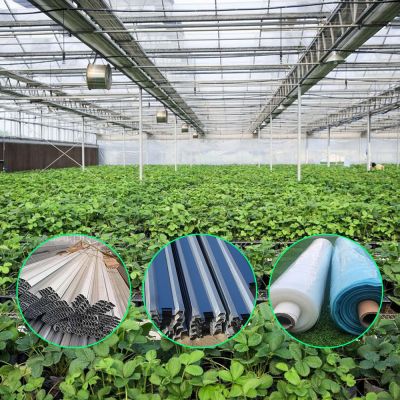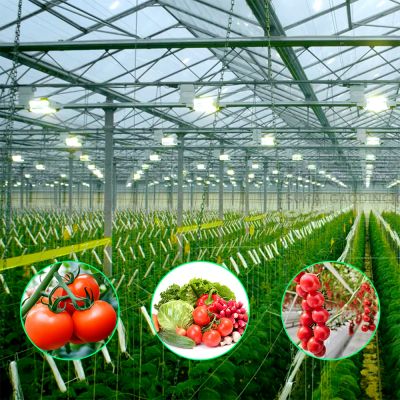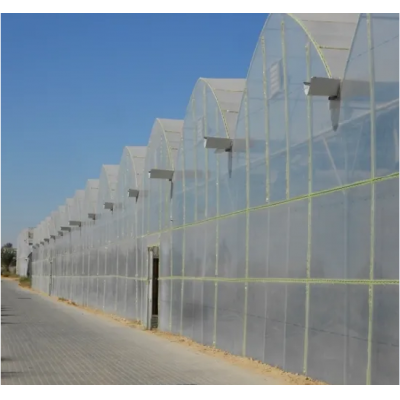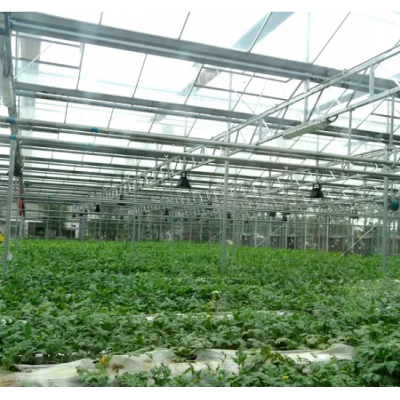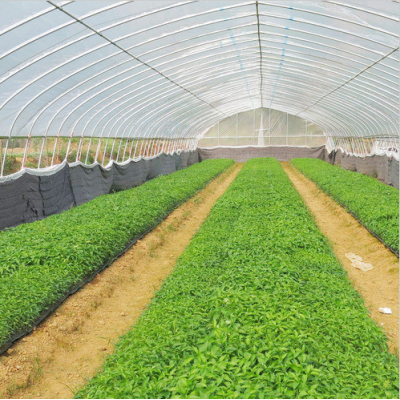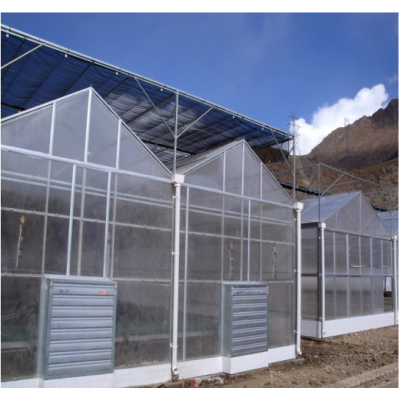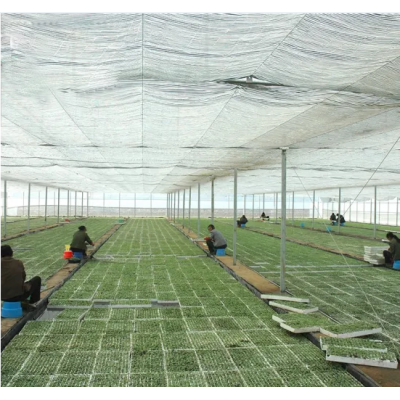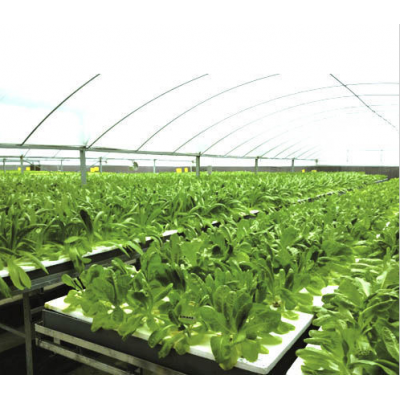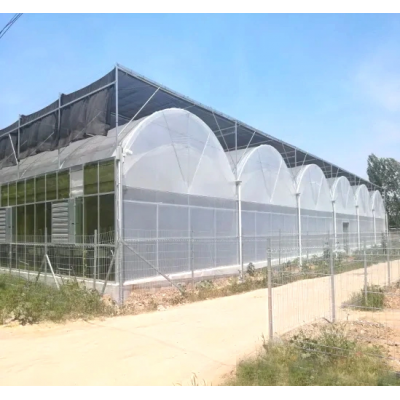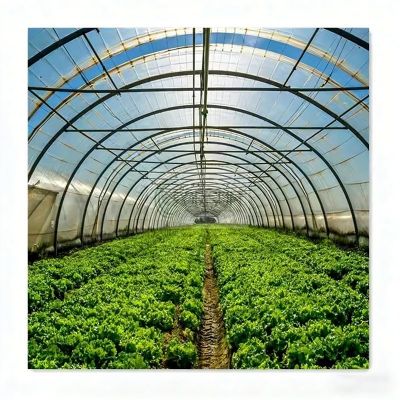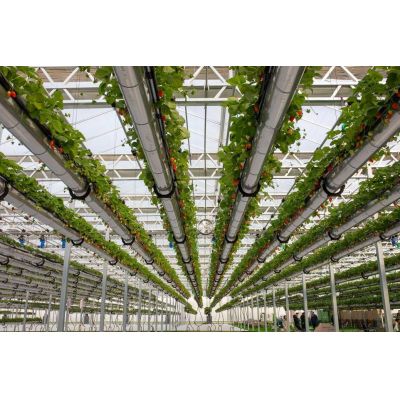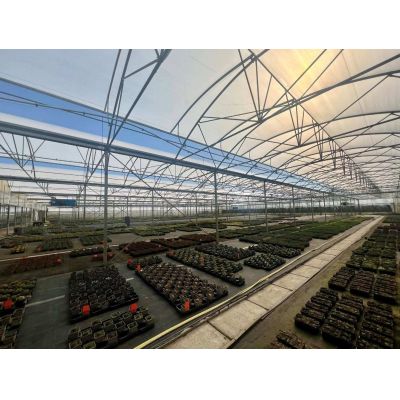
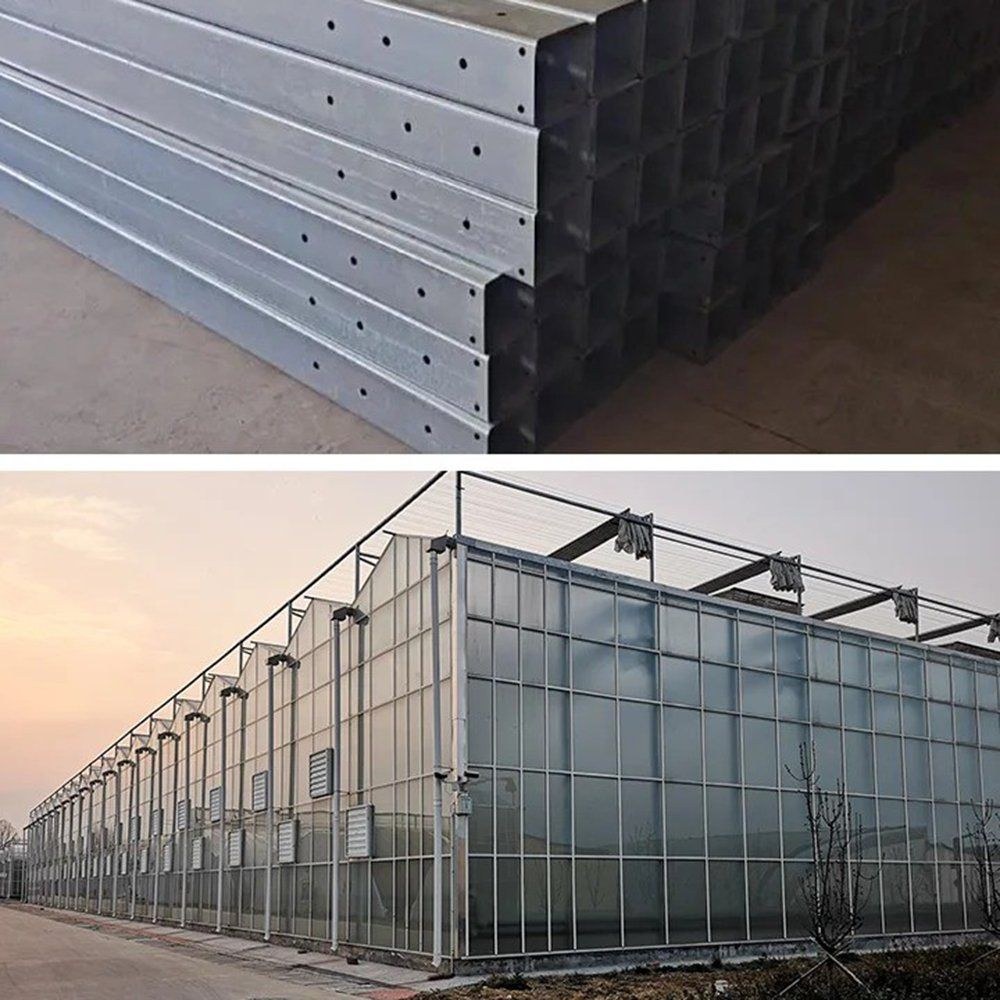
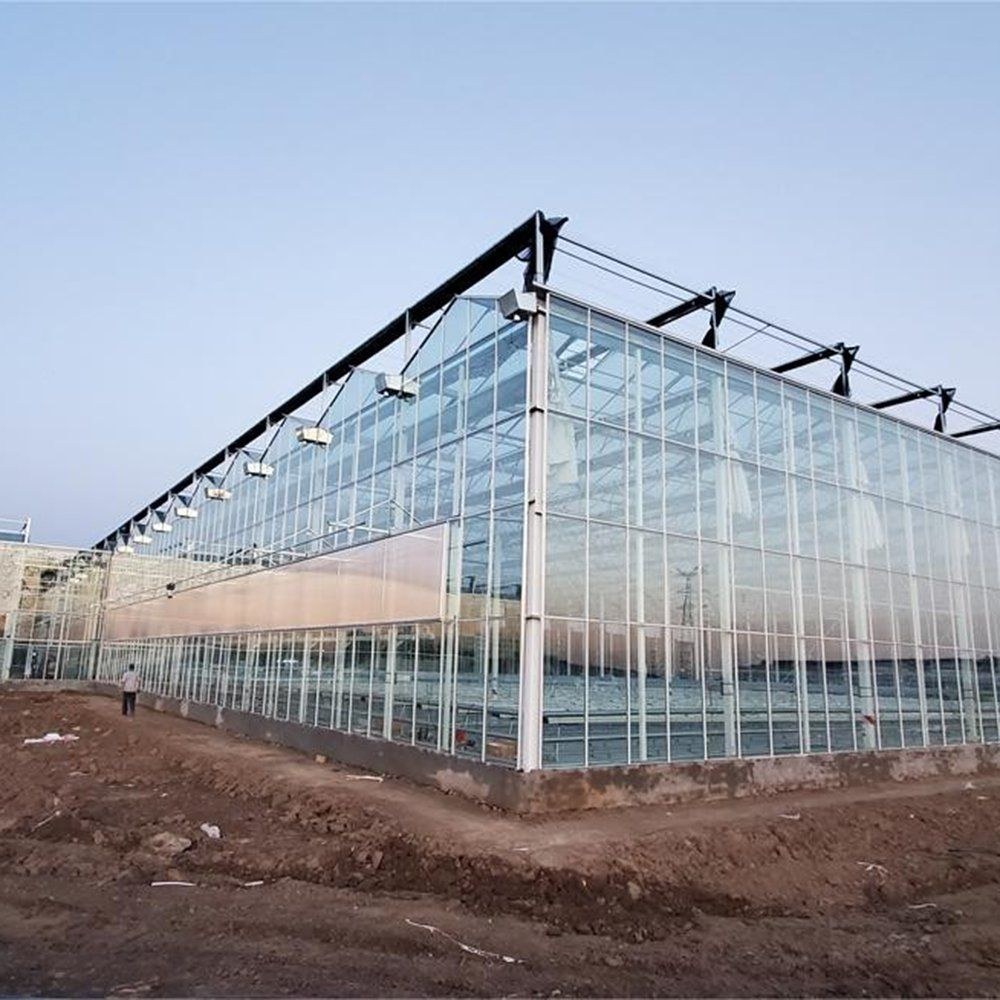
This PC panel greenhouse is built for research and seedling facilities that need stable conditions without heavy energy use. The covering is 8 mm or 12 mm twin wall polycarbonate hollow sheet, which blocks 98 percent of UV while diffusing light to prevent leaf burn. Light transmission runs 90 to 95 percent. The frame is galvanized steel or aluminium alloy, with spans of 6.4 m, 8 m, 9.6 m and 10 m and total heights from 4 m to 7.5 m. Aluminium gutters and self cleaning roof slopes cut maintenance labour, and ridge vents with roll up sidewalls keep temperatures stable.
Research benches and seedling lines need light without the harshness that burns tender leaves, and they need it without a large electricity bill. This PC panel greenhouse is designed for that job. The covering is 8 mm or 12 mm twin wall polycarbonate hollow sheet, which blocks 98 percent of UV while diffusing light to prevent leaf burn, and the frame is galvanized steel or aluminium alloy with a UV resistant coating.
Twin wall polycarbonate traps an insulating air gap between its two skins, so the house holds heat better than single skin film and needs less supplementary heating. Impact performance is a strong point: polycarbonate is around 200 times tougher than glass and 8 times tougher than acrylic sheet, so it does not break in normal handling and installation. It also has good anti condensation behaviour, which reduces dripping on benches and seedlings. Spans run 6.4 m, 8 m, 9.6 m and 10 m with total heights from 4 m to 7.5 m, and covering thicknesses of 8 mm or 12 mm are available. Aluminium gutters and self cleaning roof slopes cut maintenance labour. Growers planning research or seedling programmes often follow extension guidance such as that published by Michigan State University horticulture, and trade reporting on FreshPlaza.
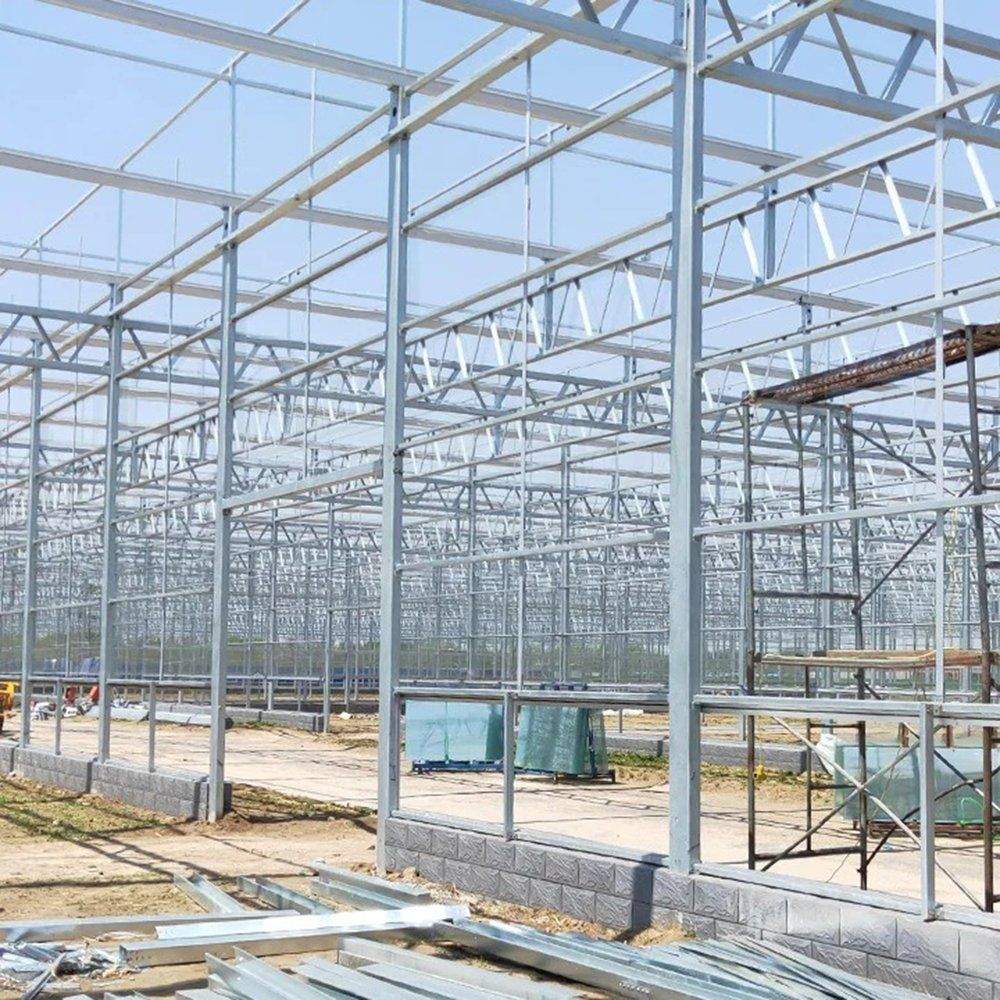
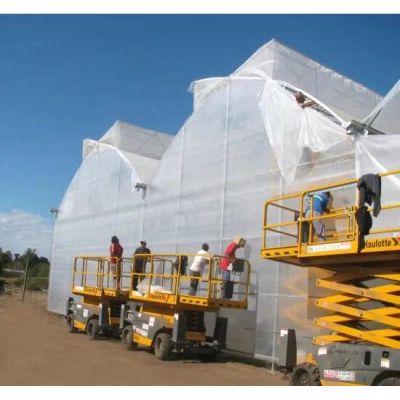
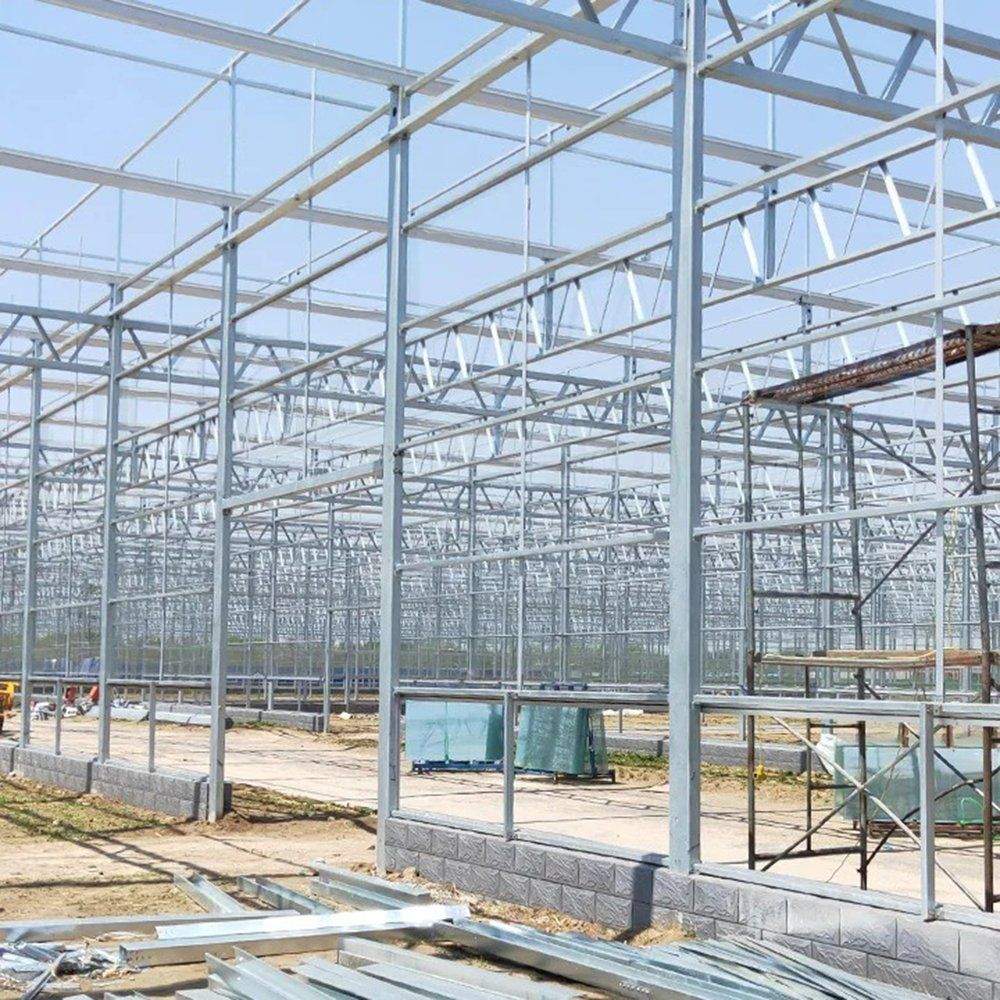
The greenhouse arrives as a pre fabricated kit with labelled frame sections, PC sheets and fittings. Assembly is bolted, so no field welding is required. Because polycarbonate does not break in the way glass does, panels survive normal handling and on site movement, which keeps installation losses low. Maintenance centres on the cover: wash sheets to keep transmission above 90 percent, check seals and fixings at the start of each season, and confirm gutters stay clear. The galvanized frame needs no repainting under normal use.
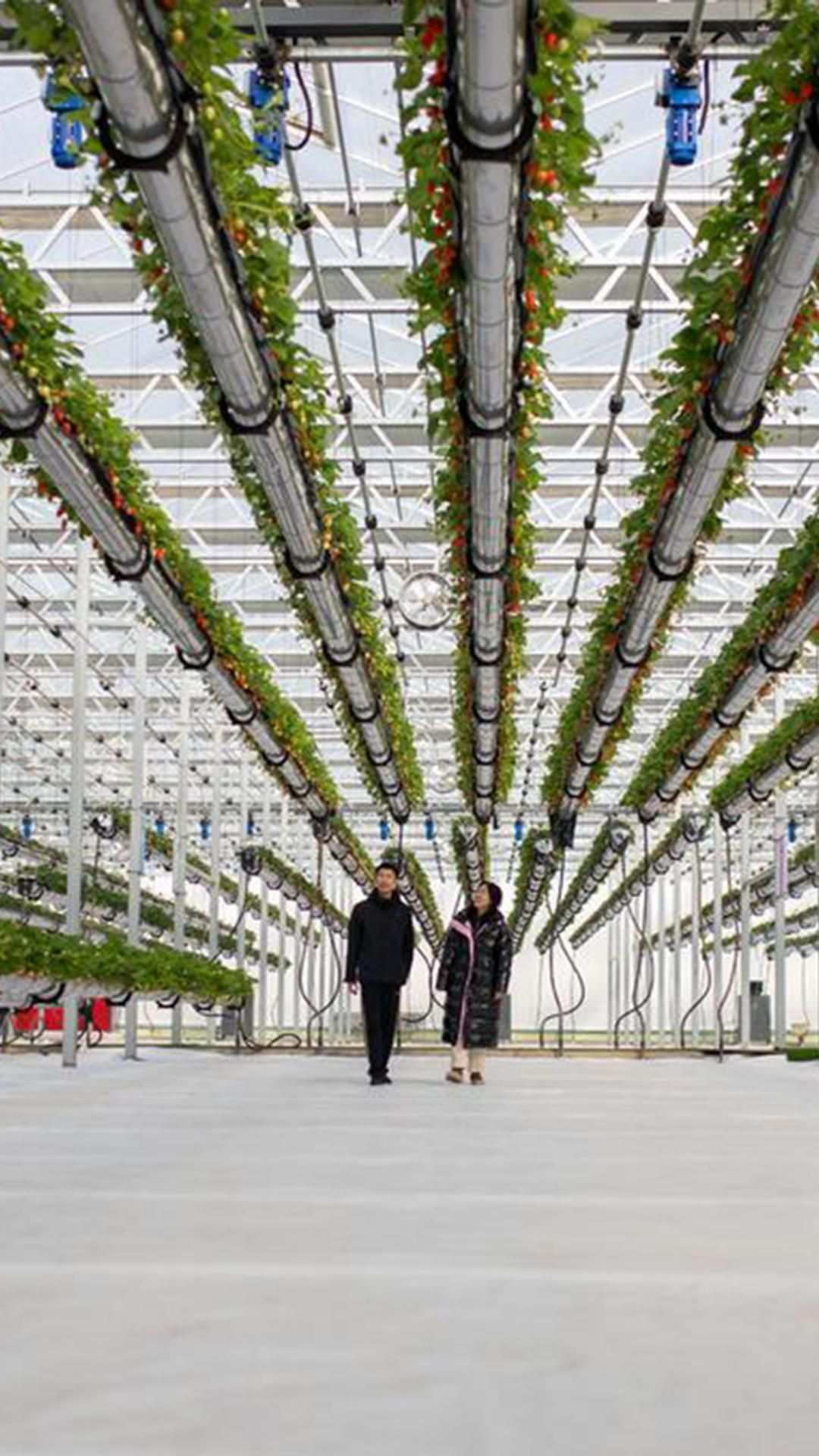
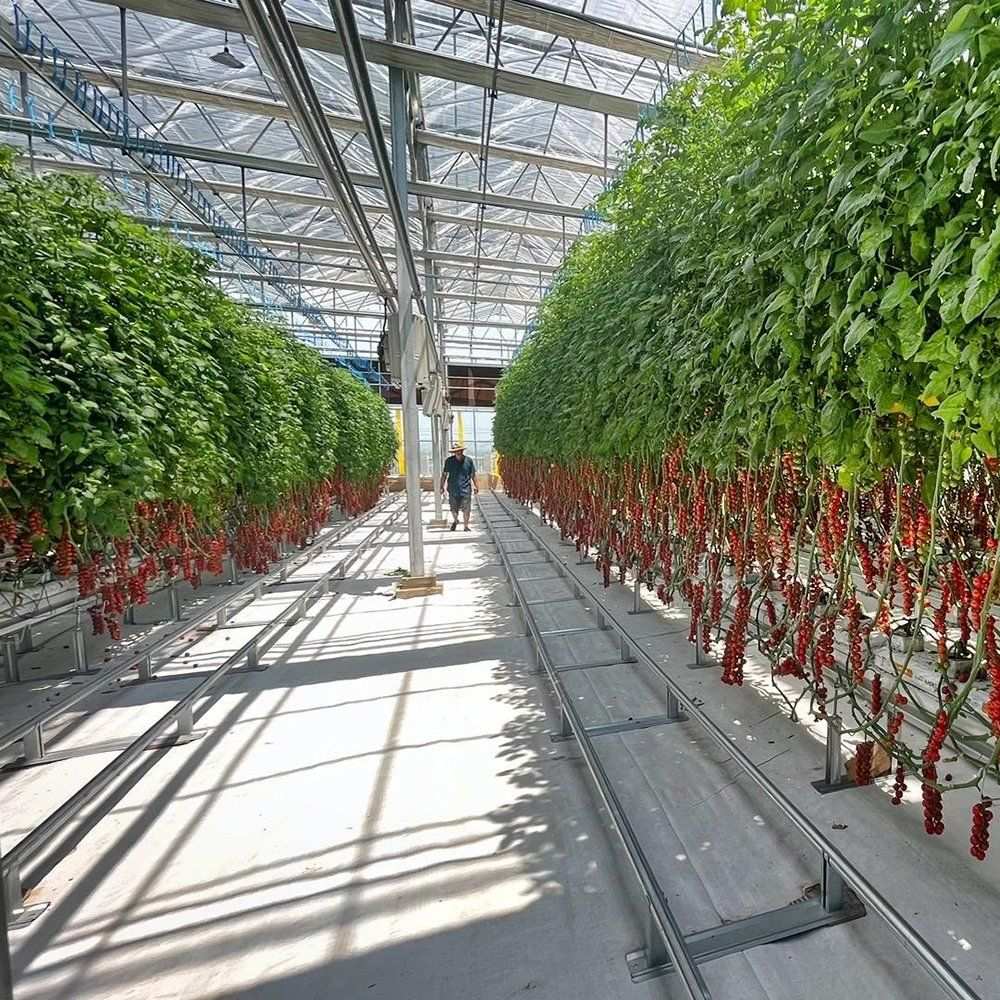
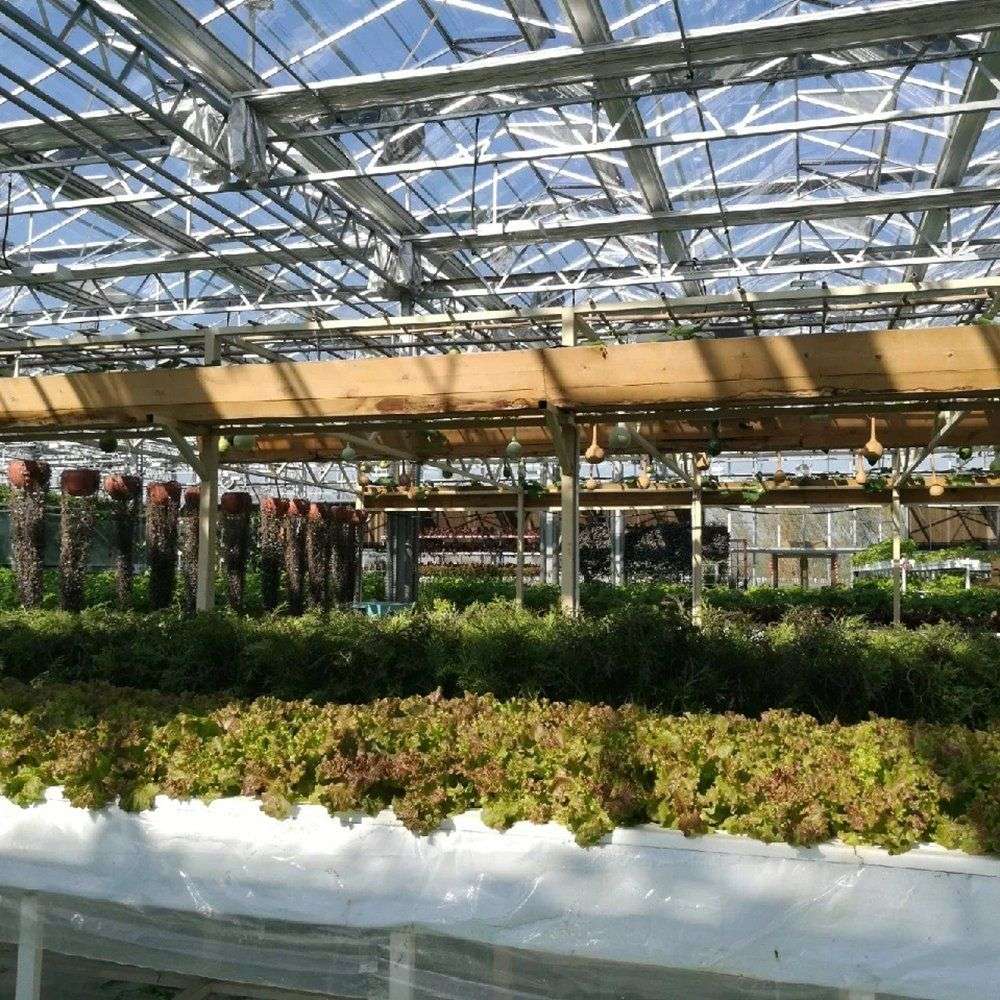
These houses suit scientific research, seedling nurseries, flower production and experimental bases, where stable temperature and diffused light matter more than maximum peak brightness. The insulating PC cover also suits cooler climates, since it holds heat overnight with less supplementary energy. Compare our full PC greenhouse range and the polycarbonate sheet glass greenhouse, or review our glass greenhouse options where higher peak light matters.
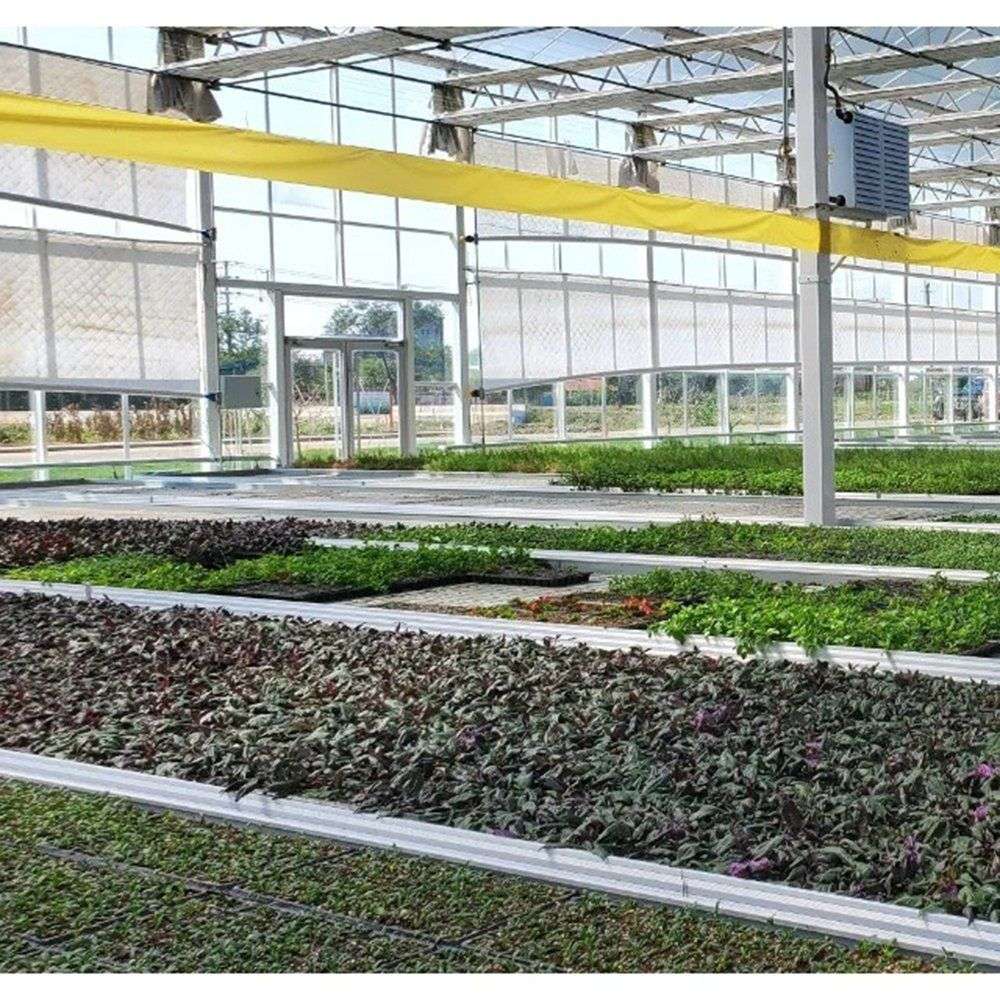
Polycarbonate diffuses light, which prevents leaf burn on tender seedlings, and it insulates far better than single glass, so overnight heat loss is lower. It is also much more impact resistant, which reduces breakage during installation and normal use.
8 mm twin wall suits most research and seedling houses and offers good value. Step up to 12 mm where you need more insulation for cold winters or where the house is used year round.
Yes. The polycarbonate carries a UV resistant coating and blocks around 98 percent of UV while still transmitting 90 to 95 percent of visible light.
Yes. Roof vents, side vents or automated ventilation systems can be fitted, and heating options include boilers or radiant systems. Tell us your climate and crop and we will recommend a configuration.
Send your span, length, height and local wind and snow loads, plus your target use. We reply with a layout drawing and a full quotation covering frame, PC sheets, ventilation and fittings.