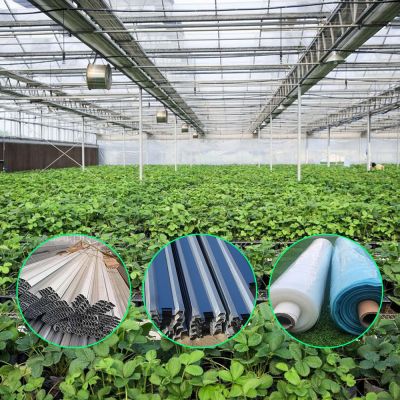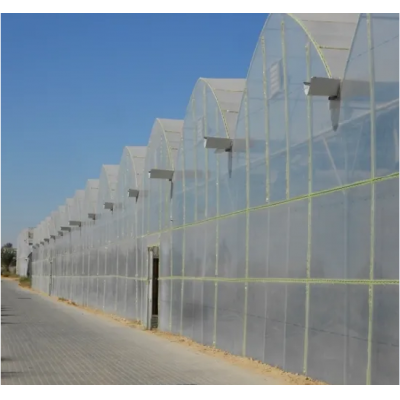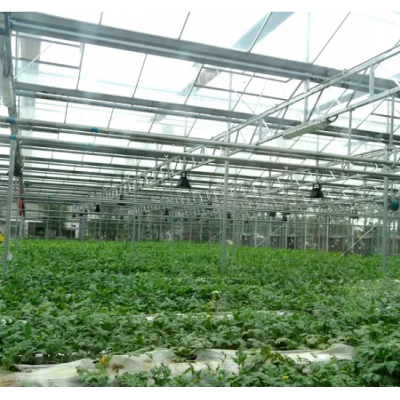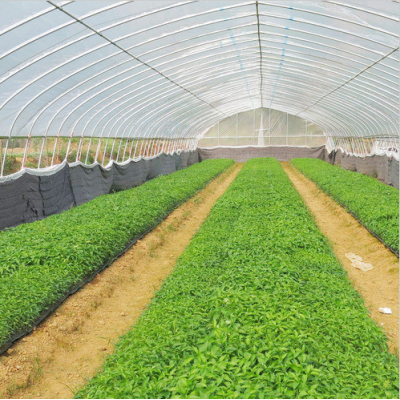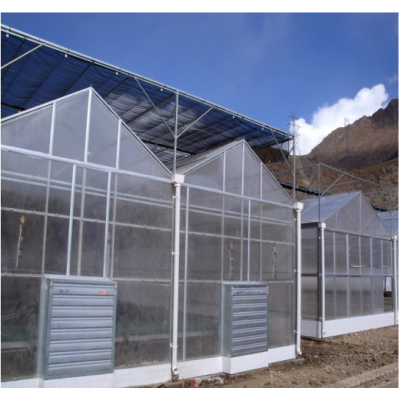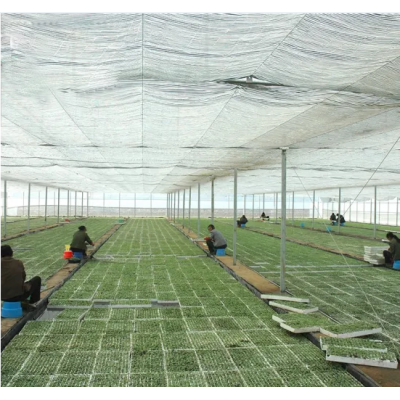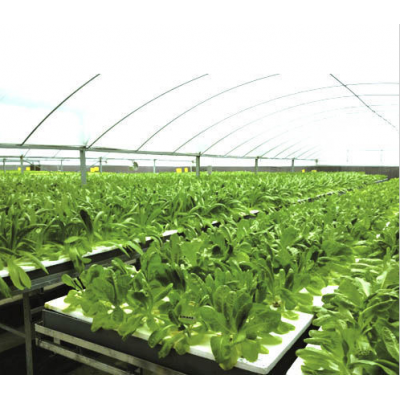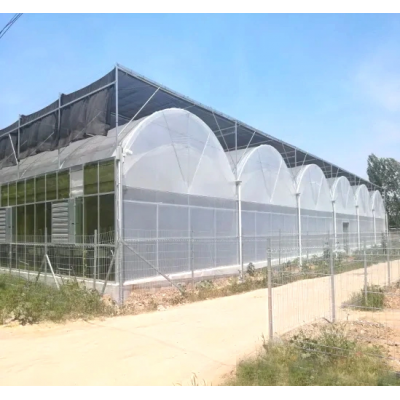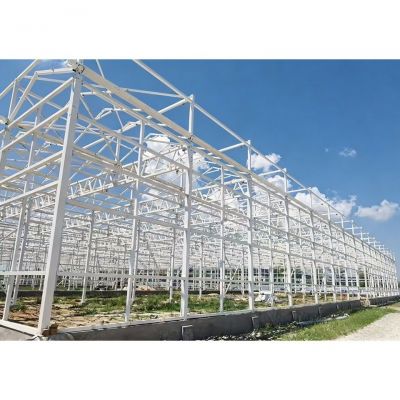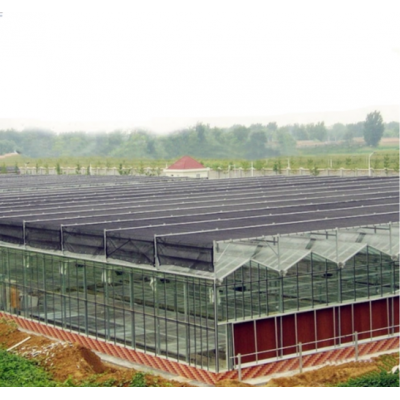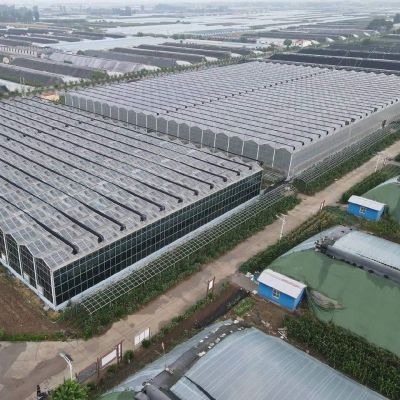
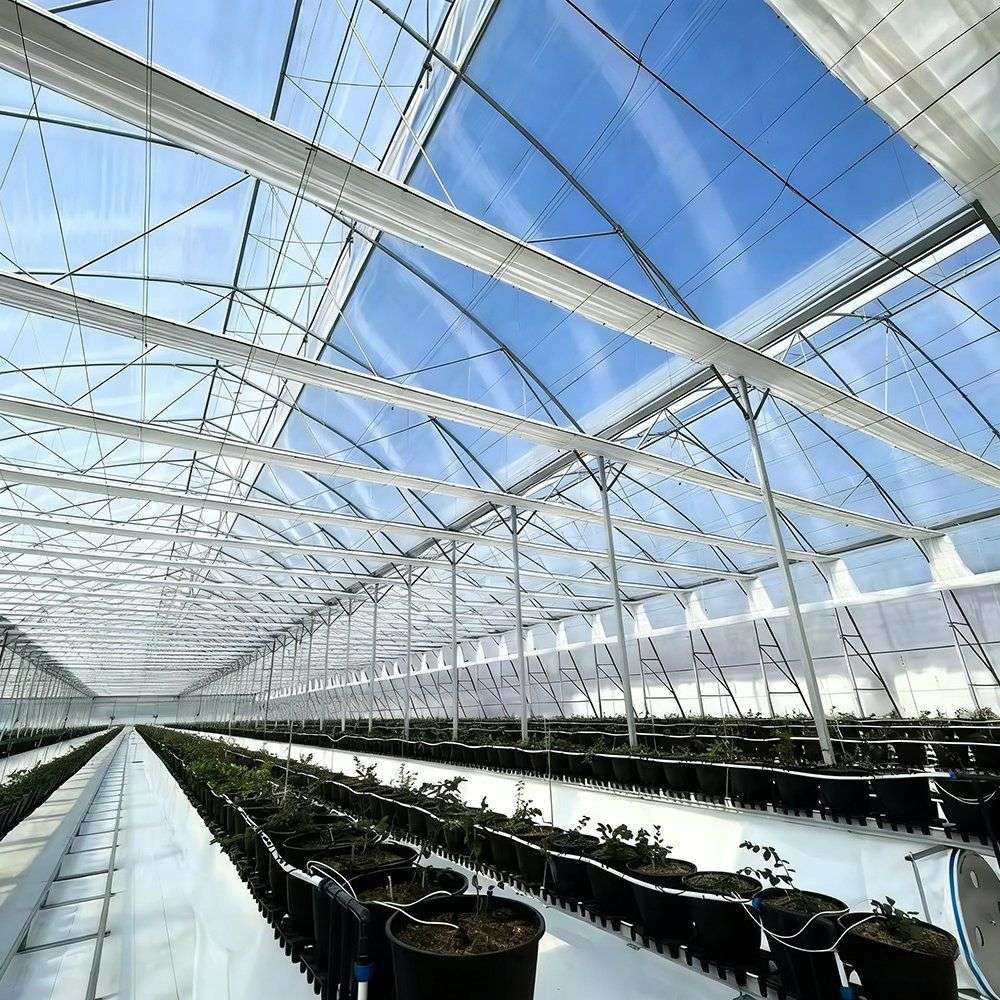
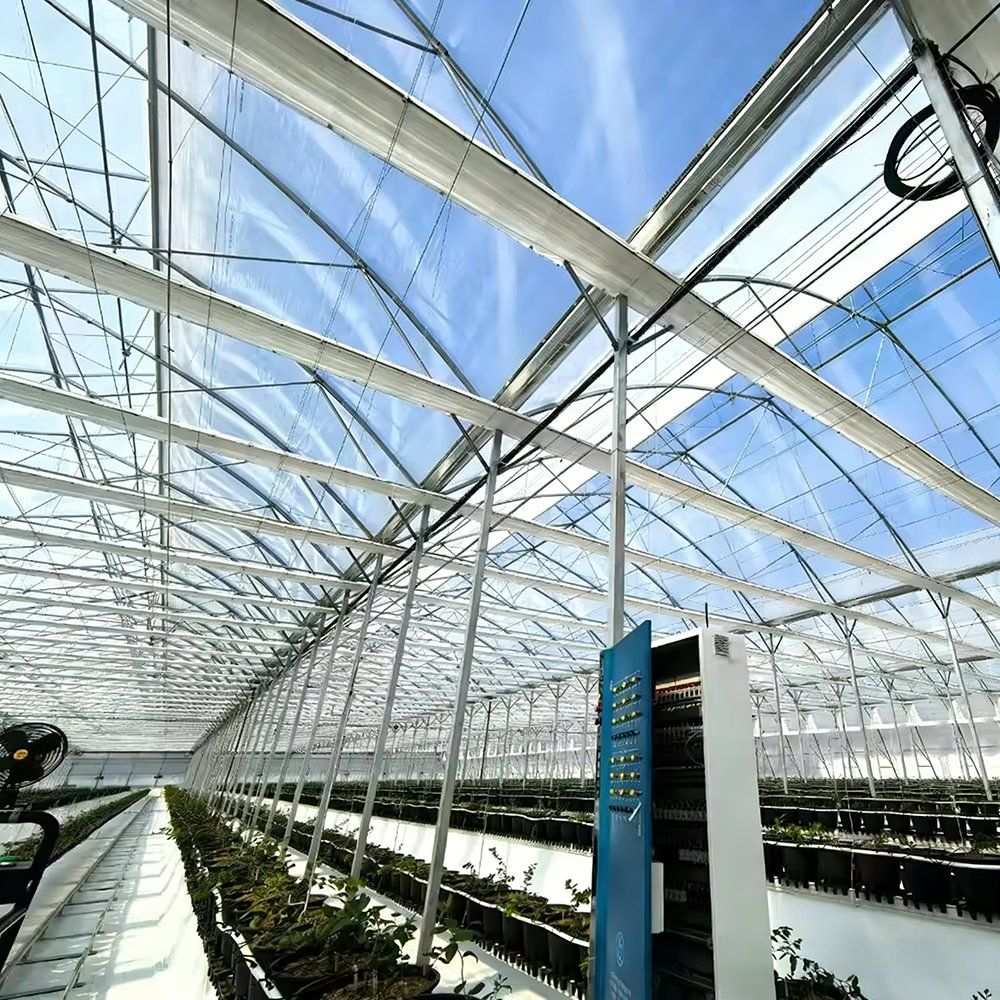
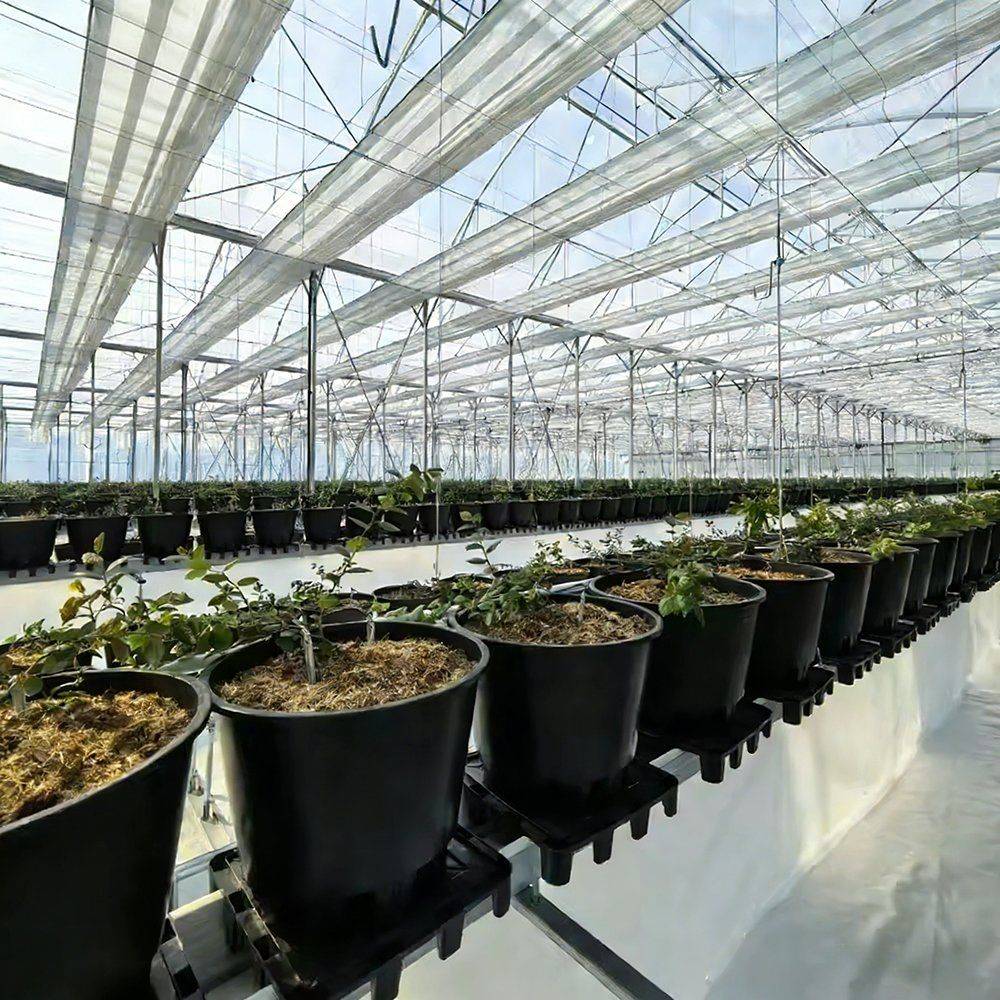
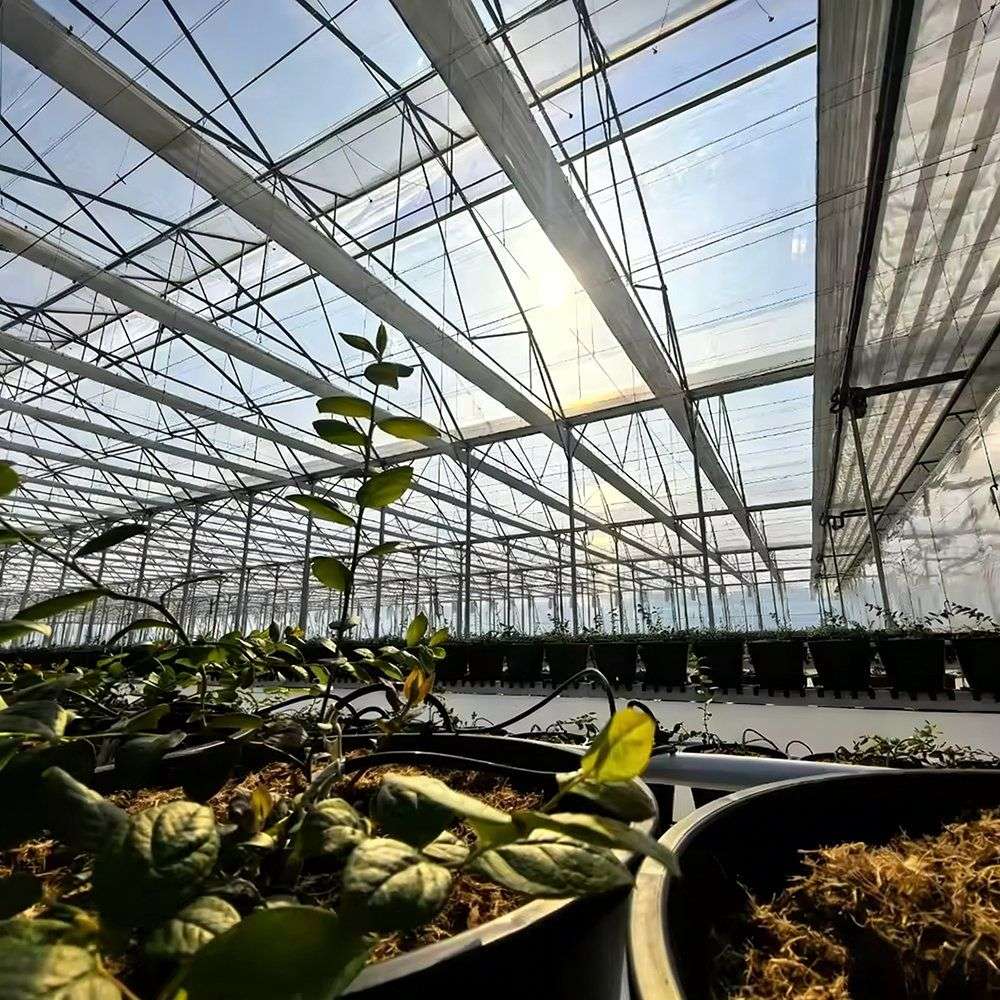
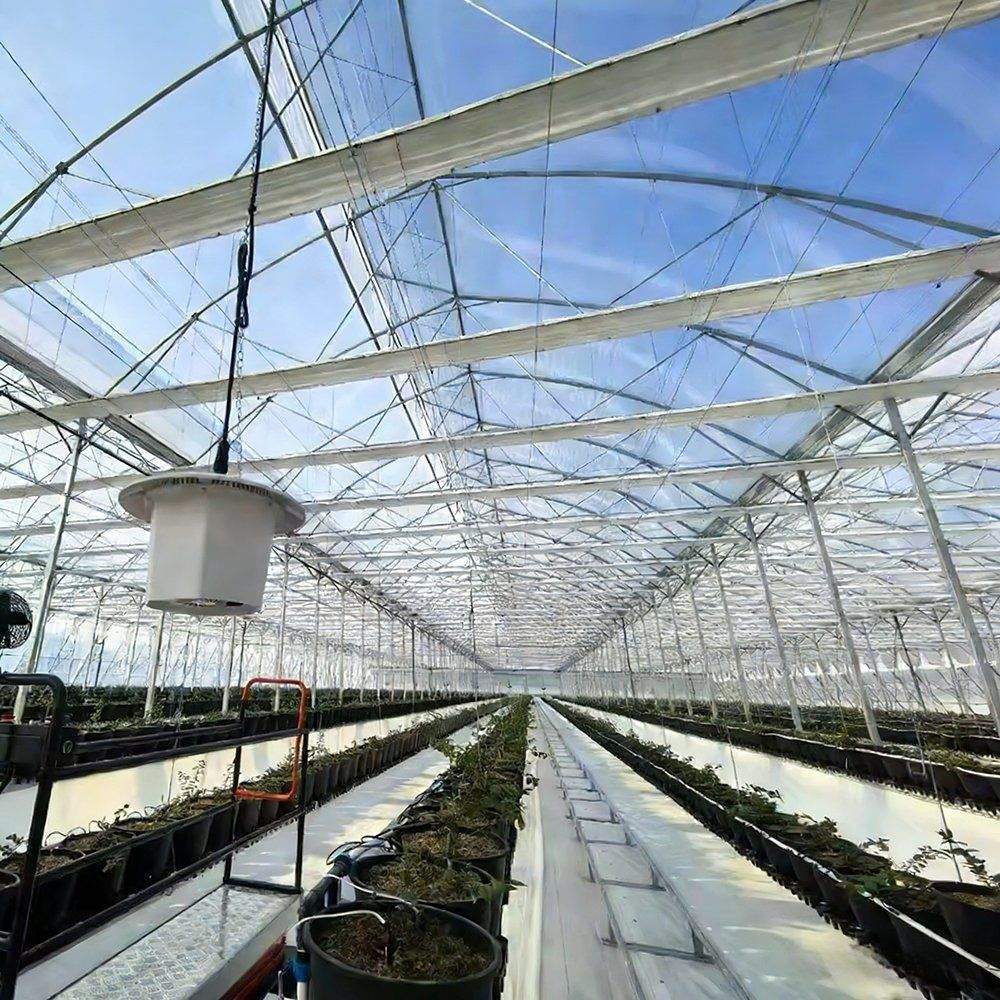
This multi span film greenhouse is built around a hot dip galvanized steel frame, with main posts from 150 x 150 mm down to 100 x 100 mm and trusses at 50 x 50 x 2.5 mm. Zinc coating averages 210 g per square metre on the frame and 275 g per square metre on the gutters, which suits humid sites. The cover is single or double layer PO, PEP or HDPE film at 120 to 200 microns per layer, and polycarbonate in double or triple layer is also available.
Blueberries and vegetables both reward an even growing environment, and at commercial scale that means a multi span structure rather than a series of separate tunnels. This house couples a heavy galvanized steel frame with single or double layer film covering, and the frame specification is set out in detail because it decides how the house performs in wind, snow and humidity.
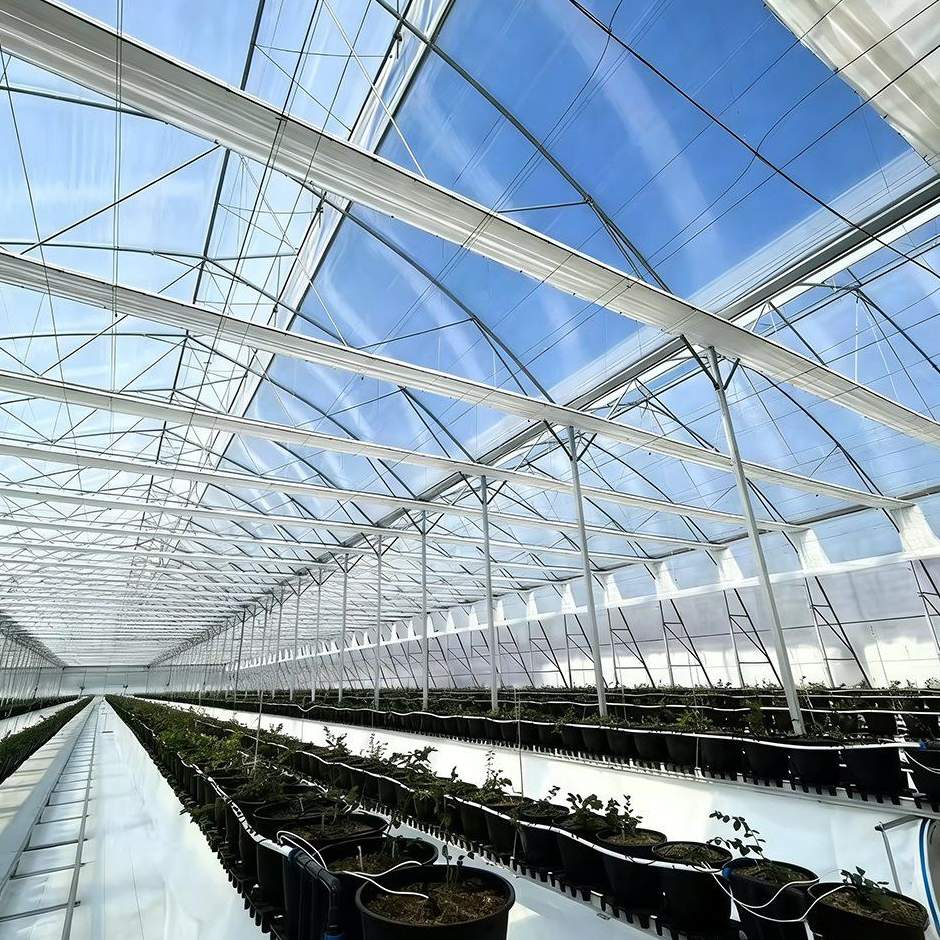
The frame is hot dip galvanized steel. Main posts run from 150 x 150 mm down to 100 x 100 mm, auxiliary posts from 120 x 60 mm to 100 x 50 mm, and trusses are 50 x 50 x 2.5 mm with material thickness between 1 mm and 2.5 mm. Zinc coating averages 210 g per square metre across the frame, while gutters carry 275 g per square metre with a thickness of 2.0 to 2.75 mm, which matters because gutters hold water and are the first part to corrode. The cover is PO, PEP or HDPE film in single or double layer, with each layer running 120 to 200 microns, and polycarbonate in double or triple layer is available where a more rigid cover is wanted. Growers planning commercial berry and vegetable production often follow extension guidance such as that published by Michigan State University horticulture, and trade reporting on FreshPlaza.
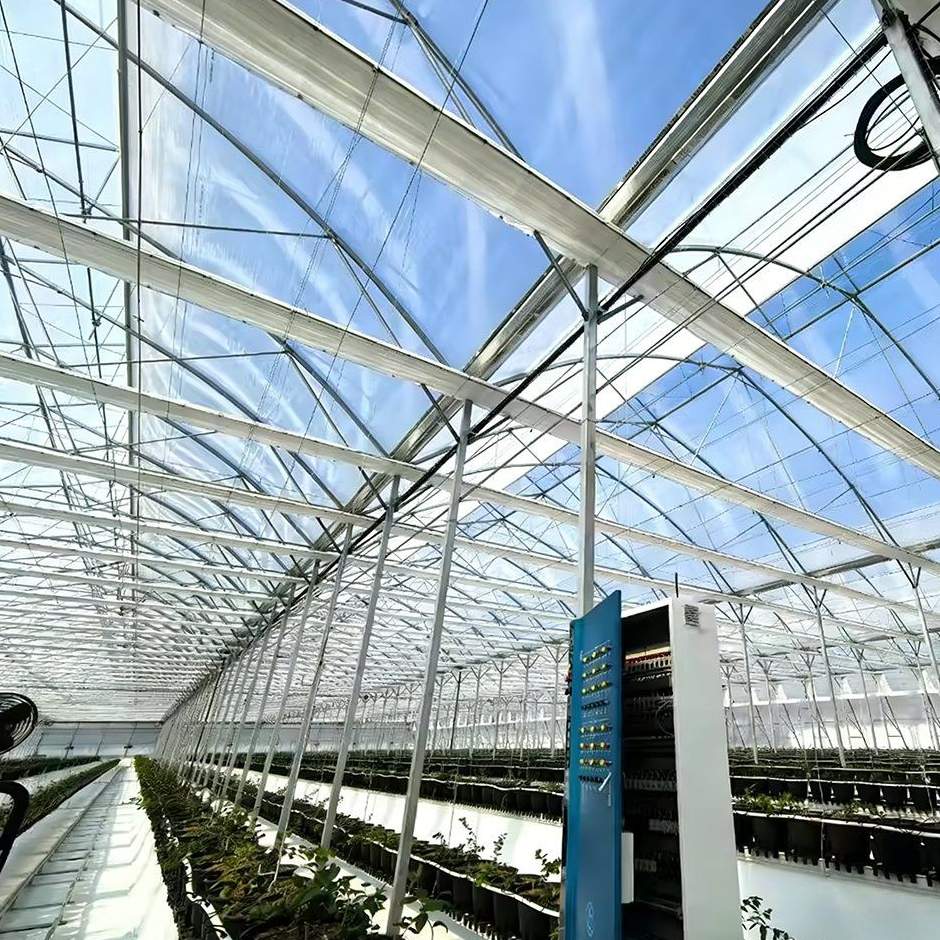
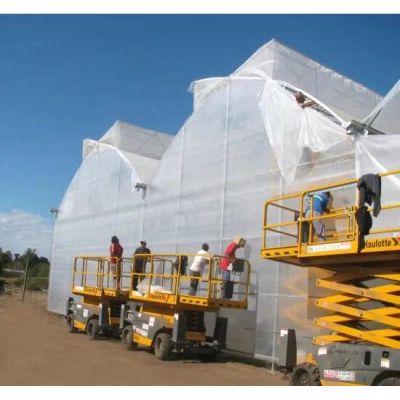
The frame arrives as pre drilled galvanized sections that bolt together on a prepared base, with no field welding required, and the truss spacing is set to the span and to your local wind and snow loads. Covering is fitted once the frame is complete; where a double layer is used, an air inflation or spacer arrangement holds the two sheets apart and that gap should be checked when the cover is tensioned. Film is the consumable element and normally lasts around three years. Between covers, check tension and fixings at the start of each season, confirm gutter outlets run clear, and inspect the galvanized surfaces for any site damage.
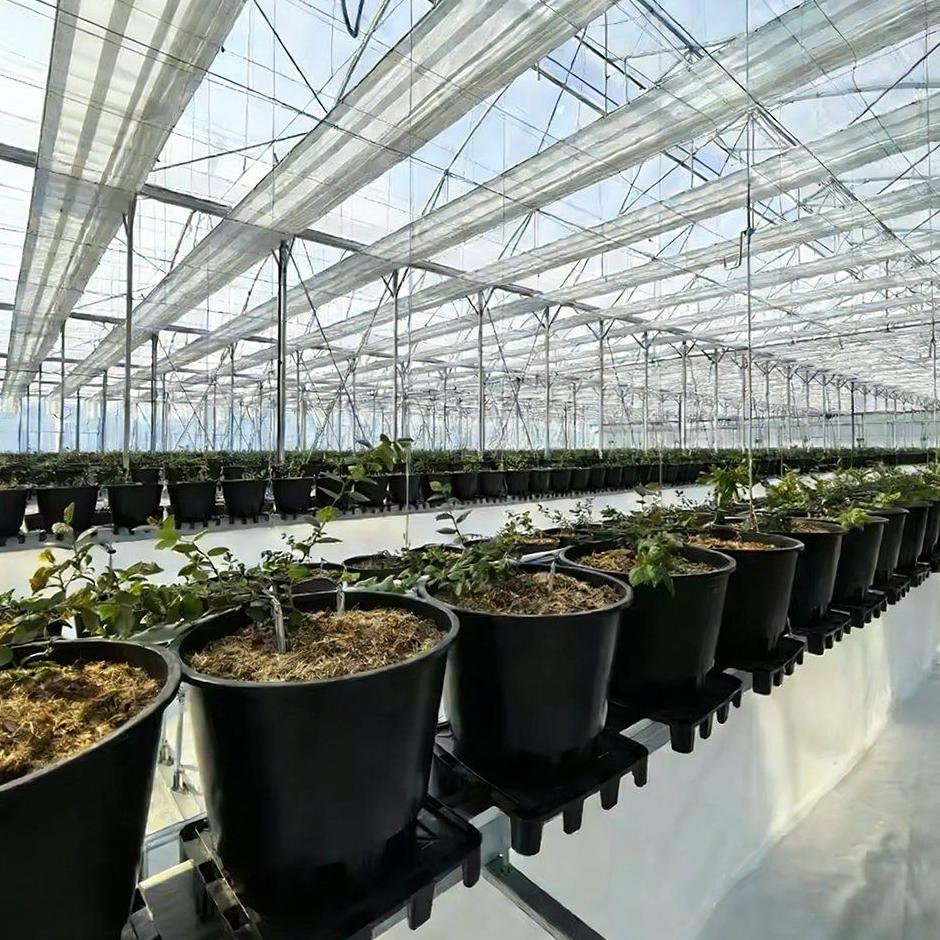
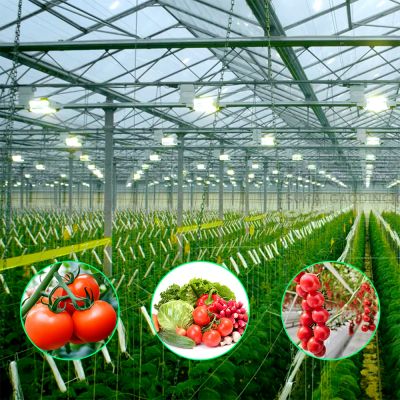
These houses suit commercial blueberry and vegetable production, and the same structure carries berry, herb and seedling crops that need steady conditions at scale. The heavy frame specification also suits exposed sites where lighter structures would be over stressed. Compare our film greenhouse range and the multi span greenhouse for agricultural use, or review our greenhouse with plastic film for a broadacre layout.
Yes where night temperature matters. The air gap between the two film sheets raises insulation and steadies temperature, which helps blueberries and warmth loving vegetables through cold nights, at a small cost in light transmission.
All steel is hot dip galvanized, with an average zinc coating of 210 g per square metre on the frame and 275 g per square metre on the gutters, which are the parts that hold water. That specification suits humid and coastal sites.
Single layers normally run 120 to 200 microns. Heavier film within that range lasts longer and resists wind damage better, while lighter film transmits slightly more light and costs less to replace.
Yes. The same frame carries double or triple layer polycarbonate where a more rigid, longer lived cover is preferred. Tell us your climate and crop and we will recommend a covering type.
Send your required span, length and height, your crop, and your local wind and snow loads. We reply with a layout drawing and a full quotation covering frame, covering, ventilation and fittings.