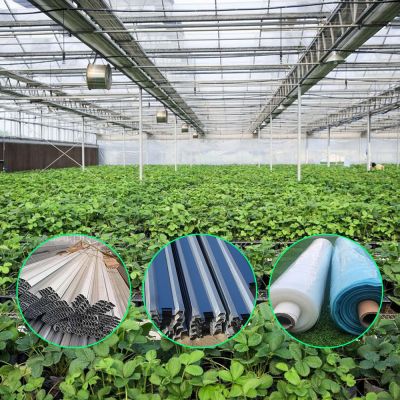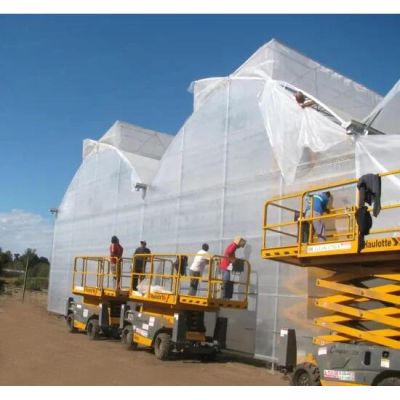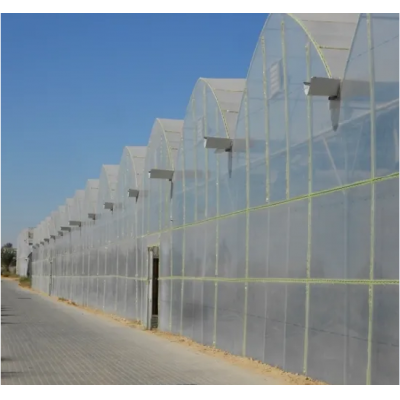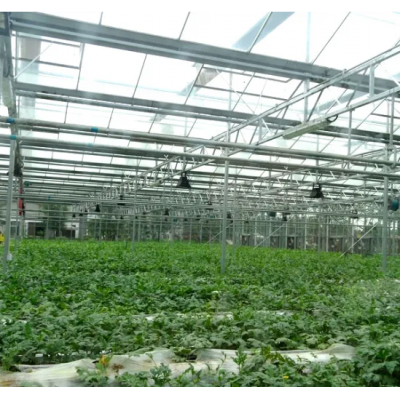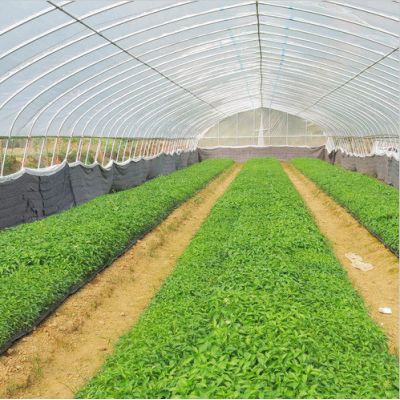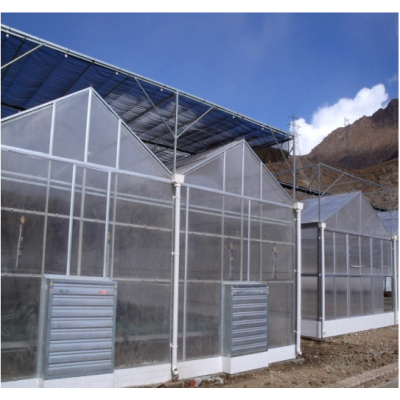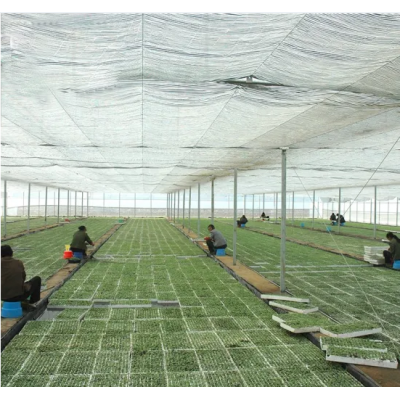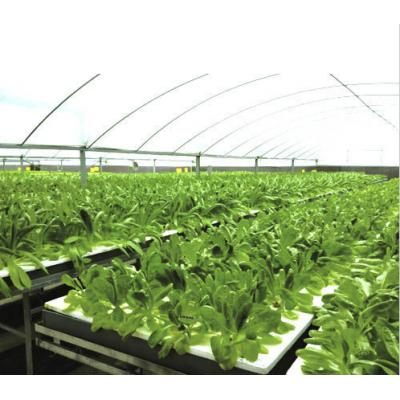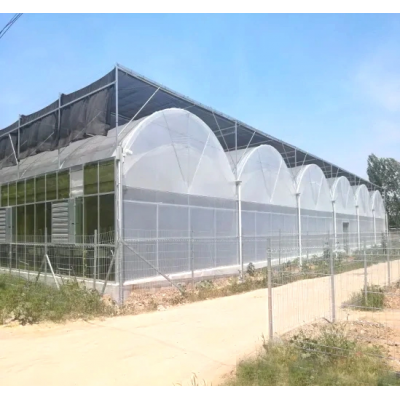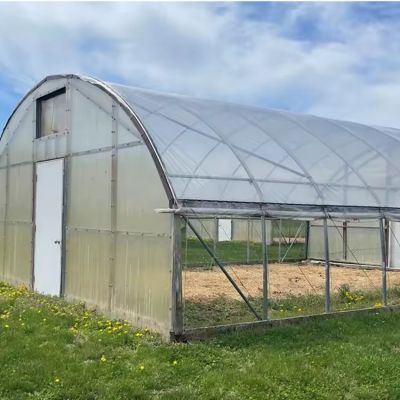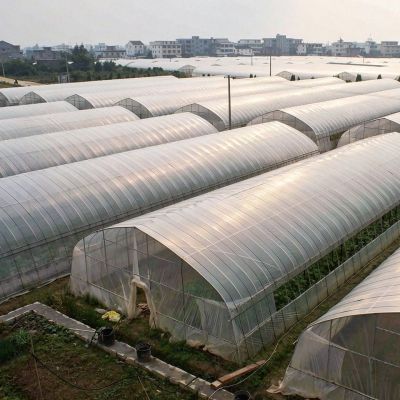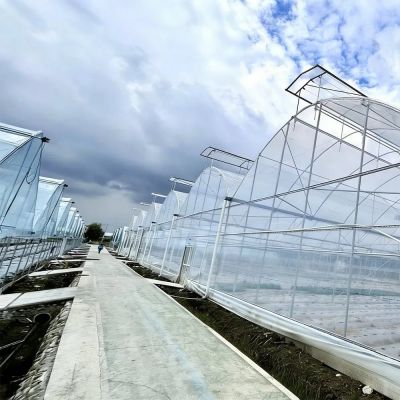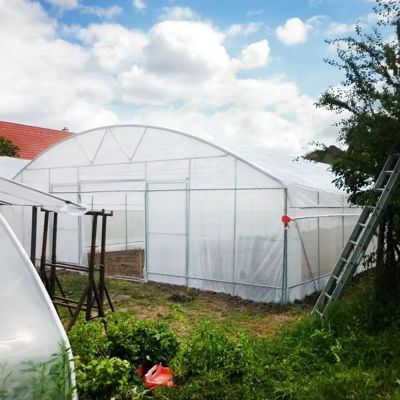
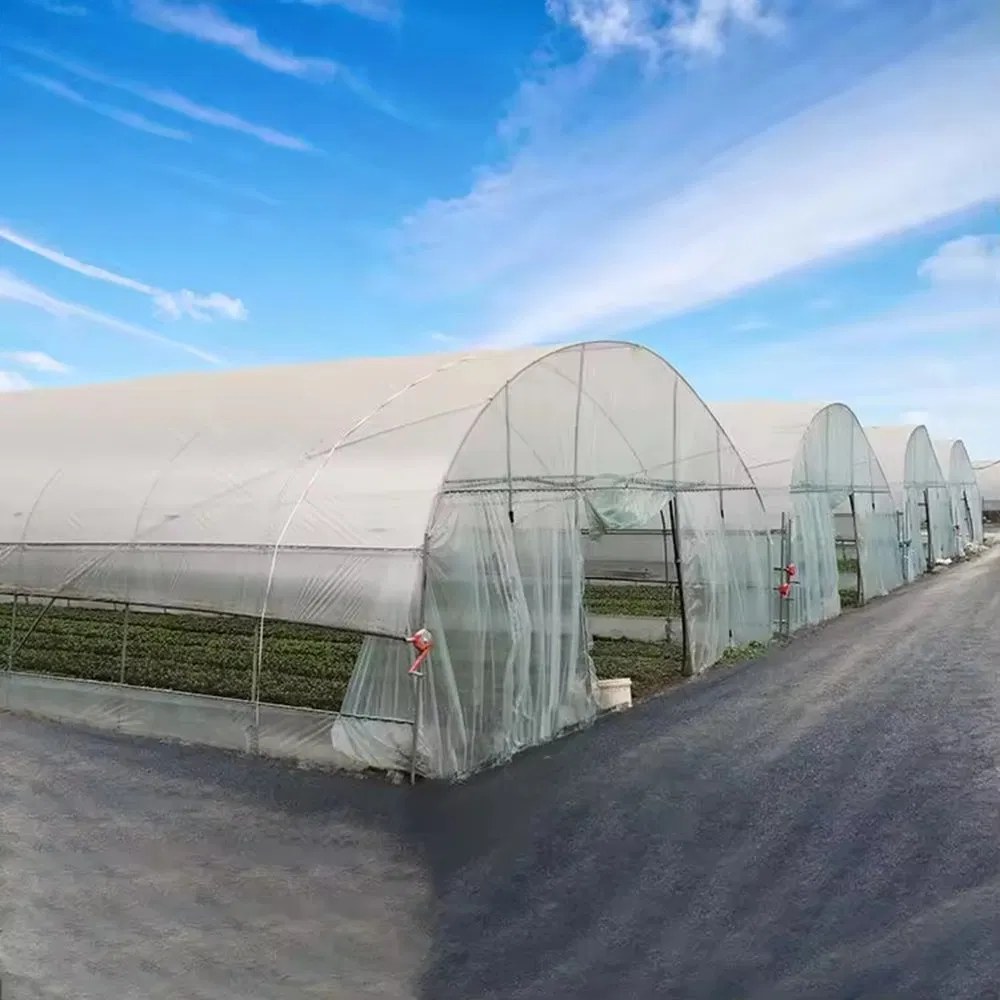
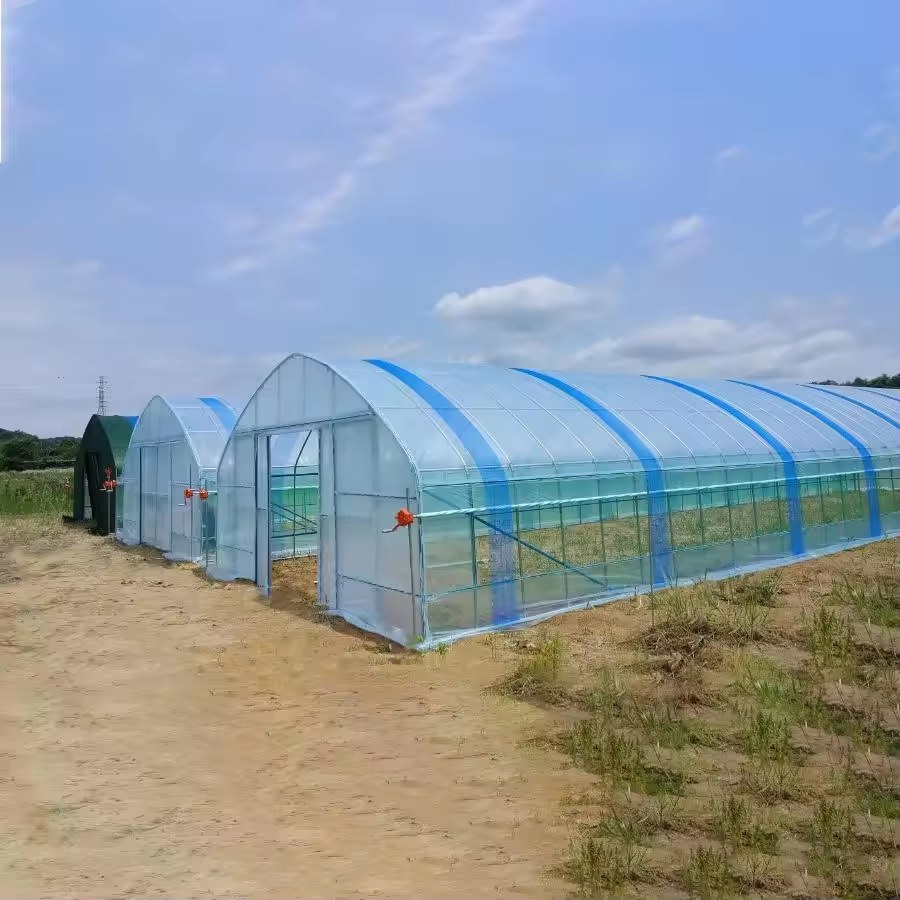
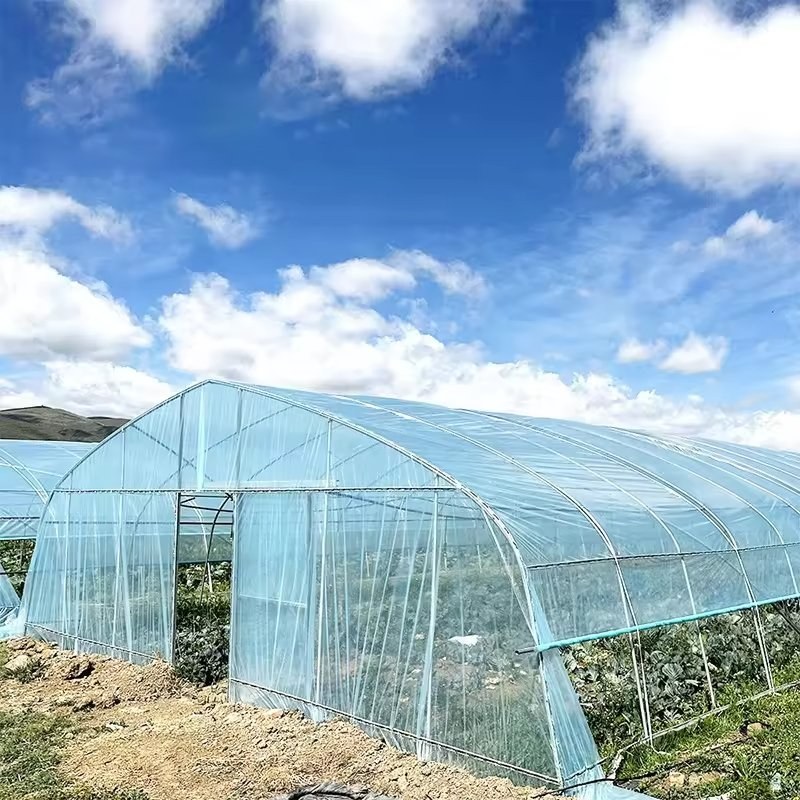
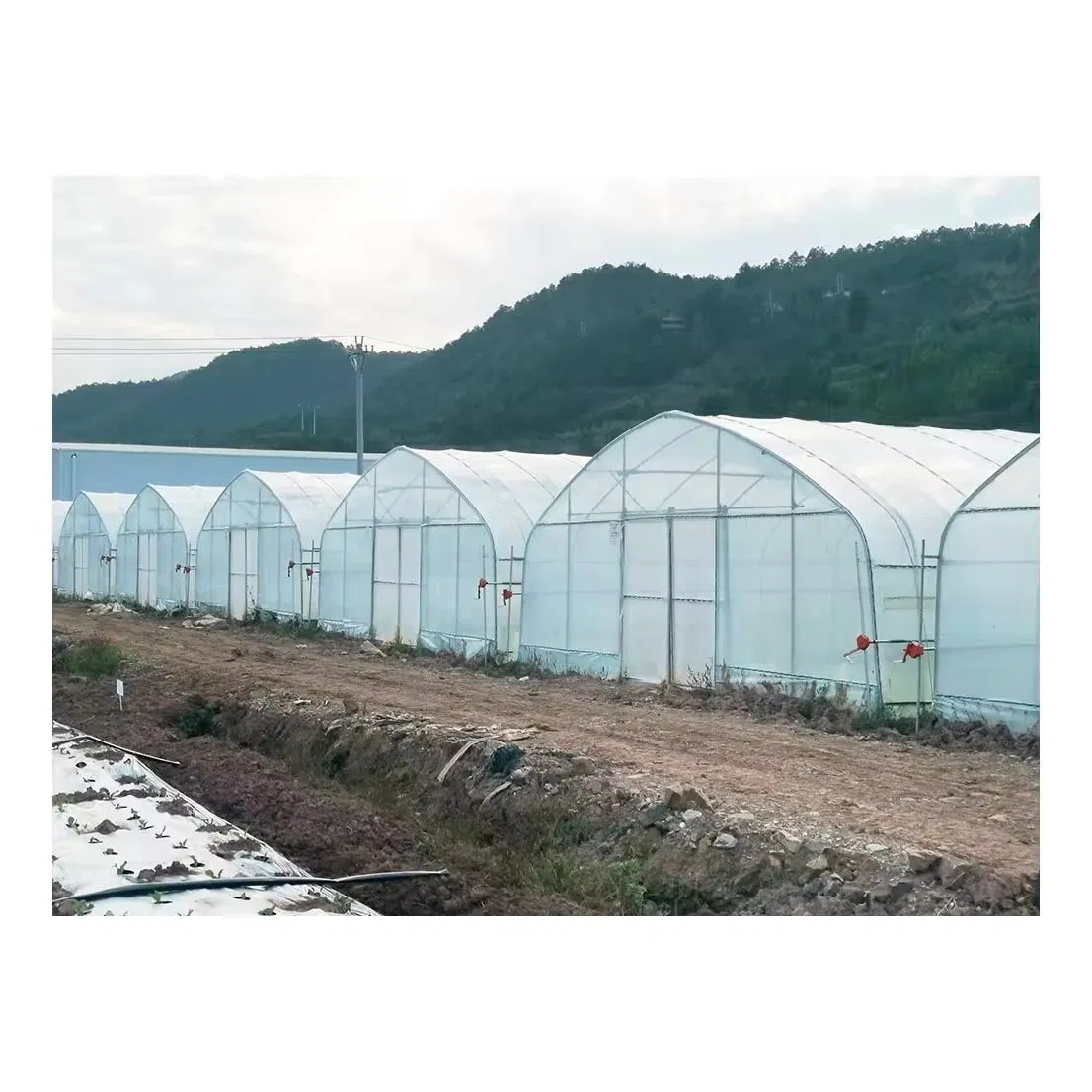
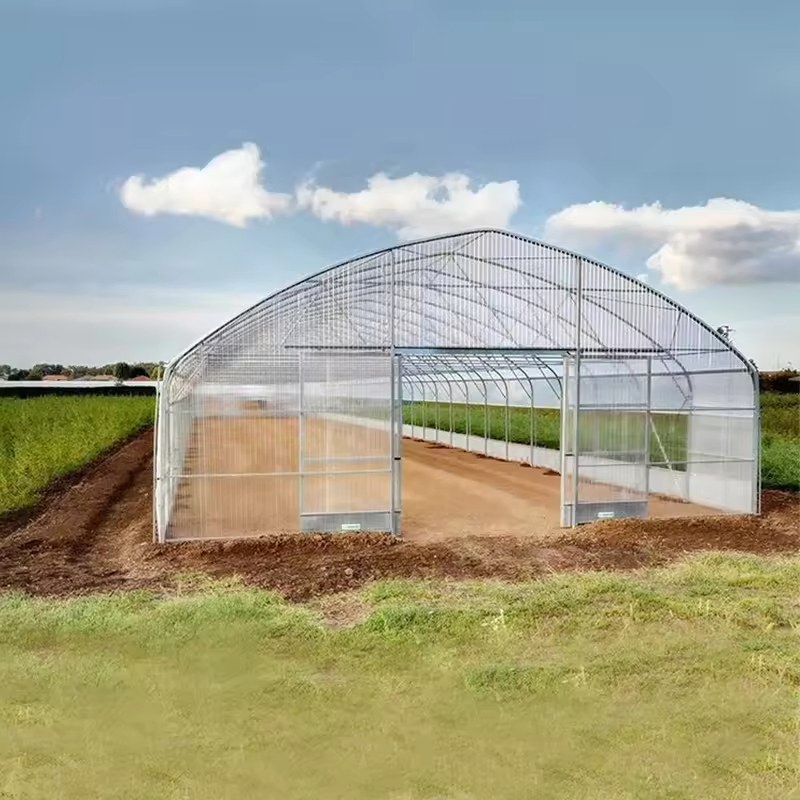
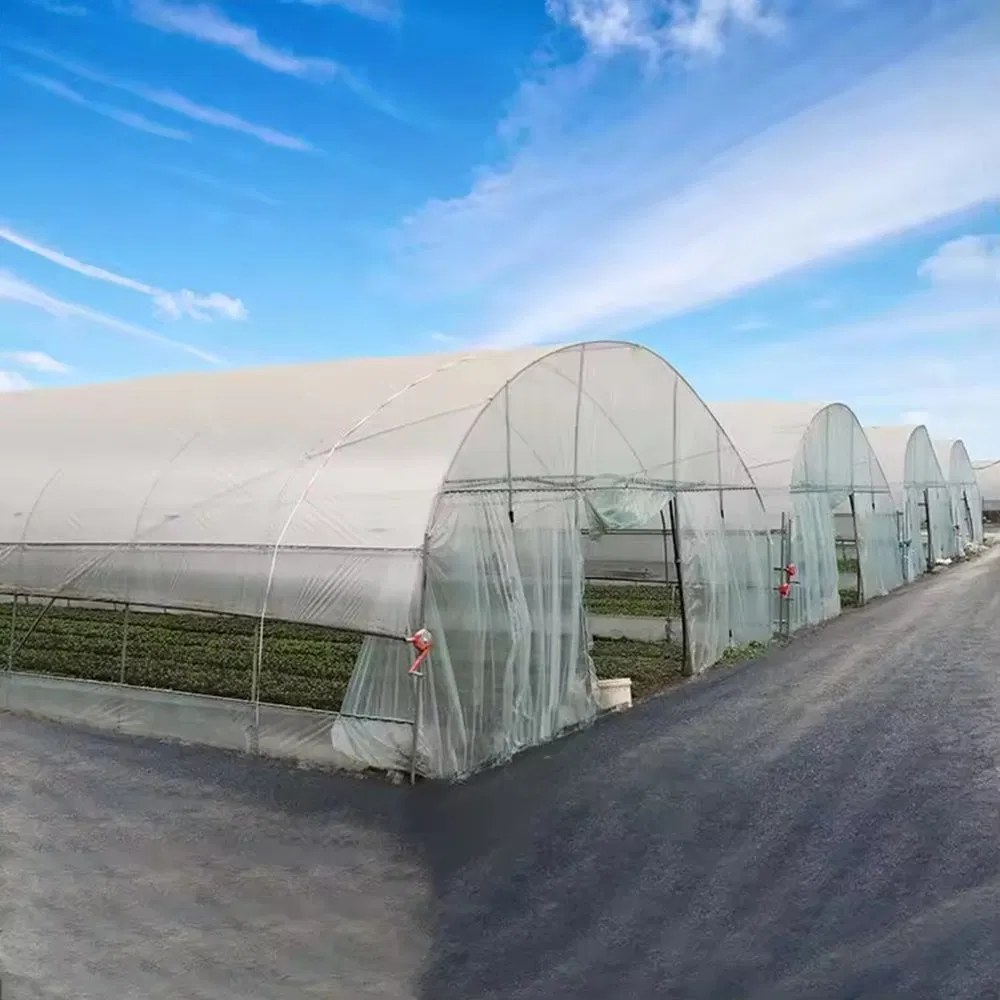
Nursery work is repetitive, so the house should be ordinary: the same eight metre bay, the same joint, the same film every time it is replaced. This tunnel is sold that way, in the lengths growers actually order, thirty to a hundred metres, on hot dip galvanized pipe with anti-drip film. Bolt together assembly means a two person crew can raise it, and the same crew can repair it years later with parts from the same drawing. It is a film house and not a heated house, and that distinction is better understood before the order than after the first winter.
A propagation house is judged on repetition, not on cleverness. The trays go in, the trays come out, the film is replaced every few years and the frame is expected to outlast three of them. Everything about this tunnel is chosen for that cycle. It is part of the tunnel greenhouse range on this site.
Eight metres is the default width because it fits a propagating bench layout and still lets a barrow turn at the end. Shoulder height is 1.3 or 2 metres to order, roof height 3.3 or 3.5, and both are quoted rather than fixed. Six, seven, nine and ten metre widths are available on the same details for sites that need a different footprint.
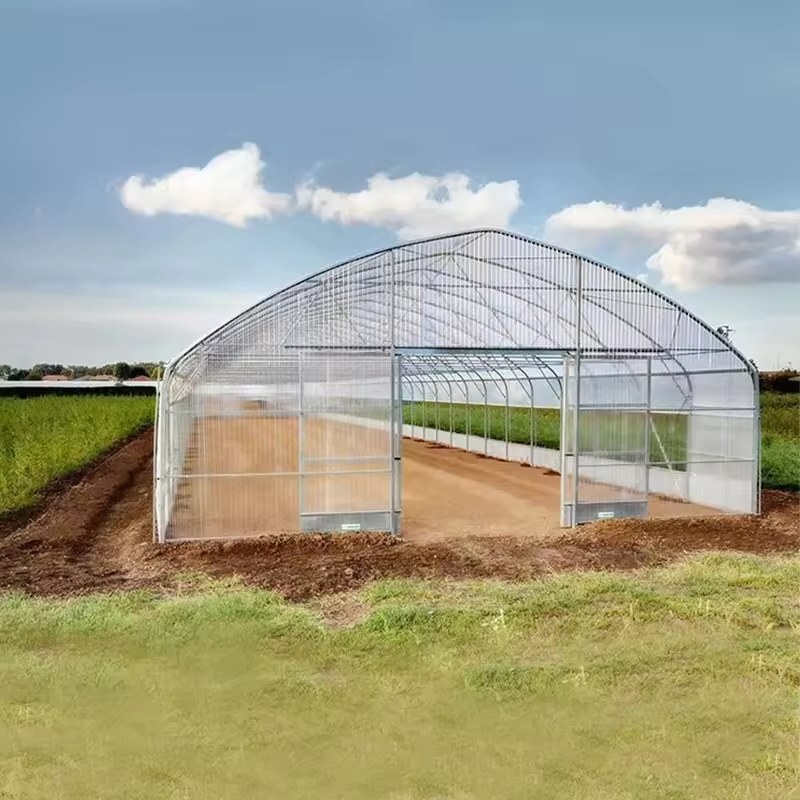
The structure is hot dip galvanized steel pipe, prefabricated and bolted, with no site welding. The film is PE or PO at 120, 150, 180 or 200 micron, treated against drip and UV. For propagation the anti-drip treatment matters more than the thickness: seedlings under a dripping cover lose more to damping off than to cold, and the film is the least expensive place to fix that.
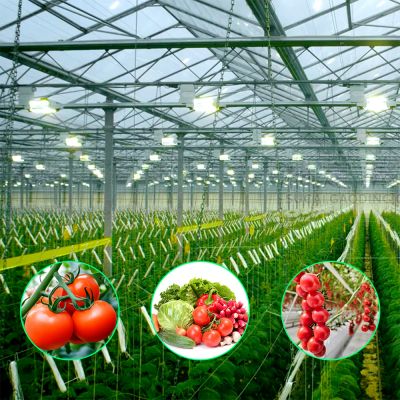
PO film is the better grade where it is available, because it holds light transmission longer as it ages. PE is the usual choice when the cover is planned as a three year consumable. A wider commercial house with winch ventilation is described on the tomato poly tunnel page.
| Steel structure | Hot galvanized steel pipe |
| Length | 10 m to 100 m |
| Width | 8 m standard, also 6 / 7 / 9 / 10 m, custom |
| Shoulder height | 1.3 m or 2 m, custom |
| Roof height | 3.3 m or 3.5 m, custom |
| Common sizes | 30x8, 40x8, 50x8, 60x8, 100x8 m |
| PE film | 120 / 150 / 180 / 200 micron |
| PO film | 120 / 150 / 180 / 200 micron |
| Film treatment | Anti-drip and UV block |
| Assembly | Prefabricated kit, bolts only |
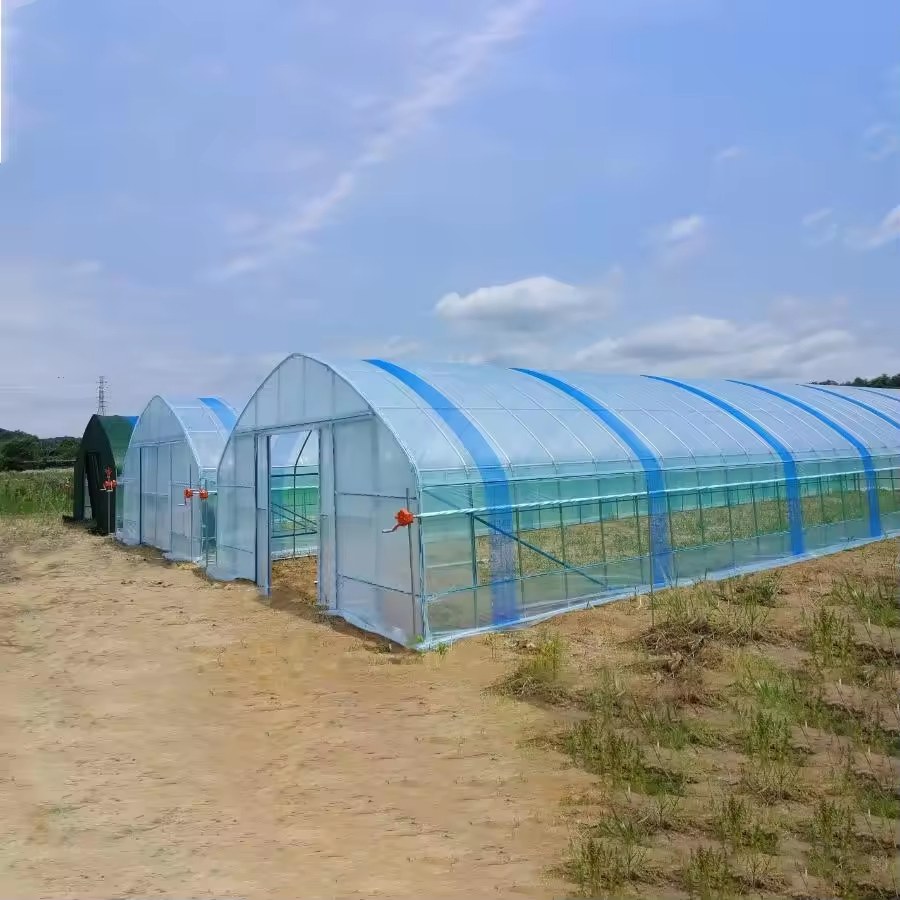
A film house holds humidity, which is the point and also the risk. Trays on benches with air moving under them dry back faster than trays on the ground, and side ventilation is what moves that air. On a propagation house the vent is usually opened earlier in the day and closed earlier in the afternoon than on a cropping house, because the plants are small and the leaf area is dense.
A shaded house is common too: a 30 to 50 percent screen over the film keeps the bench temperature down without closing the vents. Guidance on protected cropping and seedling production is published by Purdue University, and practical growing guides by Wikifarmer.
In practice the order sheet reads thirty, forty, fifty, sixty and a hundred metre houses at eight metres wide. Length is set by the number of trays a crew can water in a round and by the shape of the field, not by the structure: the same arch and the same film width run the whole way. Anything between ten and a hundred metres is quoted, and odd lengths are normal.
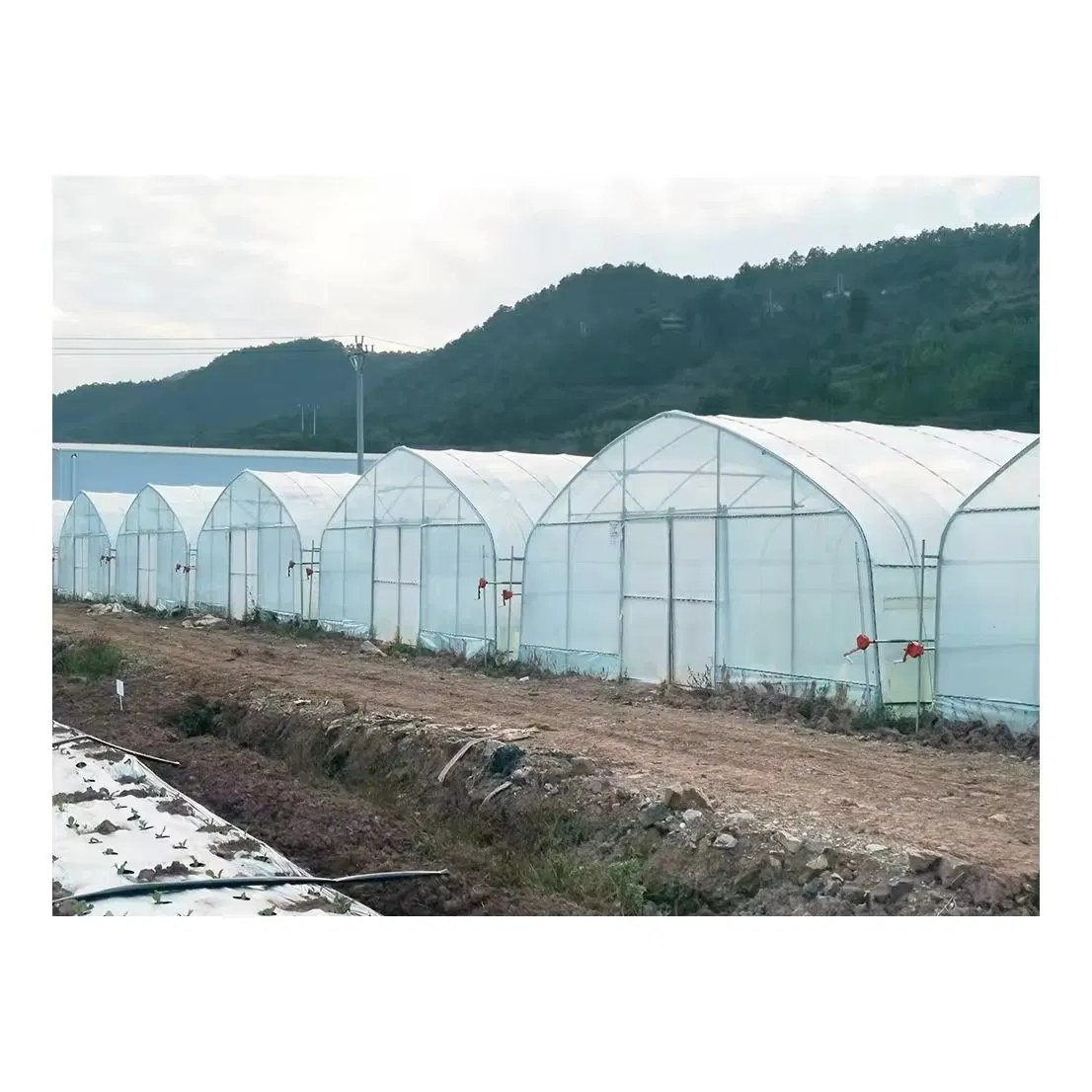
It is a single film skin with no insulation, so it is not a frost protection house on its own and not a heated house at all. In a cold climate it is ordered with a double skin or an internal thermal screen, and that decision changes the frame details, so it belongs in the enquiry. It is also not designed for permanent snow cover without the closer arch spacing used on wider spans. A house offered across the same six to twelve metre range for flower and horticulture work is described on the low cost film tunnel page.
The hot-dip galvanized steel frame is designed for a 15-20 year service life in normal agricultural environments, with a double-sided zinc coating of 200-275 g/m². Film covers are replaced every 3-5 years, while glass and PC panels carry their own manufacturer warranties.
Yes. We customize span width, bay length, gutter height, covering material (film, PC sheet or glass) and ventilation configuration. Share your crop type, local climate and growing area, and our engineers will size the structure to match.
The hot-dip galvanized steel frame carries a 10-year structural warranty covering structural safety, plus a 5-year warranty against corrosion perforation. It is designed for a 15-20 year service life. Film covers carry a 3-5 year UV warranty depending on grade.
Film suits low-cost tunnels on 3-5 year replacement cycles. Glass delivers the highest light transmission and the longest lifespan, at the highest cost. PC sheet insulates better than film and suits cold or high-humidity climates. The right choice depends on climate, crop and budget.
Thirty, forty, fifty, sixty and a hundred metres at eight metres wide. Length is usually set by how far a crew can water in one round and by the field shape, and anything from ten to a hundred metres is quoted.
On its own, no. A single film skin slows heat loss but does not stop it. For winter work the house is specified with a double film skin or an internal thermal screen, and that changes the frame details, so it needs to be in the enquiry rather than added afterwards.