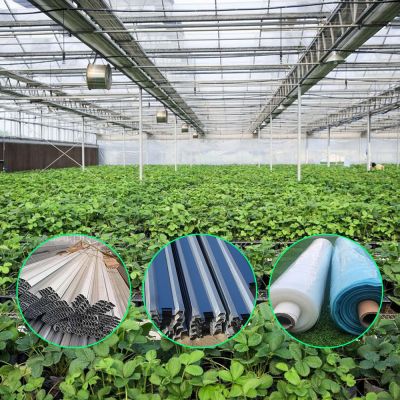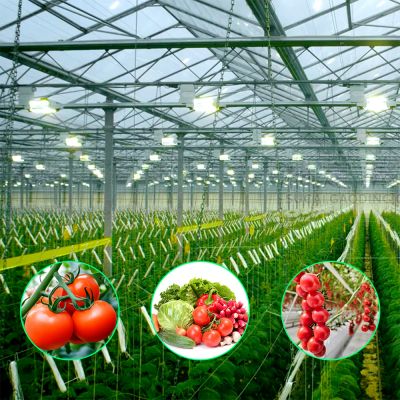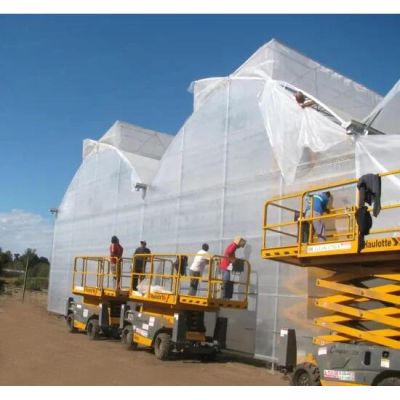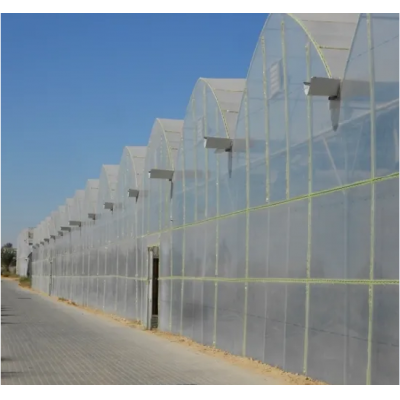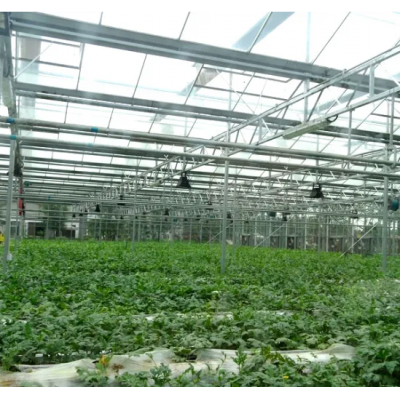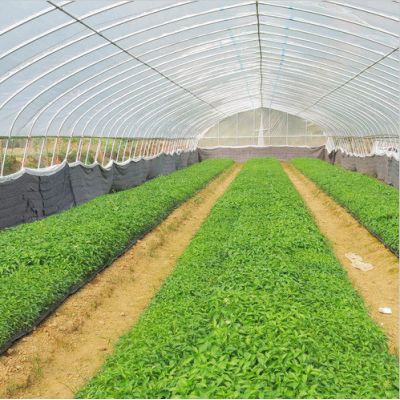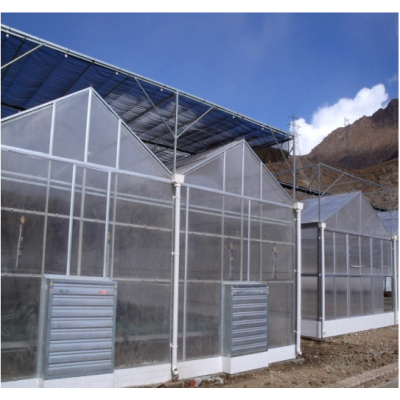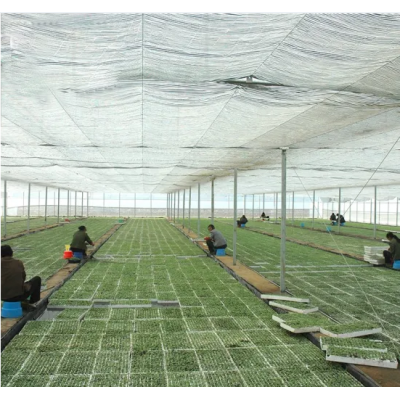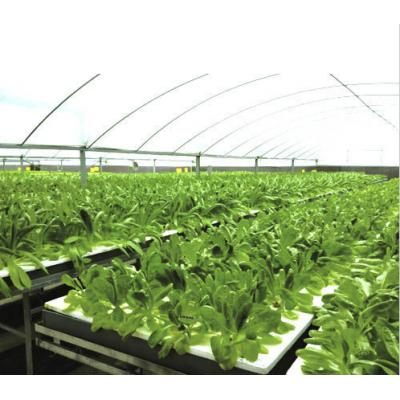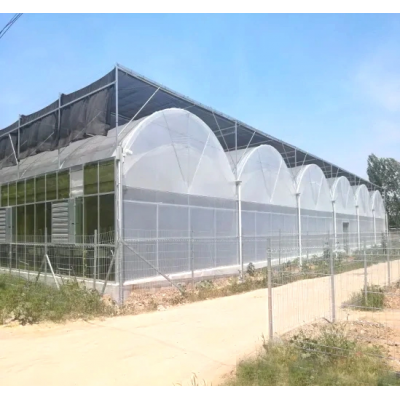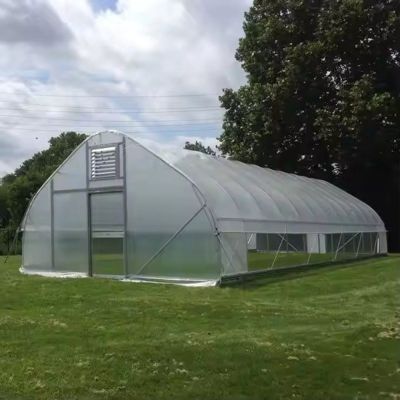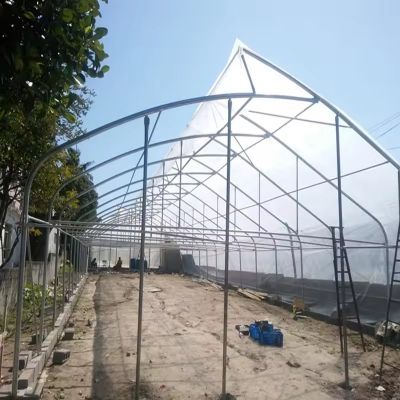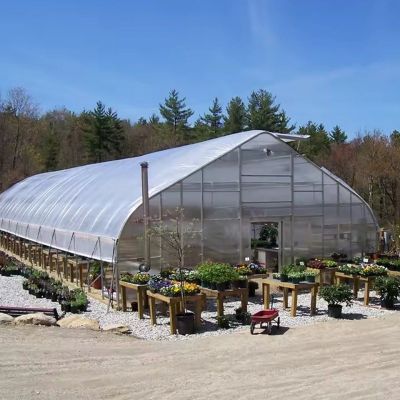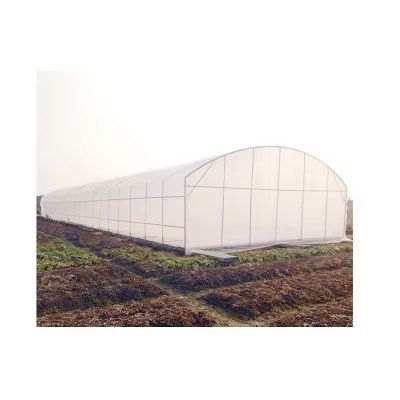
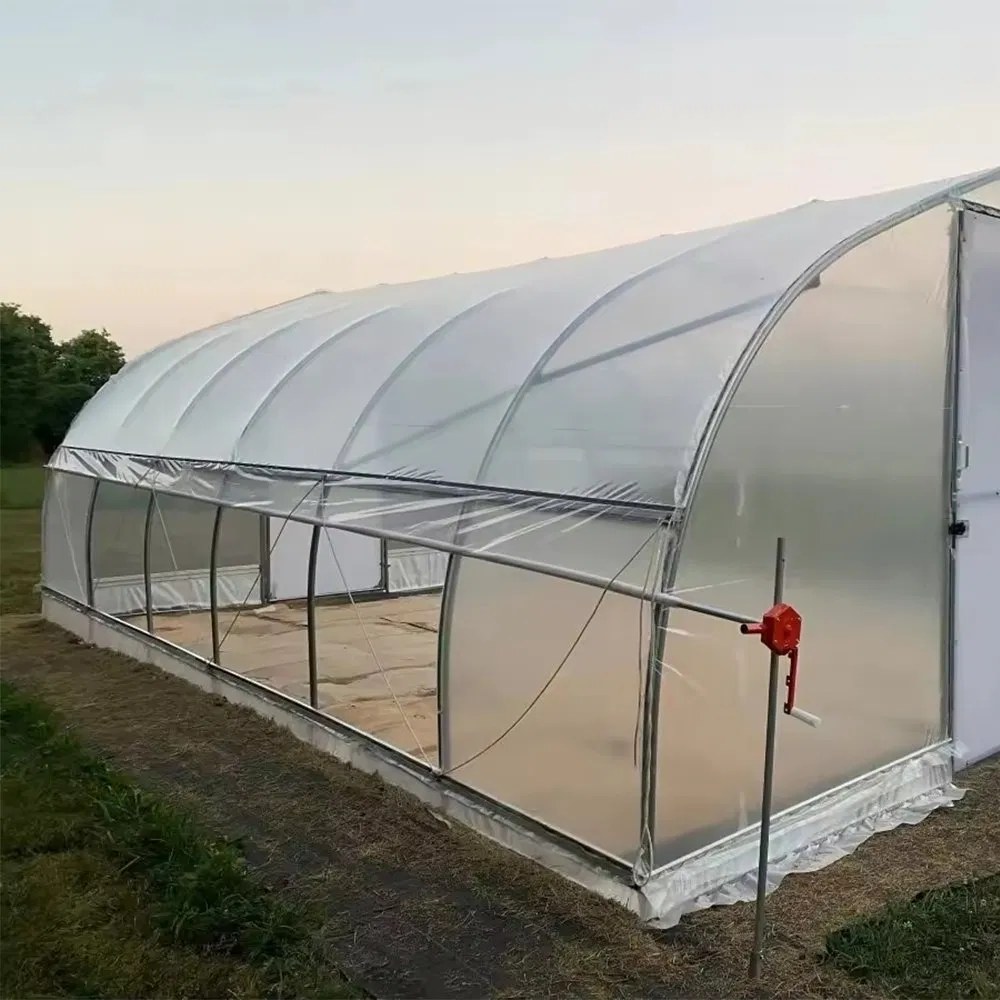
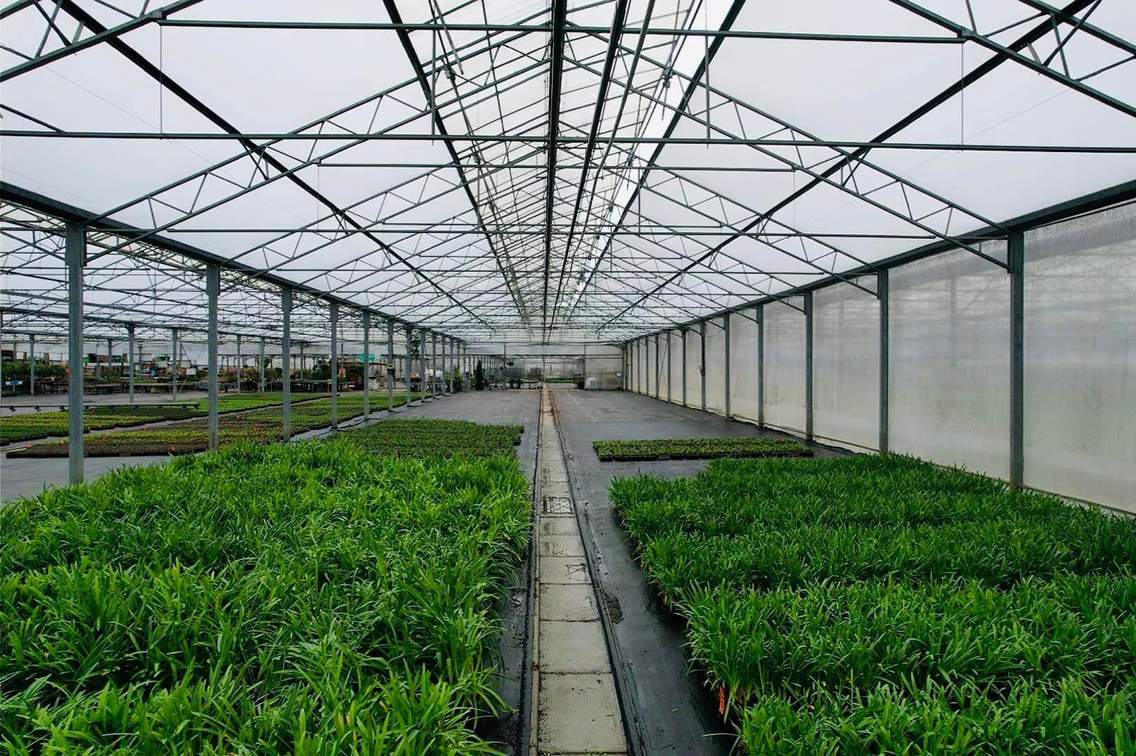
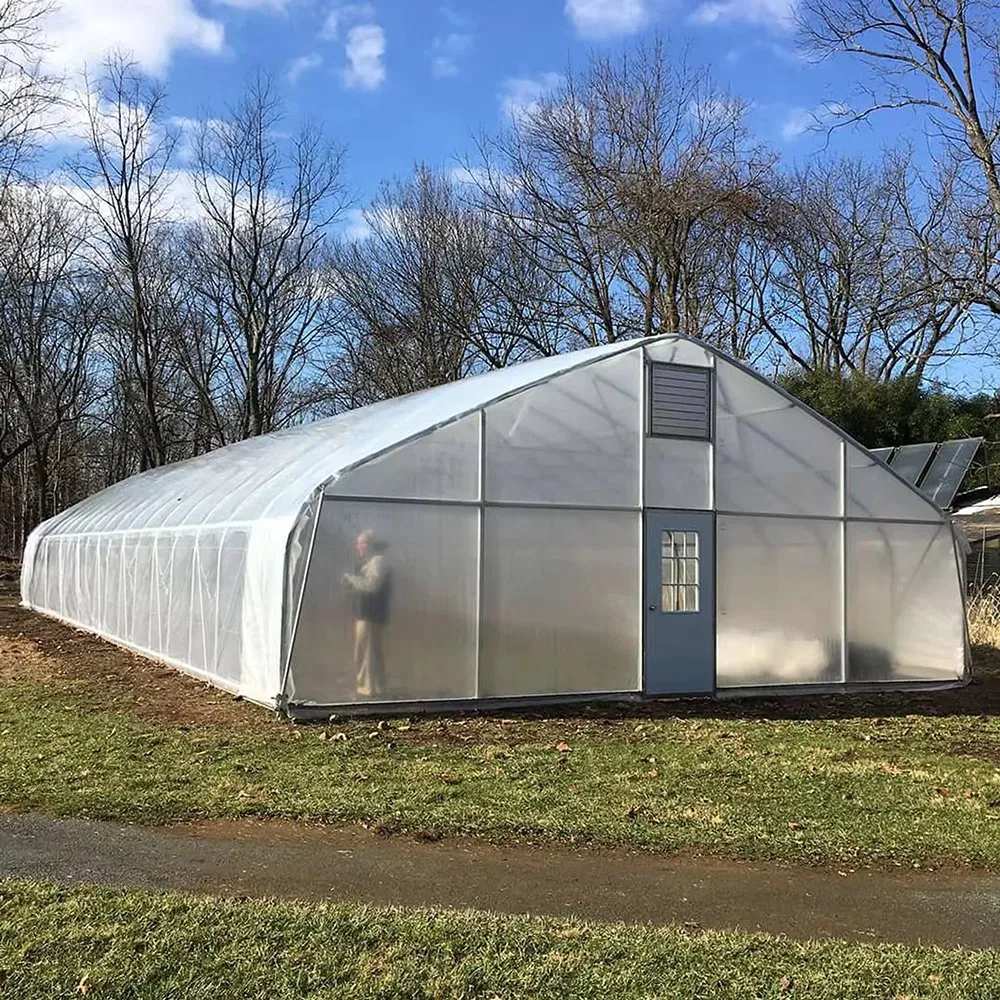
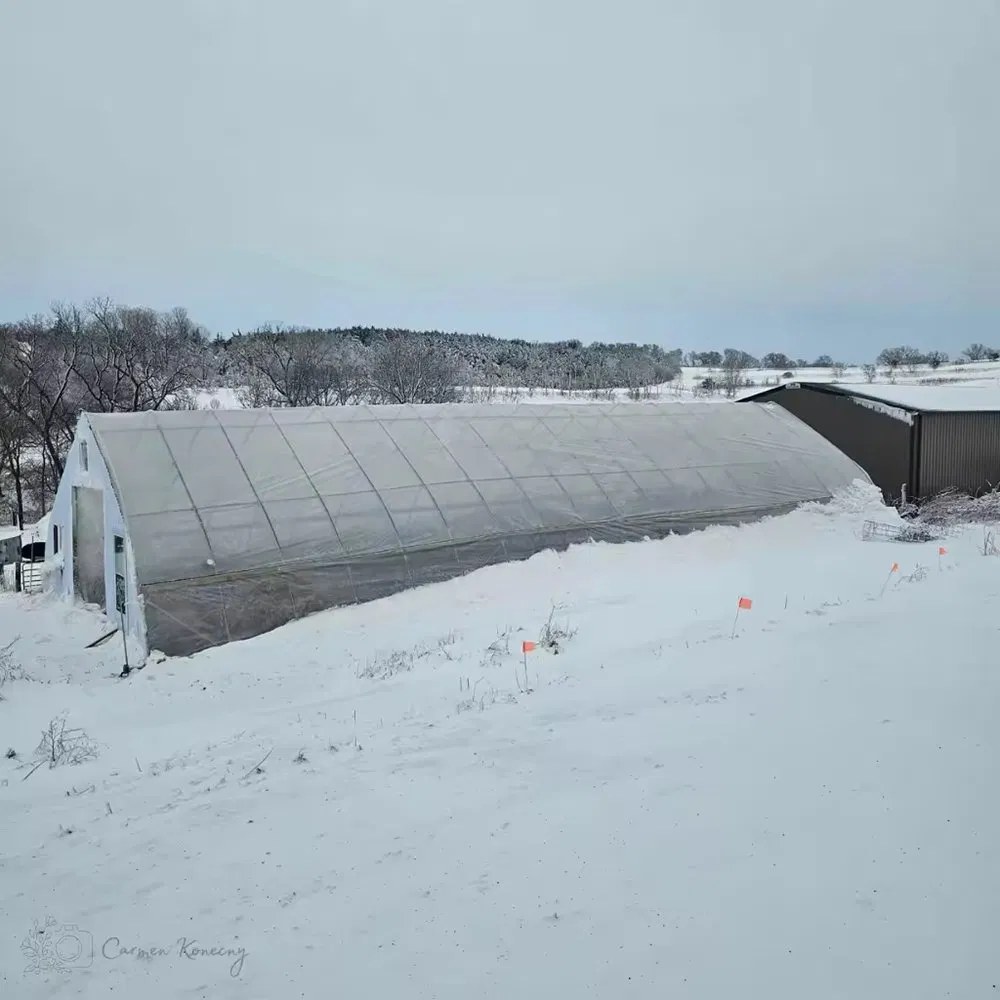
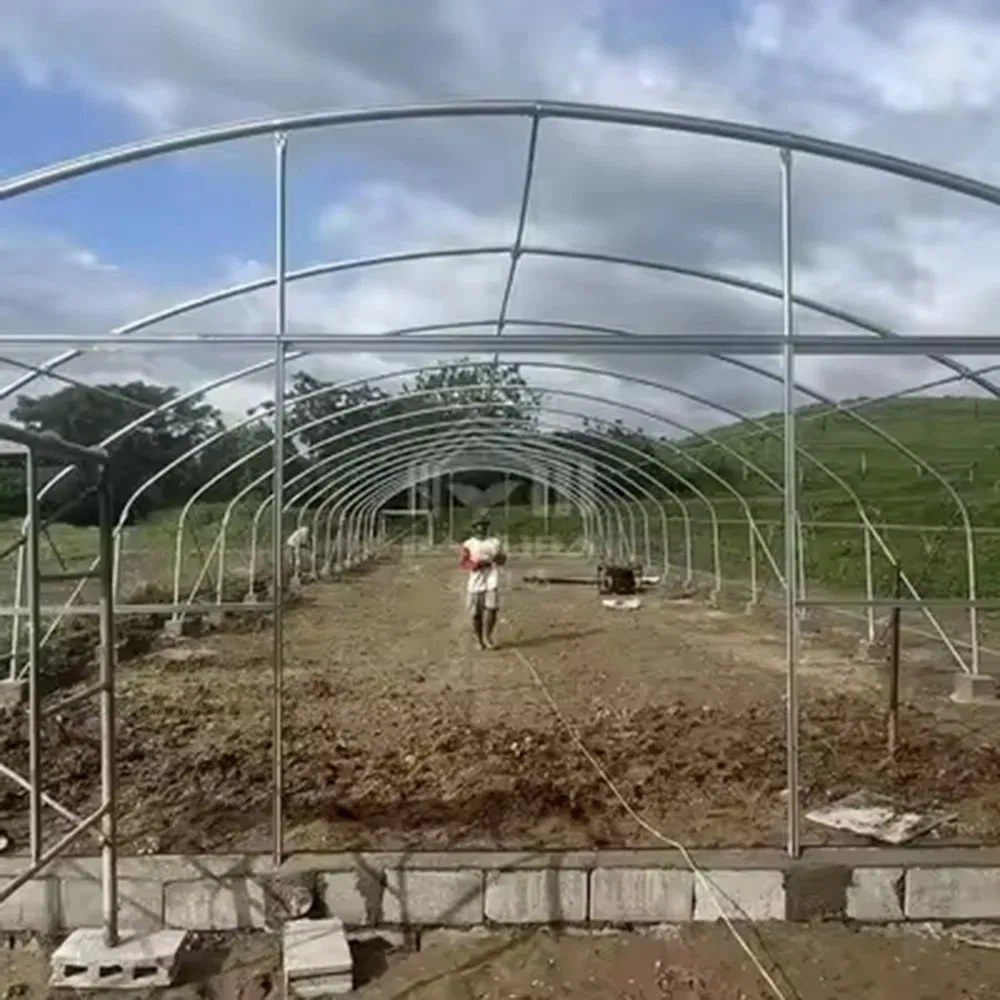
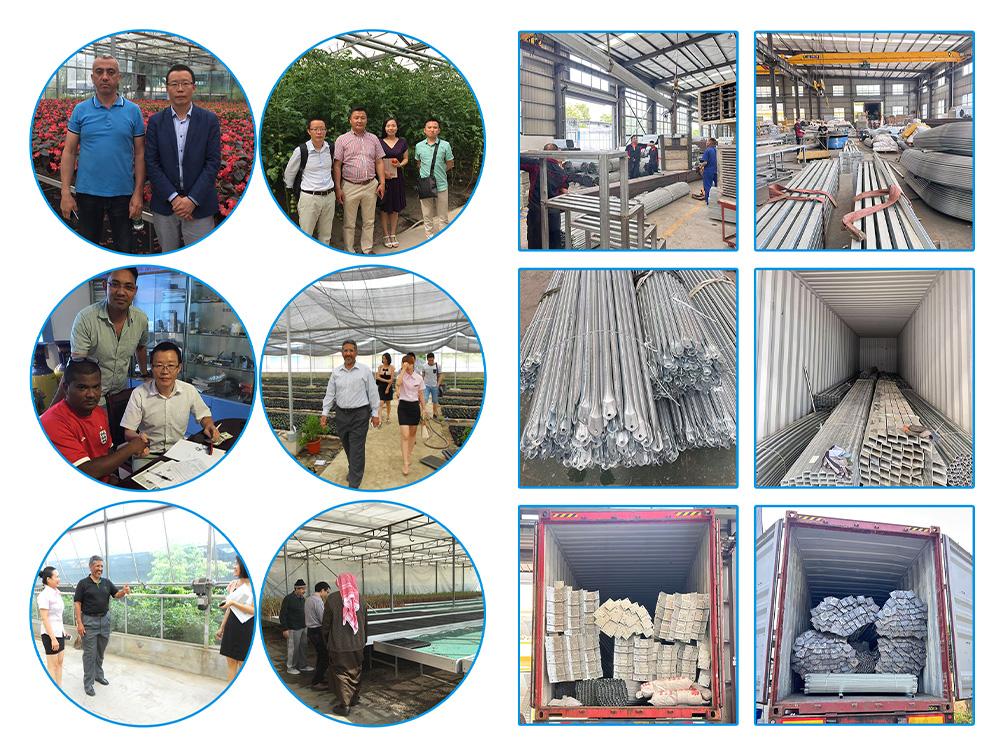
Not every project starts with a budget for glass. This house is the entry point: an eight metre bay, a galvanized frame and a film cover from 120 to 200 micron, with polycarbonate board offered as an alternative where the climate asks for it. The options list is short and honest, and the kit is cut to the lengths growers actually order, thirty to a hundred metres in eight metre bays. The frame and the cover are quoted together, so the two get decided together.
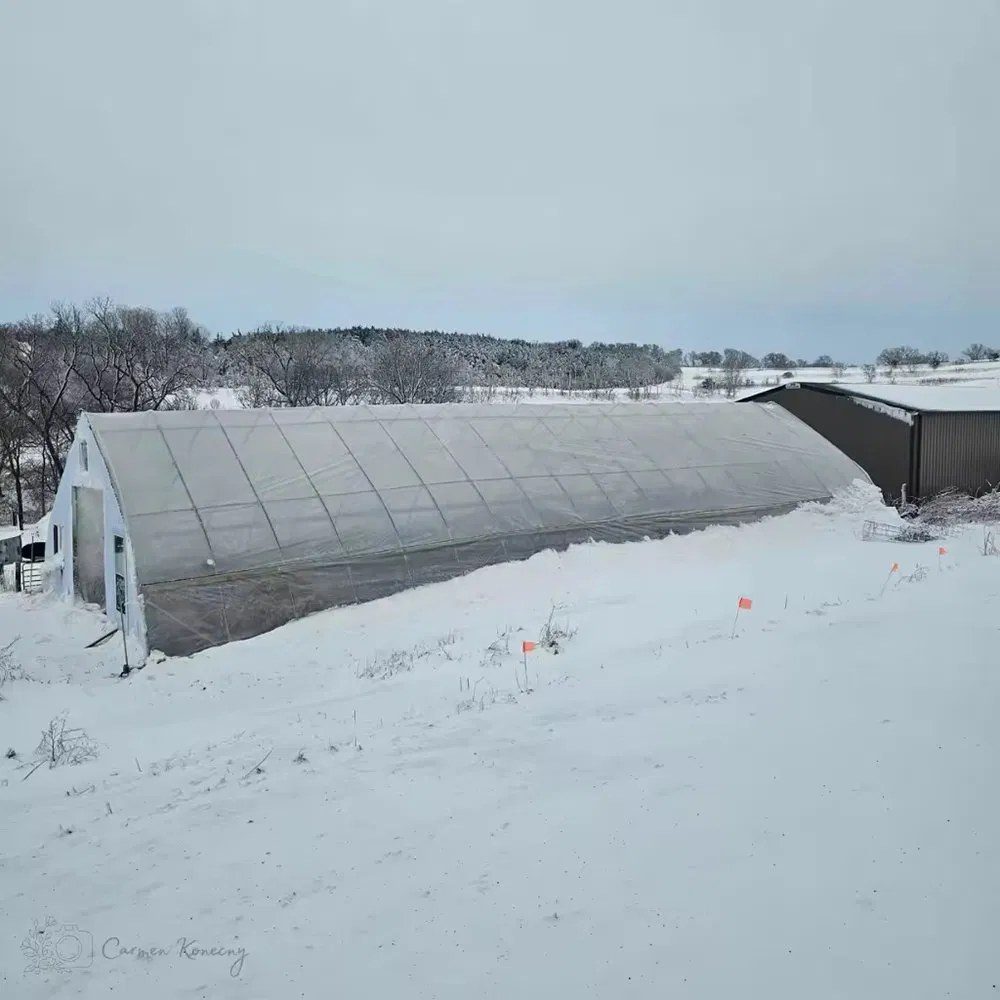
The least expensive way into protected growing is a film tunnel on a galvanized frame, and the plainest version version of that is usually a house with no options and no drawing. This one is priced the same way but specified properly: a stated frame, a stated film range, and a list of what can be added. It sits in the tunnel greenhouse range on this site.
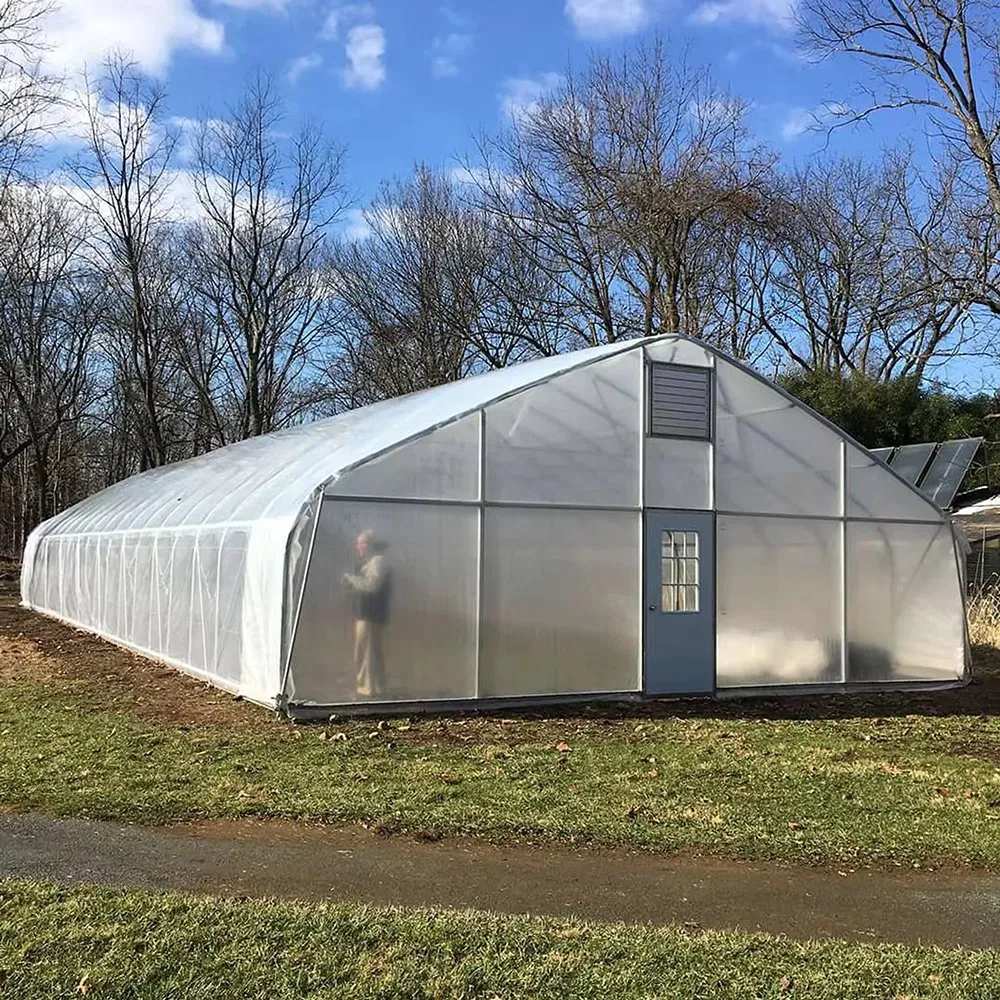
Eight metres wide is the standard bay, with six, seven, nine and ten metre widths on the same details. Shoulder height is 1.3 or 2 metres and roof height 3.3 or 3.5, and the common orders are thirty, forty, fifty, sixty and a hundred metres long. Those are ordinary numbers because most growers are building a working house, not a demonstration one. A heavier gothic house on 2.5 mm arches is described on the gothic high tunnel on 2.5 mm arches page.
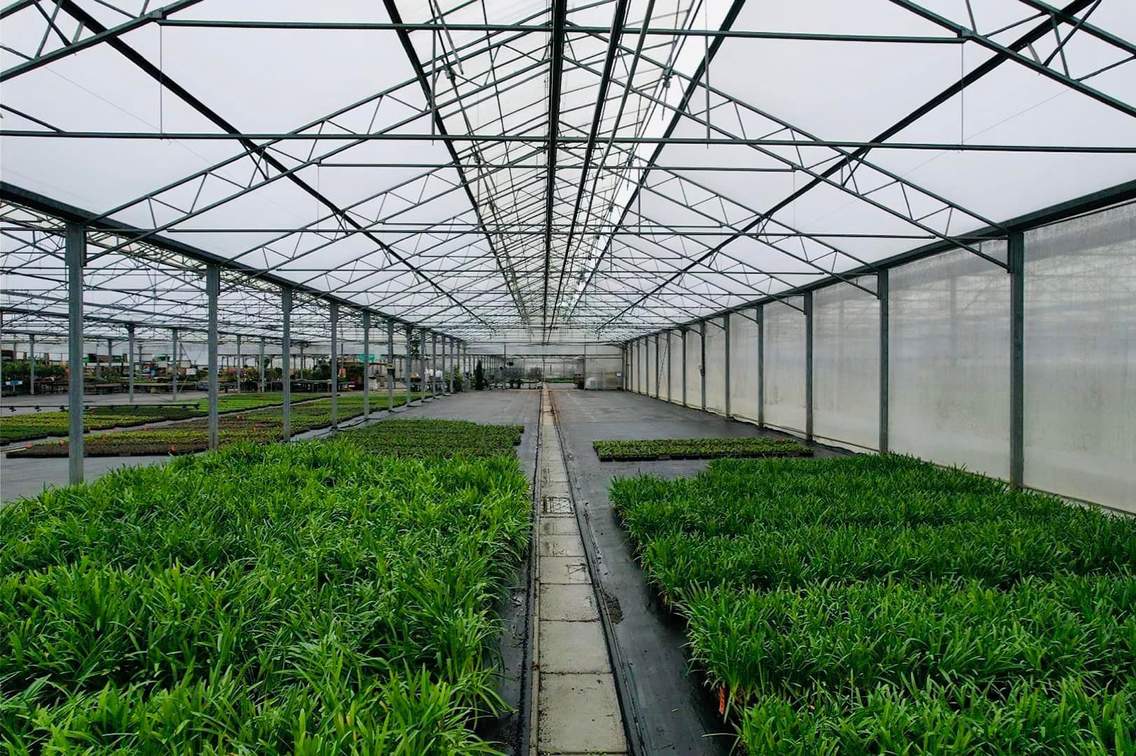
The frame is hot galvanized steel pipe, pre-bent and bolted. The cover can be PE or PO film at 120, 150, 180 or 200 micron, or polycarbonate board at 6 or 8 mm. That last option is the one worth thinking about at order stage rather than later, because it changes the arch spacing that carries the weight.
Film is the lower cost cover and the faster one to replace; PC board is the dearer cover that holds heat better and lasts longer. A house with a pointed arch and a heavier frame is described on the gothic arch steel frame greenhouse page.
| Product type | Tunnel single span film greenhouse |
| Steel structure | Hot galvanized steel pipe |
| Length | 10 m to 100 m |
| Width | 8 m standard, also 6 / 7 / 9 / 10 m, custom |
| Shoulder height | 1.3 m or 2 m, custom |
| Roof height | 3.3 m or 3.5 m, custom |
| Common sizes | 30x8, 40x8, 50x8, 60x8, 100x8 m |
| PE film | 120 / 150 / 180 / 200 micron |
| PO film | 120 / 150 / 180 / 200 micron |
| PC board option | 6 mm or 8 mm |
| Insect net | 40 mesh standard, custom available |
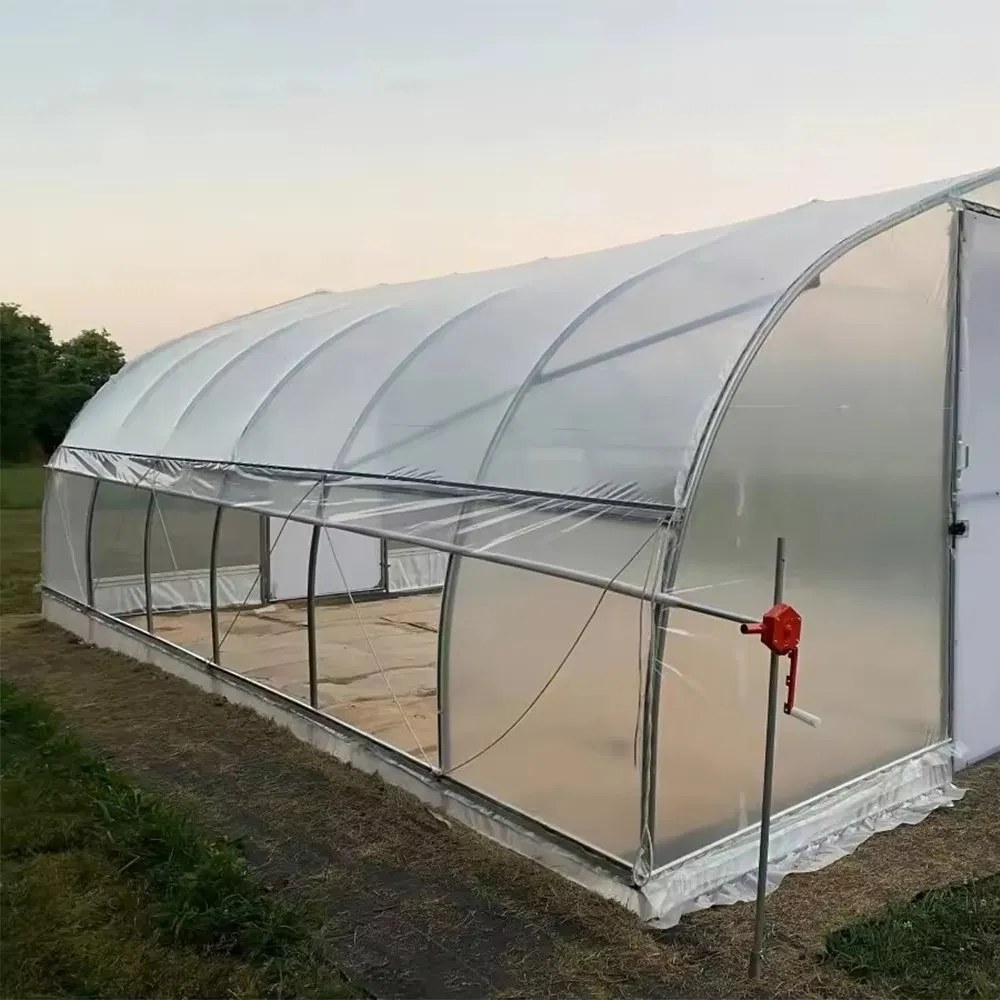
Film transmits well and costs little, and it is replaced on a three to five year cycle. Polycarbonate board insulates better, holds its transmission for longer and does not flap, but it costs several times as much per square metre and needs a frame that can carry it. On a first house in a mild climate, film is usually the right answer; on a cold site with a winter crop, board is worth costing.
The decision is easier if it is made once. A house ordered as film and converted later is a frame question, and the answer is different from the one on this page.
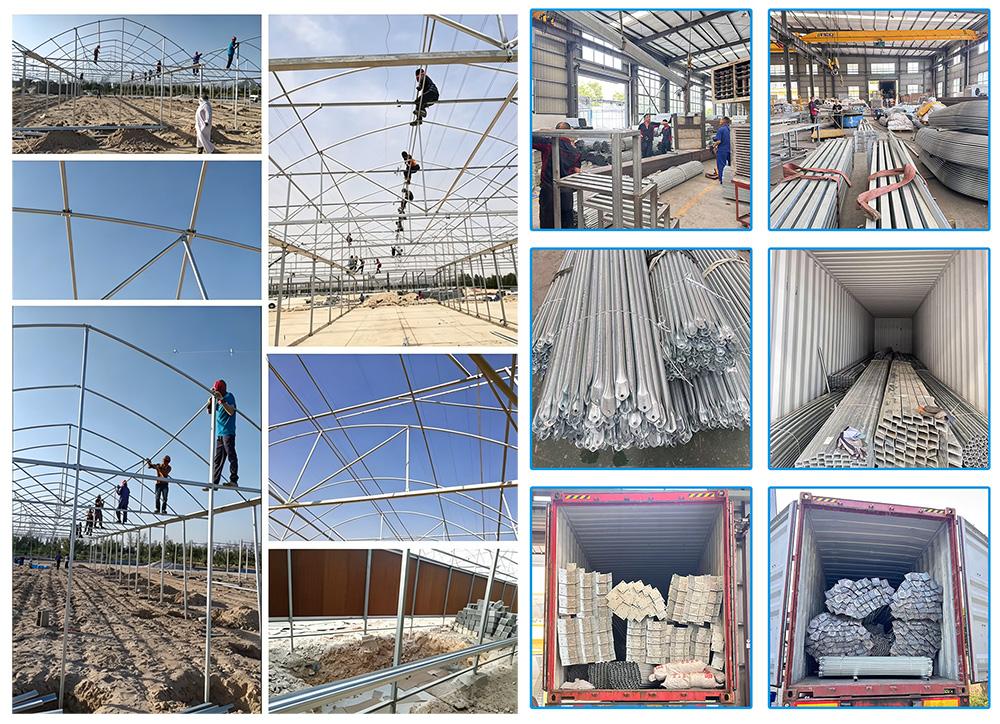
Ventilation is passive: roll-up side walls and vents at the ends. That is enough for most vegetable and flower crops in a temperate season. Insect net at 40 mesh fits the same openings and turns them into filtered air, which is how a grower keeps aphid and whitefly out without spraying on a calendar.
The trade is airflow. A 40 mesh screen cuts air movement, so the vent area is usually increased when netting is specified. Industry events and grower education are organised by Cultivate, and protected cropping reporting is published by Greenhouse Canada.
Above a certain summer temperature, roll-up sides stop being enough and a fan and pad wall is added. The system pulls outside air through wet pads under negative pressure, which is the standard answer at commercial scale because it is simple and costs little to run. How much it cools depends on the water temperature and the pad area, and it belongs in the same quotation as the vents.
The hot-dip galvanized steel frame is designed for a 15-20 year service life in normal agricultural environments, with a double-sided zinc coating of 200-275 g/m². Film covers are replaced every 3-5 years, while glass and PC panels carry their own manufacturer warranties.
Yes. We customize span width, bay length, gutter height, covering material (film, PC sheet or glass) and ventilation configuration. Share your crop type, local climate and growing area, and our engineers will size the structure to match.
The hot-dip galvanized steel frame carries a 10-year structural warranty covering structural safety, plus a 5-year warranty against corrosion perforation. It is designed for a 15-20 year service life. Film covers carry a 3-5 year UV warranty depending on grade.
Film suits low-cost tunnels on 3-5 year replacement cycles. Glass delivers the highest light transmission and the longest lifespan, at the highest cost. PC sheet insulates better than film and suits cold or high-humidity climates. The right choice depends on climate, crop and budget.
Yes. Polycarbonate board at 6 or 8 mm is offered on the same house, and it is quoted at order stage because the board weight changes the arch spacing. Film and board are not interchangeable after the frame is built.
40 mesh as standard, with other grades to order. Netting is fitted to the same side and end openings as the film, and the vent area is usually increased to compensate for the reduced airflow.