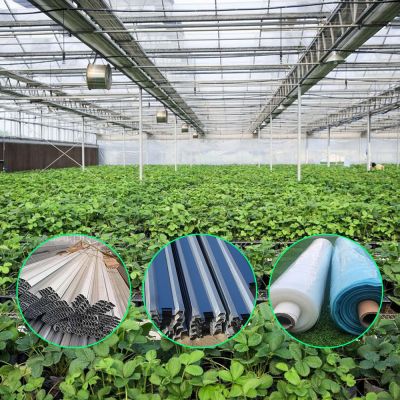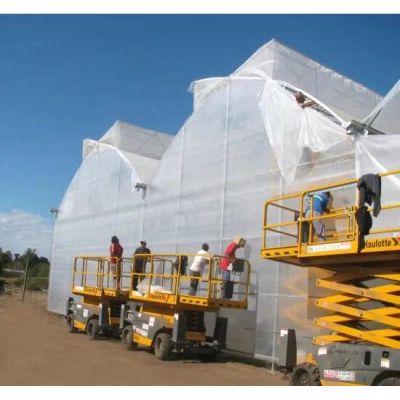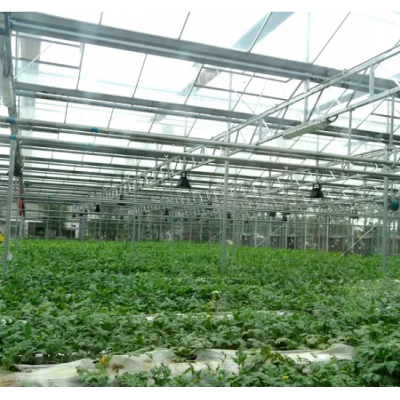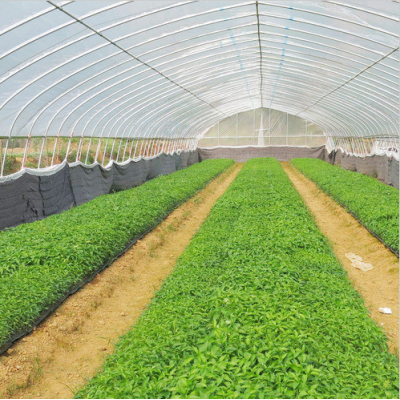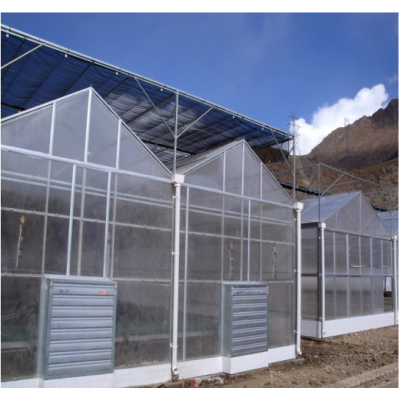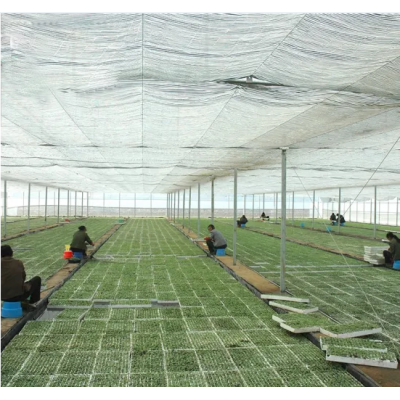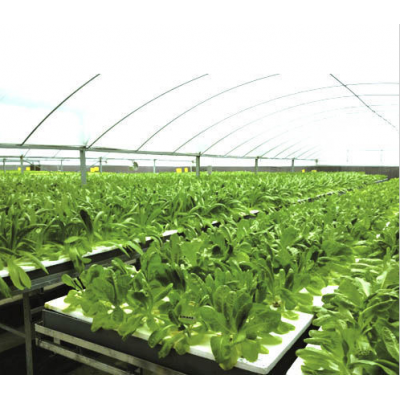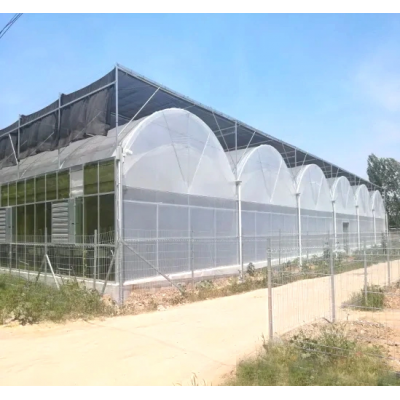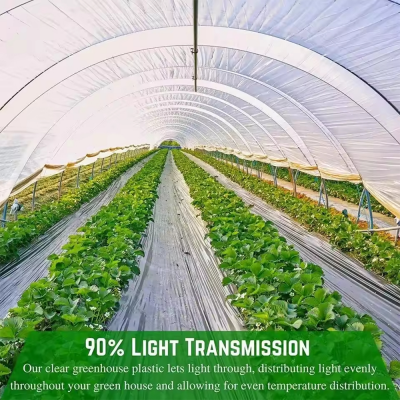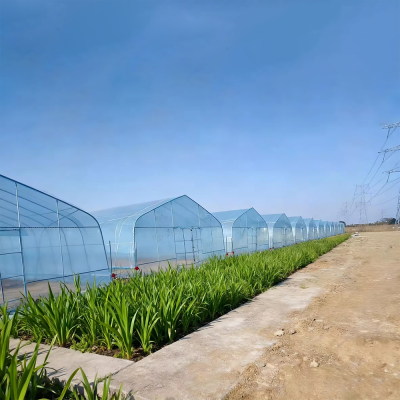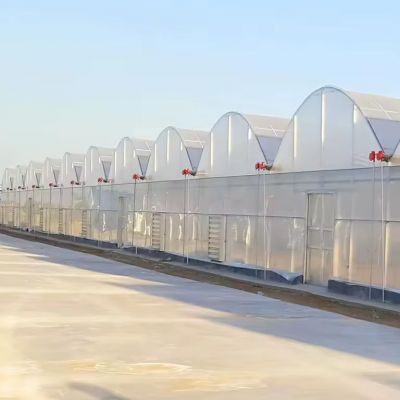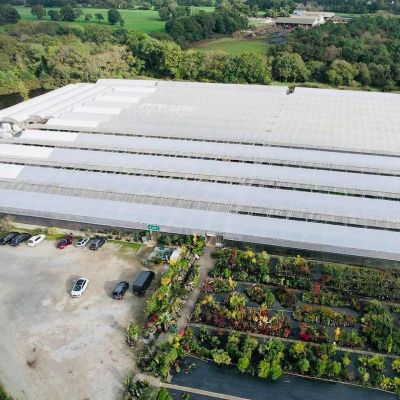
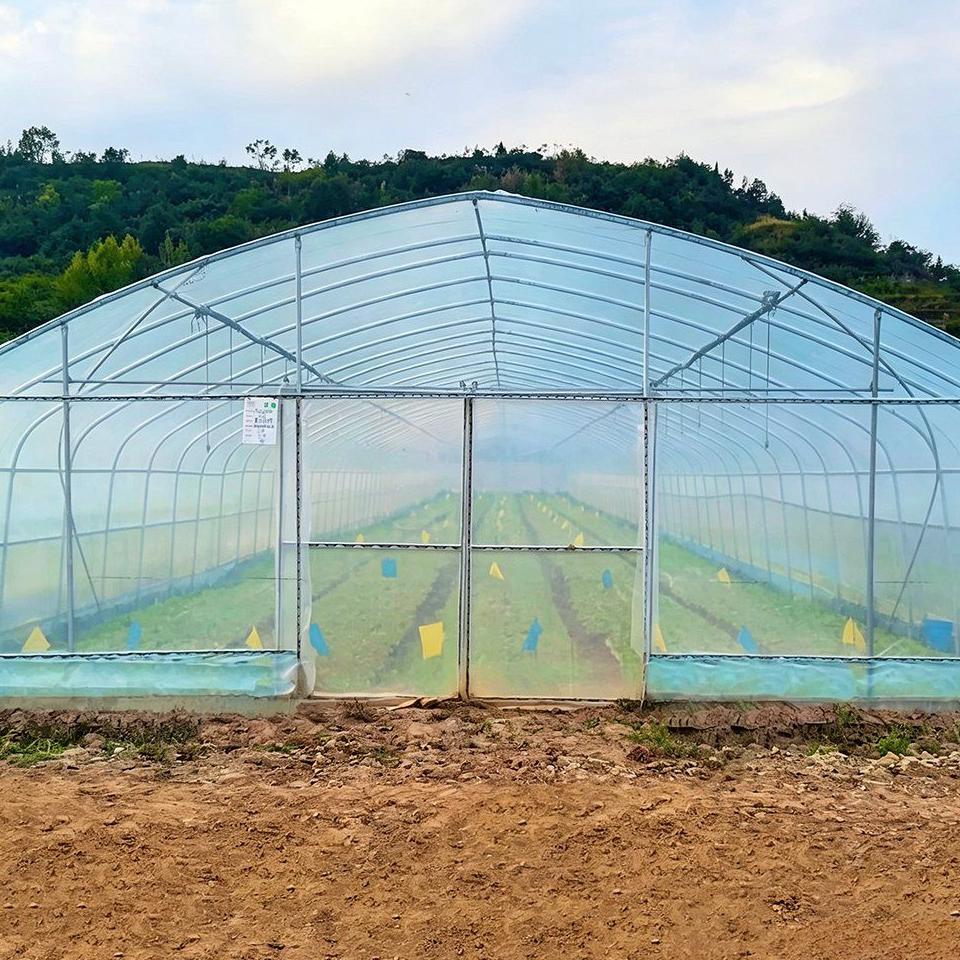
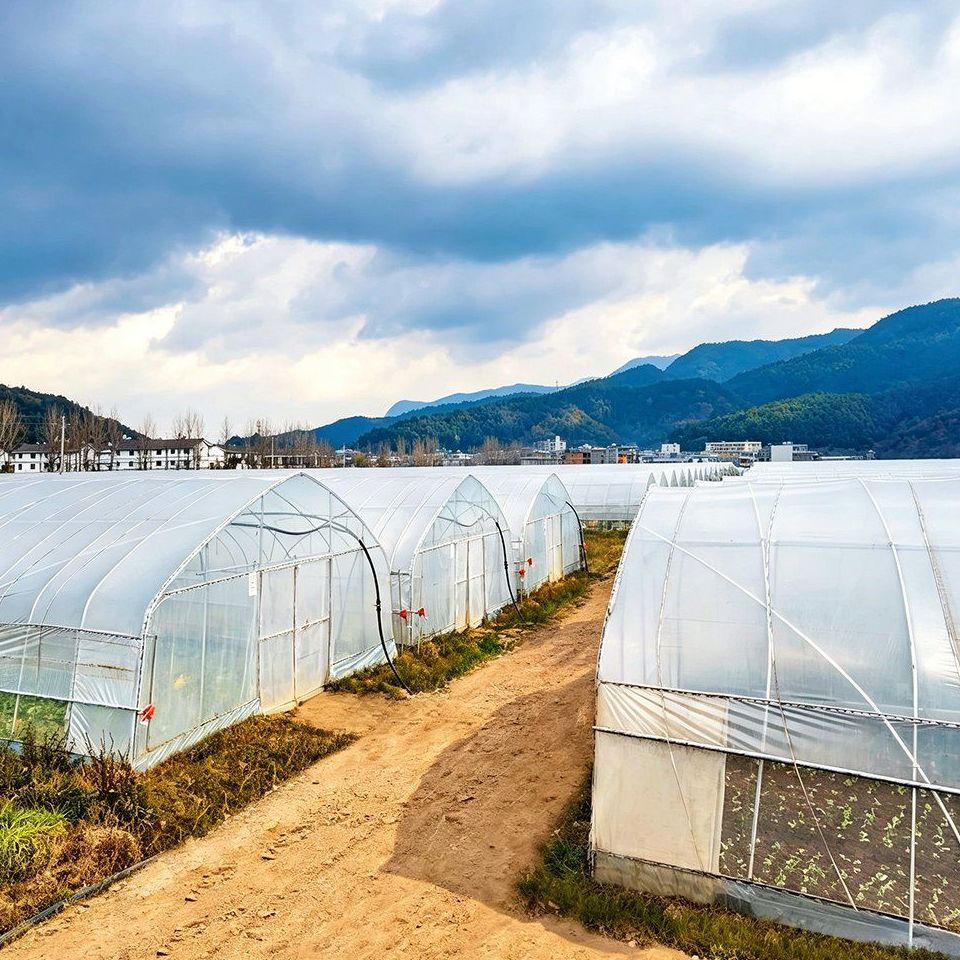
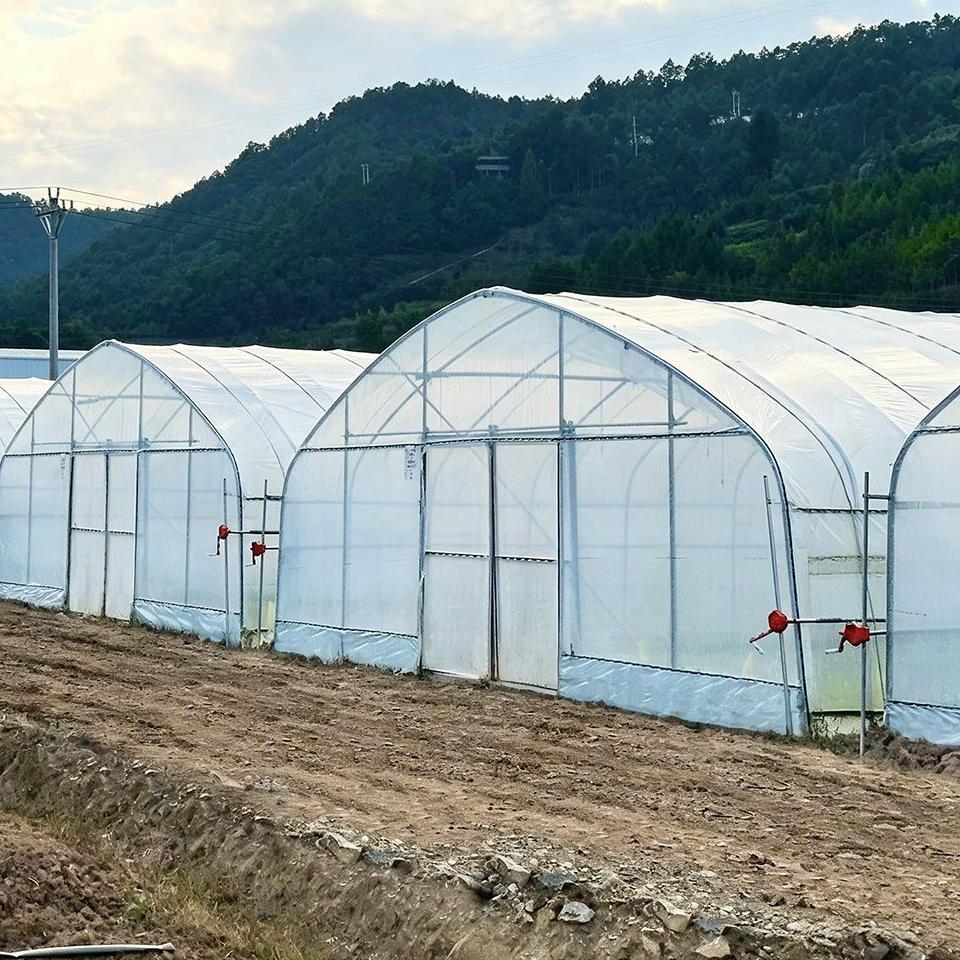
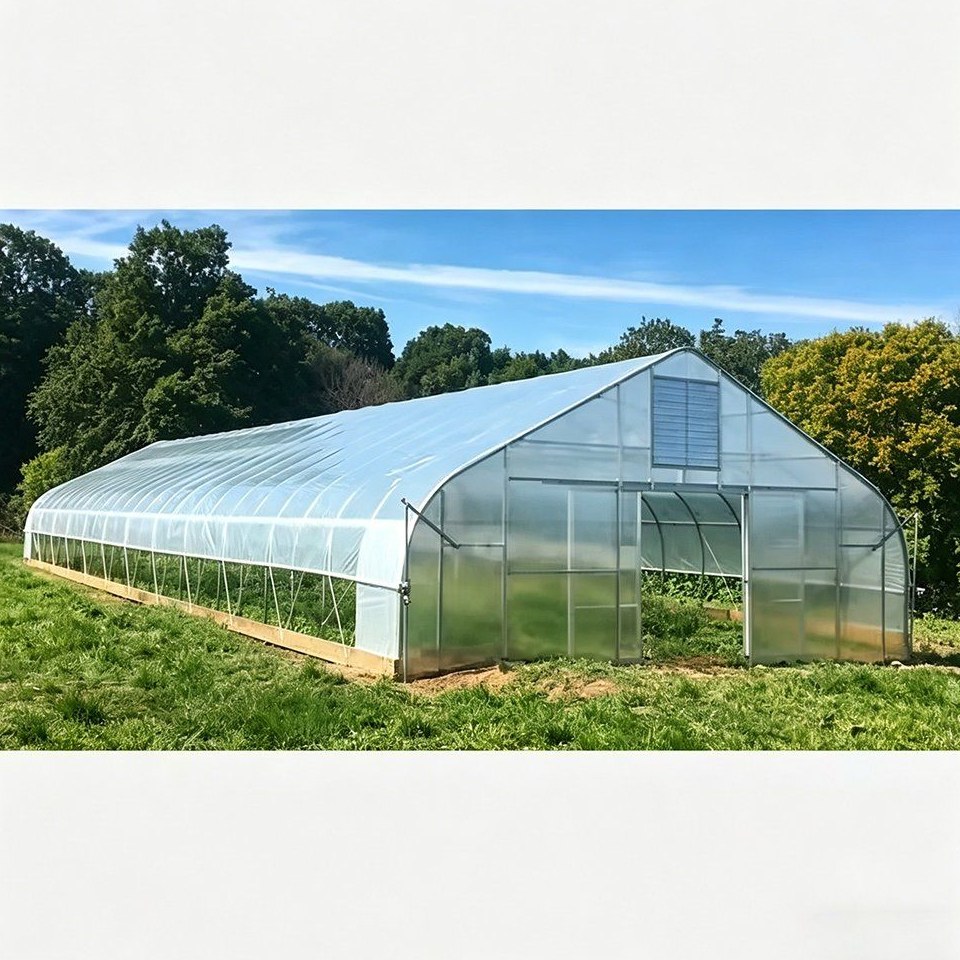
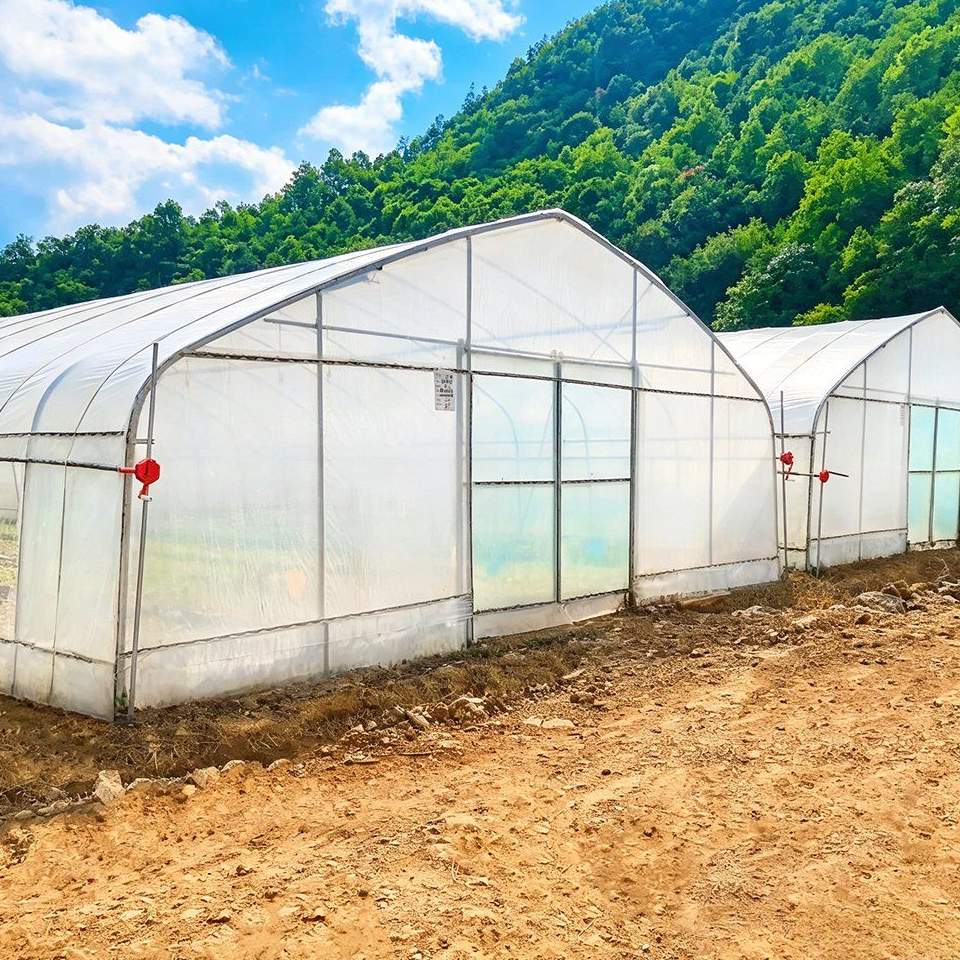
The listing covers the three materials a film or panel house is actually built from, and they are supplied together because they have to work together. The frame is hot galvanized steel pipe with 2.5 mm rectangular posts pre punched at the bolt holes, so the sections go up without drilling on site. The cover option is polycarbonate sheet at 4 to 16 mm, or a PE or PO film at 120 to 200 micron held on clips, and 40 mesh insect net fits the same openings. Sheet, film and fittings ship flat and bundled, so the parts arrive matched to one drawing. Widths run 6 m to 10 m and lengths to 100 m.
A greenhouse is bought in one of two ways: as a finished house from one supplier, or as a set of materials put together by the buyer. The second route is common with distributors and with growers who erect their own frames, and the failure mode is always the same. The posts arrive in one section, the glazing bars in another, and the fixings turn out to be the part nobody specified, so the build stalls on a detail that cost very little.
Supplying the frame, the cover and the fixings as one package moves that problem onto the supplier. The sections, the sheet or film, and the fastenings are matched to a single drawing before they ship, so nothing is drilled on site and nothing is discovered to be the wrong gauge halfway through the roof. It also means an extension a year later uses the same parts as the original house instead of a second, nearly similar set.
For a distributor the same packaging saves container volume, because flat frames, banded sheet and tight film rolls stack far more efficiently than a partly erected structure. The wider film range is listed on the film greenhouse range page on this site.
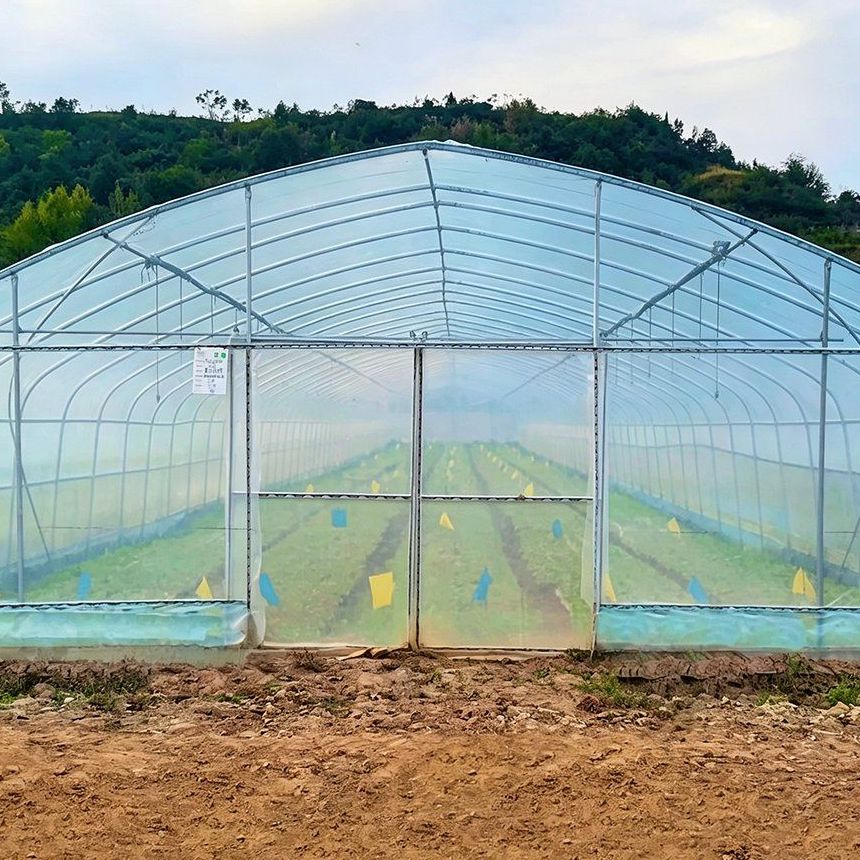
The frame material is hot galvanized steel pipe, galvanized after forming so the zinc is bonded to the steel and reaches the bore, the cut ends and the wall of every hole. Post sections are 2.5 mm rectangular tube with the bolt holes pre punched, which is the detail that decides how the build runs: a square section gives a flat face for a bracket and a straight edge for a door, and pre punched holes mean the sections line up without on site drilling. Where a member is cut on site, the exposed face takes a cold galvanizing repair compound.
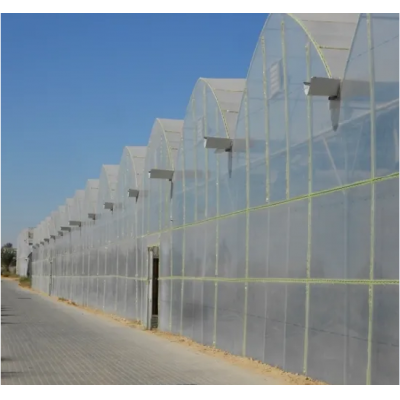
Alloy and plastic alternatives are available on the same range where a project wants them. Steel is the default because it takes the load of a snow covered roof without a change of section, and because the coating is what keeps the frame serviceable at the base, where the post meets wet ground and where every greenhouse frame eventually fails first. A finished tunnel house on this material set is described in the UV resistant polyethylene greenhouse film.
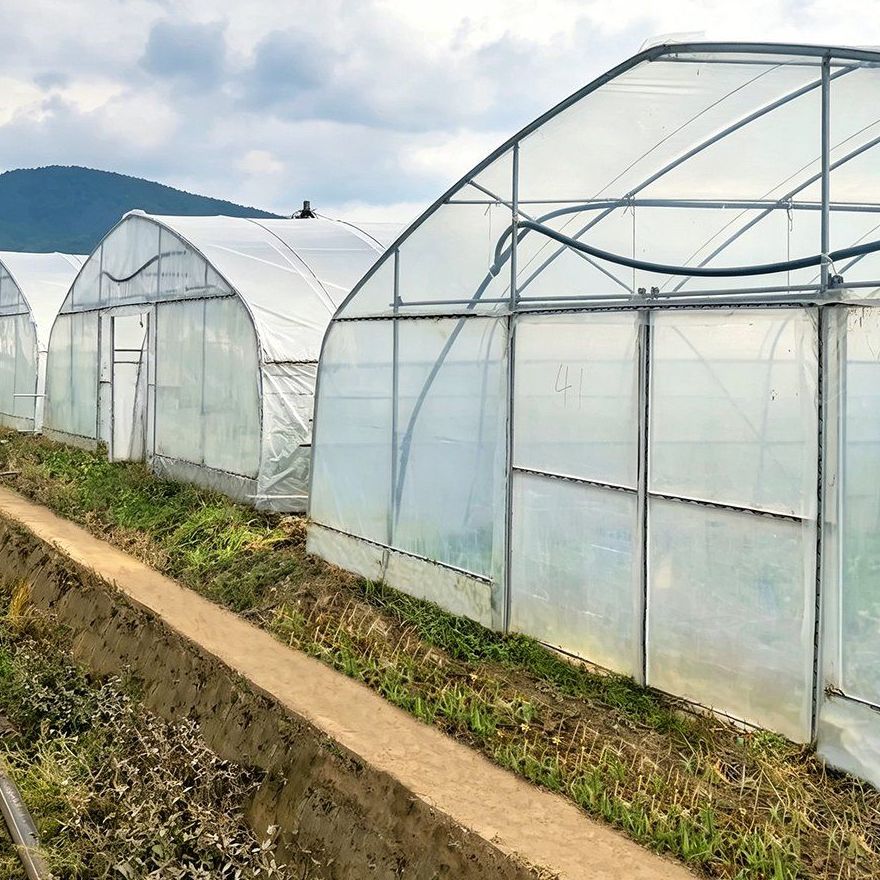
The cover is offered as polycarbonate sheet or as film, and the choice is normally made on replacement cycle rather than on light. Sheet runs from 4 mm to 16 mm and holds its light transmission for a long working life without flapping, so it suits a house that has to run a long season. Film is supplied in PE or PO at 120 to 200 micron, transmits more light and is renewed as a roll over the bay rather than panel by panel, which keeps the replacement cost down.
Insect net at 40 mesh fits the same openings as the side ventilation, and cooling, irrigation and shading systems can be specified on the same order. Because the covering and the frame come from one source, the clip spacing, the purlin positions and the glazing bar profile are all designed around the same sheet rather than adjusted to it. A film material listing on the same range is described in the co-extruded PE greenhouse film with anti-drip treatment.
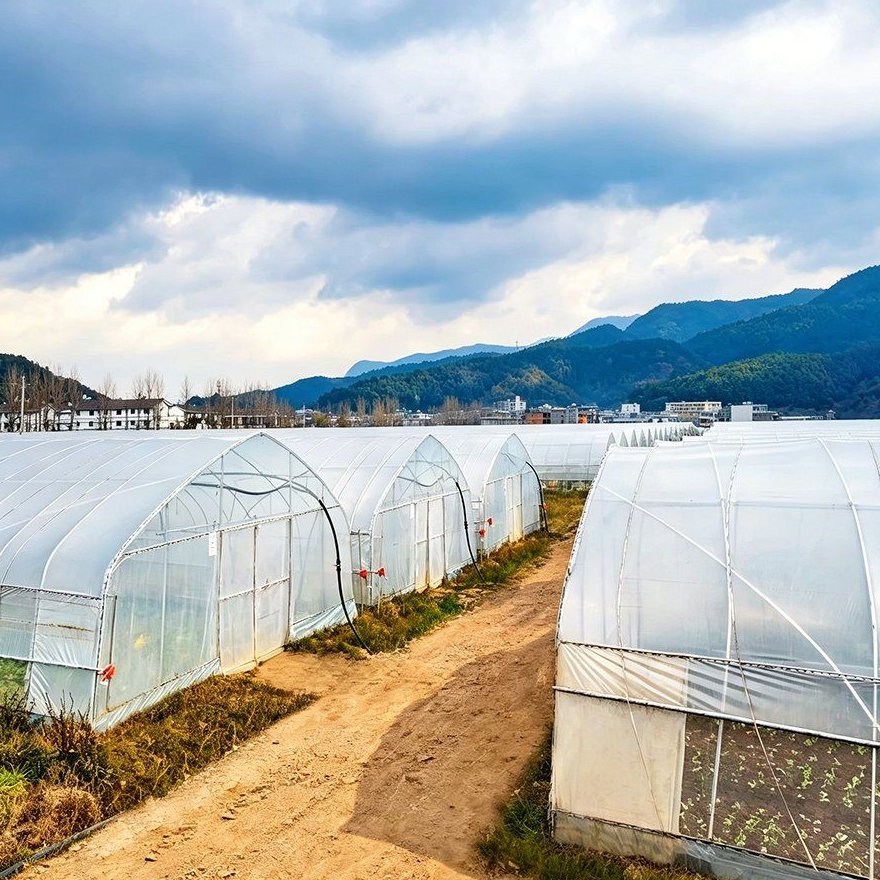
The table below is the standard supply. Width, length, height, cover and openings are set to the project and to the crop.
| Greenhouse width | 8 m standard; 6 m / 7 m / 9 m / 10 m, or custom |
| Greenhouse length | 10 m to 100 m, or built to client demand |
| Shoulder height | 1.3 m or 2 m, or custom |
| Roof height | 3.3 m or 3.5 m, or custom |
| Frame material | Hot galvanized steel pipe; 2.5 mm rectangular posts, pre punched bolt holes |
| Cover option | Polycarbonate sheet 4 to 16 mm, or PC board 6 / 8 mm |
| Film option | PE or PO film, 120 / 150 / 180 / 200 micron |
| Insect net | 40 mesh, or custom |
| Optional systems | Cooling, irrigation, shading and ventilation systems |
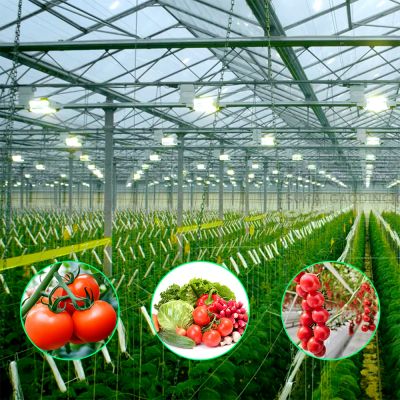
| Crops | Vegetables, fruit and cut flowers |
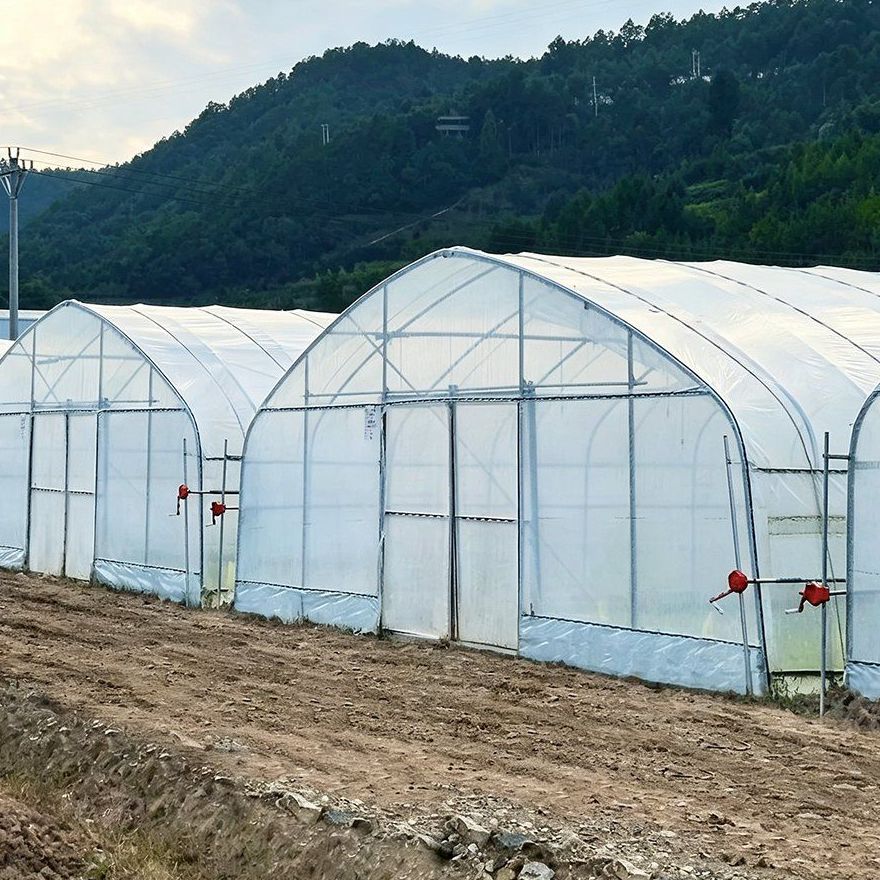
The material set ships flat: frames banded as sections, sheet in bundles and film on rolls. Cut ends are the part to watch on arrival, because a bundle that has been dragged rather than lifted will show bright metal at the ends and that is where rust starts, so handling with slings rather than forks is worth insisting on. Sheet bundles are stored flat and off the ground, and film rolls are kept out of direct sun until they go on the frame.
Fabrication should be planned so that cutting and drilling happen before galvanizing rather than after. Where a member has to be shortened on site, the exposed face takes a cold galvanizing repair compound, and any hole drilled on site is treated the same way. The frame is then bolted rather than welded, which keeps the coating whole at every connection and lets a damaged section be unbolted and replaced.
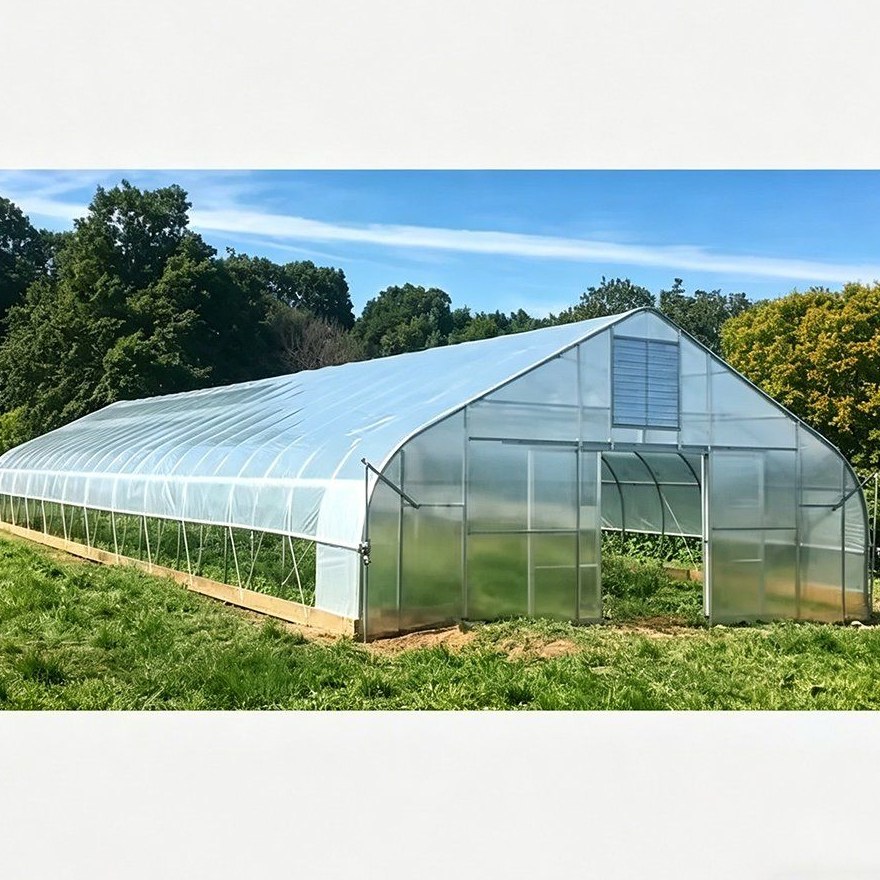
Material sets of this type are used by distributors building to order, by growers erecting their own frames, and by projects that buy the structure and the cover as separate line items on one purchase order. The frame suits vegetable and cut flower houses, and the cover can be switched between sheet and film on the same frame where a project wants a longer cover life or a higher light level than the other option gives.
Industry guidance for ornamental and greenhouse producers is published by AIPH, the International Association of Horticultural Producers. Practical guides for agrifood buyers and growers, covering production and market information, are published by Wikifarmer. The question that decides the specification is normally the crop the house will be running in ten years, not only at handover.
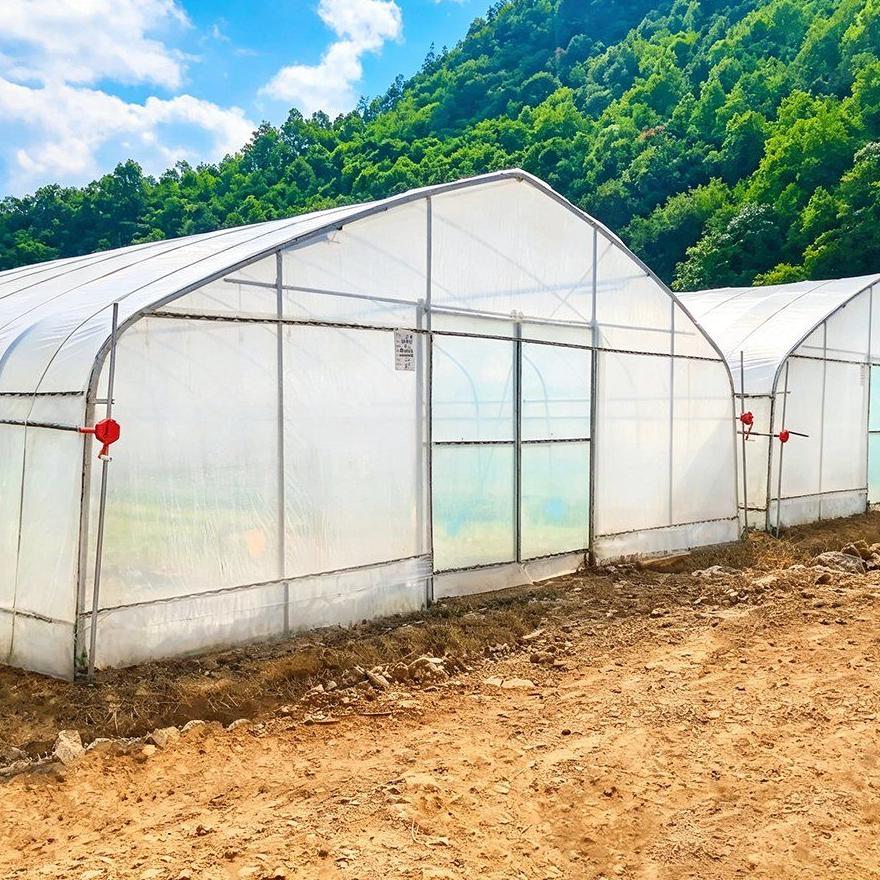
Because they have to work together. When the sections, the sheet or film and the fastenings are matched to one drawing before they ship, nothing has to be drilled or adapted on site and the parts that join them are not left to be sourced separately halfway through the build.
Sheet holds its light transmission over a long working life and does not flap, so it suits a house running a long season. Film transmits more light and is renewed as a roll rather than panel by panel, which keeps the replacement cost down. Both mount on the same frame, so the choice can be made on the crop rather than on the structure.
The galvanized steel frame is rated for 15 to 20 years under normal growing conditions. A polycarbonate sheet cover keeps its light transmission for 20 years or more when it is cleaned and left undamaged, and a film cover runs on a shorter cycle, typically 3 to 5 years depending on UV exposure at the site.
We provide a 10 year structural warranty and a 5 year anti-corrosion warranty on the galvanized frame. Details are set out in the contract for each project.
Send the frame sizes and sections you need, the cover material and thickness, and the quantities. We reply with a full quotation and a delivery schedule.