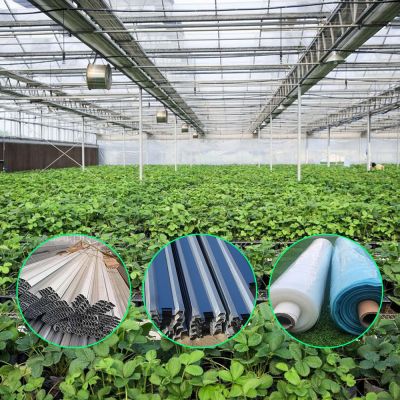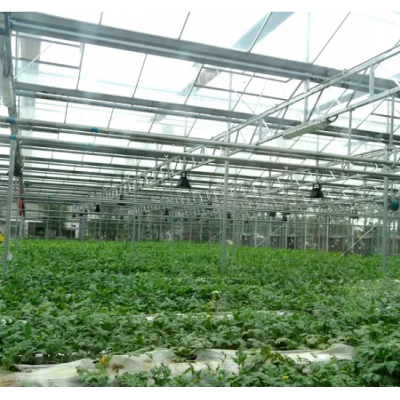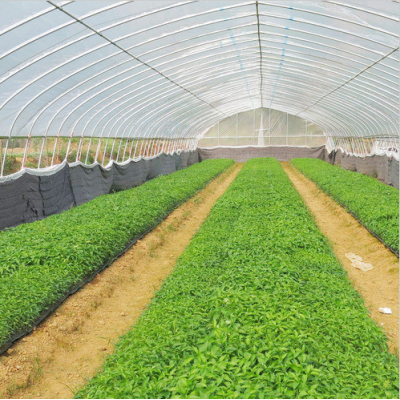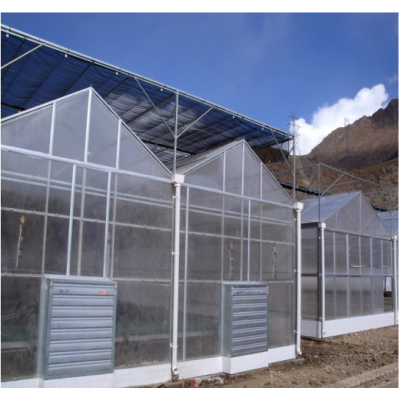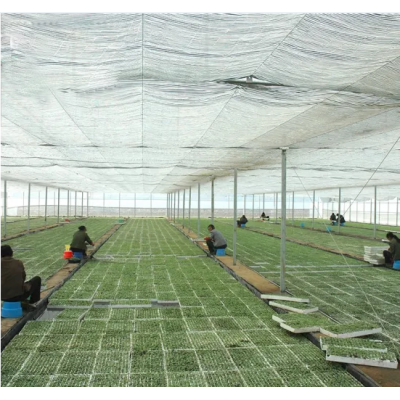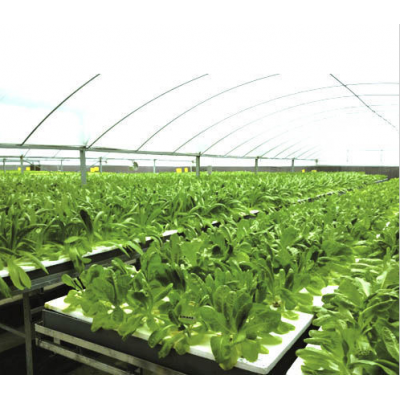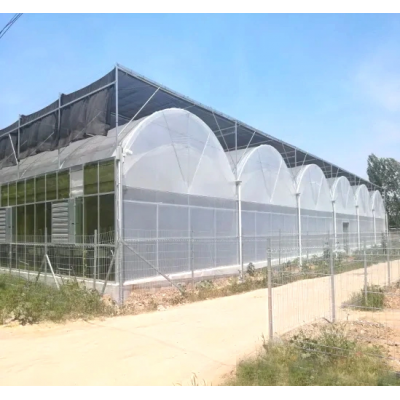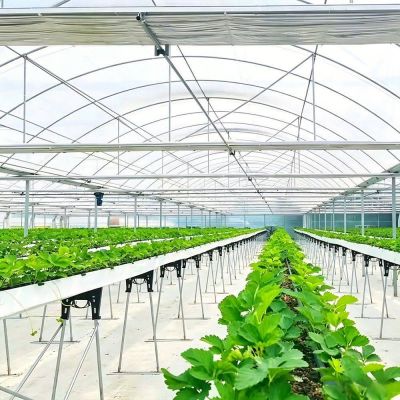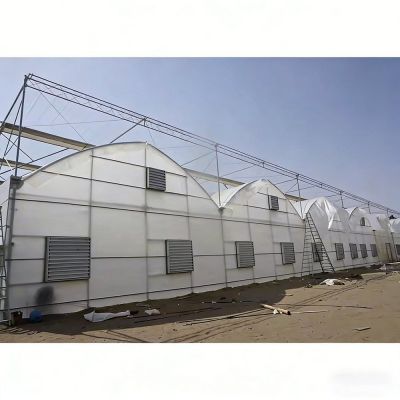
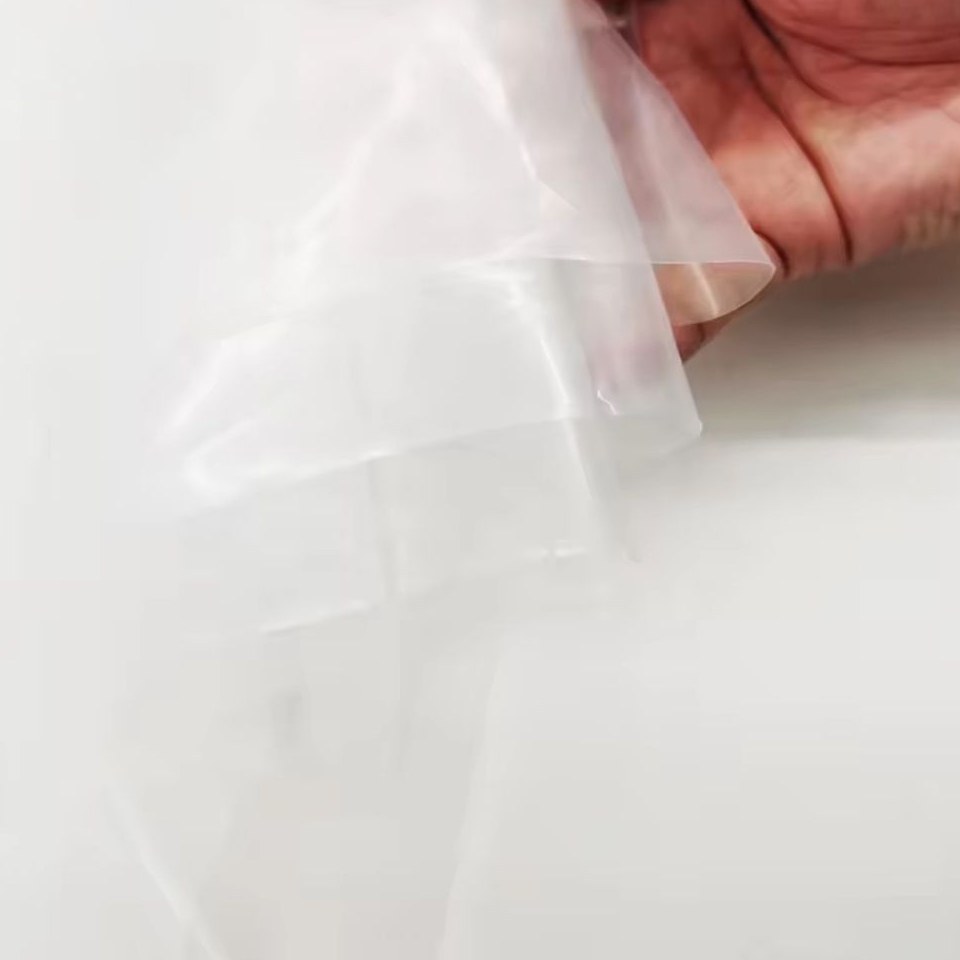
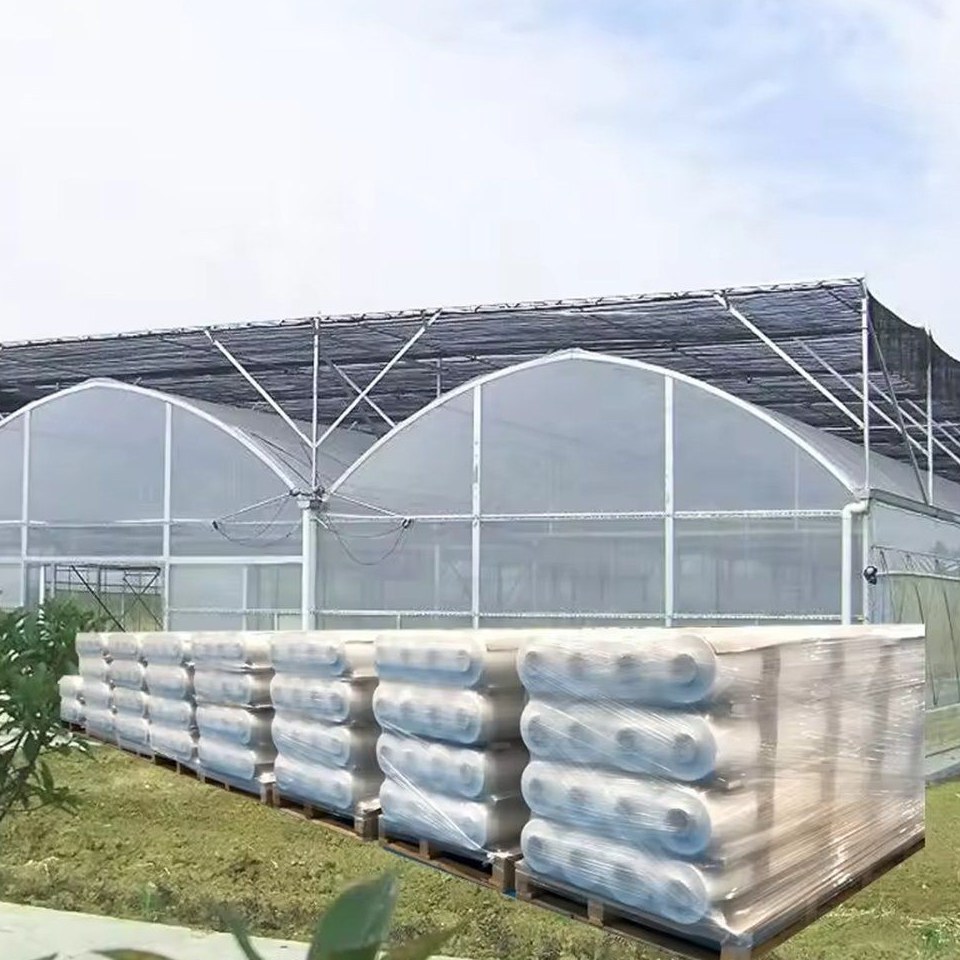
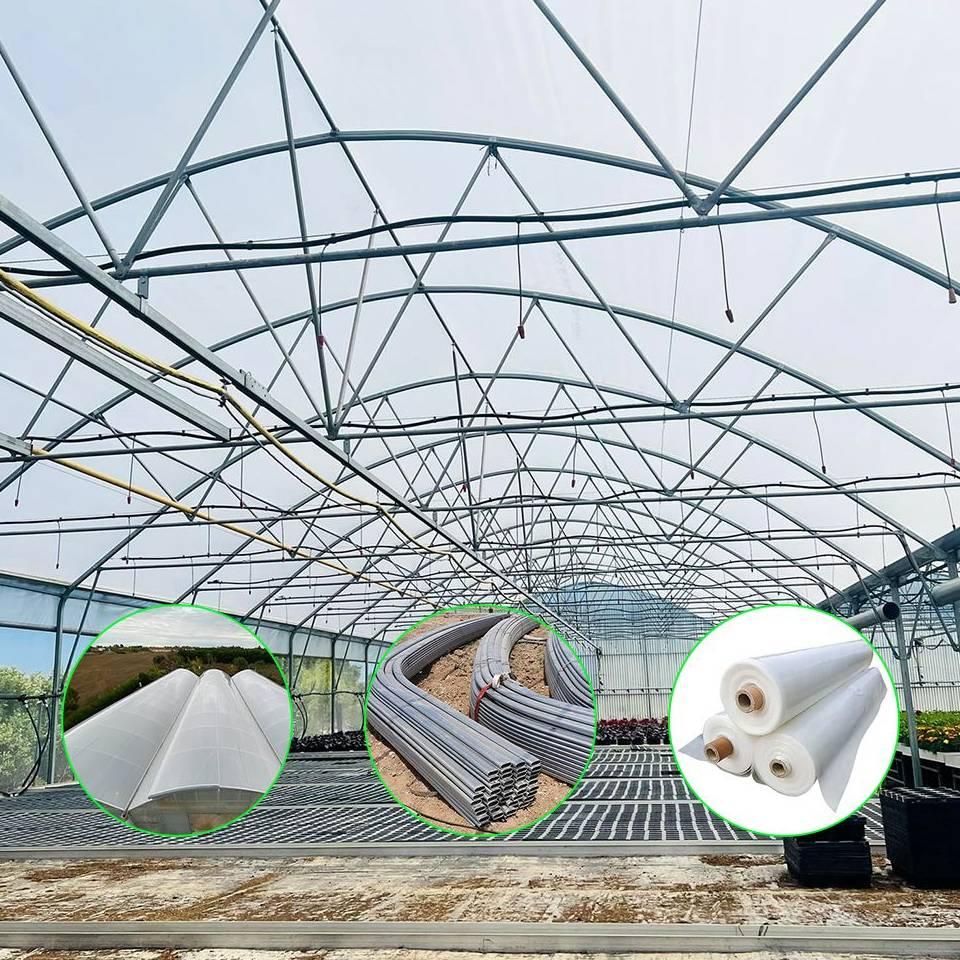
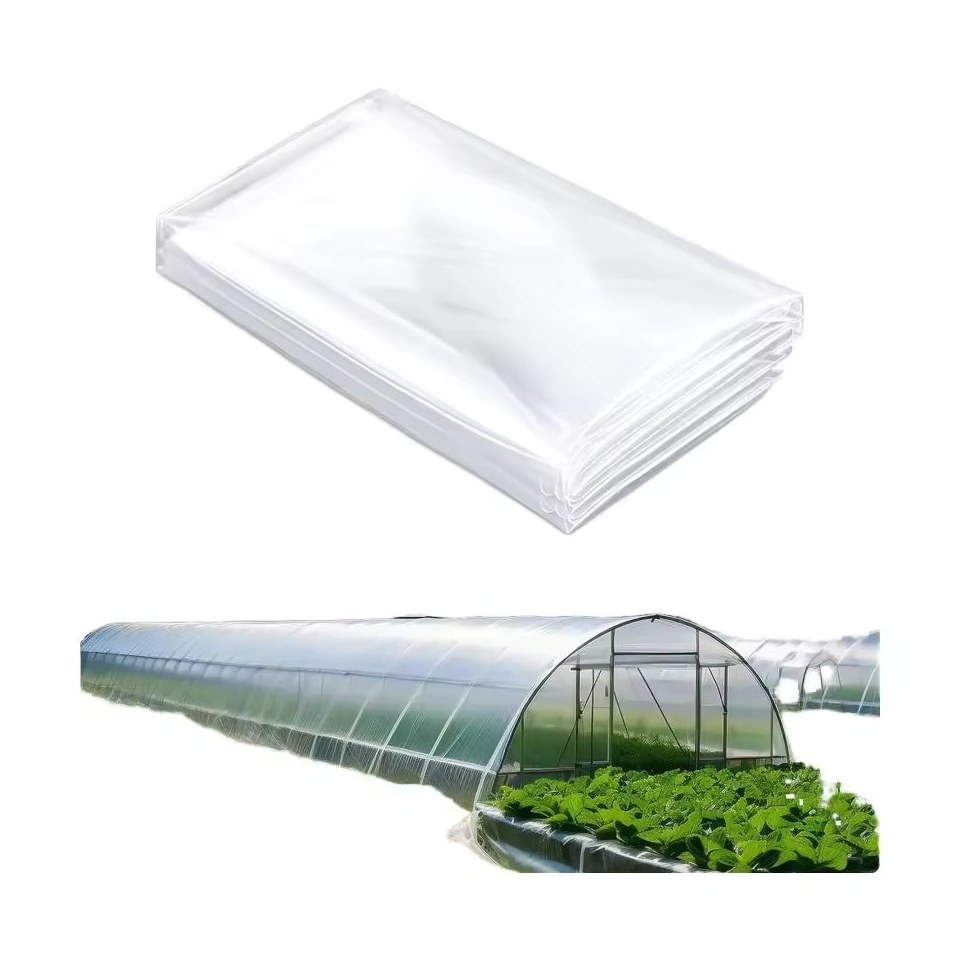
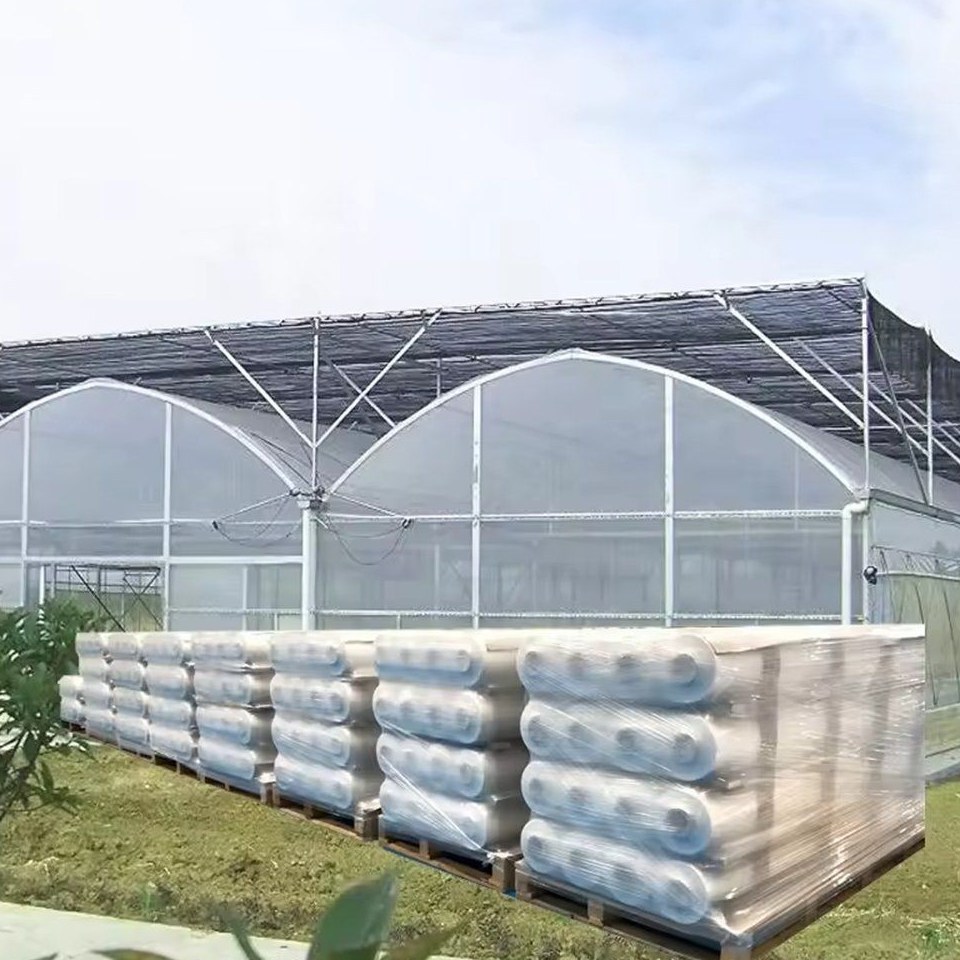
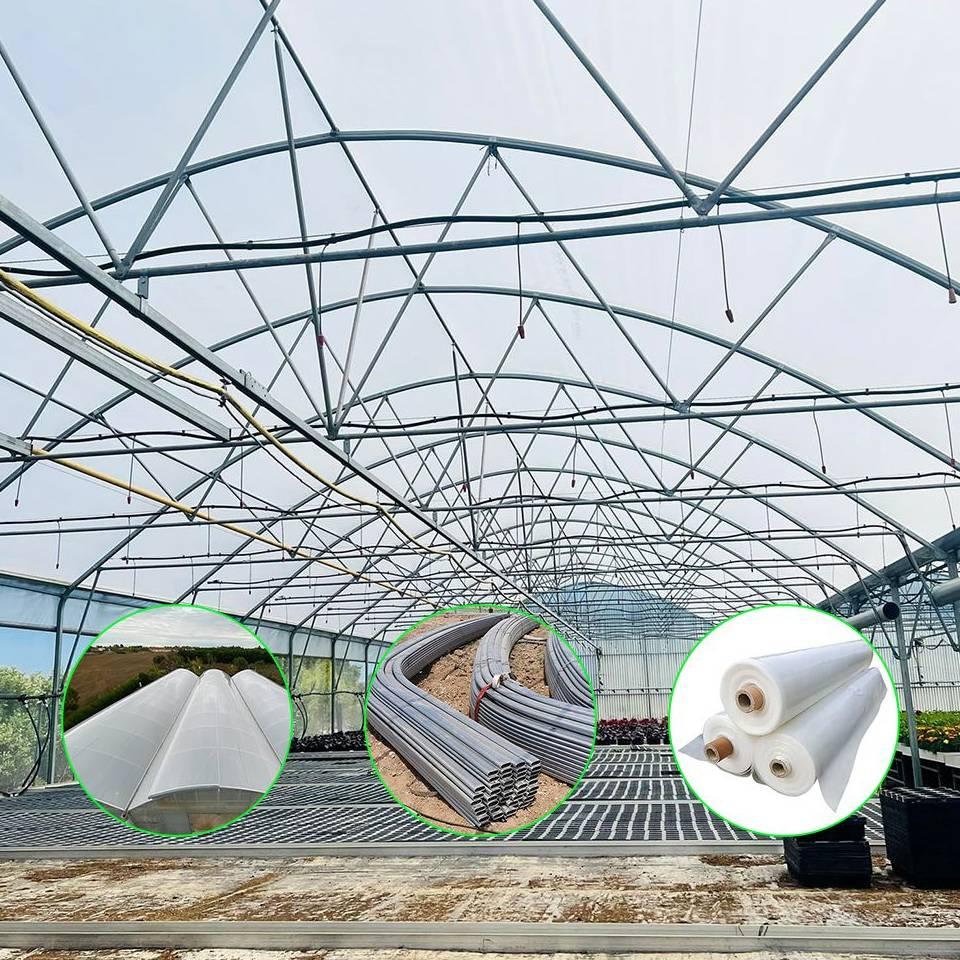
This 6 mil clear polyethylene greenhouse film is about 150 micron thick and is treated against UV degradation, so it holds its strength and transparency through a full growing season rather than going brittle in the sun. The sheet is tear resistant, which matters when it is drawn over a frame and tensioned at the fixings, and it transmits light at the level a vegetable or flower crop needs. It is supplied clear, in sheeting that can be cut to the shape and size of the house, and the same film is used both for new covers and for replacing a cover that has reached the end of its life.
Greenhouse film is a consumable, and the cost of a cover is never just the roll. A sheet that goes brittle after one season costs a second roll and a second day on the frame, and it costs whatever light transmission was lost before anyone noticed. This 6 mil clear polyethylene greenhouse film is built around that calculation: UV treated, tear resistant and clear enough to keep the light level up through the season.
Six mil is the imperial measure and works out at roughly 150 micron, which sits in the middle of the range used for agricultural covers. That thickness is a balance: heavy enough that it resists tearing at the fixings and stands up to wind on the frame, light enough that it still transmits the light the crop needs and can be handled by two people on a scaffold. Films below this thickness are usually specified for short term or seasonal cover, and films above it are chosen where the cover has to hold through heavy snow.
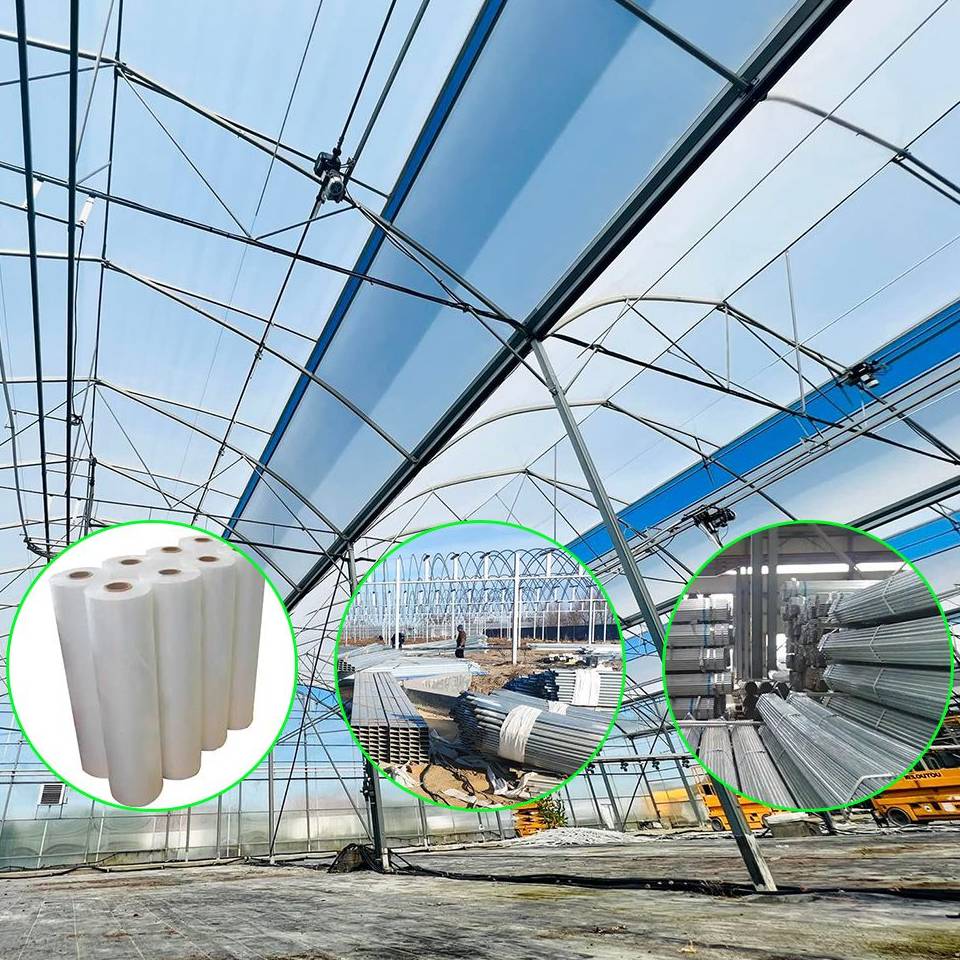
Two properties decide how long a clear film lasts. UV treatment slows the photo-degradation that turns an untreated sheet brittle, and it is the single biggest difference between a cover that survives several seasons and one that clouds and cracks in a year. Tear resistance decides what happens at the fixings, where every sheet is tensioned and where a small nick becomes a long split in the first gale. The film is supplied clear rather than diffused, which suits crops that want the highest available light through the darker months.
| Material | Clear polyethylene film |
| Thickness | 6 mil, approximately 150 micron |
| Treatment | UV resistant |
| Strength | Tear resistant, suited to tensioning at the fixings |
| Appearance | Clear sheet |
| Supply | Sheeting that can be cut to shape and size |
| Use | New covers and replacement covers on film houses |
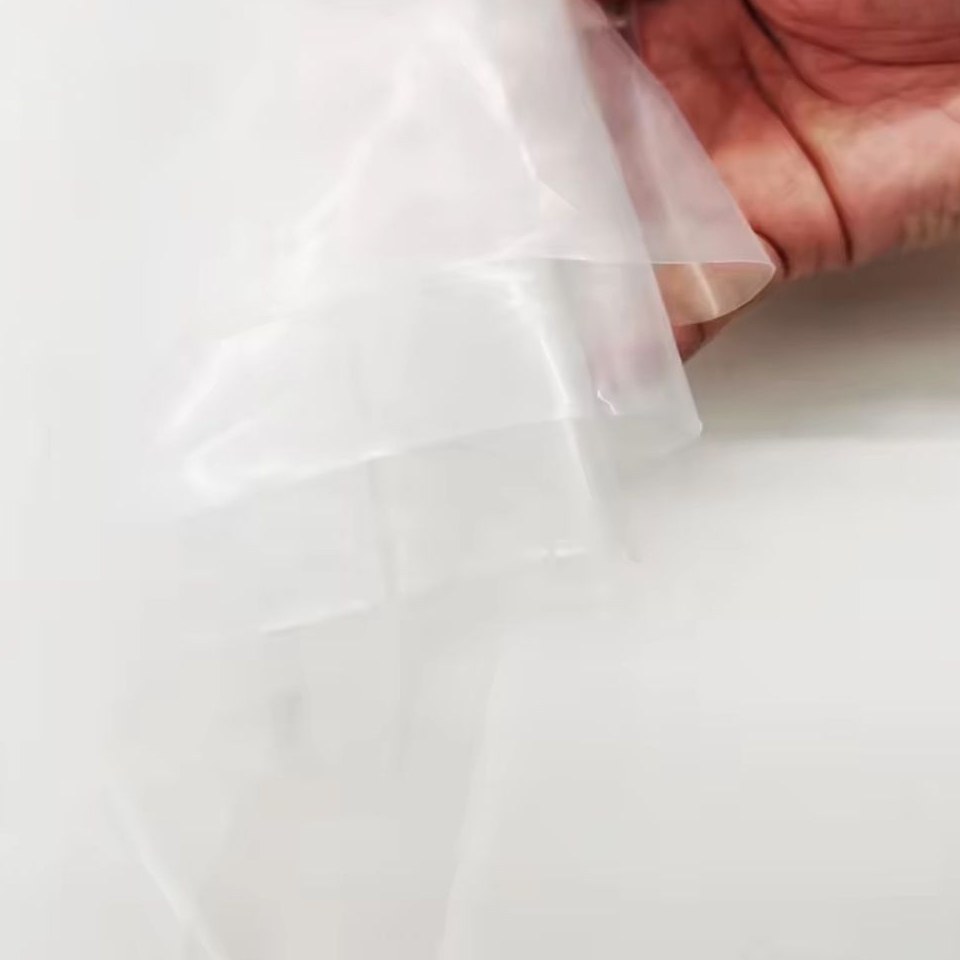
The film is supplied as sheeting so it can be cut to the shape and size the house needs. Where a bay can be spanned in one piece, that removes a seam along the ridge, and the ridge is where covers usually fail first. Cut edges should be straight and the sheet sized a little long so it can be tensioned into the channel rather than stretched to reach it. Offcuts are worth keeping: they are what repairs a small split mid season without re-covering the house.
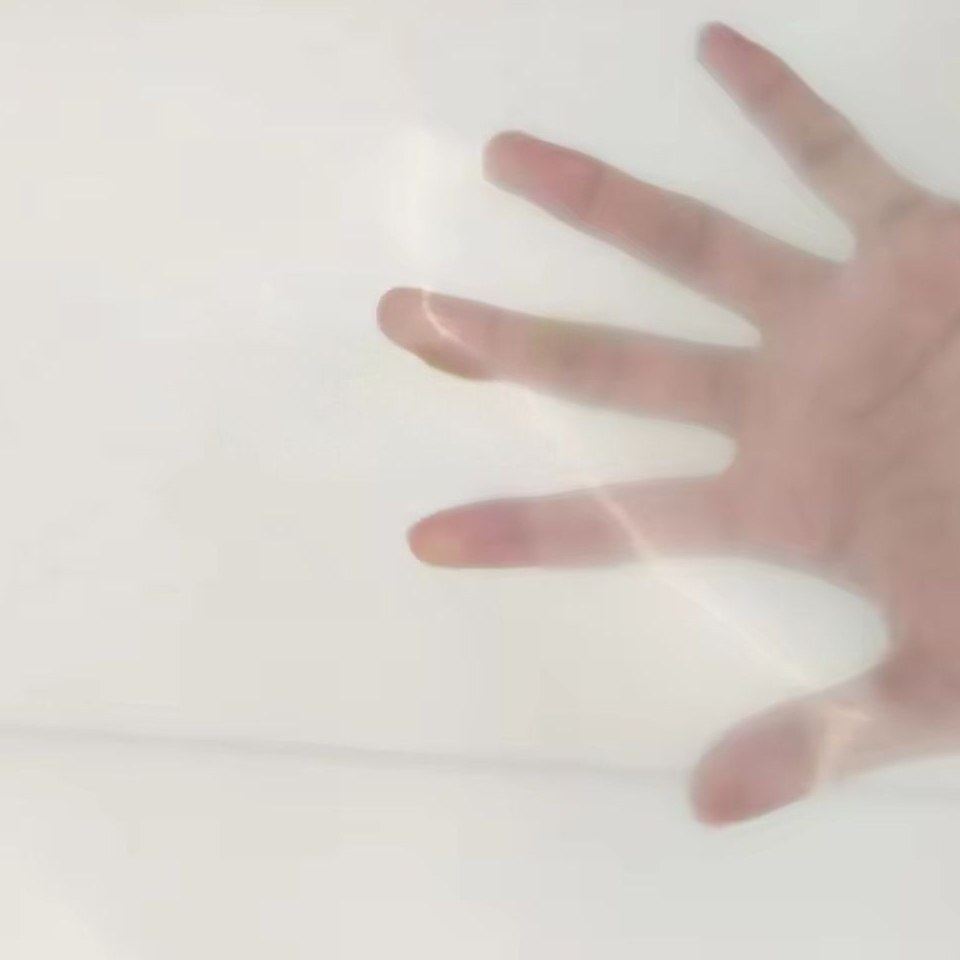
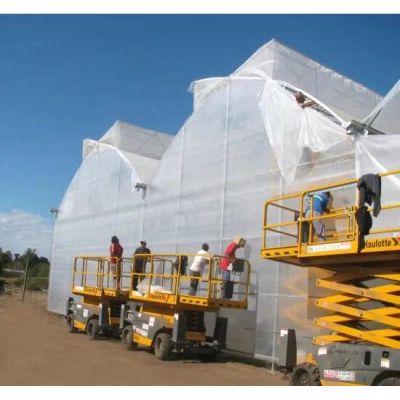
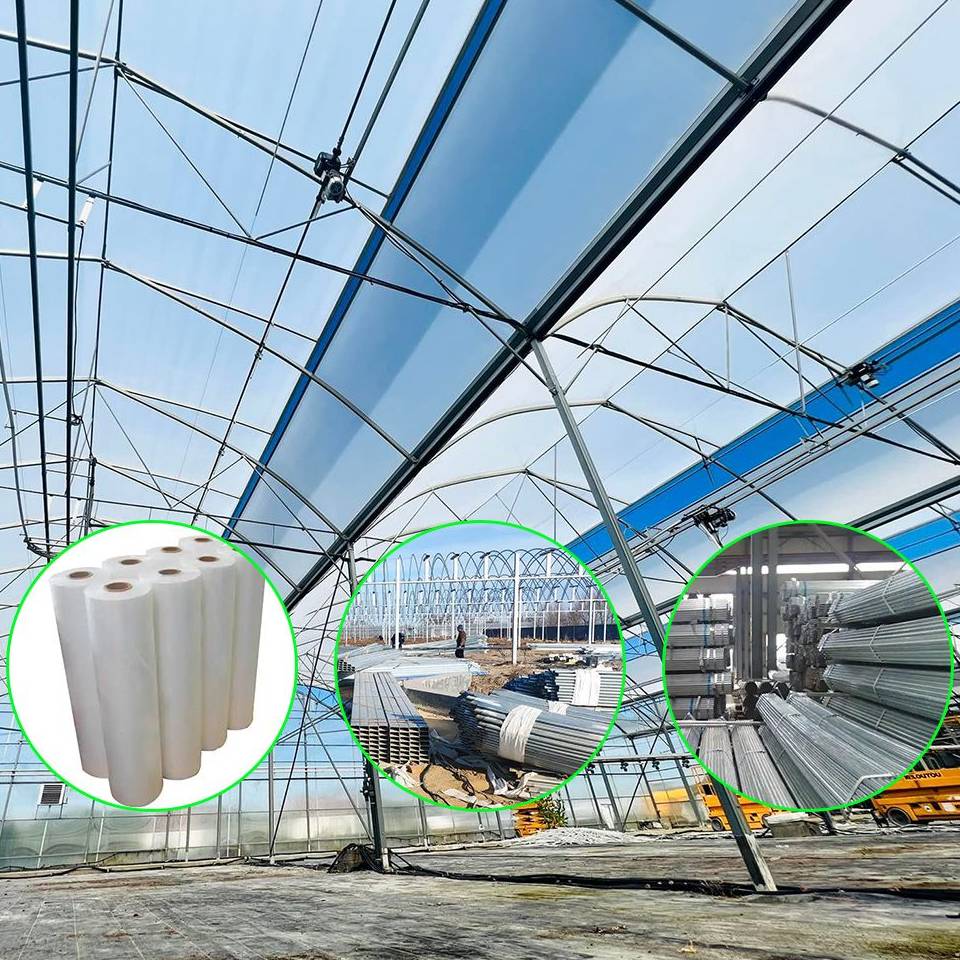
The roll is drawn over the frame rather than dragged across it, so the sheet is not scuffed on the way up, and tension is worked evenly from the ridge down to both eaves before the film is locked in. A cover on a working house should be checked at the start of each season for tension and for any split at the fixings, and small damage is patched rather than left, because a nick becomes a split once the wind gets into it. Extension guidance from UF/IFAS covers protected cultivation practice and how covering performance affects the crop.
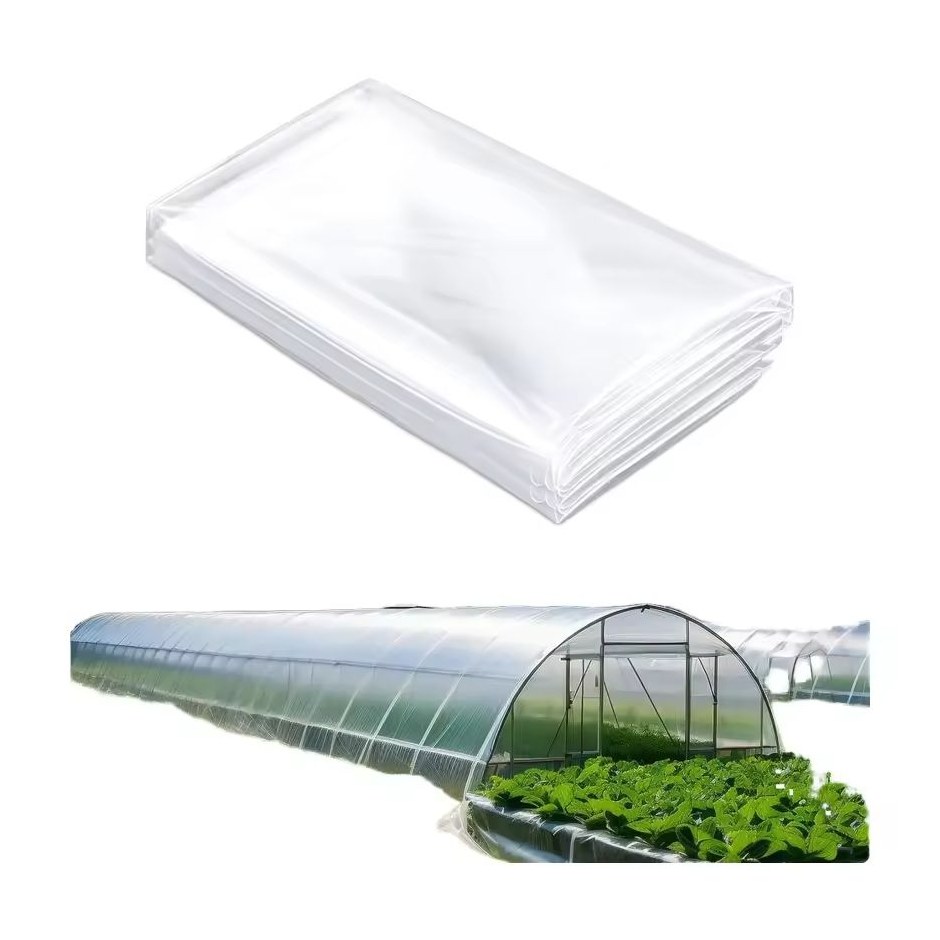
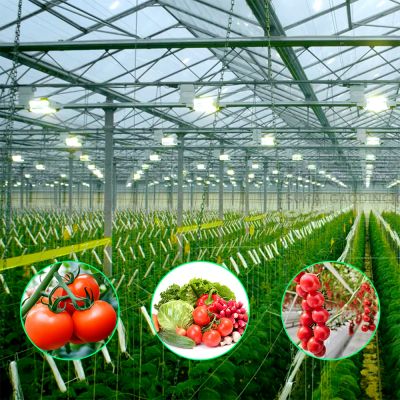
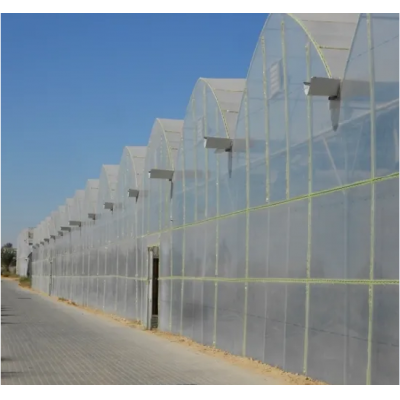
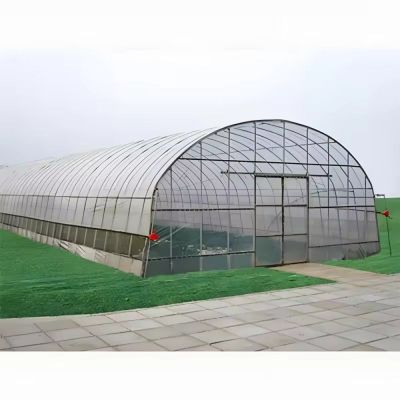
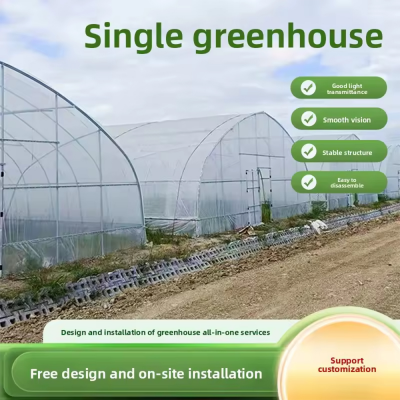
The film covers tunnel houses and multi span film greenhouses, and the same sheet replaces a worn cover on an existing structure. It suits vegetable, fruit and flower production and seedling raising, and where the house is used seasonally the cover can be taken down and stored between crops. Agricultural market reporting on Krishijagran follows how protected production is planned commercially. Browse the full product range, or look at the greenhouse with plastic film and the plastic film greenhouse for the structures this film is made for.
Six mil is an imperial measure of thickness and works out at roughly 150 micron, which is the middle of the range used for agricultural covers.
Untreated film degrades in sunlight and goes brittle within a season or two. UV treatment slows that process, which is the largest factor in how long a cover lasts.
Yes. It is supplied as sheeting that can be cut to the shape and size of the house. Sizing it slightly long leaves enough material to tension it into the channel.
We provide a 10 year structural warranty and a 5 year anti-corrosion warranty on the galvanized structures we supply. Film is a consumable and is replaced on a shorter cycle.
Send the house dimensions or the sheet size you need, the thickness and the climate the cover will work in. We reply with available sizes and prices.