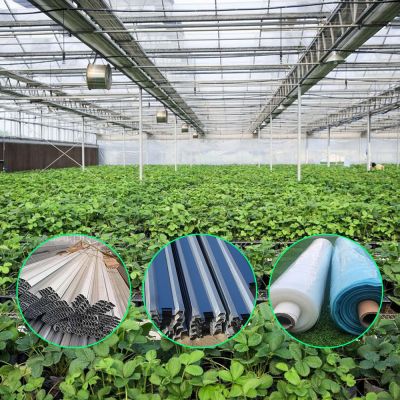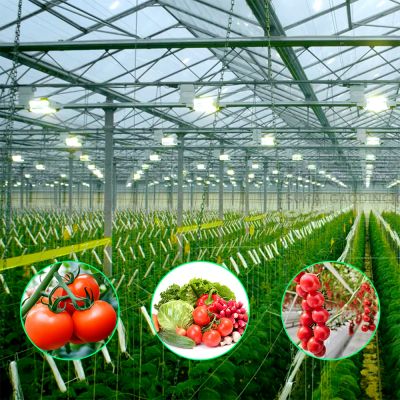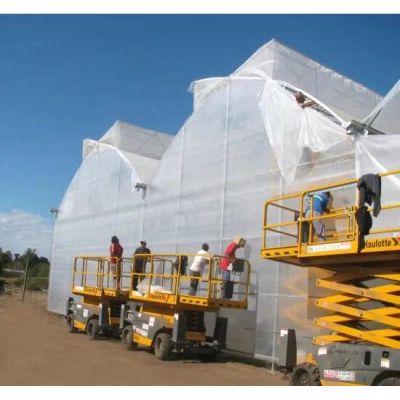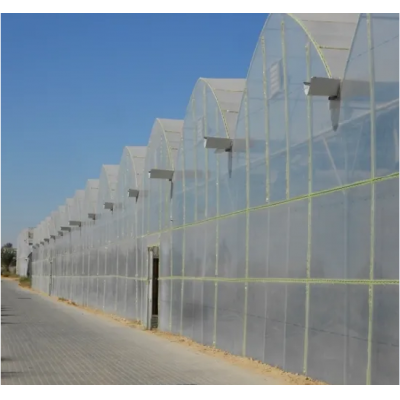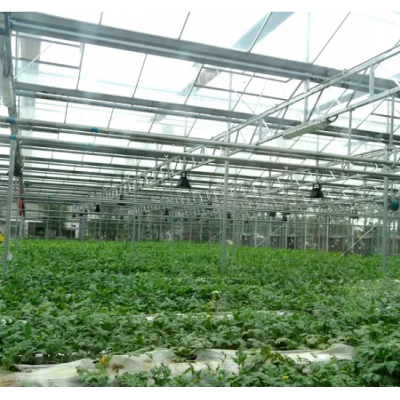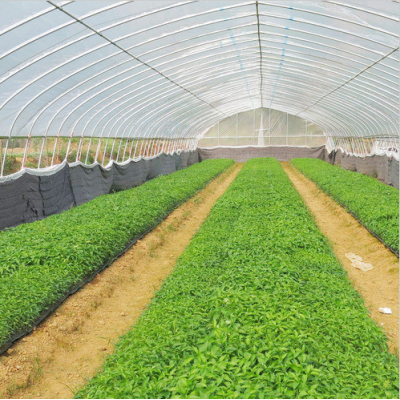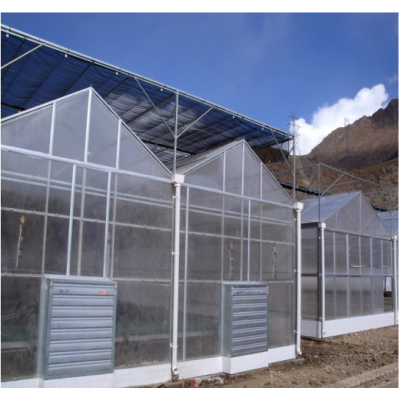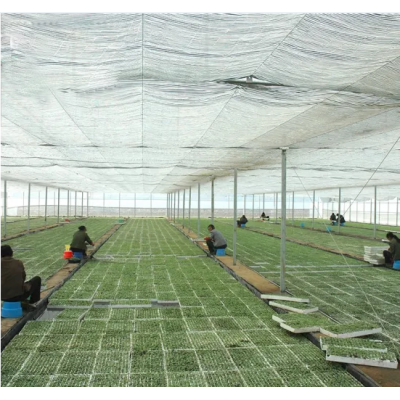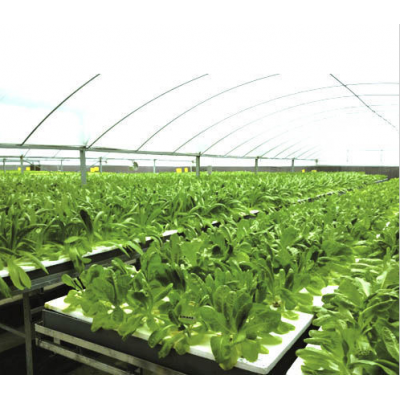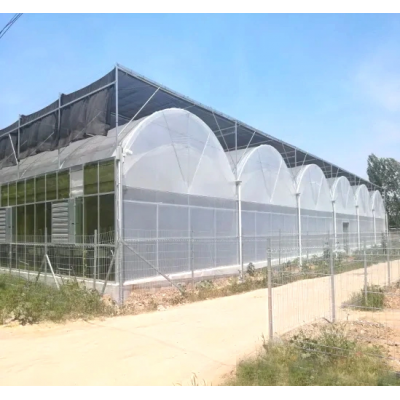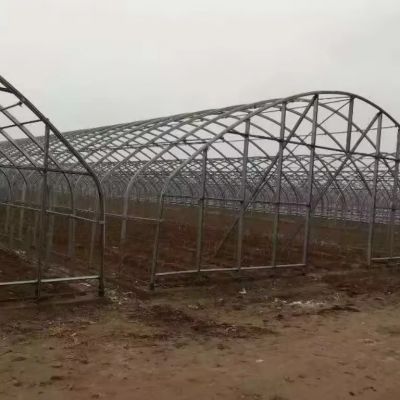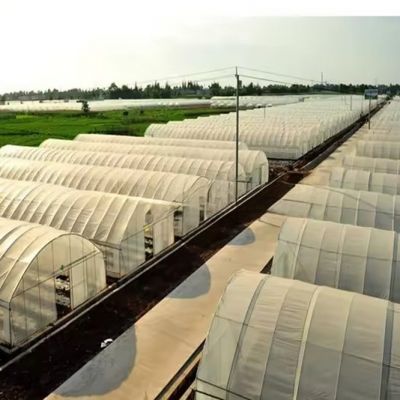
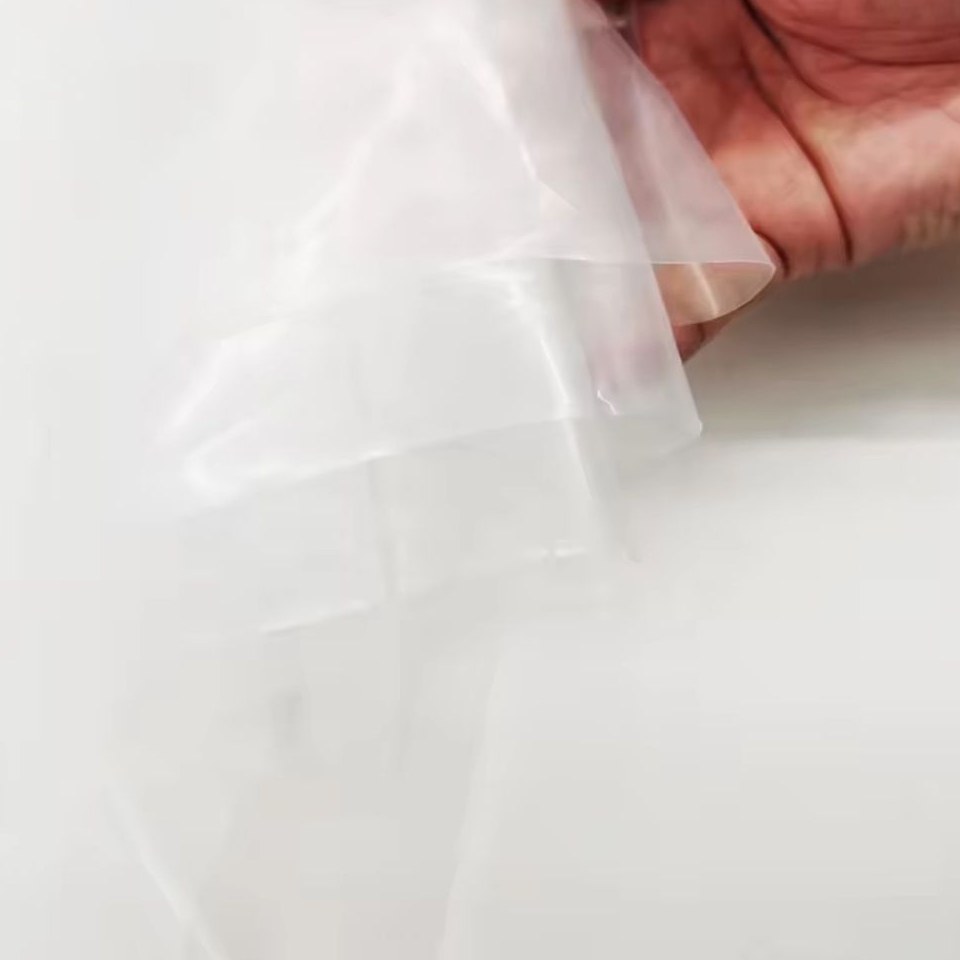
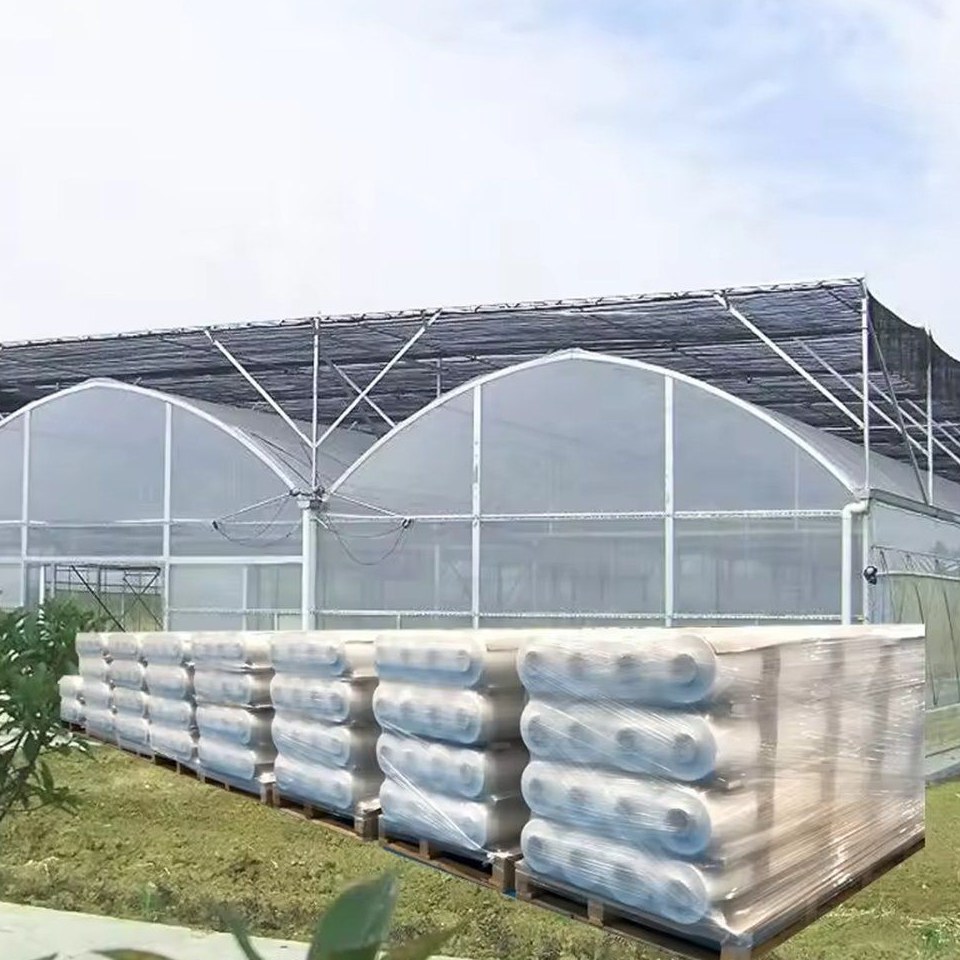
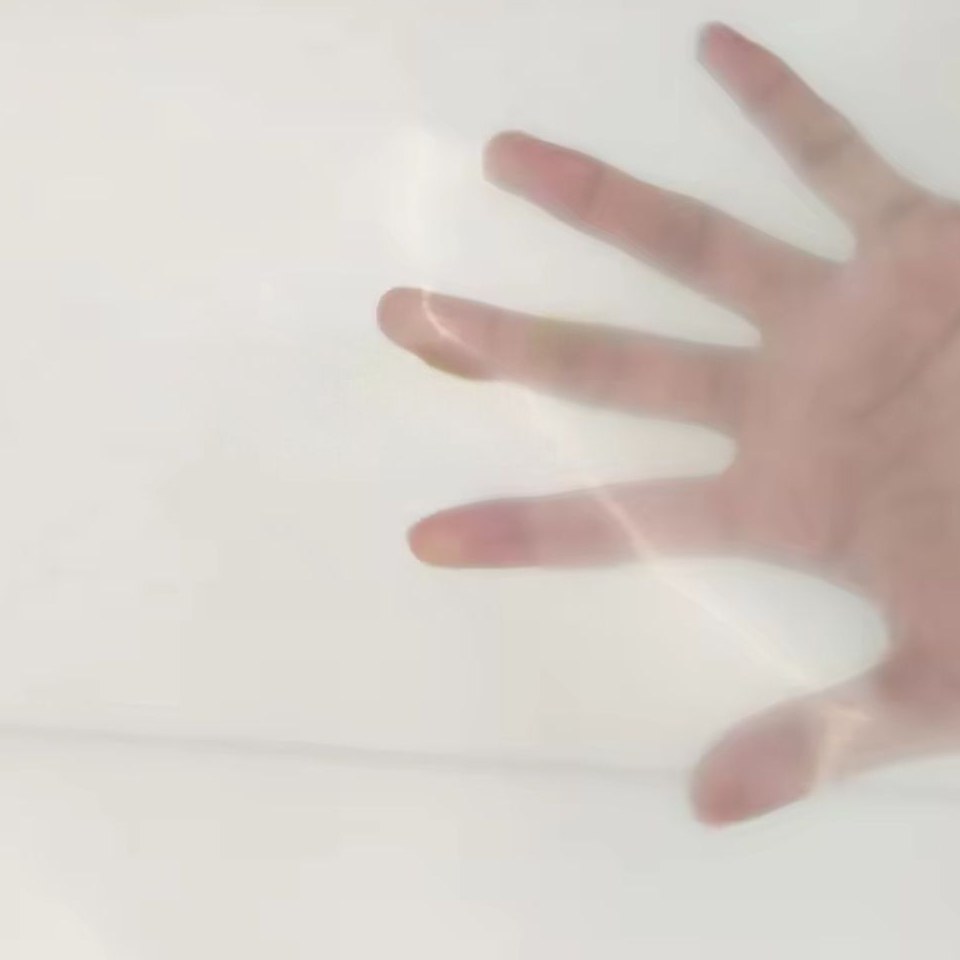
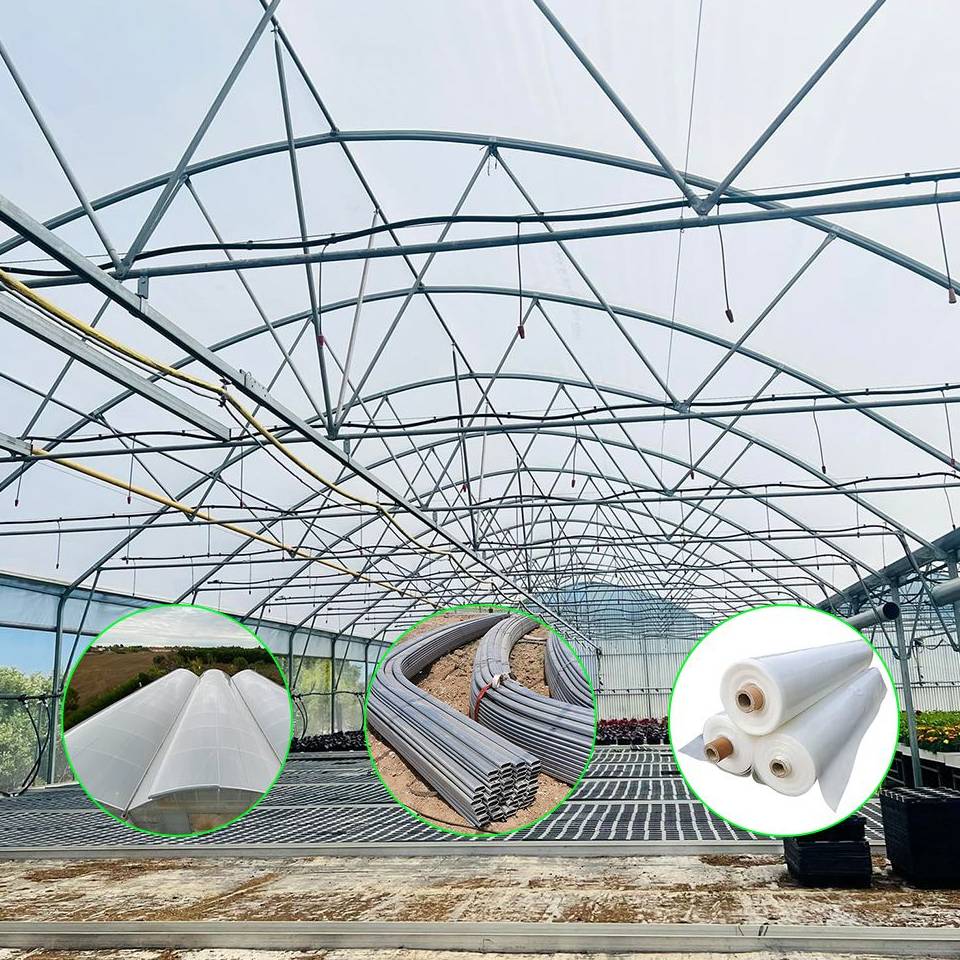
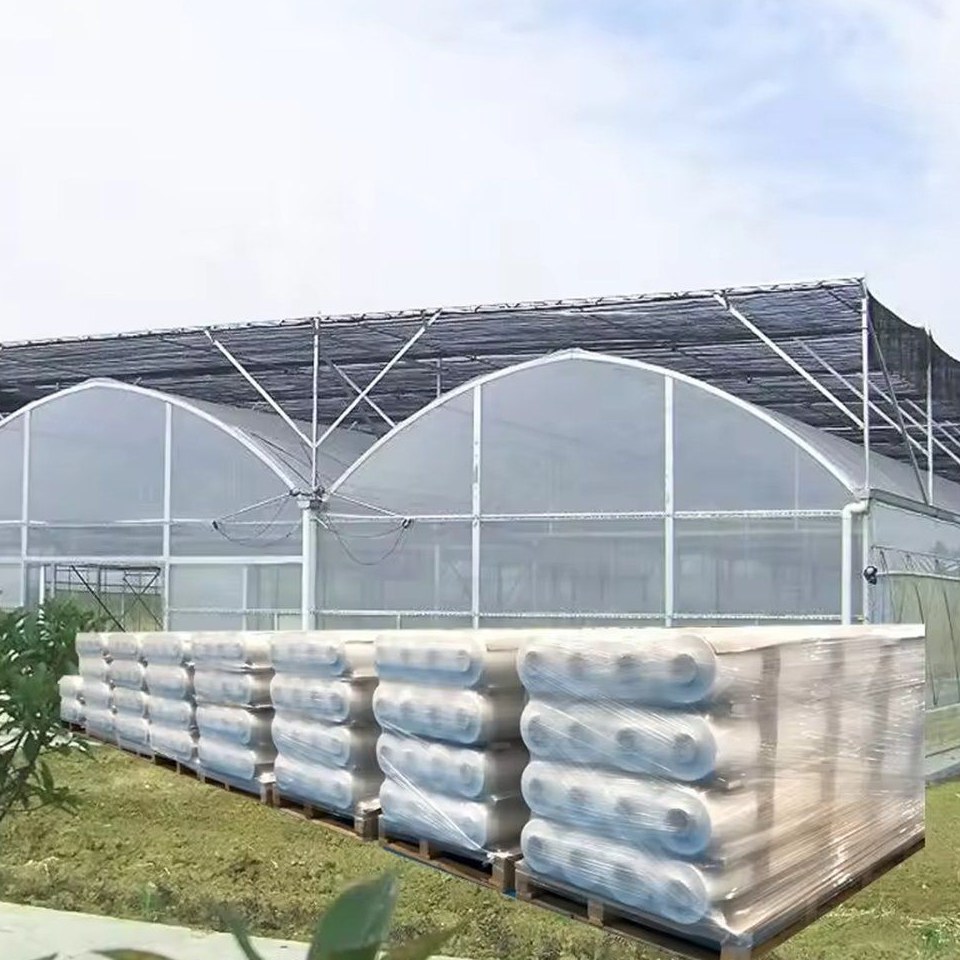
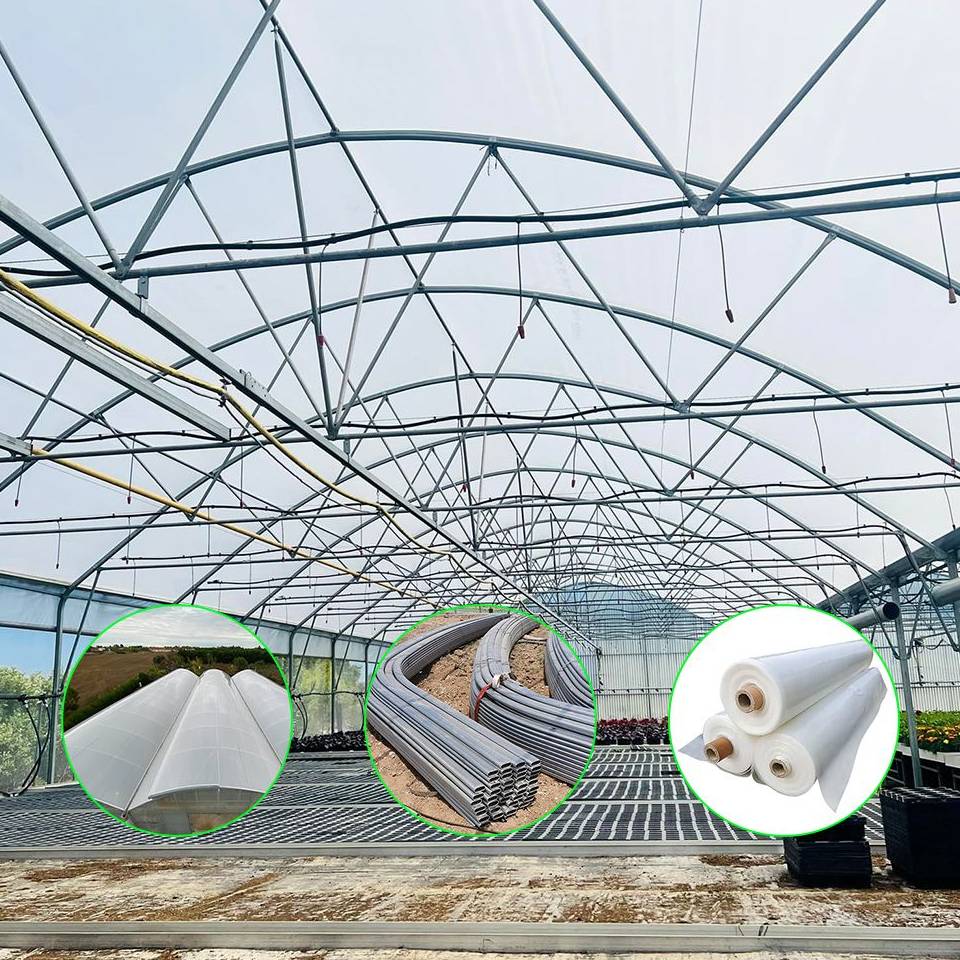
This co-extrusion PE greenhouse film is built as a five layer sheet at 200 micron, which puts the anti-drip, UV stabilising and diffusion functions in separate layers so each works without competing with the others. Standard thicknesses are 120, 150 and 200 micron, with 100 to 250 micron and widths of 8 m to 20 m made to order. The film resists tearing, weather and UV degradation better than a single layer sheet, and its high transparency keeps light transmission high across the season. It fits tunnel and multi span houses.
The cover is the part of a greenhouse that works hardest and gets replaced most often. A single layer film does its job for a season or two and then fails at the folds, drips onto the crop and clouds over with dust. This co-extrusion PE greenhouse film is built to slow all three of those down: five layers, 200 micron, with the treatments separated so each does its own job.
Co-extrusion is what makes a film this thin do several things at once. Instead of blending every additive into one sheet, the layers are built separately: a structural core, a UV stabilised outer face, an anti-drip inner face and a diffusing layer. Because the anti-drip additive sits on the inside face where condensation actually forms, it keeps working instead of being diluted through the sheet. The result is a cover that resists tearing, holds its strength through weather cycles and keeps its transparency longer than a single layer film.
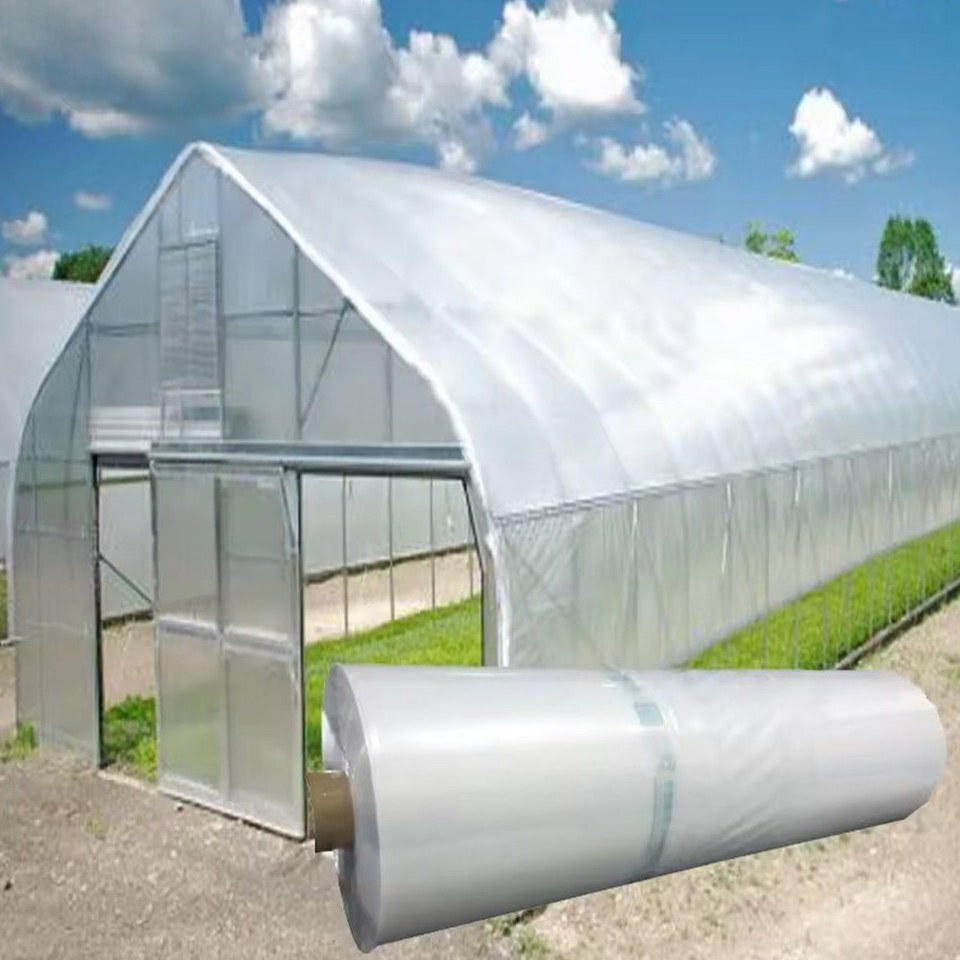
Standard thicknesses are 120, 150 and 200 micron, and the film is supplied ready to ship in multiple standard sizes so a project can start without waiting on a production run. Where a house is not standard, film is made to order from 100 to 250 micron, in widths of 8 m to 20 m and in the length the house requires. Width matters more than it looks: a sheet wide enough to span the bay in one piece removes a seam along the ridge, which is where covers usually fail first.
| Material | Five layer co-extrusion PE film |
| Standard thickness | 120 / 150 / 200 micron |
| Thickness on order | 100 to 250 micron |
| Width | 8m to 20m, made to order |
| Length | To the house requirement |
| Treatment | Anti-drip, UV stabilised, high transparency, light diffusing |
| Resistance | Tear, weather and UV degradation |
| Fits | Tunnel and multi span greenhouse structures |
| Supply | Standard sizes ready to ship, custom on order |
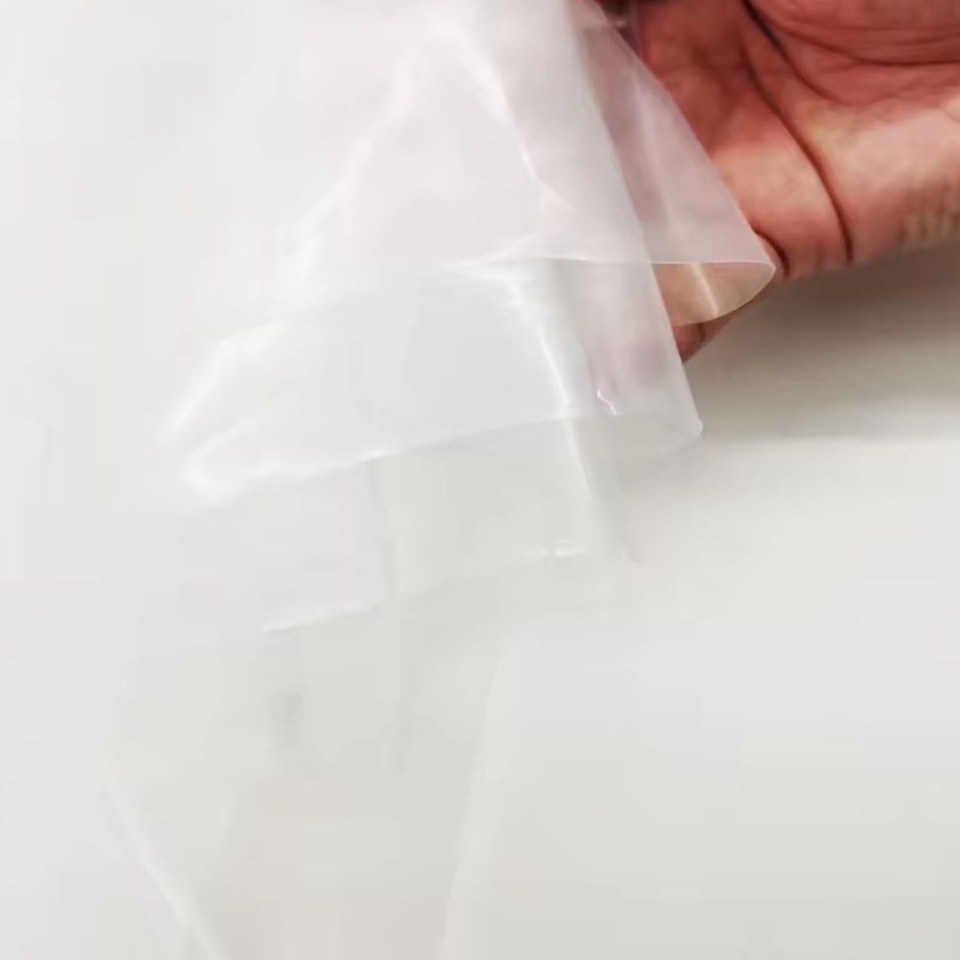
Two treatments decide how a film behaves inside a working house. Anti-drip stops condensation forming large droplets on the inner face; instead the water spreads and runs down to the gutter, so it does not fall onto leaves and fruit and does not start the rots that follow. UV stabilisation slows the photo-degradation that turns a film brittle, which is what makes a cover survive more than one or two seasons. Extension guidance from NC State University covers greenhouse covering performance and crop response in protected cultivation.
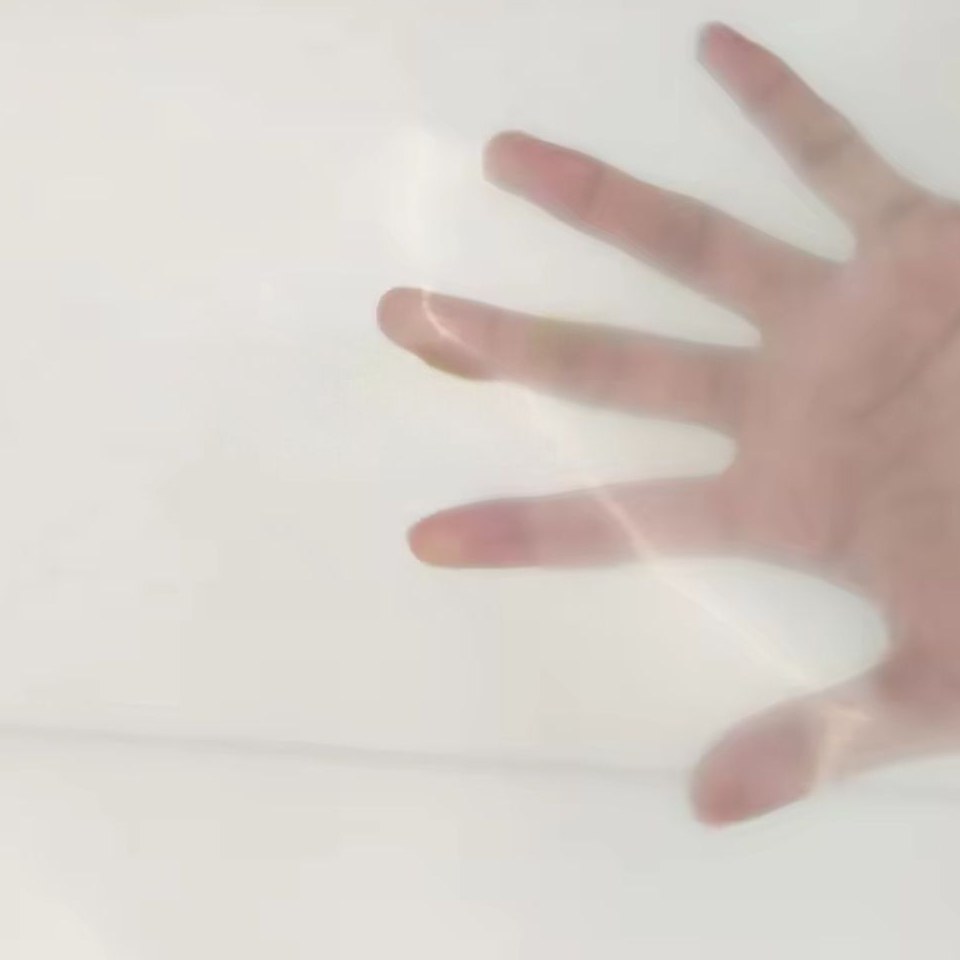
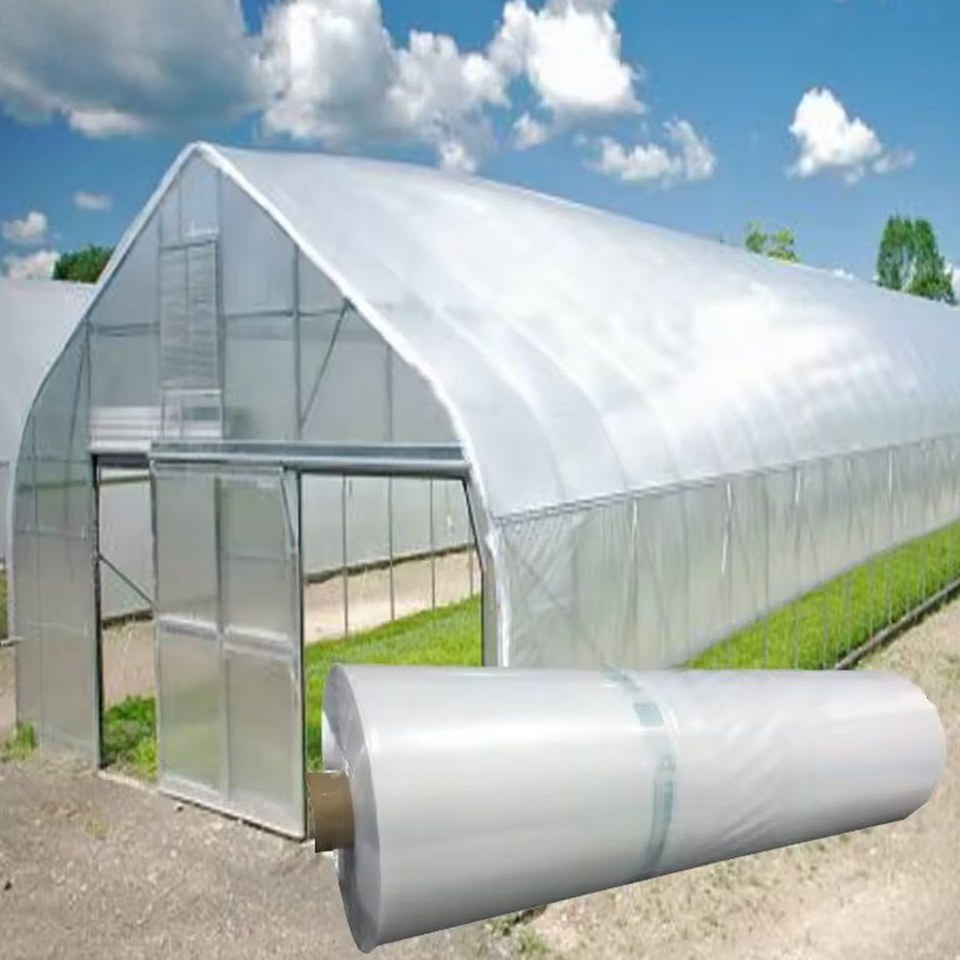
Film is supplied in rolls with the treated side marked, and the roll is drawn over the frame rather than dragged, so the sheet is not scuffed against the structure on the way up. Tensioning is done evenly from the ridge downwards, then the sheet is locked into the channel along both eaves. On a hot day the film softens and stretches, so fitting early or late avoids over tensioning a cover that will tighten again as it cools. Our engineers can travel to site to guide installation when required.
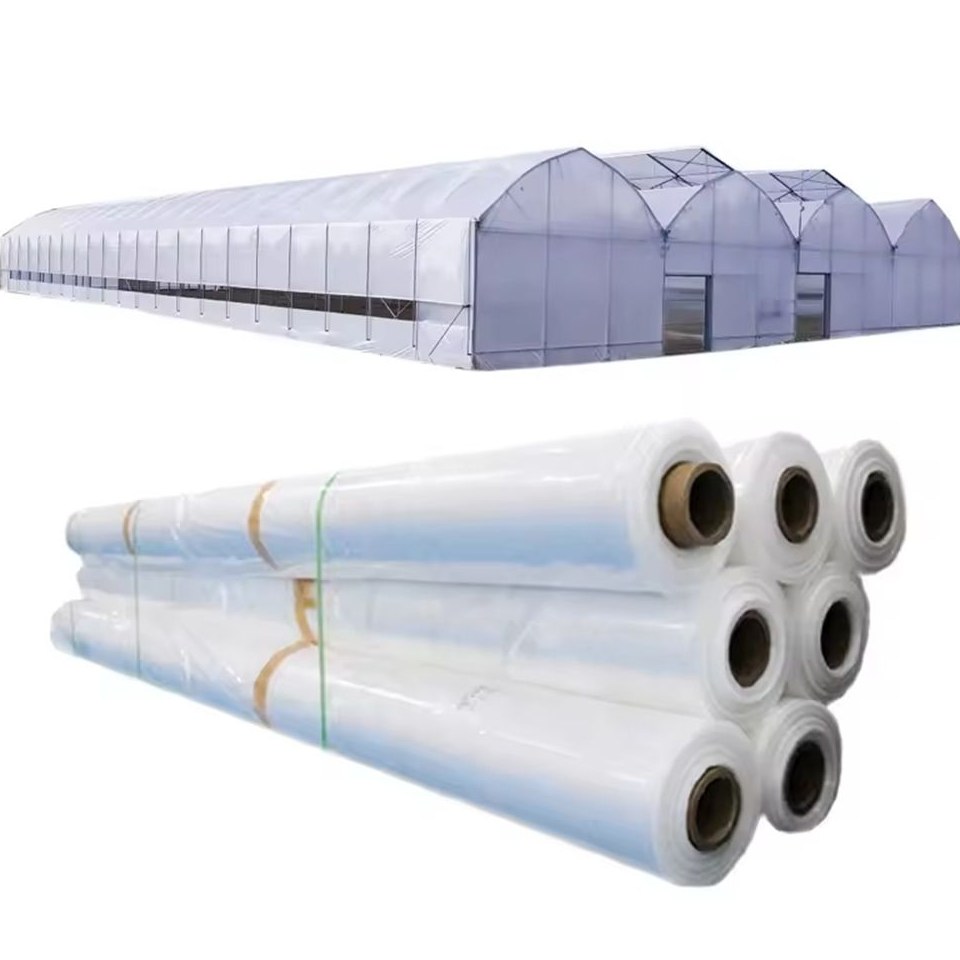
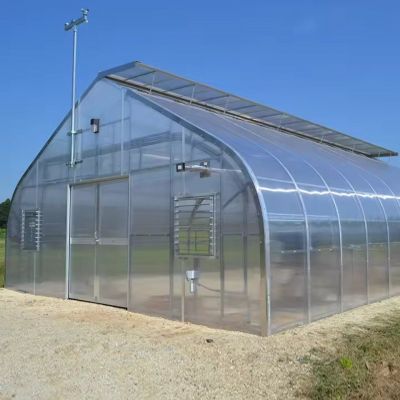
The film fits tunnel houses and multi span film greenhouses, and the same sheet is used to re-cover an existing structure when the old cover reaches the end of its life. Because custom widths run to 20 m, a wide bay can be covered in one piece. Trade reporting on GrowerTalks follows how commercial growers plan covering replacement. Compare the film greenhouse range, or look at the greenhouse with plastic film and the plastic film greenhouse for the structures this film is made for.
It means the sheet is built from separate layers rather than one blend, so the anti-drip, UV stabilising and diffusing functions each sit in the layer where each works most effectively. The film therefore keeps its performance longer.
Standard thicknesses are 120, 150 and 200 micron, and custom runs go from 100 to 250 micron. Thicker film lasts longer but transmits a little less light, so the choice follows the climate and how often the house can be re-covered.
Yes. The anti-drip additive is in the inner face, where condensation forms, so water spreads and runs to the gutter instead of dripping onto the crop.
We provide a 10 year structural warranty and a 5 year anti-corrosion warranty on the galvanized structures we supply. Film is a consumable and is replaced on a shorter cycle.
Send the house dimensions or the roll size you need, the thickness and the climate the film will work in. We reply with available standard sizes and a price for custom widths.