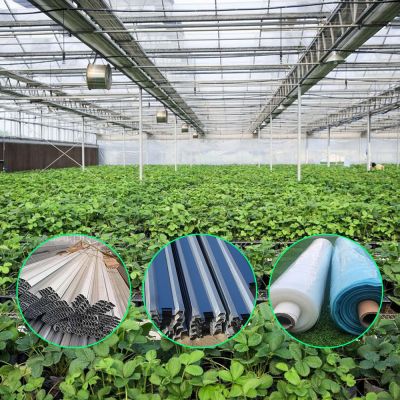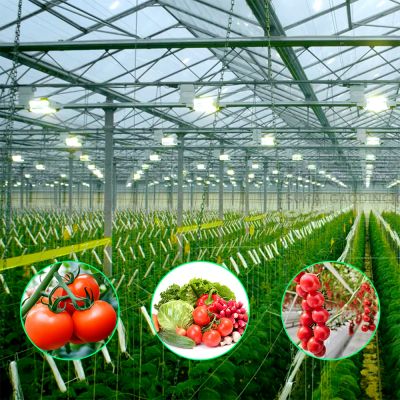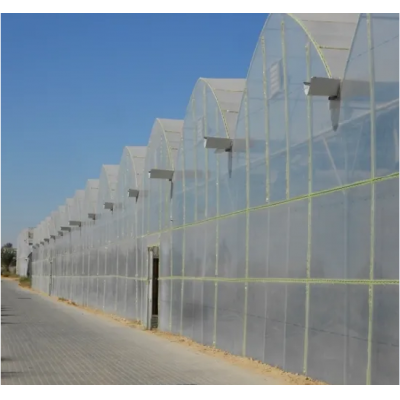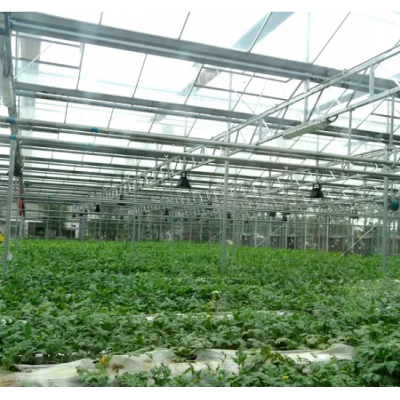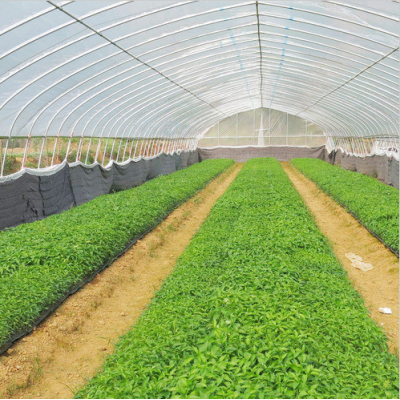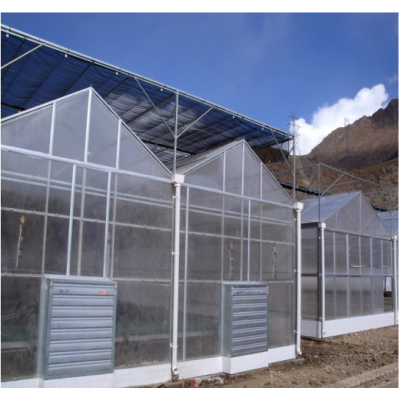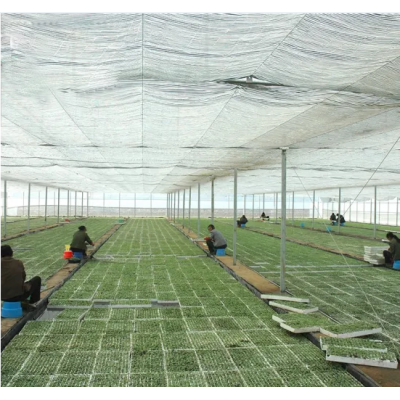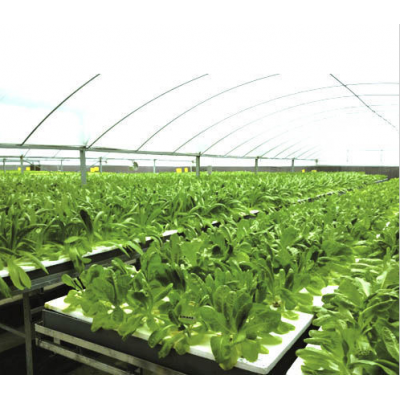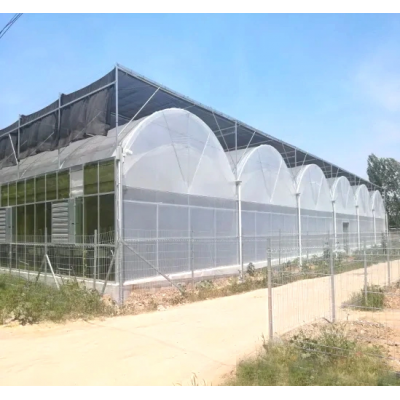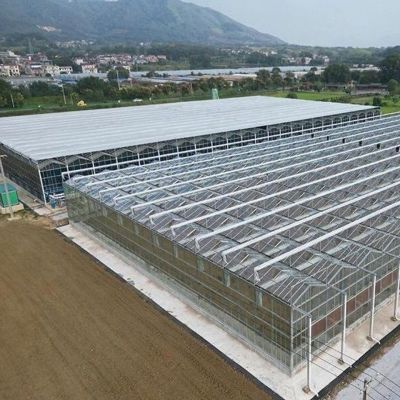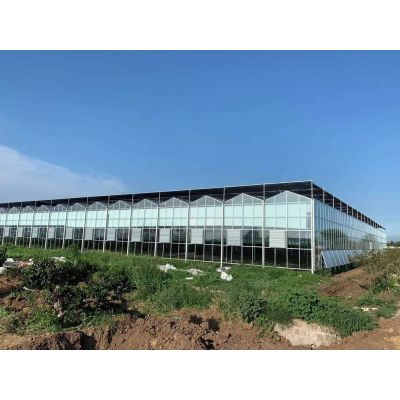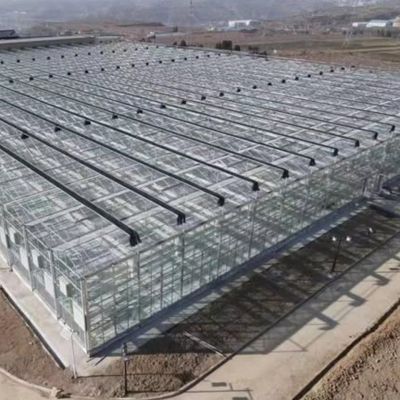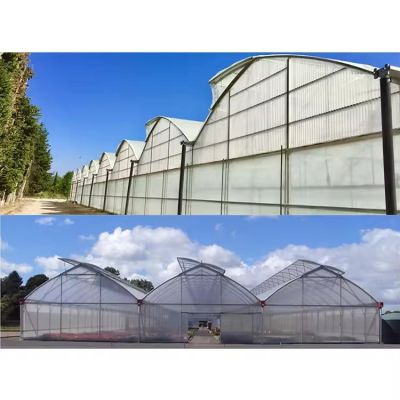
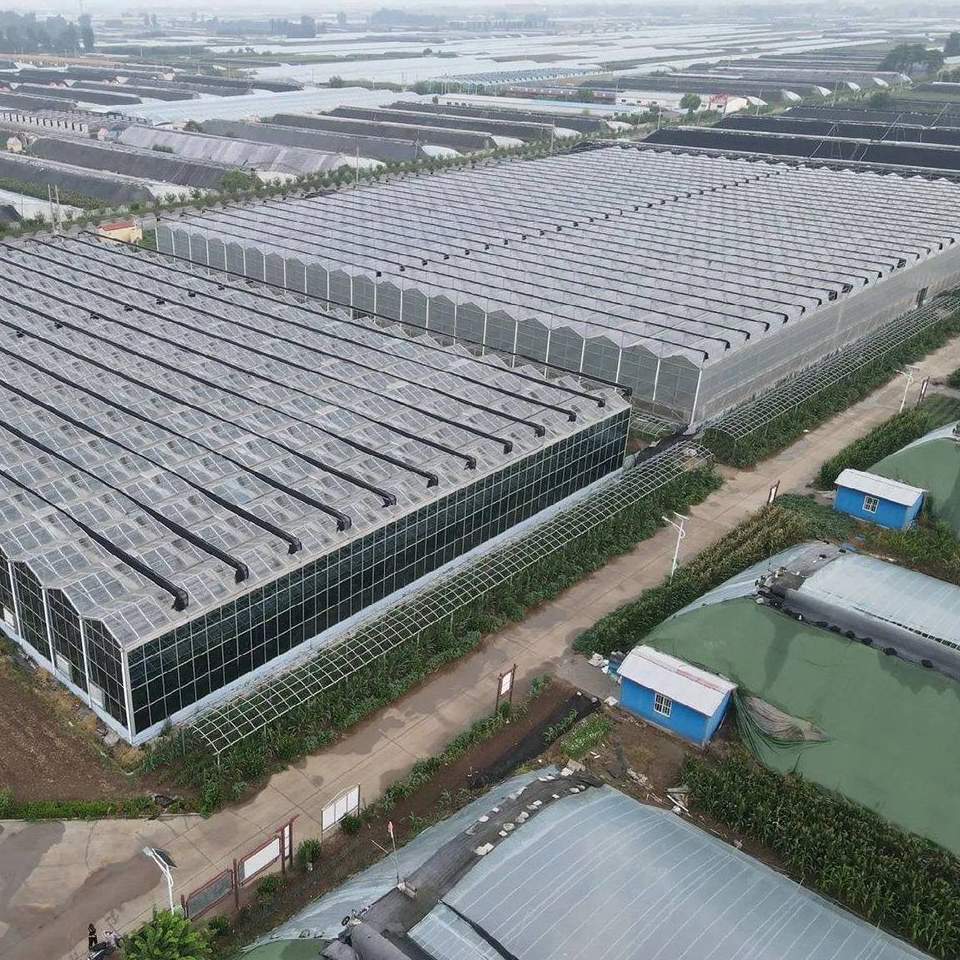
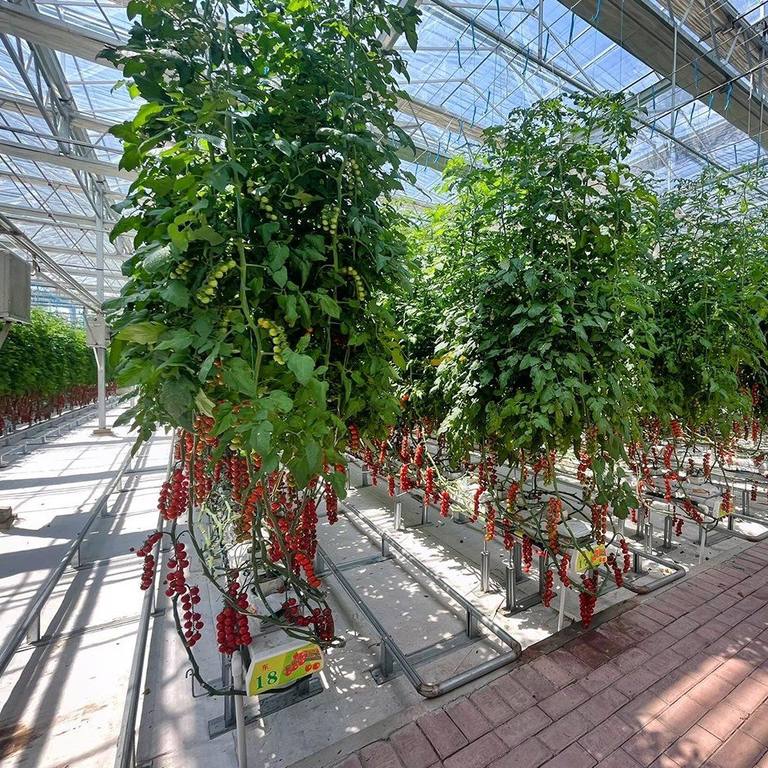
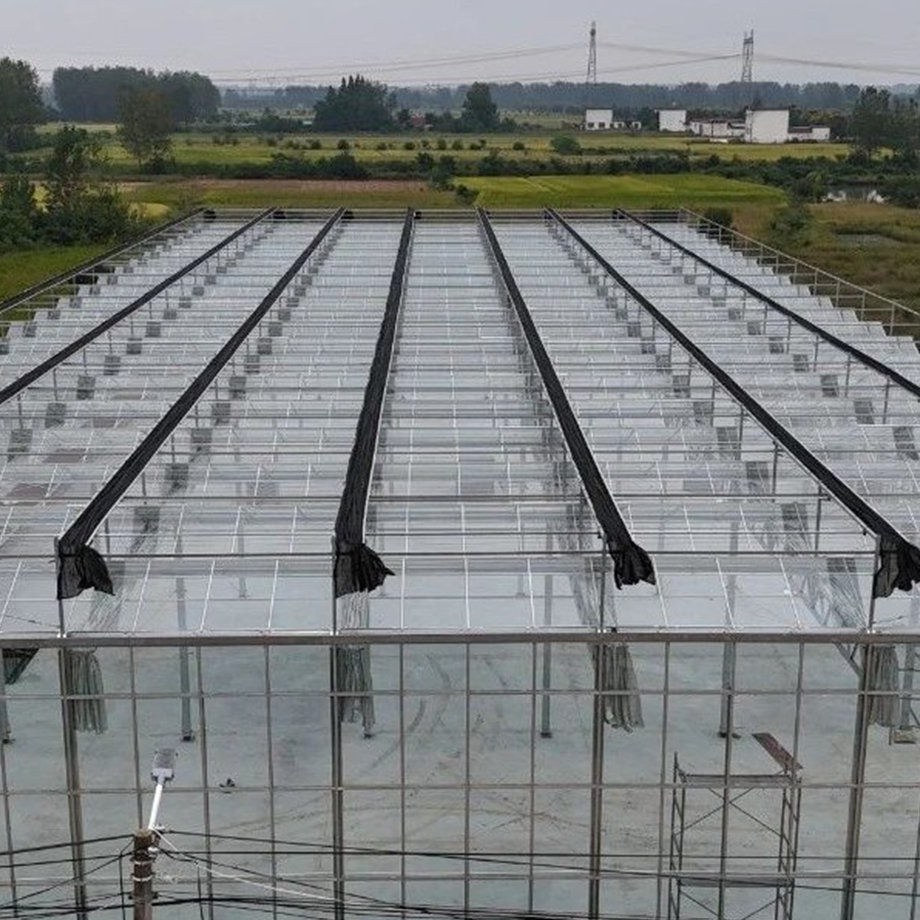
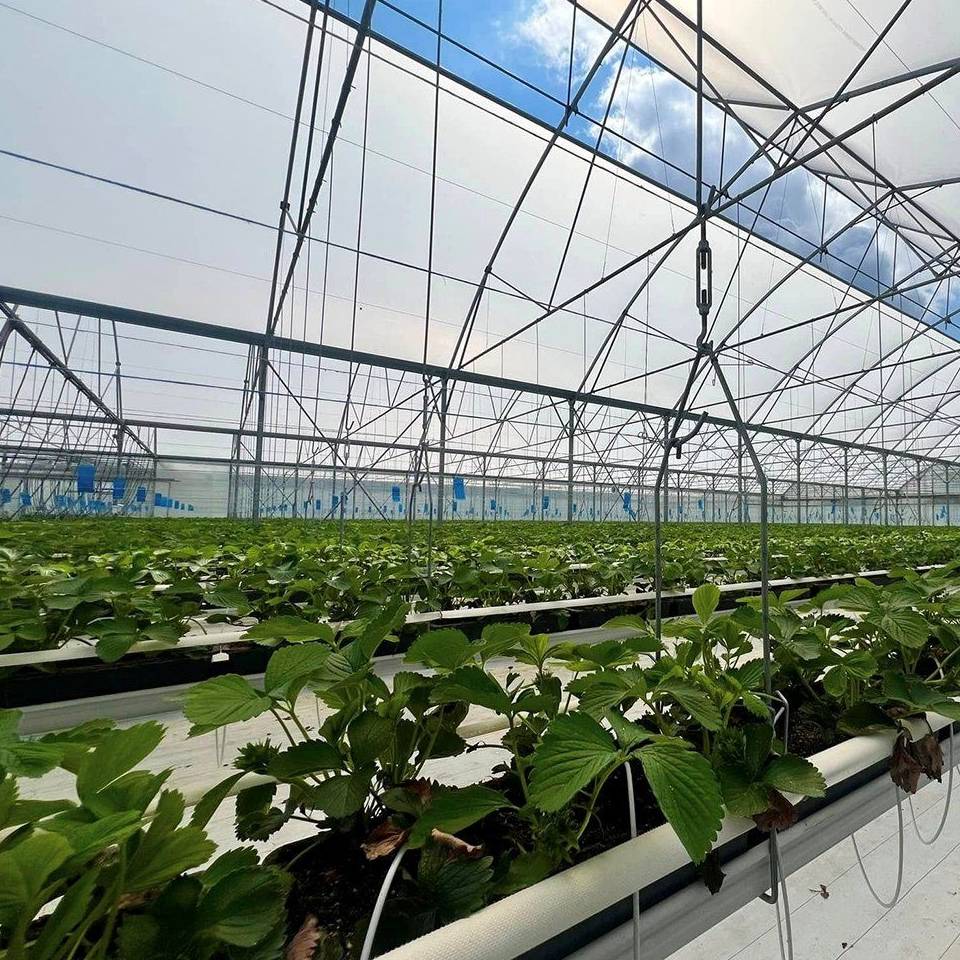
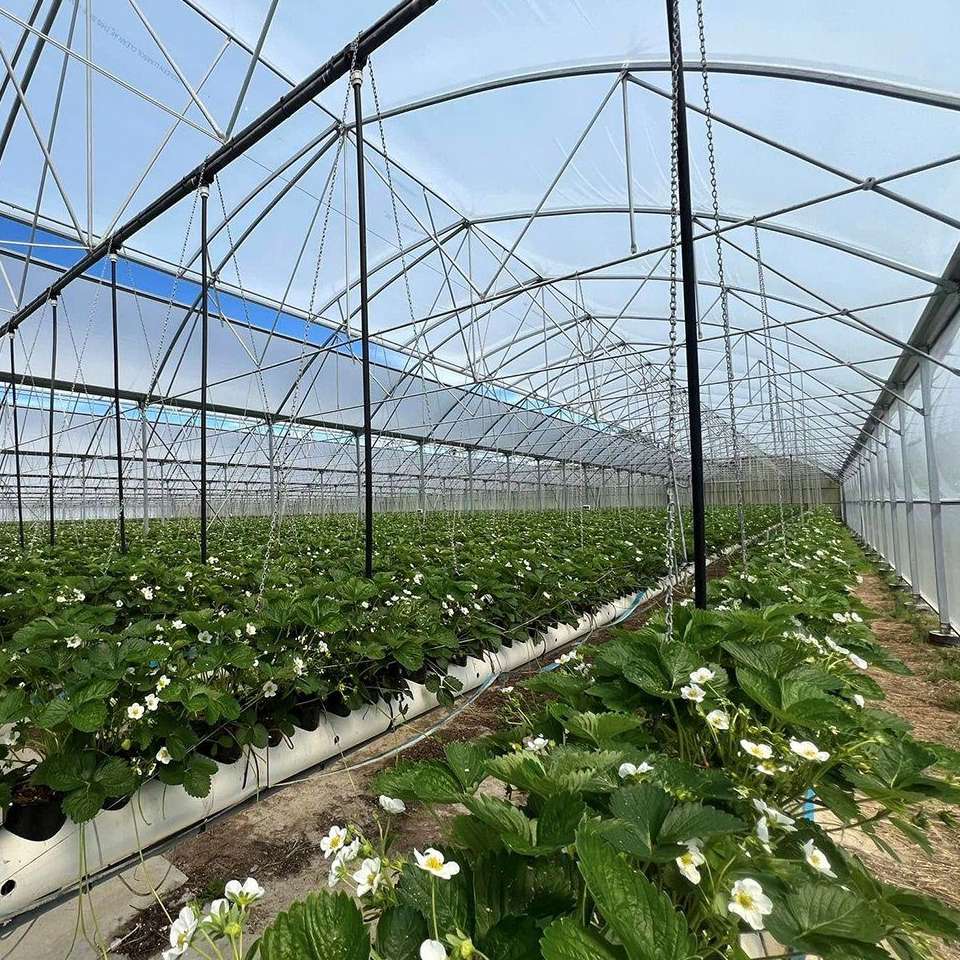
This energy saving smart glass greenhouse treats heat as a resource to be kept rather than paid for twice. Warm air that would leave through the roof is collected and returned to the house, and the control system reads temperature, humidity, light and CO2 before it acts on vents, fans and irrigation. A hot dip galvanized steel frame carries a glass cover with light transmission of 90 to 95 per cent. Span runs 8 m to 12 m, height 3 m to 8 m and length 10 m to 100 m or to client demand. It suits commercial vegetable, flower and seedling production in cold and temperate climates, where heating is the largest running cost of the year.
In a cold climate, the cost of a glass house is the cost of its heat. Fuel bought in October leaves through the roof in January unless the structure and the control system are built to hold on to it. This energy saving smart glass greenhouse is put together around that idea: recover the heat already paid for, measure what is happening inside, and let the controls act before the crop feels it.
Warm air collects under the ridge, where it does the crop no good and the structure the least. A heat recovery system takes that air and returns the useful part of it to the growing area or to a store, instead of letting it vent to the sky. Working with vents, screens and circulation fans, it flattens the temperature band through the night and shortens the hours the heating system has to run. Solar integration can be added on the same principle, so part of the daytime load is carried by light rather than by fuel.
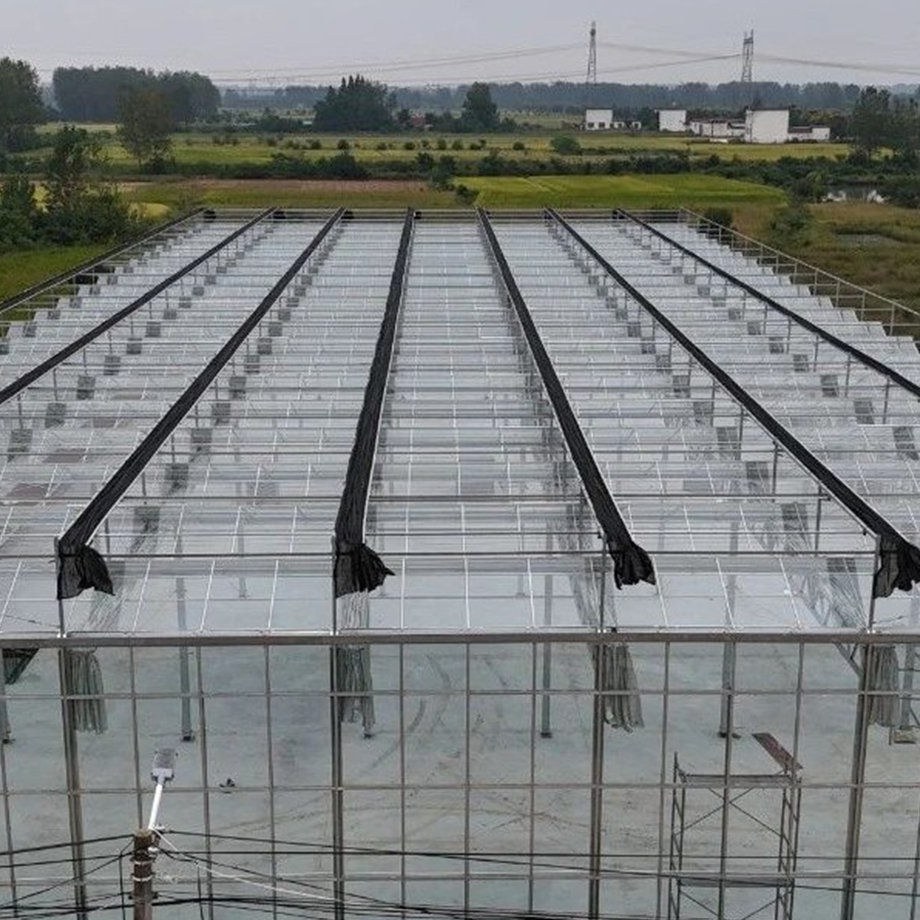
The cover is 4 mm or 5 mm float glass, or 5 mm tempered glass, set into aluminium glazing bars on a hot dip galvanized steel frame. Light transmission runs between 90 and 95 per cent, and glass keeps that figure year after year, which is the point of using it in a house that is heated: every hour of light gained is an hour the lamps or the boiler do not have to work. Sealed gutters and tight glazing details also cut the air leakage that quietly drives up the fuel bill in a poorly built house.
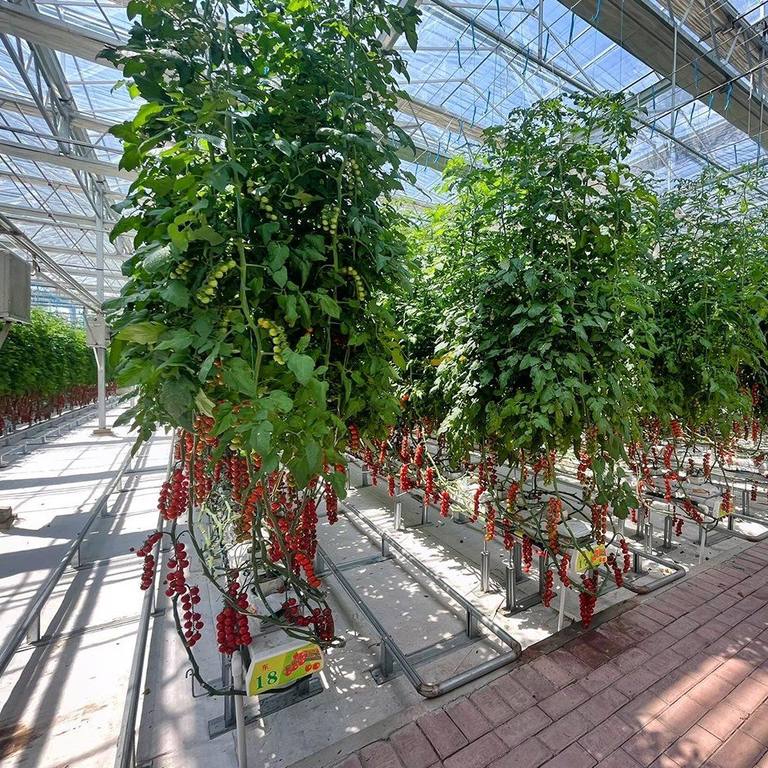
| Structure material | Hot dip galvanized steel pipe |
| Covering material | 4 mm or 5 mm float glass, or 5 mm tempered glass |
| Roof shape | Gable roof, multi-span on sealed gutters |
| Light transmission | 90% to 95% |
| Span | 8m / 9m / 10m / 11m / 12m |
| Length | 10m to 100m, or to client demand |
| Total height | 3m to 8m |
| Wind load | 0.35 kN per sq m |
| Snow load | 0.35 kN per sq m |
| Energy features | Heat recovery, solar integration, thermal screens |
| Service life | 15 to 20 years for the frame under normal growing conditions |
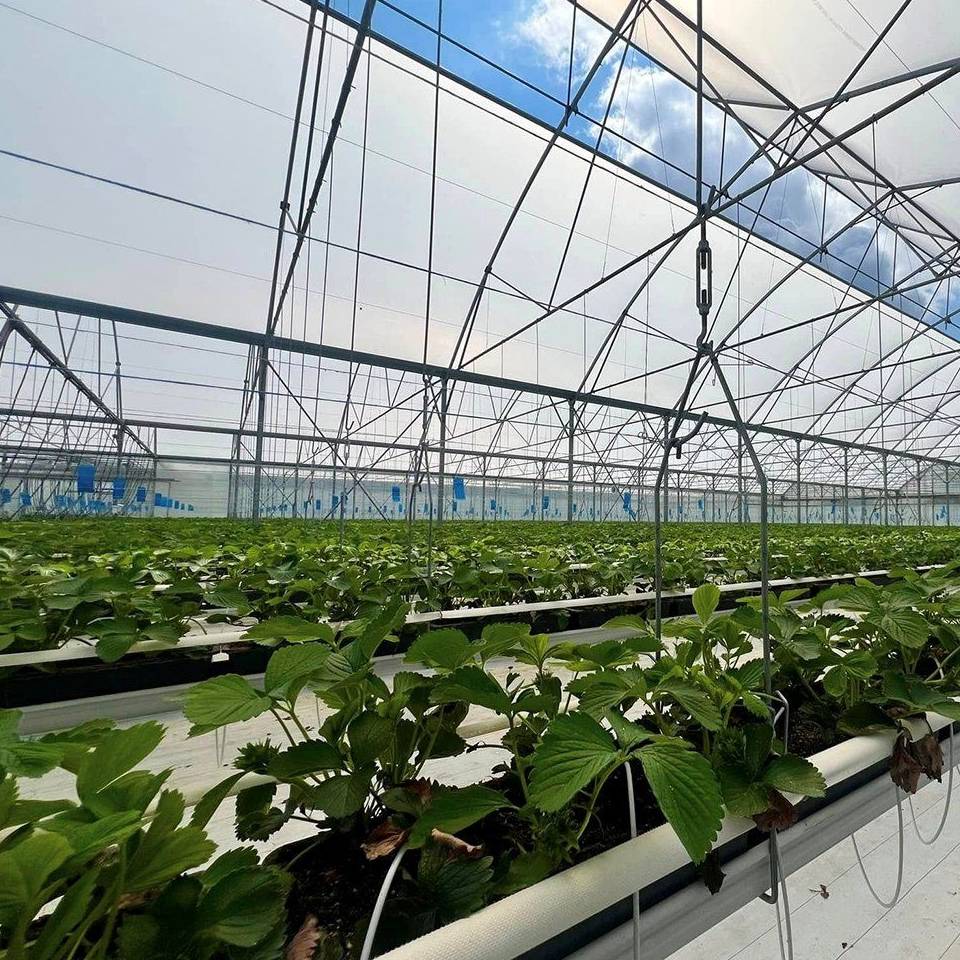
Savings in a glass house come from four places rather than one. First, heat that is recovered instead of vented. Second, screens and glazing details that hold the heat that is left. Third, a controller that heats and vents against the crop band rather than a fixed clock. Fourth, light, because transmission of 90 to 95 per cent lets the house work with the sun rather than against it. Standards published by ASTM International cover the test methods behind glazing and structural performance, and those figures are what a project specification should be checked against.
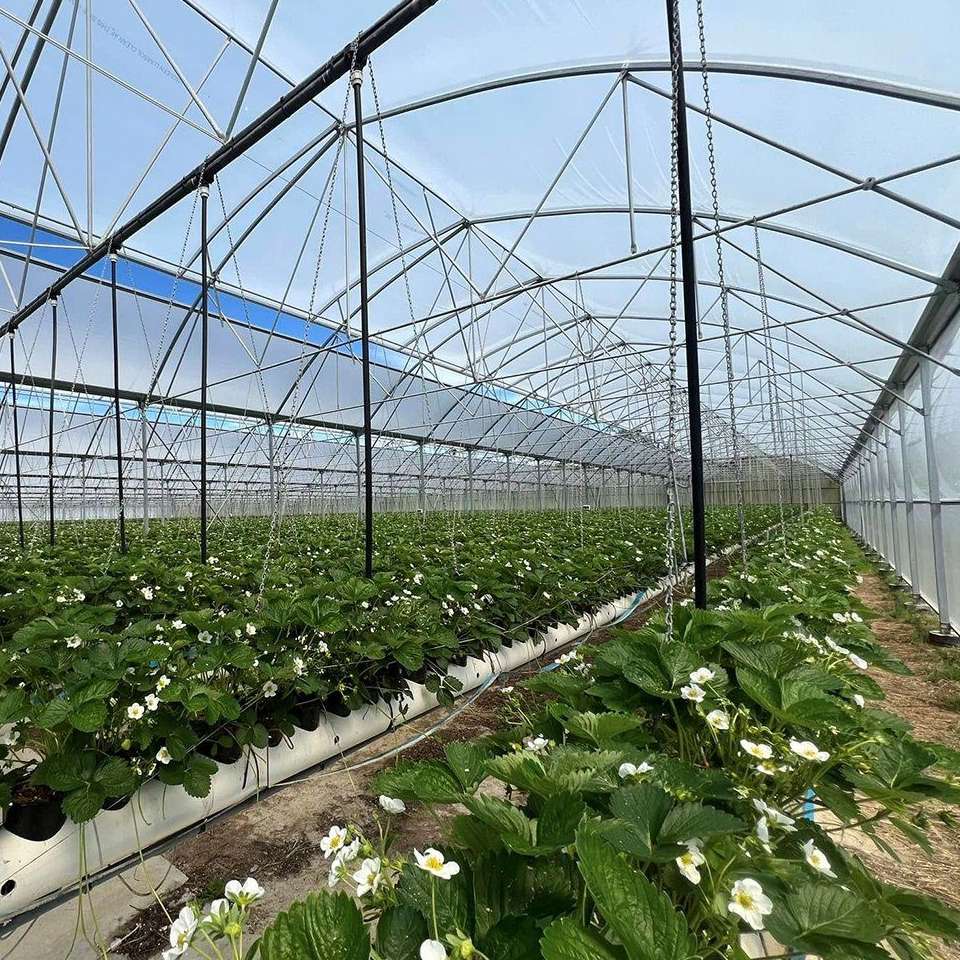
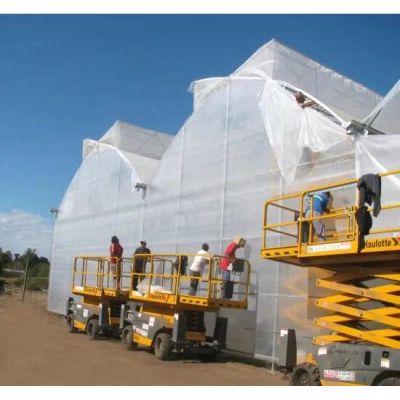
The house ships as a knockdown kit of galvanized frame sections, glazing bars, gutters and glass. Installation runs in a fixed order: foundation, columns and gutters, roof, glazing, then screens and the recovery system. Our engineers can travel to site to guide installation when required, and the drawings are issued against the site survey.
Upkeep is limited but it matters for energy. Wash the glass before the light season, check glazing clips and seals after storms, service vent motors and screen drives, and clean filters on the recovery unit and irrigation lines. A recovery system that is not serviced quietly stops paying for itself.
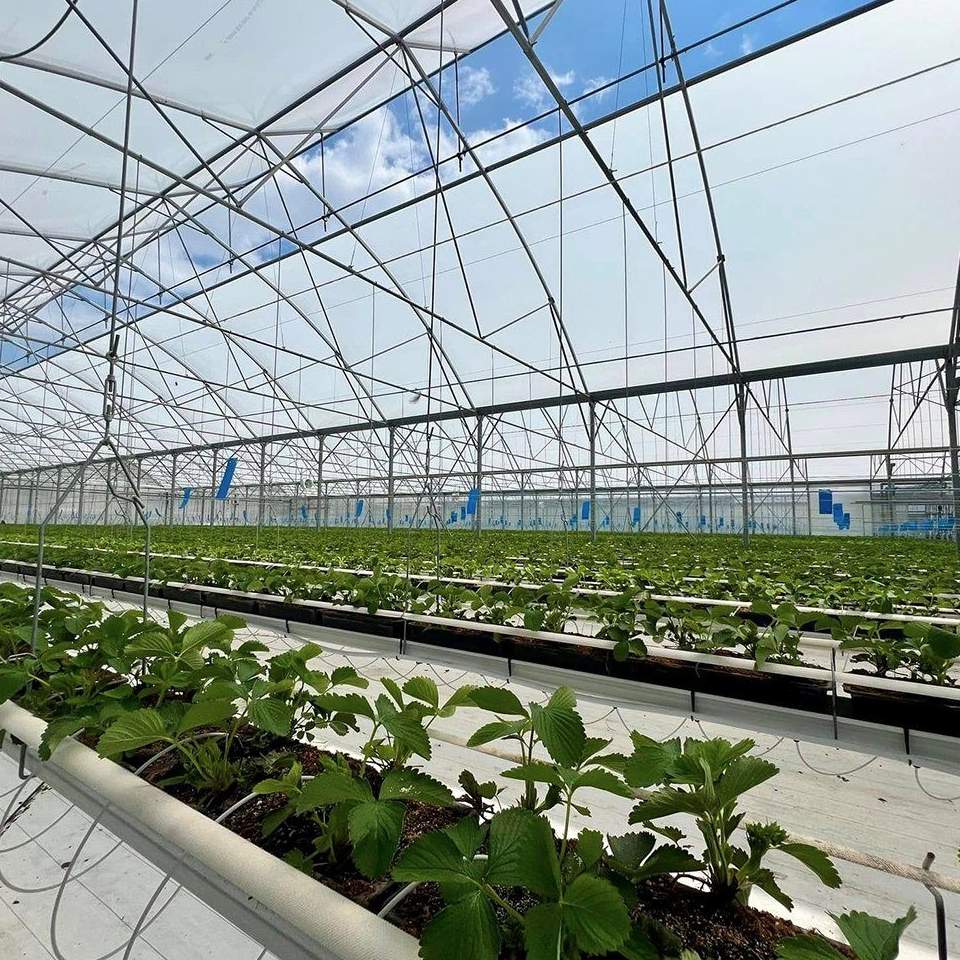
This house suits commercial vegetable, cut flower, pot plant and seedling production, and it is at its most useful where the heating season is long and fuel is the largest line in the budget. The same structure covers year round contract growing and trial blocks where a steady climate matters more than a short peak. Agricultural market reporting on Agriwatch follows how protected cropping is planned at commercial scale. Compare the multi-span greenhouse range, or look at the wide span glass greenhouse and the polycarbonate sheet glass greenhouse for other options on the same frame system.
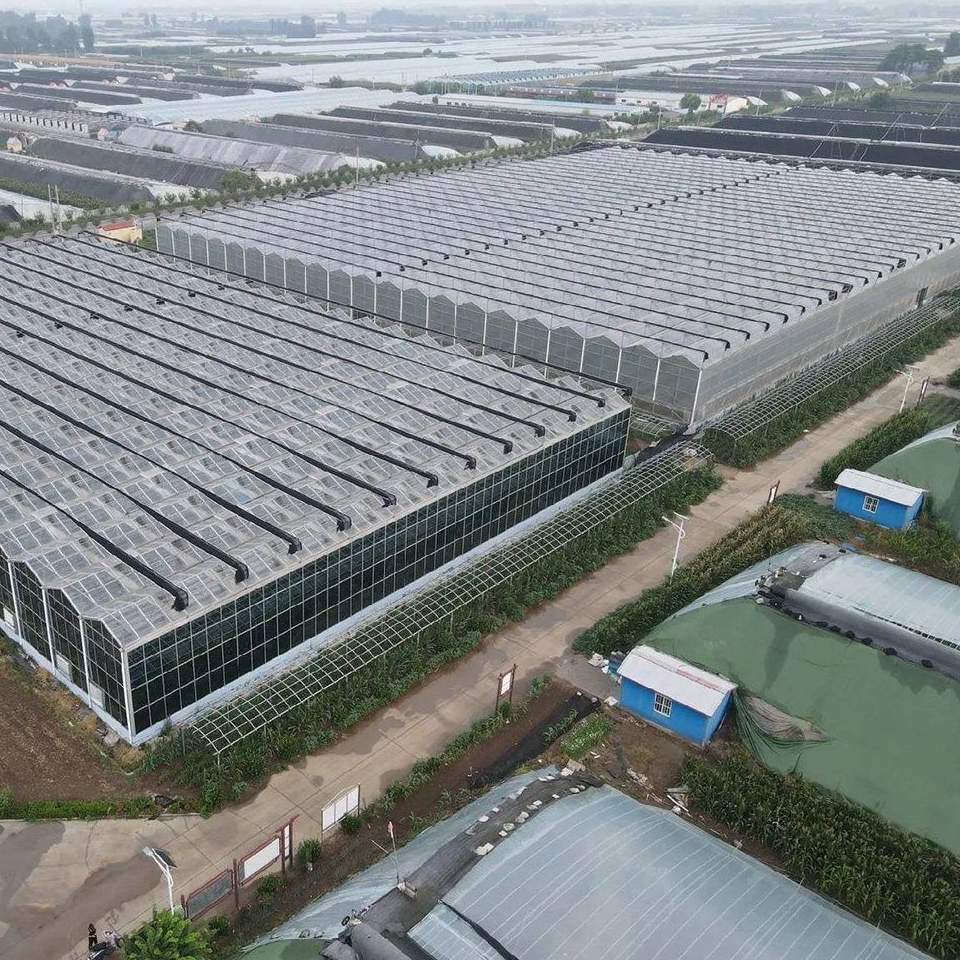
Warm air that gathers under the ridge is collected and its useful heat is returned to the growing area or to a store instead of being vented away. Working with screens and circulation fans, this flattens the night time temperature band and shortens the hours the heating has to run.
Yes. Solar integration can be built into the same control system so part of the daytime load is carried by light rather than fuel. It is planned as part of the project rather than added later.
The hot dip galvanized steel frame is rated for 15 to 20 years under normal growing conditions. Glass holds its transmission for many years and is replaced pane by pane if it is damaged.
We provide a 10 year structural warranty and a 5 year anti-corrosion warranty on the galvanized frame. Details are set out in the contract for each project.
Send your site dimensions, the crops you plan to grow, your local design temperatures and your wind and snow loads. We reply with a layout drawing and a full quotation covering frame, glass, vents, screens, heating and heat recovery.