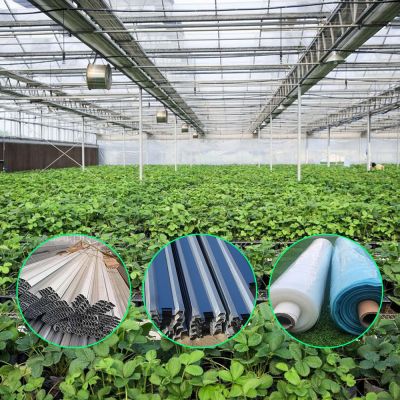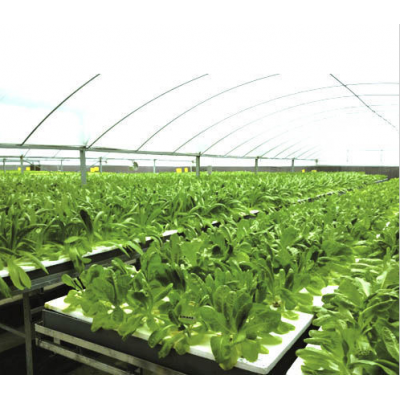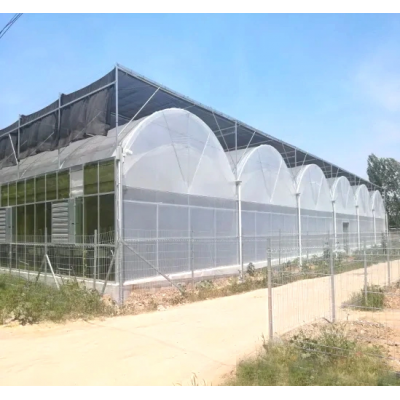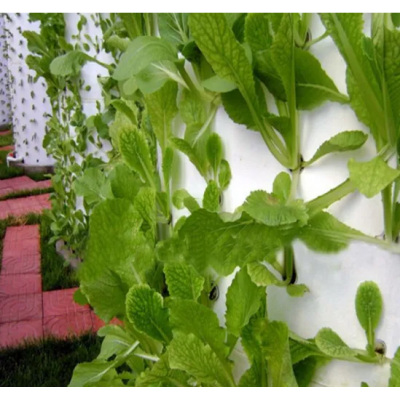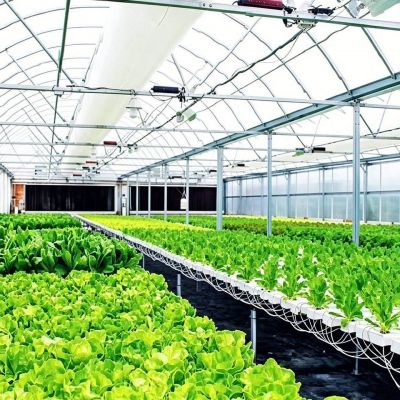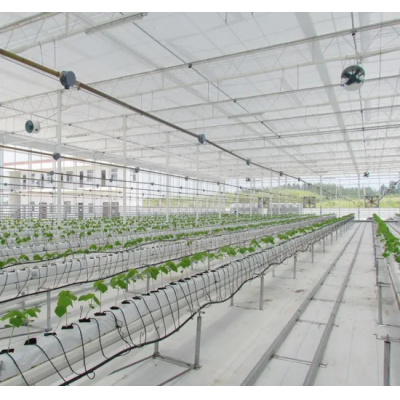
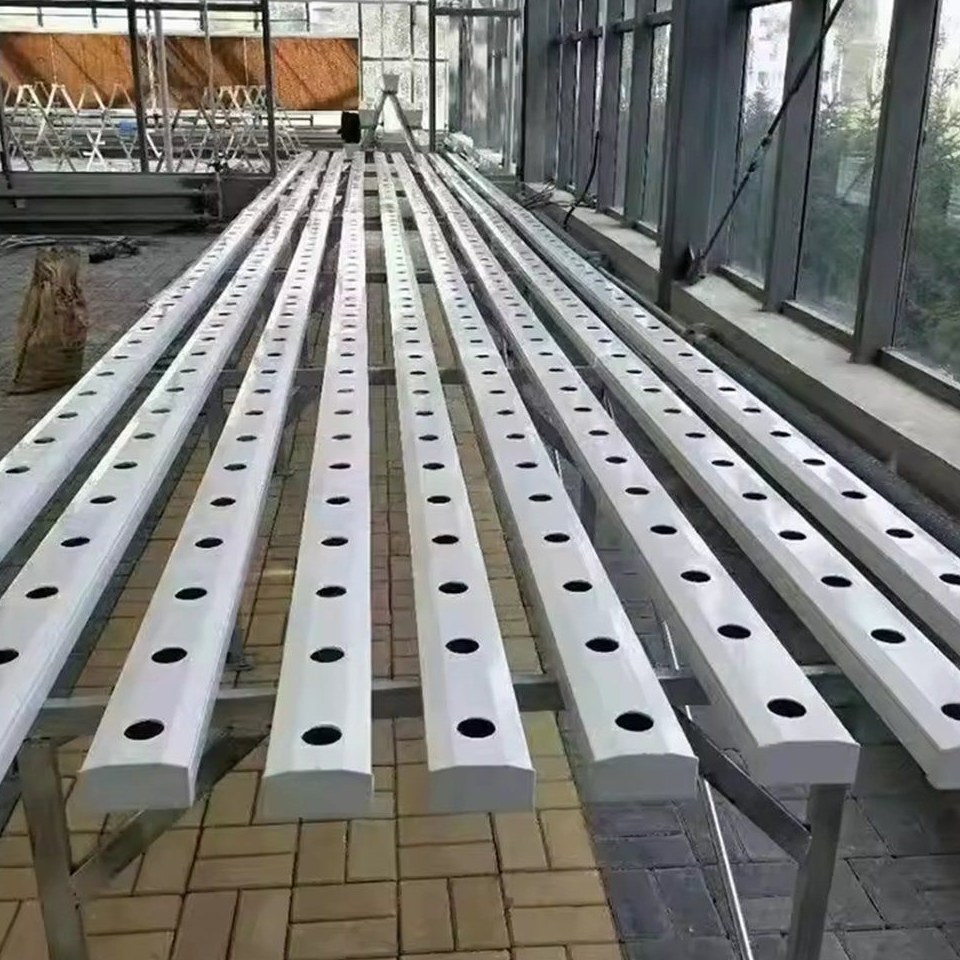
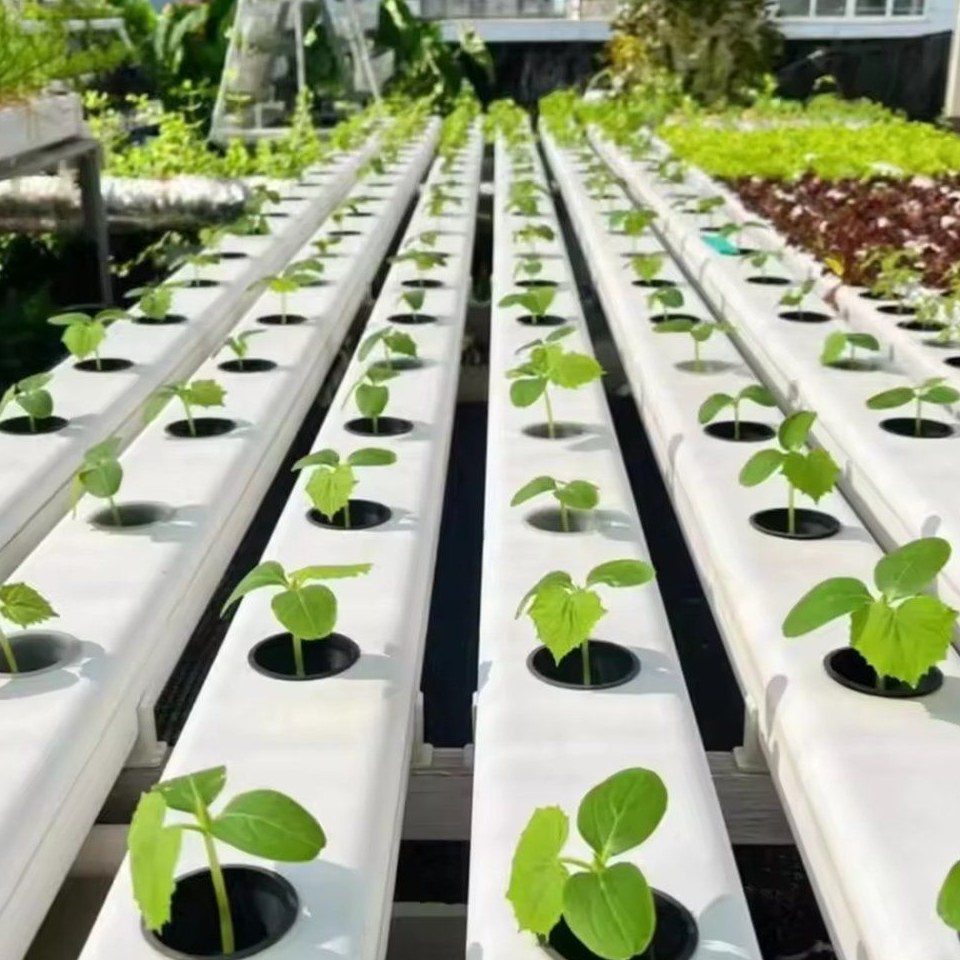
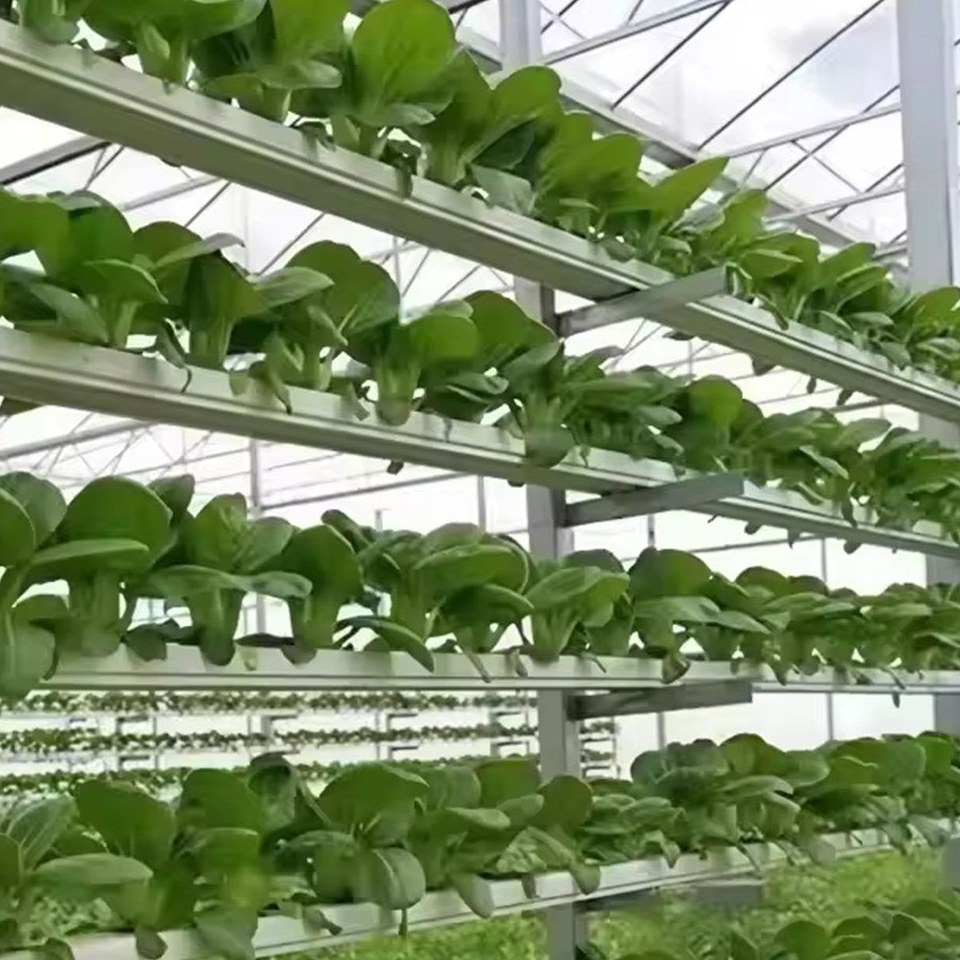
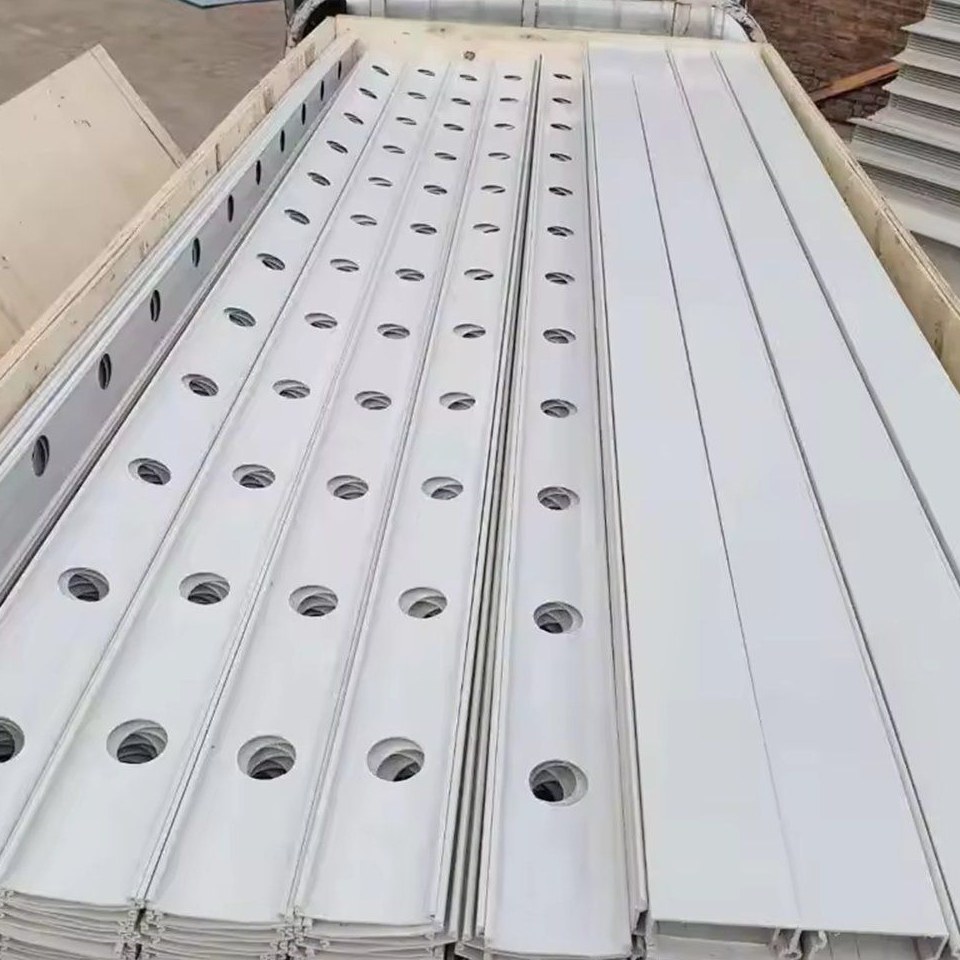
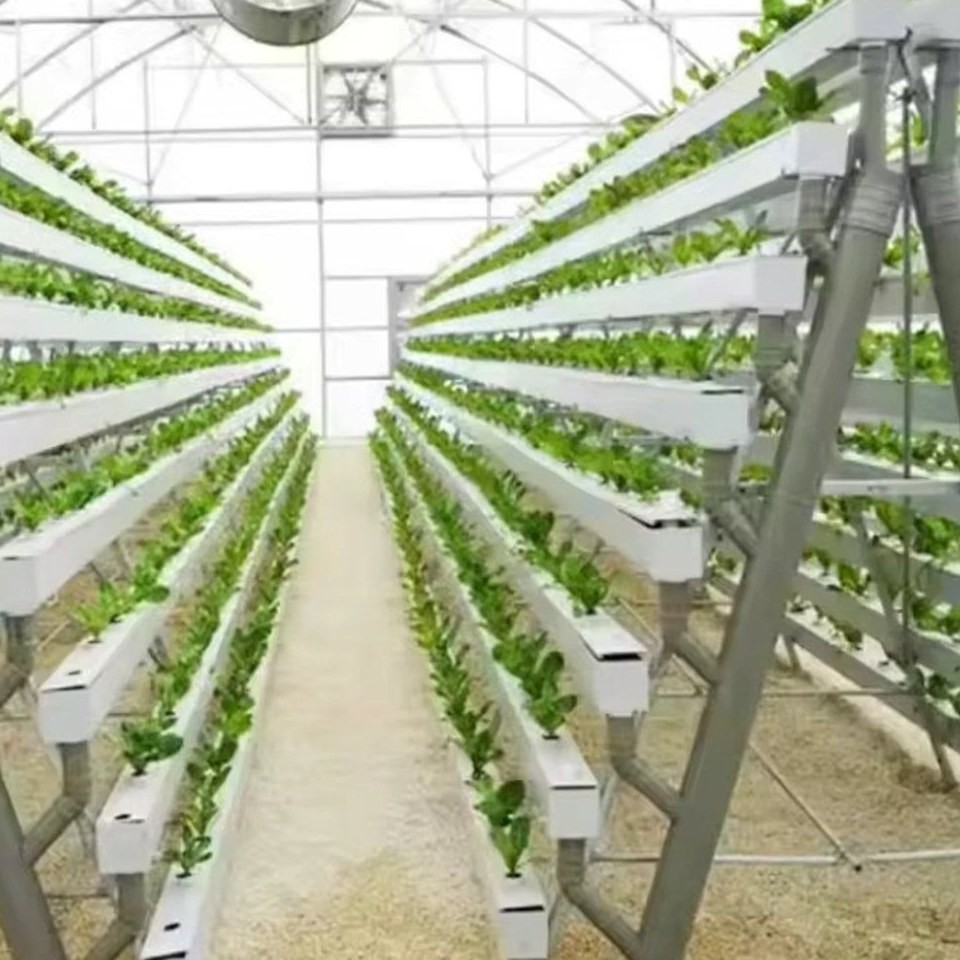
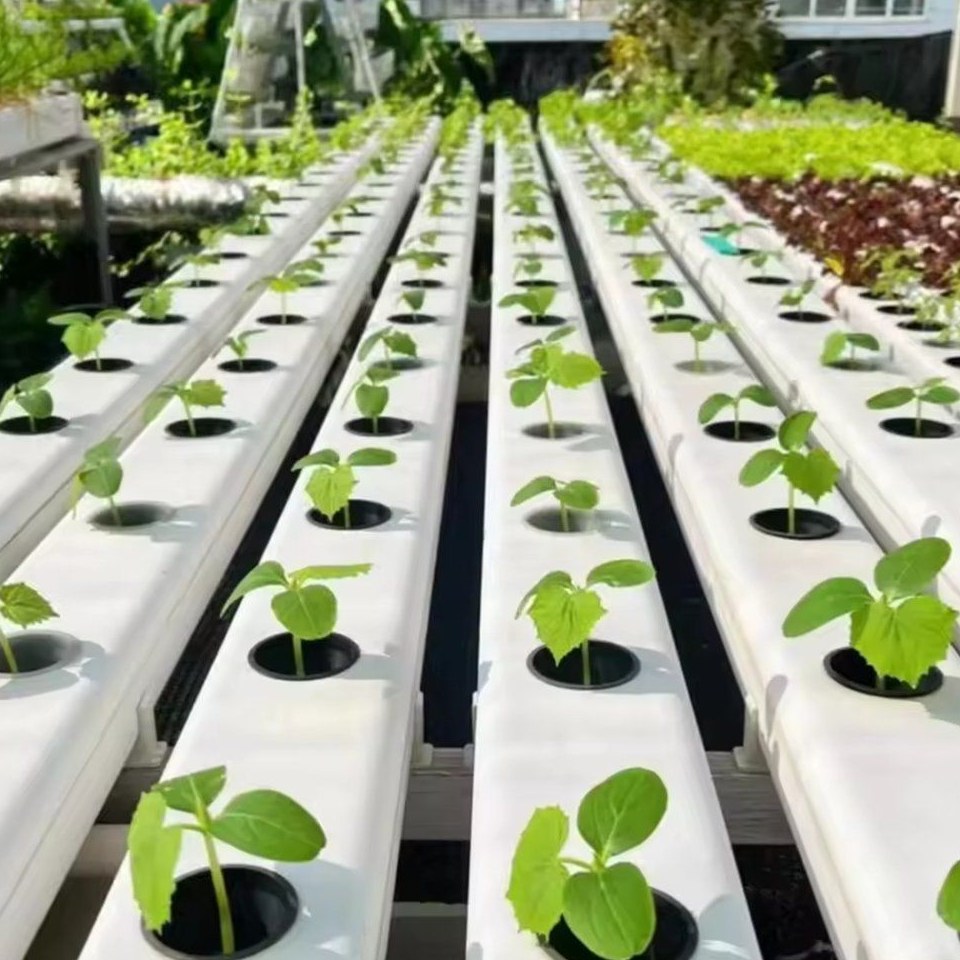
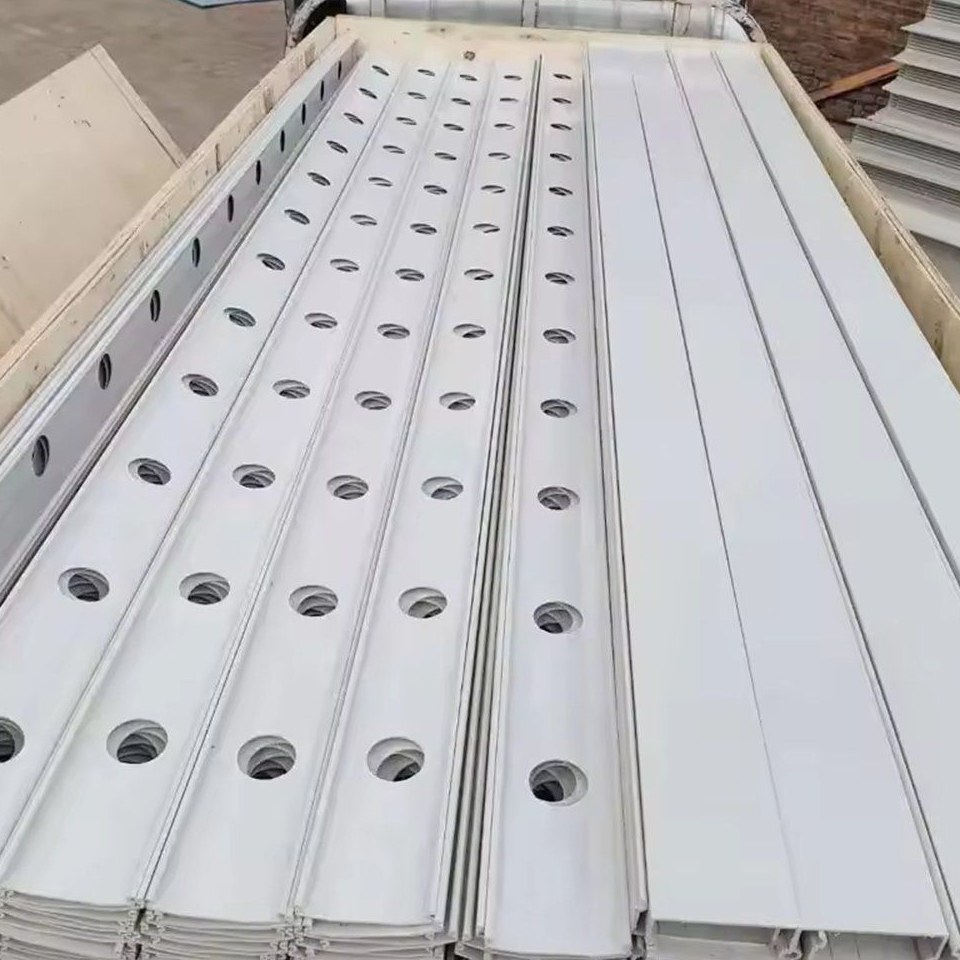
This commercial hydroponic system uses NFT channels, where a thin film of nutrient solution runs along the floor of a covered gully and the roots sit in it rather than in a growing medium. The channels are PVC, white outside so they reflect light back onto the crop and stay cooler under lamps, and they are drilled at a fixed spacing for net pots so a seedling goes in at the same pitch every time. The gullies can be laid out flat on a floor or carried on tiered racks to use the height of a house. It suits lettuce, herbs and leafy greens grown to a schedule.
A hydroponic system is not a greenhouse, and it is not a machine bolted to a wall. It is a water circuit that happens to hold plants, and the whole design follows from that: the solution has to reach every root in the same condition, and the channels have to be pitched so it keeps moving. This commercial NFT system is built around a covered gully with a fixed planting pitch, which is what makes it repeatable across a whole range.
In an NFT system the nutrient solution runs as a shallow film along the floor of each channel, and the plant roots rest in that film instead of being held in a medium. Because the root mass sits partly in air, it gets oxygen continuously rather than only between flood cycles, which is why leafy crops grow quickly in NFT when the flow and the slope are right. The channels here are PVC with a white outer face, drilled at a set spacing so each net pot lands at the same distance from the next.
Channel length is made to the site rather than fixed, so a run can be set to the room or to the house it stands in. The wider family of systems for protected growing is set out on the hydroponics system range page, and the same channel principle is described for greenhouse installation in the hydroponic system for greenhouse.
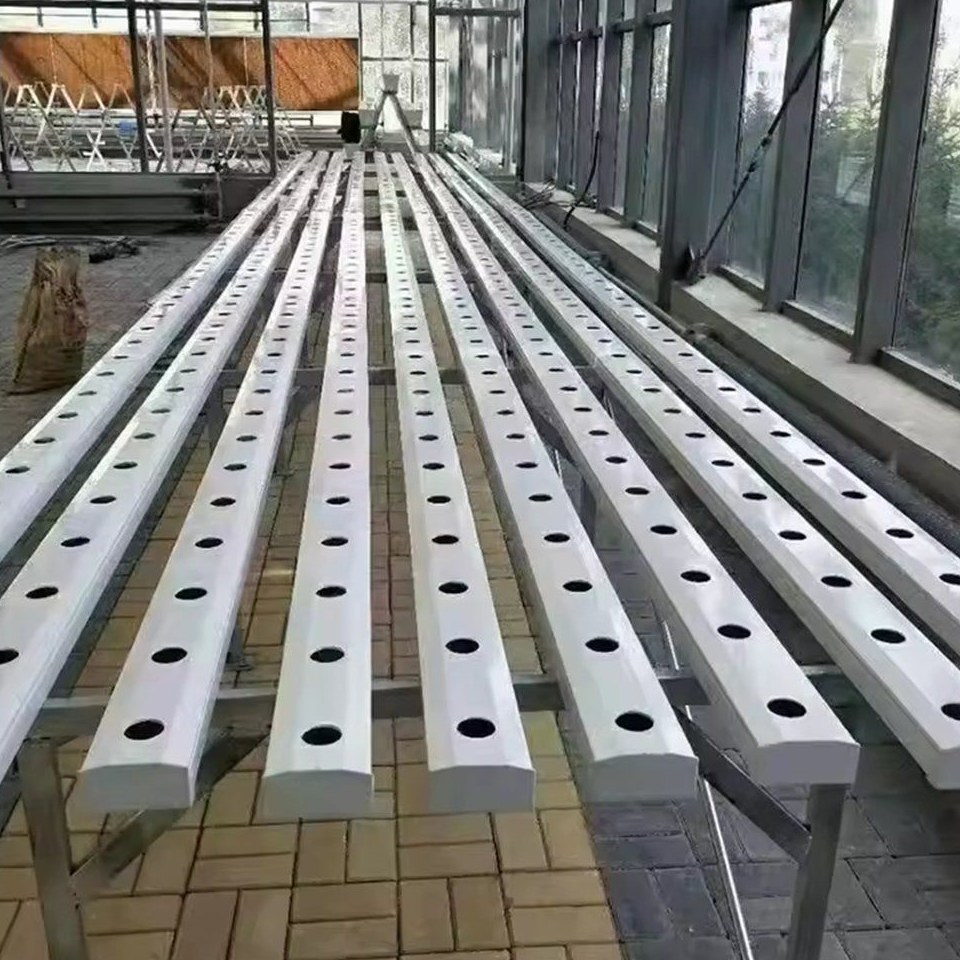
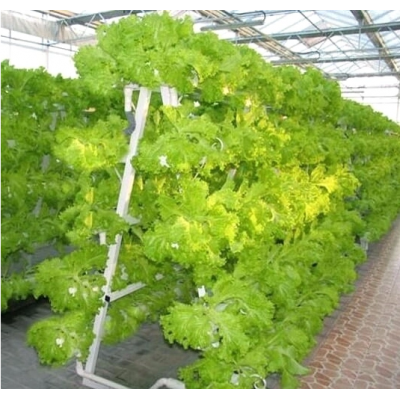
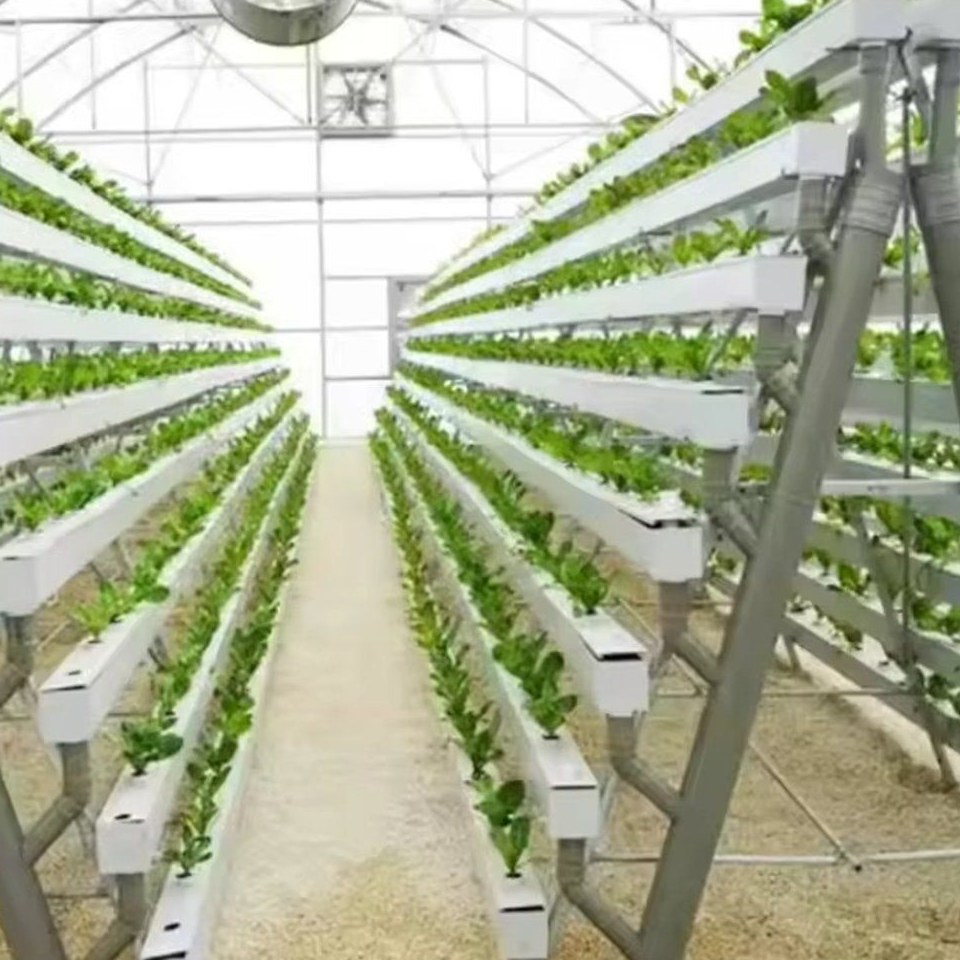
The same gullies can be stacked on tiered racks, which is what turns a flat bed into a vertical system. Working in tiers uses the height of a house or a room that is already paid for, and it lets a grower hold two or three times the crop in the same floor area. The trade off is light: the lower tiers need supplementary lighting, and the rack spacing has to be set so the lamp reaches the bottom bench as well as the top. The A-frame layout shown here keeps the centre of the house clear for aisles and harvesting.
Tiers also change the labour, because a crop at waist height is picked without bending. On a lettuce or herb cycle that difference shows up in the daily picking rate rather than in the yield figures. A single layer gully run is the simpler option where floor space is not the constraint, and the two layouts can be combined in one house.
An NFT circuit is only as good as its flow. The pump has to keep a film moving from the high end of each run to the low end without pooling anywhere, and the header end has to deliver the same flow to the first channel and the last one. That is a matter of pipe sizing and slope, and it is the part of the design a grower cannot fix later by adjusting the nutrient recipe. Automation then looks after the parts that would otherwise need an hourly check: dosing the stock solution to hold EC and pH, and running the pump on a timer so the roots are not left dry if a feed line blocks.
Because the same circuit serves every channel, the results are consistent across a run, and a schedule that works on the first bench works on the rest. Growers comparing systems for protected production, and the guidance the greenhouse industry association publishes for it through NGMA, generally treat water movement and root oxygenation as the deciding factors rather than the channel count.
The table below lists the standard build of the channel and gully system. Length and layout are set to the room or house it will stand in.
| Channel material | PVC |
| Channel colour | White |
| Channel layer | Single |
| Cover material | Plastic sheet |
| Length | Made to the site |
| Layout | Flat gully run or tiered racks |
| Crops | Lettuce, herbs, leafy greens and soft herbs |
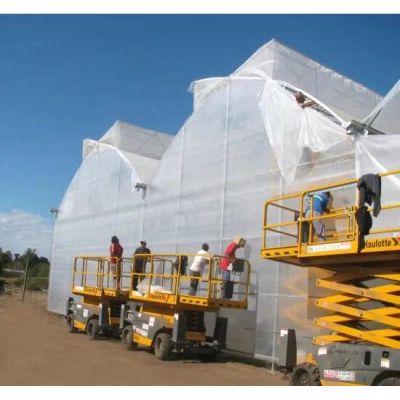
Installation starts with the floor and the frame that carries the runs, because every channel in an NFT circuit has to sit at the same fall in the same direction. The rails or racks go in first and are levelled, the channels are laid on them, and the pump, header pipe and drain are connected and flushed before anything is planted. Setting the slope and checking the flow at the far end of the longest run is the step that decides how the system behaves for the rest of its life.
Once running, the routine is mostly water and roots. Screens or filters need clearing so a blocked feed line does not leave the roots dry, and the channel interiors should be cleaned between crops to stop root debris building up along the floor of the gully and slowing the film. Perforated pots and the drip tray under the lowest run are the other items to check each cycle, and both are simple to replace.
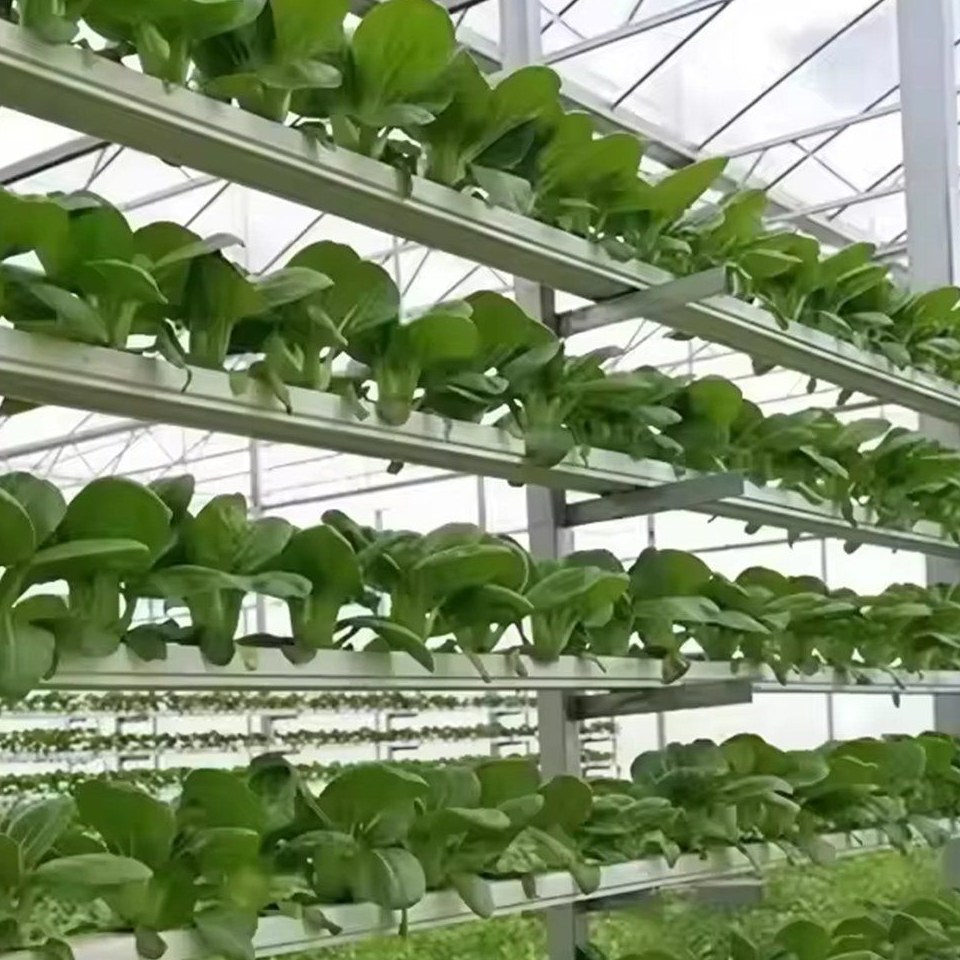
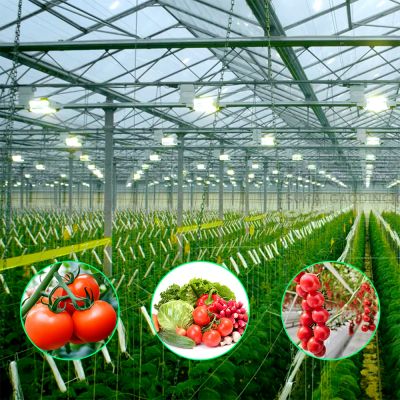
NFT systems of this type are used for lettuce and salad crops grown to a weekly cutting schedule, for culinary herbs, and for leafy greens that are sold by weight rather than by head. The repeatable planting pitch is what makes them suit a steady supply contract, because every channel holds the same number of plants and the crop comes off in predictable batches.
Growers watching the fresh produce side of the business, including the trade coverage published by HortiDaily, generally plan leafy production against a market calendar rather than a single harvest. On the same site, a hydroponic lettuce system with the crop already matched to the channel layout is often the quicker route for a first planting.
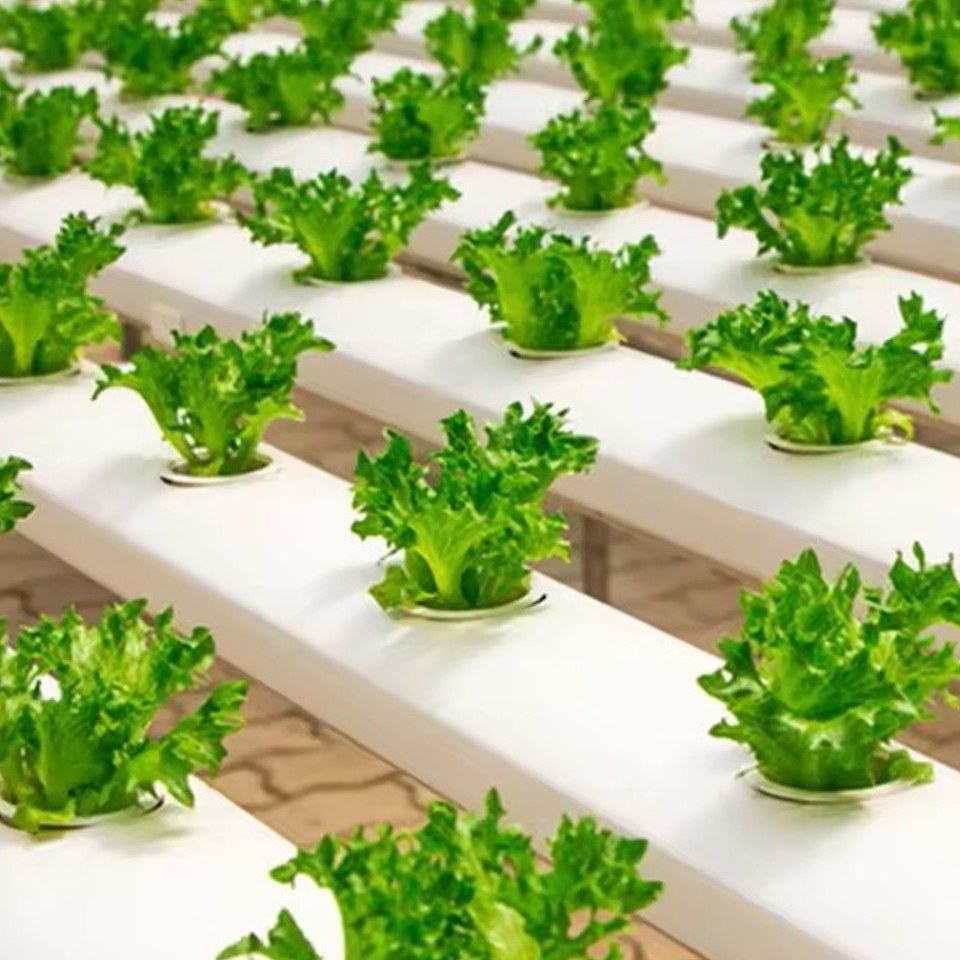
In NFT the root mass sits in a thin moving film of solution, so it is in contact with water and with air at the same time. That continuous oxygenation is what lets leafy crops grow at speed, and it removes the cost and the disposal problem of a growing medium.
Yes. The same gully is laid on floor rails in one bay and carried on tiered racks in another, which lets a grower match the layout to the crop and to the light available. Each run still needs the same fall and the same flow.
The galvanized steel frame and rack system is rated for 15 to 20 years under normal growing conditions. PVC channels are replaced as they wear or when the planting pitch is changed.
We provide a 10 year structural warranty and a 5 year anti-corrosion warranty on the galvanized frame. Details are set out in the contract for each project.
Send your site dimensions, the crops and bench layout you plan to use and your local wind and snow loads. We reply with a layout drawing and a full quotation.