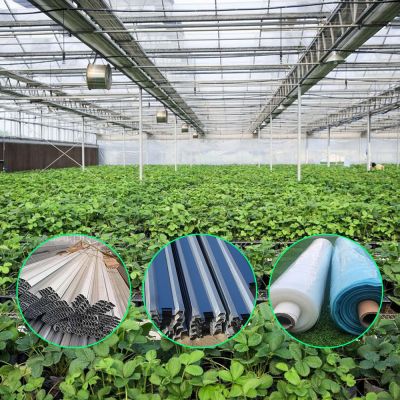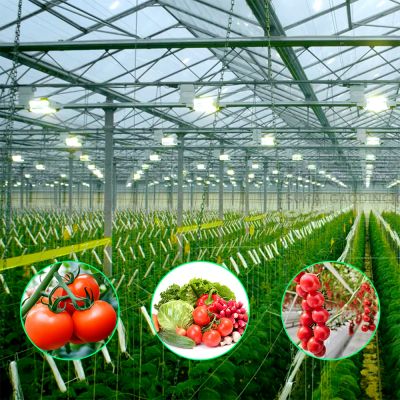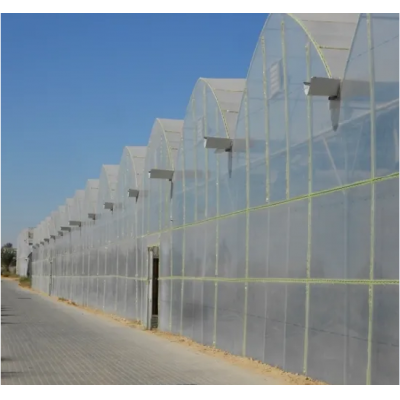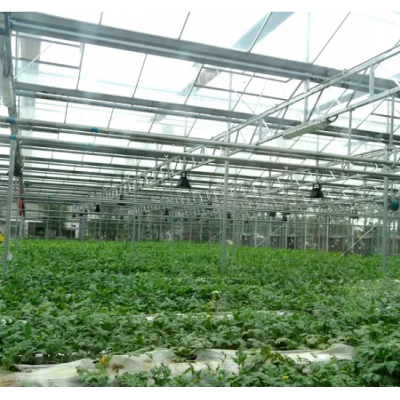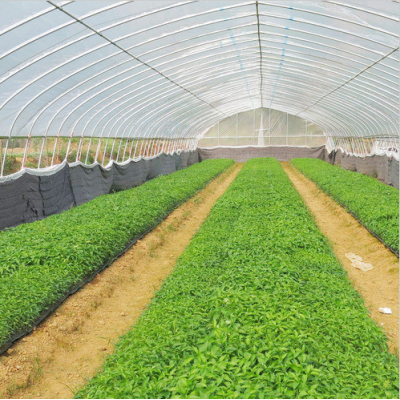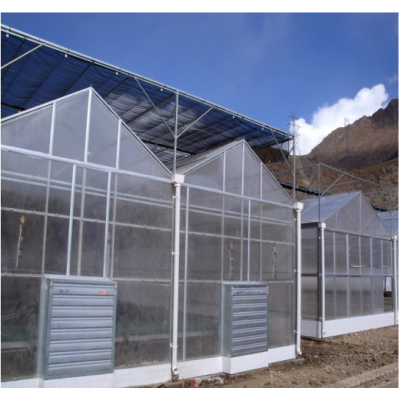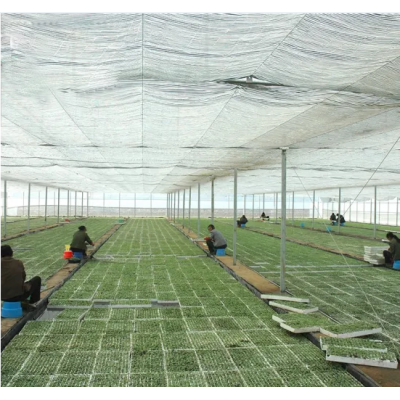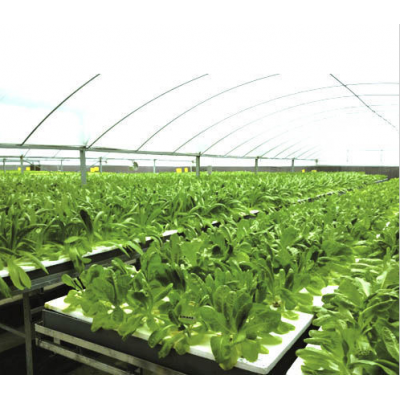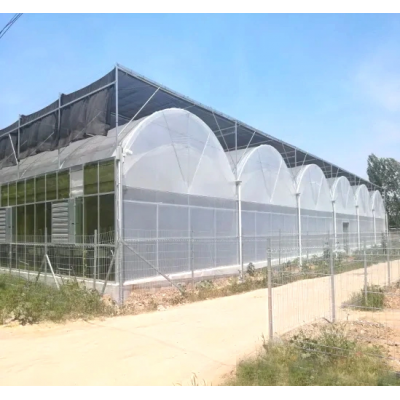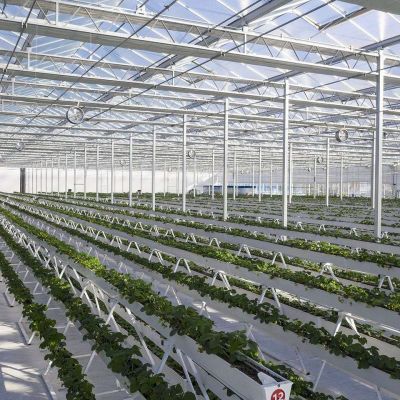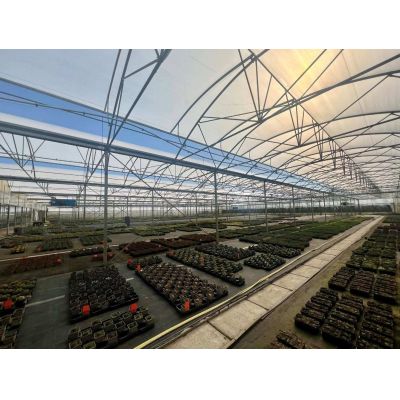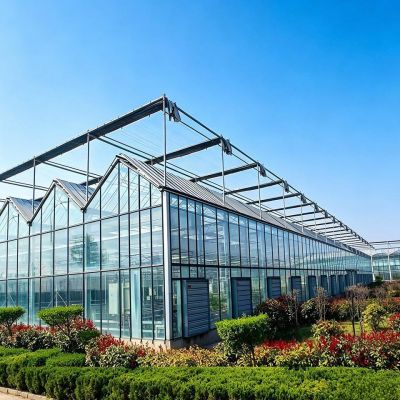
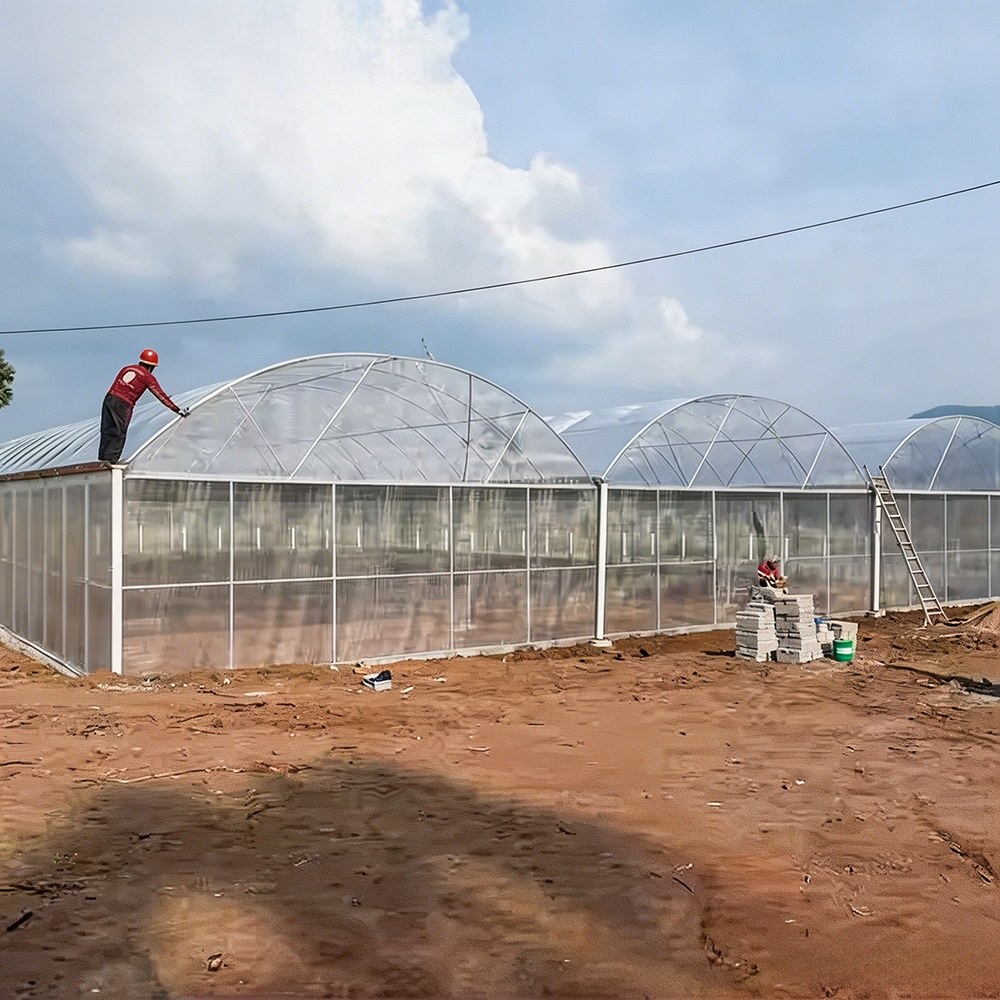
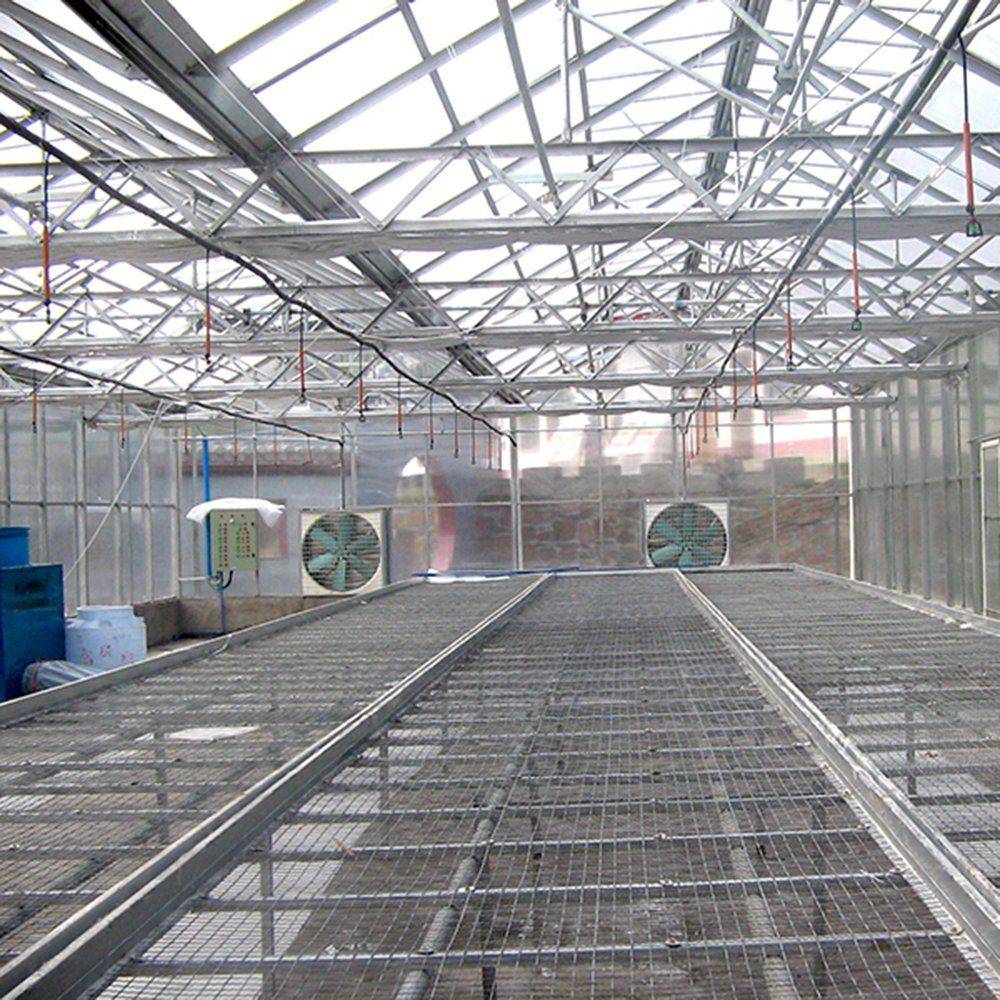
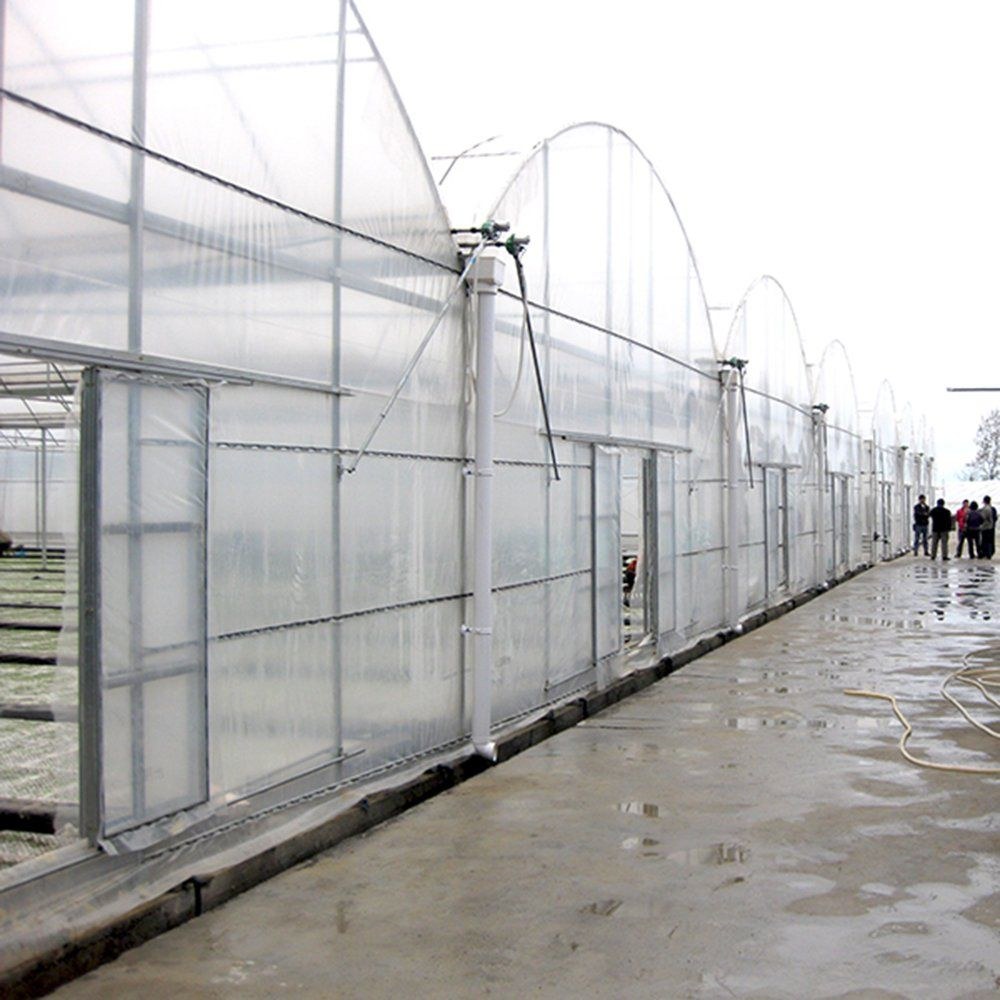
This year round vegetable greenhouse is aimed at commercial growers and farm investors who need output across all seasons. The frame is aluminium alloy or galvanized steel, and the covering is high grade anti-PEP film that transmits up to 90 percent of light while blocking harmful UV. Single and double layer covers are both available. The double layer adds an insulating air gap, which steadies temperature through winter and lets the house keep cropping rather than standing idle. Roof and side vents, or an automated ventilation system, keep heat and humidity under control.
For a commercial vegetable operation, a house that only works in two seasons leaves capital underused. This year round vegetable greenhouse is specified so the structure keeps producing across the calendar, pairing a corrosion resistant frame with anti-PEP film and offering single or double layer covering.
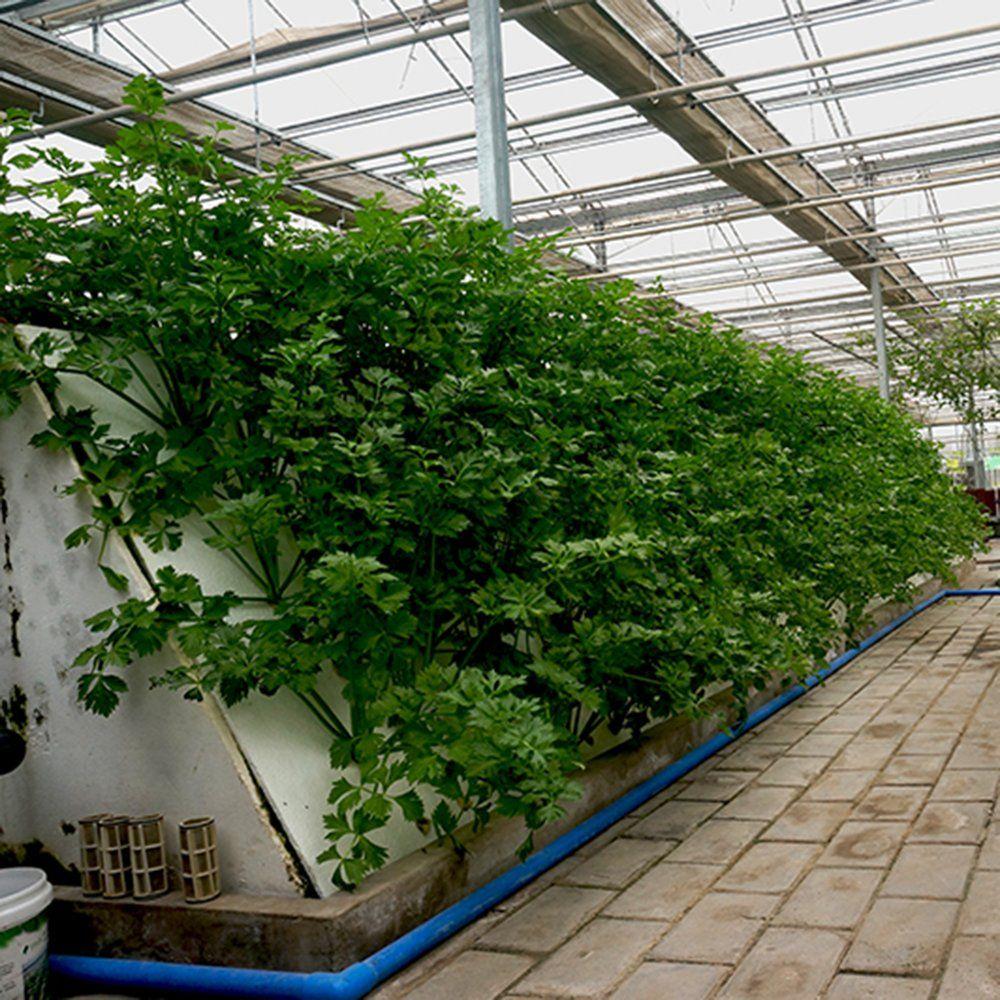
The film is high grade anti-PEP material transmitting up to 90 percent of available light, which drives the photosynthesis that sets yield, while the coating blocks the harmful UV fraction that damages foliage. Light alone does not carry a house through winter, which is where the double layer option comes in: the air gap between the two sheets raises insulation and steadies temperature, so the crop is not knocked back by cold nights. The result is a house that keeps working rather than being shut down between seasons. Growers planning year round vegetable production often follow extension guidance such as that published by Michigan State University horticulture, and trade reporting on FreshPlaza.
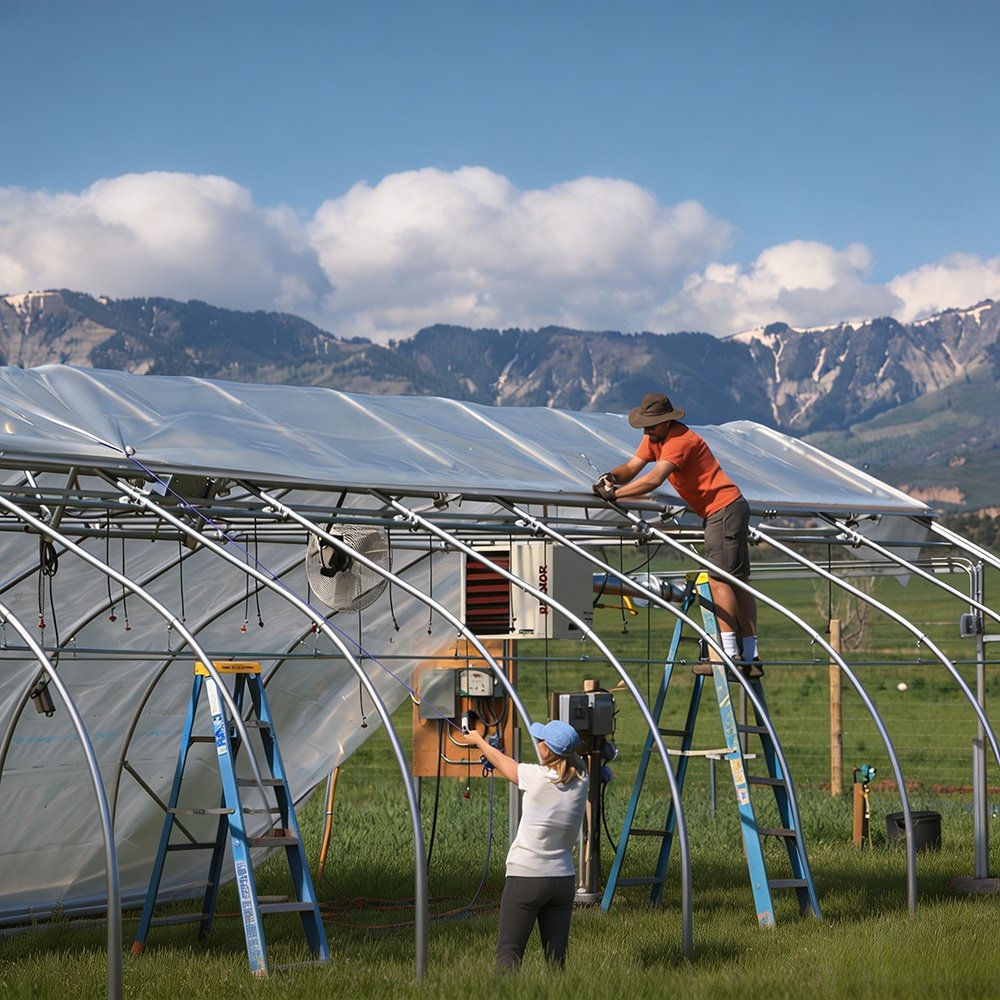
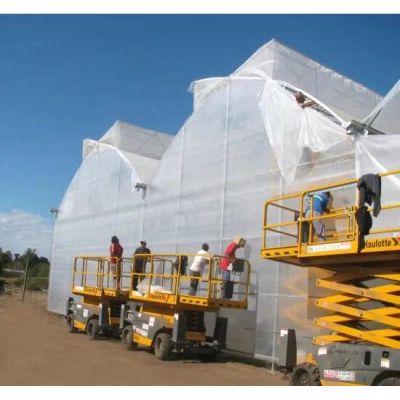
The frame arrives as pre drilled sections that bolt together on a prepared base, and film is fitted once the structure is complete. A double layer house uses an air inflation or spacer arrangement to hold the two sheets apart, and that gap should be checked whenever the cover is tensioned. Film is the consumable element: the covering normally lasts around three years before transmission and strength drop, so replacement should be scheduled into the cropping calendar rather than treated as an emergency. Between covers, check vent mechanisms before each season, keep film tensioned and sealed at joints, and clear gutters and drainage.
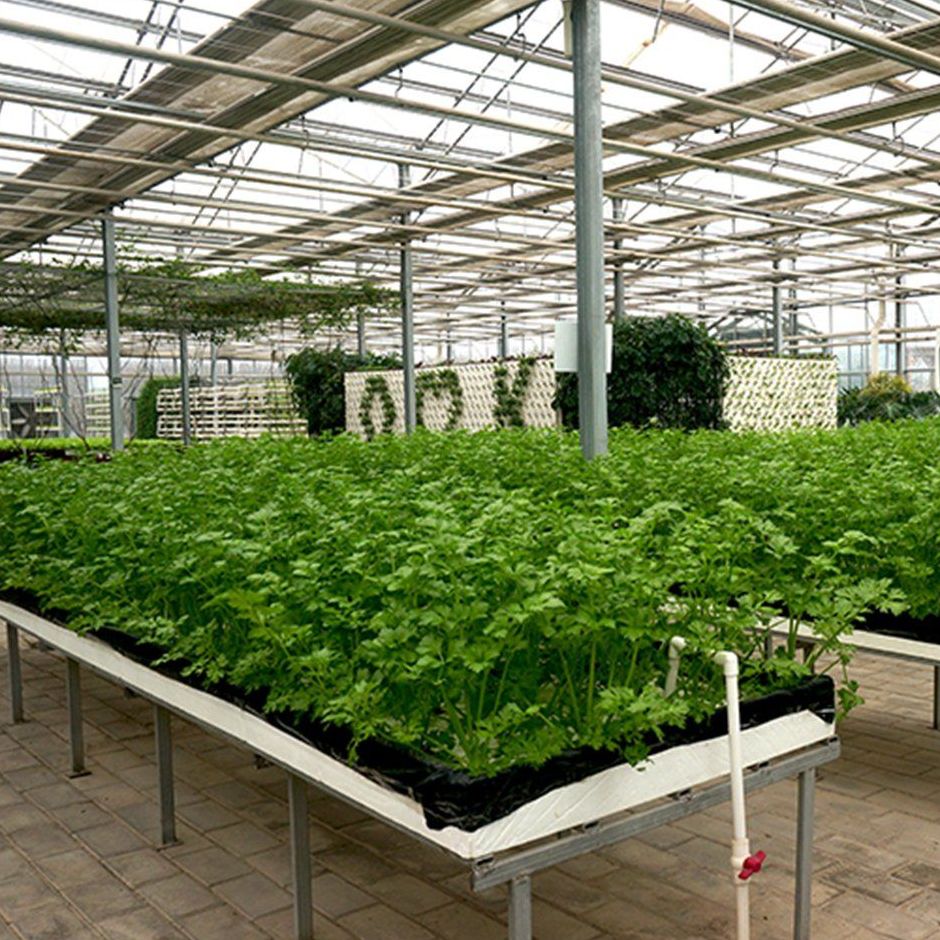
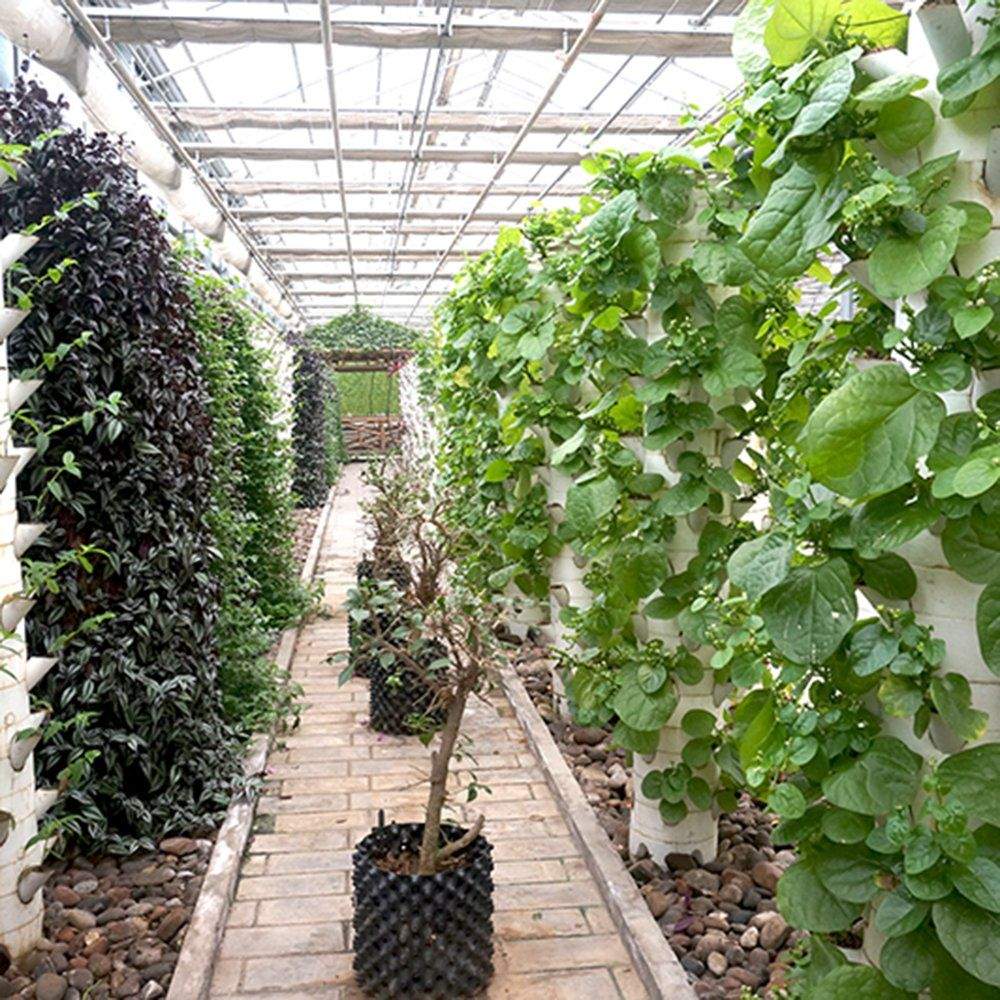
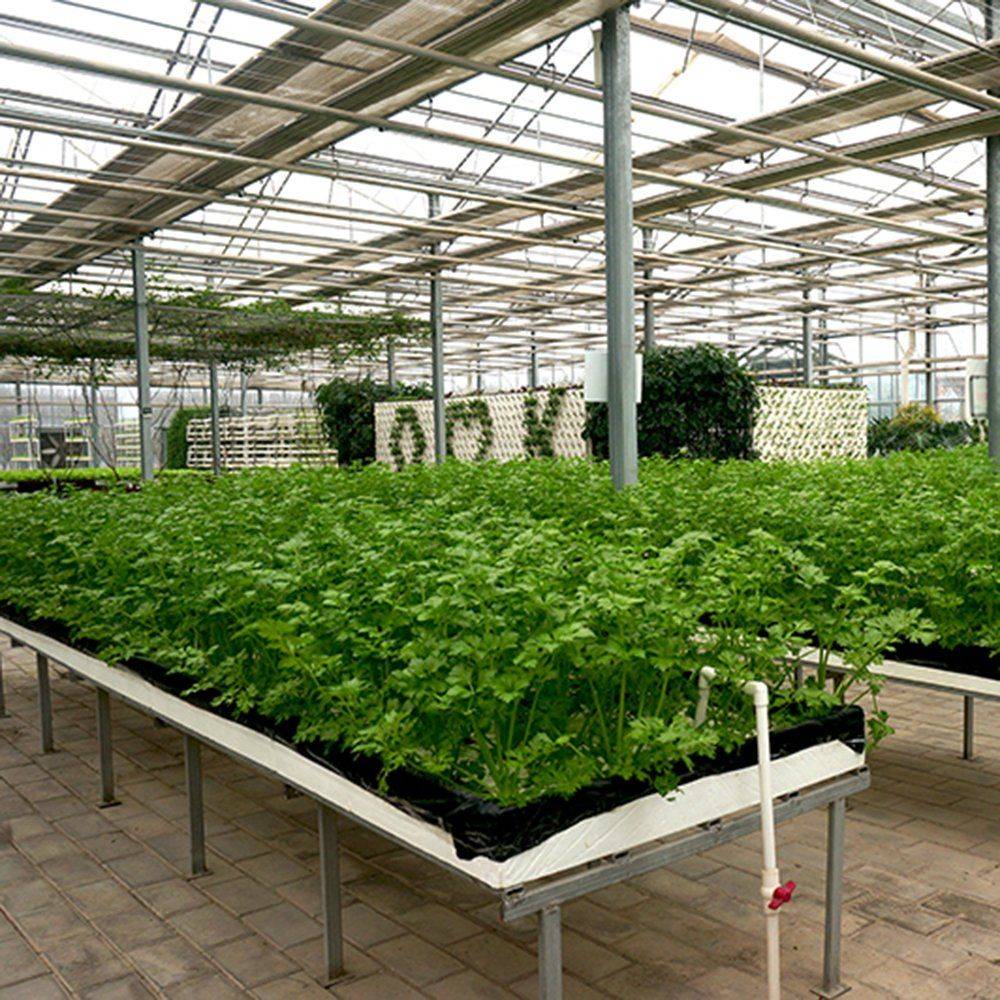
These houses suit commercial vegetable and herb production, seedling raising and cut flower crops, and the double layer version extends the working season into winter for growers in cooler regions. For investors, specifying a house that crops year round improves the return on the structure itself. Compare our film greenhouse range and the greenhouse with plastic film, or review our agricultural plastic film greenhouse for a field scale option.
In mild and temperate regions, yes, particularly with the double layer cover that raises insulation and steadies night temperature. In colder regions the house still works across most of the year, with optional heating covering the coldest weeks.
Single layer gives the highest light transmission and suits crops grown for maximum growth rate. Double layer adds an insulating air gap and steadies temperature, which is the better choice where winter cropping is the priority.
Around three years under normal use. UV resistant film holds transmission and strength longer, and the cover can be replaced on site without dismantling the frame.
Roof vents, side vents or a fully automated ventilation system can be fitted, and the same applies to heating with a boiler or radiant system. Tell us your crop and climate and we will recommend a configuration.
Send your span, length and height, your target crop, your local climate and your local wind and snow loads. We reply with a layout drawing and a full quotation covering frame, film, ventilation and fittings.