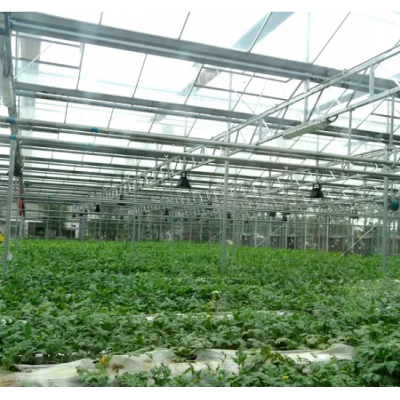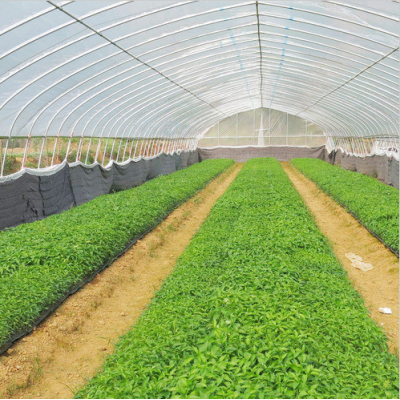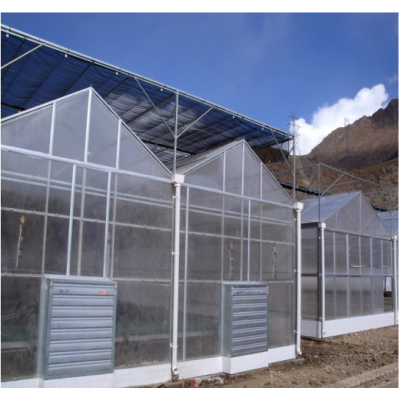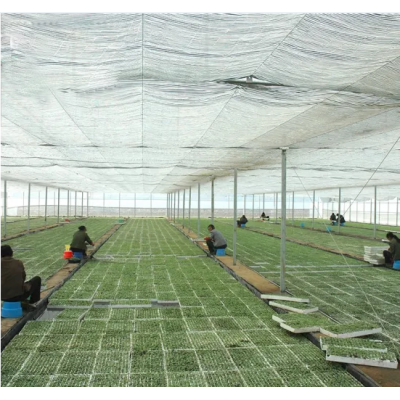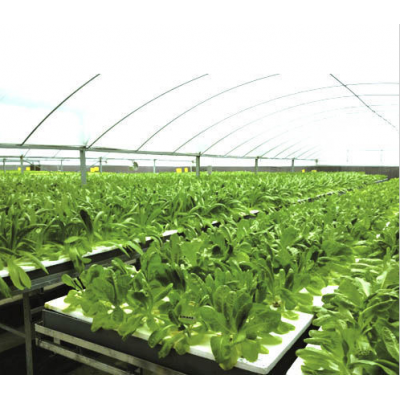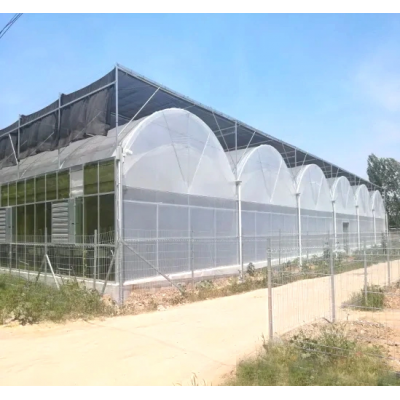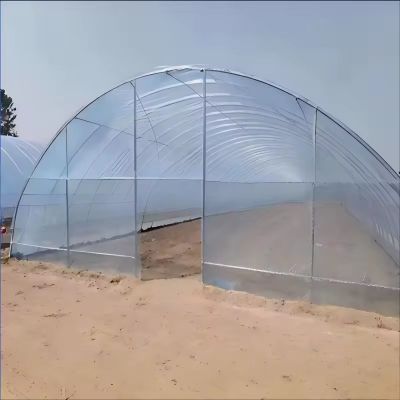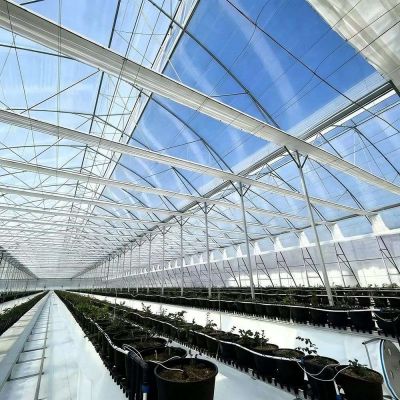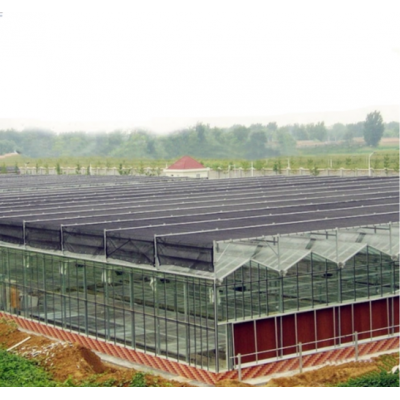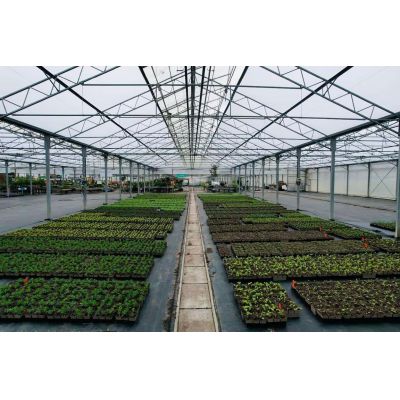
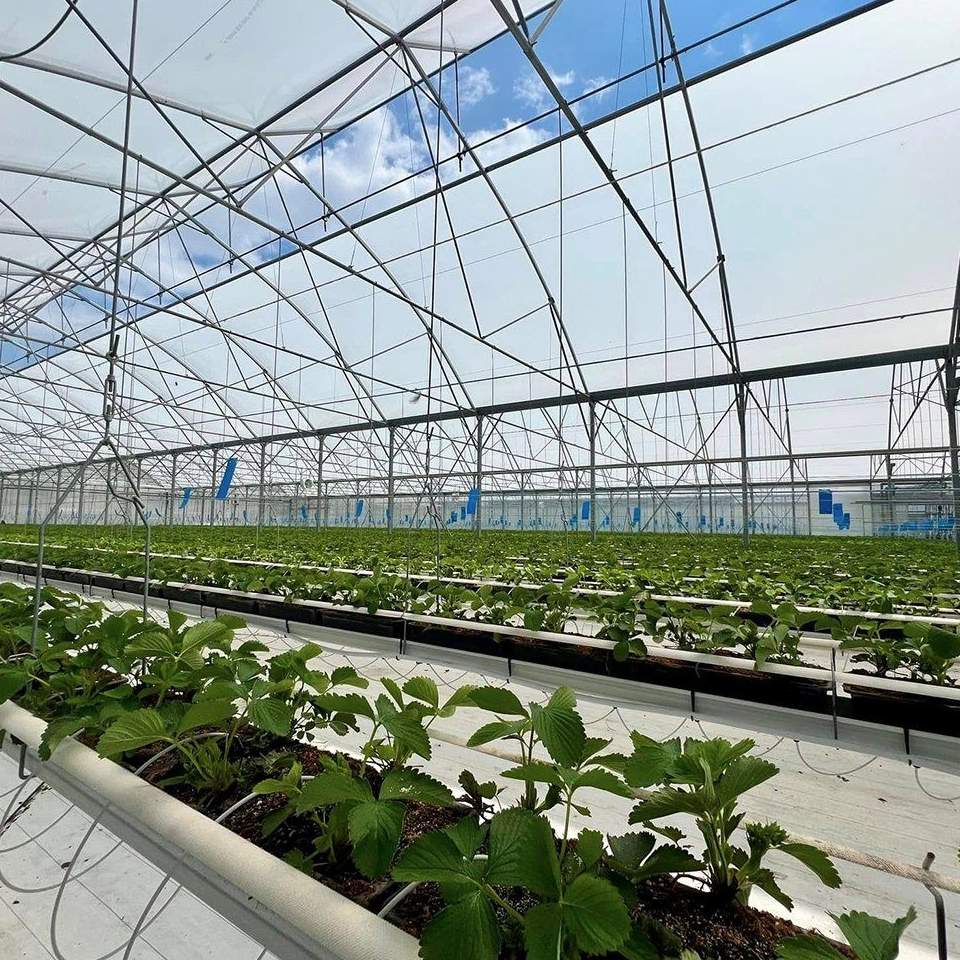
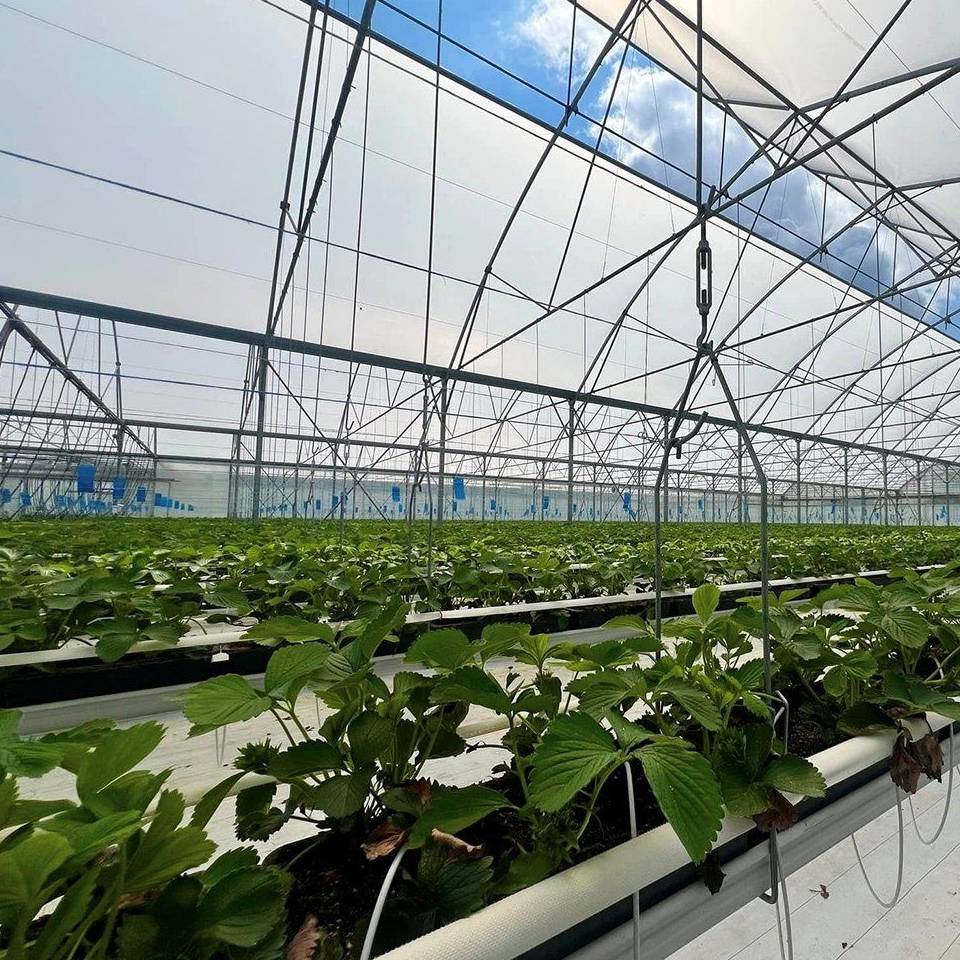
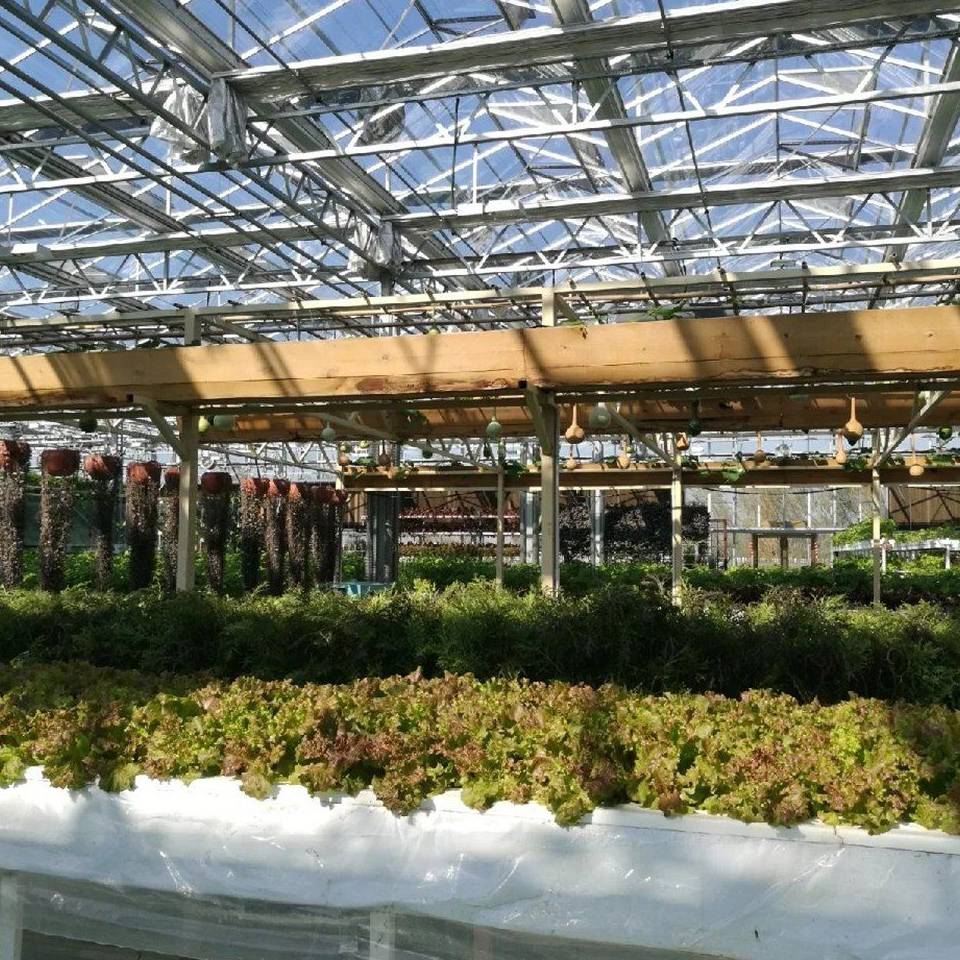
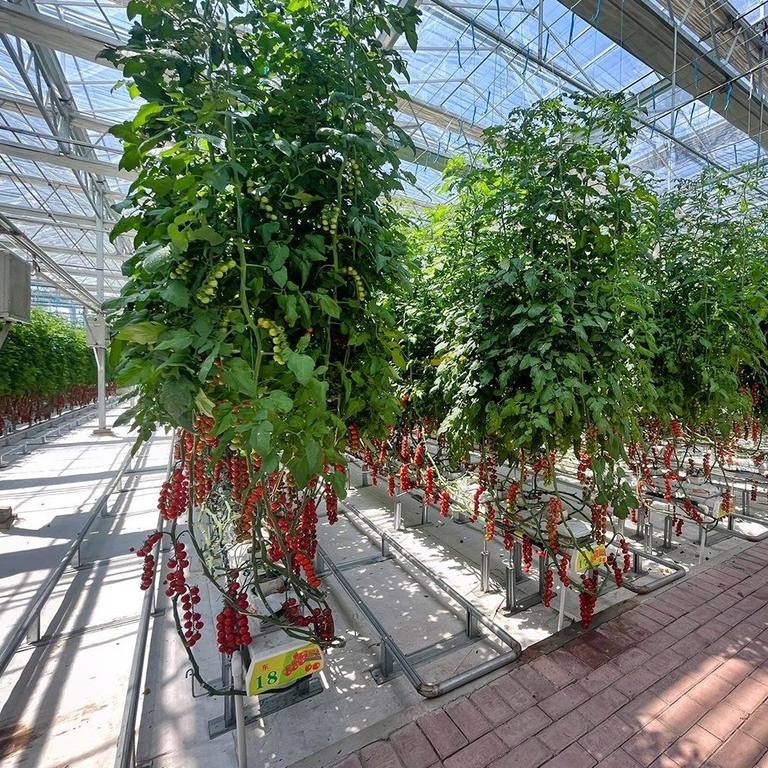
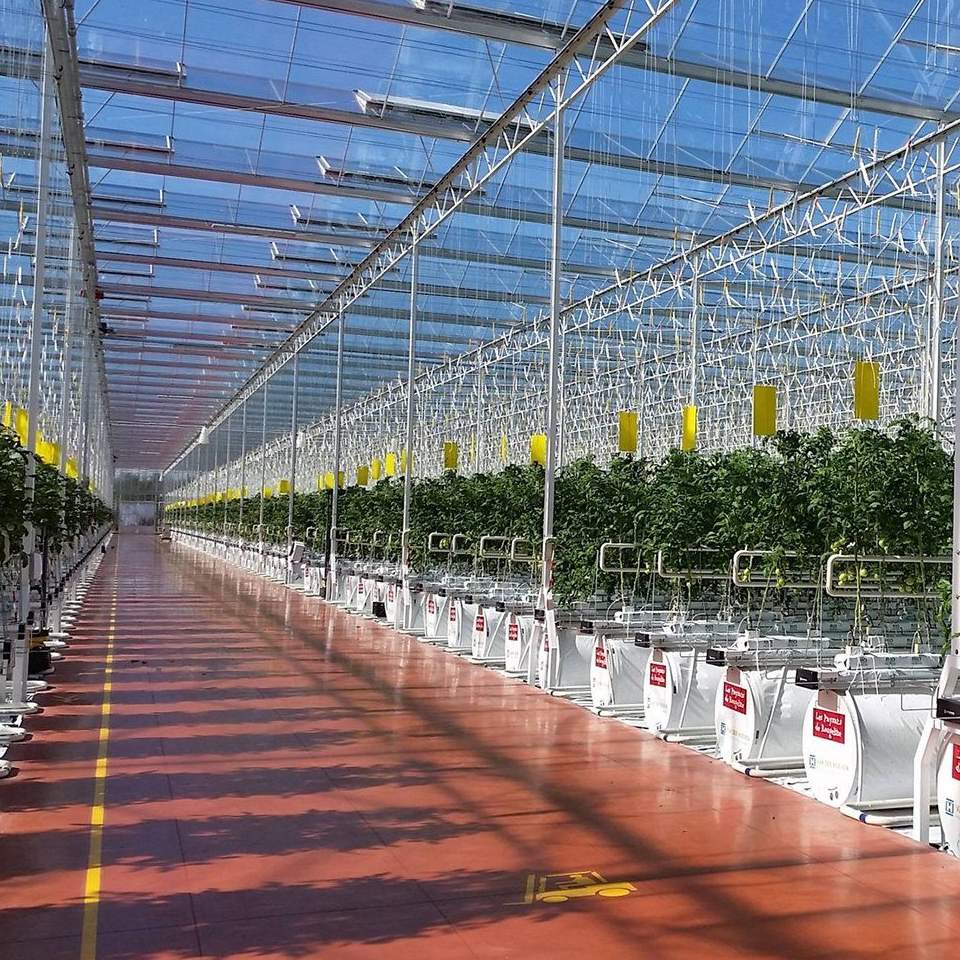
This smart glass greenhouse is built around humidity rather than temperature, because for a flower crop it is damp air sitting on the plant overnight that does the damage. A glazed house over a hot dip galvanized frame holds light steadily as it ages, and the automatic control drives the vents and screens from sensors inside the house so the humid layer is cleared before it settles on the petals. Spans run 8 m to 12 m, gutter height 3 m to 4.5 m and the house is built 10 m to 100 m long. It suits cut flower growers, pot plant nurseries and young plant raisers.
Flower growers lose more crop to the hour after sunrise than to any other part of the day. Overnight the air inside a covered house cools, the moisture it held comes out onto the coldest surfaces, and by morning the petals and the lower leaves are wet. Managing that single hour is the difference between a house that grades clean and one that does not. This smart glass greenhouse is laid out with humidity as the control target rather than temperature alone.
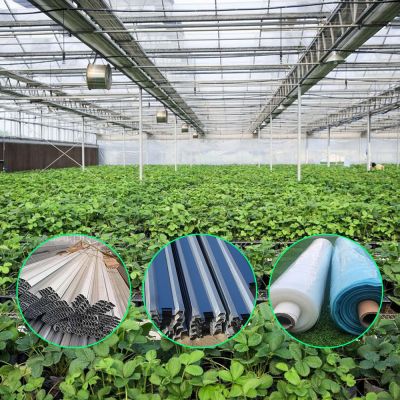
The structure is a hot dip galvanized steel frame carrying aluminium glazing bars and tempered glass, the usual pairing in a working glasshouse: steel takes the load and aluminium holds the panes. Glass keeps its light transmission as it ages, which matters on a flower crop because colour, stem length and petal size all follow the light the plant actually receives. The frame itself is dipped rather than painted, so the zinc covers cut ends and bolt holes as well as the tube faces, and it resists the wet working environment of a flower house.
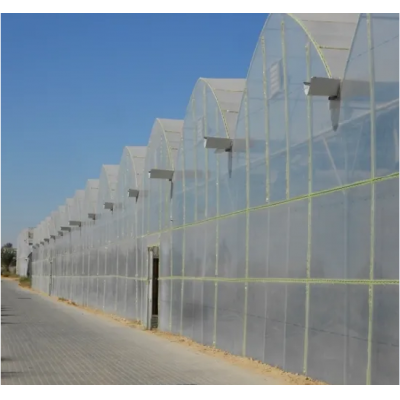
Spans run from 8 m to 12 m with a gutter height of 3 m to 4.5 m, and the ridge reaches between 3 m and 8 m depending on the span. Length is set from 10 m to 100 m by adding bays, so a range can be extended as a market is built rather than all at once. The rest of the glazed family is listed on the glass greenhouse range page on this site.
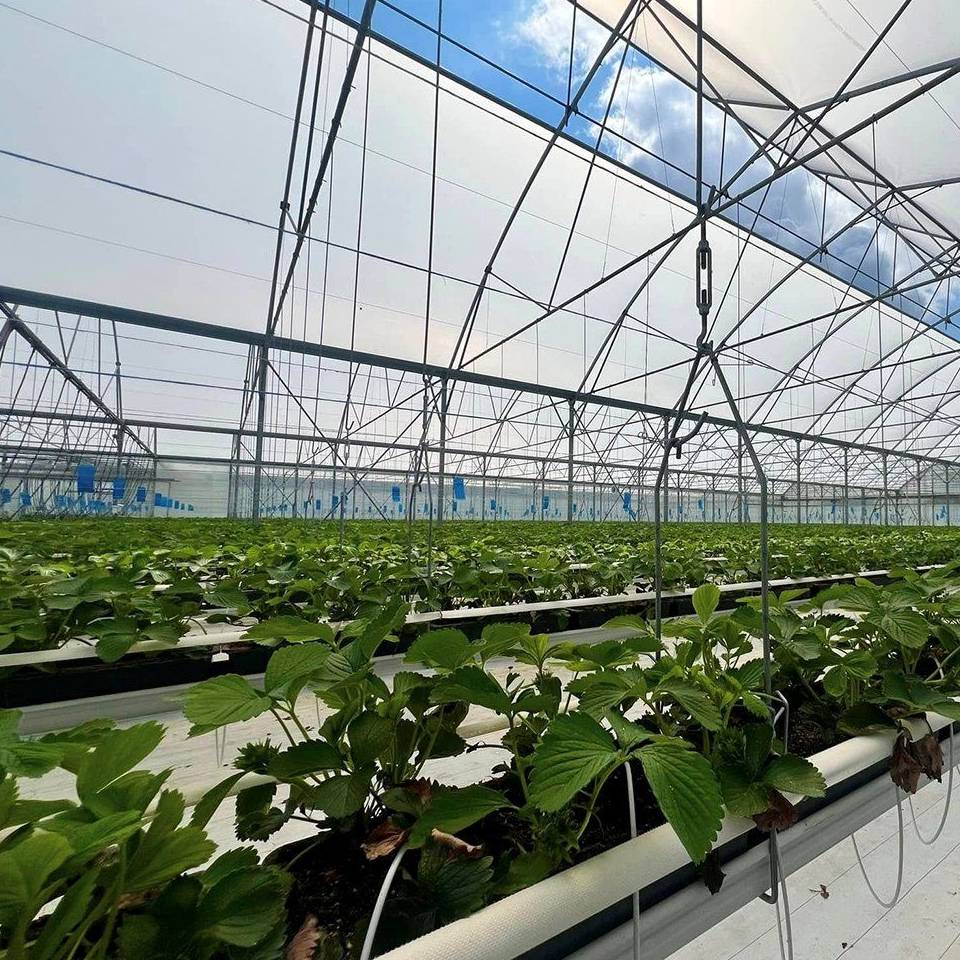
Automatic humidity control means the house reacts to the moisture in the air rather than to the clock. Sensors inside the house feed a controller that opens and closes the vents, and where screens are fitted it can run those too, so a damp overnight period is ventilated without dropping the temperature further than the crop can take. On a flower house the point is not comfort but grading: a crop held dry through the night comes to the bench with clean petals and a longer vase life, and a crop that is wet overnight is discounted before it is even cut.
The same control loop also handles the opposite problem. On a bright still afternoon the house can overheat while the humidity is low, and a controller watching both readings will vent and shade in the right order instead of doing one and creating a problem with the other. A house that holds a stable environment is also easier to schedule against a market calendar, which is what a greenhouse for flowers is usually bought for.
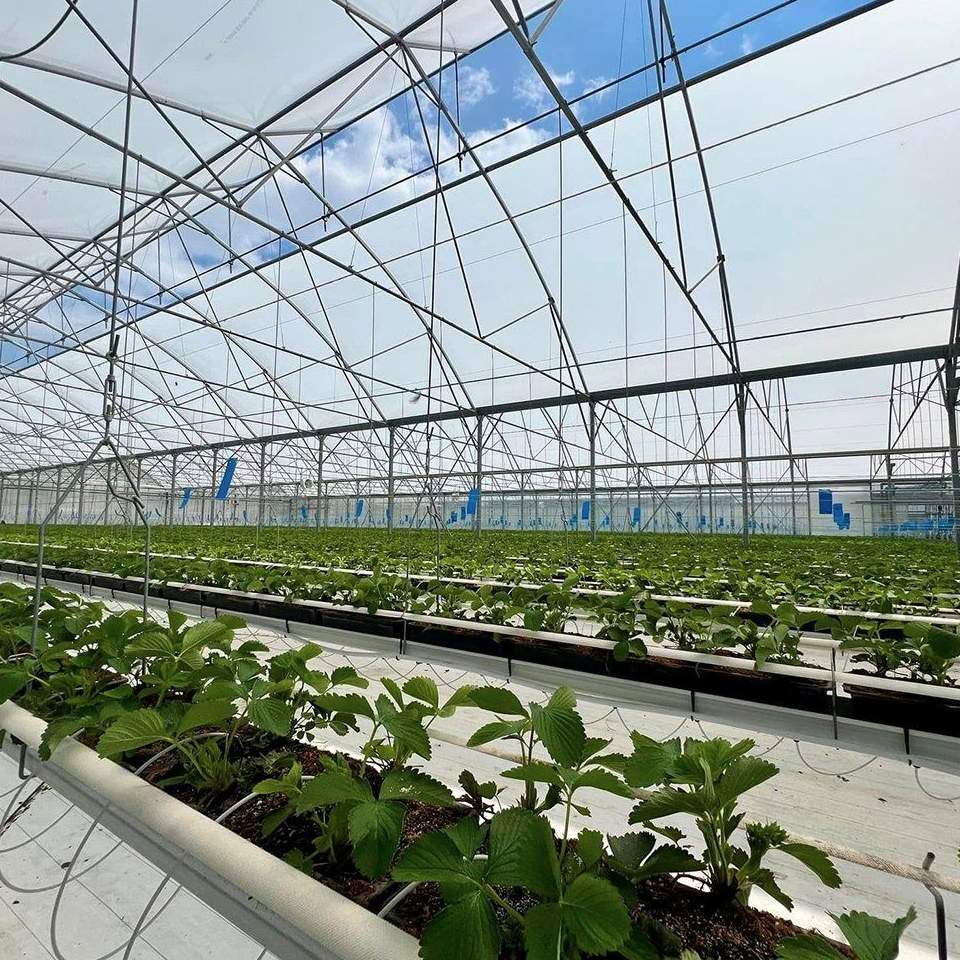
Even with good vents, air has to be moving for the humidity to leave. Roof openings along the ridge let the warm damp layer out of the top of the house, and side openings bring fresh air in low down where the benches are, so the two work as a circuit rather than as separate holes in the structure. In a flower house the benched layout means the crop is spread through the whole volume of the house rather than in one ground layer, which is why the side opening and any horizontal air movement matter as much as the ridge.
Keeping the canopy dry overnight removes the conditions that botrytis and leaf mould need to establish, and on a cut flower crop that is worth more than any later intervention. Research on controlled environment production band disease management is published by the Arizona Controlled Environment Agriculture Center as part of its work on protected growing, and the commercial side of indoor and greenhouse production is covered by VerticalFarmDaily.
The table below lists the standard build. Span, length, glazing and controls are set to the site and to the crop.
| Greenhouse span | 8 m / 9 m / 10 m / 11 m / 12 m |
| Greenhouse length | 10 m to 100 m, or built to client demand |
| Gutter height | 3 m to 4.5 m |
| Ridge height | 3 m to 8 m |
| Structure | Hot dip galvanized steel tube, aluminium glazing bars |
| Cover | Tempered glass glazing |
| Control | Automatic humidity and temperature control of vents and screens |
| Crops | Cut flowers, pot plants and young flowering plants |
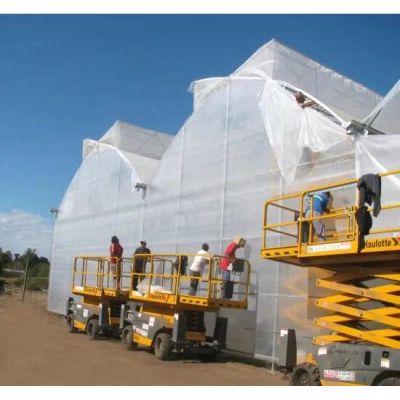
The house is delivered as a bolted kit with frame, glazing bars and glass cut to the drawing. Work starts on a level pad and a foundation that suits the frame, because glazing has no give in it and a structure that is out of square will not take the panes cleanly. The frame and glazing go up first, then the vents, drives, sensors and controller are commissioned against a finished house so the openings can be set to the crop it will run. A house of this size is normally standing in three to five weeks on a prepared site.
Maintenance is mostly about the control system rather than the structure. Glass does not need replacing on a cycle, but seals and fixings should be checked each season and the panes washed once or twice a year, because dust and algae cut light transmission more than growers usually expect. Sensors drift over time, so the humidity and temperature readings are worth verifying before each season, and the vent drives should be exercised rather than left to prove themselves on the first hot day.
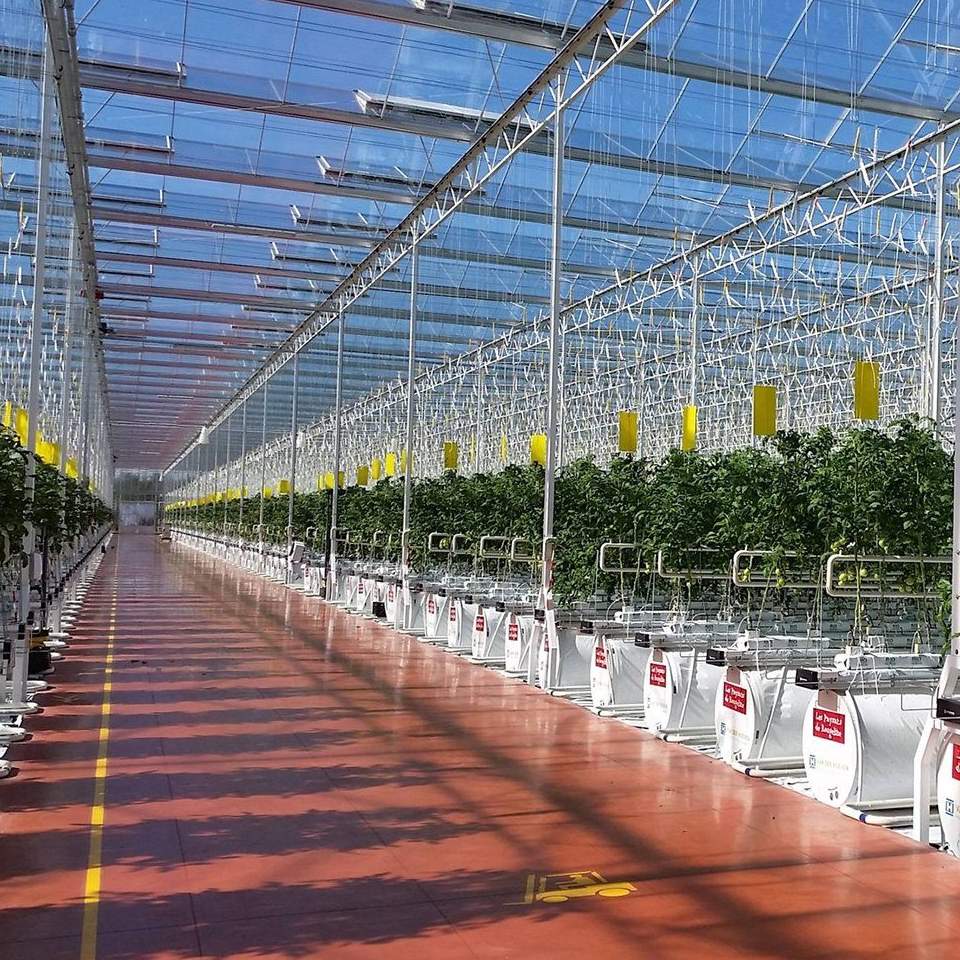
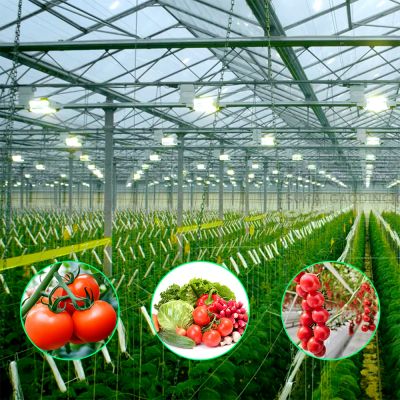
Houses of this type are used for cut flowers grown to a calendar, for pot plants finished on benches, and for young flowering plants raised for sale. The common factor is a crop that is sold on appearance and timing, where a clean petal and a fixed harvest date are what the buyer pays for. A larger glazed house in the same system is often specified where the range matters more than the level of control in any single house, and the glass greenhouse for year round cultivation shows the same principle applied to vegetables.
Growers comparing structures for floriculture usually weigh the covering against the market window rather than on unit price alone, since the covering decides both the light and the night temperature the crop will actually see. The practical question is usually how narrow a band the house can hold through a changeable week.
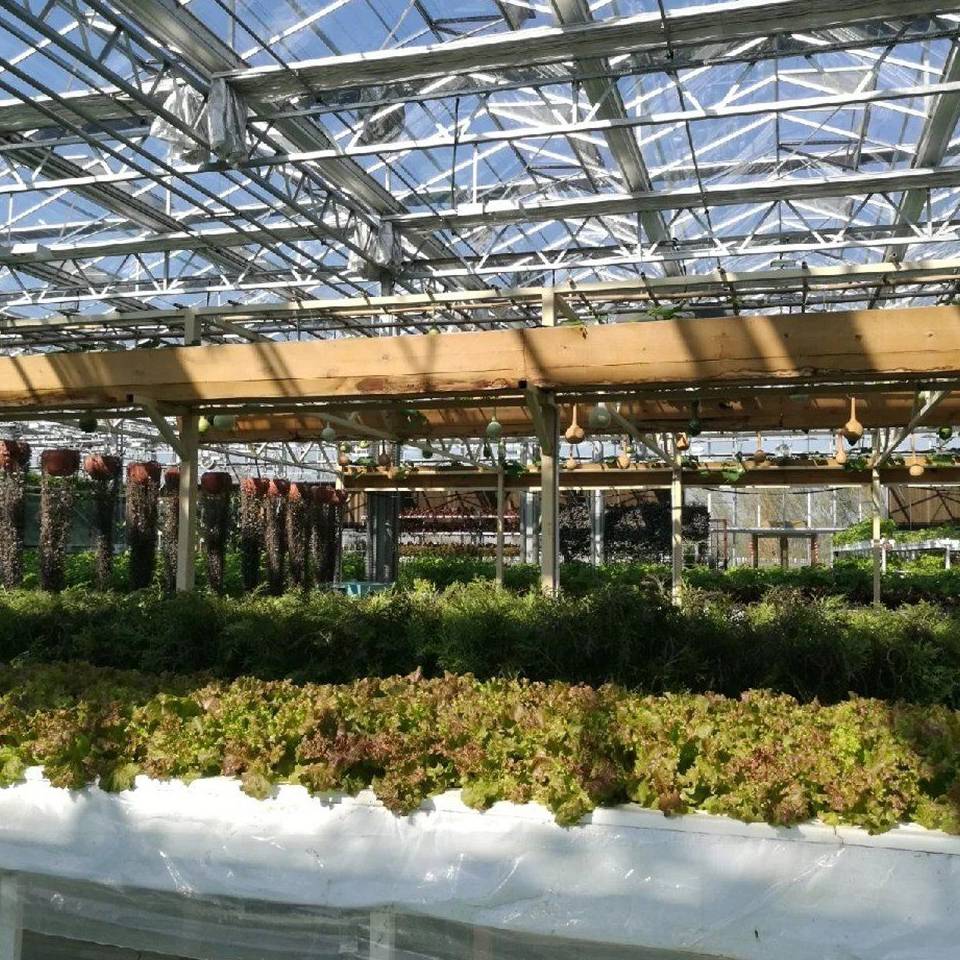
Because on a flower crop the damage is done by moisture settling on the plant, not by the temperature itself. A house that only watches temperature can still let the canopy stay wet through the night, and that is where botrytis and petal marking start.
Yes. A controller reading temperature and humidity can drive roof vents, side openings and, where fitted, retractable screens, so it can shade a bright afternoon and ventilate a damp night from the same set of readings.
The galvanized steel frame is rated for 15 to 20 years under normal growing conditions, and tempered glass glazing keeps its light transmission for 20 years or more when it is cleaned and left undamaged.
We provide a 10 year structural warranty and a 5 year anti-corrosion warranty on the galvanized frame. Details are set out in the contract for each project.
Send your site dimensions, the crops and bench layout you plan to use and your local wind and snow loads. We reply with a layout drawing and a full quotation.