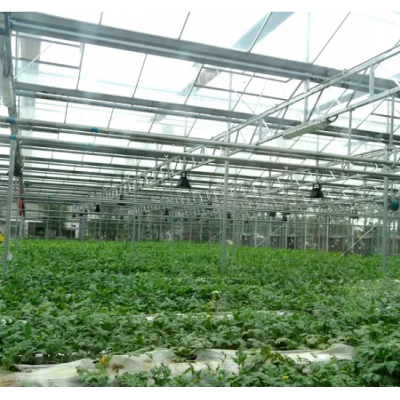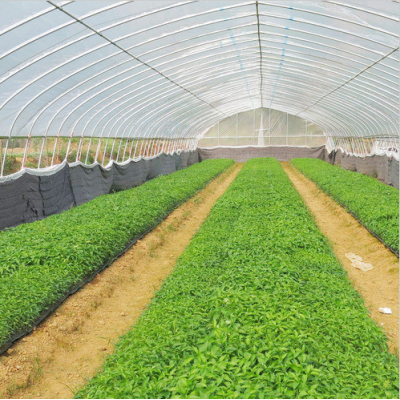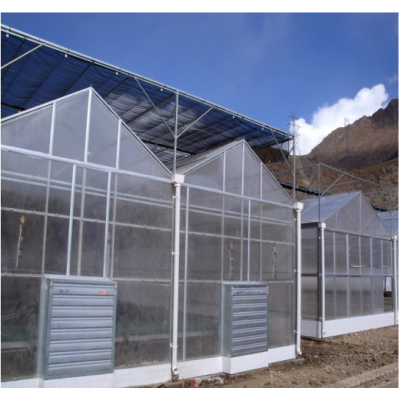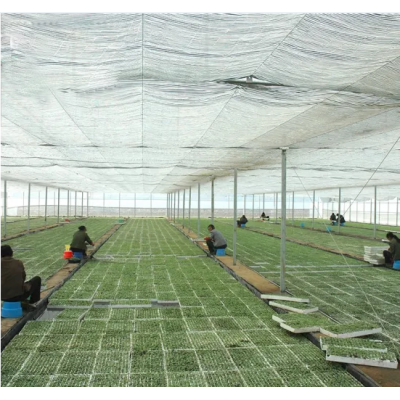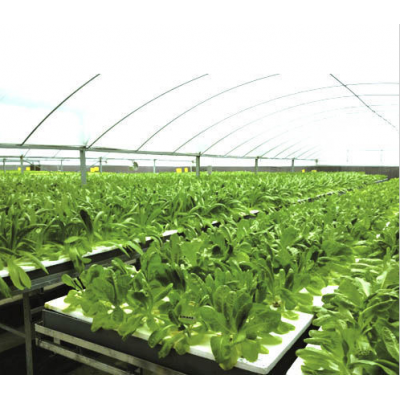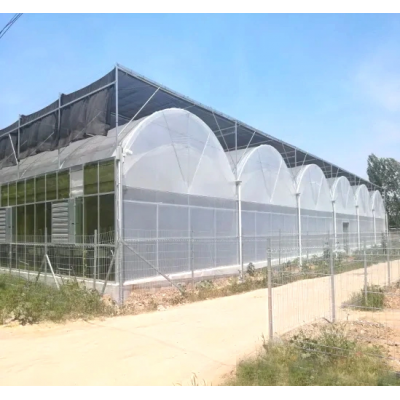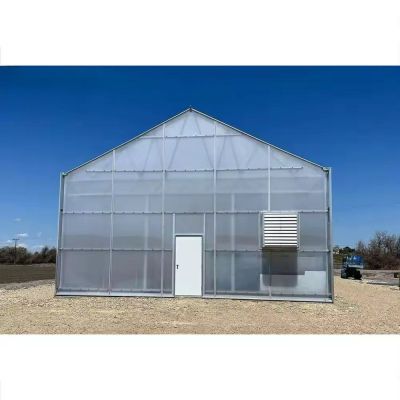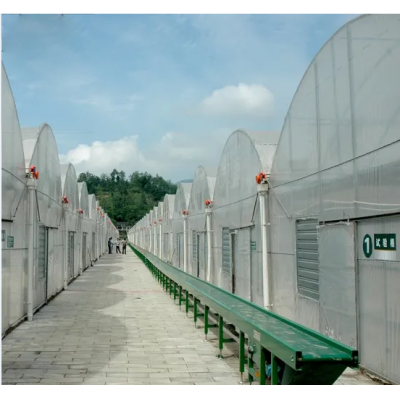


This is a solid polycarbonate sheet rather than a multiwall panel, which means the glazing is a single thickness of material rather than a pair of skins with a gap between them. Solid sheet is used where the panel has to take an impact as well as pass light: it holds up to hail and to handling in a way glass does not, and it does not shatter into edges when it fails. Thickness runs from 1 mm to 30 mm, the standard sheet is 1.22 m by 2.44 m, and colour and cut sizes are set on the order.
Polycarbonate is the glazing that gets used where glass is expected to break. It is not areplacement for glass on a house that is judged only on clarity, but on roofs, canopies and skylightsthat take hail, fall or handling, it is the material that keeps the building weathertight instead ofleaving a hole.
This is a solid sheet, not a multiwall panel. A solid sheet is one thickness of polycarbonate,which makes it stiff, easy to cut and simple to fix with standard glazing bars. A multiwall panelinsulates better because it traps air between two skins, and a solid sheet takes more impact permillimetre and keeps a cleaner line in a frame.
It is made from virgin polycarbonate rather than regrind, which is what decides how it behaves aftera few seasons in the sun: the sheet is what holds its clarity and its impact strength, and acompounded sheet is where yellowing and brittleness start. Sheets of this family sit with the rest ofthe polycarbonate greenhouse range on this site.

The property that gets polycarbonate specified is impact resistance. A solid sheet takes hits thatwould crack or shatter glass, and when it is overloaded it deforms rather than breaking into edges,which matters where the panel is over a walkway or over stock. On a hail belt that is the wholeargument for the material.
On the light side, a clear sheet passes a high proportion of daylight and blocks the UV thatdegrades what is underneath, so it is used both as glazing and as a protective layer over equipment.The sheet also resists dust and fogging better than glass in service, which keeps the light level fromfalling away between cleans.

Thickness runs from 1 mm to 30 mm. The thin end is used for protective and light duty panels wherethe sheet is supported at close centres, and the thick end for structural glazing and safety screenswhere the sheet carries load rather than only covering. The standard sheet is 1.22 m by 2.44 m, whichis the size that cuts with least waste against a typical glazing bay.
The sheet cuts and drills with normal tooling and can be supplied in cut sizes and colours to theorder, which suits a distributor holding a range rather than a single specification. Production isquoted at 7 to 10 days from the order, so a schedule can be held without waiting on a long mill run.

The table below is the standard supply. Thickness, colour and cut size are set on the order.
| Product | Solid polycarbonate sheet |
| Material | Virgin polycarbonate, UV protected |
| Thickness | 1 mm to 30 mm |
| Standard sheet | 1.22 m x 2.44 m |
| Colour | Clear or made to order |
| Cut sizes | Cut and drilled to the order |
| Light | High daylight transmission with UV blocking |
| Surface | Dust and fogging resistant |
| Impact | Impact resistant, deforms rather than shattering |
| Lead time | 7 to 10 days |
| Applications | Greenhouse glazing, skylights, roofing and noise barriers |
| Supply | Distributor and contractor orders |

Polycarbonate expands and contracts with temperature more than glass does, so the fixing detail isthe part that decides how long a panel lasts. Fixings are set in oversize holes or with gaskets thatallow the sheet to move, and the sheet is supported at centres matched to its thickness rather than tothe frame the glass would have used. Cut edges are sealed so debris and water do not get into theglazing bar.
Maintenance is cleaning and inspection. The sheets are washed on a cycle with a mild detergentrather than a solvent, since a solvent attacks the surface, and the fixing points are checked afterthe first season and then seasonally. Where the sheet is used over a growing crop, cleaning is done onthe same routine as the glass it replaced, because a dirty sheet loses light in the same way.

Solid sheet is used for greenhouse glazing where hail or handling rules glass out, for skylightsand roof lights, for canopies and walkway covers, and for noise barrier panels along roads and plantboundaries. It suits distributors holding a cut size range, contractors specifying glazing for aproject where the panel has to take an impact, and growers replacing glass in a house that keepslosing panes. A house built around polycarbonate sheet is described in the polycarbonate sheet greenhouse page.
Standards for glazing products and installations are published by NEN. Market and sourcing information for agricultural and construction buyers is published by Wikifarmer. A polycarbonate house supplied as a kit is described in the commercial polycarbonate greenhouse kit page.
Multiwall insulates better because it traps air between two skins. Solid sheet takes more impact permillimetre, is stiffer over a span and keeps a cleaner line in a frame, so it is used where the panelhas to take a hit or carry a load rather than only cover.
Because the sheet is what holds the clarity and the impact strength. Virgin polycarbonate keepsboth over a long service life, while a compounded sheet is where yellowing and brittleness start,which shows up as a house that gets darker and loses panes.
The sheet is UV protected and is expected to hold its clarity and impact strength over a longservice life under normal outdoor conditions. Fixings and gaskets run on a shorter cycle and arechecked seasonally.
We provide a 10 year structural warranty and a 5 year anti-corrosion warranty on the galvanizedsteelwork used in the supporting structures. Details are set out in the contract for each project.
Send your sheet size, thickness and quantity, and the application it is going into. We reply with acutting layout and a full quotation.