

This pipe is round galvanized stock for agricultural water lines, hot rolled to an ASTM grade and galvanized after forming so the coating covers the bore as well as the outside. It carries water to a block, a trough or a set of valves, and it is also used for the structural runs on a farm where a member has to take load from any direction. Because the coating reaches the inside, a line that is buried or permanently wet is protected where it matters rather than only on the face that can be seen.
A water line on a farm is judged at the far end of the run and after several seasons in the ground. The diameter decides whether the last section of the block is watered at the same rate as the first, and the coating decides whether the pipe is still sound when a joint is opened again years later.
A larger bore moves the same volume at a lower velocity, so less pressure is lost along the run. On a block that matters at the far end: a main that is sized too small will deliver at the headland and fall away over distance, and the crop on the last rows is watered at a different rate from the crop on the first. That is why main lines are specified larger than the lines that feed off them.
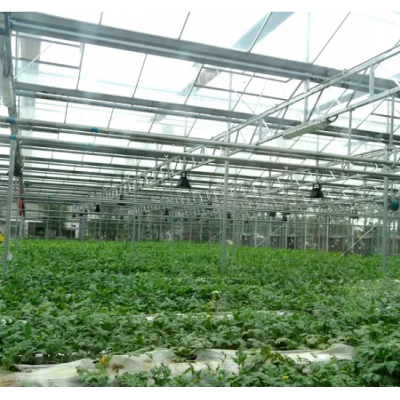
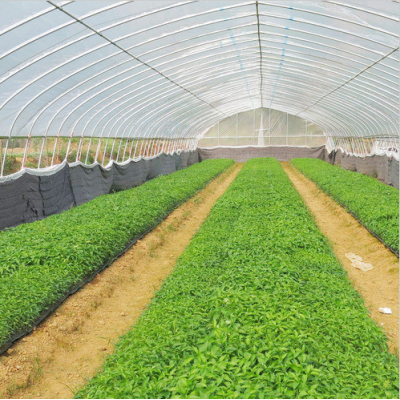
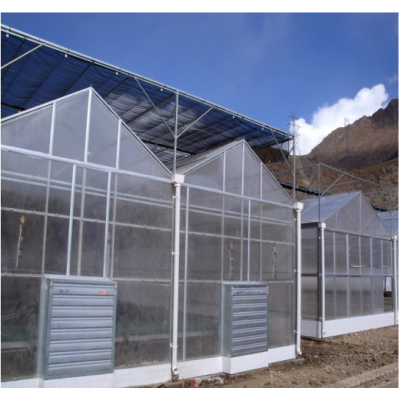
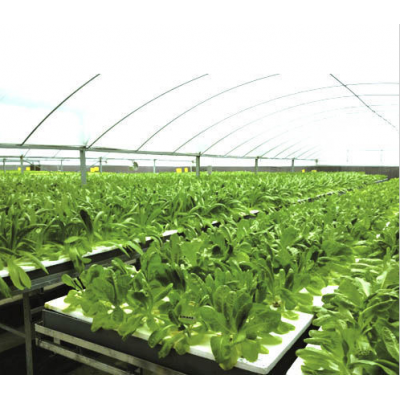
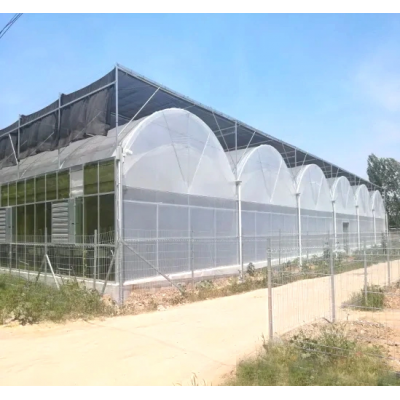
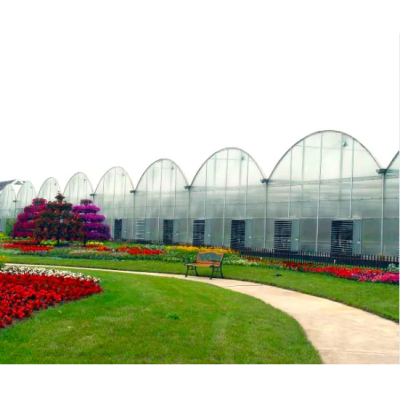
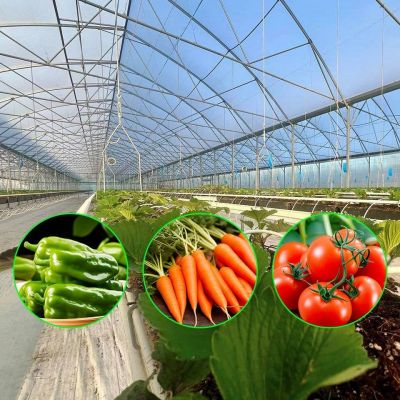
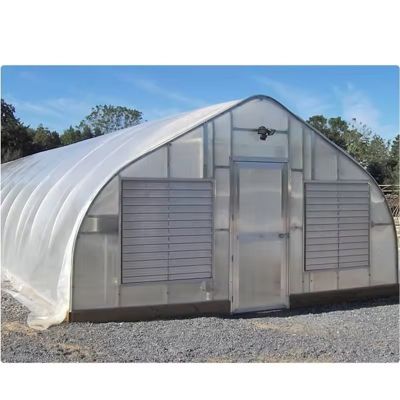
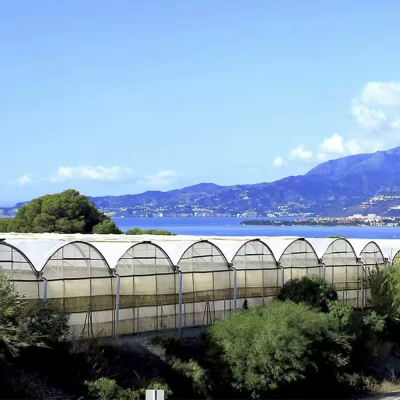
The same stock does structural work as well. Round pipe is used for the members that have to take load from any direction, which is why it appears in shelter frames and greenhouse frames as well as in water lines, and it carries the pipes for a drip layout on the same site. Frames built from this stock are shown on the film greenhouse range page on this site.

Hot dip galvanizing is done on the pipe rather than applied afterwards, so the zinc covers the bore and the wall thickness of the coating is set by the process rather than by an operator. On a buried water line the inside is the surface that matters, because it is permanently wet and out of reach of anything applied after installation.
Outside, the coating does the work at the two places a buried run fails first: at the joint, and where the pipe passes through a wall, a concrete apron or a bank. Cut ends and threaded ends expose bare steel, so they are treated at the time the pipe is cut rather than after the trench has been backfilled.

The pipe is supplied to be worked on site. It can be cut to length, threaded, welded or connected with a mechanical coupling depending on the run and on how much of it will ever need to come apart. On a farm main, threaded joints and couplings are usually preferred because a section can be opened for a repair without cutting the line.
Two points are worth holding to. A cut end and a threaded end both need treating before they go into the ground, and welding burns the coating back along the pipe, so welded joints are the ones to inspect at the first season check. Where the pipe is being handled into a trench, slings rather than forks keep the coating intact on the underside. A larger line on the same stock for a main supply is described in the large diameter galvanized steel pipe for water supply.

The table below is the standard stock. Diameter, wall thickness and length are set to the drawing.
| Type | Round |
| Standard | ASTM |
| Technique | Hot rolled |
| Surface treatment | Hot dip galvanized |
| Alloy or not | Non-alloy |
| Shape | Round bar stock |
| Jointing | Threaded, welded or mechanical coupling |
| Uses | Irrigation mains, farm water lines and structural frames |
| Delivery time | Set out in the quotation for each order |

Pipe is delivered in bundles, so unloading and stacking are part of the job. Bundles are lifted with slings wherever the site allows it, because a fork that slides under a bundle drags the coating off the bottom layer, and the coating is the reason the pipe was bought galvanized rather than painted.
On site the stock should be kept off the ground on bearers and covered, so water does not sit inside the pipe ends through the wet season. Where a run is being laid, the pipe should be strung along the trench before it is jointed, so the joints are made once rather than remade after a section has been dragged into place.

This pipe is used for irrigation mains, for farm water lines and trough supply, and for structural work such as shelter frames and greenhouse members. It suits farms laying a line to a block, growers putting in a drip layout who need the head and return pipework, and contractors who want one grade of pipe across a site.
Standards for steel products and for the coating systems applied to them are published by BSI. Production and market reporting for fresh produce growers is published by FreshPlaza. A drip layout that takes its supply from pipework of this type is described in the automatic drip tape irrigation system.

Because a larger bore moves the same volume at a lower velocity and loses less pressure along the run. A main sized too small delivers at the headland and falls away over distance, so the last rows of the block get less water than the first.
The bore. The zinc is applied to the pipe itself, so the inside wall is coated, and on a buried water line the inside is permanently wet and out of reach of anything applied after installation.
A galvanized steel water line is rated for 15 to 20 years under normal conditions, with joints and any cut or threaded ends checked as part of the season service.
We provide a 10 year structural warranty and a 5 year anti-corrosion warranty on the galvanized steel. Details are set out in the contract for each project.
Send the diameters, wall thicknesses and quantities you need along with the application and the delivery port. We reply with a quotation and the delivery schedule.